

Injection molding applications
The benefits of injection molding are evident in applications for aerospace, medical, automotive, agriculture, defense, construction, and consumer electronics, among many others. Each of these injection molding applications draws from the capability to produce detailed parts in volume.
From the aircraft overhead to the petri dish in the hospital, few manufacturing methods influence as many industrial applications as injection molding does. The right design and material choice matter for injection molding applications. It determines whether the molded part meets the requirements for compliance, durability, and dimensional tolerance – or fails when subjected to real-world conditions.
That’s why we prepared this guide, which outlines various injection molding applications, alongside the injection molding process basics, design features, and materials.
What is Injection Molding?
Injection molding for plastics is the process of heating plastic to its melting point, injecting the melted plastic into a mold via a nozzle, and allowing the mold to cool to create a part. Ejector pins are then used to remove the part from the mold.
Injection molding has various key applications, as shown in the following table.
Summary Table of Common Injection Molding Applications
|
Industry |
Examples of Injection-Molded Parts |
|
Aerospace |
Engine housings, connectors, cable management, emergency lighting fixtures, seating, luggage compartments |
|
Automotive |
Tail lights, hoods, grilles, bumpers, headlights, mirrors, fenders |
|
Medical |
Implant parts, IV connectors, diagnostic device enclosures, surgical instrument handles |
|
Consumer Electronics |
Remote control shells, electronic casings, charger housings |
|
Construction |
Insulation clips, pipe fittings, HVAC ducting parts |
|
Food industry |
Beverage lids, conveyor parts, utensils, storage containers |
|
Defense |
Protective gear parts, communication device enclosures, ammunition components |
|
Agriculture |
Tool handles, irrigation fittings, machine guards |
Plastic injection molding is performed in an injection molding machine. As the figure below shows, the machine comprises two major parts: The injection unit and the clamping unit.
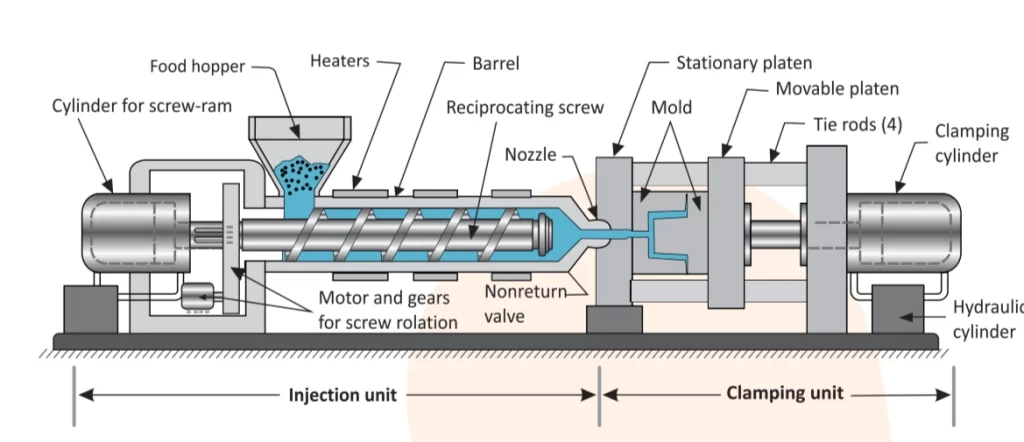
Injection molding machine
This standard machine setup enables the manufacture of cost-effective, durable parts for a range of industries. The exact injection molding cost depends on the part design, tooling complexity, and material type.
What are the Common Injection Molding Applications?
The list of injection molding applications includes aerospace, automotive, medical, and consumer electronics. Others include construction, food, defense, and agriculture.
Aerospace Industry
Aerospace plastic injection molding parts are ideal because they can meet industry requirements such as low weight, tight tolerances, design flexibility, durability, and cost-effectiveness. The types of aerospace injection molding parts include engine components, aerodynamic components, electrical housings, interior components, and safety components.
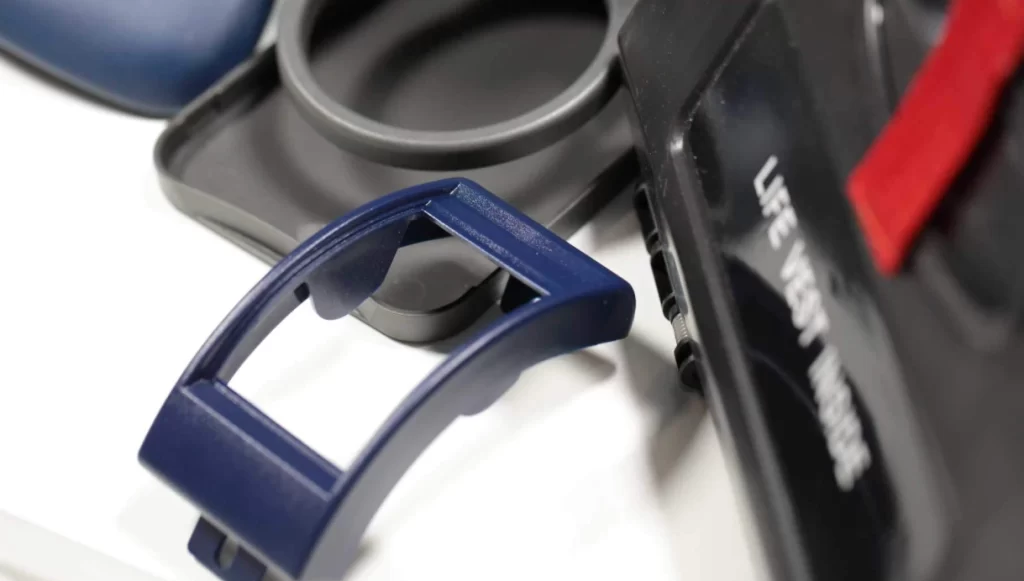
Aerospace injection molding part
Automotive Industry
The most common automotive plastic injection molding applications include interior parts, underhood components, and aesthetic exterior components. Commonly used plastics in these areas are Polypropylene, Polyvinyl Chloride (PVC), Polycarbonate, Acrylonitrile butadiene styrene (ABS), and Polyamide (Nylon). Manufacturers and users cite several benefits, including complex shapes, repeatability, quality surface finish, and a fast manufacturing process.
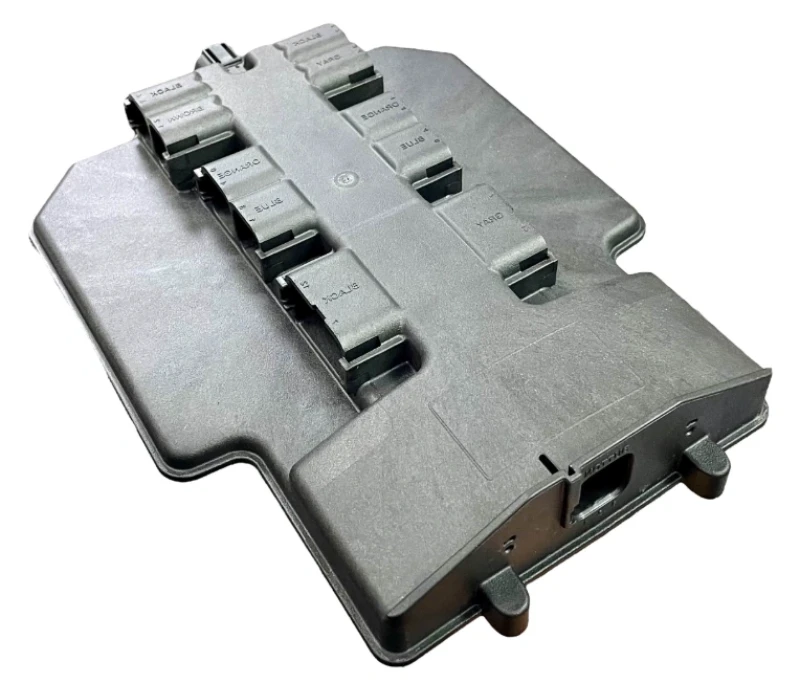
Injection molding automotive part
Medical Industry
Biocompatibility and toughness are critical properties for injection-molded parts for the medical injection molding industry. Depending on the device and its designated use, the manufacturing process may require an environment compliant with ISO 14644-1:2015 to control contamination. [1]
Polypropylene (PP), Polyethylene (PE), and Polycarbonate (PC) are widely used in medical device injection molding. Some of the most popular parts produced using the technique are pump connectors, bacteria filters, chamber filters, and Petri dishes.
Consumer Electronics
Various accessories and parts of consumer electronics are made by injection molding. The list is long, comprising insulating casings, connectors, and decorative finishing.
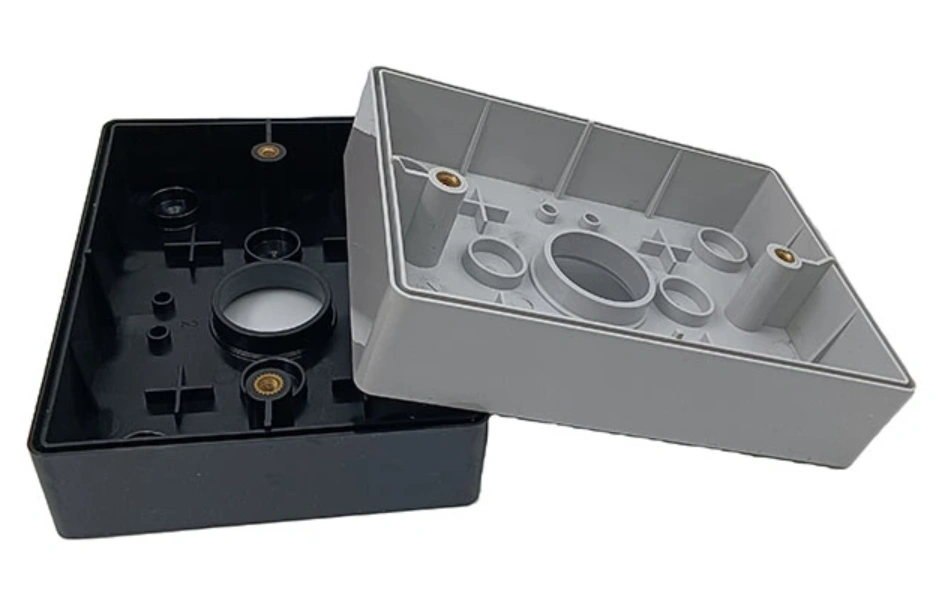
Electronic casings
Manufacturers of these parts use dependable plastics such as Acrylonitrile Butadiene Styrene (ABS), Polyamide (Nylon), Acrylic (Polymethyl Methacrylate – PMMA), Polycarbonate (PC), and Thermoplastic Polyurethane (TPU).
The relevant standards for injection molding in the electronics industry may include occupational health and safety regulations for production operations and ISO 9001:2015 for quality management.
Construction Industry
Plastic injection molding is a preferred method of high-volume production of various parts and components in the construction industry. Materials available for these applications include Acrylonitrile Butadiene Styrene (ABS), High Impact Polystyrene (HIPS), Polycarbonate (PC), Polypropylene (PP), Low-Density and High-Density Polyethylene (LDPE and HDPE), and Polyamide (Nylon).
Here are some commonly injection-molded parts for the construction industry:
- Pipe fittings
- Equipment housings
- Pipe connectors
- Bearings
- Clear tubing
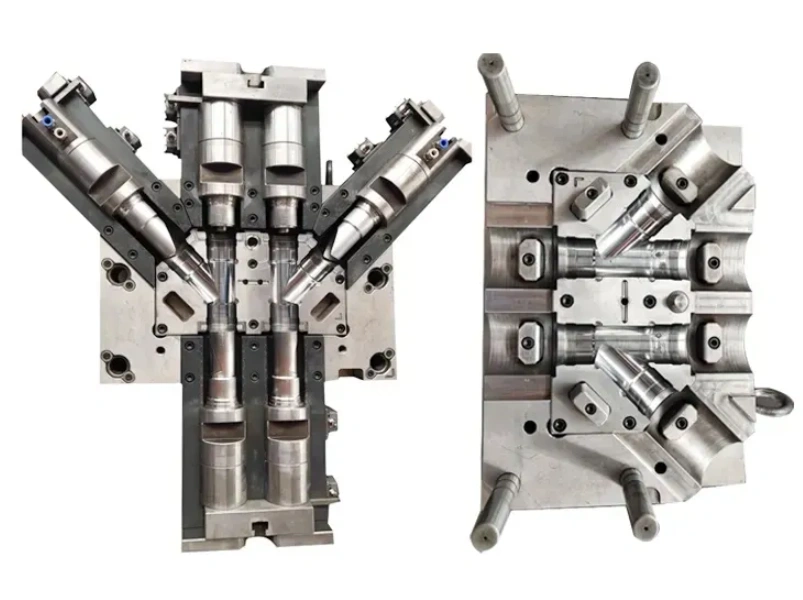
Pipe fittings mold
Defense Industry
Plastic injection molding in the defense sector is used for applications such as weaponry, decoys, handheld communication devices, and binocular housings. Common plastics compatible with military requirements are Polyvinyl Chloride (PVC), Thermoplastic Elastomer, Polyester, and Thermoplastic Polyurethane (TPU). Others are Polyetheretherketone, Polypropylene, Polyphenylene Sulfide, and Polyamide 6. These plastics are valued for being lightweight and durable, and supporting Design for Manufacturability (DFM).
Agriculture and Food Industry
The benefits of injection molding are equally applicable in the agriculture and food industry. Manufacturers and users choose plastic materials based on factors such as water resistance, crack resistance, dimensional tolerance, and compliance with health standards.
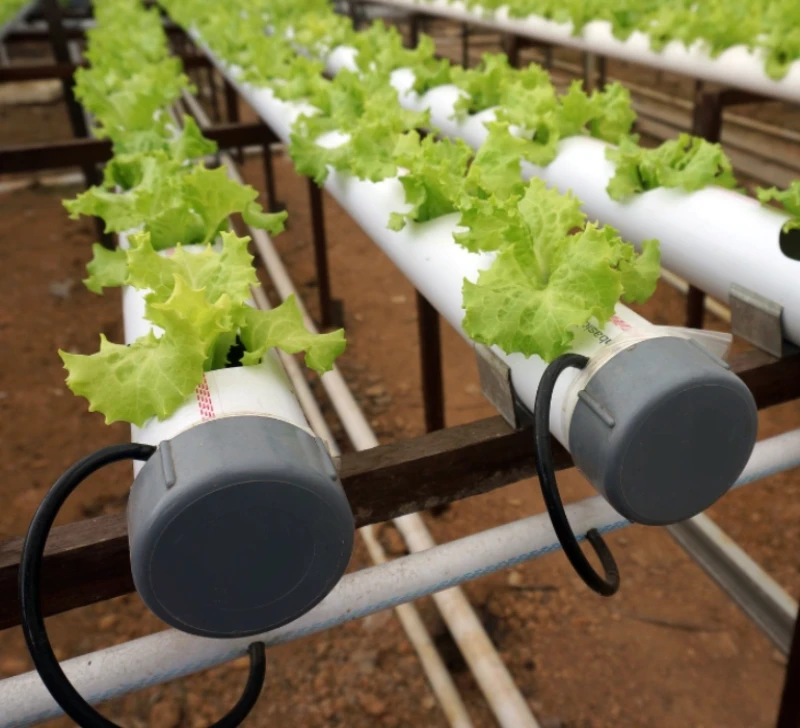
Agricultural plastic injection molding
The injection-molded parts for this broad industry should comply with the following material requirements.
- UV stabilization [2]
- Chemical resistance
- Impact resistance at low temperatures [3]
- Extended service life
Leveraging years of experience, ProleanTech provides standout injection molding services defined by durability, cost-effectiveness, and industry compliance.
Try Prolean Now!
Types of Parts Made by Injection Molding
Injection molding produces connectors, fasteners, enclosures, caps, brackets, trays, and gears. These components span nearly every aspect of modern manufacturing.
- Connectors
- Fasteners
- Enclosures
- Caps
- Brackets
- Trays
- Gears and other mechanical components
Parts with tight dimensional tolerances, such as connectors and gears, are typically made using hardened steel molds rather than aluminum molds.
Preferred Design Features for Injection Molding
The key design features for injection molding are living hinges, bosses & ribs, threads, complex geometry, undercuts, and snap-fits. Snap-fits and undercuts can increase tooling complexity and cost, so they should be avoided where the budget is limited.
- Living hinges – These are flexible joints that are part of the part. They eliminate the cost and time of fabrication.
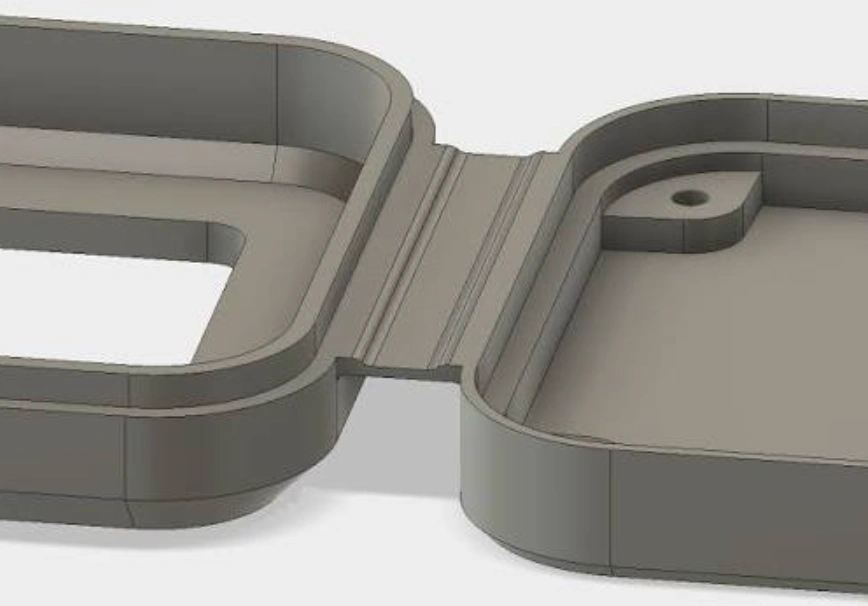
Living hinge
- Bosses & ribs – Bosses and ribs enhance structural reinforcement while maintaining the wall thickness
- Threads – The manufacturer can embed threads in the design and eliminate the requirement for post-processing machining
- Undercuts – Undercuts are difficult to achieve, typically requiring collapsible cores or side-action tooling
- Snap-fits – Snap fits are essential in injection molding whereby parts mate without use of tools
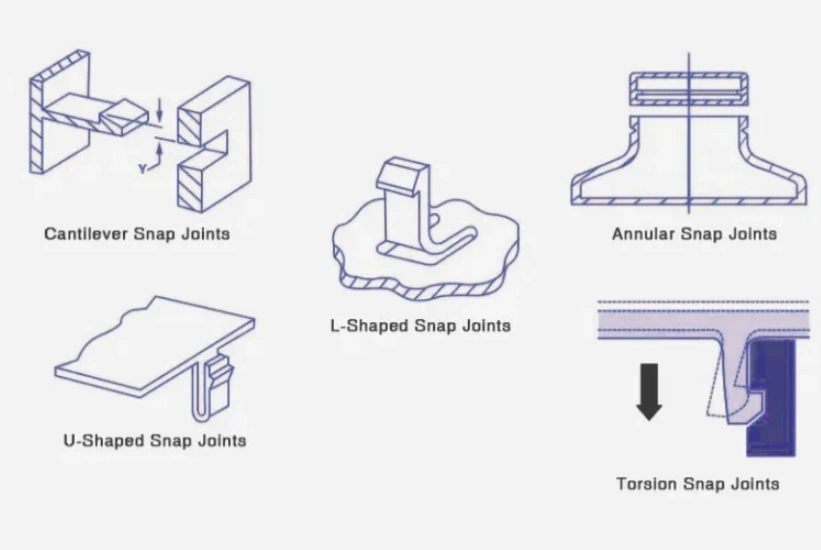
Snap fit designs
Try Prolean Now!
Choosing the Right Injection Molding Material for Different Applications
The right injection molding material depends on the part’s mechanical, physical, and thermal properties. The industrial regulatory requirements also play a major part. The following table outlines the main material selection criteria for different industries: automotive, aerospace, medical, consumer electronics, construction, defense, and agriclture/food.
|
Industry |
Common injection molding material |
Main selection criteria |
|
Automotive |
Nylon (PA) |
Mechanical strength and heat resistance |
|
Aerospace |
PEI, PEEK |
High temperature stability, flame and toxicity compliance, low weight, ASTM and FAA compliant |
|
Medical |
Polycarbonate |
Biocompatible, sterilization resistance, FDA compliance |
|
Consumer Electronics |
ABS, ABS/PC blends |
Dimensional stability, impact resistance |
|
Construction |
HDPE, PVC |
Cost-efficient, durable, weather resistance |
|
Defense |
PPS, PEEK |
Chemical and weather resistance |
|
Agriculture/food |
Food-grade PP, HDPE |
Cost-efficient, weather-resistant, FDA-compliant |
Conclusion
Injection molding applications are found across industries – aerospace, medical, automotive, consumer electronics, defense, agriculture – each with its unique performance and compliance demands. Getting the right injection molded components means matching material selection to these requirements. It goes so far as to understand which components require which materials.
These decisions are too cost-sensitive to be left to guesswork. Whether you are scaling your agricultural equipment production or prototyping automotive parts, a seasoned injection molding service provider can make a difference between a durable part and one that fails on the first trial.
Our Injection Molding Service is designed to provide the desired precision, durability, and compliance. Call our injection molding experts today for help analyzing your design and matching it with the ideal production approach.
Resources
[1]https://www.iso.org/standard/53394.html
[2]https://www.iso.org/standard/83801.html
[3]https://store.astm.org/d0256-26.html
FAQ
Which industries use injection molding the most?
Injection molding is most common in consumer electronics, medical, and automotive industries, where mass production, tight tolerances, and material versatility are key requirements.


0 Comments