
? Where is your part right now?
SURFACE FINISHING
Electroplating Service
Electroplating is the establishing of metal layers to the parts by electrolysis. The thin layer of metal coating makes the parts excellent resistive to corrosion, wear, and abrasion. It is the parent process behind the plating pages on this site: nickel plating and zinc plating are two metals it can deposit, while electro-less nickel plating is a different mechanism that needs no current. Our published material table for this process is aluminium, steel and stainless steel.
Where it fits
Electroplating deposits a metal layer by electrolysis in five steps
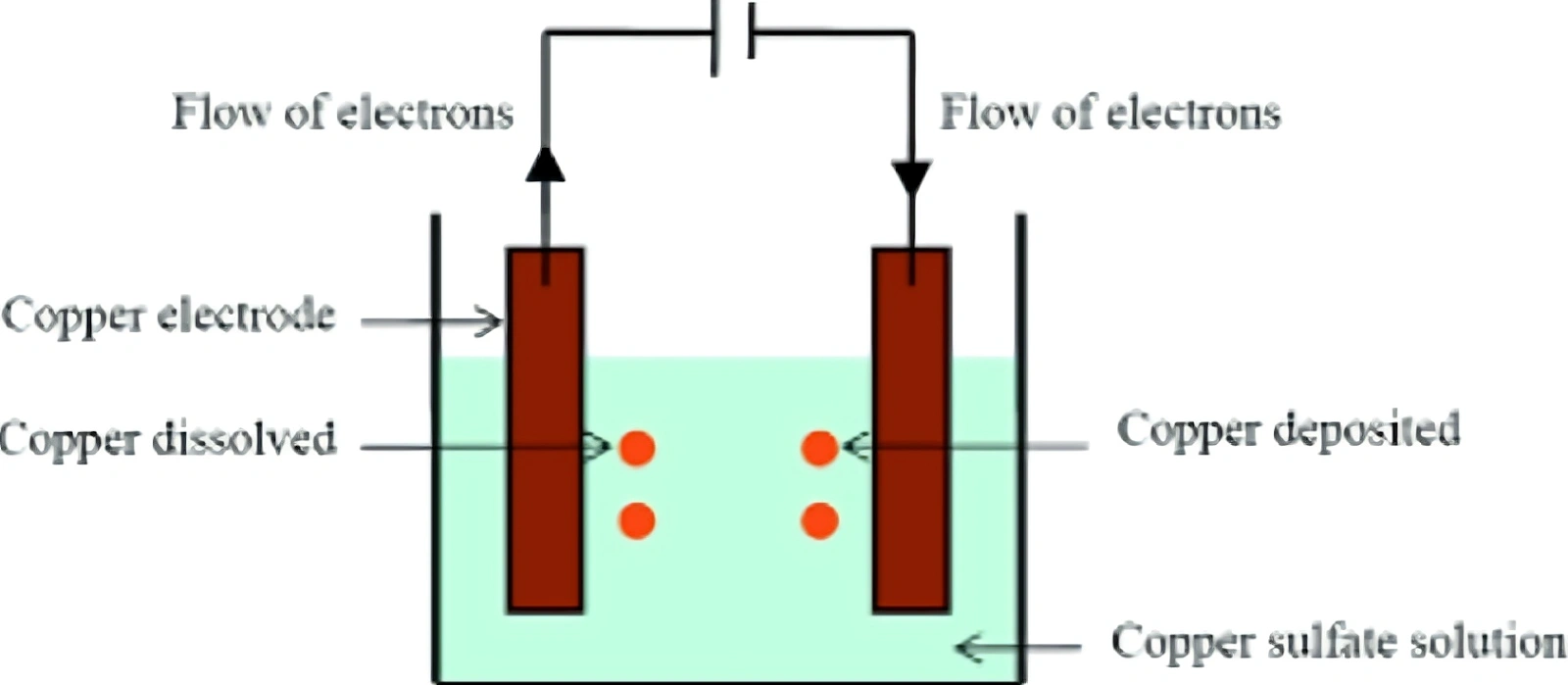
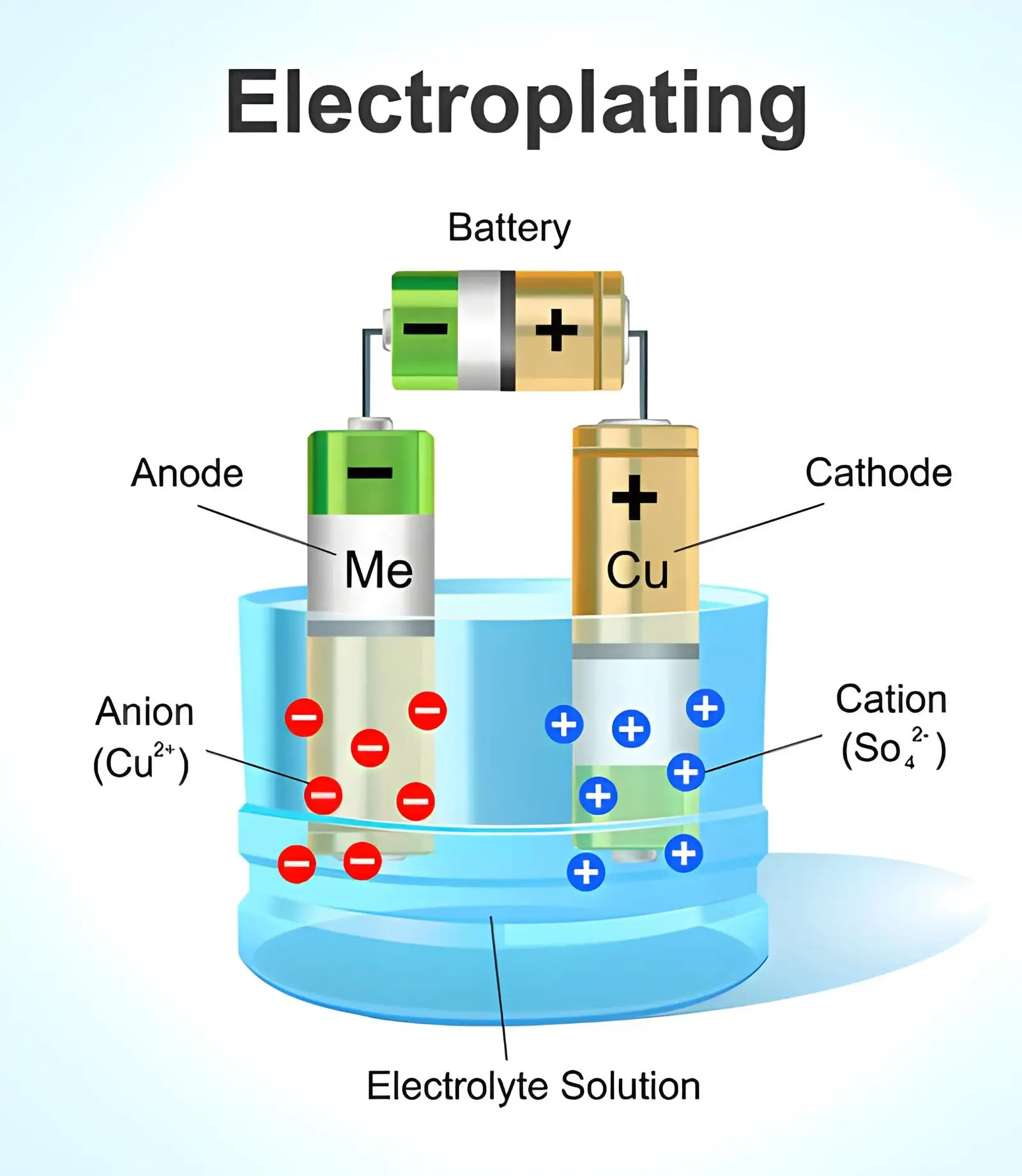
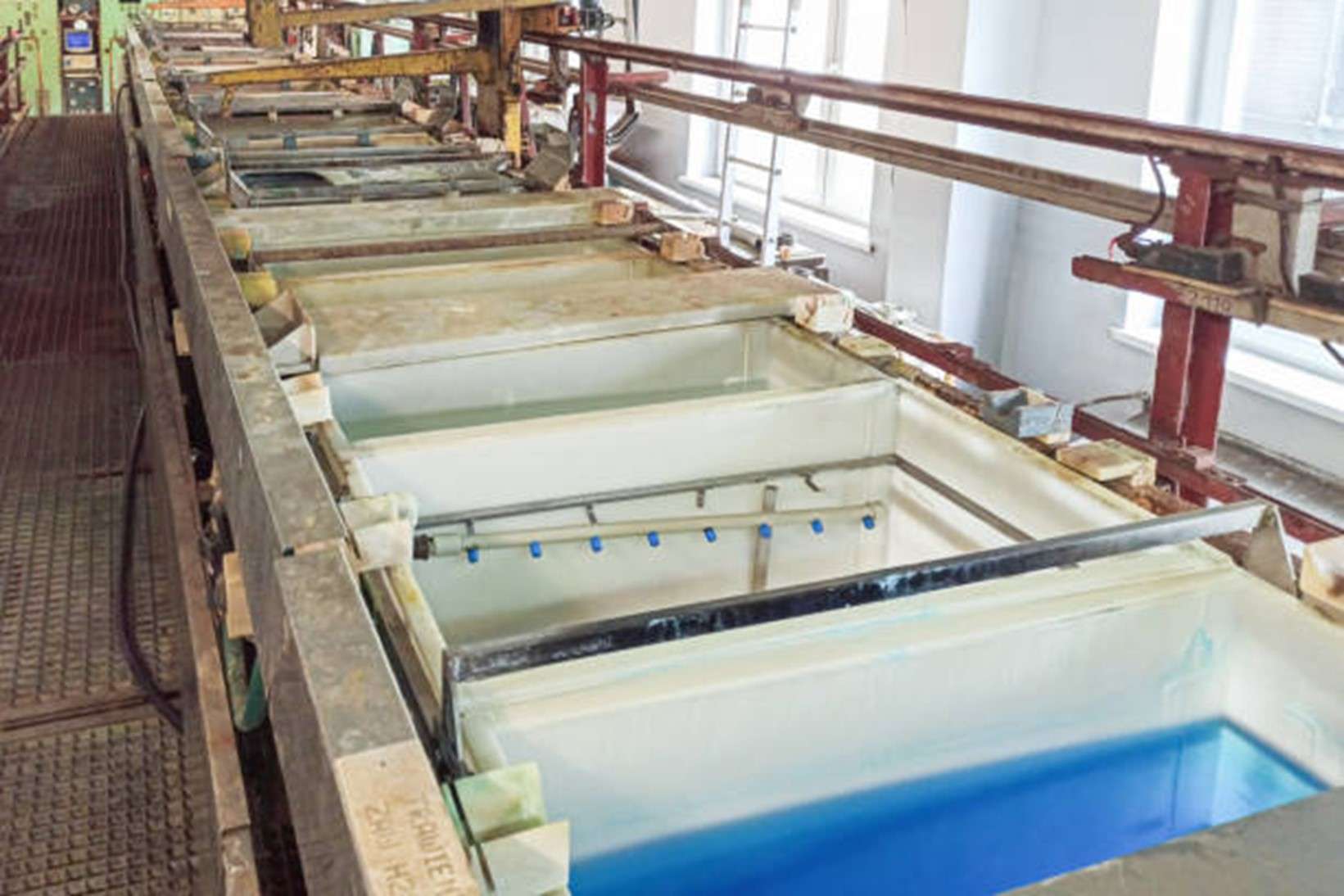
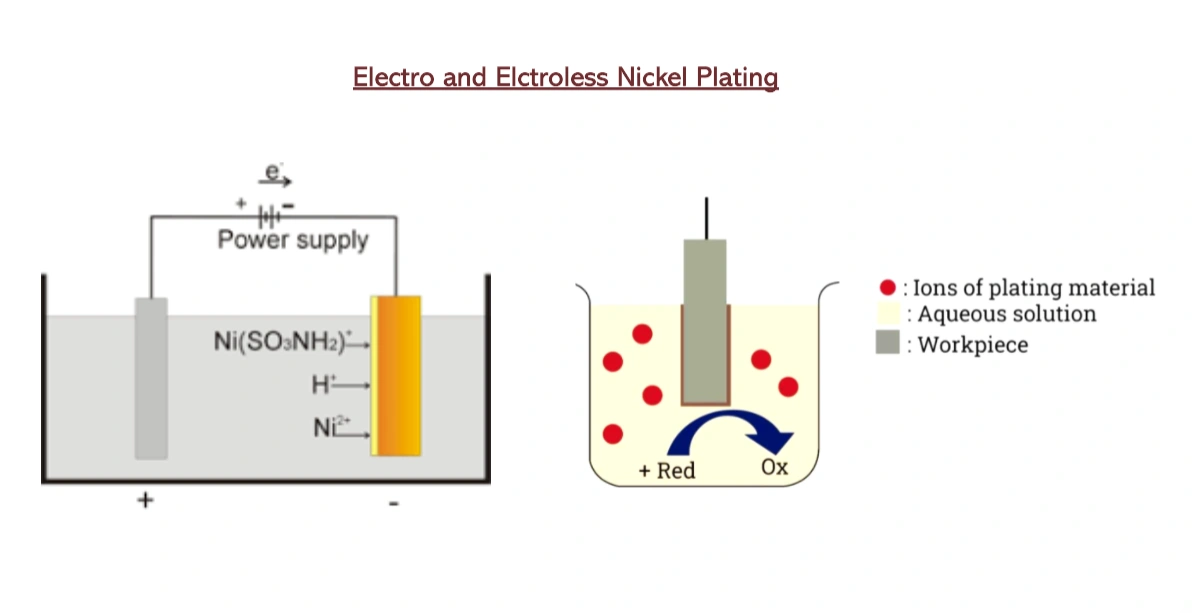
The part is the cathode. Current drives metal ions out of the plating bath and onto the surface, so what arrives on the part depends on the bath, the current and how long the part stays in it - not on how the surface already looks.
The order matters because plating adds a layer, it does not remove one. Pre-treatment decides whether the layer sticks, and the current decides where it builds. Where current is weak - a recess or a blind hole - the layer can come out thin, which is the point where a different mechanism is worth comparing.
Fit check
Can we electroplate your part? Three things decide it
Whether the substrate conducts, whether the current can reach the faces that matter, and what the coating is actually there to do. The last one is where most plating jobs are won or lost.
Substrate and conductivity
- Electroplating needs the part to carry current - the published table lists aluminium, steel and stainless steel, three conductive metals
- Aluminium forms an oxide skin immediately, so a zincate pre-treatment is normally used before plating so the layer can bond
- A non-conductive part such as a plastic must be made conductive first, or it cannot be plated by electrolysis at all
- Steel and stainless steel plate directly once cleaned, though the exact pre-treatment depends on the alloy
The exact pre-treatment for a given alloy is confirmed per job.
Geometry and current reach
- Current density is highest on edges and points, so the coating builds faster there
- Deep recesses, blind holes and the inside of tubes see weaker current and can come out thinner than the outer faces
- Hidden faces a fixture blocks are either masked deliberately or left uncoated
- Where a part needs the same thickness everywhere, a current-driven process is the wrong tool for that face
Say which faces must be fully coated and which may be masked, so the fixturing and masking are planned around them.
What the coating has to do
- The published text says the layer makes the part resistive to corrosion, wear and abrasion - those are three different duties and they point at different metals
- A decorative requirement points at a bright metal such as chromium or nickel; a sacrificial corrosion duty on steel points at zinc
- A conductive or a solderable surface points at copper, silver or tin
- If the requirement is an oxide film, no added layer, or a coloured paint, plating is not the process to reach for
Tell us which duty dominates - corrosion, wear, appearance or conductivity - and the coating metal follows from it.
Specifications
Electroplating: a metal layer on steel, aluminium and stainless steel
Every value below is what we publish for this process. Where the shop has not confirmed a figure, the line says To confirm rather than a guess.
What it adds
Electroplating adds a layer - plan the allowance before plating
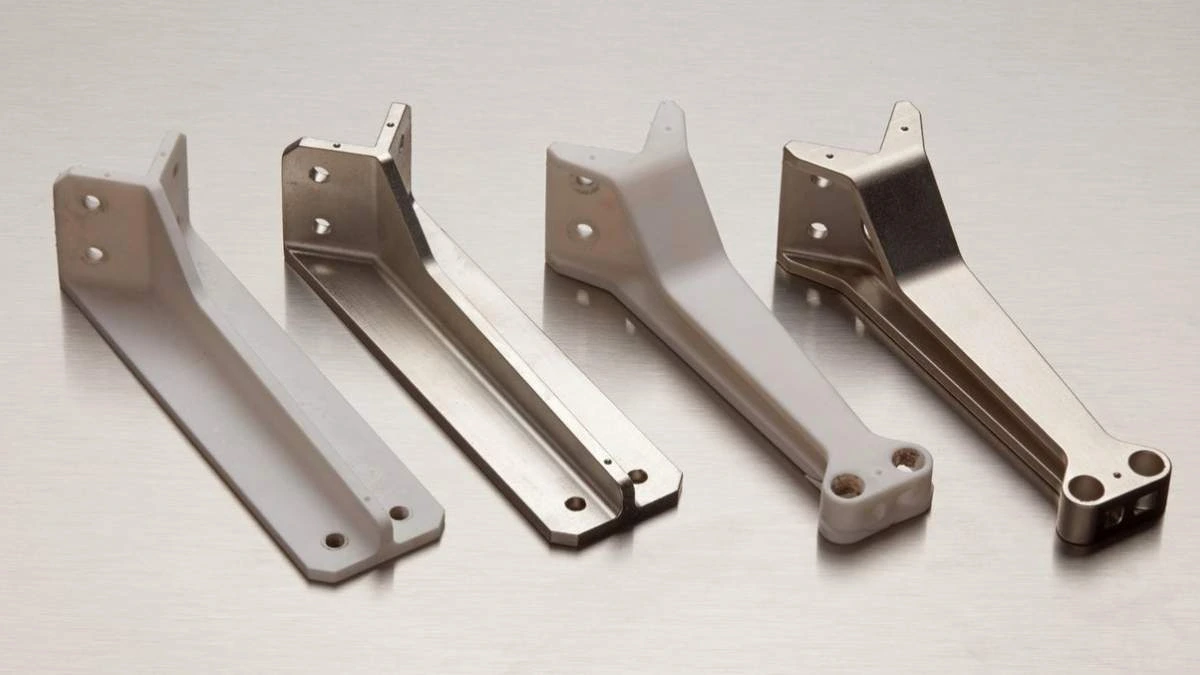
Unlike polishing, which removes material, electroplating is the opposite: metal is deposited on the surface and the part grows. That growth is small, but on a face carrying a tight dimension it is the whole tolerance.
| Where it acts | What changes | Why it matters | What to do |
|---|---|---|---|
| Every plated face | A metal layer is added; the dimension grows | A dimension set exactly on nominal has no room for the coating. | State before or after plating on any dimension the coating reaches. |
| Threads and fits | The coating thickens the thread form | A plated thread can bind on its mating part if the growth is not allowed for. | Mask, allowance or chase the thread - name the threads that must fit. |
| Edges and corners | The layer builds faster where current is strongest | Edges and points can end up thicker than the flat faces beside them. | Flag sharp edges that must not thicken or round over. |
| Bores and recesses | Coverage can be thinner deep inside | Weaker current reaches a blind hole or a tube bore, so the layer may not be even. | Say which internal faces matter and how thick they must be. |
| Masked surfaces | No change where the process is blocked | Plating is aimed by masking: a face left unmasked gets coated. | Mark the faces to stay bare - masking is a per-face decision. |
| Substrate properties | Physical and chemical properties can change | The published text notes the substrate may change properties based on the plating material and thickness. | Name any property that must not change so it can be checked. |
The direction of the change is published - material is added, not removed - but the amount is not: the live page carries no thickness figure, which is why the thickness row above says To confirm. The plating allowance has to be agreed with the shop, not assumed.
Tell us which dimensions are critical and which faces may be masked, and we will confirm the allowance before the parts are made.
Get a quoteWhich coating
Which metal to plate - and when electroplating is the wrong route
Electroplating is the parent mechanism. The metal it deposits is a separate choice, and there is a group of parts where the answer is not electroplating at all. The last card below is that group.
Electrolytic plating - the parent route
The part is made the cathode and immersed in a bath of the coating metal. Current drives the metal out of solution and onto the surface. It is the general mechanism the nickel and zinc plating pages describe for one metal each.
Best for: conductive metal parts, a controlled layer on faces the current can reach
Not for: a non-conductive part with no conductive base, or a face a recess hides from the current.
Which metal - nickel is only one
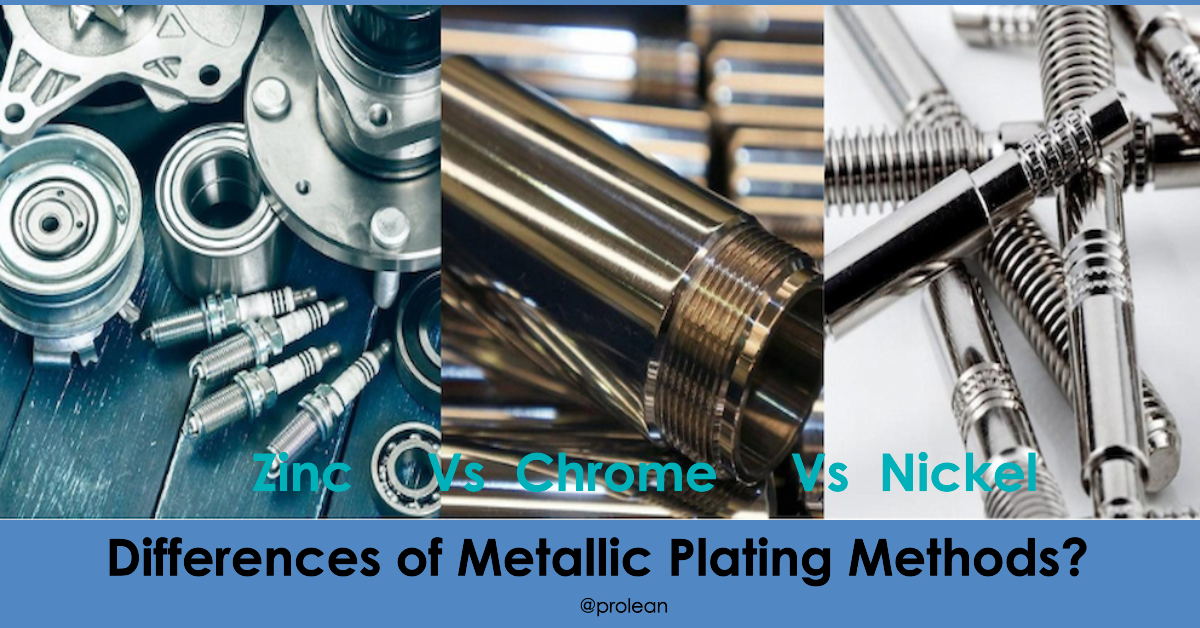
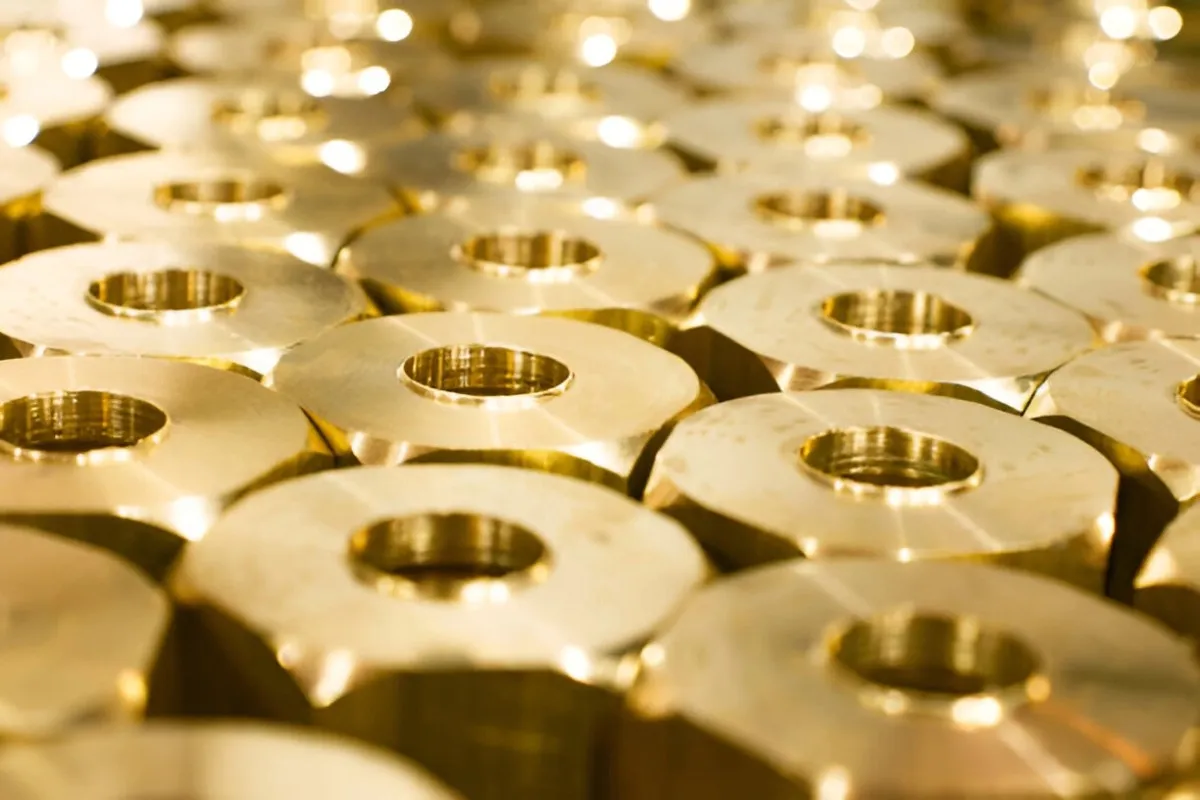
Nickel, zinc, chromium, copper, tin, cadmium, silver and gold are the metals used for plating. Nickel is only one of them - which one a part needs follows from whether the duty is corrosion, decoration or conductivity. See nickel plating and zinc plating for two specific cases.
Best for: matching the coating to the duty - zinc for sacrificial steel protection, nickel and chromium for wear and appearance, copper and silver for conductivity
Not for: assuming one metal fits every job. The duty picks the metal, so a decorative requirement and a corrosion requirement can end up on different coatings for the same part.
When electroplating is the wrong route
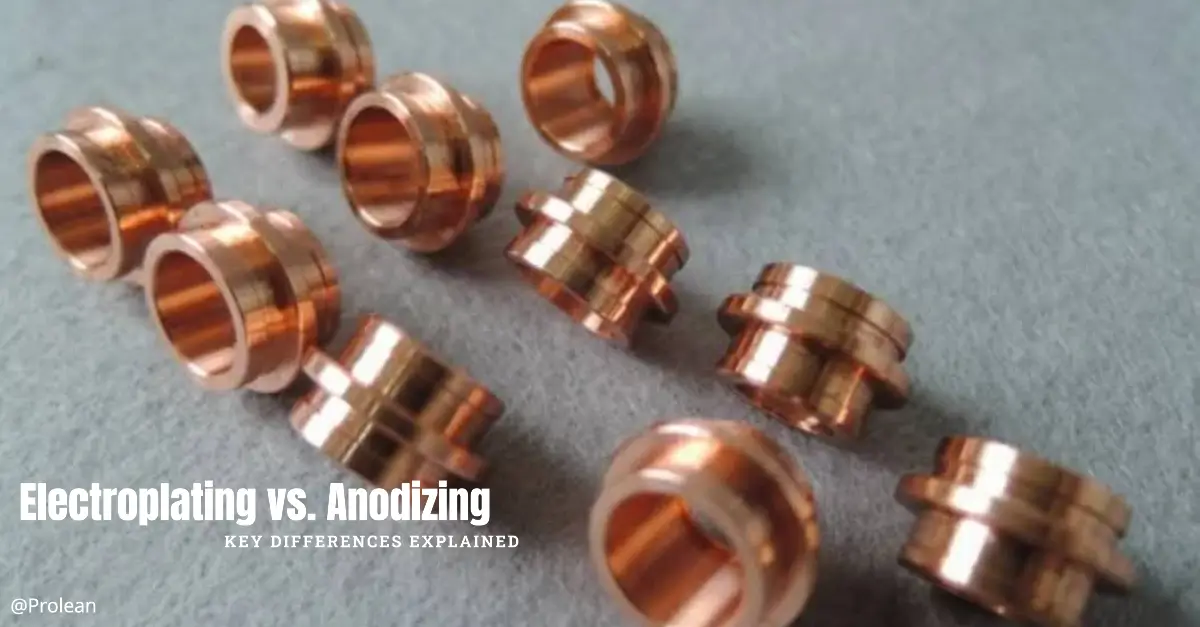
Electroplating deposits a metal layer driven by current. That is the wrong mechanism for several jobs. An oxide film on aluminium is grown from the metal itself by anodizing; a layer that must be perfectly even on a complex shape is deposited without current by electro-less plating; and a part that must not gain any surface layer is treated by heat treatment, which changes the steel itself.
Consider instead: anodizing for an oxide film on aluminium, electro-less nickel for even coverage without current, heat treatment where no layer is wanted
Not for: a part needing an oxide film on aluminium (use anodizing, a conversion coating, not a plated metal), a complex shape that needs the same thickness everywhere (compare electro-less nickel), or a part that must gain no surface layer at all (use heat treatment).
| Coating metal | Chosen for | Typical look | Read more |
|---|---|---|---|
| Nickel | Corrosion and wear resistance with a bright decorative finish | Bright silver-white | Nickel plating |
| Zinc | Sacrificial corrosion protection for steel | Matte grey-white, often with a blue or yellow chromate | Zinc plating |
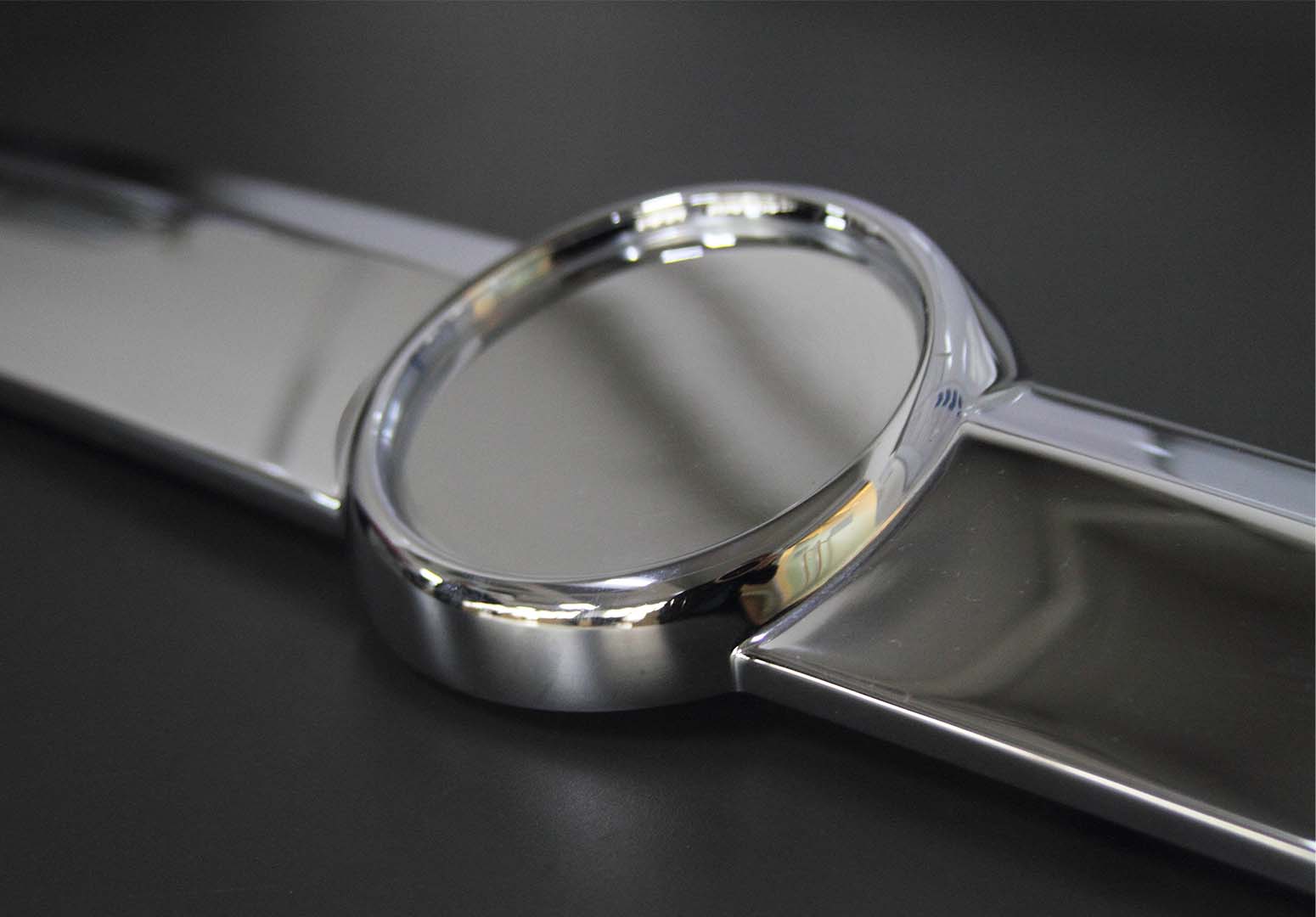
| Chromium | Hardness and a mirror-bright decorative surface | Bright mirror | Chrome vs nickel |
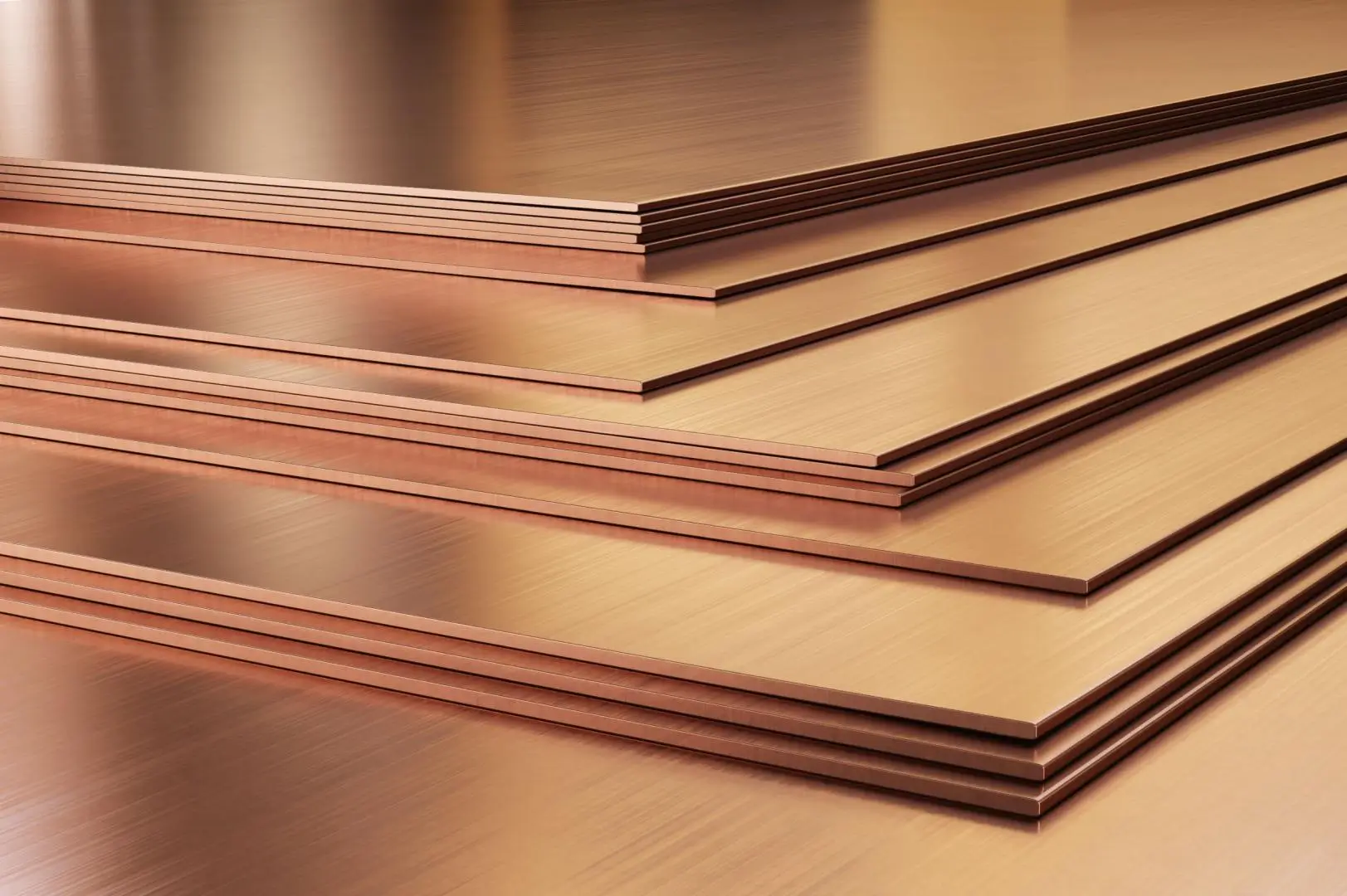
| Copper | Electrical and thermal conductivity; often a base layer under another coating | Reddish | Copper electroplating |
Coatings are listed by the duty they are chosen for, not by a ranking. The right metal is the one that survives what the part will meet - and the exact set we run for a given part is confirmed per job.
Tell us the duty the part has to meet - corrosion, wear, appearance or conductivity - and we will confirm the coating metal and the route before you commit.
Get a quotePick or avoid
When electroplating is the right call - and when it is not
Pick electroplating when
- The part is a conductive metal - the published table names steel, aluminium and stainless steel.
- The job is to add a metal layer that resists corrosion, wear or abrasion, as the published text describes.
- The requirement is decorative or conductive and is met by a metal deposit rather than a paint or an oxide film.
- A small growth in size is acceptable, or the allowance can be planned before the part is machined.
- The faces that must be coated are reachable by the current, or the ones that are not can be masked or accepted.
Avoid electroplating when
- The part is non-conductive - a plastic must be made conductive first, or it cannot be plated by electrolysis at all.
- The requirement is an oxide film grown from aluminium - that is anodizing, a conversion coating, not a plated metal.
- The part needs the same thickness on every face of a complex shape - compare electro-less nickel, which is deposited without current.
- The requirement is a coloured film, not a metal layer - use powder coating instead.
- The part must gain no surface layer at all - use heat treatment, which changes the steel itself.
Not sure whether the part needs a plated metal, an oxide film, a paint or no layer at all? Send the drawing and say what the surface has to survive.
Get a quoteDesign constraints
What decides whether the plated part comes back even
Four variables: whether the substrate conducts, how the current reaches the faces, the metal that was specified, and how much the layer is allowed to change the size.
Conductivity and pre-treatment
Electroplating needs the part to carry current, so the substrate has to be conductive. Aluminium forms an oxide immediately and normally gets a zincate layer first; steel and stainless steel plate once cleaned. A plastic part has to be made conductive before any of this can start.
Current reach and geometry
Current density is highest on edges and points, so the coating builds there fastest and slowest inside recesses and bores. An open, exposed face plates evenly; a blind hole or a deep recess can come out thinner. Where even coverage matters most, that is the case for comparing a current-free process.
Which metal was chosen
The coating metal sets the properties: the published text says the layer resists corrosion, wear and abrasion, but which of the three dominates depends on the metal. Nickel is only one option - the duty the part has to meet is what picks the coating, not the other way round.
Allowance for the added layer
Plating adds metal, so the part grows. On a cosmetic face that is nothing; on a thread or a precision bore it is the whole tolerance. The allowance, the masking and the before-or-after call on every dimension have to be agreed before plating.
Masking and fixturing
Plating is aimed, not dipped blindly. Faces that must stay bare are masked, and the fixture that holds the part also blocks some faces from the current. Both are choices, so a face left unmasked will be coated whether or not that was intended.
Post-treatment and handling
After plating the part is rinsed and dried, and some coatings get a chromate or passivation step for extra corrosion protection. A bright plated face also shows handling marks, so packing and the hand-over state are part of the finish.
Drawing notes
What to write on the drawing so the plating lands where you meant
Three lines carry the requirement: which metal is plated, which faces are coated, and which may be masked.
1. PLATE WITH: NICKEL / ZINC / CHROMIUM / COPPER ____________ (DELETE ALL BUT ONE, OR WRITE THE METAL)2. PLATE THE FOLLOWING SURFACES: ____________________________________________ (SEE VIEW A)3. MASK - DO NOT PLATE THE FOLLOWING FACES: - ____________ (FACES TO STAY BARE)4. DIMENSIONS ON PLATED SURFACES ARE BEFORE PLATING / AFTER PLATING (DELETE ONE)5. COATING THICKNESS: ______ um (TO BE CONFIRMED)6. THREADS AND BORES: ____________ STATE WHETHER THEY MUST STILL FIT AFTER PLATING.7. INSPECT: COVERAGE ON THE PLATED FACES, NO BARE OR THIN AREAS ON A FACE THAT MUST BE FULLY COATED.
Examples only - replace every blank with your own requirement. The dimension line matters most: plating adds a layer, so a face that is already to size has to be marked as before or after, not left to chance.
Which metals
Which substrates can be plated - and what belongs to a different process
Our table for this process lists three conductive substrates. The coating metal is a separate choice, and some requirements belong to a process that is not electroplating at all.
| Material | Electroplating | Notes | Use instead |
|---|---|---|---|
| Steel | Yes | In our published specification table for this process. A common substrate for a zinc or a nickel coating. | — |
| Aluminium | Yes | In our published specification table. Aluminium forms an oxide at once, so a zincate pre-treatment is normally used so the layer can bond. | — |
| Stainless steel | Yes | In our published specification table. For a corrosion duty alone on stainless, passivation cleans the surface without adding a layer. | — |
| Plastics and non-conductive parts | Needs a conductive base | Electroplating needs the part to carry current; a non-conductive surface must be made conductive first. | Electro-less nickel (deposited without current) |
| Aluminium needing an oxide film | Different process | Anodizing grows an oxide from the aluminium itself; it is a conversion coating, not a plated metal layer. | Anodizing |
| Parts needing no layer at all | Different process | Hardening changes the steel itself and adds nothing to the surface. | Heat treatment |
| Complex parts needing even coverage | To confirm | Electroplating throws more metal where the current is strongest, so a recess can come out thinner. Electro-less nickel deposits evenly without current - whether a given part is better plated or electro-less is confirmed per job. | Electro-less nickel |
| Coating metal (not the substrate) | To confirm | Nickel, zinc, chromium, copper, tin, cadmium, silver and gold are the metals used for plating; the set we run for a given part is being confirmed. | Nickel or zinc plating |
Send the drawing with the material on it - if electroplating is not the right step for the substrate or the surface, we will say which one is.
Get a quoteApplications
Where a plated layer is doing the work
The published application areas for this process are hardware, instrument and aerospace parts, and other industries. These are the three cases behind those words.
Automotive and transport
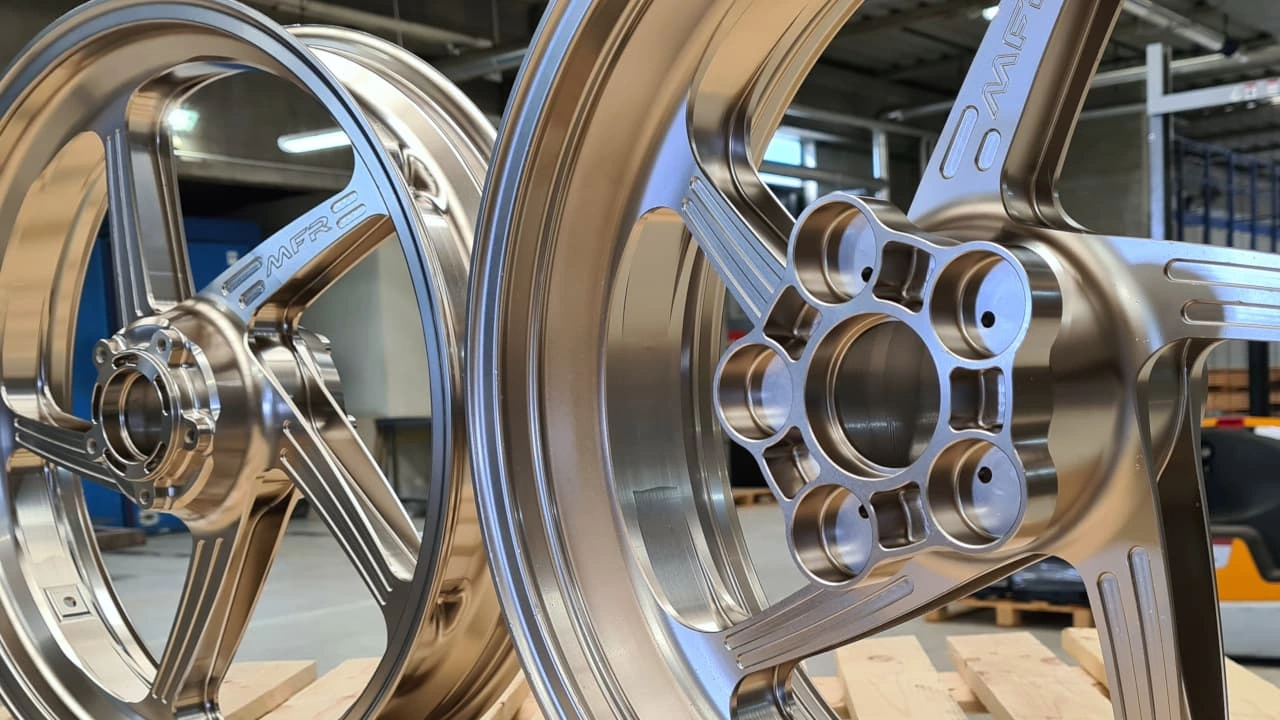
Wheels, trims and visible metal parts are plated for appearance and for wear, and the published application list names hardware and instrument parts first. The coating in these cases is doing two jobs at once - it looks the part and it resists the weather.
Hardware and fasteners
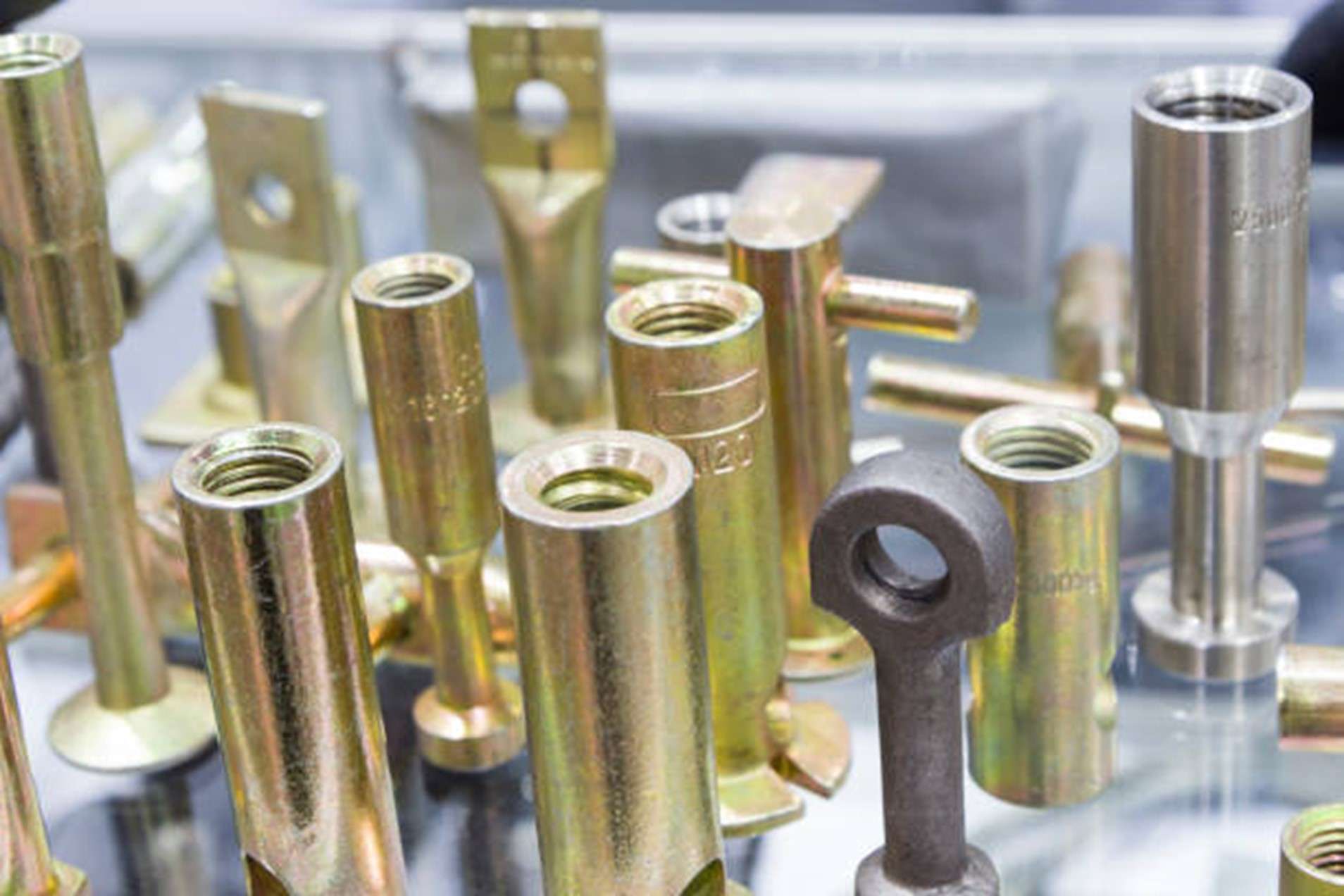
Steel hardware is plated with zinc to give it sacrificial corrosion protection. The published text lists hardware first, and it is the case where the coating is chosen for the duty rather than for the look.
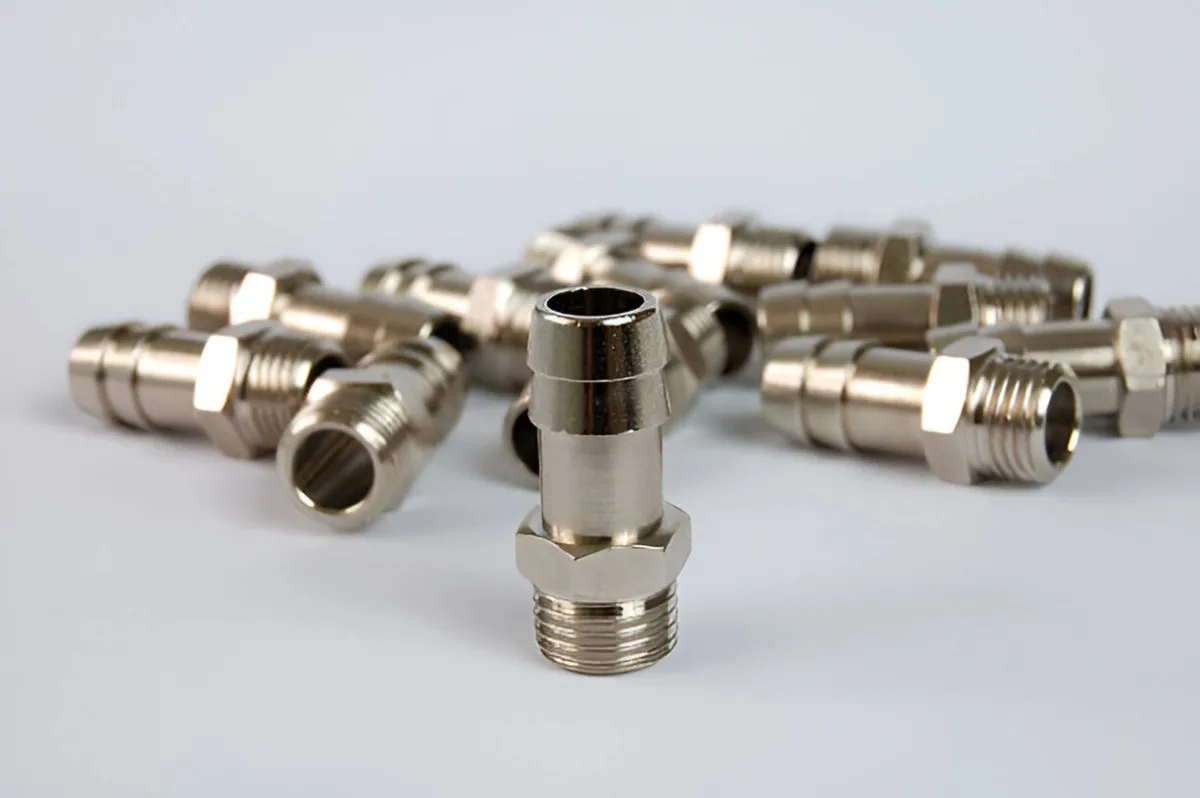
Aerospace and instruments
Instruments and aerospace parts are plated where the coating has to resist wear and corrosion while keeping a controlled surface. The published text names aerospace among the industries this process serves.
QA and documentation
What you get back with the parts
Purchasing usually needs paper as well as parts. Here is what we can state today and what is still being confirmed.
Coverage inspection
The plated faces are checked for bare spots and for the even appearance the coating is specified for, which is how a plating result is judged.
Clean of residues
Plating bath residues and the rinse water are removed before the part is packed, because a residue reads as a defect on a bright plated face.
Coating thickness record
No thickness figure is published for this process; whether a measured coating thickness record can be supplied against an agreed target is being confirmed.
Standard and specification
The published table says n/a for standards; the standard a given plating job is run to depends on the coating and the application and is being confirmed before it is quoted.
Further reading
Electroplating is one family - where it sits beside the others
Electroplating is the parent mechanism. These pages cover the metals it can deposit, the process it is most often compared with, and the cases where a different family is the right one.
Where electroplating sits in metal finishing as a whole, and what it is used to achieve on a machined part.
The most common confusion on aluminium: plating adds a metal layer, while anodizing grows an oxide film from the metal itself. Different families, different results.
A survey of the coating metals - nickel, zinc, chromium, copper and the rest - and what each one is chosen for.
The mechanism comparison in full: current-driven deposition against chemical reduction with no current, and when the difference in coverage decides the choice.
One specific coating, chosen for its own duty - a reminder that the coating metal, not the family, decides the properties.
Copper as a coating: conductivity and a base layer under another deposit, plated by the same electrolytic mechanism this page describes.
The two nickel routes side by side. Nickel is only one of the metals that can be plated; which route a part needs follows from how evenly the coating has to cover it. See also <a href="https://proleantech.com/surface-finishes/electro-less-nickel-plating/">electro-less nickel plating</a>.
The hub page listing every process we run, so the plating family can be seen against the coating, conversion and machining families.
FAQ
Electroplating FAQ: the questions engineers ask us
What is electroplating?
Which materials can be electroplated?
Is nickel the only metal that can be plated?
What is the difference between electroplating and electro-less plating?
Is anodizing a kind of electroplating?
Does plating add or remove material?
How thick is the coating?
Will plating change the properties of my part?
How do I get a quote?
Get your electroplating quote
Upload a STEP, IGES or PDF drawing. Tell us the substrate, the coating metal, which faces have to be plated and which may be masked, and any dimension that must not move - we will come back with the coating and the sequence.
What to send us
- Drawing - 2D and 3D files (STEP, IGES or PDF).
- Substrate - steel, aluminium or stainless steel; name any other material.
- Coating metal - nickel, zinc, chromium, copper or another plate.
- Which faces - plated, and which must stay bare (masked).
- Critical dimensions - any face, thread or bore that must not move.
- Duty - what the coating has to resist: corrosion, wear, appearance or conductivity.
All uploads are secure and confidential. Engineers review and reply with a quotation and lead time.