
? Where is your part right now?
SURFACE FINISHING
Laser Cladding Service
A laser creates a molten pool on the part and fuses powder or wire into it, so the added layer is metallurgically bonded rather than sitting on the surface. The pool cools quickly, which is what gives the deposit its fine, pore-free structure — and what keeps the substrate underneath largely unaffected.
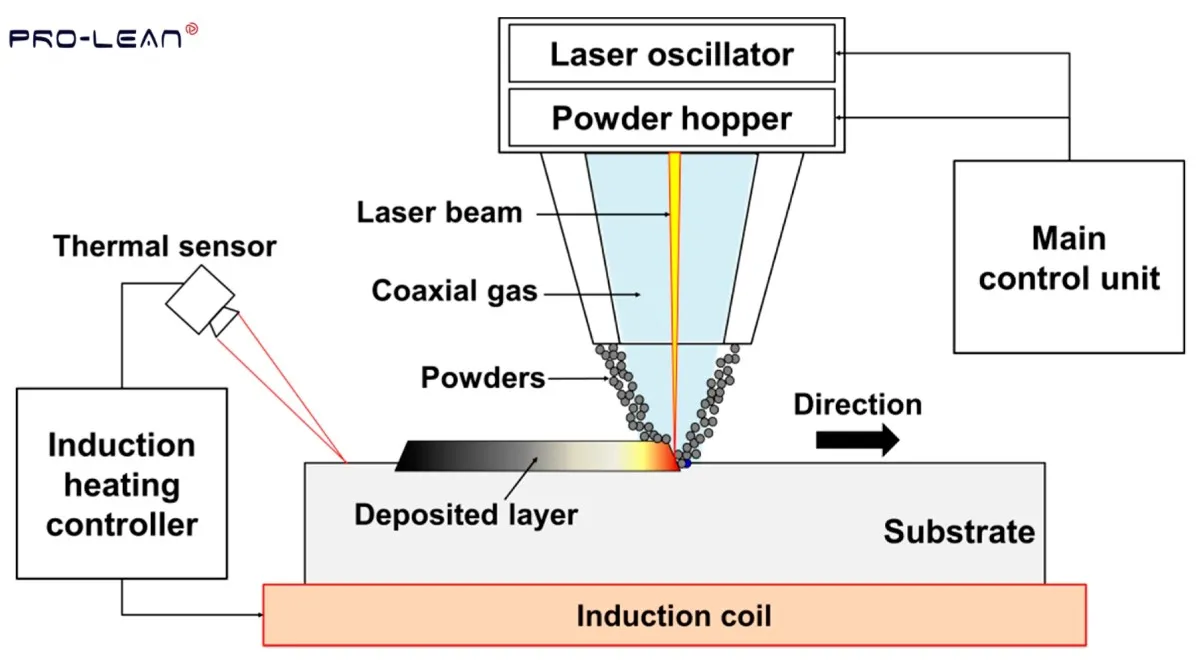
Where it fits
Cladding is the one step in this family that puts material back
Every other finishing process here removes material, converts the surface chemically, or does nothing at all. Cladding adds a layer — which is why it ends up on repair work and on faces that have to survive wear.
The order matters: cladding goes before the final machining pass, not after. If the drawing calls out a finished dimension on a clad face, that dimension has to be reachable after the deposit is machined back — see drawing notes.
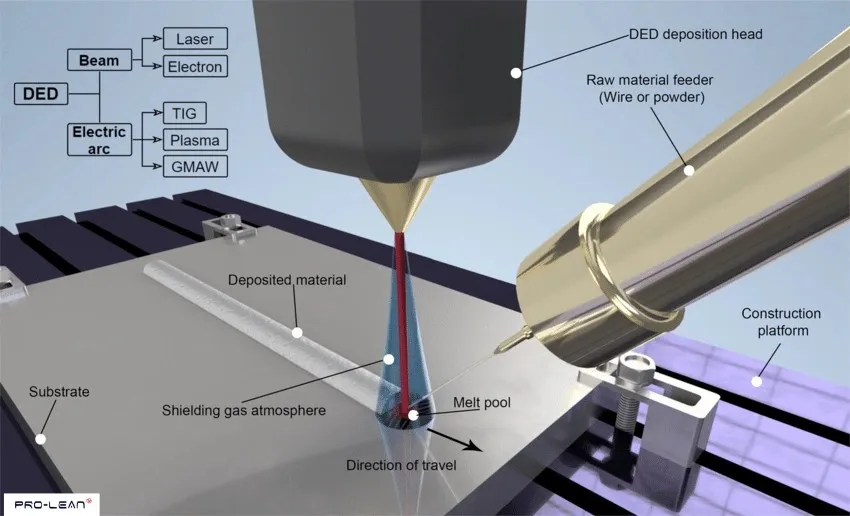
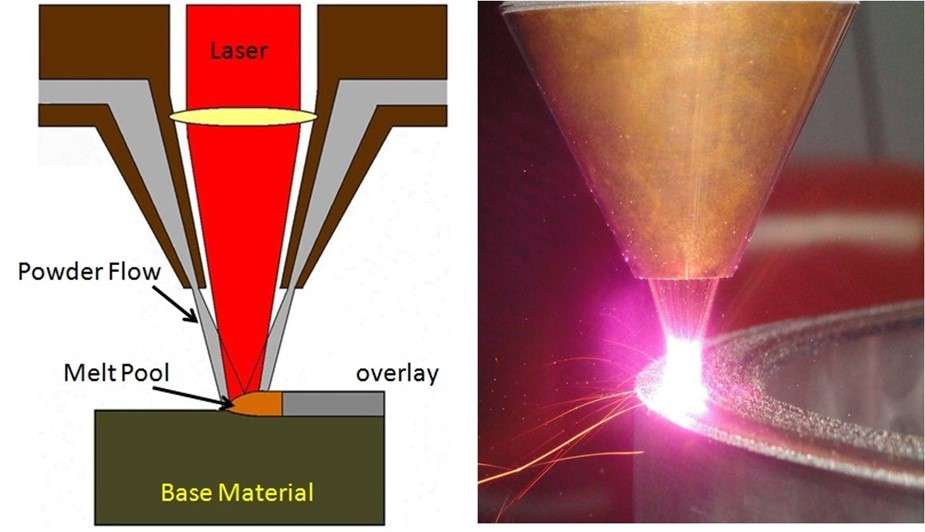
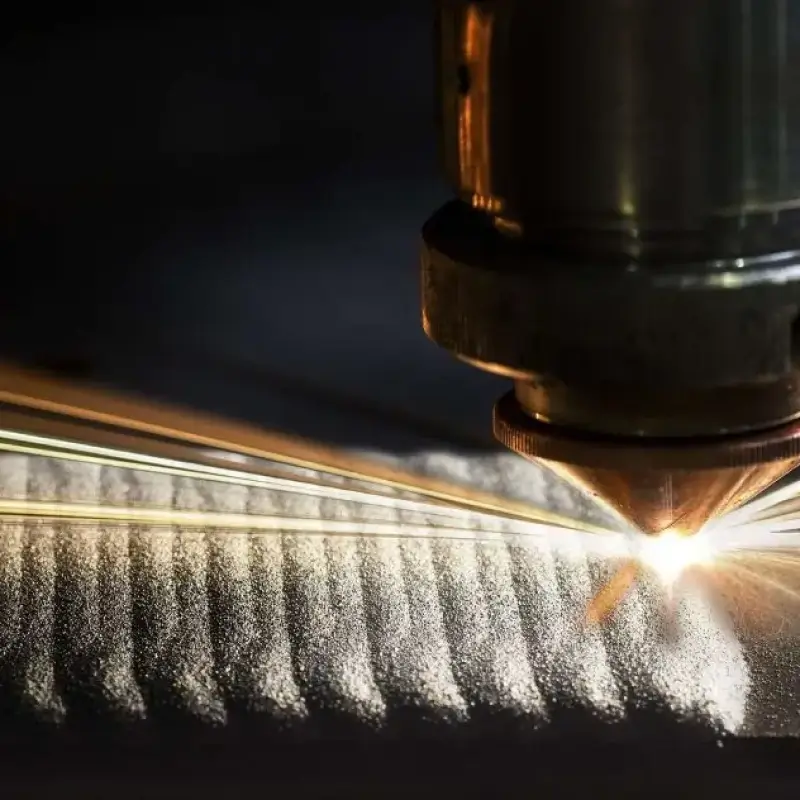
Fit check
Can we clad your part? Three things decide it
Alloy, access, and whether the surface you want rebuilt can be reached and then machined back. The third one is where most repair jobs are made or lost.
Alloy
- Covered - aluminium alloys, steel, copper alloys and titanium alloys, as published for this process
- The powder or wire has to suit the substrate, not just the application
- Anything outside those families: ask first
Tell us the substrate grade and we will match the deposit to it.
Access to the surface
- The laser head has to see the face it is cladding - it is a line-of-sight process
- Deep bores, internal corners and undercuts need to be discussed before quoting
- Very thin walls take heat differently from a solid section
Send a section drawing with the clad area marked.
Material to machine back
- A clad face normally starts oversize and is machined to its finished size
- Crack repair needs enough sound metal around the crack to build on
- If the part is already at final size, say so - the allowance has to be planned in
Tell us the finished dimension and we will plan the deposit thickness around it.
Specifications
Laser cladding: 4 material families, a metallurgical bond, no colour change
Every value below is what we publish for this process. Where the shop has not yet given us a figure, the line says To confirm rather than a guess.
What it adds
Cladding grows the part - the deposit is what your finished dimension is cut from
Unlike blasting, painting or anodizing, there is no film here to allow for and no removal to mask around. The question is the opposite one: how much material do we build up, and can it still be machined back to drawing afterwards.
| Where it acts | What changes | Why it matters | What to do |
|---|---|---|---|
| Worn outside diameter | Metal is added back onto the worn face | The shaft no longer matches its bearing or its seal once material is missing. | Send the worn part and the original diameter; state the finish size. |
| Cracks and cavities | The defect is filled with fused metal | A crack that is only filled cosmetically will open again under load. | Clean sound metal has to surround the repair - be prepared to remove material first. |
| Undersized bores and seats | Material is added to the wall | A press fit needs interference, and interference needs the original wall thickness. | Say which seat has to come back to nominal and what it fits. |
| Heat input | The substrate sees local heating from the melt pool | Heat means distortion risk on slender or thin-walled parts. | Tell us the wall thickness and any tight straightness callout. |
| Clad face finish | The as-clad surface is rough and oversize | It is not a finished surface - it is a blank for the final machining pass. | Allow a machining allowance, or ask us to machine it back and quote both steps. |
The build-up range and the achievable deposit hardness are being confirmed with the shop and will be published as figures. The sequencing rules above hold regardless of the final numbers.
Tell us the worn or missing dimension and the finished size you need back, and we will quote the deposit and the machining as one operation.
Get a quotePowder or wire
Powder or wire feedstock - and when cladding is not the right route at all
Our published process description names both feedstock forms. Which one suits a job depends on the geometry and on how much metal has to go back on.
Powder-fed laser cladding
Metal powder is delivered into the melt pool through the head. Because the feed is independent of the beam, the deposit can be built in thin, controlled tracks - which is what makes it usable on selective faces rather than a whole part.
Best for: selective wear faces, thin build-ups, repair of a defined area
Not for: parts where you cannot get the head line-of-sight to the face.
Wire-fed laser cladding
Wire is fed into the same melt pool instead of powder. Wire is cleaner to handle and lays metal down faster, which suits larger areas or deeper build-ups where powder would take many passes.
Best for: larger clad areas, deeper build-ups, fewer passes
Not for: very fine detail work where a thin track is the point.
Cladding vs thermal spray vs welding
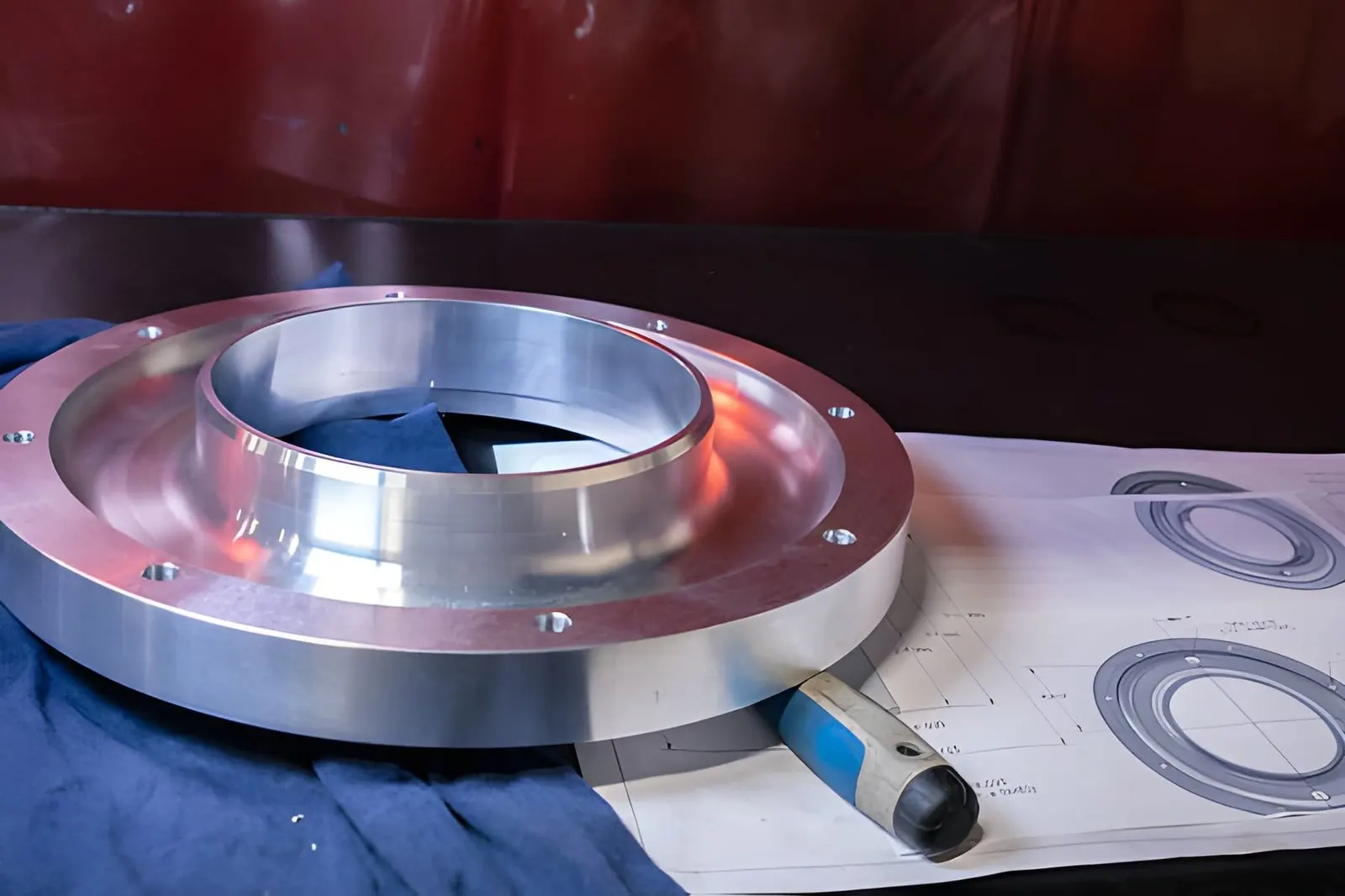
All three add material, and they are not interchangeable. Spray builds a mechanical bond and normally needs more thickness to hold. Welding repairs deep damage but puts far more heat into the part. Cladding sits between them: a fused bond with a small melt pool.
Pick cladding when: the bond has to be fused, and distortion has to stay small
Not for: large-area build-up where a weld overlay is simply cheaper - say so and we will tell you which one we would run.
Not sure whether your repair should be clad, sprayed or welded? Send the part and the drawing, and say what the surface has to do afterwards.
Get a quotePick or avoid
When laser cladding is the right call - and when it is not
Pick laser cladding when
- A worn or undersized face has to come back to its original dimension, not just be made to look better.
- You need a wear or corrosion resistant layer that is fused to the substrate rather than sitting on it.
- The part is expensive, long-lead or already in service, and replacing it is not practical.
- Heat input has to stay small - a slender shaft or a thin section that welding would distort.
- The substrate is one of the published families: aluminium, steel, copper or titanium alloys.
Avoid laser cladding when
- You want a uniform decorative colour or an even cosmetic finish. Cladding is functional; the deposit is machined afterwards. See powder coating or painting.
- The face you need to rebuild cannot be reached by the head - inside a deep bore, for example.
- The part is thin-walled and cannot tolerate local heating at all.
- You only need the surface cleaned, textured or matte - that is bead blasting, not cladding.
- A simple replacement part is cheaper than repairing this one.
Repair or replace? Send the part, the drawing and the failure - we will tell you which one we would do.
Get a quoteDesign constraints
What decides whether the clad part comes back usable
Four variables: the alloy pair, the access to the face, the heat the part can take, and the allowance left for the final machining pass.
Substrate and deposit
The powder or wire has to be compatible with the substrate, not only with the application. Two different steels may need different feedstocks; mixed families need to be checked before quoting.
Line of sight
The head has to see the face. Internal features, deep bores and undercuts have to be flagged on the drawing, because they decide whether cladding is possible at all.
Heat and distortion
The melt pool is small, but it is still heat. Long slender parts and thin walls can move. Call out straightness or concentricity that has to be held after cladding.
Machining allowance
A clad face is a blank, not a finish. Leave enough on the drawing for the deposit plus the final cut, and say which faces you want us to machine back to size.
Crack and damage preparation
A crack has to be opened up and cleaned back to sound metal before it can be rebuilt. If the repair is only a surface fill it will not hold under load.
Masking what must not be clad
Faces that must stay original size - locating diameters, threads, ground seats - need to be identified. Cladding is local, so masking is by instruction, not by tape alone.
Drawing notes
What to write on the drawing so the deposit lands where you meant
Cladding adds material, so the two things that must be on the drawing are the clad area and the finished size it has to come back to.
1. LASER CLAD THE FOLLOWING SURFACES: ____________________________________________ (SEE VIEW A)2. CLAD MATERIAL / FEEDSTOCK: ____________________ SUBSTRATE: ____________________3. MINIMUM DEPOSIT AFTER FINISH MACHINING: ______ mm (STATE THE THICKNESS YOU NEED LEFT ON THE PART)4. DO NOT CLAD: LOCATING DIAMETERS, THREADS, GROUND SEATS (LIST ANY FACE THAT MUST KEEP ITS ORIGINAL SIZE)5. AFTER CLADDING: MACHINE THE CLAD FACES TO DRAWING DIMENSIONS. RA ______ ON CLAD FACES.6. INSPECT: DEPOSIT COVERAGE 100% OVER THE MARKED AREA. NO VISIBLE POROSITY OR UNMELTED POWDER.
Examples only. The deposit line matters most: without a stated minimum, the part can come out with less metal than the final cut needs.
Alloys
Which alloy families we laser clad - the published list
The four families below are what our published specification for this process covers. Anything else needs to be checked before we quote.
| Substrate | Laser cladding | Notes | Use instead |
|---|---|---|---|
| Aluminium alloys | Yes | Named in our published material list for this process. Aluminium conducts heat away quickly, so the deposit is planned around it. | — |
| Steel | Yes | The most common repair substrate - shafts, seats, die faces and worn tooling. | — |
| Copper alloys | Yes | Named in our published list. Copper pulls heat fast, which suits cladding better than a large weld pool. | — |
| Titanium alloys | Yes | Named in our published list, and usually clad for wear or to rebuild a damaged face rather than for appearance. | — |
| Other metals | Ask first | The published list says "and more", so other metals may be possible - but the alloy pair has to be checked. | Electroplating |
| Plastics and composites | Not applicable | A laser melt pool needs a metal substrate to fuse into. | As machined |
Substrate not on the list? Send the grade and the application and we will tell you whether the alloy pair can be clad.
Get a quoteApplications
Where laser cladding earns its cost
Our published description names three jobs: it repairs small cracks and cavities, it restores worn surfaces, and it adds corrosion, wear and abrasion resistance. Each is a different reason to specify it.
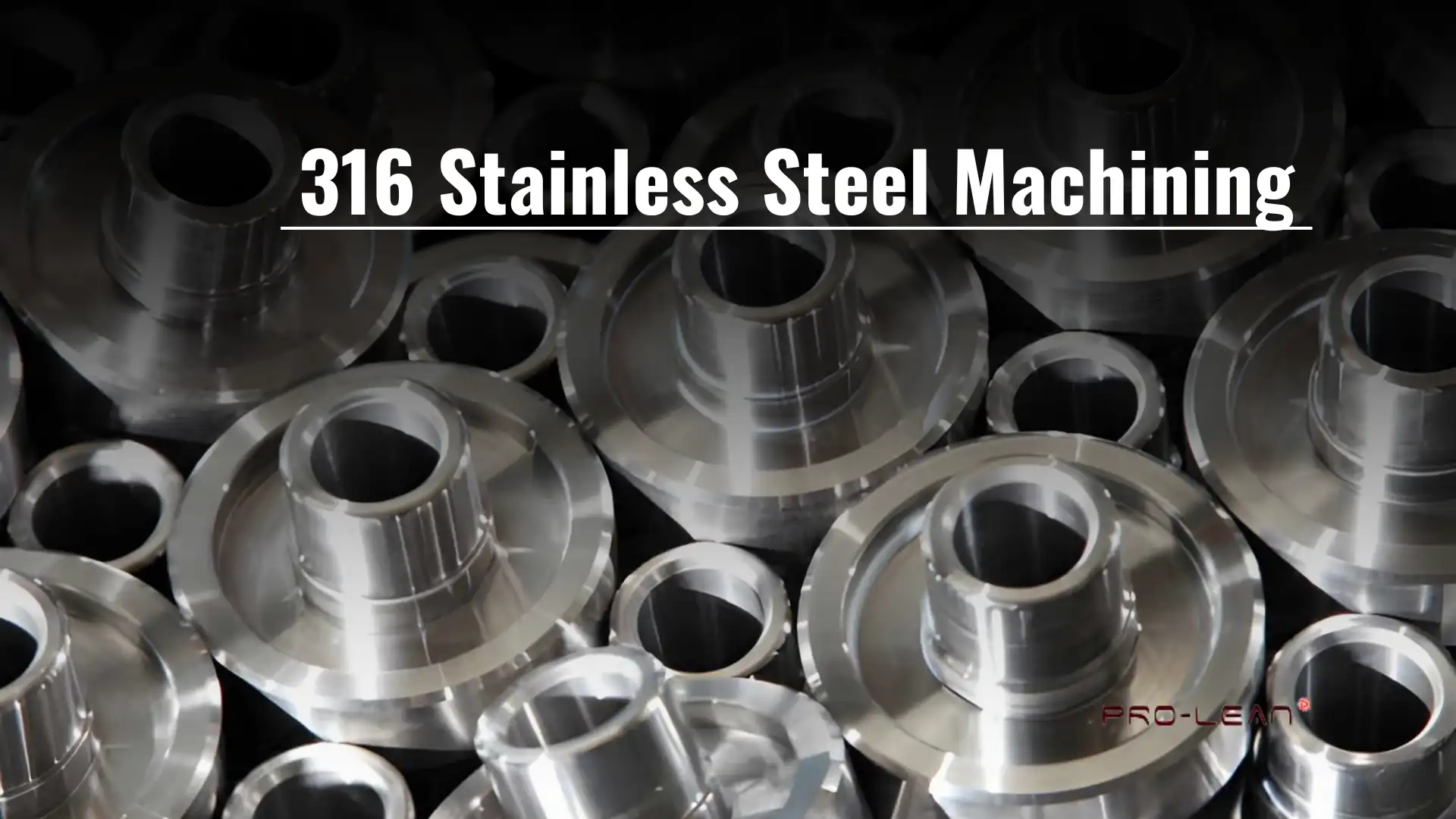
Repair of damaged parts
Small cracks, cavities and minor surface imperfections can be rebuilt instead of scrapping the part - useful when the part is expensive or the lead time is long.
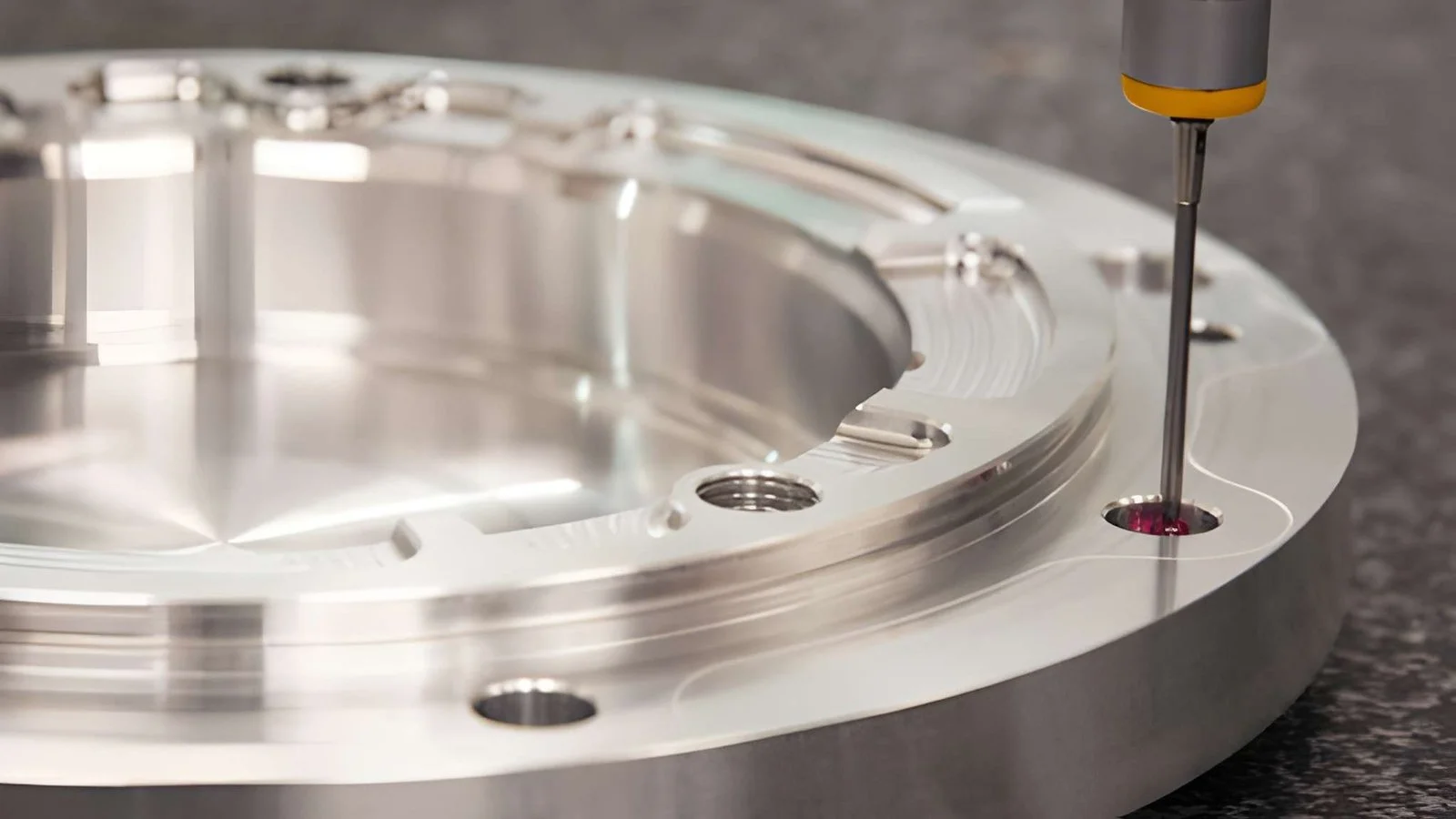
Worn shafts and seats
A worn outside diameter or a damaged seat can be built back up and re-machined to the original size, which is cheaper than remaking the part.
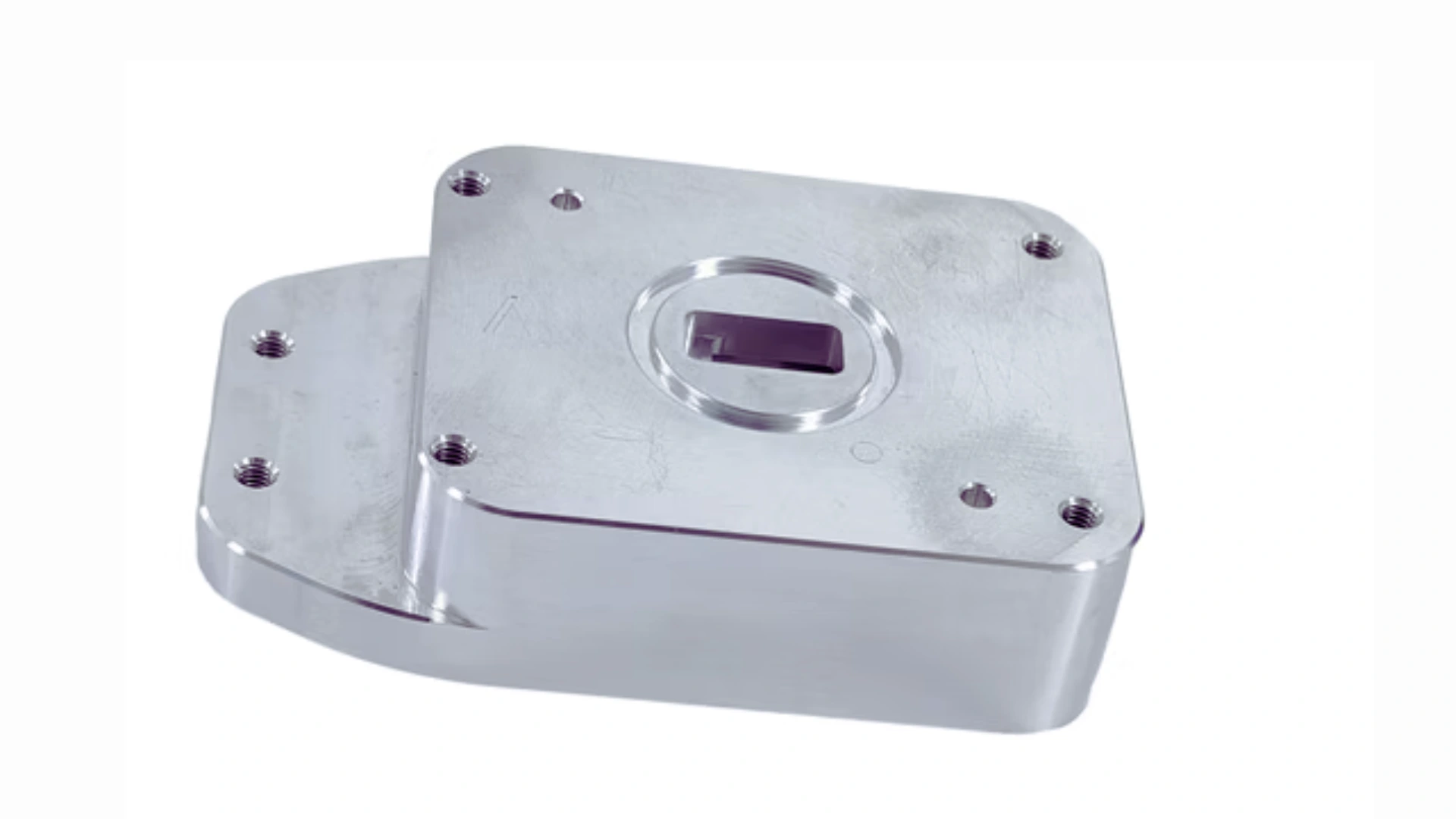
Wear and corrosion resistance
The published description calls out excellent corrosion, wear and abrasion resistance - so cladding is also used on new parts whose surface has to survive service.
QA and documentation
What you get back with the parts
Purchasing usually needs paper as well as parts. Here is what we can state today and what is still being confirmed.
Deposit coverage
The clad area is checked against the marked surface for full coverage before machining.
Final dimensions
Clad faces are machined back and measured against the drawing dimensions.
Deposit thickness report
A measured as-clad thickness record per batch is being confirmed with the shop.
Hardness and bond testing
Deposit hardness per feedstock, and whether bond testing can be issued, is being confirmed.
Further reading
Laser cladding, repair and surfacing guides
Longer answers on the questions this page only has room to state.
How the process works, what it is used for, and where it sits against other surfacing methods.
The other way to add metal to a surface - and how a plated layer differs from a fused deposit.
The full list of finishes we run, with what each one is for.
Why a finish is specified at all, and how to decide between adding, removing and converting.
How Ra is measured and how to write a roughness callout that the shop can hold.
Compare all 20 finishes by roughness, thickness, corrosion and cost.
FAQ
Laser cladding FAQ: the questions engineers ask us
What is laser cladding?
Is laser cladding the same as laser metal deposition?
Does cladding change the part dimensions?
Can it repair a cracked part?
Which alloys can be clad?
What does the clad surface look like?
Will cladding distort my part?
Can you clad and then machine the part in one order?
How do I get a laser cladding quote?
Get your laser cladding quote
Upload a STEP, IGES or PDF drawing. Tell us the substrate grade, the surfaces to clad, and the finished dimension each clad face has to come back to.
What to send us
- Drawing - 2D and 3D files (STEP, IGES or PDF).
- Substrate - the grade, not only the family. The deposit has to suit it.
- Clad area - the faces to be built up, marked on a view.
- Finished dimension - what each clad face has to measure after machining.
- Faces to leave alone - locating diameters, threads, ground seats.
- Failure mode - for repair work: worn, cracked, or undersized, and where.
All uploads are secure and confidential. Engineers review and reply with a quotation and lead time.