
? Where is your part right now?
SURFACE FINISHING
Yellow Chromate Conversion Coating
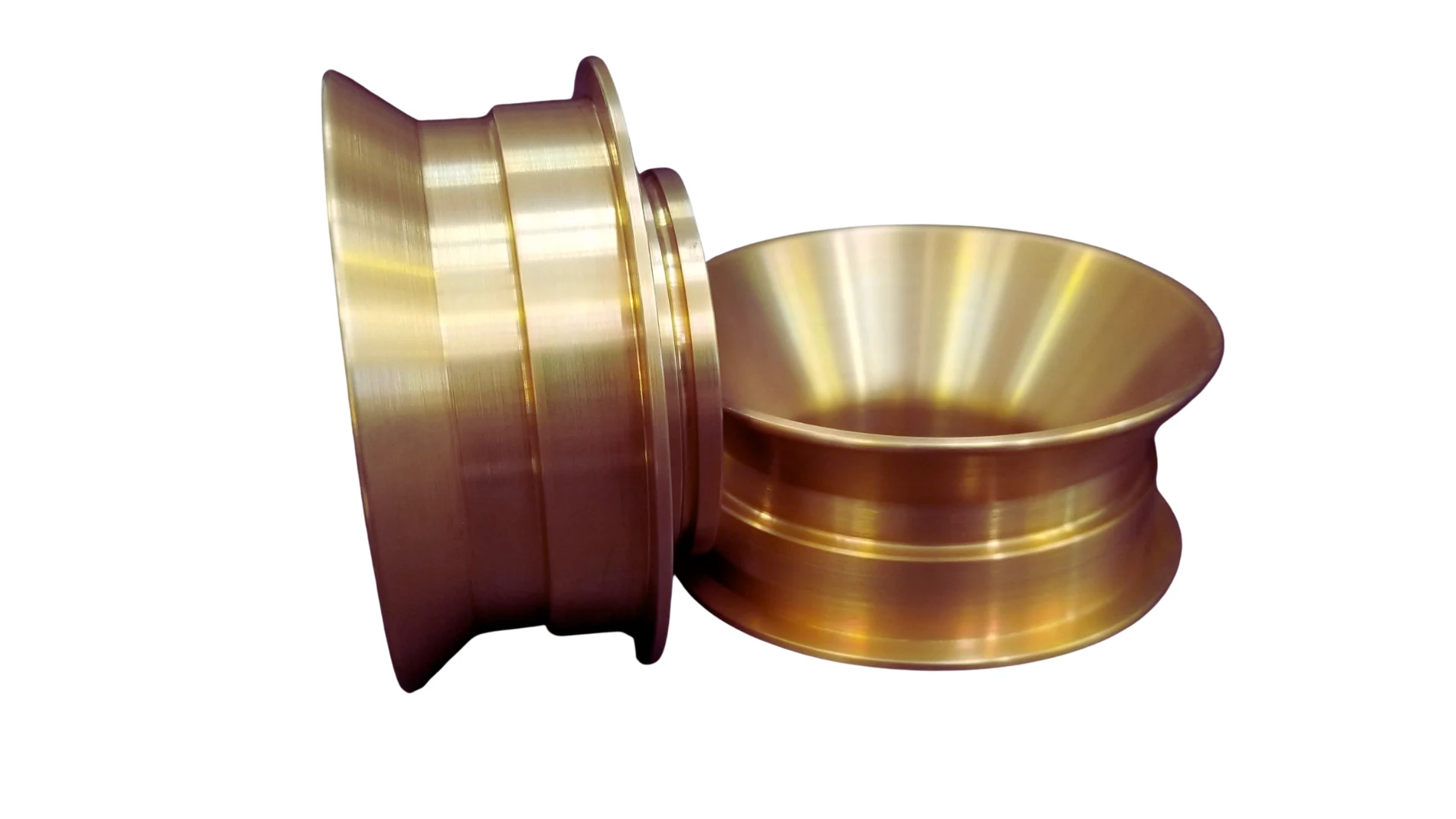
A golden, iridescent conversion layer formed from the metal surface itself, about 2 um thick as published. It is used on aluminium, magnesium and their alloys, and on zinc-plated parts - mainly to slow corrosion and to give paint something to key into. Because nothing is built up on the part, the published process does not change the dimensions you draw.
Where it fits
Chromate is a near-final step - and it is a reaction, not a coat
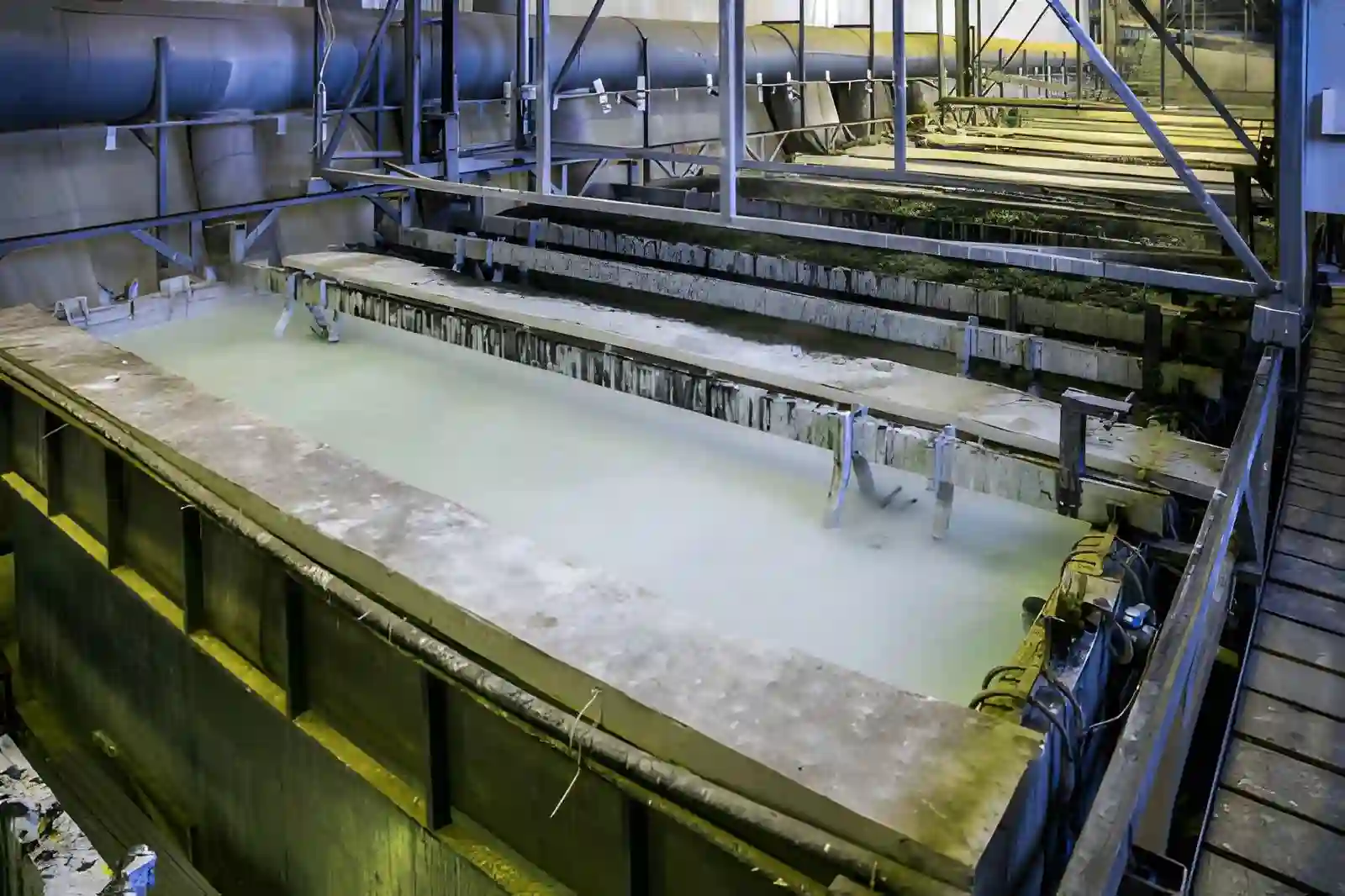
The layer grows out of the surface metal itself, so everything that matters has to be right before the part goes into the bath: alloy, machining finish, cleanliness, and any surface that must not be treated.
The order matters for two reasons. A conversion layer is a reaction with the alloy underneath, so it is very sensitive to cleaning and to the alloy itself; and anything applied after it (paint, adhesive, masking) is being applied to the converted surface, not to bare metal. See drawing notes.
Fit check
Can we chromate your part? Three things decide it
The alloy, the state of the surface, and what the part has to survive afterwards. The first one is where orders go wrong, because two parts with the same drawing can behave differently in the bath.
Alloy
- Published scope - aluminium, magnesium and their alloys, plus zinc-plated parts
- Cast and wrought versions of the same alloy do not treat identically
- High-silicon and high-copper aluminium grades are the usual problem cases
- Tell us the grade, not just "aluminium" - the bath is not one-size-fits-all
Send the material spec with the drawing and we will confirm the alloy against this process.
Surface before treatment
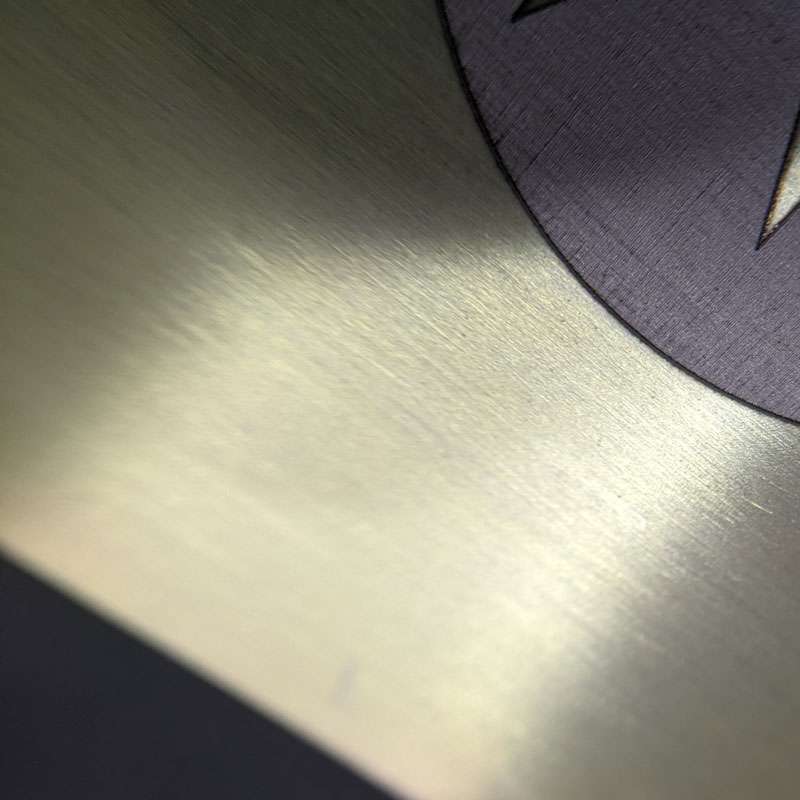
- The layer copies the surface: machining marks, scratches and porosity all show through
- Parts have to arrive clean - oil, oxide and handling soil stop the reaction
- A surface that was blasted or brushed will look different from a turned one
- If the surface finish matters cosmetically, decide it before chromating
Say what the surface has to look like and we will treat it after the finish is set.
What comes after
- Paint, primer and adhesive generally go on after chromating, not before
- A chromated part is still a bare metal part - it is not a painted or a coated one
- Any contact face whose electrical behaviour matters has to be identified up front
- Assembly, welding and heat exposure after treatment all have to be declared
List the operations that follow treatment, and we will confirm the sequence.
Specifications
Yellow chromate: a ~2 um conversion layer for aluminium, magnesium and zinc
Every value below is what we publish for this process. Where the shop has not confirmed a figure, the line says To confirm rather than a guess.
What it changes
Nothing is built up: the published process does not change the part size
This is the difference between a conversion layer and a coating. Chromate consumes a little of the surface and adds nothing back, so no tolerance has to be opened up - but the surface that comes out is a treated one, not a bare one.
| Where it acts | What changes | Why it matters | What to do |
|---|---|---|---|
| Free surfaces | Colour changes, size does not | The published layer is about 2 um - far inside any normal tolerance. | Nothing to allow for. |
| Threads | Colour changes, pitch does not | Unlike plating, the published process does not build the flanks up. | No masking needed for fit - mask only if threads must stay bare for electrical or assembly reasons. |
| Press fits and bearing seats | Still fit | No build-up means no interference is consumed by the treatment. | No allowance needed. |
| Sealing faces | The surface chemistry changes | The layer is a different material from the metal underneath, which matters to some sealing systems. | Tell us if a sealing system is sensitive to surface chemistry. |
| Cosmetic faces | The surface becomes a treated gold | Machining marks and scratches still show through a layer this thin. | Decide the finish first, then chromate - not the other way round. |
| Welded or bonded joints | The surface is no longer plain metal | The layer affects what will bond to the part, and welding is normally done before treatment. | Sequence it in the drawing - see drawing notes. |
Chromate does not build the part up; it converts the outside of it. That is why no dimensional allowance appears in this table - the published process changes chemistry and appearance, not size.
If any face has to stay exactly as machined, or has to stay electrically bare, say so and we will mask it.
Get a quoteWhich route
Three ways a chromate layer turns up - and what each one is for
The chemistry is the same family every time; what changes is what the layer sits on and what it is expected to do. These are the three cases we are asked for, and they are not interchangeable.
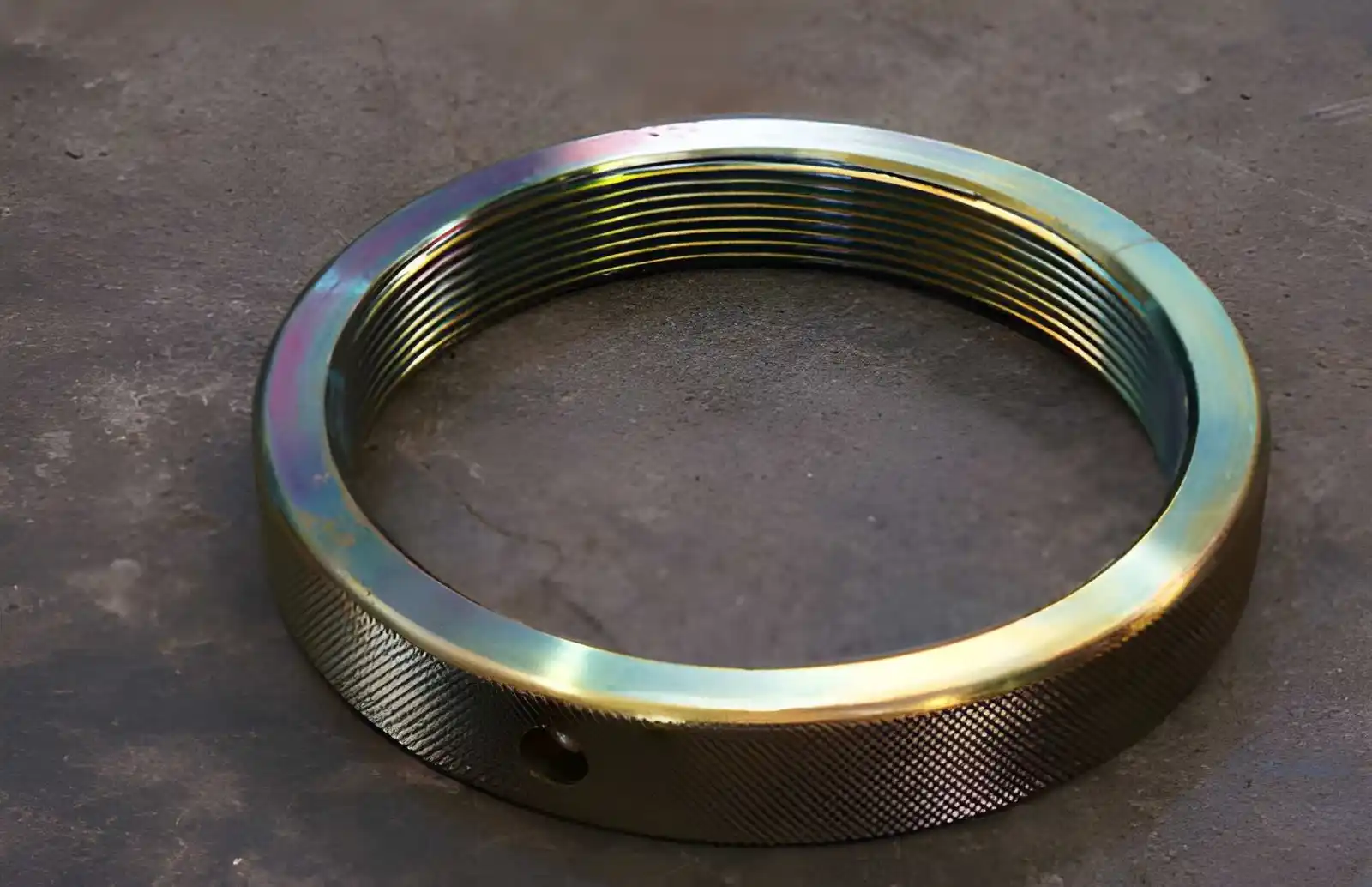
On a zinc-plated part
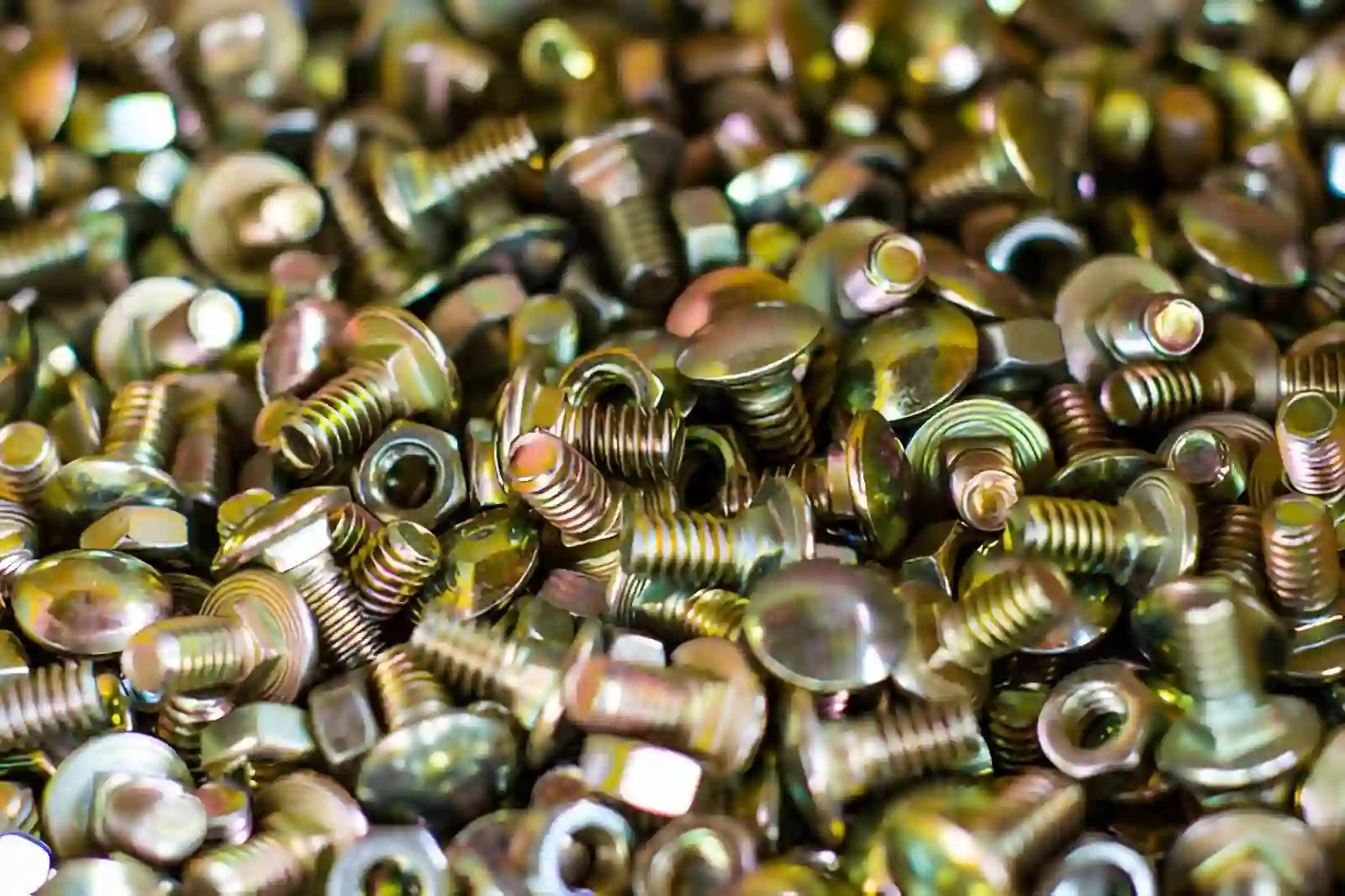
This is where most people meet a chromate layer without knowing it: the gold iridescent tone on a bright zinc fastener is the conversion layer on the zinc, not the zinc itself. It is what stops white rust forming in storage and what the published description calls a lasting appearance.
Best for: zinc-plated fasteners, springs and hardware that has to survive storage and handling
Not for: protection on its own - the zinc underneath is what does the sacrificial work, so this route belongs with zinc plating.
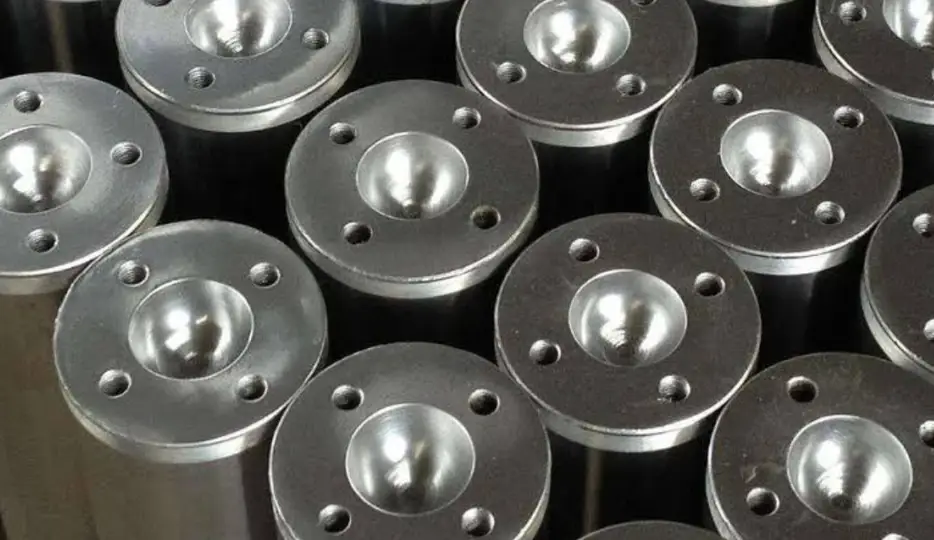
On aluminium, before paint
On a machined aluminium part the layer is usually not the finish you see - it is the base that paint, primer or adhesive keys into, and the corrosion protection the part has while it waits. Because it adds no measurable thickness, it does not disturb the tolerances the part was machined to.
Best for: aluminium housings and machined parts that will be painted or bonded afterwards
Not for: an anodized look - a conversion layer is far thinner and much softer than an oxide layer. See anodizing.
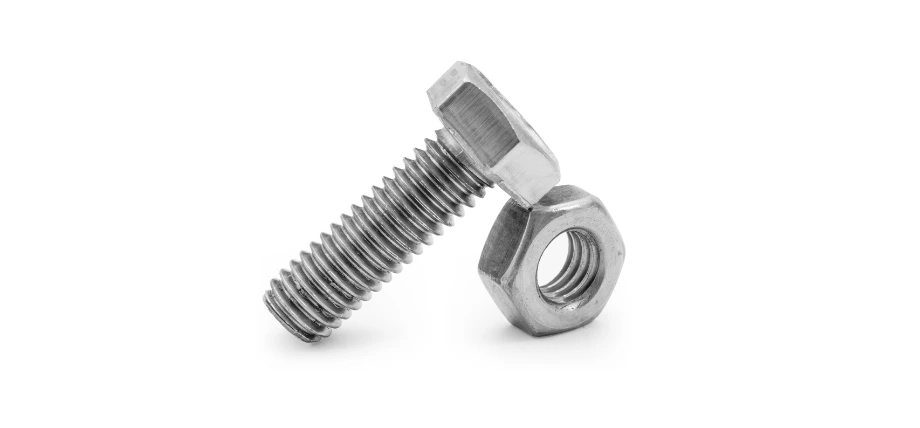
As protection on hardware
Where the part is a fastener or a fitting that will be seen, the gold iridescent appearance is the finish as well as the protection - it is the published appearance of the process, and it is why the layer turns up on hardware rather than being hidden under paint.
Best for: visible hardware, fittings and parts that need protection without a separate paint step
Not for: a uniform colour - the tone varies with the alloy and the bath, so two batches will not match like a paint colour.
Tell us what the layer is for - protecting the part, taking paint, or being the finish itself - and we will confirm the route and the alloy with you.
Get a quotePick or avoid
When yellow chromate is the right call - and when it is not
Pick yellow chromate when
- The part is aluminium, magnesium or a zinc-plated item and needs corrosion protection without changing size.
- The surface has to take paint or adhesive - a conversion layer is a classic primer for them.
- The existing machining marks are acceptable - a 2 um layer keeps every one of them visible.
- You want a gold iridescent appearance as a by-product of the protection.
- Tolerances are tight and there is no room for a plated layer.
Avoid yellow chromate when
- You want a hard or wear-resistant surface - this is a chemical layer, not a hard one. See anodizing.
- You want thickness or a chosen colour - that is a coating, not a conversion layer. See powder coating.
- The part is steel - a conversion treatment for steel is a different family entirely. See passivation or black oxide.
- The part has deep scratches or porosity - a 2 um layer follows them rather than hiding them.
- A compliance statement on chromium chemistry is required - that has to be confirmed with the shop first, see specifications.
Not sure whether a conversion layer is enough, or whether the part needs a plated or anodized one? Send the drawing and say what the surface has to survive.
Get a quoteDesign constraints
What decides whether the chromated part comes back usable
Four variables: the alloy, the surface handed in, what happens after treatment, and the chemistry question.
Alloy, not just "aluminium"
Cast and wrought versions of the same grade do not treat identically, and high-silicon or high-copper grades are the usual problem cases. Name the alloy and the temper on the drawing.
Surface handed in
A conversion layer is thin enough to keep the machining marks, the scratches and the porosity it was formed over. Decide the surface finish before chromating, not after.
Sequence after treatment
Paint, primer, adhesive and assembly normally come after treatment - and welding normally comes before. Getting the order wrong means the treated surface is disturbed or covered in the wrong state.
Electrical contact faces
The published description claims the layer enhances conductivity. Where a contact face matters, identify it up front so it can be masked - the claim itself is still being confirmed.
Chemistry and compliance
Chromate chemistry is a regulated subject. Tell us the compliance framework the part falls under at quoting, so the answer is confirmed rather than assumed.
Handling after treatment
A freshly treated surface is not a durable one. Parts that will be handled a lot, or stored in a damp place, should have that said in the drawing pack.
Drawing notes
What to write on the drawing so the layer lands where you meant
Two lines carry most of the requirement: the alloy, and what must not be treated. A conversion layer is a reaction, so everything else follows from what the part is.
1. YELLOW CHROMATE CONVERSION COAT PER THIS SPEC. ALLOY: ____________ TEMPER: ______2. DO NOT TREAT THE FOLLOWING SURFACES: - CONTACT FACES THAT MUST STAY ELECTRICALLY BARE - SURFACES TO BE WELDED - ____________ (ANY FACE THAT MUST STAY AS MACHINED)3. SEQUENCE: WELD / ASSEMBLE BEFORE TREATMENT; PAINT AND ADHESIVE AFTER TREATMENT. (DELETE AS APPLICABLE)4. SURFACE FINISH ON COSMETIC FACES IS SET BY THE MACHINING OPERATION - THE CONVERSION LAYER COPIES IT. RA ______ MAX ON: __________________5. HANDLING AFTER TREATMENT: PARTS SHALL BE PACKED AND STORED DRY. COMPLIANCE FRAMEWORK: ____________6. INSPECT: UNIFORM GOLD IRIDESCENT APPEARANCE, NO UNTREATED PATCHES, MASKED AREAS CLEAN OF THE LAYER.
Examples only - replace every blank with your own requirement. The alloy line is the one that is missed most often, and it is the line the bath depends on most.
Which metals
What we treat - the published three groups, and the metals that belong elsewhere
Our published scope for this process is aluminium, magnesium and their alloys, plus zinc-plated parts. Everything else in the table below belongs to a different finish, and the table says which one.
| Material | Yellow chromate | Notes | Use instead |
|---|---|---|---|
| Aluminium and its alloys | Yes | In our published scope for this process. The alloy and temper decide how it behaves in the bath. | — |
| Magnesium and its alloys | Yes | In our published scope. Magnesium is normally treated for corrosion protection rather than for appearance. | — |
| Zinc-plated parts | Yes | The published scope covers zinc-plated items - the treatment converts the zinc surface. See zinc plating. | — |
| Steel (not plated) | Other family | A conversion treatment for plain steel is a different chemistry. See black oxide or passivation. | Passivation |
| Stainless steel | Not this process | Stainless steel is protected by its own chromium oxide layer; the usual treatment is passivation. | Passivation |
| Titanium and plastics | Not applicable | The conversion reaction this process relies on does not apply. | All finishes |
Send the drawing with the alloy and temper on it - if this process does not suit the material, we will point at the one that does.
Get a quoteApplications
Where a chromate layer is doing the work under something else
Most chromate in the world is not the finish you see - it is the layer under the paint, or the protection on a part that will spend its life indoors.
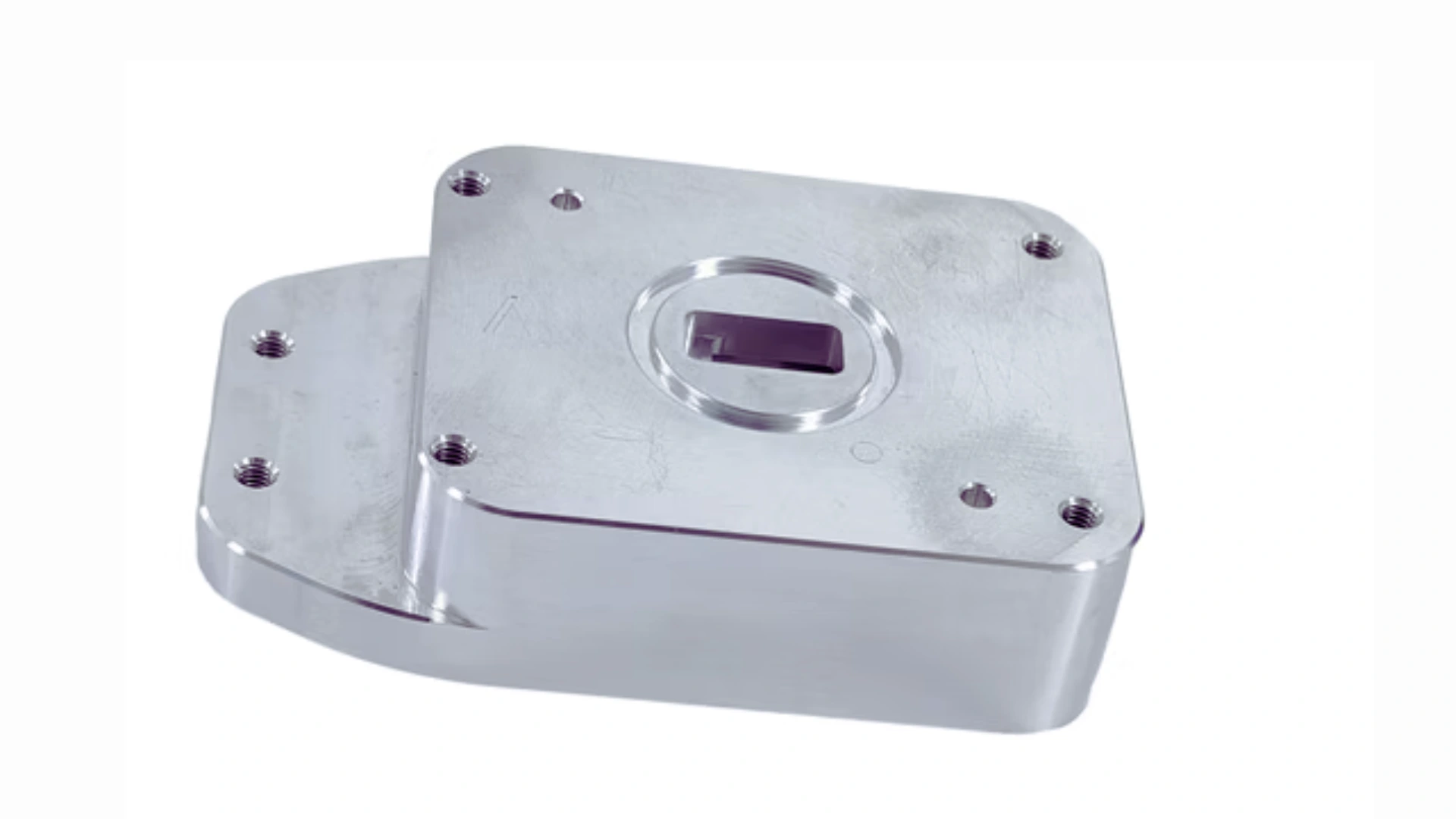
Aerospace and electronics housings
Aluminium enclosures and machined housings are usually chromated to hold corrosion at bay and to give the paint or the shielding coat something to key into.
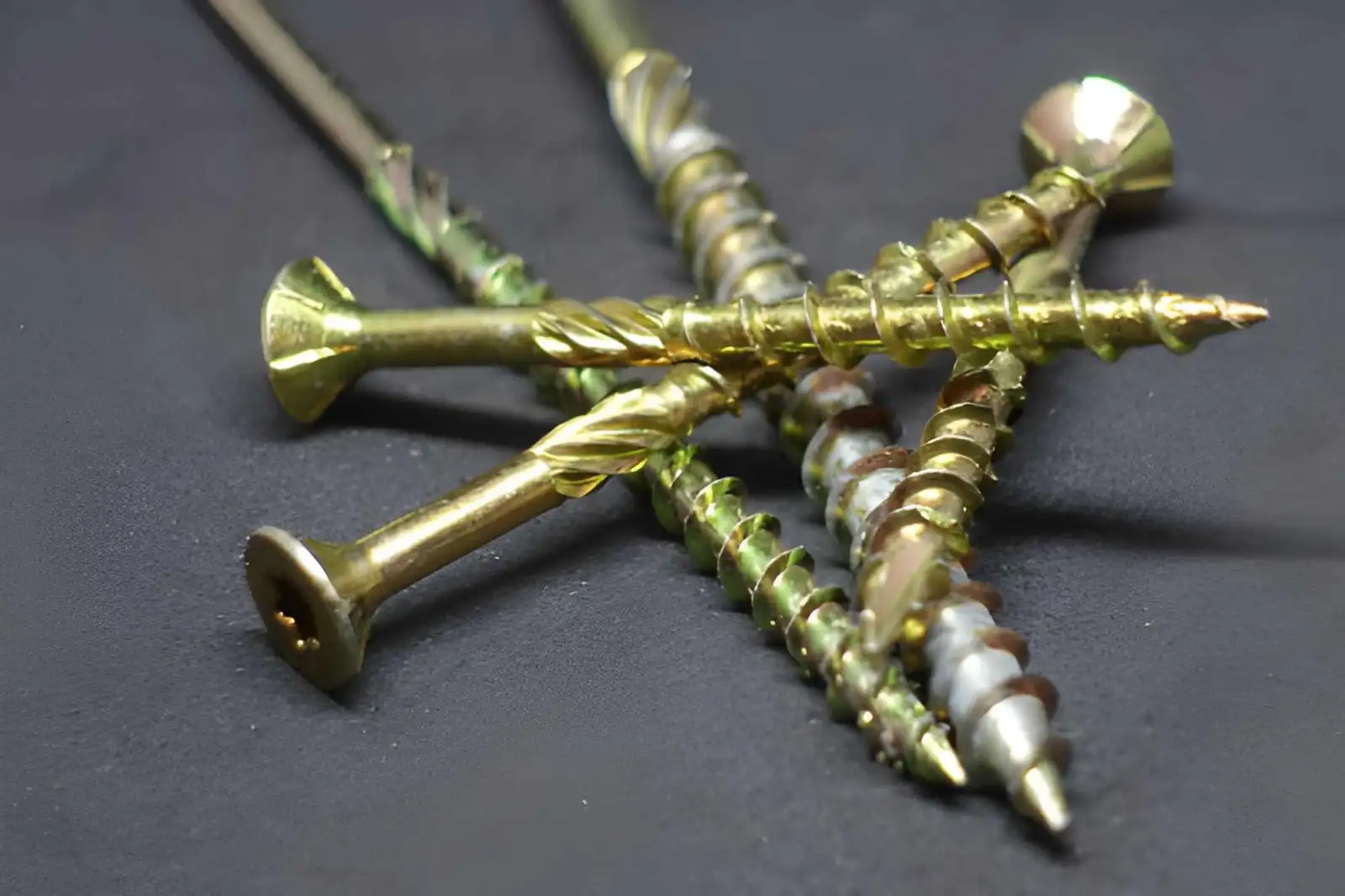
Zinc-plated fasteners
On a zinc-plated fastener the chromate is what you see: the gold iridescent tone on a bright zinc layer, and the reason the screw resists white rust in storage.
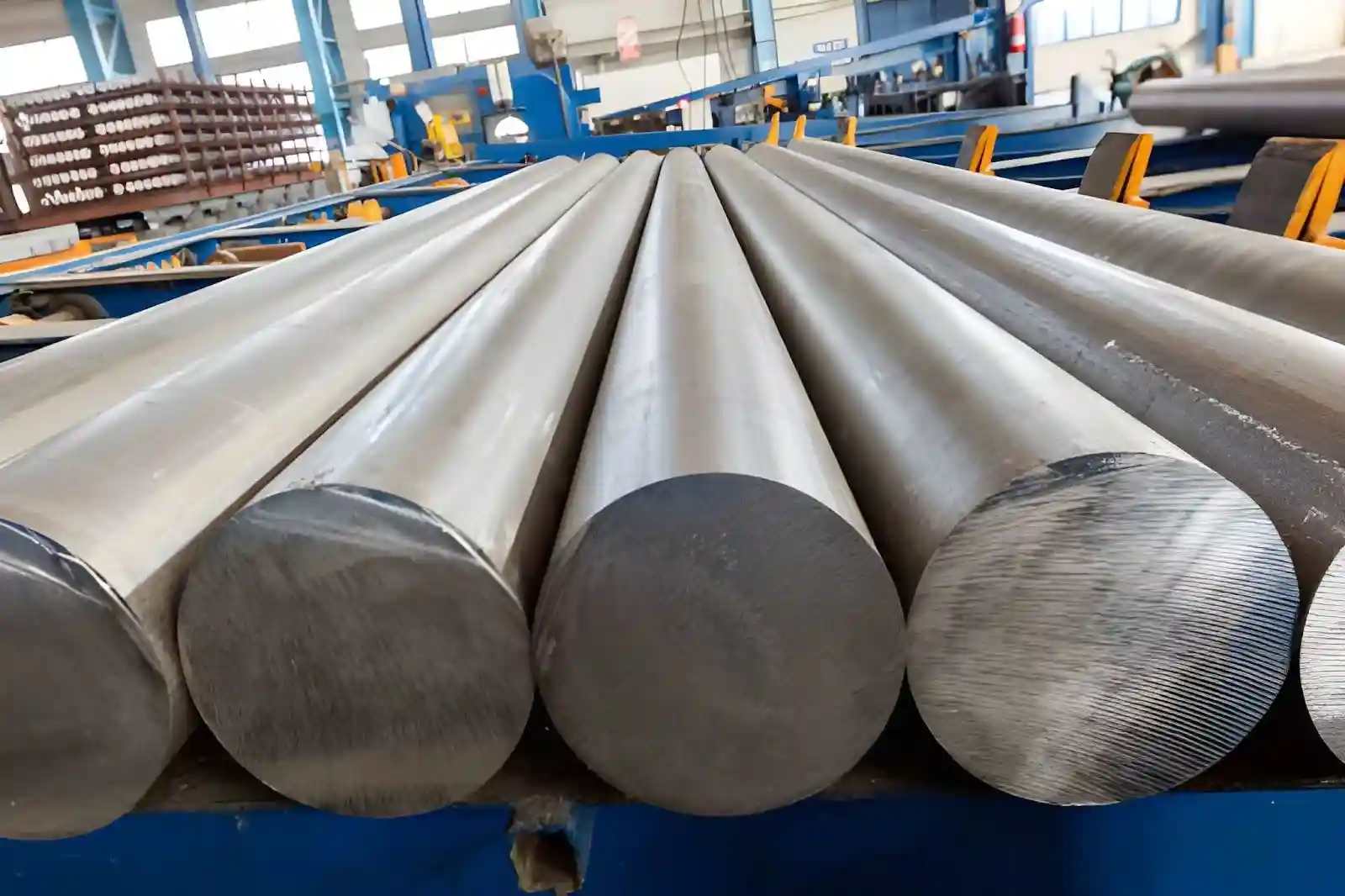
Parts that are treated and then moved on
Bar stock and semi-finished parts are often chromated for protection and returned to the customer to be machined and painted elsewhere - the treatment travels with the material.
QA and documentation
What you get back with the parts
Purchasing usually needs paper as well as parts. Here is what we can state today and what is still being confirmed.
Appearance check
Coverage and colour are inspected against the published gold iridescent appearance - the visible sign that the layer formed.
Dimension check
Parts are measured against the drawing, because dimensional stability is what this process is chosen for.
Layer thickness record
The published figure is about 2 um; a per-batch measured record is being confirmed with the shop.
Corrosion testing
Salt-spray hours against a named standard are being confirmed - the published description claims superior corrosion resistance without a figure.
Further reading
Conversion coatings and chromate in more detail
Longer answers on the questions this page only has room to state.
The background on this family of treatments, including the trade names it is sold under.
Where chromate sits against the other conversion treatments, and what each one is for.
The other common conversion family - usually the one specified for steel.
The same class of treatment under a trade name, with its own published colour options.
How conversion treatments compare with plating, anodizing and coating for a machined part.
When the answer is a plated layer rather than a conversion one - thickness, hardness and colour all change.
FAQ
Yellow chromate conversion coating FAQ: the questions engineers ask us
What is a chromate conversion coating?
Which metals can be treated?
Does it change the dimensions of my part?
Will it hide machining marks or scratches?
Does the layer protect against corrosion?
Can I paint over it?
Does it conduct electricity?
Is chromate a restricted chemistry?
How do I get a quote?
Get your chromate coating quote
Upload a STEP, IGES or PDF drawing with the alloy on it. Tell us what must stay bare and what happens after treatment - we will come back with the process and the quotation together.
What to send us
- Drawing - 2D and 3D files (STEP, IGES or PDF).
- Alloy and temper - the bath behaviour depends on both.
- Surfaces to leave bare - contact faces, weld zones and cosmetic faces.
- Sequence - what happens before treatment and what happens after.
- Compliance framework - if the part falls under one, name it at quoting.
- What happens next - paint, assembly or storage, so the hand-over state fits.
All uploads are secure and confidential. Engineers review and reply with a quotation and lead time.