
Materials for custom parts
Materials for CNC machining.
Selected for your part.
Explore metals, engineering plastics and composites. Compare the material, grade and working conditions before specifying the machining route and finish.
Your files stay confidential. Privacy Policy · Optional NDA available
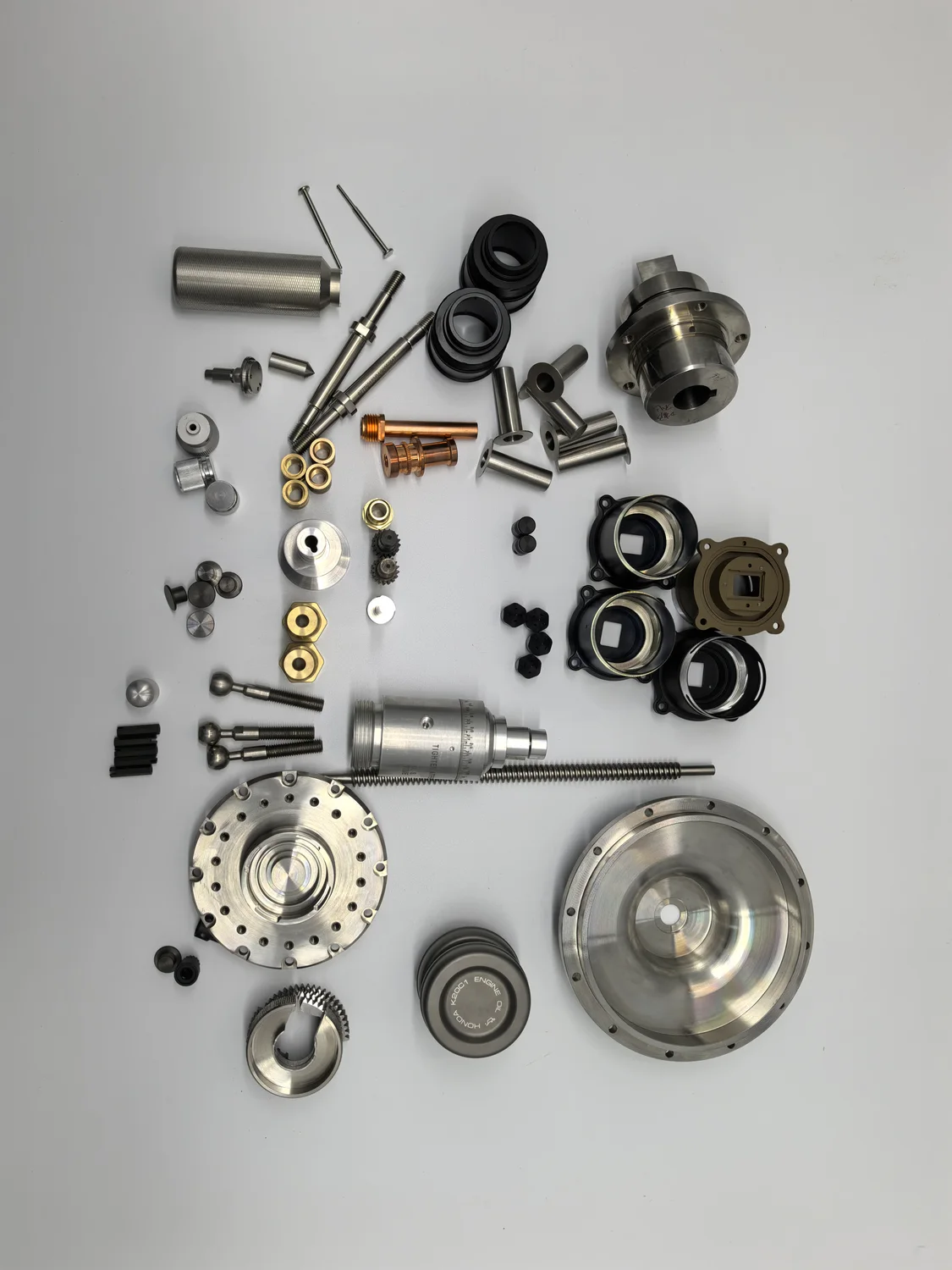
Choose by the conditions in service.
- Weight, load and stiffnessCompare the complete design, not strength alone. Include section geometry, fatigue requirements and the mating components.
- Temperature and chemicalsState continuous and peak temperature, exposure time, chemical concentration and any cleaning cycle.
- Wear, friction and impactDescribe movement, load, mating surfaces, lubrication and the expected duty cycle.
- Electrical and dimensional requirementsSpecify insulation, conductivity, moisture exposure and the conditions for the critical fits.
Only know the function? Send the operating conditions and the drawing you have.
Talk to an EngineerCompare material families.
Use this library to shortlist materials. Grade, stock availability, tolerances, price and lead time are confirmed for the project.
PVC ↗
Rigid PVC, CPVC and flexible PVC are different specifications. Define the required type, chemical exposure and stock form before reviewing a machined component.
Polyetherimide (PEI) ↗
PEI components need the resin grade and operating conditions specified. Review electrical, thermal and dimensional requirements before choosing stock and a manufacturing route.
PTFE (Teflon) ↗
PTFE parts require the grade, filler and service conditions to be clear. Review sealing, load, temperature and fit requirements together because deformation can affect performance.
PPS parts require a specified resin and filler package. Review temperature, chemicals, loading and the details of the mating components before confirming the material.
PPSU ↗
PPSU components need their resin grade and service cycle defined. Specify cleaning or sterilisation conditions, appearance and documentation where the application requires them.
Polypropylene (PP) ↗
Polypropylene parts need the resin grade and chemical service conditions defined. Review stiffness, wall geometry and assembly requirements before selecting the stock and process.
Polycarbonate (PC) ↗
Polycarbonate is considered for tough plastic components and transparent parts. Define the grade, appearance, contact chemicals and assembly conditions before machining.
PEEK ↗
PEEK selection depends on the resin grade, filler, load, temperature and chemical exposure. State those requirements with the drawing so stock selection and machining can be reviewed together.
Delrin ↗
Acetal parts are often considered for low-friction mechanical components. Specify POM-H or POM-C, the resin grade and any filler so the material on the quote matches the drawing.
FR-4 ↗
FR-4 is a glass-epoxy laminate used where electrical insulation and a rigid sheet form are needed. Specify laminate grade, thickness and any electrical or flame-rating requirements.
Garolite G-10 ↗
G-10 is a glass-epoxy laminate used for insulating and structural components. Define laminate specification, thickness, edge condition and the dimensions that matter in service.
Acrylic ↗
Acrylic (PMMA) is considered when transparency and a rigid plastic form matter. Specify optical surfaces, edge quality and assembly stresses before selecting the machining and polishing route.
ABS ↗
ABS is a candidate for rigid prototype housings and functional plastic components. Match the stock grade to the environment, appearance and dimensional requirements of the part.
Polyethylene (PE) ↗
Polyethylene covers materials with different density and wear behaviour. Specify the PE grade and working environment, then review how flexibility affects the required geometry and fits.
Nylon ↗
Nylon parts need the grade, filler and moisture condition defined. Review fits and inspection conditions together when the component must hold size through changes in humidity.
Alloy Steel ↗
For loaded, wear-resistant or hardened components, define the steel grade and final condition before machining. Heat treatment, distortion and final inspection need to be planned together.
Stainless Steel ↗
Stainless steel selection starts with corrosion exposure, strength and the features to machine. Specify the grade and condition so the manufacturing route matches the service environment.
Cast Iron ↗
Cast iron components need the iron grade and casting condition defined before machining. Identify datum surfaces, stock allowance and the features to inspect on the finished part.
Copper ↗
For conductive components, specify the copper grade, material condition and contact surfaces. Review burr control, handling and any plating requirements against the drawing.
Titanium ↗
Titanium parts need a clear grade, stock specification and inspection plan. Review the geometry, material condition and surface requirements together before committing to production.
Brass ↗
Brass is often considered for turned fittings, connectors and small precision components. Specify the alloy and any restrictions on lead content or end use before material is sourced.
Aluminum ↗
Aluminum is a starting point for lightweight housings, brackets and fixtures. Select the alloy, temper and surface finish together, then review the drawing for machining and inspection.
Browse the material library.
Acrylic and PMMA describe the same polymer family and share one material page.
Real components. Different requirements.
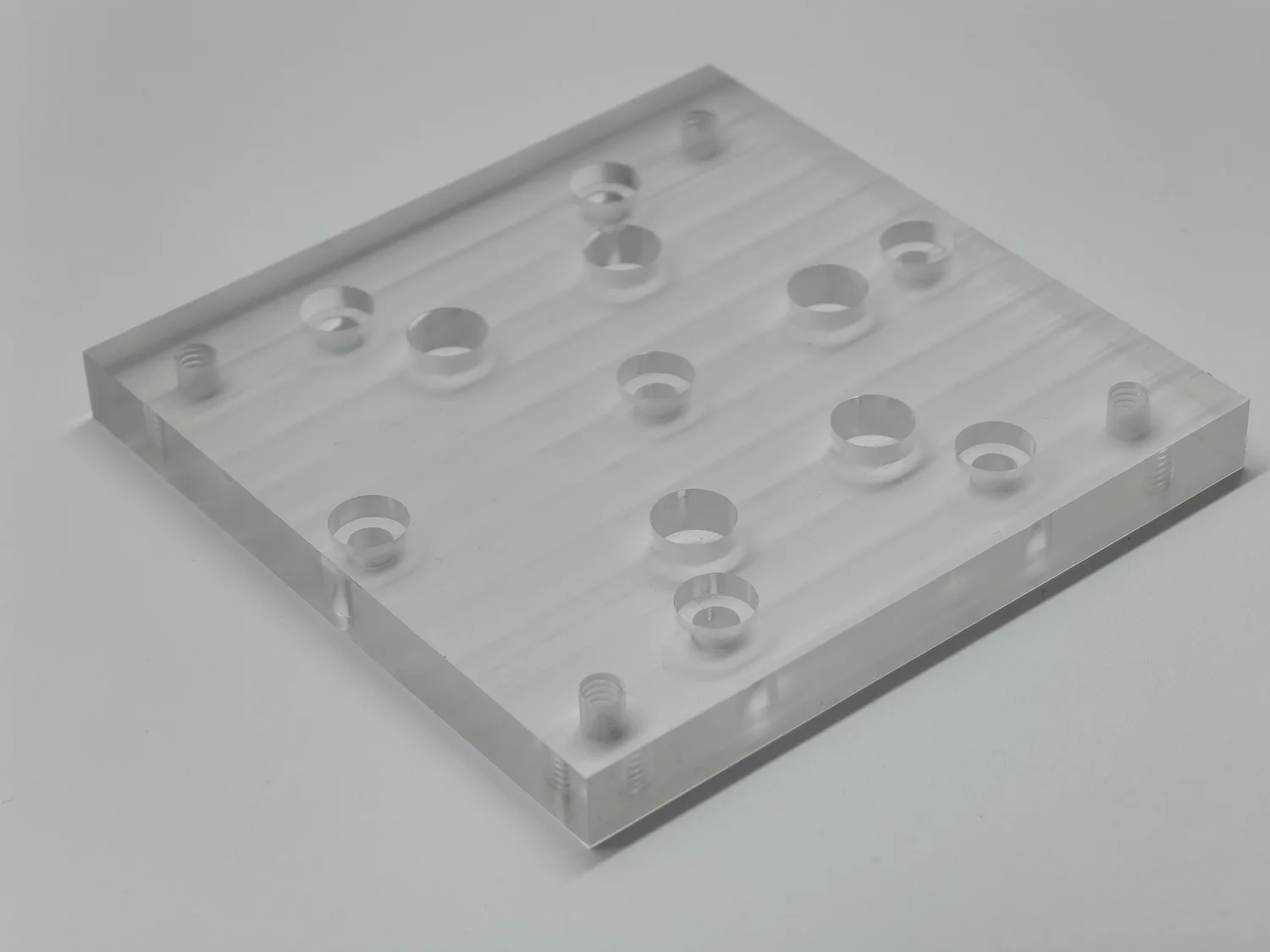
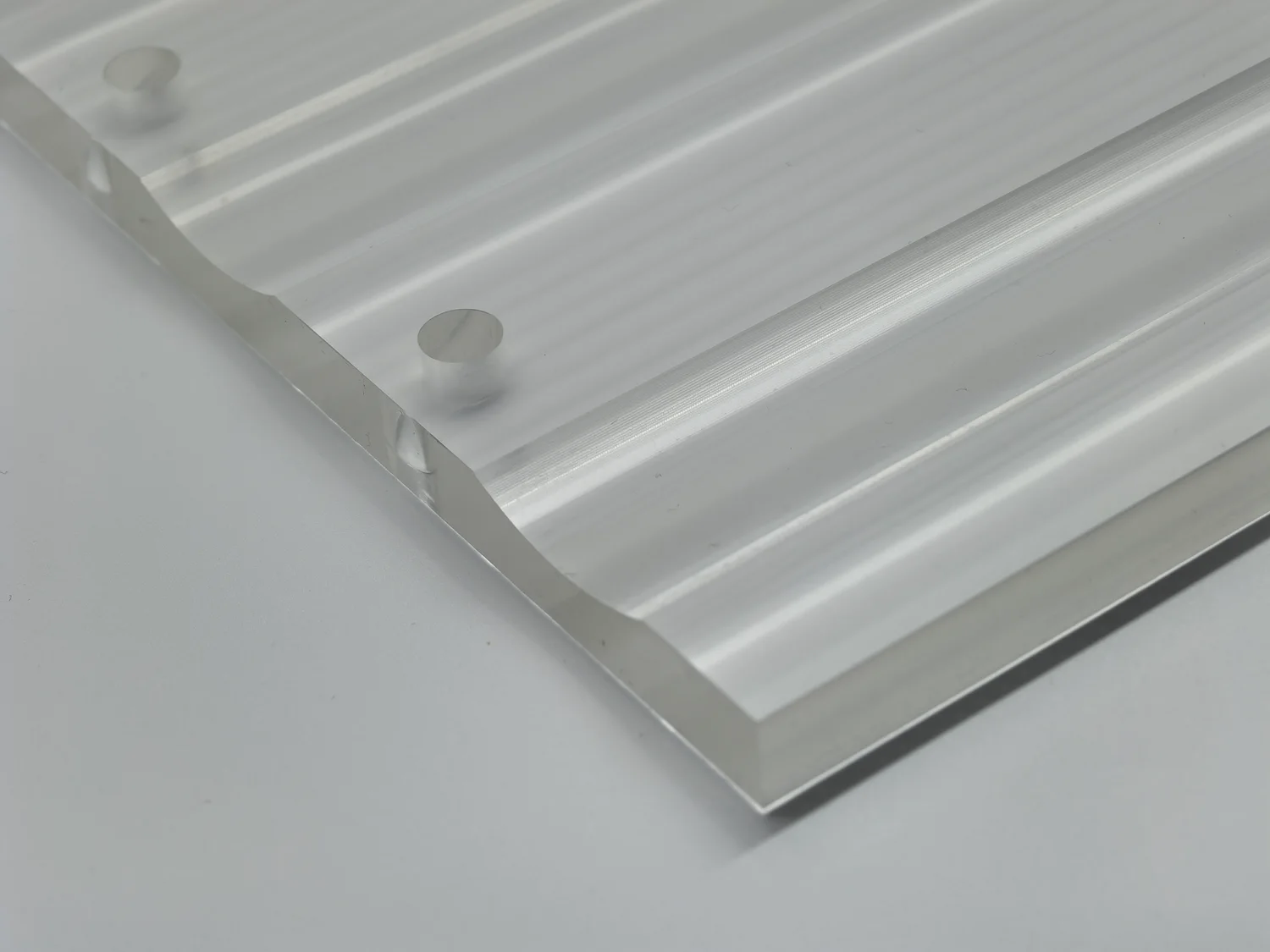
These photographs illustrate manufactured geometry. They do not identify a certified material grade.
Know what each inspection image proves.
Photographs from the Prolean inspection room. Each image is labelled by the actual measurement task; appearance alone never proves a material grade.
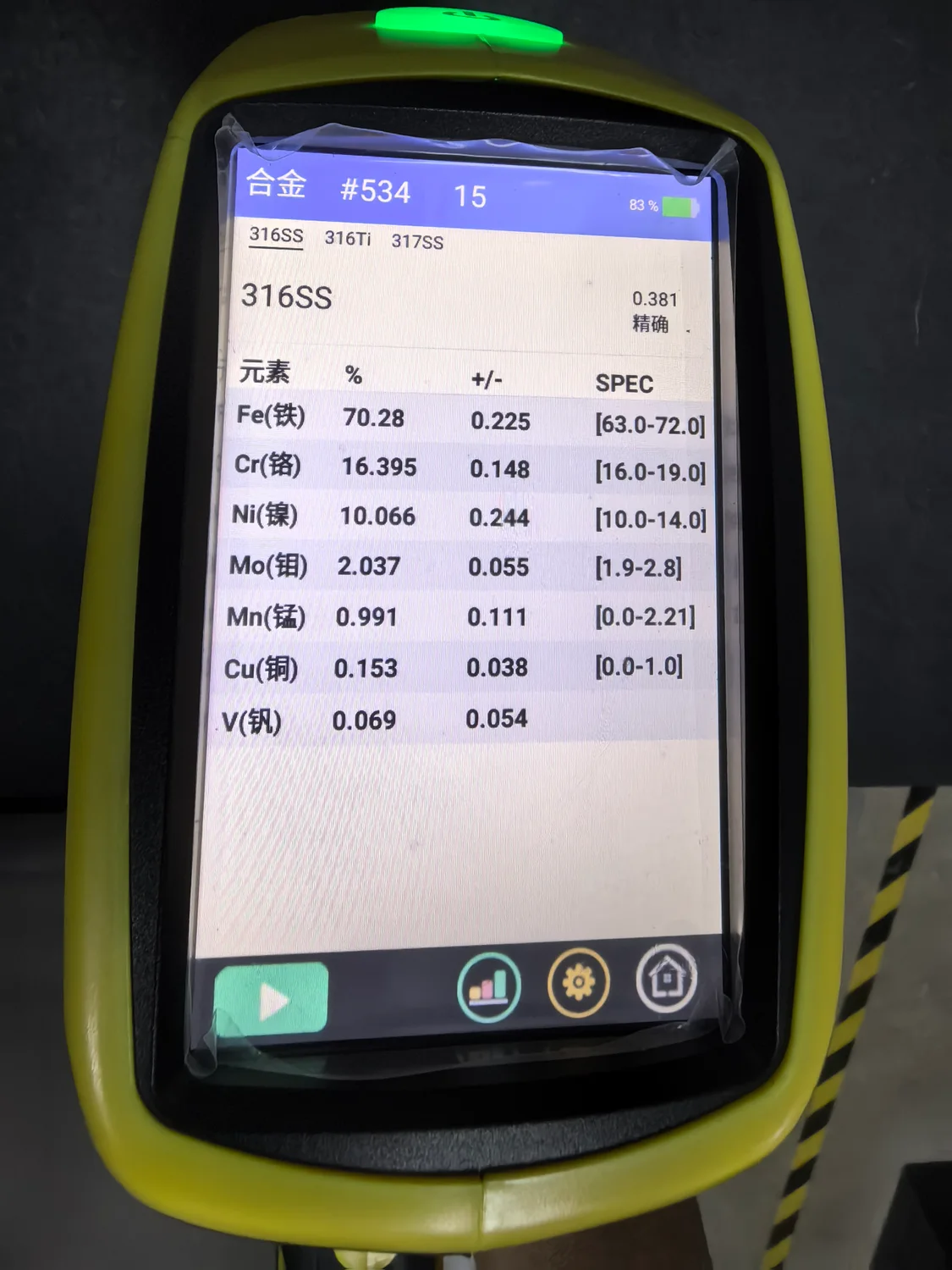
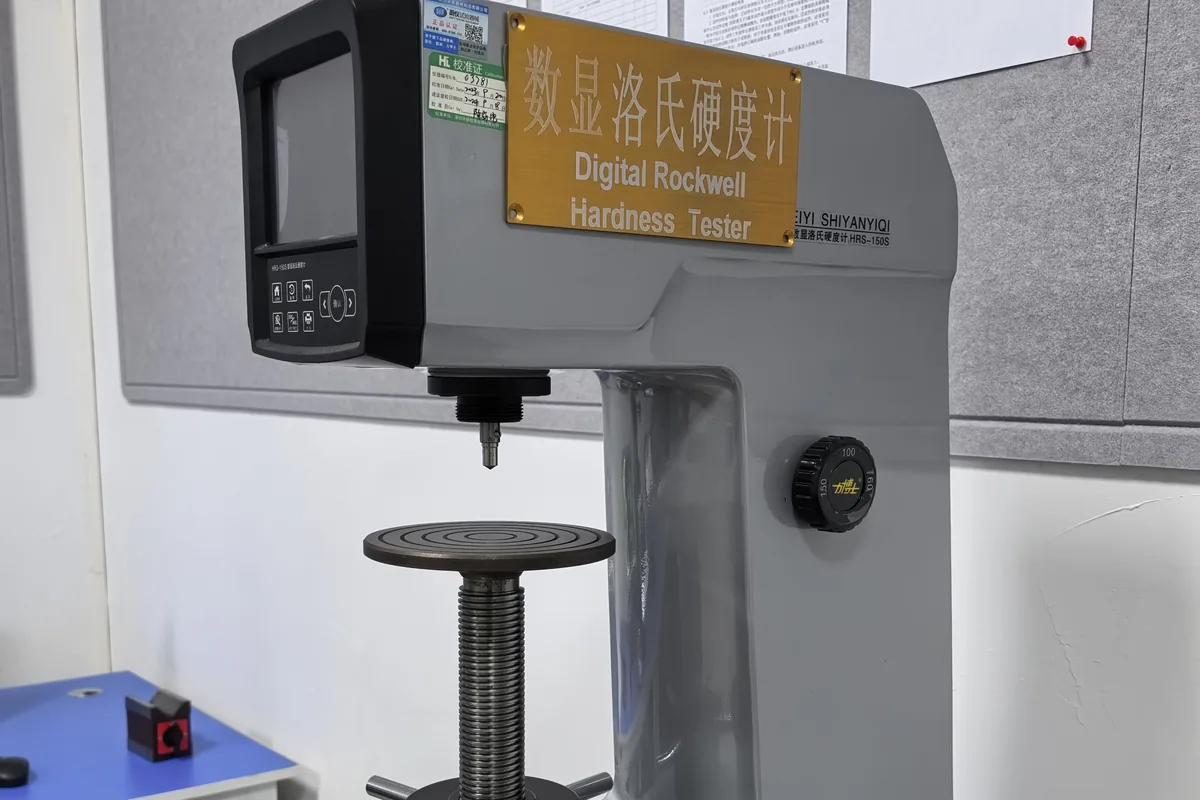
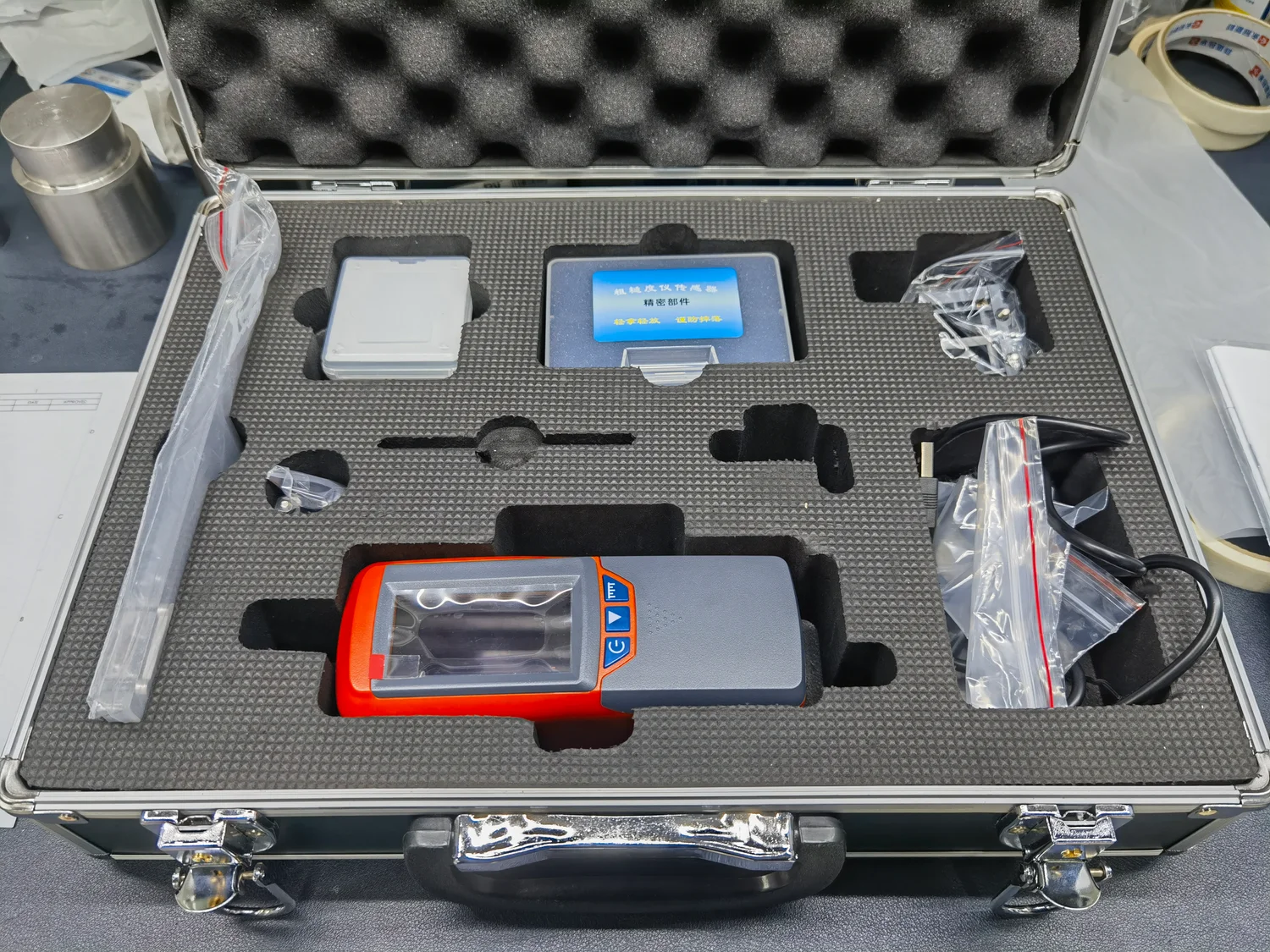
Specification, supplier documents, lot traceability and an agreed test method.
Drawing, datums, calibrated equipment and an agreed report.
Parameter, measurement location, method and acceptance range.
Material selection questions.
How do I choose a machining material?
Start with function, loads, temperature, chemicals, moisture and appearance. Then compare the grade, stock form, machining route and finish. Send the operating requirements if the material is undecided.
Does a listed material mean it is in stock?
No. Confirm the exact grade, condition, stock form, required documents and quantity in the RFQ. Availability and delivery are confirmed in the quote.
Can material documents and inspection reports be supplied?
Include material documentation, traceability and inspection report requirements with the RFQ. The available documents, acceptance criteria and any additional cost are confirmed for the project.
What should I send for a quote?
Send a CAD model or dimensioned drawing, quantity, material grade and condition, finish, critical tolerances and inspection requirements. If the material is undecided, describe the working environment and required function.
How are my drawings kept confidential?
Your drawings and project files are treated as confidential when you enquire. An NDA is available as an additional option when your project or internal policy requires one.
Next step
Turn the material choice into a manufacturing specification.
Send the drawing, quantity, operating conditions and required finish. We will review the material and manufacturing requirements with you.
Your files stay confidential. Privacy Policy · Optional NDA available
- Already selected a grade?Include the full designation, condition and required documentation.
- Still comparing?Describe the loads, environment and features that matter.