
CUSTOM PLASTIC PARTS
Injection Molding
Services
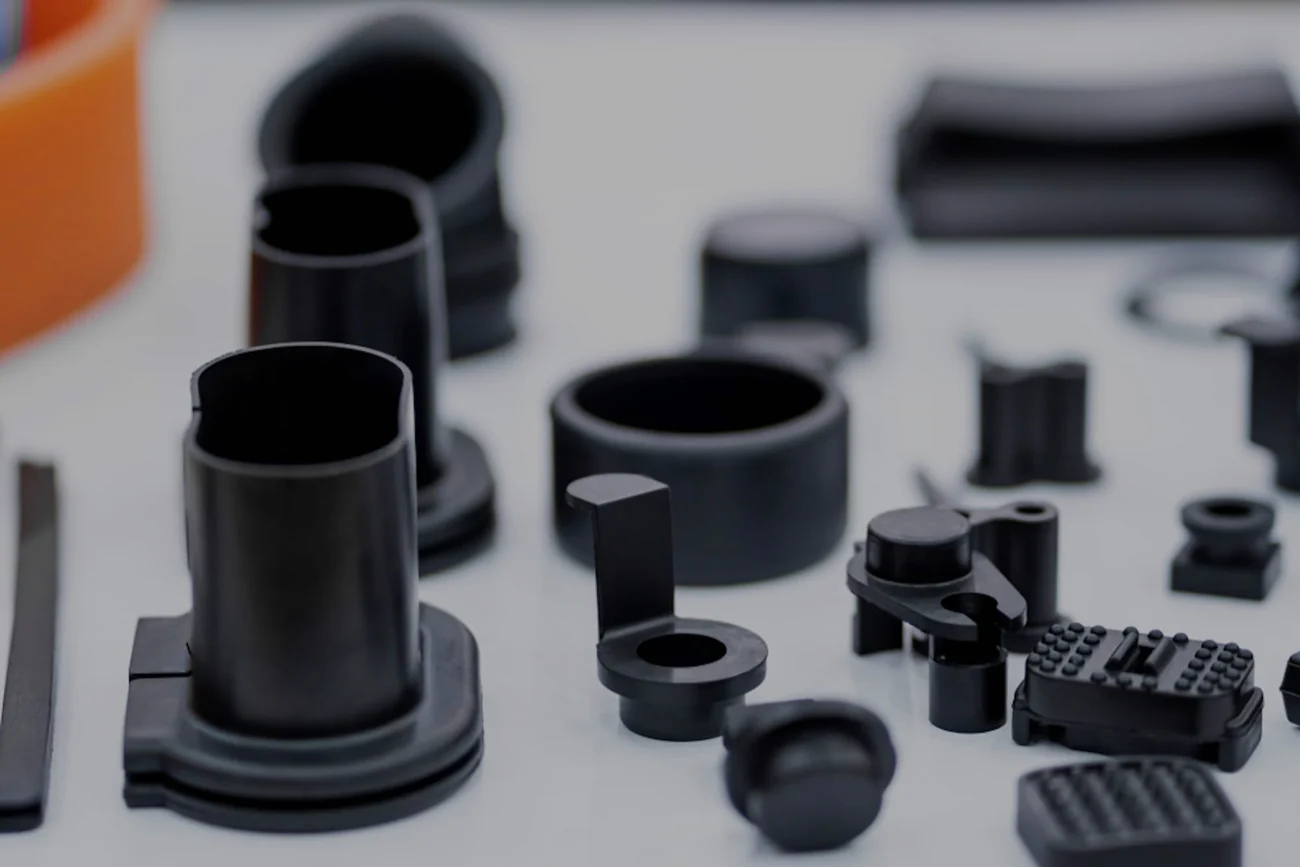
Custom thermoplastic parts, from design review and resin selection to sample approval, production and repeat orders.
A part supply plan built
around your product.
Injection molding forms plastic parts by injecting molten resin into a mold, cooling it and ejecting the solid component. The mold repeats the geometry; the resin, tool and molding conditions together determine the result.
ProleanTech reviews your part design, material specification and demand to define a thermoplastic molding route. Start with the function: mating features, appearance, environment and acceptance criteria. Then agree the tooling, trial and production scope for the parts you need.
For housings, covers, brackets and other custom components, include assembly interfaces and cosmetic surfaces with the drawing. Geometry that looks similar can need a different mold layout, resin grade or inspection method.
Choose the route for the decision ahead.
Discuss a prototype or bridge mold when molded-resin testing is needed. Batch feasibility depends on geometry, material and the mold plan.
Define the mold asset, receiving-machine requirements, trial acceptance, ownership and lifecycle terms.
Review the material pair, bonding, positioning and application tests as a distinct engineering request.
Specify a resin grade.
Then evaluate the molded part.
A polymer family is the starting point, not a complete material specification. Share the manufacturer and grade, or the properties and environment the part must meet. Material availability and processing suitability are reviewed for the project.
| Resin family | Selection considerations | Include in your inquiry |
|---|---|---|
| ABS / PC-ABS | Housing appearance, impact requirements and heat exposure. Blend performance varies with formulation. | Exact grade, color, cosmetic faces and any flame-rating requirement. |
| PC | Impact and optical requirements; chemical exposure and residual stress need attention. | Transparency or opacity, cleaners, service temperature and appearance criteria. |
| PP / PE | Chemical environment, flexibility and shrinkage behavior. Density and grade affect the choice. | Loads, contact media, dimensional requirements and any hinge function. |
| PA (nylon) | Moisture conditioning can affect dimensions and performance; filled grades behave differently. | PA type, reinforcement, service humidity and measurement condition. |
| POM | Sliding and mechanical applications require review of loading, fit and mating surfaces. | Grade, wear conditions, assembly fit and chemical exposure. |
| Specialty thermoplastics | PEEK, PEI and other engineering resins need a grade-specific processing and tooling review. | Technical data sheet, required evidence, processing constraints and application tests. |
Enhanced grades need a separate check. Glass reinforcement, flame retardants, recycled content and colorants can change flow, shrinkage, wear and appearance. Substitutions require approval.
Food-contact, medical, electrical or other regulated uses require the applicable grade documentation and finished-part validation. A resin data sheet or rating does not certify the finished component.
Resolve molding risks
before cutting the tool.
Design for manufacturability connects the drawing to a practical mold and acceptance plan. These review topics are design considerations; the final limits depend on your resin, geometry, tool construction and agreed requirements.
Walls, ribs and bosses
Review nominal wall thickness, gradual transitions and local mass. Core out thick sections where function allows; size ribs and bosses for support without creating unnecessary sink or cooling imbalance.
Draft and release
Discuss draft in the draw direction, textured surfaces, deep features and undercuts. Side actions or geometry changes affect mold complexity. Agree changes to fit-critical walls before tool release.
Parting, gates and ejection
Identify acceptable parting lines, gate vestiges and ejector marks on the drawing. Review weld-line locations, venting and flow paths around holes or thin regions, especially near stressed or visible features.
Shrinkage and warpage
Evaluate geometry, resin shrinkage, filler orientation and cooling together. Define flatness, assembly fit and measurement conditions rather than applying one tolerance to every feature.
Approve the DFM revision. Record proposed geometry, gate, parting and cosmetic changes with their effects on function. Release an identified drawing revision for tooling, then confirm the part through trial samples.
From design review
to controlled repeat orders.
Agree the deliverables and approval points with the quotation. A prototype batch, initial production order and repeat supply program may need different tooling and verification plans.
-
Review the part and demand
Check 3D geometry, 2D requirements, resin, order quantity and annual demand. Resolve critical features, application risks and any missing information before confirming the route.
-
Prepare and release the mold plan
Agree DFM changes, cavity approach, gates, cooling and ejection. Confirm tooling scope, project milestones and changes that require customer approval.
-
Trial, measure and approve samples
Compare samples with agreed dimensional, cosmetic and functional criteria. Record material and drawing revision, open issues, corrections and approval for production.
-
Mold, finish and inspect
Produce to the approved scope. Define gate trimming, any agreed secondary operations, inspection sampling, protective packaging and required delivery documents.
-
Release the next order
Reference the approved part, resin and tool. Review changes to demand, materials, color, geometry or acceptance criteria before the next run; confirm whether new samples are needed.
Make acceptance measurable.
Separate dimensional conformity, appearance and application performance. Mark critical features and agree how each will be evaluated before trial production.
Dimensions & assembly
Define datums, critical dimensions, flatness and mating fits. Agree the sampling plan, measurement method and conditioning requirements for the resin. Request a dimensional report where needed and confirm its scope.
Appearance & surface
Identify cosmetic zones, color references and texture or gloss targets. Specify viewing conditions and acceptable gate, ejector, parting-line and weld-line appearance. Use approved samples to anchor subjective judgments.
Function & documentation
Define load, leak, heat, chemical, electrical or assembly tests as applicable. Confirm test responsibility, method and reports. Request resin traceability, conformity documentation and packaging requirements in the RFQ.
Finishing & secondary work
Texture and polish are normally established through the mold surface. Trimming, marking, painting or assembly need a defined scope and compatibility review. Do not assume a metal-finishing specification applies to plastic.
Injection molding
questions.
Bring the drawing, resin and demand into the same discussion.
When is injection molding the right route?
Consider injection molding when repeat geometry, material requirements and demand justify a dedicated mold. Compare tool investment, part cost, design maturity and validation needs. For early geometry changes or very limited quantities, machining, 3D printing or a prototype mold may offer a better starting point.
Can you review prototype and low-volume orders?
Submit the quantity, resin and design status for a route review. A prototype or bridge mold may suit molded-resin validation or interim demand. Feasibility and economics depend on the part and tool plan; no single minimum quantity or route applies to every project.
Is the mold included in the price of the parts?
The quotation should distinguish the tooling charge from the molded-part price. Define trial samples, corrections, secondary operations and inspection separately. Mold ownership, storage, maintenance, tool-only delivery and transfer terms require explicit agreement.
Which plastics can I specify?
Provide an exact manufacturer and grade, or the application requirements for a material review. ABS, PC, PP, PE, PA and POM are common thermoplastic families to discuss. Filled, flame-retardant, specialty and regulated-use grades need their own processing, documentation and validation review.
What tolerance and wall thickness can you achieve?
These depend on resin grade, geometry, tool construction and measurement conditions. Mark critical dimensions and functional fits on the 2D drawing. Agree achievable requirements and inspection methods during DFM; a universal tolerance or wall-thickness limit would not describe every molded part.
How are texture, color and surface marks agreed?
Identify cosmetic faces and specify the texture, gloss and color reference. Discuss gate locations, ejector marks, parting lines and weld lines before tooling. Agree viewing conditions and approve representative samples before production.
What determines the lead time?
Design maturity, resin availability, mold complexity, trial corrections, approval timing and production scope determine the schedule. Request project milestones covering DFM release, tooling, trial samples, approval and shipment with your quotation.
Does this cover overmolding, silicone or metal parts?
This service page focuses on thermoplastic molded parts. Overmolding requires a separate review of the substrate and overmold materials. Silicone, two-shot, insert molding and metal injection molding are different process requests and should not be assumed to be included in a thermoplastic quotation.
START WITH THE PART
Give your quote
an engineering brief.
Share the current design and the conditions the part must meet. ProleanTech can review the material, tooling and part-supply scope against those inputs.
Use the existing quote page to share files confidentially. An NDA is available as an optional additional assurance.
Injection molding RFQ checklist
- 3D CAD and 2D drawings with the current part revision
- Resin manufacturer, grade, reinforcement and substitution policy
- Order quantity, annual demand and expected release pattern
- Appearance zones, texture, color and marking requirements
- Critical dimensions, mating parts, assembly and use environment
- Required certifications, application tests, inspection and reports
- Packaging, delivery destination and commercial delivery conditions
- Tooling scope, sample approval and any mold transfer requirement