
? Where is your part right now?
SURFACE FINISHING
Bead Blasting Service
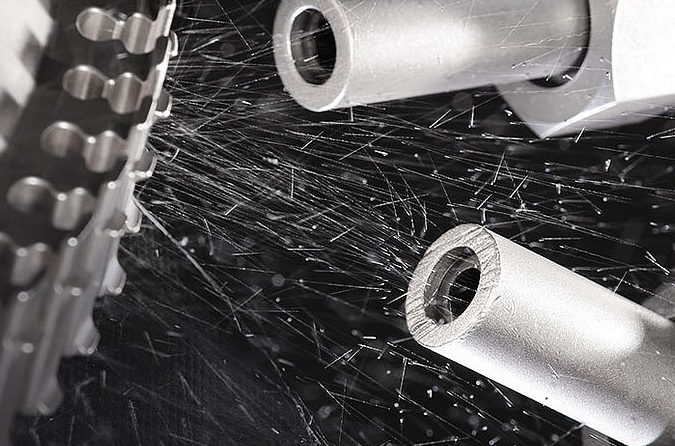
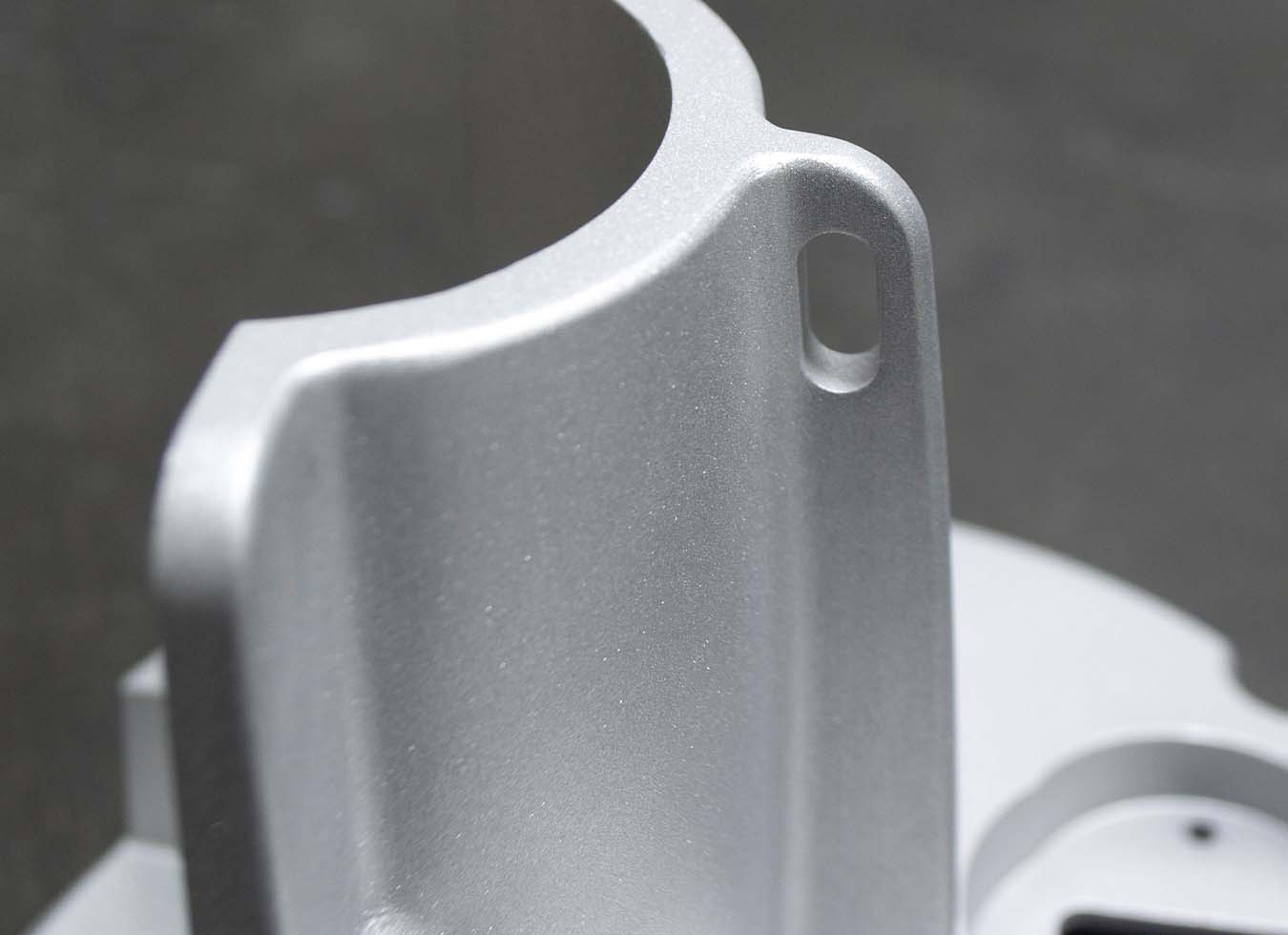
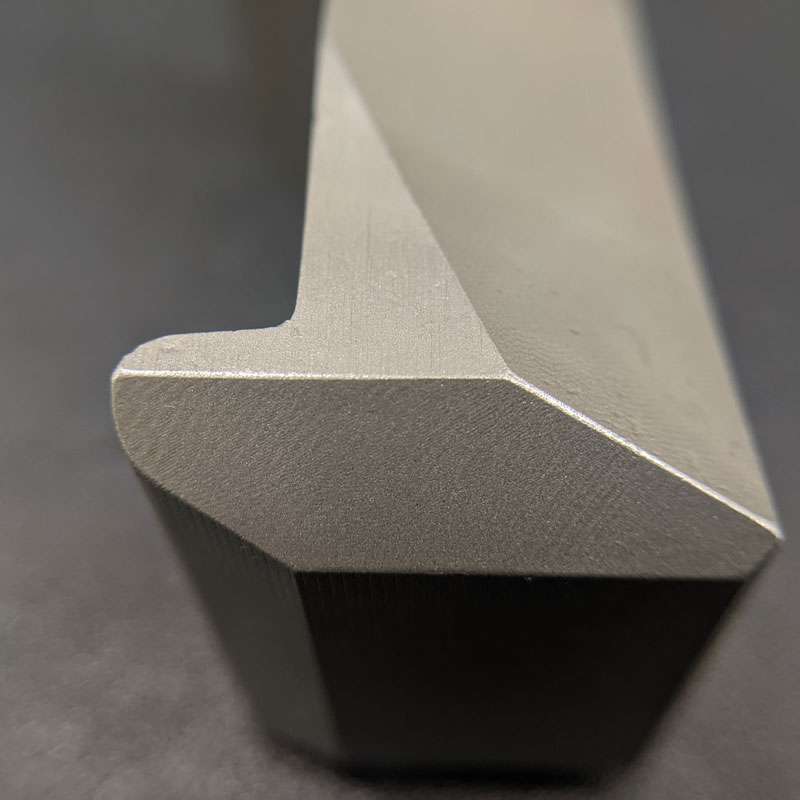
A uniform matte finish produced by propelling fine media at high velocity. It removes tool marks, deburrs edges and peens the surface in one pass — and it takes a thin layer of material off rather than adding one.
Sequence
Blasting is a mechanical step — it cleans up what machining left behind
No chemistry is involved, so the surface you send us is the surface it works on. That is why it sits after machining and after deburring, and why anything you want untouched has to be masked first.
Blasting cannot hide a scratch by filling it — it works the surrounding material down toward the scratch. If the drawing has a visible surface, mark it, and tell us which faces must not be touched: see drawing notes.
Fit check
Can we bead blast your part? Three things decide it
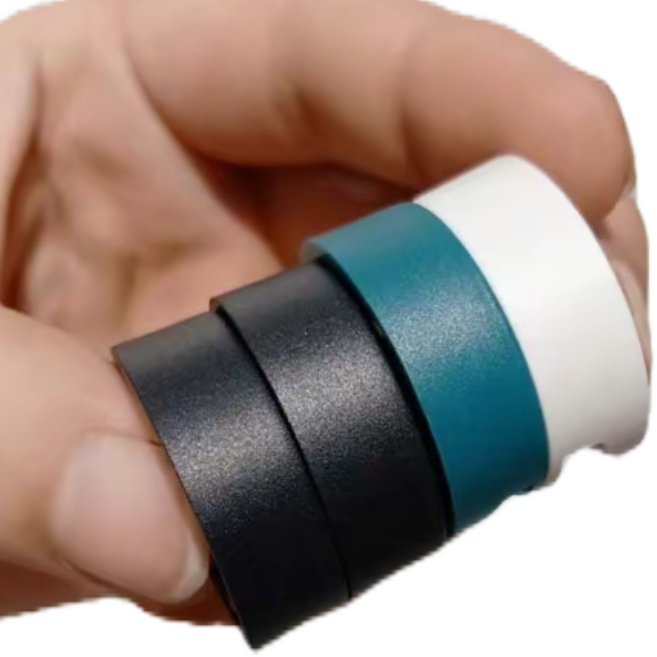
Material, masking and geometry. The second one is where most orders go wrong — blasting removes material, so an unmasked thread will not accept its nut afterwards.
Material
- Yes — ABS, aluminium, brass, copper, stainless steel, titanium, tool steel
- Seven materials are covered by our published material list
- Anything outside that list: ask first
Soft plastics and very thin walls behave differently under media — tell us the wall thickness.
Masking
- Threads, bores and sealing faces must be masked — they are eroded, not protected
- Masking areas have to be marked in the design
- Media can lodge in blind holes and narrow slots
Give us the masking list before the parts arrive. See drawing notes.
Geometry & texture
- Blasting reaches what the nozzle can see — deep recesses and undercuts stay darker
- The finish is matte; a polished surface cannot be produced by blasting
- Uniformity depends on part orientation during blasting
Tell us which face is the visible one and we will orient the part for it.
Specifications
Bead blasting: 7 materials, uniform matte, cosmetic finish on request
Every value below is taken from our published specification for this process.
What it removes
Blasting takes material off — so the masking list decides the fit
The layer removed is thin, but it is removed everywhere the media reaches. On a thread or a bearing bore that is enough to change whether the part assembles.
| Where it acts | Effect | Why it matters | What to do |
|---|---|---|---|
| Threads | Material removed from the flanks | A blasted thread is a looser thread — the pitch diameter no longer matches the nut. | Mask all threaded features. |
| Bores and bearing seats | Material removed from the wall | A press fit loses its interference and no longer holds. | Mask bores that carry a press fit or a shaft. |
| Sealing faces | Surface roughened | A matte face no longer seals against a gasket or an o-ring. | Mask o-ring grooves, gasket faces and lapped surfaces. |
| Sharp edges | Radiused by the media | The deburring benefit of blasting is the same effect that blunts a cutting edge. | Say so if an edge has to stay sharp. |
Depth of material removed is being confirmed with the shop and will be published as a figure. The masking rules above hold regardless of the final number.
Tell us which features must keep their exact size and we will mask them before blasting.
Get a quoteMedia types
Glass bead, aluminium oxide or steel media — the choice sets the cut
The three media below are the ones our published process description names. Each cuts differently, which is why the same part can come back satin or aggressive.
Glass bead
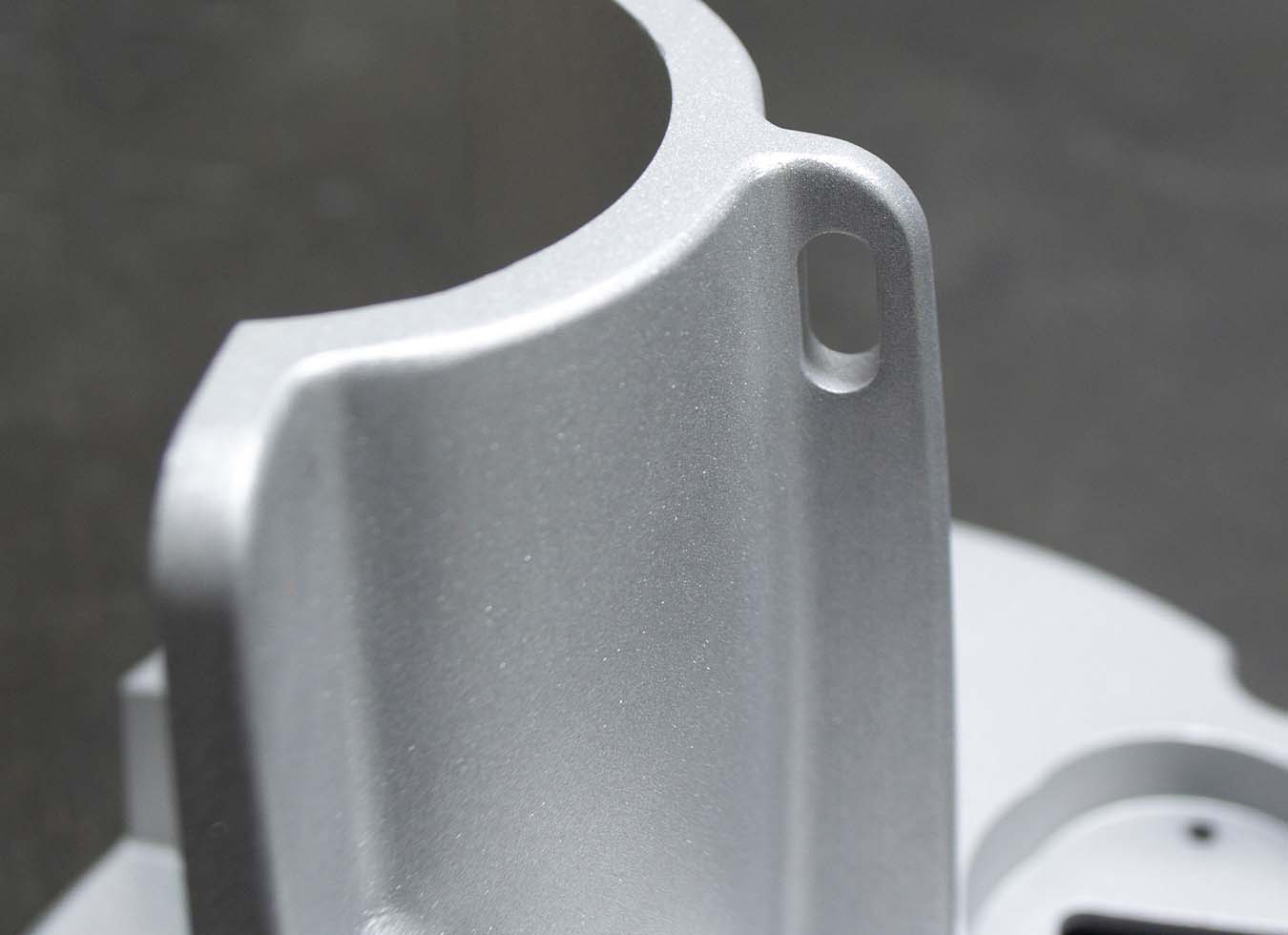
Delicate beads propelled at high velocity to clean or smooth a surface. The process is described as non-abrasive, so the part keeps its form.
Best for: uniform satin, cleaning, pre-paint preparation
Not for: removing heavy scale or producing a deep anchor profile.
Aluminium oxide
An abrasive media, named in our published description alongside glass and steel. It cuts faster and leaves a more open texture than bead.
Best for: heavier cleaning, a coarser texture, preparing for coatings
Not for: thin sections or fine detail that would be rounded off.
Steel media
Steel media is named in our published description as one of the three used. Its weight is what produces the peening effect on the surface.
Best for: peening, surface strengthening, removing stress risers
Not for: soft substrates such as ABS, which the media would mark.
Not sure which media your part needs? Send the drawing and say what the surface has to do afterwards — paint, seal, or nothing at all.
Get a quotePick or avoid
When bead blasting is the right call — and when it is not
Pick bead blasting when
- You want a uniform matte finish that hides machining marks.
- You need burrs removed from machined edges in the same operation.
- The part will be painted, bonded or coated afterwards — blasting prepares the surface.
- You want peening to improve the surface's fatigue behaviour.
- The part is one of the seven materials on our published list.
Avoid bead blasting when
- You need a polished or reflective surface — blasting only goes matte. See polishing.
- The part has threads, bores or seals that cannot be masked.
- You need corrosion protection — blasting cleans the surface but adds no protective layer. See anodizing for aluminium or black oxide for steel.
- The material is outside the published list and you cannot send a sample.
Blasting plus a protective layer is a common pairing — send one drawing and ask for both operations quoted together.
Get a quoteDesign constraints
What decides whether the blasted part comes back right
Three variables: the masking you mark, the media we use, and the surface you started from.
Masking
Threads, bores, press fits, o-ring grooves and sealing faces all have to be masked — the process erodes them. Mark them on the drawing; anything unmarked gets blasted.
Starting surface
Blasting reveals rather than fills. A deep scratch, a gouge or a weld repair becomes more visible after the matte finish, not less. Fix it before blasting.
Media choice
Glass bead cuts gently and keeps form. Aluminium oxide cuts faster and leaves a coarser profile. Steel media adds a peening effect. Say which behaviour you need.
Thin walls and soft plastics
ABS and thin sections can distort or mark under heavier media. Tell us the wall thickness so the media can be chosen around it.
Blind holes and slots
Media can lodge where the nozzle reaches but the air cannot clear. Call out blind features so they can be masked or blown out.
Surface you started from
Blasting cannot create a texture finer than the media allows, and cannot remove a machining pattern it was not given the depth to remove. State the starting finish.
Drawing notes
What to write on the drawing so the blast lands where you meant
The masking list matters more than anything else here — blasting removes material, so an unmasked thread is a thread that no longer fits.
1. BEAD BLAST ALL SURFACES UNLESS MASKED. MEDIA: GLASS BEAD / ALUMINIUM OXIDE / STEEL (delete one)2. MASK THE FOLLOWING BEFORE BLASTING: - ALL TAPPED HOLES AND THREADED FEATURES - BEARING SEATS AND PRESS FITS - O-RING GROOVES AND SEALING FACES - MACHINED DATUM SURFACES USED FOR INSPECTION (SEE VIEW A)3. FINISH: UNIFORM MATTE, NON-DIRECTIONAL. NO VISIBLE MACHINING MARKS ON SPECIFIED FACES.4. KEEP SHARP EDGES AT: __________________ (LIST ANY EDGE THAT MUST NOT BE RADIUSED)5. BLOW OUT ALL BLIND HOLES AFTER BLASTING.
Examples only. If the masking line is missing, threads and bores get blasted — and the part will not assemble afterwards.
Materials
Which materials we bead blast — the published list of seven
The list below is exactly what our published specification covers. Anything outside it needs a sample part before we can quote.
| Material | Bead blasting | Notes | Use instead |
|---|---|---|---|
| Aluminium | Yes | The most common substrate — uniform matte hides machining marks and prepares the surface for anodizing. | — |
| Stainless steel | Yes | Common on medical instruments and food-contact parts, where a matte surface is easier to clean than a polished one. | — |
| Tool steel | Yes | Used where the blasted texture has to survive service. | — |
| Titanium | Yes | Blasting is often the step before anodizing titanium. | — |
| Brass | Yes | Gives an even satin on machined brass fittings. | — |
| Copper | Yes | Blasting removes tarnish and leaves a uniform matte. | — |
| ABS | Yes | A plastic on the published list — media has to be chosen gently for it. | — |
| Other materials | Send a sample | Soft plastics, composites and very thin sections behave differently under media. | As machined |
Material not on the list? Send a sample part and we will run a test blast before quoting the batch.
Get a quoteApplications
Where bead blasting is used
Three jobs are named in our published description of the process — finishing, deburring and peening. Each is a different reason to specify it.
Finishing
A uniform matte across the part — used on items like medical tools, where an even surface looks right and is easier to clean.
Deburring
The media removes sharp edges from machined parts as a side effect of the same pass — no separate deburring operation.
Peening
Under heavier media the surface is worked rather than only cleaned, which is what the peening effect is.
QA and documentation
What you get back with the parts
Purchasing usually needs paper as well as parts. Here is what we can issue today and what is still being confirmed.
Texture uniformity
Visual check for a uniform, non-directional matte across the specified faces.
Masking check
Masked features confirmed clear of media before dispatch.
Surface roughness (Ra)
Measured Ra per media type. Being confirmed with the shop.
Material removed
Dimensional check before and after blasting on masked reference features.
Further reading
Bead blasting guides and comparisons
Longer answers on the questions this page only has room to state.
What bead blasting does, what it cannot fix, and how to write the requirement.
The two media compared on cut, finish and what each does to the substrate.
The directional mechanical finish, and how it differs from the matte blasting leaves.
The media our own process description names, explained in full.
The usual next step for bead blasted aluminium parts.
Compare all 20 finishes by roughness, thickness, corrosion and cost.
FAQ
Bead blasting FAQ: the questions engineers ask us
What is bead blasting?
Does bead blasting change my part dimensions?
Which media should I choose?
Can you bead blast stainless steel?
Is glass bead blasting aluminium different from regular bead blasting?
What finish can I expect?
Are there materials you would recommend against bead blasting?
How do I get a bead blasting quote?
Get your bead blasting quote
Upload a STEP, IGES or PDF drawing. Tell us the material, the media you want, and — most importantly — which threads, bores and faces must be masked.
What to send us
- Drawing — 2D and 3D files (STEP, IGES or PDF).
- Material — from our published list of seven, or send a sample if it is not.
- Masking list — threads, bores, press fits, o-ring grooves, sealing faces.
- Media — glass bead, aluminium oxide or steel. The cut depends on it.
- Visible faces — which face is seen, so the part can be oriented during blasting.
- Edges to keep sharp — blasting radiuses edges by design.
All uploads are secure and confidential. Engineers review and reply with a quotation and lead time.