
CUSTOM METAL PARTS · TOOLING TO PRODUCTION
Die Casting
Services
Aluminum and zinc parts.
Built around your drawing.
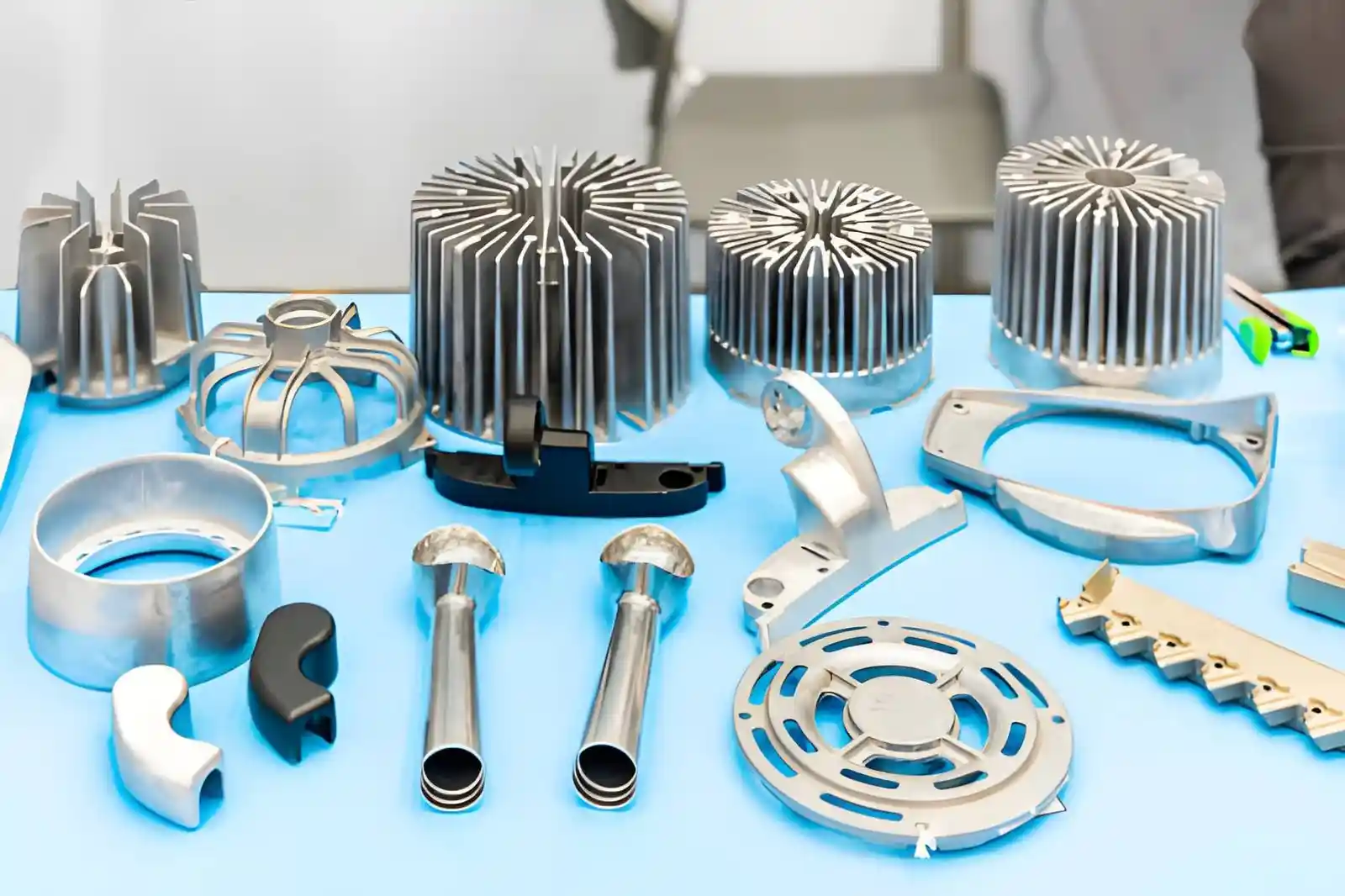
Plan the alloy, die, precision machining and surface finish as one production route. Prolean supports custom die-cast housings, hardware and industrial components, with requirements reviewed before tooling.
Confidential drawing review · Optional NDA available
Material & process fitAluminum and zinc routes reviewed for your application.
From cast to finishedCNC features, surface preparation and coating requirements.
Acceptance before productionDrawing revision, samples and inspection agreed together.
A repeatable part starts with the right process.
Die casting injects molten metal into a reusable steel die. It can consolidate ribs, bosses and housings into a near-net-shape part, with selected features machined afterward.
A good starting point
Repeated metal components with a stable design, integrated geometry and enough ongoing demand to justify dedicated tooling.
Review before committing
Pressure-tight parts, highly cosmetic faces, very thick sections, tight positional tolerances and safety-related applications need an explicit qualification plan.
For prototypes or changing designs
CNC machining can validate fit before tooling. A machined prototype does not reproduce cast microstructure, porosity or final casting performance.
Have a stable design and repeat demand? Let’s review tooling and part cost together.
Two materials. A route for your part.
Explore the dedicated service for your alloy, then review the drawing, tooling and finish requirements with us.
Aluminum die casting
For weight-sensitive housings, covers, brackets and thermal components.
Discuss: A380 or the grade on your drawing, service temperature, corrosion exposure and machined interfaces.
Zinc die casting
For compact housings and detailed hardware with defined surface and assembly requirements.
Discuss: Zamak 3, 5 or 2, component mass, sustained loads, service temperature and plating requirements.
Alloy approval matters. Confirm the exact grade and material standard before tool release. ADC12 is a separate grade to review, not an automatic substitute. Magnesium and other specialty routes require project confirmation.
Not sure which route fits? Send the load, weight, temperature and finish requirements.
Define the deliverable before the tool.
Combine die casting, CNC post-machining and finishing in one defined scope. The project quotation should connect each operation to a measurable requirement.
| Requirement | How to define it | Quotation checkpoint |
|---|---|---|
| Part envelope & quantity | Provide CAD, overall dimensions, shot quantity and annual demand. | Confirm machine / die feasibility, cavity layout and production batch size. |
| As-cast dimensions | Identify datums, parting-line relationships, draft and casting dimensions. | Agree tolerances feature by feature; no blanket precision claim. |
| Machined dimensions | Mark bearing seats, bores, threads, flatness and mating faces. | Agree machining stock, locating strategy, GD&T and inspection method. |
| Pressure tightness | State medium, pressure, allowable leak rate and test conditions. | Agree test stage, sample size and treatment / rejection rules. |
| Cosmetic & coated faces | Mark visible zones, allowable marks, texture and color reference. | Approve the preparation, masking and finish acceptance sample. |
| Delivery & documentation | State target date, reports, packaging and shipment needs. | Separate tooling, sampling, approval and production schedule. |
Capacity, minimum wall, tolerances, MOQ and lead time are confirmed against the drawing, alloy, tool and acceptance requirements.
DFM: resolve the expensive decisions early.
A useful drawing review shows where geometry, tooling and inspection interact. Changes are easier before the die is cut.
Walls, ribs & bosses
Aim for gradual section transitions. Review isolated heavy masses, intersections and long thin flow paths for filling and solidification risks.
Draft, parting line & ejectors
Agree the draw direction and place parting lines, gates and ejector marks away from sealing or visible faces where practical.
Slides, cores & undercuts
Identify features that need side actions or machining. Additional moving tool elements affect tool complexity and maintenance.
Machining stock & datums
Reserve stock only where needed, and choose repeatable locating features. Cutting into a casting can expose internal porosity.
Service conditions
Declare pressure, fatigue, impact, temperature and corrosion needs. Heat treatment or welding requires a compatible alloy and qualified process route.
Send a marked-up drawing to focus the DFM review on your critical features.
Casting, machining and finishing, planned together.
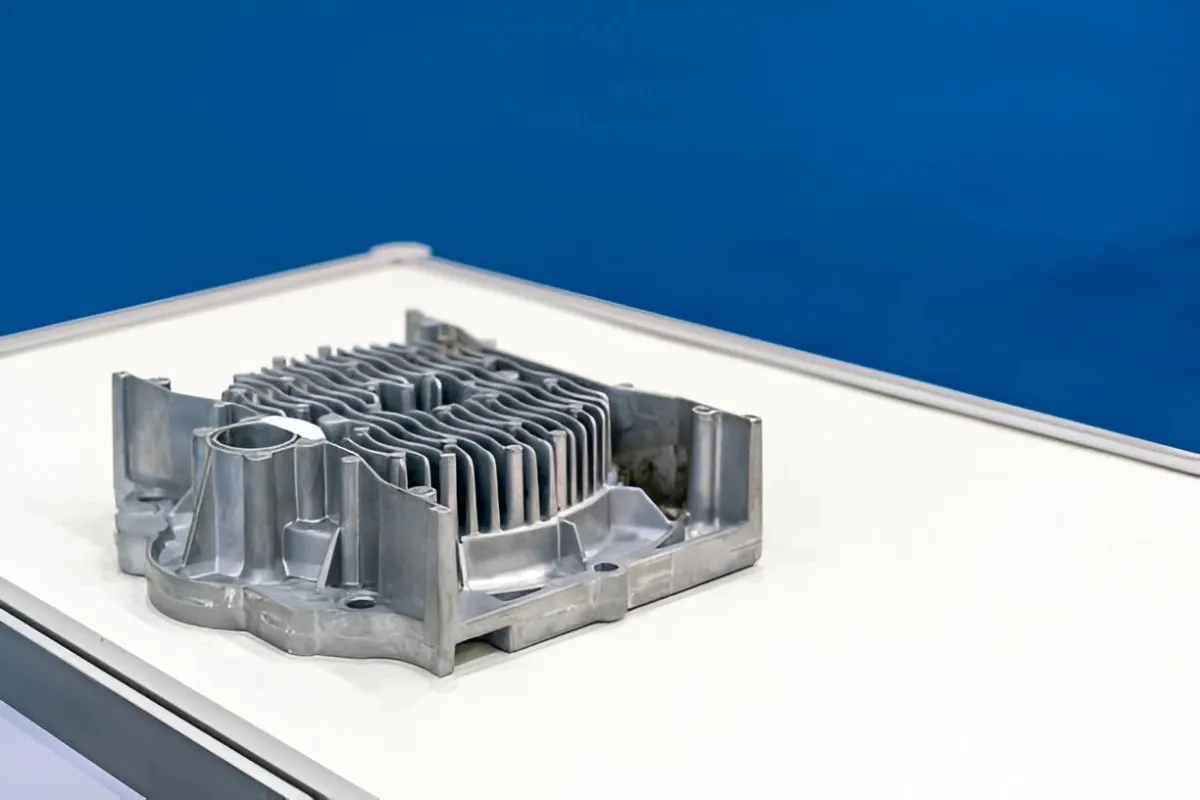
A near-net-shape casting still needs a defined route to the finished drawing. Include these operations in the RFQ so price comparisons cover the same deliverable.
Trim, deburr & prepare
Remove gates and flash, and define edge condition. Gate vestiges and ejector marks need agreed acceptance limits.
CNC post-machining
Mill datum and mating faces; drill, bore and tap where required. Specify the final tolerance and surface condition for each precision feature.
Final surface requirements
Review protective and cosmetic treatments against the actual substrate. Coating allowances and masking belong in the dimension plan.
| Finishing route | Buyer decision | Engineering checkpoint |
|---|---|---|
| Blasting / polishing | Texture and appearance of visible faces. | Surface preparation does not eliminate internal casting defects; agree a reference sample. |
| Powder coating / painting | Color, exposure and coating specification. | Review pretreatment, cure conditions, adhesion, film allowance and masking of threads or contacts. |
| Plating | Appearance, contact or wear requirement, often considered for zinc components. | Confirm compatible pretreatment, layer system, thickness and any required performance test. |
| Conversion coating / anodizing | Protection or specified surface properties on aluminum. | Confirm alloy compatibility and trial appearance; high-silicon die-cast alloys can give uneven decorative anodizing. |
Compare surface finishing options → · Process selection and test requirements are agreed for the order.
Approve evidence, then approve production.
A casting is acceptable when it meets the agreed drawing and test criteria. Define the evidence package before sampling, especially for sealing and assembled components.
SAMPLE APPROVAL
One agreed revision.
One measurable acceptance plan.
Set the drawing revision, sample quantity, critical characteristics and approval responsibility. Resolve deviations before releasing the production lot.
Dimensions & assembly
Agree a dimensional report for selected features, datum references and any functional fit checks.
Material & traceability
Specify the alloy documentation, lot identification and records required for your purchase order.
Integrity & appearance
Define allowable porosity by location where needed. Specify leak testing or radiographic inspection only when required, with method and acceptance criteria confirmed.
Finish & shipment
Agree visual limits, coating checks and packaging that protects sealing faces, threads and cosmetic surfaces.
Special tests, PPAP / FAI formats and certificates are project requirements to confirm in writing. They are not included automatically or evidence of industry-specific qualification.
Tell us which reports your engineering and purchasing teams need.
Understand the tooling investment and the unit price.
Compare the complete program cost across your expected demand. A low piece price can hide machining, inspection, coating or tool maintenance exclusions.
| Cost element | What changes it |
|---|---|
| Tooling & sampling | Die complexity, cavity count, slides, trimming tools, trials and agreed corrections. |
| Recurring part cost | Alloy, part mass, cycle, yield, finishing, machining and inspection. |
| Program lifecycle | Drawing changes, tool upkeep, storage, spare inserts and transfer conditions. |
- 01
Review & quote
Share CAD, demand and acceptance requirements.
- 02
Tool & trial
Agree DFM changes, tool scope and sample plan.
- 03
Sample approval
Inspect samples and close agreed deviations.
- 04
Produce & deliver
Release the lot against the approved revision.
Applications with a clear engineering brief.
Use the component function to define the alloy, geometry and evidence. These are application examples, not claims of verified customer programs.
Industrial equipment
Mounting datums, connector interfaces, enclosure protection and assembly access.
Lighting & power systems
Thermal path, fin geometry, mounting flatness and coating on heat-transfer surfaces.
Motors & machinery
Bearing seats, bores, fasteners and the relationship between cast and machined datums.
Hardware & fittings
Small features, cosmetic surfaces, plating allowances and repeated assembly fit.
Describe the application so we can review the component beyond its outline.
Questions before you order.
Quick answers for engineering and purchasing.
Material & design
Die casting or CNC machining?
Die casting uses a reusable die for repeat production. CNC machining suits lower quantities, changing designs and precision features. Cast parts may still need CNC finishing.
Aluminum or zinc?
Compare weight, temperature, geometry, finish and program cost. Explore aluminum die casting for weight-sensitive parts or zinc die casting for compact, detailed components.
What tolerances and walls are possible?
Limits depend on the alloy, geometry and tooling. Mark critical features and specify whether dimensions apply as cast, after machining or after coating.
Are cast parts pressure-tight?
Not automatically. Porosity can affect sealing, and machining can expose pores. Specify the medium, pressure, leak limit and test conditions for review.
Production & purchasing
Can machining and finishing be included?
Yes, include CNC features, plating or coating in the RFQ. Specify the finish system, thickness, masking, appearance and required tests so the complete route can be quoted.
What are the MOQ and lead time?
Both are project-specific. Tooling, trials, sample approval and secondary operations affect the schedule. Share order quantity, annual demand and target date for confirmation.
Can you review an existing die?
Send tool drawings or photos, dimensions, machine interfaces, maintenance history and sample parts. Ownership, condition and compatibility need review before a transfer commitment.
What do you need for a quote?
Send 3D CAD and a dimensioned PDF / revision, alloy or service requirements, quantity, finish, critical features, reports and target date. Include existing-tool details if relevant.
Start with your drawing.
Share the requirements that control part performance and purchasing approval.
CUSTOM DIE CASTING SERVICES
Let’s review your
next production part.
Send the part geometry, expected demand and acceptance requirements. We will review the casting, tooling and secondary operations for quotation.
Your drawings stay confidential · Optional NDA available
Include with your RFQ
- 3D CAD + dimensioned PDF / revision
- Alloy or application requirements
- Order quantity + annual demand
- Finish, datums + critical features
- Test criteria + required reports
- Target date + existing tool details
ENGINEERING REFERENCES
For broader design guidance: NADCA · Product Design for Die Casting (2015). General guidance does not replace the approved drawing or project qualification.