
Get a Quote →

Materials · Titanium

Titanium CNC Machining Service

Commercially pure and alpha-beta titanium machined to your drawing — 3 grades published here: Grade 1, Grade 2 and Grade 5 (Ti-6Al-4V / TC4).
3Grades published
±0.13mmAchievable · ISO 2768
0.75 mmMinimum wall
3–10 daysPublished lead time
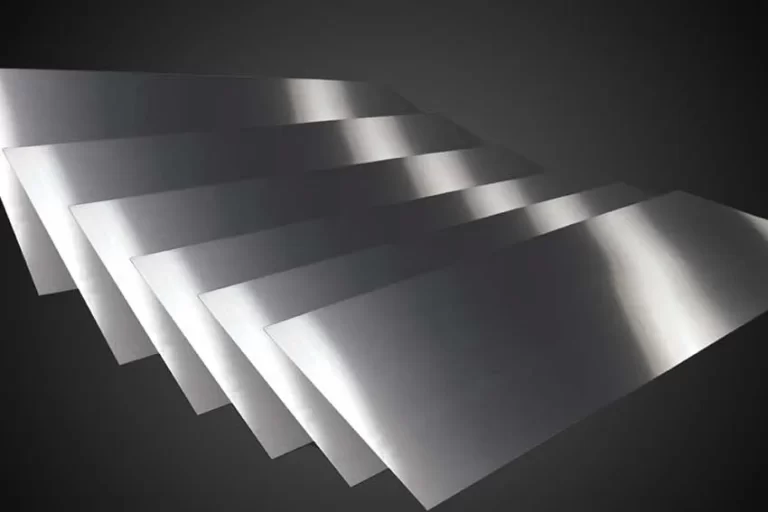
Titanium sheet stock used for CNC machining

Specifications

Titanium specifications: ±0.13 mm tolerance, 0.75 mm wall, 3 to 10 days lead time

Six numbers a buyer asks for before sending a drawing — the process, the
tolerance we hold, the minimum wall, the largest envelope, the lead time and the price band.

Process
CNC mill · CNC lathe3-axis and 5-axis milling, turning
Achievable tolerance
Not lower than ±0.13mm (±0.005″)Based on the drawing, ISO 2768
Minimum wall
0.75 mmVaries with the alloy and the part
Maximum part size
200 × 80 × 100 cmLargest envelope quoted online
Lead time
3–10 daysComplex parts sit at the far end
Price band
$$$$Where titanium sits against the other 22 materials
Read this first. Process, maximum part size and lead time are
identical on all 23 material pages — they describe the shop, not the material. Tolerance,
minimum wall and price band are the three that change from one material to the next.

Machining routes

Machining routes for titanium: milling, turning, EDM and waterjet

Milling and turning are what this page is quoted on. The routes below are the ones the same material takes when the stock form, the volume or the lead time changes — each one is a service page on this site.

CNC millingQuoted here3-axis and 5-axis milling of Grade 1, Grade 2 and Grade 5, with the low cutting speeds and rigid set-ups the alloy needs.CNC machining →
CNC turningQuoted hereTurned shafts, bushes and fasteners from titanium bar and tube.CNC turning →
EDMWire & sinkerTitanium conducts, so wire and sinker EDM cut what a cutter cannot reach — slots, sharp internal corners and thin webs.EDM →
Waterjet cuttingPlate & sheetAbrasive waterjet blanks titanium plate without the heat-affected zone a thermal cut leaves behind.Waterjet cutting →
Not used for titanium:Injection molding, die casting and vacuum casting. Titanium is a metal — it is not molded as a polymer is, and the casting routes on this site are for zinc and aluminium.

Grade guide

The 3 titanium grades on this page

Family and heat-treatment route for each published grade. Both follow from the ASTM grade / UNS designation itself, so nothing here can drift out of date.

Grade matrix · sourced from the published titanium list on this page

GradeAISI / UNSFamilyHeat treatmentWhere it usually fits
Grade 1ASTM Grade 1 · UNS R50250Commercially pure (alpha)Anneal / stress relief — not hardenableChemical plant, anode baskets, deep-drawn parts — highest ductility
Grade 2ASTM Grade 2 · UNS R50400Commercially pure (alpha)Anneal / stress relief — not hardenableHeat exchangers, desalination, marine and medical hardware
Grade 5ASTM Grade 5 · UNS R56400 · TC4 (Ti-6Al-4V)Alpha-betaAnneal · solution treat + age for high strengthAerospace structures, fasteners, implants — the workhorse alloy
Deliberately missing: tensile strength, hardness and density. Those follow the condition, not the grade — Grade 5 annealed and Grade 5 aged are the same alloy at very different strengths — so one figure per row would mislead. Ask for the datasheet in your condition, or put the condition on the drawing and we machine and confirm to it.
Titanium does not machine like steel. It conducts heat badly, so the heat stays in the cutting edge; it work-hardens wherever the tool rubs instead of cutting; and fine chips can ignite. Every process decision behind the parts on this page — speeds, feeds, coolant and workholding — follows from those three facts.

Which grade?

Grade 1, Grade 2 or Grade 5: choosing titanium by strength and service

Each answer points at a page on this site that covers it in more depth — a
comparison, a grade guide or a process page.

Does the part have to be as light as it can be, whatever it costs?
That is Grade 5 (Ti-6Al-4V). The strength-to-weight figure published on this page is a 40% advantage over steel, which is the whole reason the alloy is specified.
Read titanium vs steel →
Is corrosion resistance the whole point?
Then commercially pure is enough: Grade 1 where maximum ductility matters, Grade 2 as the general-purpose CP grade. Neither is strengthened by heat treatment.
Read the design guide →
Is the tight tolerance the hard part, not the alloy?
Often, yes. Titanium deflects under cutting force and springs back, so a thin section is a workholding and tool-path problem before it is a material problem. Put the critical features on the drawing and they get priced and inspected as controlled features.
Read the tolerance guide →
Not sure titanium is worth the premium here?
For a lot of parts it is not. Aluminium, stainless and alloy steel each have a page here. Titanium is specified for strength-to-weight, corrosion or biocompatibility — never for price.
See all 23 materials →
Comparing Titanium with something else?Send the model and the drawing. If the material is still open, the grade call comes back with the price instead of as a separate question.
Get a quote

Machining & tolerance

Tolerancing and inspecting titanium parts to ISO 2768

The published tolerance on this page is Not lower than ±0.13mm (±0.005″)
on the drawing, to ISO 2768. Where a feature needs better than that, say so on the
drawing — that conversation belongs before the tool goes in, not after.

Finishes

Finishing a titanium part: stress relief, blasting and polishing

Stress relief leads the list here — titanium work-hardens and moves after machining, so the thermal step is usually a functional requirement rather than a cosmetic one.

Applications

Where titanium parts go: aerospace, medical and motorsport

  • AerospaceAirframe brackets, engine components and fasteners in Grade 5
  • MedicalImplants and instruments — biocompatible and non-magnetic
  • Automotive & motorsportValve train, exhaust and suspension parts where weight is critical

All of it cut on the same floor —
see CNC machining and
how we hold tolerance.
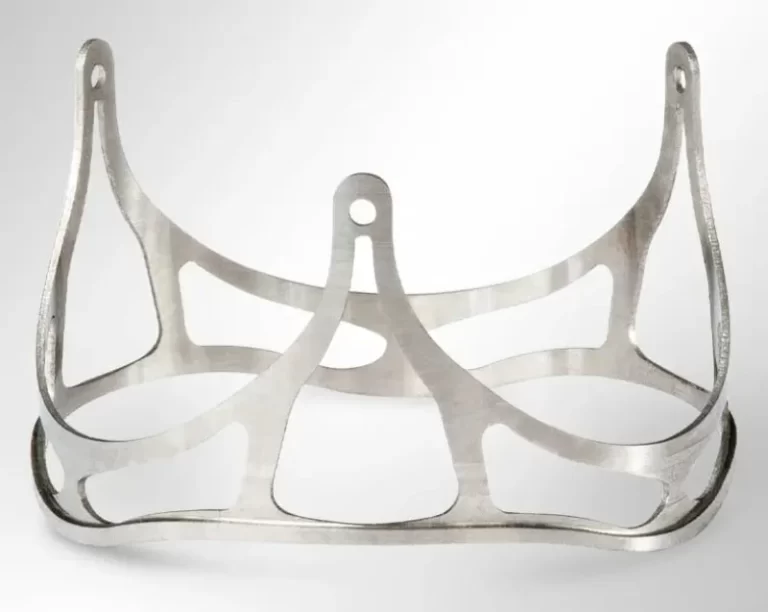
A machined titanium medical prototype component
A titanium medical prototype, milled and finished — as machined.

Further reading

Titanium in context: grade choice, machinability and tolerances

Deeper reading from around this site — the comparisons, the standards and the
process notes behind this material.

Material choiceCNC machining: titanium vs steelWhen the premium is justified — and when it is notRead →
Materials overviewCommon materials for CNC machiningWhere titanium sits against the other familiesRead →
PropertiesHardness vs strength vs stiffness — core differencesThree words that get used interchangeablyRead →
ToleranceISO 2768: a guide to standard tolerancingWhat we hold when the drawing stays silentRead →
DesignDFM guidelinesWall thickness, fillets, thread depth — read before you drawRead →
ProcessMachinability of material and its relation with CNC machiningWhy titanium puts the heat into the toolRead →
Reading first, or ready to quote?The pages above set out the trade-offs. If the part is already drawn, send it and the quote comes back in one business day on a clean drawing.
Get a quote

FAQ

Titanium machining: grade, tolerance, lead time and files

Straight answers to the questions that come up most often on a CNC quote —
with the figures published for this material, and a link for each point.

Which titanium grades can you machine?
The 3 published on this page: Grade 1, Grade 2 and Grade 5 (Ti-6Al-4V, also written TC4). Grades 1 and 2 are commercially pure titanium; Grade 5 is the alpha-beta alloy most people mean when they say titanium.
What tolerance can you hold?
±0.13 mm, on the drawing, to ISO 2768 — the figure published on this page. Titanium deflects and springs back under the cut, so a thin wall needs its critical features called out individually rather than left to the general tolerance.
What is the smallest wall and the largest part?
Minimum wall is 0.75 mm and it varies with the alloy and the part. Maximum envelope is 200 × 80 × 100 cm. Both are shop-wide constants, identical on all 23 material pages.
How fast is a titanium part?
This page publishes no lead time for titanium, so we are not going to quote one here. Titanium runs slower than steel on the same machine, which means the window quoted on the other material pages is a floor rather than a promise for this one.
Can you heat treat titanium?
Yes — all three grades are stress-relieved by annealing, and Grade 5 also responds to solution treatment and ageing: Heat Treatment Service. Grades 1 and 2 are not strengthened by heat treatment.
What files should I send?
STEP, STP, IGES, IGS, SLDPRT, STL, DXF, DWG, PDF, DOCX, JPG, JPEG, PNG or ZIP. On titanium the stock form matters — plate, bar and forging give different tool paths — so tell us which one you are buying.
Is my drawing kept confidential?
Uploads stay with the people quoting and making the part. If you need a mutual NDA in place first, say so on the contact form and it is arranged before files change hands.

Next step

Send the drawing — we come back with a grade and a price

Upload the model and the 2D PDF. You get a manufacturability note, a grade recommendation if the drawing leaves it open, and a price.

All uploads are secure and confidential.

  • Quoted in 1 business day on a clean drawing
  • Grade and heat-treat condition confirmed in writing
  • First article inspected before the run