
? Where is your part right now?
SURFACE FINISHING
PTFE (Teflon) Coating Service
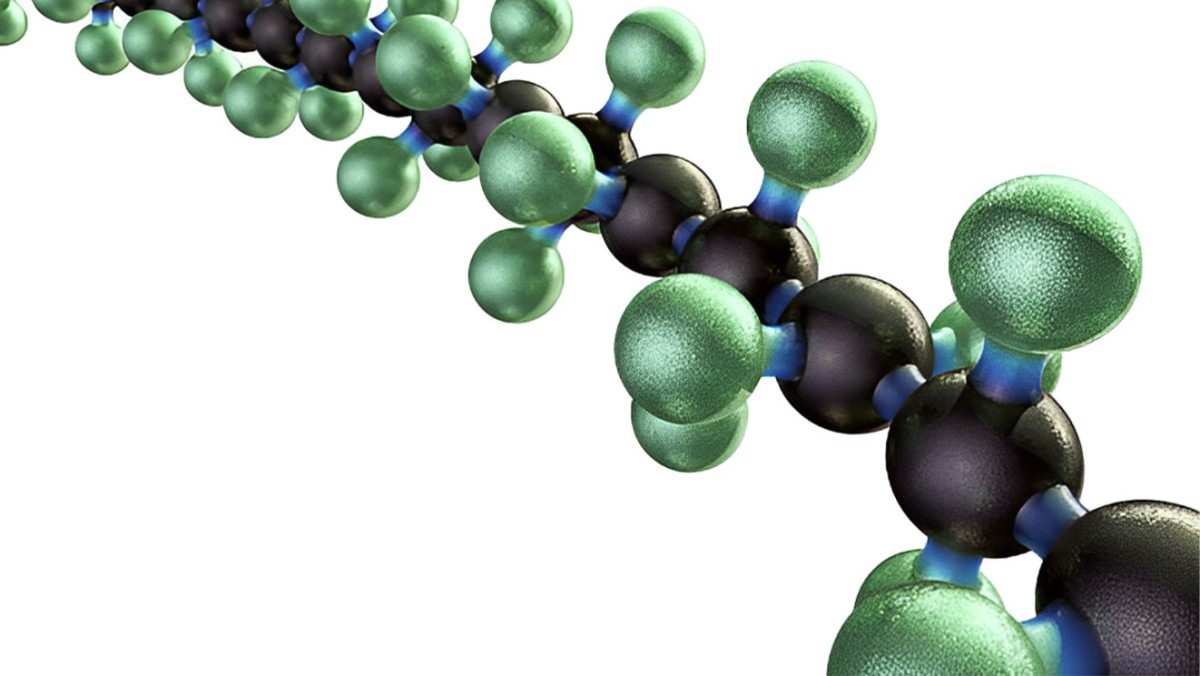
A sprayed PTFE film that makes a metal surface release, slide and resist chemicals. The published film thickness is 0.02 to 0.05 mm depending on the material and the specification, and the surface it leaves is smooth rather than textured - but it is added to the part, so the film thickness is a dimensional decision as well as a functional one.
Where it fits
Coating is the last step - and the film thickness is a design decision
PTFE is applied by spray and then cured, so the part has to be finished, clean and able to take the cure before coating starts. Anything that must not be coated has to be masked first.
The order matters for two reasons. Masking comes before coating, and the cure comes after - so a part that cannot take the cure temperature has to be identified at quoting, not after the film is on. See drawing notes.
Fit check
Can we coat your part? Three things decide it
Substrate, the cure, and what has to stay bare. The third one is where most coating orders go wrong, because the film gets everywhere it is not masked.
Substrate
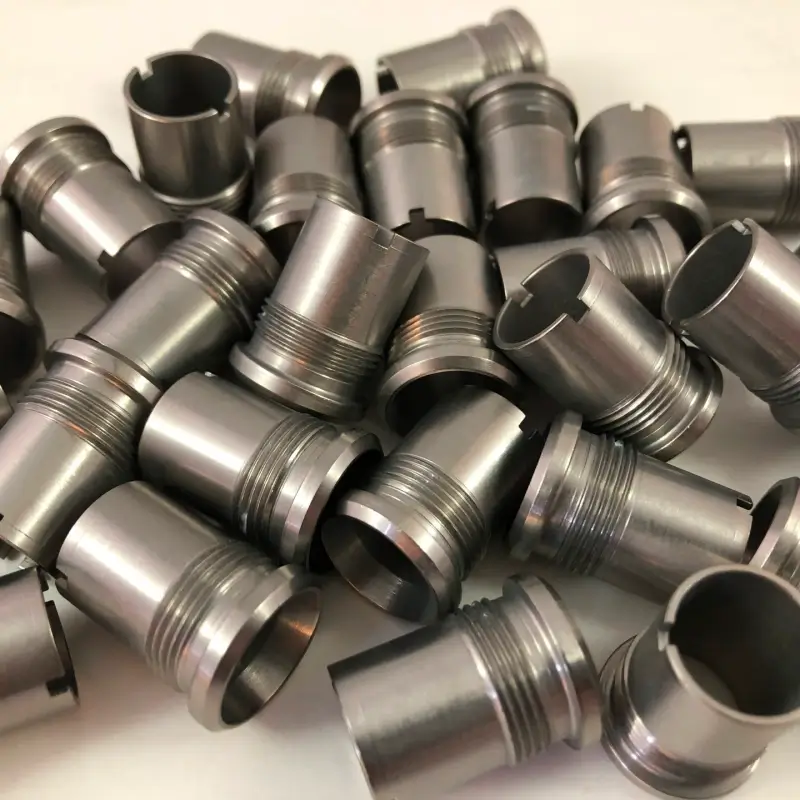
- Published list - steel and aluminium are the two materials named in our specification table for this process
- The published description also names brass, magnesium, glass and plastics
- That wider list is being confirmed - ask before you quote on it
Tell us the substrate and we will confirm it against the process.
Masking
- Threads, press fits and sealing faces must be masked before coating
- Anything that will be bonded, printed or soldered afterwards must stay bare - nothing sticks to a release surface
- Electrical contact points must be masked as well
Give us the masking list before the parts arrive. See drawing notes.
Cure and geometry
- The film is sprayed and then cured, so the part has to tolerate the process
- Deep bores and blind features are hard to coat evenly by spray
- The film adds 0.02 to 0.05 mm - a tight tolerance feature has to allow for it
Tell us about any temperature-sensitive feature or tight tolerance before coating.
Specifications
PTFE coating: a 0.02-0.05 mm film, black or white, smooth finish
Every value below is what we publish for this process. Where the shop has not confirmed a figure, the line says To confirm rather than a guess.
What it adds
The film grows the part by 0.02 to 0.05 mm - plan the tolerance around it
Unlike blasting or brushing, the surface here is built up rather than worked. The numbers are small, but they land on exactly the features that have no room for them.
| Where it acts | What changes | Why it matters | What to do |
|---|---|---|---|
| Threads | Film builds on the flanks | A coated thread will not take its nut - the pitch diameter is now oversize. | Mask all threaded features. |
| Press fits and bearing seats | Film builds on the wall | Interference is designed in microns; a 0.05 mm film can consume it. | Mask every press fit and bearing seat. |
| Sealing faces | A film sits between the faces | A gasket or o-ring seals against metal, not against a low-friction film. | Mask o-ring grooves and gasket faces. |
| Bonding and joining | The surface becomes release | Nothing sticks to PTFE - adhesive, paint and ink will all fail on it. | Mask anything that will be bonded, printed, soldered or glued. |
| Electrical contact | An insulating film is added | PTFE is a dielectric - a coated contact is no longer a contact. | Mask earth points and contact surfaces. |
| Sliding surfaces | Friction drops, finish becomes smooth | This is the benefit: release, low friction and a surface that resists chemicals. | No allowance needed - this is the duty the film was specified for. |
The film thickness range is published. The cure cycle and the wear rating are being confirmed with the shop, and the masking rules above hold regardless of both.
Tell us which features must keep their exact size and we will mask them before coating.
Get a quoteWhich duty
Release, low friction or chemical barrier - the duty picks the system
PTFE is specified for what the surface has to do, not for how it looks. These are the three duties we are asked for most often, and they are not interchangeable.
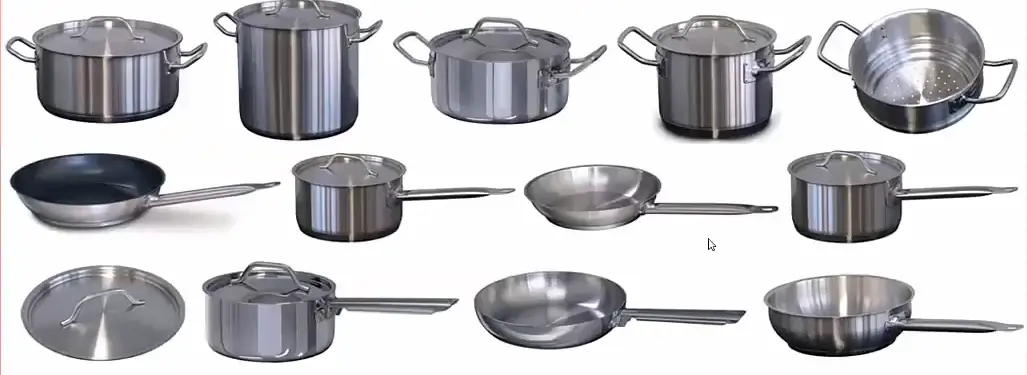
Release and non-stick
The film stops material adhering to the surface, which is the published non-stickiness. It is used where product has to leave cleanly - moulds, chutes, hoppers and food-contact surfaces.
Best for: moulds, chutes, food-contact surfaces, anything that must self-clear
Not for: surfaces that will be scraped or abraded - a soft film wears through and then the part behaves like bare metal.
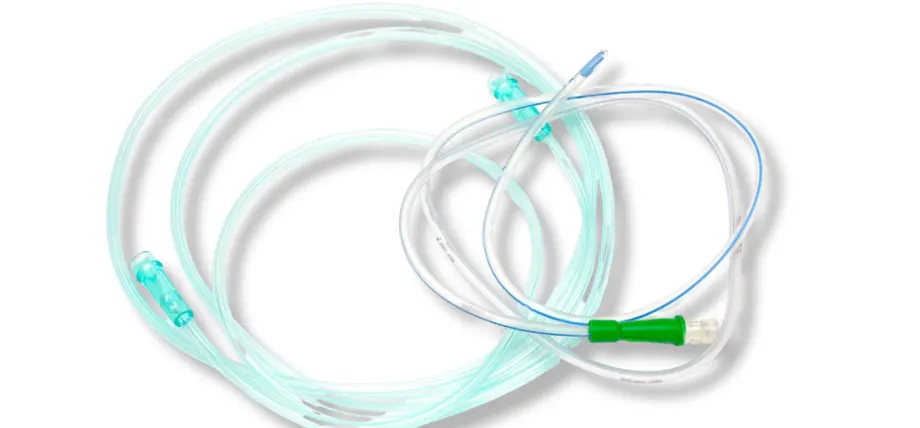
Low friction on moving parts
A dry film on a sliding surface lowers friction without oil or grease, which matters where a lubricant cannot be used or would attract contamination. The published description calls it a non-reactive surface.
Best for: sliding and rotating interfaces, guide surfaces, dry-running fits
Not for: high-load or high-speed contact - PTFE is soft, so it is a friction film rather than a bearing surface.
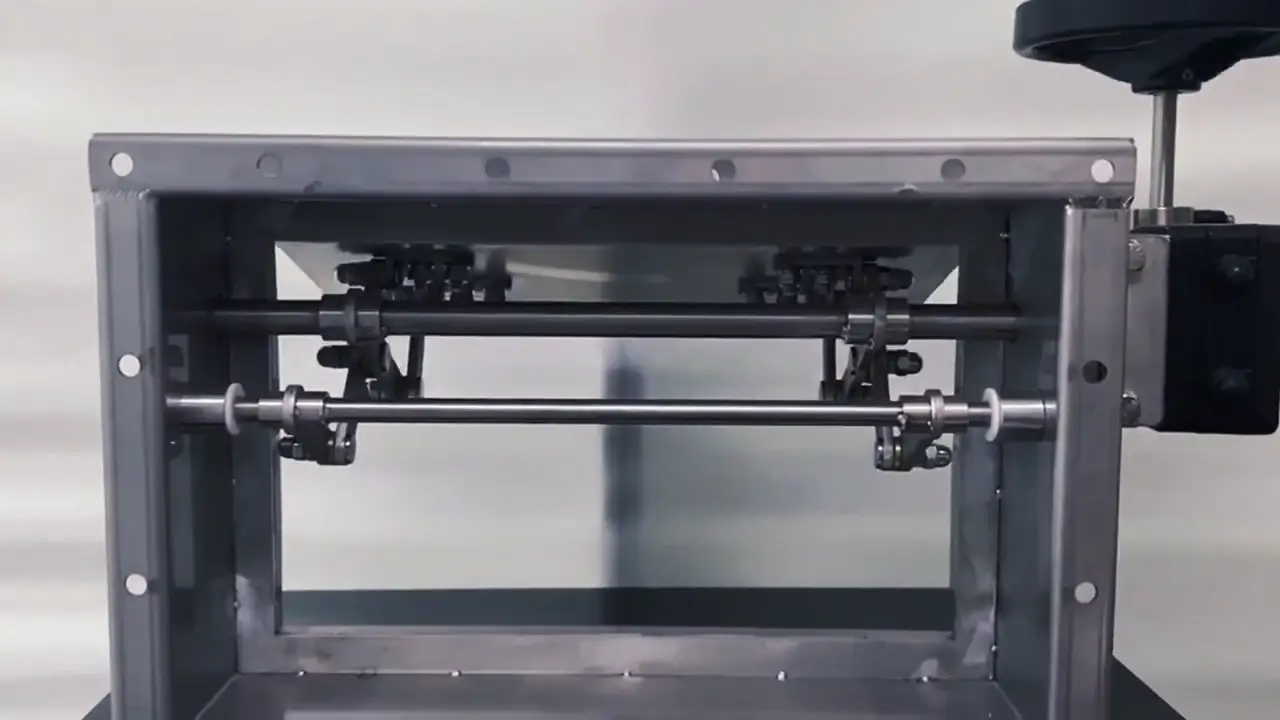
Chemical and corrosion barrier
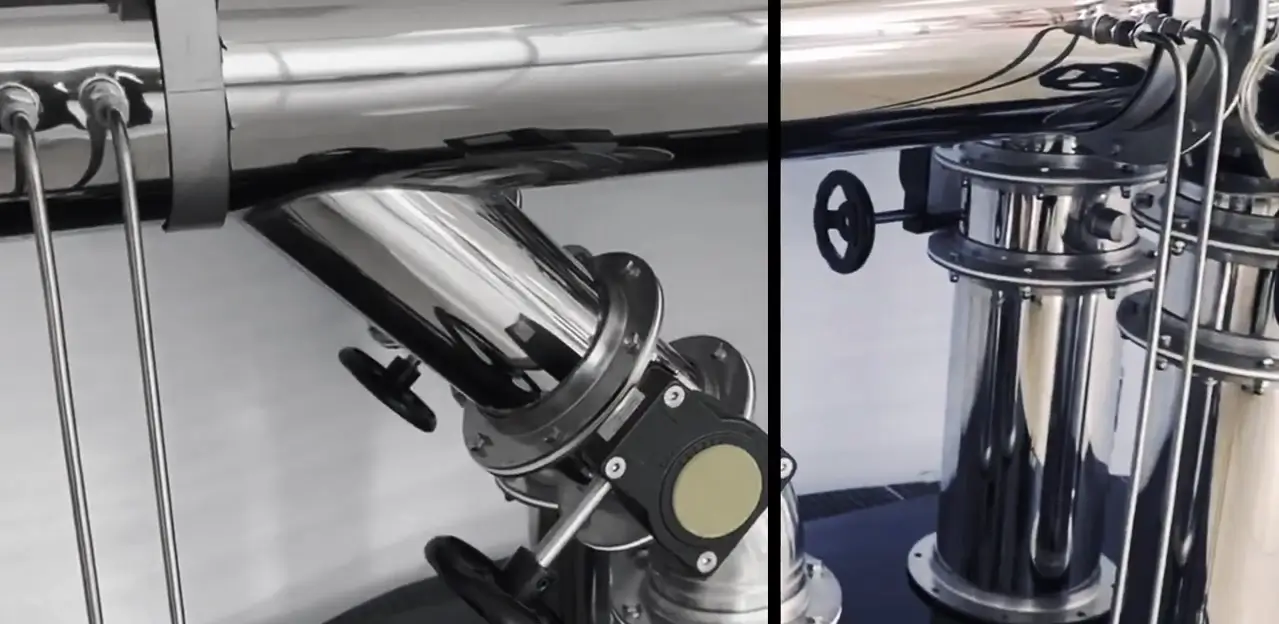
The published description names corrosion resistance, water resistance and a non-reactive surface. That combination is why the film turns up on process ducting and equipment handling aggressive media.
Best for: process ducting, chemical handling, washdown and humid service
Not for: strongly alkaline or high-temperature service without checking the specific system first - say what the medium is.
Tell us what the surface has to resist or release, and we will tell you whether a PTFE film is the right duty or whether another coating fits better.
Get a quotePick or avoid
When PTFE coating is the right call - and when it is not
Pick PTFE coating when
- Material has to release from the surface instead of sticking to it.
- You need low friction without lubrication - a dry-running sliding surface.
- The part sees chemicals, water or humid service and needs a non-reactive barrier.
- A smooth, black or white finish is wanted rather than a bright or decorative one.
- The part is steel or aluminium, the two materials in our published table.
Avoid PTFE coating when
- The surface will be abraded or scraped - PTFE is a soft film, not a wear layer. See electroplating or anodizing.
- You want a decorative or coloured appearance beyond black and white. See powder coating or painting.
- Anything on the part has to be bonded, printed or soldered afterwards - nothing sticks to a release surface.
- The part has tight-tolerance threads or press fits that cannot be masked.
- The part cannot tolerate the cure step - check before quoting.
Not sure whether it should be a PTFE film, a plated layer or a hard anodized one? Send the drawing and say what the surface has to survive.
Get a quoteDesign constraints
What decides whether the coated part comes back usable
Four variables: the film thickness against your tolerance, the masking list, the cure, and how the surface will be treated in service.
Film thickness vs tolerance
The published film is 0.02 to 0.05 mm. On a free surface that is nothing; on a press fit or a thread it is the whole tolerance. Decide which features are exempt before quoting.
The masking list
Masking is the main quality variable in coating. Threads, fits, seals, bonding areas and electrical contacts all have to be listed - unmasked means coated.
Cure temperature
The film has to be cured after spraying, so the part has to tolerate that step. Springs, thin sections, soldered assemblies and temperature-sensitive inserts are the usual problems.
Wear in service
PTFE is soft. A release surface that is scraped or a sliding surface under high load will wear through, and once it does the part behaves like bare metal.
Reachability
Spray has to reach the surface. Deep bores and blind recesses coat unevenly, and a partly coated bore is worse than an uncoated one for a precision fit.
Colour as a process marker
Black and white are the published colours. Colour is not only cosmetic here - it is how a coated surface is recognised on the shop floor and on inspection.
Drawing notes
What to write on the drawing so the film lands where you meant
The masking list and the tolerance allowance are the two lines that decide whether the part assembles after coating.
1. PTFE COAT THE FOLLOWING SURFACES: ____________________________________________ (SEE VIEW A)2. COLOUR: BLACK / WHITE (DELETE ONE) FILM THICKNESS: ______ mm (PUBLISHED RANGE 0.02 TO 0.05 mm)3. MASK THE FOLLOWING BEFORE COATING: - ALL TAPPED HOLES AND THREADS - PRESS FITS AND BEARING SEATS - O-RING GROOVES AND SEALING FACES - EARTH POINTS AND ELECTRICAL CONTACTS - SURFACES TO BE BONDED OR PRINTED4. DIMENSIONS ON COATED SURFACES ARE BEFORE COATING / AFTER COATING (DELETE ONE)5. DO NOT SUBJECT TO TEMPERATURES ABOVE ______ CURING IS PART OF THE PROCESS.6. INSPECT: FULL COVERAGE, NO BARE PATCHES ON COATED FACES, MASKED AREAS CLEAR OF FILM.
Examples only. The masking line matters most - unmasked threads and press fits come back oversize by the film thickness and no longer fit.
Substrates
Which substrates we coat - what the published table says, and what it does not
Our specification table for this process lists two materials. The published description names several more. Both are shown below, with the wider list marked as still being confirmed rather than presented as fact.
| Substrate | PTFE coating | Notes | Use instead |
|---|---|---|---|
| Steel | Yes | In our published specification table for this process. | — |
| Aluminium | Yes | In our published specification table for this process. | — |
| Brass | To confirm | Named in the published description of the process, but not in the specification table. | — |
| Magnesium | To confirm | Named in the published description of the process, but not in the specification table. | — |
| Glass and plastics | To confirm | Named in the published description of the process, but not in the specification table. | — |
| Other metals | Ask first | The published table does not cover them and the description does not name them. | Electroless nickel |
Substrate not confirmed above? Send the material and the medium it has to resist, and we will tell you whether a PTFE film is the right answer.
Get a quoteApplications
Where PTFE coating is used
The published description names three properties: corrosion resistance, water resistance and non-stickiness. Each of them maps onto a different kind of part.

Automotive and transport
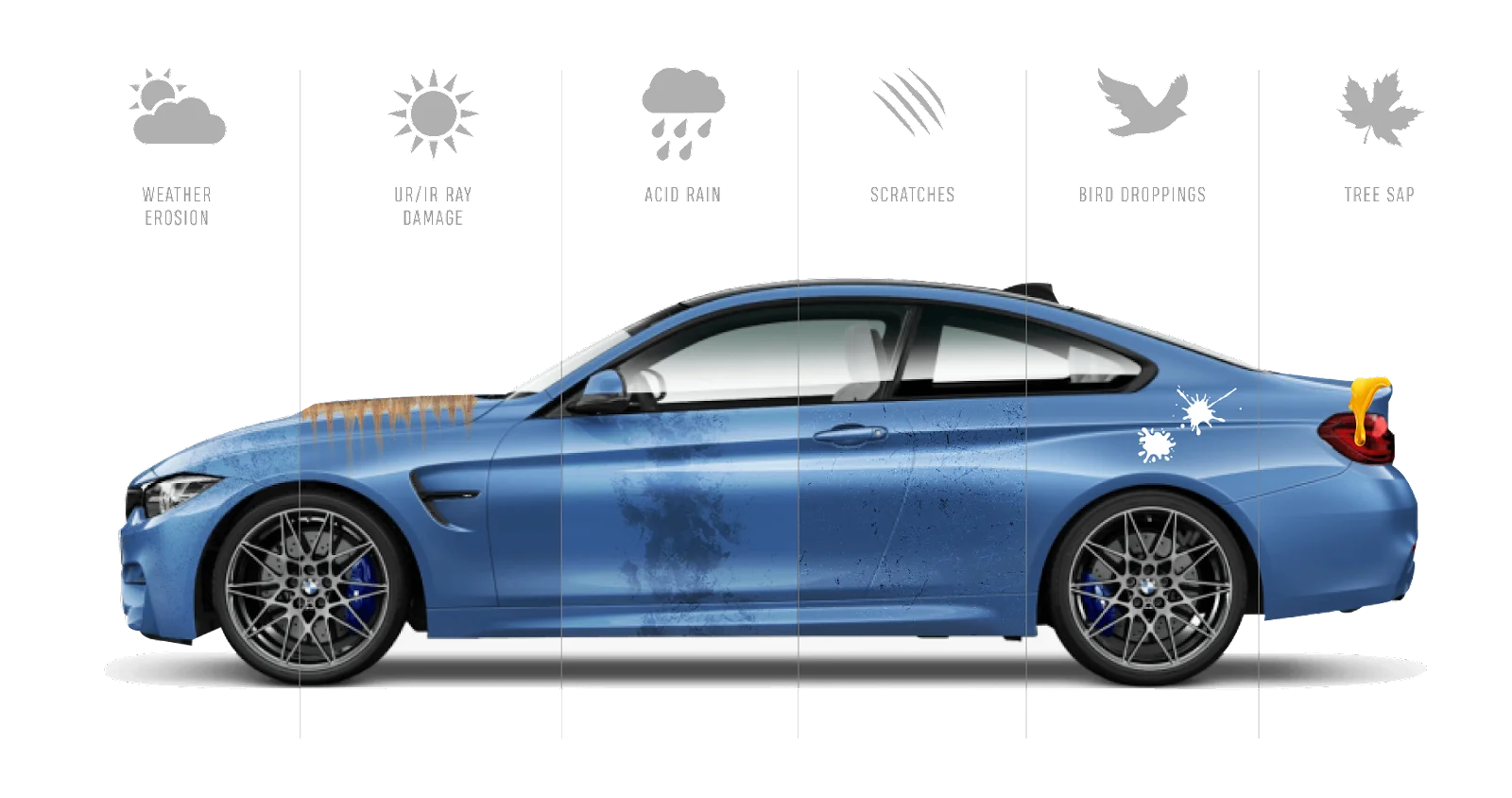
PTFE films are used on exposed surfaces for water resistance and to keep contaminants from bonding to the surface - the published water resistance in practice.
Process equipment and ducting
Corrosion resistance and a non-reactive surface matter wherever the part handles aggressive media or is washed down regularly.
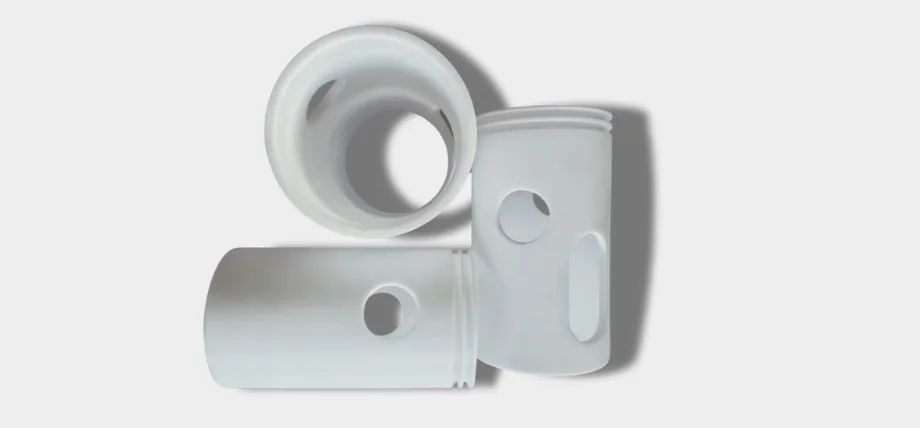
Seals, liners and fluid handling
Low friction and chemical inertness are the reasons PTFE turns up around seals, liners and fluid paths, where the surface has to slide and stay inert at once.
QA and documentation
What you get back with the parts
Purchasing usually needs paper as well as parts. Here is what we can state today and what is still being confirmed.
Coverage check
Coated faces are inspected for full coverage, and masked areas are checked clear of film before dispatch.
Colour and finish
The film is checked against the specified colour - black or white - and for a smooth surface.
Film thickness record
A measured dry-film thickness record per batch is being confirmed with the shop.
Cure and adhesion record
Whether a cure cycle record and an adhesion test can be issued is being confirmed.
Further reading
PTFE coatings and Teflon parts in detail
Longer answers on the questions this page only has room to state.
How the coating behaves on stainless steel, and what it is used for.
Where the film is used on vehicles and what it is expected to resist.
The other way to get a PTFE surface: make the part out of PTFE rather than coating it.
Machined PTFE components, for when the whole part has to be the fluoropolymer.
The other sprayed coating we run - a decorative, harder film rather than a soft release one.
Compare all 20 finishes by roughness, thickness, corrosion and cost.
FAQ
PTFE coating FAQ: the questions engineers ask us
What is PTFE coating?
How thick is the coating?
Will the coating change my part dimensions?
What colours are available?
Which materials can be coated?
Can I bond or print on a coated surface?
Is PTFE coating suitable for abrasive or high-wear service?
How do I get a PTFE coating quote?
Get your PTFE coating quote
Upload a STEP, IGES or PDF drawing. Tell us the substrate, the surfaces to coat, the colour, and every feature that has to stay bare.
What to send us
- Drawing - 2D and 3D files (STEP, IGES or PDF).
- Substrate - steel or aluminium are published; anything else we will confirm.
- Surfaces to coat - marked on a view, including anything that must not be coated.
- Masking list - threads, press fits, seals, bonding and contact areas.
- Colour - black or white.
- What it has to resist - the medium, the temperature, and whether it will be abraded.
All uploads are secure and confidential. Engineers review and reply with a quotation and lead time.