
? Where is your part right now?
SURFACE FINISHING
Passivation Service
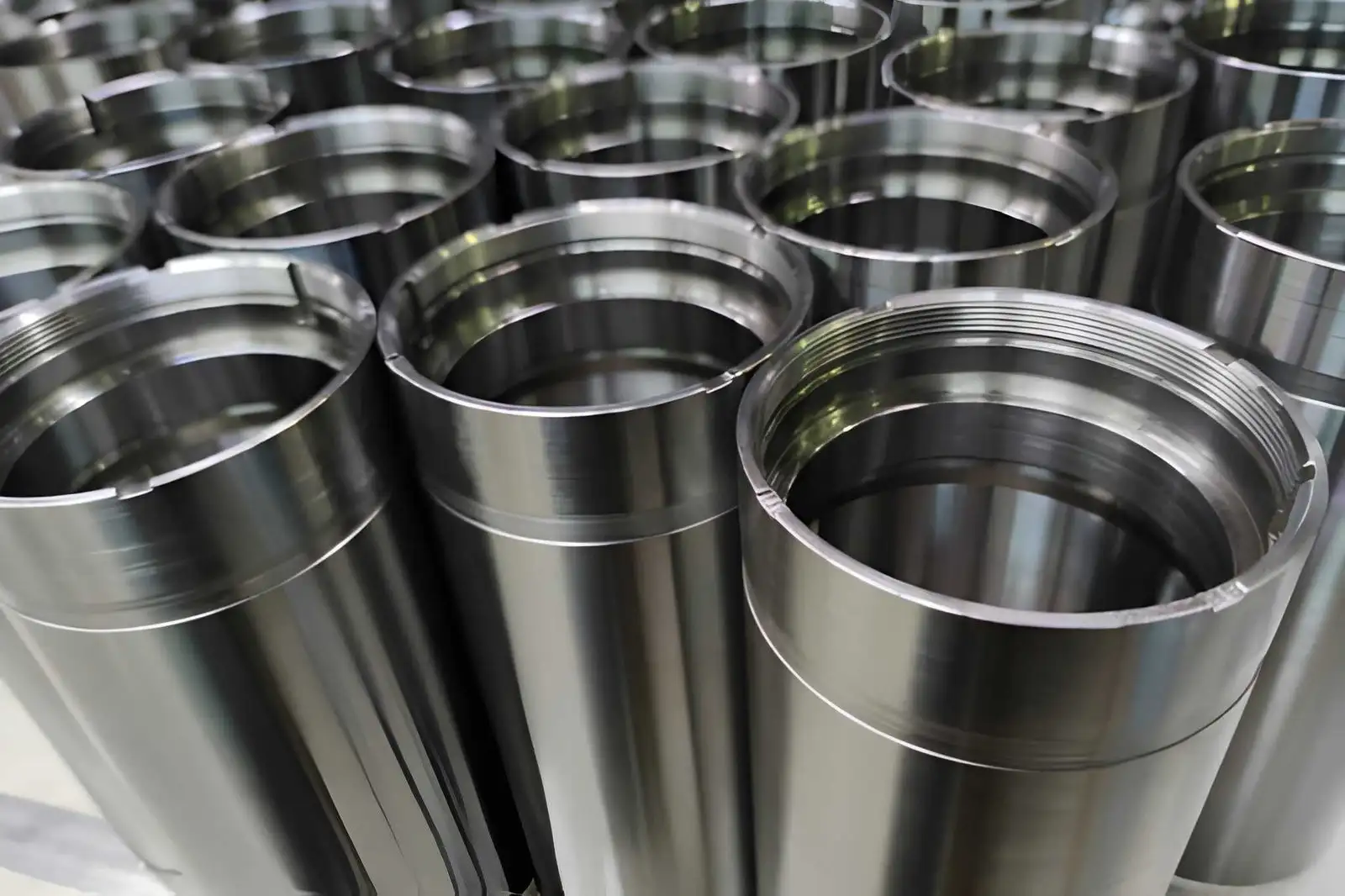
A chemical clean for stainless steel that removes free iron and surface contamination left by machining, so the metal can rebuild its own chromium oxide layer. Our published scope for this process is stainless steel, the published texture is matte, and the treatment is a dip - so internal surfaces are reached as well as outer ones. Nothing is added and nothing is coloured.
Where it fits
Passivation comes after machining - because machining is what puts the free iron there
Stainless steel protects itself with a chromium oxide layer. Machining, forming, blasting and handling all leave free iron and foreign particles on the surface, and those are what rust first or seed corrosion. Passivation removes them.
The order matters because passivation is a clean, not a coat. Anything that re-contaminates the surface after the bath - a carbon steel brush, a dirty bench, an unprotected storage rack - undoes it. That is why handling after treatment is part of the specification. See drawing notes.
Fit check
Can we passivate your part? Three things decide it
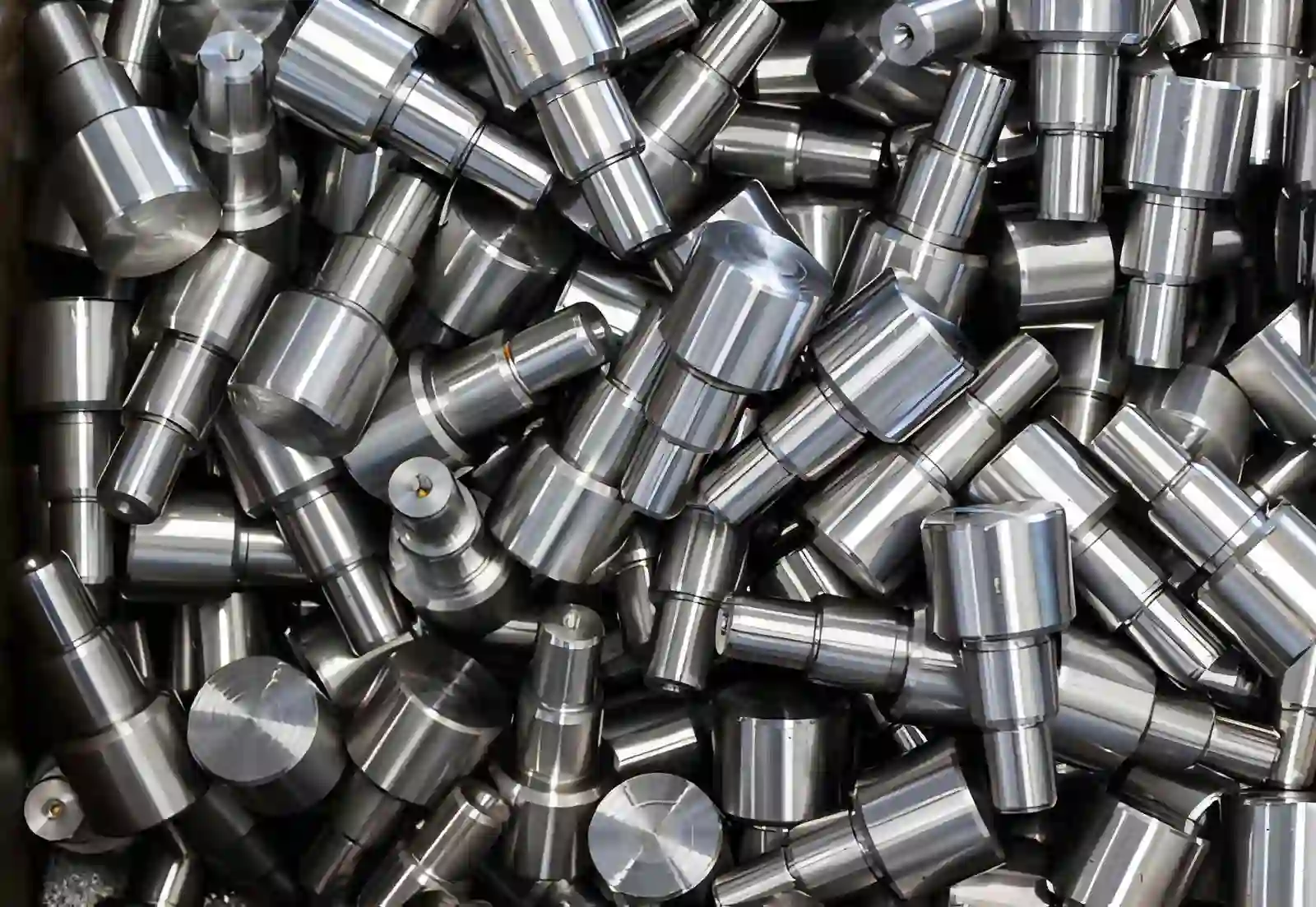
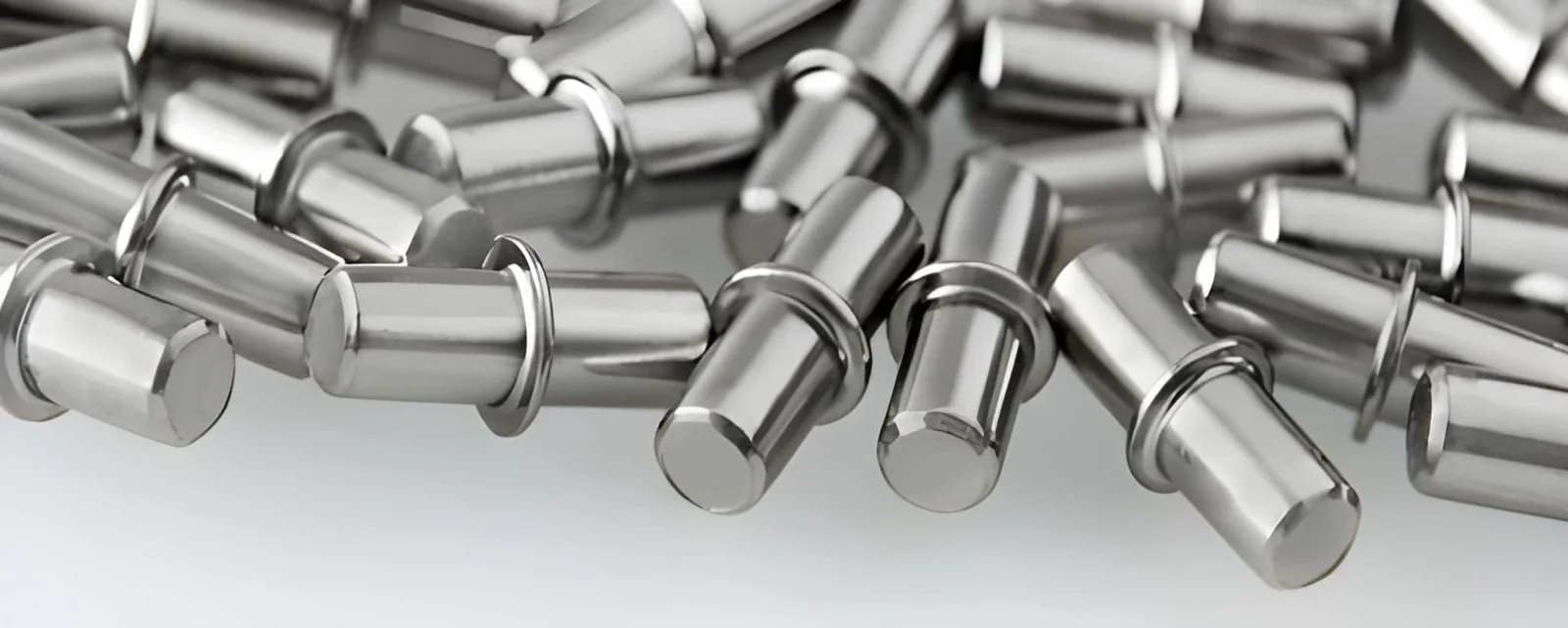
The grade, what happened to the surface before treatment, and how the part is handled afterwards. The third one is what most often undoes a perfectly good passivation.
Grade
- Published scope - stainless steel is the one material named in our table for this process
- Different stainless families (austenitic, ferritic, martensitic, duplex) respond differently, and the acid system has to suit the family
- Free-machining grades contain sulphur, which changes the surface after machining
- Tell us the grade, not just "stainless"
Send the material spec with the drawing and we will confirm the grade against this process.
What the surface has been through
- Machining and welding leave free iron - that is what passivation is for
- Blasting, brushing and polishing media can embed a foreign metal in the surface
- A weld heat tint usually needs pickling first, before passivation
- The acid system for the bath is being confirmed per grade rather than assumed
Tell us what operations the parts have already been through.
Handling after treatment
- A passivated surface is chemically clean - it must not be touched or wiped with anything that re-contaminates it
- A carbon steel brush, a dirty bench or a mild steel rack will undo the treatment
- Parts are packed for shipping straight after inspection
- Say if the parts will be stored or handled in-house for a period first
Tell us how the parts will be handled and stored, and we will pack accordingly.
Specifications
Passivation: 1 material published, a matte finish and no size change
Every value below is what we publish for this process. Where the shop has not confirmed a figure, the line says To confirm rather than a guess.
What it changes
Nothing is added and nothing is removed dimensionally - no allowance is needed
Unlike plating, coating or cladding, this process does not build a layer and does not cut one back. That is why it is specified on parts that are already to size, including parts with threads and precision fits.
| Where it acts | What changes | Why it matters | What to do |
|---|---|---|---|
| Free surfaces | Surface chemistry, not size | The published process does not change dimensions. | Nothing to allow for. |
| Threads | Nothing dimensional | No layer is deposited, so a thread still takes its nut. | No masking needed for fit. |
| Press fits and bearing seats | Still fit | The treatment is a clean and a rinse, not a build-up. | No allowance needed. |
| Internal bores and crevices | Reached, then must be drained and dried | A dip reaches internal surfaces - which is useful, but trapped liquid is a quality risk. | Tell us about blind features so the drainage is planned. |
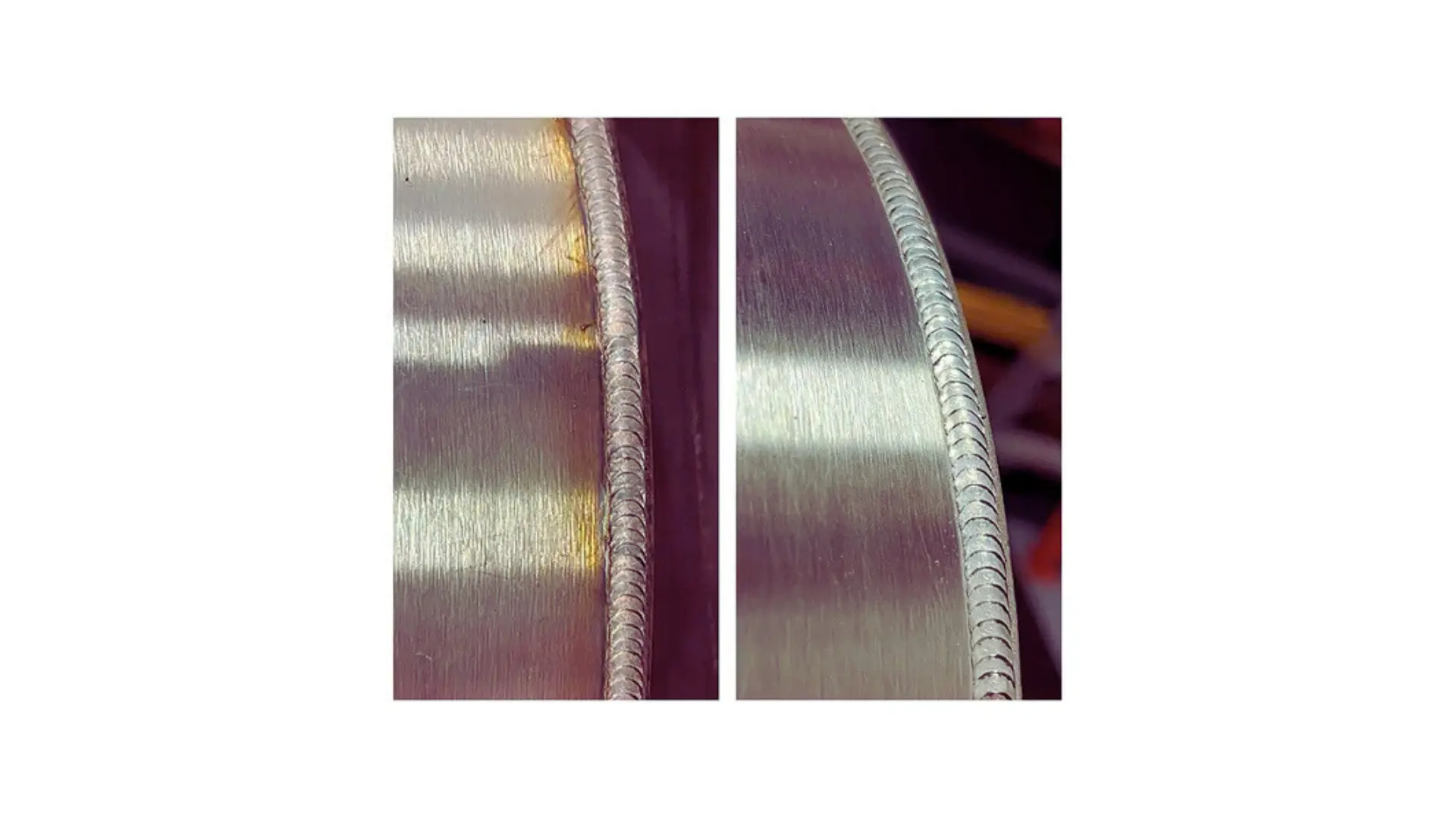
| Welded zones | Heat tint is not removed by passivation alone | A weld leaves a scale and a tint that need pickling before the surface can be passivated. | Specify pickling before passivation on welded parts. |
| Appearance | Matte, colourless - no visible change | This is not a cosmetic process: it will not polish a surface or change its colour. | Decide the cosmetic finish separately - see the finish comparison. |
The published process is dimensional-neutral. What it does not do is fix a surface that was already damaged, stained or welded without pickling first.
Tell us which features are already to final size - on this process they normally stay that way.
Get a quoteWhich process
Passivation, pickling or electropolishing - three different jobs
These three are constantly confused. Our published table covers passivation on stainless steel; the other two are separate processes with separate purposes, and the table below says which one a given problem belongs to.
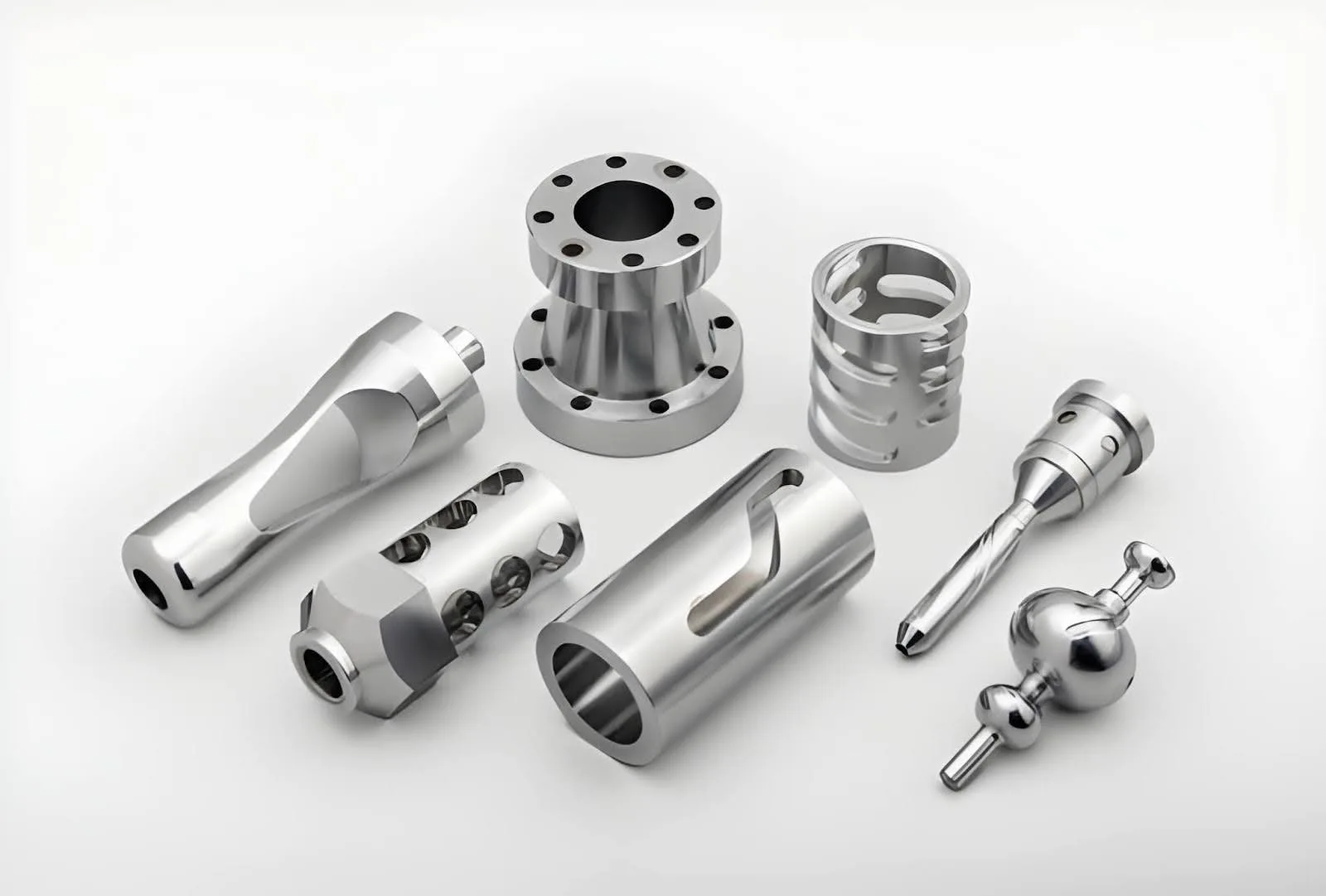
Passivation
The surface is chemically cleaned so the free iron left by machining and handling is removed, and the metal can rebuild its own chromium oxide layer. Nothing is added, nothing is coloured and no dimension changes - which is why it can be specified on a finished part.
Best for: machined stainless parts, parts that will see moisture or washdown, parts going into clean service
Not for: removing a weld heat tint or an oxide scale - that is pickling, which has to come first.
Pickling
Pickling removes the oxide scale and the heat tint left by welding and hot forming. It is a more aggressive chemical step than passivation, and on a welded part it normally comes before it rather than instead of it.
Best for: welded fabrications, heat-tinted zones, parts with mill scale
Not for: a finished precision surface - pickling removes material from the surface and changes the finish.
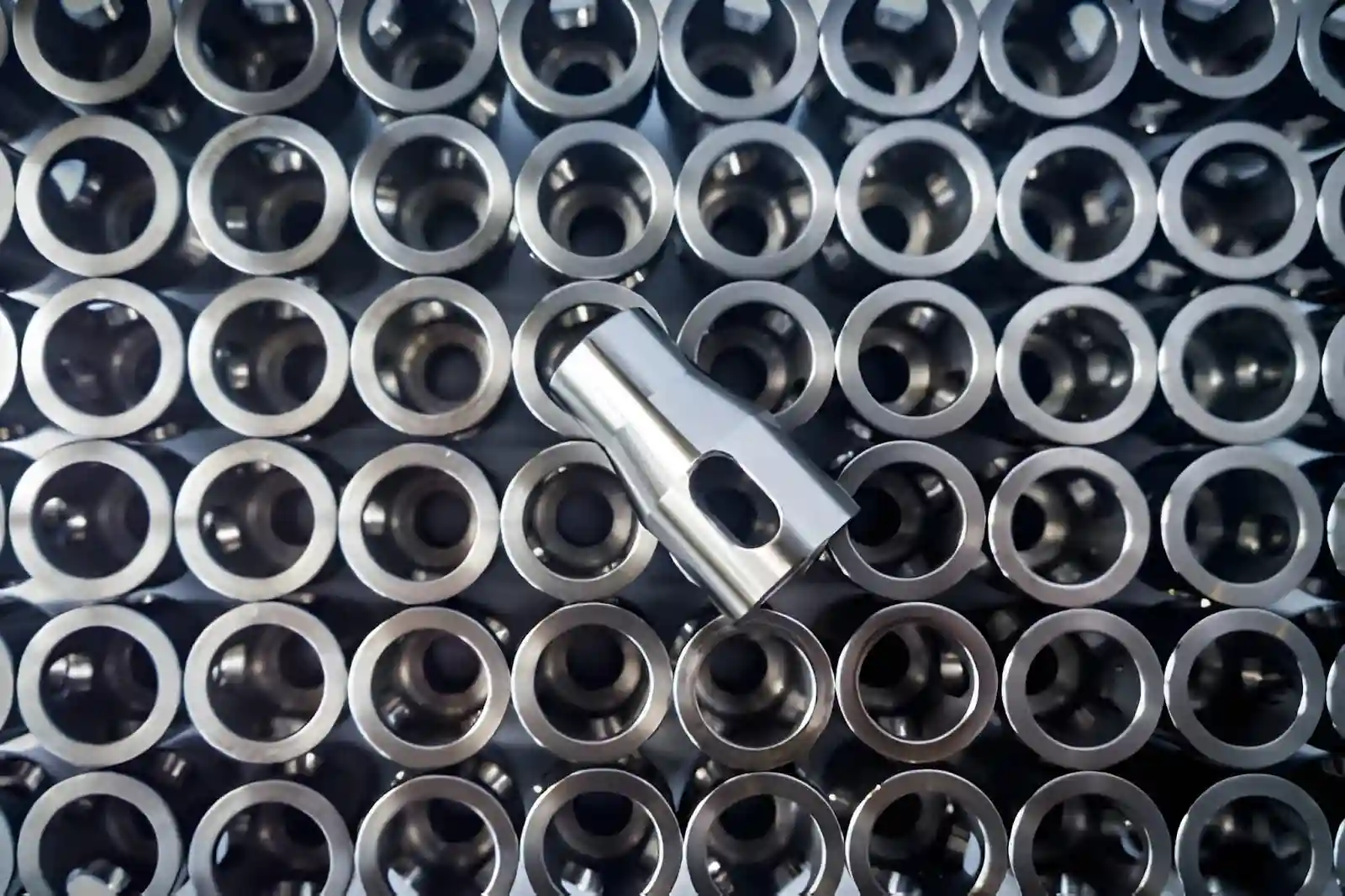
Electropolishing
Electropolishing is an electrochemical process that removes a thin layer of metal and leaves a bright, smoothed surface with the surface peaks levelled. It is a different process with a different result, and it does change size, so it is not interchangeable with passivation.
Best for: parts needing a bright surface, burr-critical parts, hygienic surfaces
Not for: a part that is already to size with a matte finish requirement - it removes metal and brightens the surface.
Tell us whether the problem is contamination, scale or surface brightness, and we will confirm which of the three the part actually needs.
Get a quotePick or avoid
When passivation is the right call - and when it is not
Pick passivation when
- The part is stainless steel and has been machined, formed or handled since it was last clean.
- Corrosion has been seen on stainless parts - usually rust stains at a machined edge or a weld.
- The part has to go into moist, washed-down or clean-service conditions.
- Dimensions are already final and nothing may be added or removed.
- The specification or the customer calls for a passivation step after machining.
Avoid passivation when
- You need thickness, colour or hardness - nothing is deposited here. See electroplating or anodizing.
- The part has a weld heat tint or mill scale - that needs pickling first, not passivation.
- The part is carbon steel or aluminium - this is a stainless steel process. See black oxide or chromate.
- The surface is already damaged or stained - a clean cannot undo a scratch or a stain.
- A bright cosmetic finish is wanted - that is electropolishing or polishing, not passivation.
Not sure whether the part needs a clean, a pickle or a brightening step? Send the drawing and say what the surface has to look like when it comes back.
Get a quoteDesign constraints
What decides whether the passivated part comes back right
Four variables: the grade, what happened before treatment, drainage of the part, and how it is handled afterwards.
Grade and family
Austenitic, ferritic, martensitic and duplex stainless grades do not respond to the same acid system, and free-machining grades carry sulphur in the surface. Name the grade on the drawing rather than writing "stainless".
What happened before treatment
Machining smears free iron into the surface, welding leaves scale and tint, and blasting or brushing can embed a foreign metal. Passivation addresses free iron; the others have to be dealt with before it, not by it.
Drainage of the part
Passivation is a dip and a rinse. A blind bore, a crevice or a lapped joint traps liquid, and trapped liquid is a quality risk long before it is a visible defect. Tell us about blind features.
Handling after the bath
A passivated surface is chemically clean. A carbon steel brush, a bare hand or a mild steel storage rack can re-contaminate it and undo the treatment - which is why the handling and packing are part of the specification.
Welded parts
A weld zone has a different structure and a heat tint. On welded fabrications, plan pickling and passivation as two steps, in that order, and say so on the drawing.
Cosmetic expectations
The published texture is matte and the colour does not change. If the part has to look brighter or more uniform than machining left it, that is a separate finishing operation.
Drawing notes
What to write on the drawing so the treatment is what you meant
Two lines carry the requirement: the grade, and what may not happen to the surface afterwards. Passivation is undone more often by handling than by the bath.
1. PASSIVATE PER THIS SPEC. FREE IRON SHALL BE REMOVED FROM ALL MACHINED AND WELDED SURFACES. GRADE: ____________ (NAME THE STAINLESS FAMILY)2. WELDED ZONES: PICKLE BEFORE PASSIVATION. HEAT TINT SHALL BE REMOVED. (DELETE IF NOT WELDED)3. DO NOT RE-CONTAMINATE AFTER TREATMENT: - NO CARBON STEEL BRUSHES OR TOOLS - NO BARE-HAND HANDLING OF TREATED SURFACES - NO MILD STEEL RACKS OR STORAGE BINS4. DIMENSIONS ARE FINAL BEFORE TREATMENT - PASSIVATION SHALL NOT CHANGE SIZE.5. DRAIN AND DRY ALL BLIND FEATURES: ______________________ (LIST BORES AND CREVICES)6. INSPECT: NO RUST STAINS, WATER SPOTS OR REMAINING HEAT TINT. PACK DRY AND CLEAN.
Examples only - replace every blank with your own requirement. The re-contamination line is the one most often left off, and it is the one that decides whether the treatment survives to the customer.
Which steels
What we passivate - one published material, and the metals that belong elsewhere
Our table for this process names one material. The rows below set out what that covers and which process the other materials belong to.
| Material | Passivation | Notes | Use instead |
|---|---|---|---|
| Stainless steel | Yes | The one material in our published specification table for this process. The grade and family still decide the acid system. | — |
| Stainless - welded fabrications | With pickling first | Heat tint and scale have to be pickled before the surface can be passivated. | All finishes |
| Carbon and alloy steel | Not this process | These steels have no chromium oxide layer to rebuild; they are protected by a coating or a conversion layer. | Black oxide |
| Aluminium | Not this process | Aluminium is protected by anodizing or by a chromate conversion layer. | Anodizing |
| Zinc-plated parts | Different treatment | A plated part is protected by its plating and by the passivation of that plating - a different chemistry. | Zinc plating |
| Parts needing a bright surface | Different process | Passivation leaves the published matte texture and does not brighten the part. | All finishes |
Send the drawing with the grade on it - if passivation is not the right step for the material or the surface condition, we will say which one is.
Get a quoteApplications
Where passivation matters most
Passivation is specified where a stainless part has to stay clean and corrosion-free in service, and where the surface that matters is often one nobody can see.
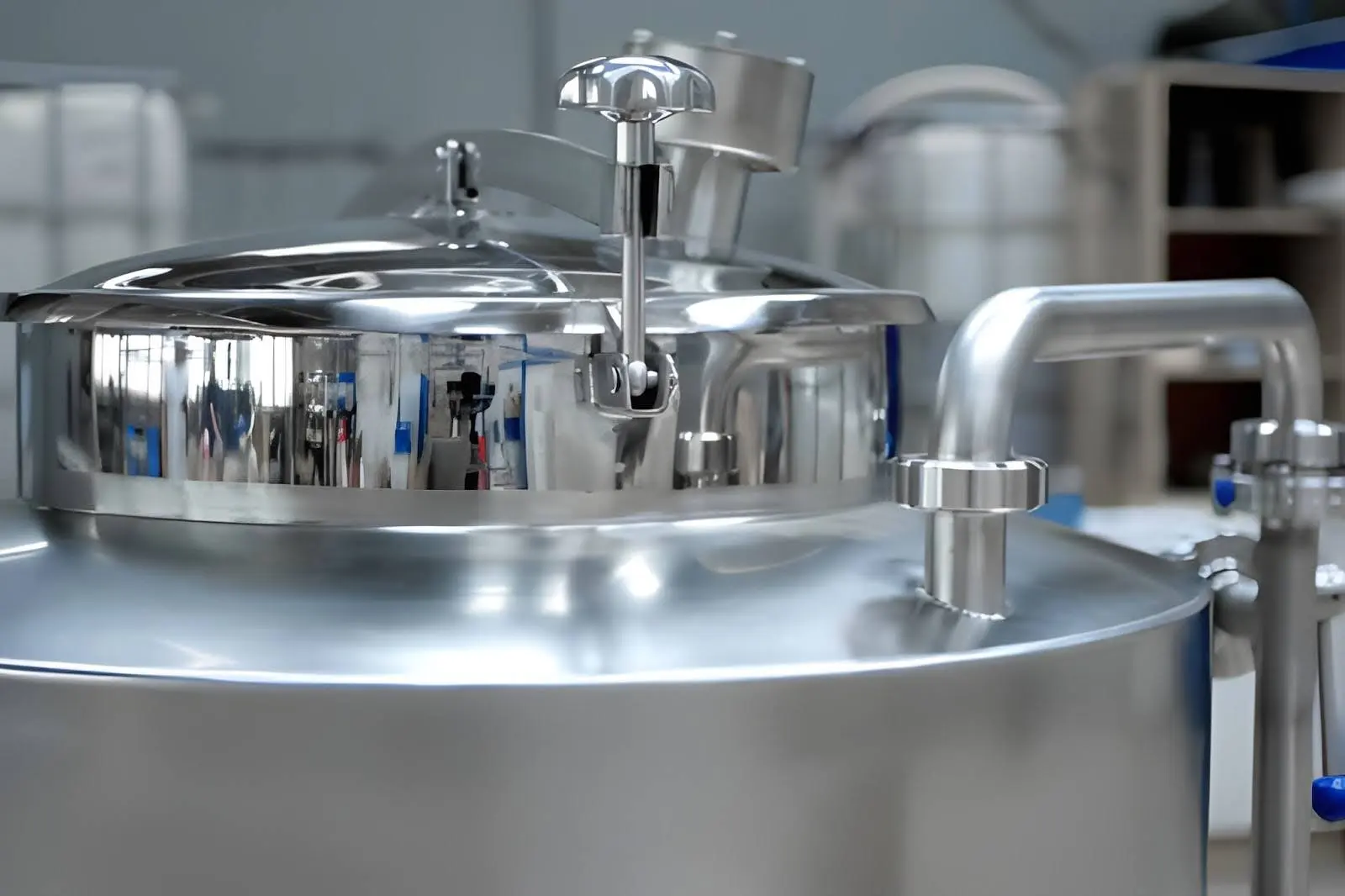
Food, beverage and pharmaceutical equipment
Washdown, acids and cleaning agents all attack a surface that still carries free iron. Machined and welded stainless equipment is passivated so the surface it shows is the surface that resists.
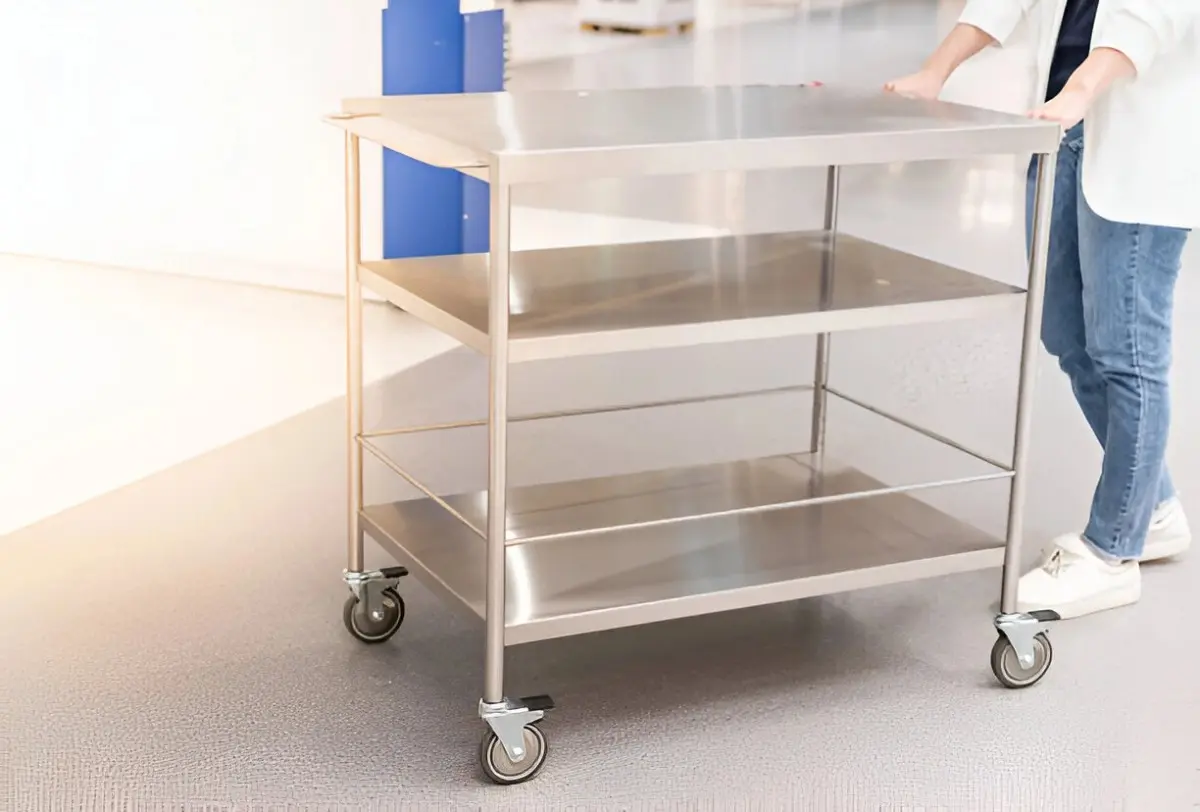
Medical and laboratory equipment
Repeated sterilisation and cleaning is the service condition for medical stainless. Passivation removes the machining contamination that would otherwise show up as staining or corrosion.
Machined parts that must ship clean
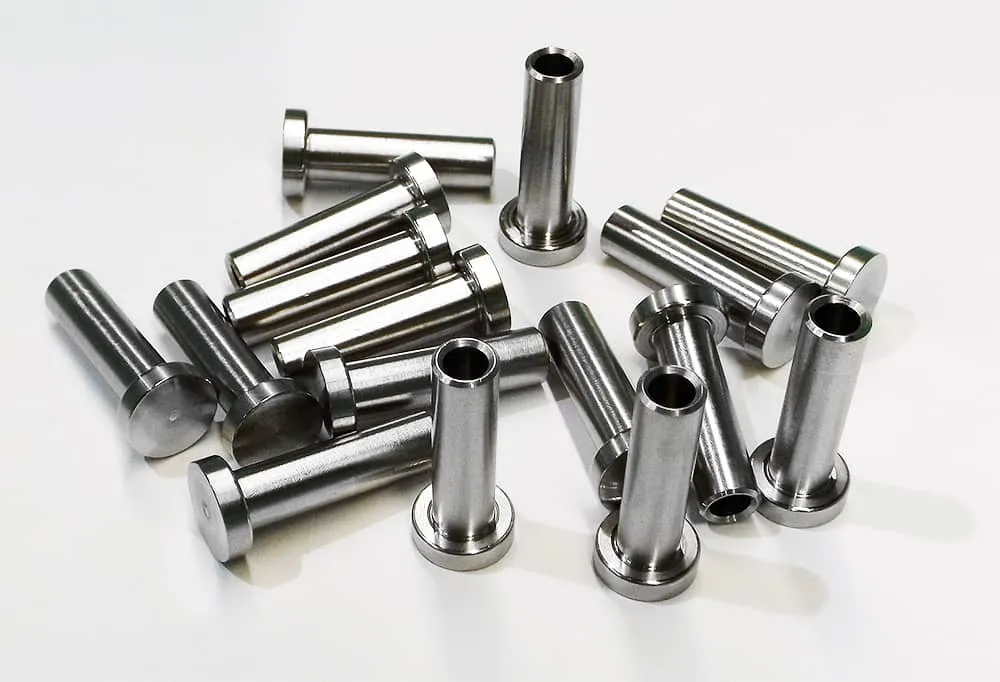
Every machining operation leaves free iron in the surface. On small turned parts - and especially on free-machining grades - passivation is what makes the difference between a part that ships clean and one that shows rust spots in storage.
QA and documentation
What you get back with the parts
Purchasing usually needs paper as well as parts. Here is what we can state today and what is still being confirmed.
Visual inspection
Parts are inspected for rust stains, water spots, remaining heat tint and handling marks after the bath.
Clean packing
Treated parts are packed dry and clean, because re-contamination after the bath undoes the treatment.
Standard and test method
The published table has an empty Standards row; the standard this process is run to, and any water-immersion or copper-sulphate test, is being confirmed.
Acid system per grade
The published description calls it an acid bath. Which acid system is used for which stainless family is being confirmed.
Further reading
Passivation, corrosion and stainless steel in detail
Longer answers on the questions this page only has room to state.
The background on the process, the acid systems and why free iron is the thing being removed.
Where passivation sits against the other surface treatments, and what it does not do.
Which metals resist corrosion and by what mechanism - useful when passivation is being specified for the wrong reason.
The three terms used interchangeably in practice, and what each one really means on a part.
How a chemical clean compares with plating, coating and anodizing on a machined part.
How the treatments are sequenced around machining, and where each one belongs.
FAQ
Passivation FAQ: the questions engineers ask us
What does passivation do?
Does passivation change the dimensions?
Which materials can be passivated?
Will it fix a welded part?
Does passivation make the part shiny?
Can it remove a scratch or a stain?
What standard is it run to?
How is it different from zinc or nickel plating?
How do I get a quote?
Get your passivation quote
Upload a STEP, IGES or PDF drawing with the stainless grade on it. Tell us what the parts have already been through - machining, welding or blasting - and we will come back with the treatment and the sequence.
What to send us
- Drawing - 2D and 3D files (STEP, IGES or PDF).
- Stainless grade - the family decides the acid system.
- Prior operations - machining, welding, blasting or polishing.
- Welded zones - these normally need pickling first.
- Blind features - so drainage and drying can be planned.
- What happens next - assembly or storage, so the hand-over state fits.
All uploads are secure and confidential. Engineers review and reply with a quotation and lead time.