
? Where is your part right now?
SURFACE FINISHING
Zinc Plating Service
A zinc layer electroplated onto steel so that the zinc corrodes first and the part is spared. Our published thickness range for this process is 3 to 12 um, and the published finish comes in blue, glossy black or silver. Because zinc is deposited on top of the surface rather than reacted into it, the layer has to be allowed for on threads and press fits.
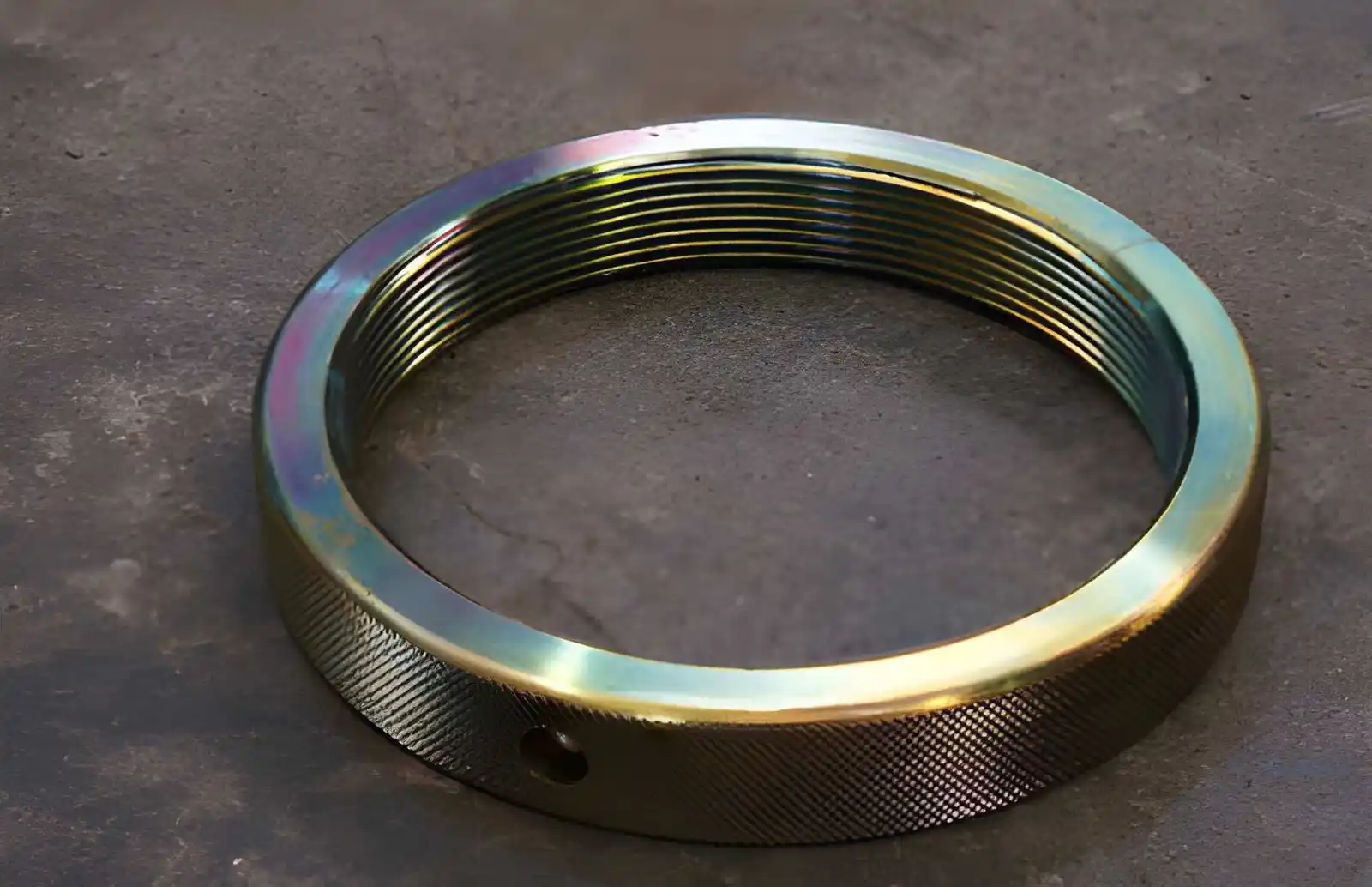
Where it fits
Plating is the last step - and it grows the part by the layer thickness
Zinc is deposited on the surface rather than reacted into it, so the part has to be machined, cleaned and de-burred first, and every feature that has a fit has to be declared before it goes into the bath.
The order matters because zinc adds to the part. A thread that has to take a nut, a press fit, a bearing seat and a sealing face all change size in the bath - so if the drawing does not say how to treat them, the plated part may not assemble. See what it adds.
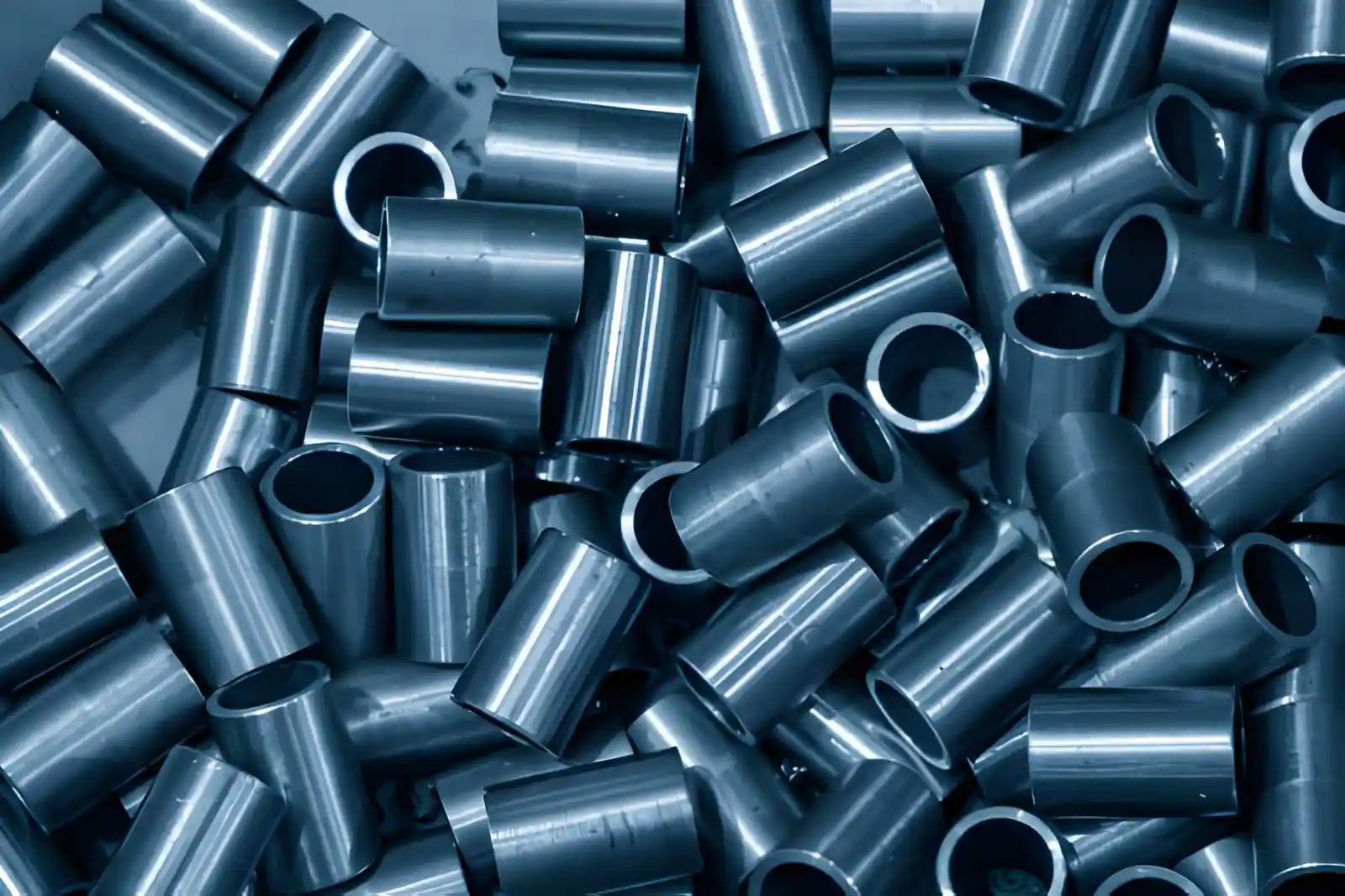

Fit check
Can we plate your part? Three things decide it
The substrate, the features that have a fit, and the finish that was asked for. The second one is where most plating orders go wrong, because the layer goes everywhere.
Substrate
- Zinc plating is a sacrificial coating for steel - it protects by corroding first
- Our published table names Steel and Stainless Steel; the stainless entry is being confirmed, because stainless is normally protected by passivation instead
- Castings, sintered parts and hardened steels all behave differently in the bath
- Tell us the steel, not just "steel"
Send the material spec with the drawing and we will confirm it against this process.
Features that have a fit
- Threads, press fits and bearing seats grow by the layer thickness
- The published range is 3 to 12 um per surface - on a pitch diameter that is not nothing
- Deep bores and blind holes plate less evenly than open faces
- Masked areas can be kept bare if the drawing says so
List the features with a fit and we will confirm masking before plating.
Finish and service
- Blue, glossy black and silver are the published finishes
- The passivation after plating is what sets both the colour and the extra corrosion life
- Zinc is a corrosion coating, not a wear coating - it does not make a surface harder
- Tell us what the part has to survive: indoor, outdoor, washdown or salt air
Say what the environment is and we will confirm the finish and thickness band.
Specifications
Zinc plating: 3-12 um published, in blue, gloss black or silver
Every value below is what we publish for this process. Where the shop has not confirmed a figure, the line says To confirm rather than a guess.
What it adds
The layer grows the part by 3-12 um per surface - plan the fits around it
Unlike a conversion layer, zinc is deposited on top of the surface. The numbers are small, but they land on exactly the features that have no room for them.
| Where it acts | What changes | Why it matters | What to do |
|---|---|---|---|
| Threads | The layer builds on the flanks | A plated thread can be oversize on pitch diameter and refuse its nut - or bind on it. | Declare the thread and mask, or plate to a stated allowance. |
| Press fits and bearing seats | The wall grows by the layer | Interference is designed in microns; a 12 um layer consumes a real part of it. | Mask press fits and bearing seats, or open the pre-plate size. |
| Blind holes and deep bores | Coverage is uneven | Plating current reaches an open face more easily than the bottom of a deep bore. | Tell us the bore depth and what the bore has to do. |
| Sealing faces | A plated layer sits between the faces | A gasket or an o-ring seals against the surface it was designed for. | Mask sealing faces unless the drawing says otherwise. |
| Sharp edges | The layer is thinnest at an edge | Electroplated zinc builds less on a sharp corner than on a flat face - edges are where corrosion starts. | Break sharp edges before plating if the edge is a service edge. |
| Free surfaces | Colour and corrosion life change | This is the benefit: a sacrificial layer over the whole part, in the published finish. | No allowance needed - this is the duty the plating was specified for. |
The published thickness range is in two bands. Which band is run, and how it lands on a thread, is confirmed at quoting rather than assumed from the drawing.
Tell us which features must keep their exact size and we will mask them or plate to an agreed allowance.
Get a quoteWhich finish
Blue, black or silver - the finish sets the duty, not the look
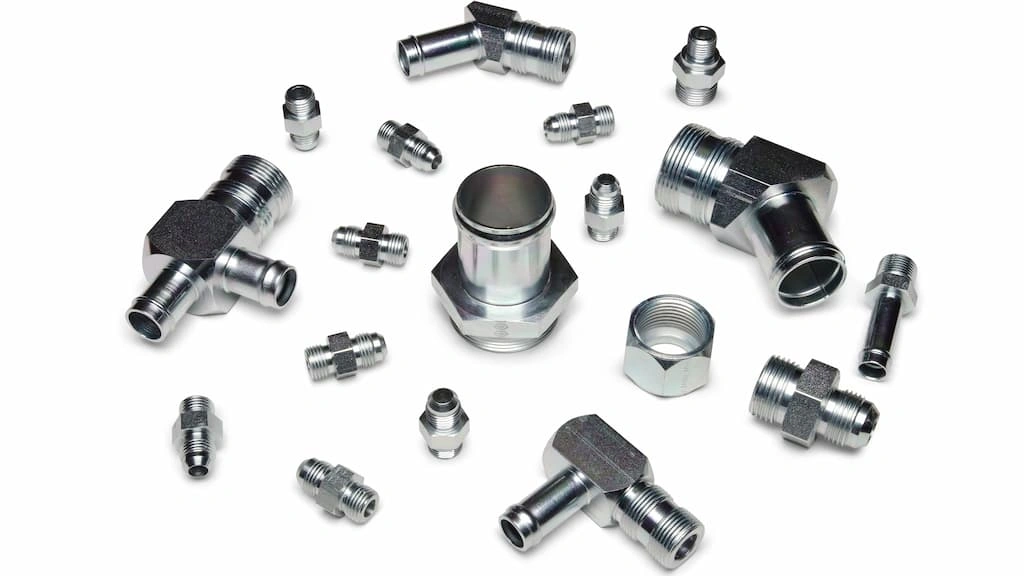
All three are zinc layers; the difference is in the post-treatment that goes on after plating, and that is what changes both colour and corrosion life. These are the three published finishes.
Blue finish
A blue passivation over the zinc layer, which is the finish most small fasteners and springs carry out of a barrel line. It is the usual choice when the part is indoors or lightly exposed and the appearance is not critical.
Best for: fasteners, springs, brackets, indoor and light outdoor service
Not for: long-term outdoor or salt exposure without checking the thickness band first - blue passivation is the lightest of the three.
Gloss black finish
The published glossy black finish over the zinc layer. It is chosen where a dark appearance is wanted on a part that still needs the sacrificial protection of zinc underneath.
Best for: visible hardware, decorative brackets, parts where a dark finish is specified
Not for: replacing a painted or powder-coated appearance - the black here is a plated finish and is not a paint film.
Silver finish
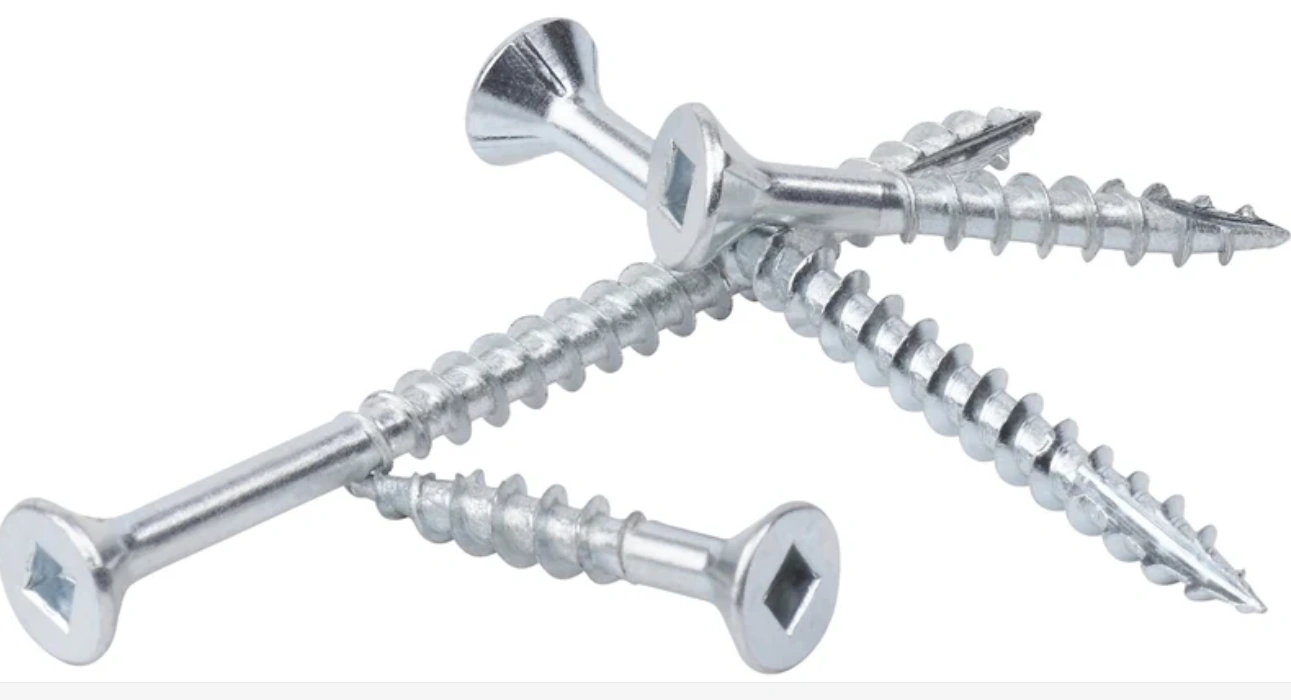
The published silver appearance, which is closest to what zinc looks like before a colour passivation. It reads as a bright fastener and is the long-standing default for general hardware.
Best for: general hardware, standard fasteners, parts where no colour is specified
Not for: a chrome look - bright zinc is duller than decorative chrome and will not match it.
Tell us the service environment and we will confirm which of the three published finishes fits it - or whether the part needs a different coating family entirely.
Get a quotePick or avoid
When zinc plating is the right call - and when it is not
Pick zinc plating when
- The part is steel and needs corrosion protection that works by sacrificing itself rather than by isolating the surface.
- You want a published finish - blue, glossy black or silver - rather than a bright decorative one.
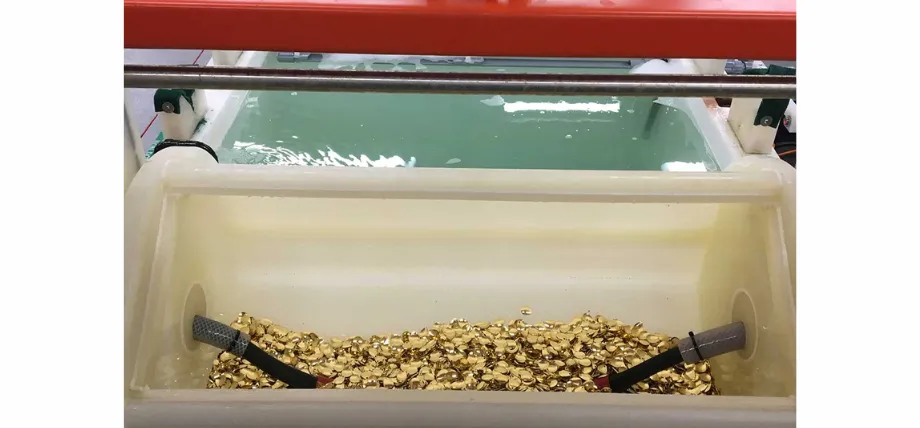
- The part is a fastener, spring or small volume item that suits barrel plating.
- The layer has to be thin relative to the part - 3 to 12 um is far thinner than a powder coat or an anodized layer.
- The part will be handled and stored before use, and needs a working surface that resists white rust.
Avoid zinc plating when
- The part has to look like chrome - that is a decorative plating, a different process with a different cost structure.
- The surface has to be hard or wear resistant - zinc is soft and is there for corrosion, not for abrasion. See electroplating.
- The part is stainless steel - the usual treatment is passivation.
- The features that have a fit cannot be masked and cannot be opened up - the layer goes everywhere the bath reaches.
- A thick, load-bearing protective layer is wanted - a coating is the right answer there. See powder coating.
Not sure whether the part needs zinc, a decorative plating or a conversion layer? Send the drawing and say what the environment is.
Get a quoteDesign constraints
What decides whether the plated part comes back usable
Four variables: the steel, the features that have a fit, how the current reaches the surface, and what the part has to survive.
Threads and fits, before anything else
Zinc plating grows the whole part by the layer thickness per surface. On a thread that is a pitch-diameter change - either mask the thread or state the allowance before the parts are made.
Which grade of steel
Castings, sintered parts, hardened steels and free-machining grades all behave differently in a plating line. Name the grade, not just "steel" - and say if the part is stainless, where the answer is usually a different process.
Reachability of the plating current
An open face plates evenly; the bottom of a deep blind bore does not. If an internal surface has a functional requirement, say so at quoting rather than discovering the coverage afterwards.
Sharp edges
Electroplated layers are thinnest on a sharp corner - which is exactly where corrosion starts and where a handling edge matters. Break the edges you care about before plating.
Barrel or rack
Barrel plating suits small parts in volume; rack plating is used where the part has to be jigged to protect a face. The choice affects cost and which surfaces see the current first.
What happens after plating
Assembly, welding, bending and heat exposure all disturb a plated surface. Welding afterwards burns the layer off locally; heat can damage the passivation. Declare the operations that follow.
Drawing notes
What to write on the drawing so the plating lands where you meant
Three lines carry the requirement: the finish, what thickness, and which features must not change size. Everything else follows from those.
1. ZINC ELECTROPLATE PER THIS SPEC. FINISH: BLUE / GLOSS BLACK / SILVER (DELETE TWO) THICKNESS: ______ um PER SURFACE (PUBLISHED 3 TO 12 um)2. MASK THE FOLLOWING BEFORE PLATING: - ALL TAPPED HOLES AND THREADS - PRESS FITS AND BEARING SEATS - SEALING FACES AND O-RING GROOVES - ____________ (ANY FACE THAT MUST STAY BARE)3. DIMENSIONS ON PLATED SURFACES ARE BEFORE PLATING / AFTER PLATING (DELETE ONE)4. BREAK ALL SHARP EDGES TO ______ mm MAX BEFORE PLATING. KEEP SHARP: __________________5. THREADS: MASKED / PLATED TO ALLOWANCE (DELETE ONE - A PLATED THREAD MUST STILL TAKE ITS NUT)6. INSPECT: EVEN COLOUR, FULL COVERAGE, NO BARE PATCHES ON PLATED FACES, MASKED AREAS CLEAN OF ZINC.
Examples only - replace every blank with your own requirement. The "dimensions are before/after plating" line is the one that decides whether the parts assemble.
Which steels
What we plate - the published table, and the metals that belong elsewhere
Our published table for this process names two materials. What each one is for is set out below, including the entry that is still being confirmed and the metals that belong to a different finish.
| Material | Zinc plating | Notes | Use instead |
|---|---|---|---|
| Steel | Yes | In our published specification table. Zinc protects steel by sacrificing itself - this is the classic pairing. | — |
| Stainless steel | To confirm | Also printed in our published table, but stainless is normally protected by its own oxide layer and treated by passivation. The table entry is being confirmed. | Passivation |
| Cast iron | To confirm | Castings plate, but the surface condition and porosity change what the layer looks like. Being confirmed per part. | Galvanizing |
| Aluminium | Not this process | Zinc is a sacrificial coating for steel. Aluminium is protected by anodizing or by a conversion layer. | Anodizing |
| Parts needing decorative chrome look | Different process | Bright decorative finishes are a different plating family - say which one you need. | Electroplating |
| Parts needing a hard, thick layer | Different process | Zinc is soft and thin; a wear surface needs a different answer. | All finishes |
Send the drawing with the grade on it - if zinc is not the right protection for the material, we will say which one is.
Get a quoteApplications
Where zinc plating is doing the corrosion work
Zinc plating is the default protection for steel hardware that has to stay presentable and cheap to protect. These are the three cases we see most often.
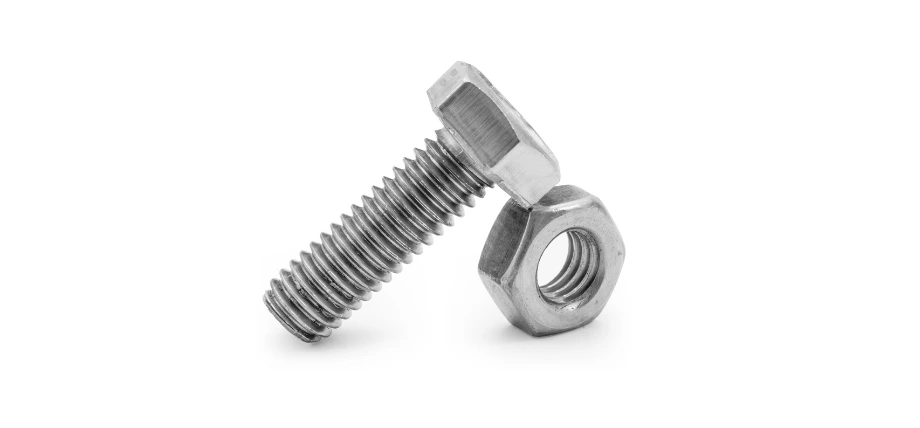
Fasteners and hardware
Bolts, nuts, washers and screws are barrel plated by the tonne: the layer is thin enough to keep threads workable and thick enough to stop white rust in storage.
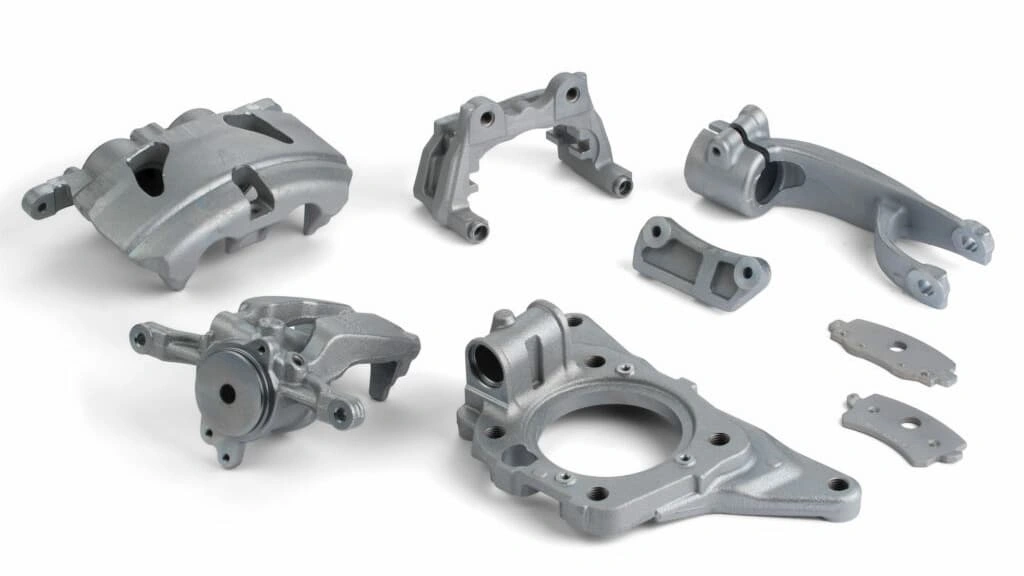
Brackets, stampings and machined fittings
Brackets, clips and machined fittings are usually plated to survive an outdoor or a humid life. The plating protects the whole part, including the faces that never get painted.
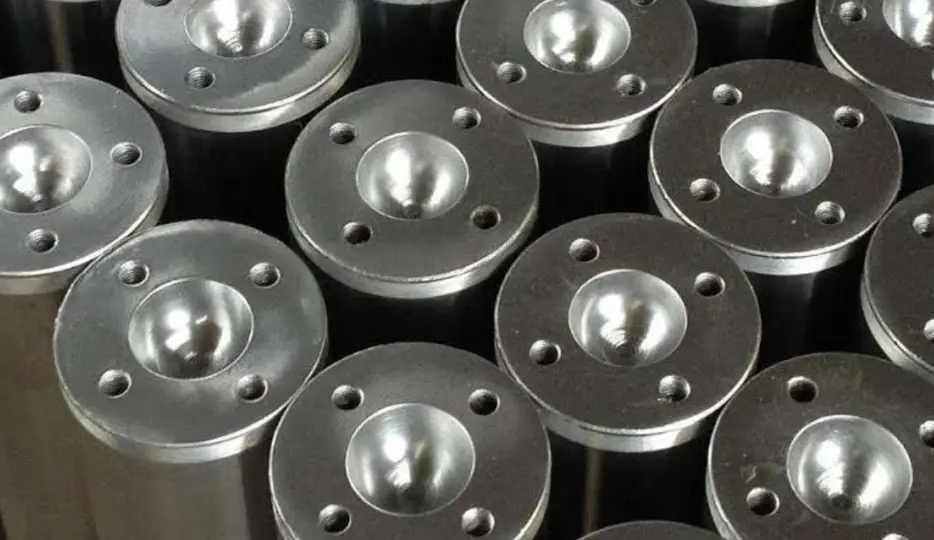
Machined parts that have to arrive protected
Machined steel parts are often plated before dispatch so they arrive protected and presentable - and so the customer can assemble them without an extra cleaning step.
QA and documentation
What you get back with the parts
Purchasing usually needs paper as well as parts. Here is what we can state today and what is still being confirmed.
Appearance check
Finish and coverage are inspected against the published blue, gloss black or silver appearance.
Dimension check
Parts are measured against the drawing, because plating is where a plated thread or press fit is most likely to be lost.
Coating weight or thickness record
A measured per-batch plating thickness record against the published 3 to 12 um range is being confirmed.
Salt-spray hours
Corrosion life against a named standard - and which of the three finishes it applies to - is being confirmed.
Further reading
Zinc plating, electroplating and corrosion in detail
Longer answers on the questions this page only has room to state.
The background on the process, the baths and the standards it is written against.
How electroplating and galvanizing differ, and when each one is the right protection.
Where the blue, black and silver finishes come from - and what each one is worth in corrosion terms.
What changes when the layer has to survive more than zinc can take.
A side-by-side of the three plating families engineers confuse most often.
The process family this service belongs to, with the other metals it covers.
FAQ
Zinc plating FAQ: the questions engineers ask us
What does zinc plating actually do?
How thick is the layer?
Will plating change my thread?
Can you plate stainless steel?
Which finish should I choose?
How long will the plating last outdoors?
Does zinc plating make the part harder?
Barrel or rack - does it matter to me?
How do I get a quote?
Get your zinc plating quote
Upload a STEP, IGES or PDF drawing. Tell us the finish, the grade of steel and which features must keep their exact size - we will come back with the plating and the allowances together.
What to send us
- Drawing - 2D and 3D files (STEP, IGES or PDF).
- Material - the grade of steel, so the bath can be confirmed against it.
- Finish - blue, gloss black or silver.
- Threads and fits - what has to be masked, and what must keep its size.
- Service environment - indoor, outdoor, washdown or salt air.
- What happens next - assembly or storage, so the hand-over state fits.
All uploads are secure and confidential. Engineers review and reply with a quotation and lead time.