
? Where is your part right now?
SURFACE FINISHING
Nickel Plating
Nickel plating develops a thin layer of nickel on the metal part. The nickel layer enhances the mechanical strength, hardness, wear resistance, lubricity and ductility, and after finishing the surface also becomes brighter. The same process can be run two ways - with the help of electrolysis and without - and both aim to make the parts highly resistant to corrosion. This page covers the electrolytic route, where the nickel is deposited by an electric current.
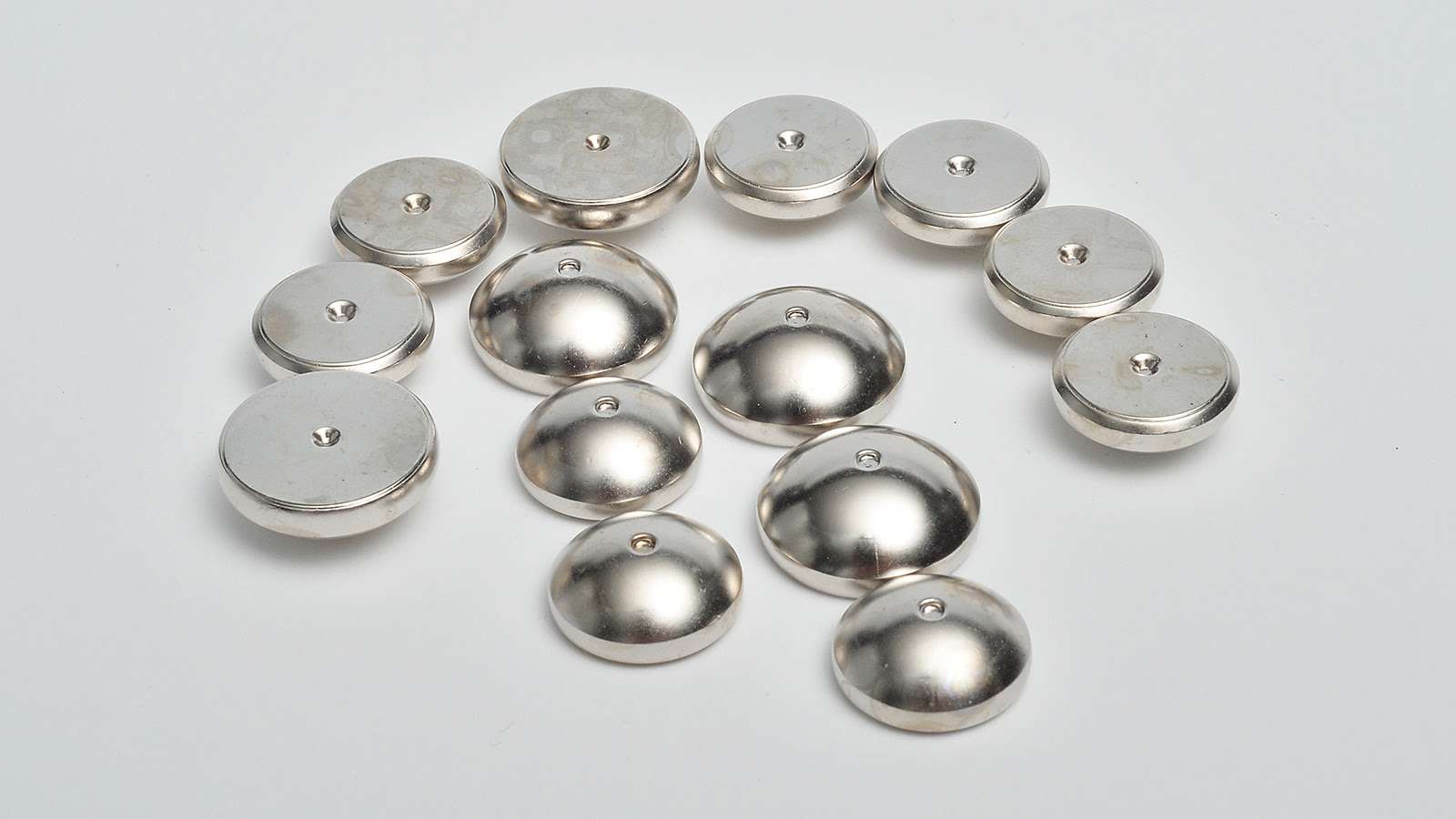
Where it fits
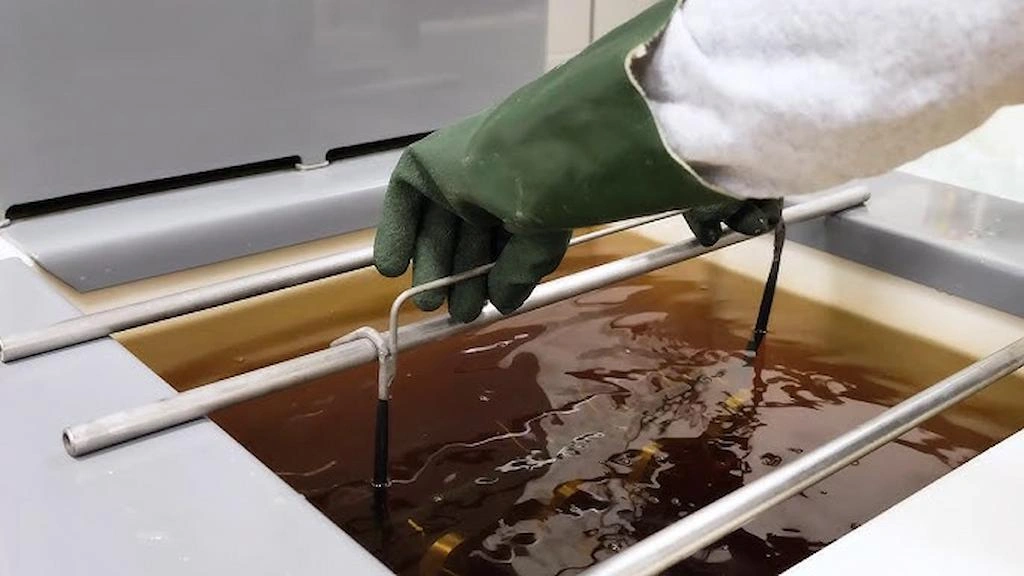
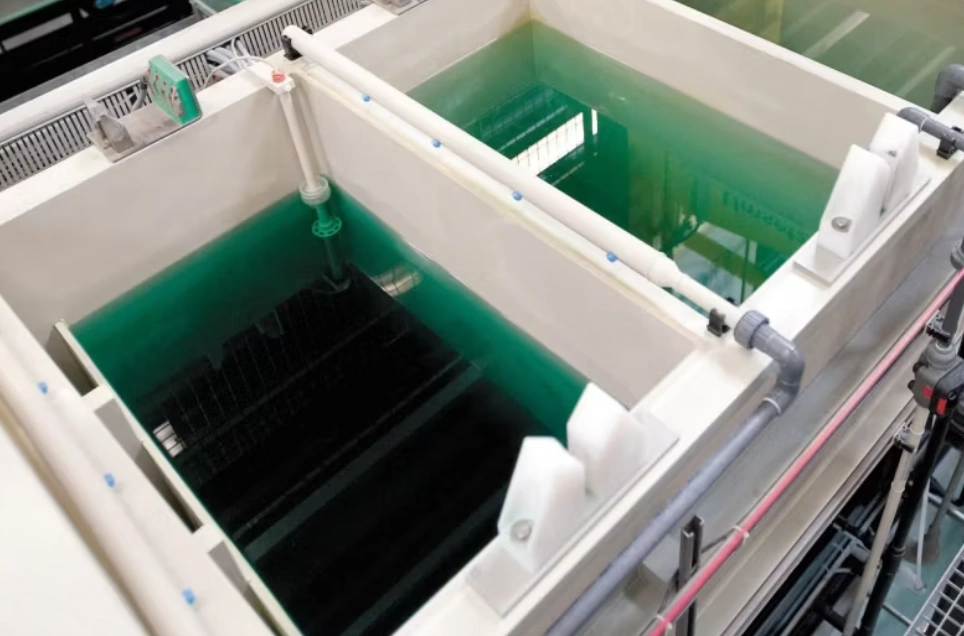
Nickel plating in 5 steps: from a machined part to a bright nickel surface
Electrolytic nickel plating is a line process: the part is cleaned, activated, coated in the bath while current flows, then rinsed and inspected. Each step helps decide how even and how bright the layer comes out.
Nickel plating is the electrolytic route: the layer is built up by current, part by part. The same nickel can also be laid down chemically, with no current at all - that is the electroless route, and it is the one to compare when the part is a complex shape. See which route fits.


Fit check
Can we plate it? The base metal, the shape and the electrical contact decide
Electrolytic nickel needs a conductive path to the part and a shape the current can reach evenly. Those two things, plus the base metal, are where most plating jobs are won or lost.
Base metal
- Published table - ABS, aluminium, brass, stainless steel and steel are the five materials listed for this process
- The published text also names steel, aluminium, copper and brass as materials it applies to
- The table lists ABS but not copper; the text lists copper but not ABS - both are shown as published and the gaps are being confirmed
- Nickel needs the base metal to conduct. A plastic such as ABS has to be made conductive before it can be plated, and that pre-treatment is the part to confirm
The table lists ABS and the text lists copper. Both are shown as published; the plastics route is To confirm.
Shape and reach
- Flat and open faces plate most evenly; deep recesses, sharp inside corners and inside bores are harder for the current to reach
- A face the current reaches weakly gets a thinner layer than an exposed face - throwing power, not the bath, sets this
- Barrel or rack plating is chosen by shape: small parts run in a barrel, larger or single parts run on a rack
- If the part cannot be racked with a good contact, the layer can come out uneven or bare at the contact point
Tell us about bores, recesses and faces that must be fully covered before the parts are quoted.
Uniformity and thickness
- The published thickness is written in two bands, 3 um to 8 um and 8 um to 12 um, with no label saying which applies when
- On a complex shape the electrolytic layer varies across the part, which is exactly the case the electroless route is chosen for
- The two published thickness bands are shown side by side here rather than picked, because the page does not say which one applies when
- A tight tolerance on a plated face has to allow for the layer that is added
The two thickness bands are both published and are being split and confirmed - no single number is assumed.
Specifications
Nickel plating: 5 materials, 3 colours and one bright finish
Every value below is what we publish for this process. Where the page gives two answers, or the shop has not confirmed a figure, the line says so instead of picking one.
Dimensional change
Nickel plating adds a layer: the thickness comes out of your tolerance
Unlike polishing or blasting, nickel plating grows the part. The layer is thin, but on a face held to a tight tolerance it is the whole allowance - so it has to be planned before machining, not measured after.
| Where it acts | What changes | Why it matters | What to do |
|---|---|---|---|
| Every plated face | The part grows by the layer thickness | A dimension measured after plating is larger than the same dimension before it. | Allow for the layer on any plated face - add it before the part is machined. |
| Threads and fits | Pitch diameter tightens as the layer builds | A thread plated after tapping may no longer accept its mating part. | Name the threads that must run to size; plated threads are often left undersized or masked. |
| Bores and holes | A bore gets smaller | A layer on the inside of a bore reduces the clearance. | State the bore tolerance and whether the inside should be plated at all. |
| Contact points | No plate where the part is held | The rack contact that carries the current leaves a small unplated mark. | Say where a contact mark is acceptable - it is a normal part of rack plating. |
| Sharp edges | The layer builds faster on edges | A sharp edge attracts more current and can take a thicker, rougher deposit. | Deburr edges before plating so the layer builds evenly. |
| Pre-plate size | The finish is a before-and-after decision | A face machined exactly to nominal has no room for the layer. | Mark dimensions as before or after plating on the drawing. |
The direction of the change is known - the layer adds material and the part grows - but the exact thickness is published as two bands and is being confirmed. A plating allowance has to be agreed with the shop, not assumed.
Tell us which dimensions are critical and which are cosmetic, and we will confirm the plating allowance before the parts are made.
Get a quoteWhich route
Which route: electrolytic nickel, electroless nickel, or zinc
Nickel can be laid down by current or without it, and for a plain corrosion duty there is a lower-cost metal than nickel. The last card below is the case where nickel plating is the wrong answer.
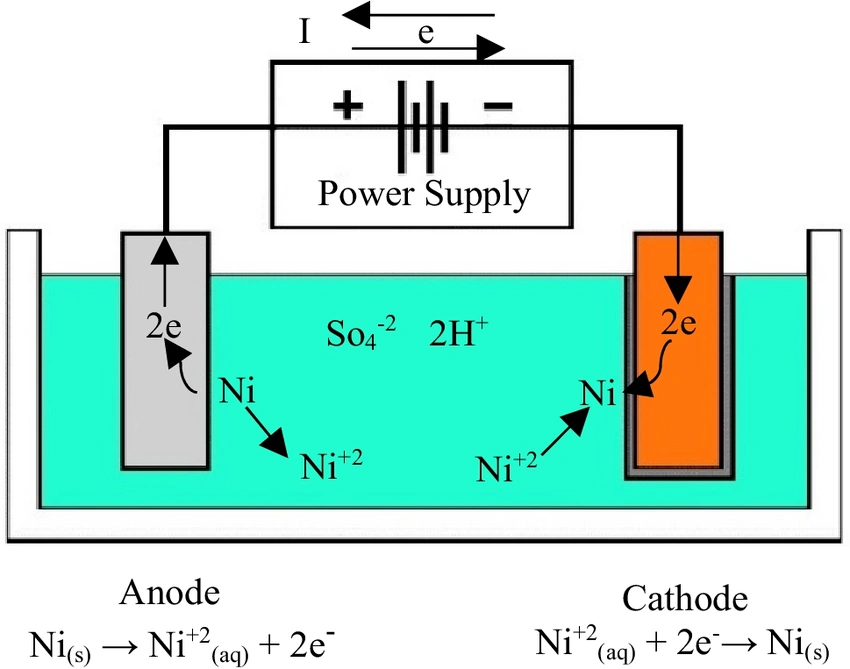
Electrolytic nickel plating
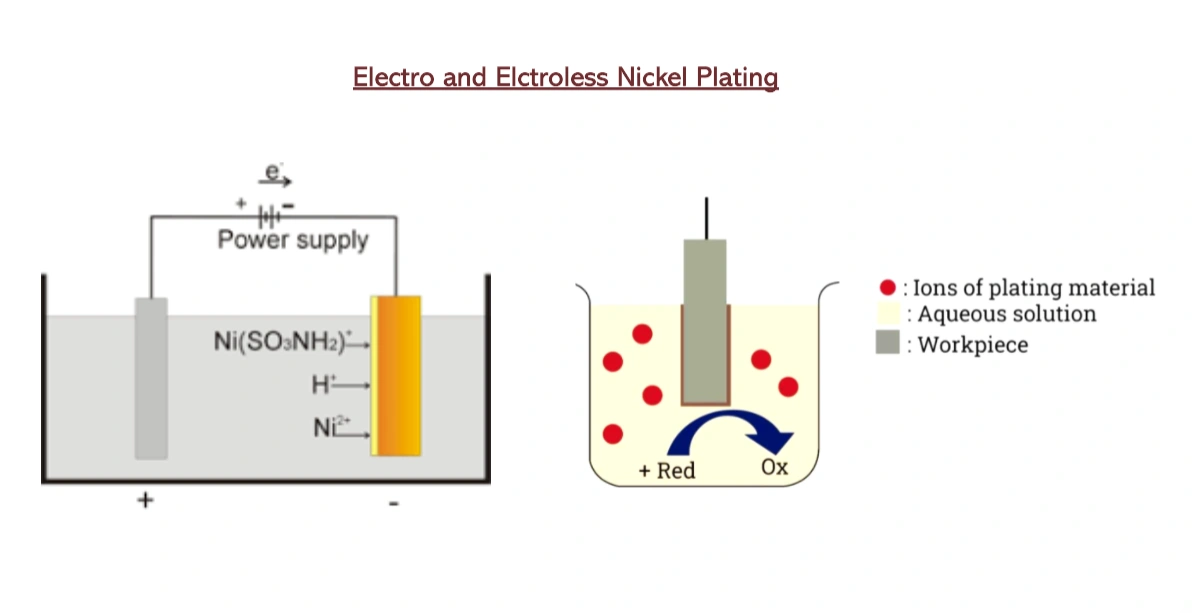
The part is the cathode and nickel anodes sit in the electrolyte. Current drives nickel onto the surface, building the layer face by face. This is the route this page covers.
Best for: parts that can be racked or barrelled, a bright decorative layer, wear and corrosion resistance on steel, brass and copper
Not for: a non-conductive base without a conductive pre-treatment, or a complex shape that needs a dead-even layer.
Electroless nickel plating
The published text names two methods that share one goal, a corrosion-resistant nickel layer, but they are different processes. Electroless nickel is deposited chemically, with no current, so it covers complex shapes and inside faces far more evenly.
If the part is a complex shape, has deep recesses, or the base metal is not conductive, that is the comparison to make.
Best for: complex shapes, a uniform thickness over a whole part, non-conductive substrates
Compare: electroless nickel plating when even coverage matters more than the bright electrolytic look.

Zinc plating
Where the only job is to stop a steel part rusting, zinc is the common and lower-cost answer. Nickel is chosen instead when the part also has to look bright, resist wear, or act as a wear surface.
Best for: sacrificial corrosion protection on steel fasteners and brackets, at lower cost than nickel
Compare: zinc plating for a pure corrosion duty, and zinc vs nickel plating for the trade-off.

When nickel plating is the wrong route
Nickel plating deposits a metal layer for corrosion, wear and appearance. Some parts need the opposite - no added metal, a matte or non-metallic look, or a coating that is not conductive.
Consider instead: a chemical conversion finish for no added layer, or the electroless route for even coverage
Not for: a complex shape or inside faces that must be covered dead-even (use electroless nickel), a non-conductive base with no conductive pre-treatment, or a part that must stay non-metallic or keep a matte, non-reflective look.
Tell us whether the part needs a bright metal layer, an even layer over a complex shape, or plain rust protection, and we will confirm the route before you commit.
Get a quotePick or avoid
Pick nickel plating for steel, brass and copper parts that need a bright, hard layer
Pick nickel plating when
- The part needs a thin metal layer that raises mechanical strength, hardness, wear resistance, lubricity and ductility - the published benefit of the nickel layer.
- The surface has to become brighter after finishing, and the published smooth texture is the look you want.
- The base metal is one of the conductive ones the page names - steel, aluminium, copper or brass - and it can be racked or barrelled.
- The part needs corrosion resistance and the published table lists the material as in scope.
- A thin layer is acceptable and a small growth on a plated face can be allowed for.
Avoid nickel plating when
- The base metal is plastic and no conductive pre-treatment is planned - the published table lists ABS, but that route is still To confirm.
- The part is a complex shape or has inside faces that must be covered evenly; compare electroless nickel plating.
- The only duty is rust prevention on steel at the lowest cost - see zinc plating.
- A critical dimension sits on a plated face with no allowance for the added layer.
- A tight tolerance or a thread runs to size after plating without being planned for.
Not sure whether the part needs nickel, electroless nickel or zinc? Send the drawing and say what the part has to survive and how it has to look.
Get a quoteDesign constraints
What decides an even nickel layer: current, shape and racking
The bath chemistry is the job of the shop. What the designer controls is the base metal, the geometry the current sees, and the thickness the drawing allows.
Base metal and pre-treatment
Nickel bonds to the base metal, so how the surface is prepared helps decide whether the layer holds. Aluminium is reactive and needs its own pre-treatment; a plastic such as ABS needs the surface made conductive before any plating. The published table lists ABS while the process needs conductivity, so that route is confirmed case by case.
Current density and edges
Nickel builds fastest where the current is strongest - on edges, corners and the face nearest the anode. A sharp edge can take a thicker, rougher deposit while a shielded recess gets less. Deburring and, where needed, a shield on the rack even this out.
Throwing power and complex shapes
Electrolytic plating has limited throwing power: current does not reach deep inside a bore or a recess as strongly as it reaches an open face. If every inside face has to be covered to a set thickness, the electroless route is chosen instead.
Racking and contact marks
The part has to be held and connected so current flows. The contact point carries the current and stays unplated, so a small mark is normal. Bores, threads and sealing faces are often masked so plating does not land where a fit matters.
Thickness allowance
The published thickness comes as two bands, 3 um to 8 um and 8 um to 12 um. Whichever applies, the layer grows the part, so a dimension held after plating has to include the layer or be marked as a pre-plate dimension.
Batch consistency
Matching brightness and thickness across a batch is harder than plating one part, because current density depends on how the parts are racked together. Say if the batch has to match, so the rack and the bath time are set for consistency.
Drawing notes
What to write on the drawing: base metal, finish colour and thickness
Three lines carry the requirement: the base metal, the appearance, and the thickness to plate to. The thickness line is where most plated parts go wrong.
1. BASE METAL: ____________ (NICKEL REQUIRES A CONDUCTIVE SURFACE)2. FINISH: NICKEL PLATED (ELECTROLYTIC) APPEARANCE: CLEAR / MATTE / BLACK (DELETE PER AGREED COLOUR)3. PLATING THICKNESS: ______ um (PUBLISHED AS 3-8 um OR 8-12 um - TO BE CONFIRMED PER JOB)4. SURFACES TO BE PLATED: ____________________________________________5. SURFACES TO BE MASKED / LEFT BARE: - ____________ (THREADS, BORES, SEALING FACES, CONTACT POINTS)6. DIMENSIONS ON PLATED SURFACES ARE BEFORE PLATING / AFTER PLATING (DELETE ONE)7. INSPECT: EVEN BRIGHT NICKEL LAYER, NO BARE OR DARK PATCHES, CONTACT MARKS ONLY WHERE ALLOWED.
Examples only - replace every blank with your own requirement. The thickness and the before-or-after dimension lines matter most: nickel plating adds a layer, so a face that is already to size has to allow for it or be masked.
Which metals
Materials we plate: 5 metals published, plus the ABS case
Our table for this process lists five materials and the published text names four. Where the two do not agree, the row shows both and flags the gap instead of hiding it.
| Material | Nickel plating | Notes | Use instead |
|---|---|---|---|
| Steel | Yes | In our published table and named in the published text. A common base for a bright, hard nickel layer. | — |
| Aluminium | Yes | In our published table and named in the published text. Reactive and soft, so it needs its own pre-treatment before plating. See nickel plating on aluminium. | — |
| Brass | Yes | In our published table and named in the published text. | — |
| Stainless steel | Yes | In our published table. The published text does not list it by name, so the row is shown from the table. | — |
| Copper | Yes | Named in the published text but not in the published table - shown here as published and being confirmed. | — |
| ABS / plastics | To confirm | Listed in the published table, but nickel needs a conductive surface, so a plastic has to be made conductive first. See ABS. | — |
| Parts needing even coverage | Different process | Electrolytic nickel has limited throwing power into recesses and inside faces. | Electroless nickel |
| Parts needing only rust protection | Different process | Where the only duty is corrosion on steel, zinc costs less than nickel. | Zinc plating |
Send the drawing with the base metal on it - if nickel is not the right layer for the material or the duty, we will say which one is.
Get a quoteApplications
Where nickel plating is used: automotive, hardware and consumer parts
Nickel plating shows up wherever a part needs a bright, hard, corrosion-resistant metal layer. These are the cases behind that.

Automotive and transport
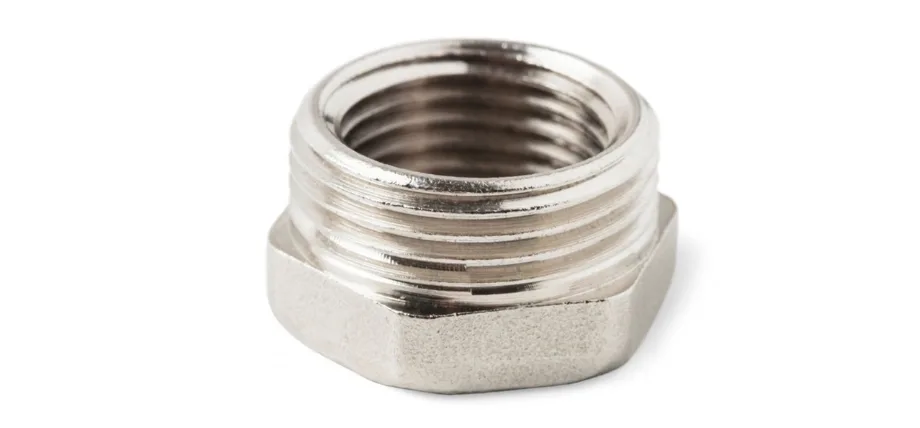
Wheels, trims and visible hardware are nickel-plated because the part is judged on its bright, even surface as much as on the metal beneath it.
Fasteners and hardware
Bolts and fasteners are plated for corrosion resistance and wear, and the bright nickel surface also makes them read as a finished part.
Aluminium parts
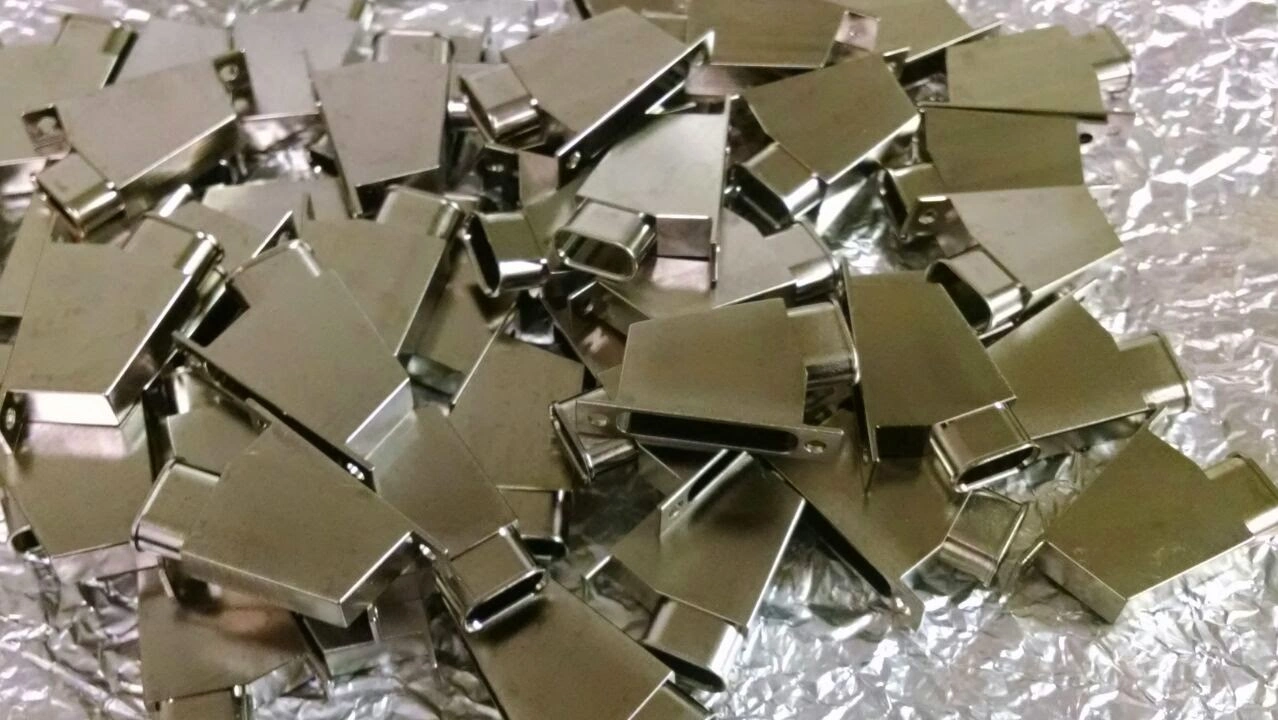
Aluminium is one of the published base metals. Its pre-treatment decides how well the nickel holds, so it is confirmed per part.

Electrical and connectors
Connectors and contacts are plated for wear and corrosion at the contact surface, where a thin, hard metal layer is doing the work.
QA and documentation
What comes back with the plated parts: inspection and thickness
Purchasing usually needs paper as well as parts. Here is what we can state today and what is still being confirmed.
Visual inspection
Plated faces are inspected for an even bright layer, bare or dark patches, and marks, which is how this finish is judged.
Coverage check
Faces that should be plated are checked for coverage, and masked faces are checked for being left clean.
Thickness record
The published thickness is written as two bands with no label; whether a measured thickness can be reported against an agreed figure is being confirmed.
Adhesion and standard
The published page carries no standards line for this process. Whether an adhesion test and a stated standard can be supplied is being confirmed before it is quoted.
Further reading
Further reading: nickel vs chrome, zinc and electroless nickel
Nickel plating sits in a family of plating and coating processes. These pages carry the comparisons an engineer usually makes next.
Where a bright layer is wanted, chrome and nickel are the two names that come up. This comparison covers hardness, colour, cost and where each is used.
For corrosion protection on steel, zinc is the lower-cost route. Read this when the choice is between sacrificial protection and a bright, harder layer.
Aluminium is one of the published base metals and is reactive, so its pre-treatment matters more than on steel.
The three common plated metals side by side - useful when the decision is driven by appearance, corrosion or wear.
The mechanism behind the two nickel routes: plating driven by current against plating driven by chemistry.
The wider plating family - nickel, zinc, chrome, copper, tin, gold and more - so nickel can be seen against the alternatives.
Nickel plating is one metal in the electroplating family; this page covers the electrolytic route that all of them share.
The other published nickel method - nickel laid down with no current, for even coverage on complex shapes.
The hub page listing every process we run, so nickel plating can be seen against the coating, plating and conversion families.
FAQ
Nickel plating FAQ: the questions engineers ask us
What is nickel plating?
What is the difference between electrolytic and electroless nickel?
Which materials can be nickel plated?
How thick is the nickel layer?
Can you nickel plate plastic?
What colour and texture does nickel plating give?
Does nickel plating change the dimensions?
Does nickel plating stop corrosion?
When should I choose electroless nickel instead?
How do I get a quote?
Get your nickel plating quote
Upload a STEP, IGES or PDF drawing. Tell us the base metal, the appearance you need, the plating thickness you are working to, and any dimension that must not move - we will come back with the finish and the sequence.
What to send us
- Drawing - 2D and 3D files (STEP, IGES or PDF).
- Base metal - steel, aluminium, brass, copper, stainless steel, or ABS.
- Surfaces - which faces are plated and which are masked or left bare.
- Thickness - the nickel thickness you are working to, if you have one.
- Critical dimensions - any face that must not move during plating.
- What happens next - assembly or storage, so the finish and the masking fit.
All uploads are secure and confidential. Engineers review and reply with a quotation and lead time.