
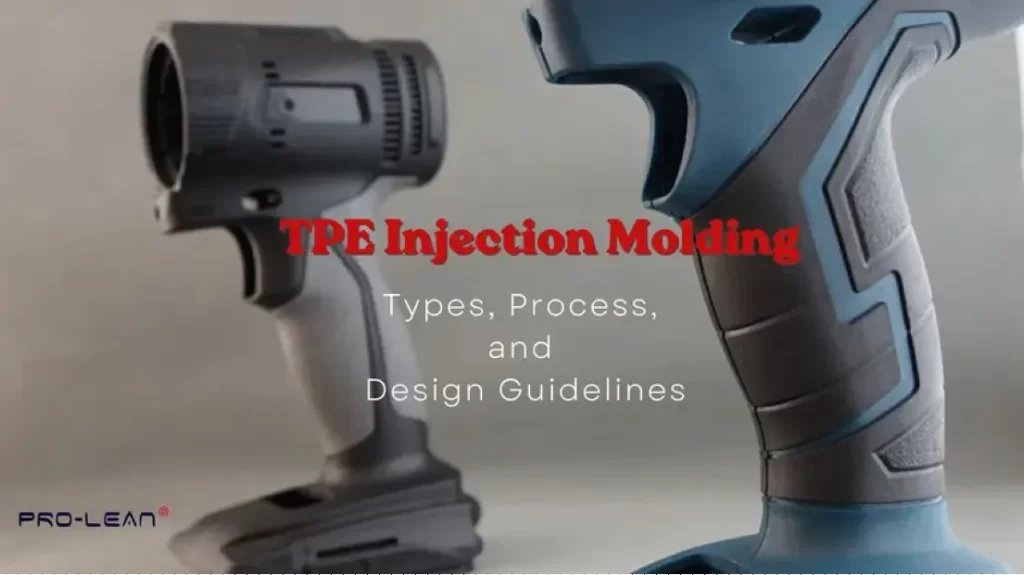
TPE injection molding
TPE injection molding is a reliable method for producing parts with flexibility and elasticity. It is performed on thermoplastic elastomers (TPEs). Manufacturers use this type of injection molding for durable, flexible, and complex-shaped parts.
You can consider the TPE injection molding process for soft-touch parts in medical, automotive, and consumer products. It is also useful in the manufacture of gaskets, shock absorbers, O-rings, and cable insulation. This cost-efficient, precise, and fast process starts with material preparation, which also involves drying to a low moisture content. Other steps that follow are melting, injection, cooling, ejection, and post-processing.
On material options, subtypes such as TPU (Thermoplastic Polyurethane), TPS/SBC (Styrenic Block Copolymers), and TPV (Thermoplastic Vulcanizate) are commonly used. Depending on the material used, characteristics to expect include chemical resistance, fatigue resistance, heat resistance, and low weight. This article shares more on the injection process for TPE, from the advantages and limitations, and applications, to a comparison with alternative materials.
What Is TPE Injection Molding?
TPE injection molding is the use of standard injection molding machines to convert thermoplastic elastomer (TPE) into a flexible, rubber-like item. The molten state of the elastomer is added to a mold cavity, left to solidify and cool, and then removed from the mold as a product. The resulting product exhibits thermoplastic and elastic properties.
What is TPE?
Thermoplastic elastomer (TPE) is a polymer material with the manufacturability of thermoplastics and the elasticity of rubber. It is commonly called thermoplastic elastomer rubber because of this behavior. It is different from regular rubber because it can be melted and reshaped when it reaches the TPE melting point. It can be injection molded, just like pure thermoplastics.
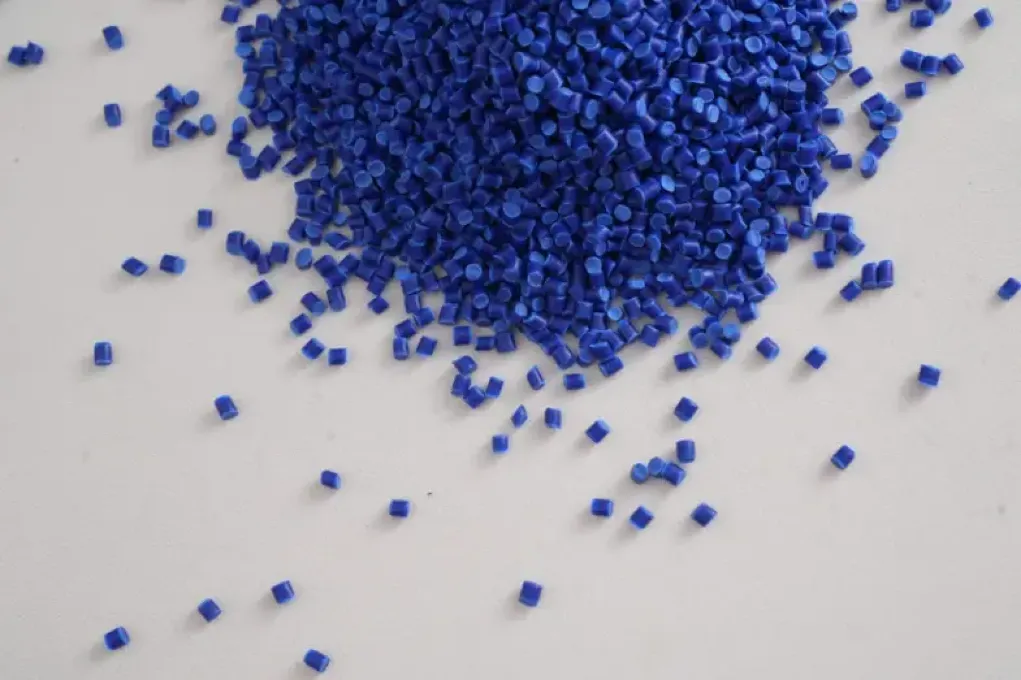
TPE plastic
TPE allows manufacturers to blend flexibility and fatigue resistance with manufacturing automation. They can avoid the longer curing times of conventional rubber and produce reliable elastomeric parts.
What Are the Advantages of TPE?
In our injection molding processes, we would recommend TPE for the following reasons:
- Flexible processing – softens when the TPE melting point is attained
- Safety – high-quality TPE materials don’t contain heavy metals or plasticizers
- Easy to recycle – melting and reprocessing
- High adaptability across different applications
What Are The Disadvantages of TPE?
However, we are aware of the fact that TPE material has the following limitations;
- Limited heat resistance in the most common TPEs
- TPE molded parts tend to be cost-prohibitive, especially for cheaper or disposable items
- Ordinary TPEs have limited chemical resistance
- Some TPEs deform very easily
Types of Thermoplastic Elastomers (TPE)
The most common types of TPE materials used in injection molding are TPS / SBC (Styrenic Block Copolymers), TPU (Thermoplastic Polyurethane), TPO (Thermoplastic Olefin), TPV (Thermoplastic Vulcanizate), TPEE / COPE (Thermoplastic Polyester Elastomer), and PEBA (Polyether Block Amide).
TPS / SBC (Styrenic Block Copolymers) – This is the most common type of TPE material in injection molding. It processes smoothly and blends seamlessly in overmolding applications. However, the material’s high temperature and solvent resistance are limited.
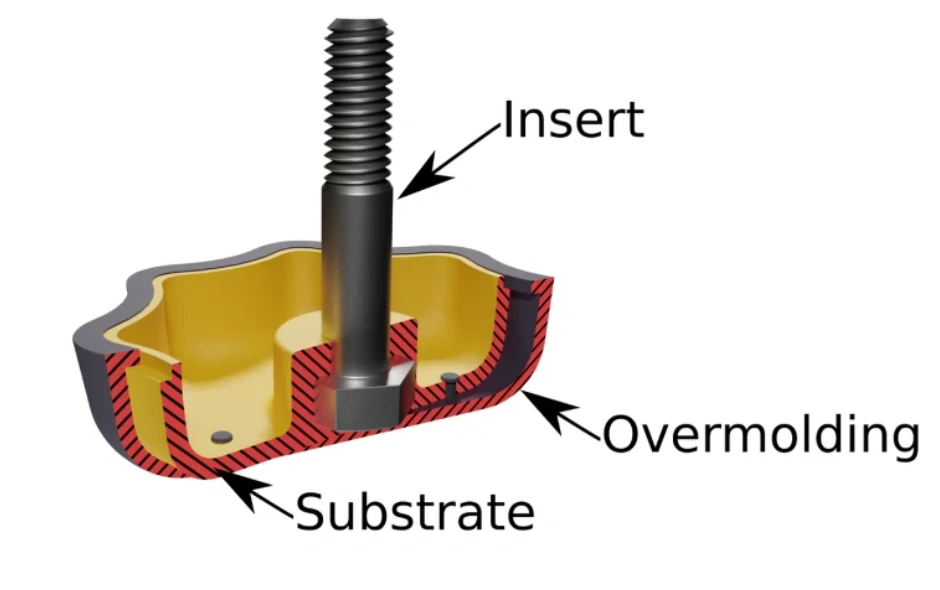
TPE overmolding
Alt text: Diagram showing TPE overmolding layers — substrate, overmolding, and threaded metal insert — with labeled annotations
TPU (Thermoplastic Polyurethane) – TPU is mechanically strong and abrasion-resistant. It is also flexible and transparent, thus suitable for protective components.
TPO (Thermoplastic Olefin) – TPO is cost-effective, lightweight, and moderately flexible. However, it has limited elasticity and heat resistance.
TPV (Thermoplastic Vulcanizate) – This TPE performs as excellently as vulcanized rubber.
TPEE / COPE (Thermoplastic Polyester Elastomer) – This material is strong and fatigue-resistant. Combining these properties with good dimensional stability means suitability for demanding applications, for instance, automotive.
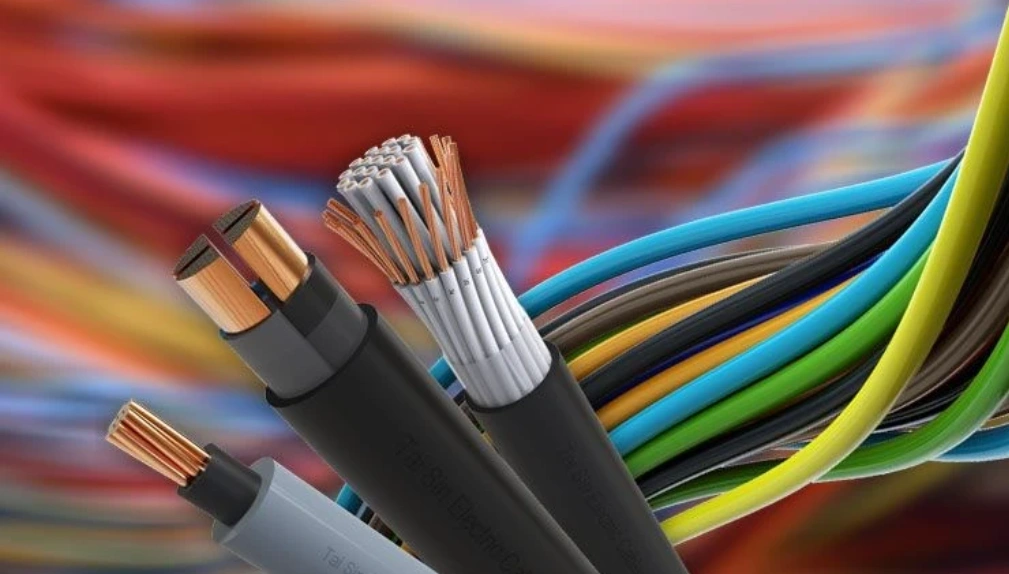
COPE
PEBA (Polyether Block Amide) – Closing this list is PEBA, a lightweight elastomer that performs excellently in low temperatures.
Overview Table for the Different Types of TPE for Injection Molding
Below is an overview table showing the comparison of properties for different types of TPE, including density, chemical resistance, temperature resistance, dimensional stability, elasticity, and wear resistance.
|
TPE Type |
Density (g/cm³) |
Chemical Resistance |
Temp. Resistance |
Elasticity |
Dimensional Stability |
Wear resistance |
|
TPS / SBC |
0.89–1.10 |
Average |
Low to average |
High |
Average |
Average |
|
TPU |
1.10–1.25 |
Good |
Average to high |
High |
Good |
Excellent |
|
TPO |
0.88–1.05 |
Good |
Average |
Average |
Good |
Average |
|
TPV |
0.95–1.10 |
Excellent |
High |
High |
Good |
Good |
|
TPEE / COPE |
1.10–1.30 |
Excellent |
High |
Average to high |
Excellent |
Excellent |
|
PEBA |
1.00–1.02 |
Good |
Low |
Very high |
Good |
Good |
Advantages of TPE Injection Molding
TPE injection molding is preferred for reasons such as faster cycle times, recyclability, dimensional accuracy, and excellent surface finish.
- Faster cycle times – no need to cure like traditional rubber
- Recyclability – Scrap TPE can be reprocessed and recycled
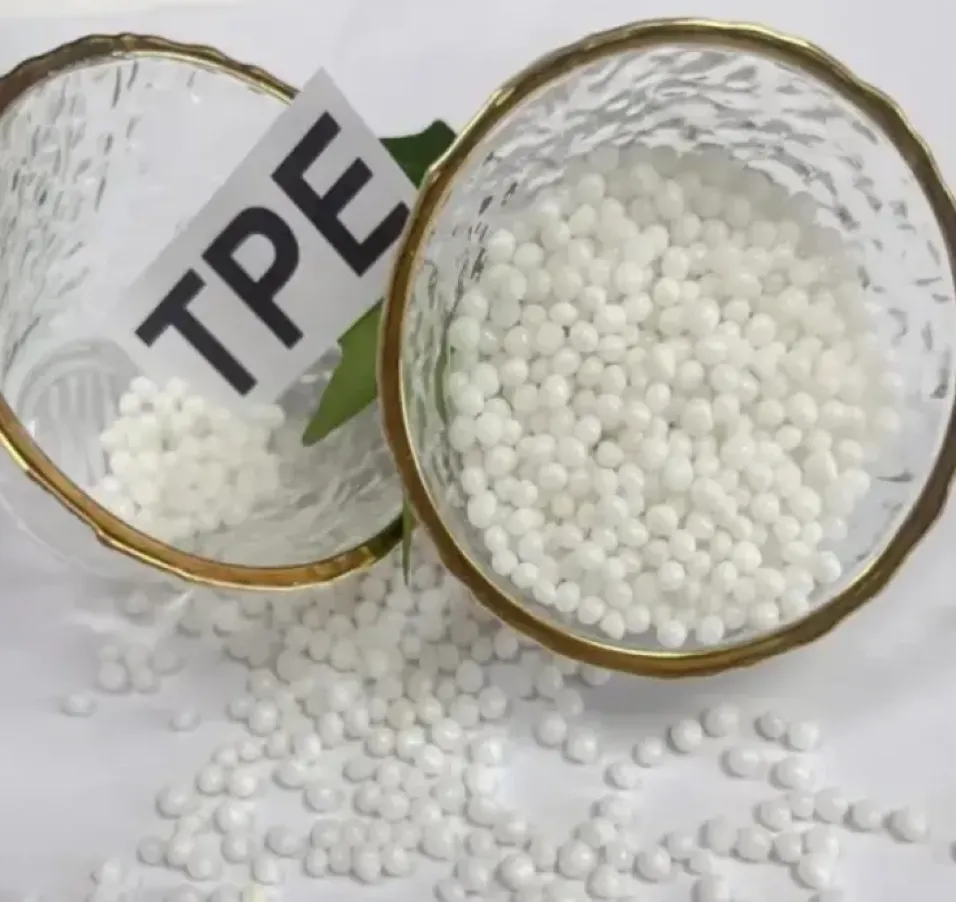
Recycled TPE pellets
- Dimensional accuracy – The melt flow is stable, and the shrinkage is predictable, so part tolerances can be predicted.
- Excellent surface finish – TPEs copy the texture of the mold
Limitations of TPE Injection Molding
The limitations of TPE in injection molding applications include the following;
- Some thermoplastic elastomer rubbers have relatively low temperature resistance
- Some of the materials have poor chemical resistance
- Optimal performance of TPE injection molding parts depends on a set of requirements – material, design, and process control
The TPE Injection Molding Process
The five main stages of the TPE injection molding process are material preparation, material melting, injection, cooling, and part ejection.
Step 1: Material Preparation
TPE pellets are dried at 80°C for several hours. This step is meant to reduce the moisture content to below 0.05%.
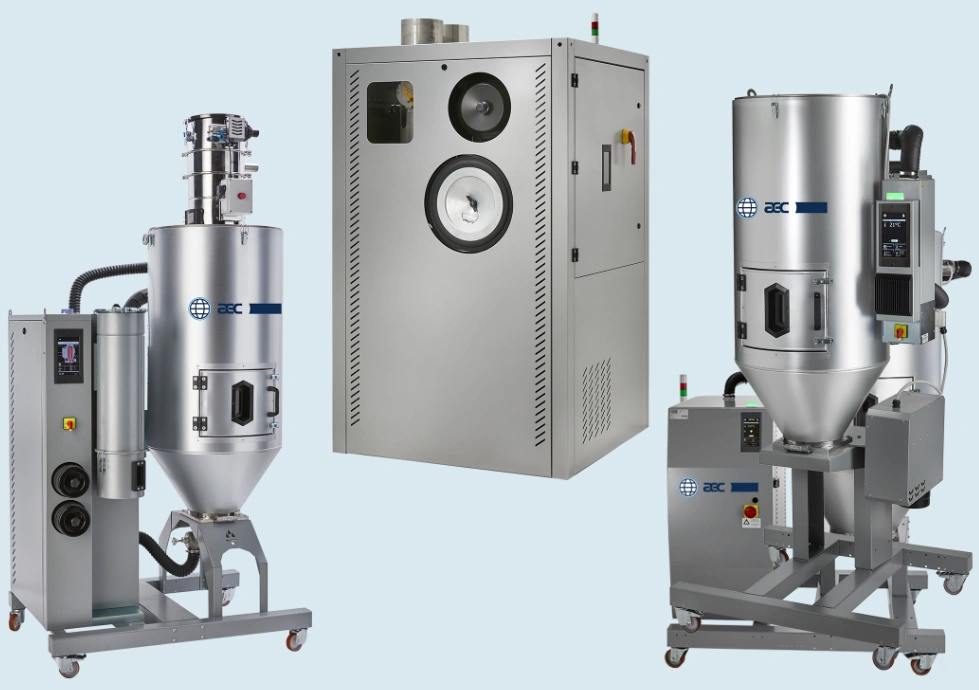
Plastic pellet drying equipment
Step 2: Material Melting
The TPE pellets are put into an injection machine (screw-type). The pellets are heated to a molten state (about 170°C-230°C).
Step 3: Injection
With the pressure set right and controlled, the molten material is subjected to injection. The material settles in the precision mold cavity. A multi-stage process is recommended, whereby the injection is slower at first, then faster when air has been vented out.
Step 3: Cooling
When the mold cavity is filled, the thermoplastic elastomer rubber is given ample time to cool and solidify. Maintaining the temperature between 30 and 70°C ensures even solidification and parts without warping.
Step 4: Part Ejection
After cooling and attainment of the right structural characteristics, the molded part is ready for ejection. Depending on requirements, the part could go right to assembly or first for post-processing.
Factors to Consider During the TPE Injection Molding Process
The three main factors to consider during the TPE injection molding process are the mold design, TPE material, and inspections.
- Precise Mold Design – Design practices such as the correct placement of gates, cooling channels, and vents are critical. They promote uniform mold flow and prevent mold defects.
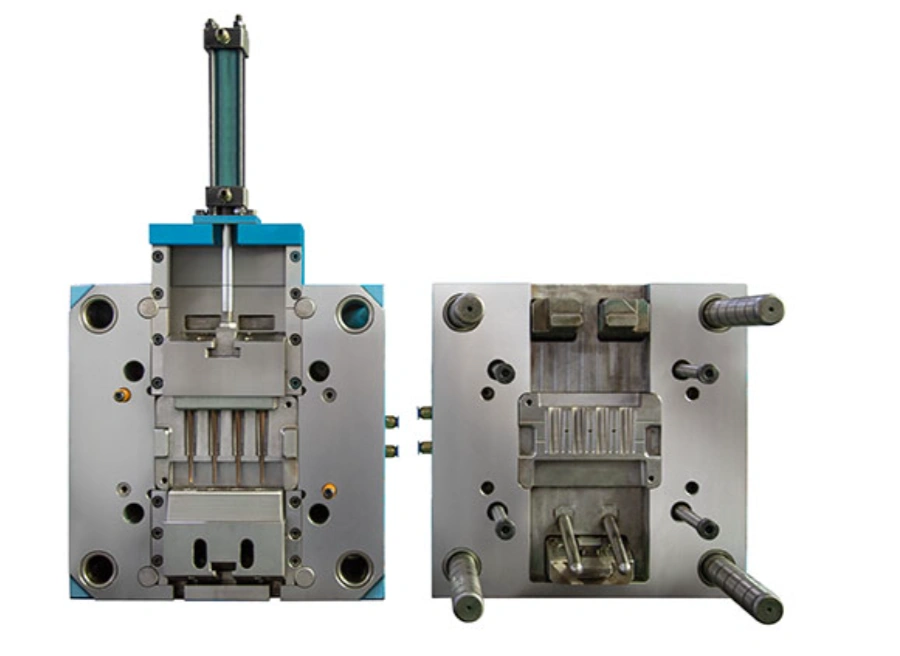
A TPE mold
- Quality TPE Material – Using the right TPE grade ensures compatibility during the molding process and durability of the molded part.
- Regular Inspections – Regular checks on the process ensure the part is produced with the correct, consistent quality devoid of defects.
Try Prolean Now!
Design Guidelines for Injection Molding for Thermoplastic Elastomers?
Effective injection molding for thermoplastic elastomers depends on several important design guidelines, including proper gate placement, correct draft angles, parting line placement, uniform wall thickness, and rounded fillets/radii.
Proper Gate Placement – Gates should be strategically positioned to ensure a balanced mold flow
Correct Draft Angles – Using the correct draft angles ensures smooth part ejection, preventing damage even for the softer elastomers.
Parting Line Placement – Properly designed parting lines simplify the manufacturing process and minimize flash
Uniform Wall Thickness – Consistent wall thickness ensures uniform cooling and shrinkage
Rounded Fillets/Radii – Rounding these features reduces stress concentration and improves melt flow
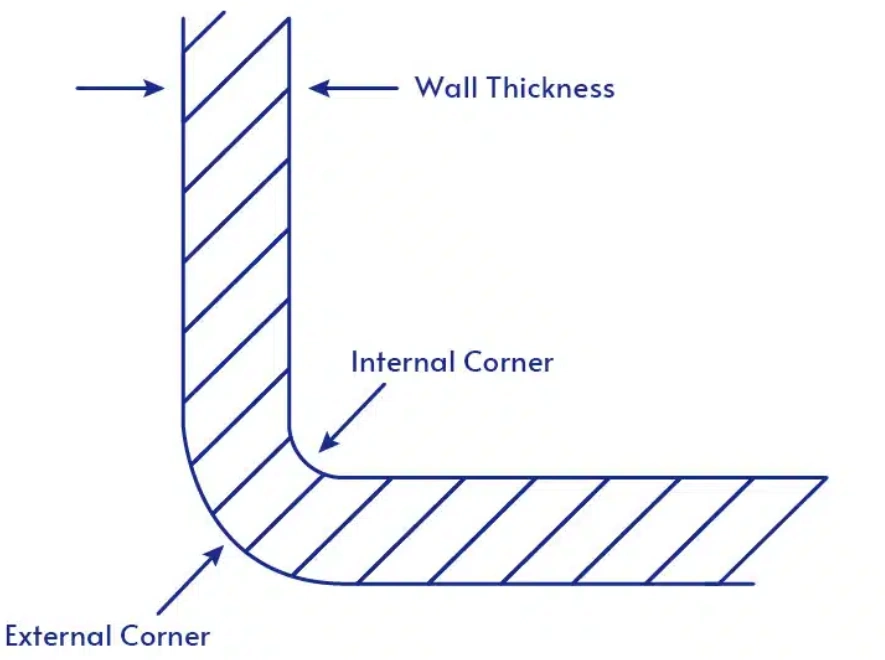
Rounded internal and external corners
Applications of TPE Injection Molding
TPE material parts are widely used in injection molding processing for automotive, medical, consumer items, electrical & electronics, and general industrial applications.
Automotive – TPE makes durable and flexible car parts such as seals, interior trim parts, and gaskets.

Car interior trim components
Medical – Medical parts requiring cleanliness and durability, such as seals and tubing
Consumer Items – TPE material makes excellent grips and handles for household goods and tools
Electrical & Electronics – Such parts include connector seals and cable insulation.
General Industrial Applications – Examples of TPE injection molding applications in this vast area are couplings, sleeves, and vibration dampers.
Try Prolean Now!
What Is The Difference Between TPU and TPE Injection Molding?
Thermoplastic Elastomer (TPE) and Thermoplastic Polyurethane (TPU) in injection molding differ in mechanical properties, processing characteristics, and common applications. TPU is generally more abrasion-resistant and durable than most TPE plastics. It also has higher tensile strength.
TPE overmolding applications offer greater flexibility and softness. This is mostly in soft-touch overmolding. TPE overmolding and other processes are typically easier to perform because of TPE’s lower melt viscosity. For TPU, the processes may require greater control over processing conditions.
Which Is Better, TPE or TPR?
For user comfort, we recommend TPE (thermoplastic elastomer), which has a softer texture. TPR (thermoplastic rubber) is a better material for injection molding if you want your items to perform more robustly.
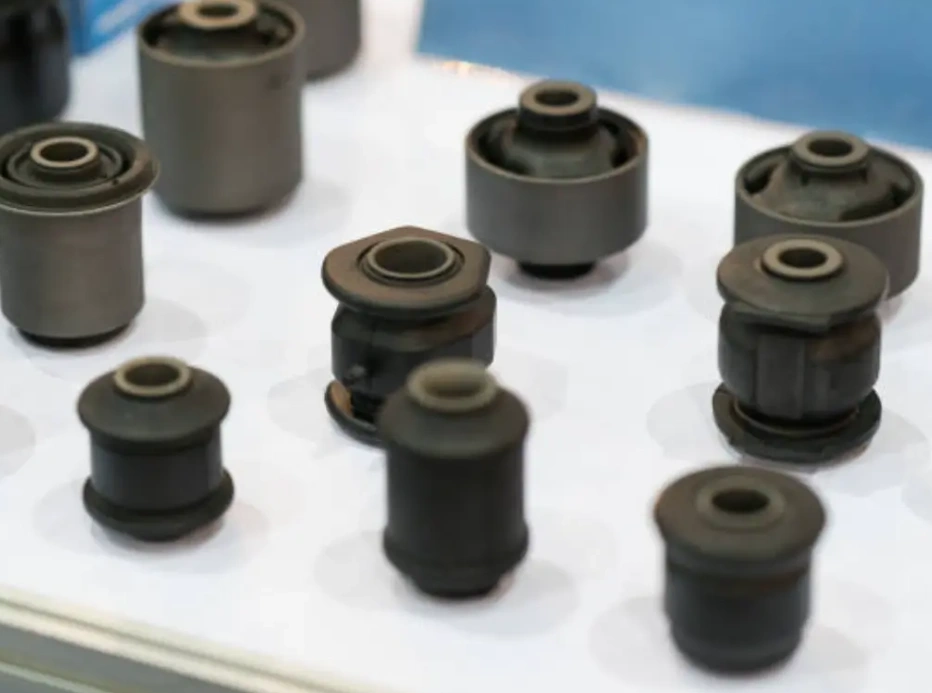
TPR components
Generally, the choice between TPE and TPR for injection molding depends on usage requirements, including durability, softness, and the environment.
Thermoplastic Elastomer vs Silicone Injection Molding
The thermoplastic elastomer vs silicone comparison usually involves differences in overmolding, remolding, compatibility, food safety, durability, and UV resistance. The differences are summarized in the table below.
|
Property |
Thermoplastic Elastomer |
Silicone |
|
Overmolding |
Bonds excellently to ABS, PP, and other plastics |
Typically, it bonds to other silicone |
|
Re-molding |
Easy to remelt and reprocess |
Cannot be reprocessed after curing |
|
Compatibility |
Wide compatibility with thermoplastics |
Limited compatibility |
|
Food Safety |
Food-grade TPE grades are available |
Common in medical and FDA food applications |
|
Durability |
Good. Affected by chemicals and extreme heat. |
Excellent. |
|
UV Resistance |
Moderate – needs additives |
Natural UV resistance |
Final Words
With benefits such as durability and flexibility, thermoplastic elastomer (TPE) injection molding parts find use across industries. High-quality yet cost-effective TPE parts are used in automotive, medical, electronics, and other areas. Your next project can take advantage of this manufacturing process, which is characterized by thorough material selection, melting, injection, and cooling.
Contact ProleanTech today for expert injection molding service.
0 Comments