
Prototype Laser Cutting
Prototype laser cutting is one of the most efficient and relevant techniques of modern manufacturing. It allows for the rapid and accurate production of components. Prototyping can be completed for a variety of materials. These are metals, such as aluminium and stainless steel, as well as plastics, such as Delrin and PETG. Edges can be cut sharply, complex features can be produced, and waste materials can be kept to a minimum, making it an ideal process for developing new products.
Prolean Tech Inc. offers laser cutting services for prototype manufacturing. Using state-of-the-art tools and professional expertise, we deliver products to the automotive, aerospace, and medical industries, among others.
This post will look at the benefits and costs of laser-cutting prototypes, as well as their main advantages and challenges.
What are Laser Cut Prototypes?
The prototyping laser cutting technique is used to manufacture a small number of highly precise parts made from a range of materials. Using a highly focused laser beam, either cutting or engraving of desired shapes can be done on sheets of metal, plastics, or composite materials.
Engineers and design specialists can develop functional or visual prototypes quickly for various purposes, including testing, validating, and refining the design at the same time, before moving to full production.
Materials Used for Laser Cut Prototypes
Prototype laser cutting applies to different materials. Following is the list of them:
- Carbon Fiber Composites
- Stainless Steel
- Aluminum
- Delrin
- Mylar
- PETG
- Polypropylene
- Styrene
Carbon Fiber Composite
With good precision, the hybrid laser unit can cut the carbon fiber. Lower-quality CO2 lasers can cut the polymer matrix, and fiber lasers can cut the carbon strands. This process gives good-quality edges and unblemished parts, enhancing the strength and reducing the weight of the parts.
Stainless Steel
Stainless steel is used when parts to be fabricated need to be strong. Fiber lasers are a good alternative because CO2 lasers are less effective with stainless steel because of the reflective surface. While CO2 metal marking paste is often used in this situation for stainless steel to lessen the reflective problem, to helps ensure good burning is achieved.
Aluminium
Aluminium is perceived as a good alternative for components that are required to be strong but also light in weight. Because of the highly reflective nature of stainless steel, CO2 laser cutting is very hard. Surface treatment itself lowers the light reflectivity to CO2 is used when fibre laser cutting is required.
Delrin
Delrin is very tough and retains its form with extended usage. Delrin is cut and engraved easily with CO2 laser machines. This gives very seamless edges where the surface texture is nice. This encourages the choice of small mechanical parts such as brackets, small gears, and certain mechanical components. Its reliability and constant performance are the factors that make this material a popular choice.
Mylar®
Mylar is thin and evaporates with relatively low heat. CO2 laser machines can cut intricate designs and patterns without warping the film. This can be useful in producing packaging samples and insulation pieces, as well as in creating lightweight prototype parts.
PETG
PETG is also lightweight and is used in packaging, as well as in parts for the medical industry and machine guards. Its low vaporization threshold allows laser machines to cut the material quickly and leaves behind clean cut edges. Most equipment can process PETG without any special configuration, making the prototyping process effortless.
Polypropylene
Polypropylene is durable and used in virtually every industry. It laser cut well because the material responds uniformly to the heat. There is wide applicability for prototype parts in consumer goods, machinery parts, and product housings.
Styrene
Styrene is easy to laser cut because it vaporizes at low temperatures. This produces smooth edges without cracks or burns. It is used for early versions of packaging parts, display pieces, and lightweight components.
Prototype Laser Cutting Process: Step-by-Step
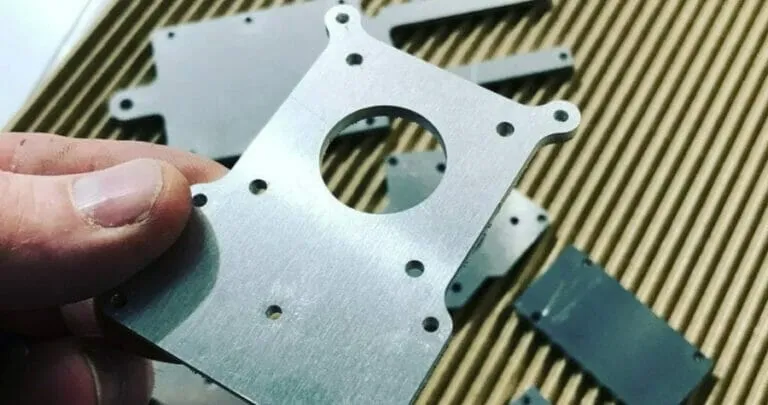
Laser-cut prototype
Design & CAD modeling
Initially, CAD software is employed to create a digital design of the item. This stage determines the exact measurements, contours, and fine points that the laser machine will follow.
Material selection
The selection of suitable materials is determined from the following criteria and properties: strength, flexibility, heat resistance, and the specific purposes of the design/ work. Typical materials utilized are: metals like aluminum and stainless steel, along with polymers like Delrin and PETG.
Machine calibration
The laser cutting machine is adjusted and configured to align with the material type, thickness, and complexity of the design. Correct calibration guarantees accurate cuts and avoids damaging the workpiece.
Testing
The prototype is put through testing to see that the design is functional and to determine which areas of the design might require adjustments.
Adjustment
The design or machine settings are modified according to the testing feedback. After that, the prototype is appropriately re-cut to ensure the final component fulfills all the specifications before proceeding to the manufacturing stage.
Advantages of Laser cutting prototypes
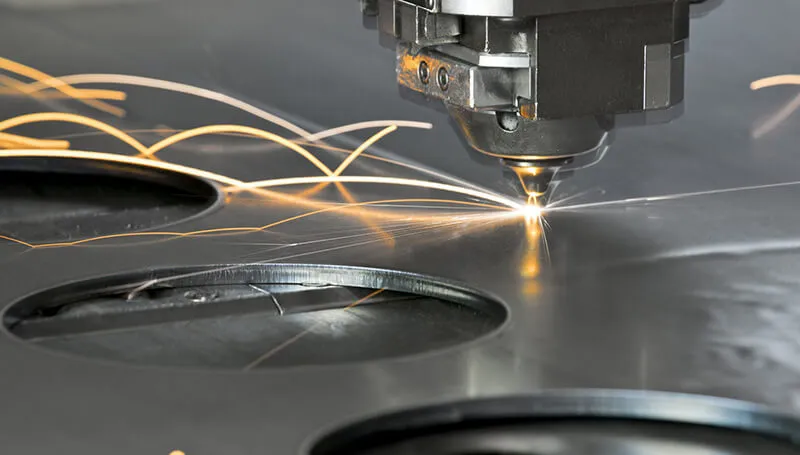
Laser cutting in sheet metal prototyping
Sheet metal prototype fabrication using laser machines has several advantages. Some of them are mentioned below:
Lead Times Minimized
Cutting using lasers reduces lead times since the process does not require unique tools. After the design is done, the operator gets the machine ready and starts the laser cutting process. There is a small preparation step, and the teams can get to fixture design and prototype in a shorter duration.
Heat Resistance Check
Laser-cut prototyping helps to check how materials react to heat when processed. The edge of the prototype shows how a material reacts to heat and vaporization. This provides useful feedback when selecting the correct material for production.
Flexibility to Make Changes
Laser cutting supports quick design updates. Engineers can adjust the design and run the machine without changing tooling. This flexibility allows for multiple testing rounds to refine the parts.
Cost Effective
Laser cutting reduces the cost of prototyping a product. This method allows quick changes in design without a large investment. Laser-cut prototypes can be produced in small quantities and are cost-effective. They also help to save money during the early stages of development.
Initial Testing
Laser-cut parts enable fast testing for fit, strength, and visual quality. Before moving on to the detailed production stages, teams review the part for shape, alignment, and edge quality. It helps to avoid costly mistakes later.
Scalibility
The same cutting program can be used to produce parts made in prototyping. The only adjustments made are for the material or temperature control. This smooth shift helps to maintain quality even at higher volumes.
Limitations of Laser Prototyping
There are also some limitations and disadvantages that we need to know before working with laser-cutting prototypes. They are described below:
It Can’t be used on Thick Materials
The best materials for laser cutting are thin to medium-thickness workpieces. The beam’s strength decreases as the material gets thicker, reducing cutting accuracy. The cost of manufacturing parts above a certain depth is higher, and the process takes longer. Laser prototyping is not possible for parts with a large or deep section.
Fumes and Gas Emissions
When exposed to laser light, some materials emit harmful fumes. Plastics such as Delrin and fiberglass emit gases that require ventilation. To keep workplaces safe, operators must use extraction equipment. Air quality regulations also apply. Emissions must be controlled before release into the environment.
Energy Consumption
Laser cutting uses more energy than many other machining methods. A laser machine operates at high power to maintain beam intensity, especially when cutting metals. Other equipment, like CNC mills, uses less power for similar tasks. Higher energy use increases operating costs during prototyping.
Upfront Costs
Industrial laser machines require a high initial investment. CO2 and fiber laser machines cost more than standard CNC equipment. This makes the setup stage more expensive for shops that handle prototype and production work. Smaller low-cost machines exist, but they do not support industrial-grade accuracy or material range.
Try Prolean Now!
Alternative Methods of Sheet Metal Prototype Fabrication
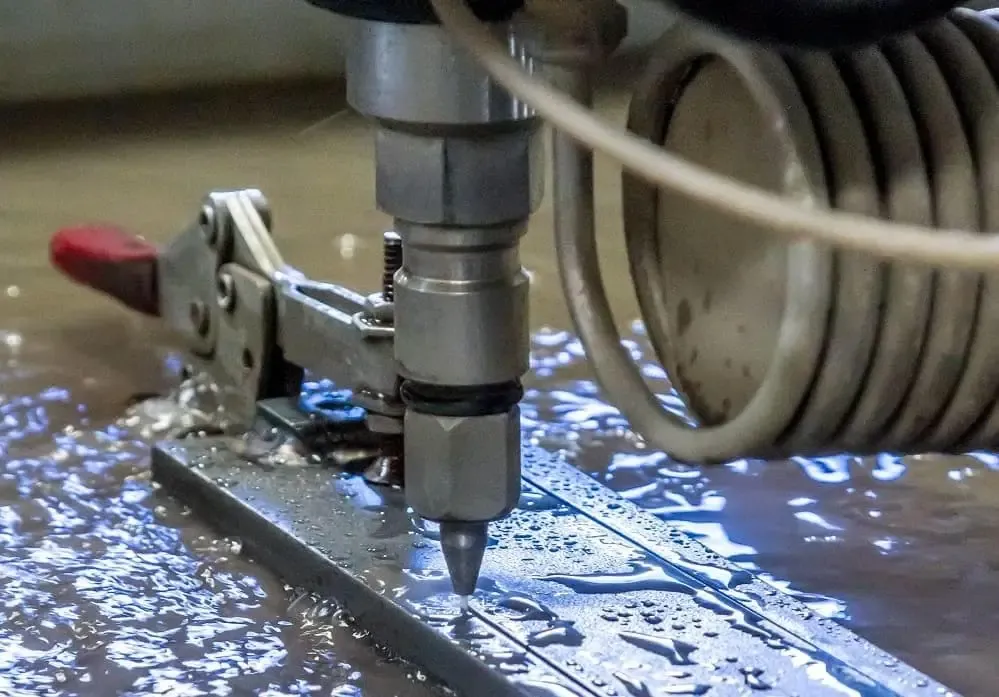
Waterjet Cutting
Sometimes, prototype laser cutting is not compatible in some cases. There are several other methods that we can use in such situations.
Waterjet Cutting
Waterjet cutting is widely used in sheet metal prototyping because it cuts without heat. It uses high-pressure water and abrasive material to cut through different workpieces. The method offers tolerances close to laser cutting. It only cuts through the material and does not support marking. Waterjet cutting is useful when rapid prototyping methods require clean edges with no thermal effect.
Plasma Cutting
Plasma cutting works well for metal-based sheet metal prototyping. A high-temperature plasma stream melts the material and creates the cut. The method handles thicker metal plates and costs less than laser cutting. It produces rougher edges and lower accuracy, so extra finishing is often needed. Plasma cutting fits rapid prototyping methods that accept wider tolerances.
3D Printing
3D printing builds parts layer by layer using resin, powder, or filament. It helps create shapes that are difficult to cut using traditional sheet metal prototyping techniques. The process supports plastic and metal parts, depending on the printer. It needs preparation and post-processing, so it is slower than cutting methods. Even with these steps, 3D printing remains useful for rapid prototyping methods that need complex geometry.
Applications of Laser Cut Prototypes
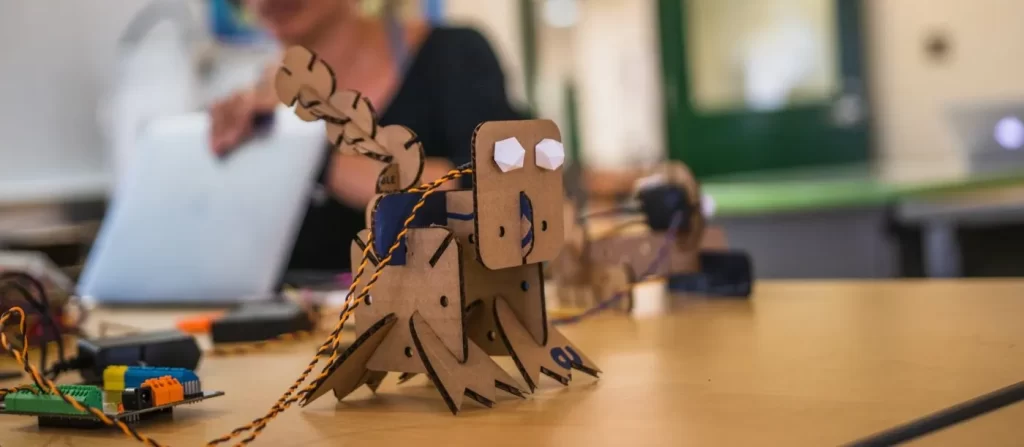
Laser-cut cardboard prototype
Prototype laser cutting is used in several industries, including automotive and aerospace prototyping parts, etc.
Automotive
Laser cutting is widely used in the automotive industry to create precise prototypes quickly. Rapid laser cutting technology has proven effective. From hoods, seat frames, and fenders, to brackets and stamping, the process enables the automotive designer to create and test designs to perfect shape, fit, and assembly before starting production.
Aerospace
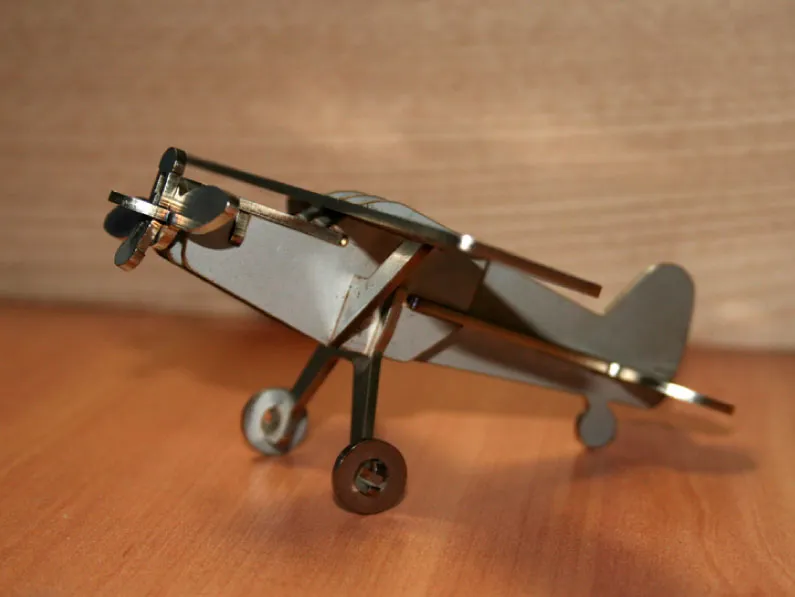
Aluminium prototype for laser cutting
In the aerospace industry, laser cutting technology is used to create prototypes of complicated designs and intricate parts. From aluminum and titanium housings for avionics to wing assemblies and other crucial components, engineers create laser-cut designs to test and validate their aerospace designs.
Heavy Equipment
In the mining, construction, and agricultural industries, laser cutting technology is used to design and create prototypes for heavy equipment. With technology, parts crafted from construction equipment design sheets, such as chassis, spreaders, and boom tube sections for cranes, can be made to accurate specifications at a rapid rate.
Military
Military design requires specific, high-quality, and high-precision technology. Laser cutting design technology can be used for the creation of prototypes for ground machinery and aviation. Laser cutting, high precision, and repeatable technology can ensure design standards are met for military production.
Medical Devices
Medical devices are held to extremely high standards of safety and quality. To ensure precision and quality in creating these prototypes, engineers make use of laser cutting for devices such as pacemakers, catheters, stents, and prosthetic components. This enables engineers to construct devices that are risk-free for patients and ensure safety.
Power Generation
Laser cutting technology continues to find new applications. In the power generation industry as well. Laser cutting technology is used to create prototypes of turbine blades and components used in solar panels. Due to its speed, precision, and repeatability, laser cutting is well-suited for creating prototypes that can later be permanently manufactured.
Try Prolean Now!
Cost Calculation
To make a laser prototype, the laser cutting company needs to use a certain type of material along with a specified thickness. Other factors that affect the price are the complexity of the design, machine time, and the number of parts. When a design is too complex, it takes the cutter more time to work, which results in higher labor costs. Additional costs may be included for edge finishing and cleaning.
Companies often use laser cutting cost calculation as a form of documentation to ensure that the costs of material, labor, and machine time are all accurate. This allows them to make reliable estimations on the cost of prototypes, which can help ensure that they remain within budget.
Conclusion
Prototype laser cutting is an efficient and precise method of producing parts in industries such as automotive, aerospace, and medical. Fast turnarounds, complex designs, and accurate testing are possible. Scalability is also smooth. It is still one of the best methods for prototyping sheet metal, despite some limitations such as the thickness of the material and energy consumption.
Prolean Tech offers laser cutting services for prototypes. They guarantee high-quality outcomes, rapid lead times, and accurate cost management. They can handle any project, whether it’s simple or complex. Get a quote from Prolean Tech for your laser prototype cutting needs.
0 Comments