

Nickel alloys guide
Nickel alloys (nickel-based alloys) are metal alloys where nickel is the primary element, engineered for corrosion resistance, high-temperature strength, and oxidation resistance. Common families include Inconel (Ni-Cr), Monel (Ni-Cu), Hastelloy (Ni-Mo-Cr), and Kovar (Ni-Fe).
Prolean Tech is aware of the importance these materials play in precision engineering. We offer custom metal machining services that will ensure your components meet industry standards. This comprehensive guide will tell you all about nickel-based alloys and their applications.
Nickel Alloys – Definition
Nickel alloys consist of metallic materials in which nickel is the main element. These alloys can contain different amounts of chromium as well as elements like iron, copper, or molybdenum. The composition of the alloy is what determines its performance and properties.
High nickel alloys typically contain between 30 and 75% of nickel by weight. This high concentration ensures superior corrosion resistance and that the alloy remains strong at elevated temperatures. The remaining elements improve specific properties such as oxidation and creep strength.
Key Properties
Nickel-based alloys have the following properties:
Exceptional Corrosion Resistance
Nickel alloys demonstrate superior resistance to various corrosive environments. They are resistant to oxidation and sulfidation. They are therefore highly corrosion-resistant and ideal for harsh industrial environments.
This layer of passive oxide that forms on the surface of nickel alloys provides long-term corrosion protection. If damaged, this layer will regenerate automatically. These properties are essential for industries that handle corrosive chemical substances.
High-Temperature Strength
Alloys high in nickel maintain their mechanical properties at high temperatures. They are resistant to thermal fatigue and creep deformation. The temperature stability of these materials is critical for aerospace and power-generation applications.
Many nickel superalloys retain strength better than common steels at elevated temperatures. The microstructure of the alloys remains stable even when exposed to high temperatures for a prolonged period. They are essential for critical components because of their reliability.
Thermal Expansion Control
Nickel alloys, such as Kovar alloy, have thermal expansion coefficients that are controlled. These materials expand and contract at predictable rates. This property is crucial for applications requiring dimensional stability across a wide range of temperatures.
Engineers specify these alloys for electronic components, glass-to-metal seals, and other applications. The alloys’ matching expansion prevents stress and cracking during thermal cycling. This ensures long-term durability for demanding applications.
Fabrication Versatility
Nickel alloys are strong yet still able to be forged, welded, and machined. One of the advanced techniques used for the fabrication of precision components is Inconel Machining. Prolean Tech specializes in hard materials.
There are a wide variety of ways alloys can be heat-treated. With proper controls, manufacturers can fine-tune the characteristics of the alloys to better suit the end-use application. With their versatility, alloys can be used in a wider range of industries.
Try Prolean Now!
Types of Nickel-Based Alloys
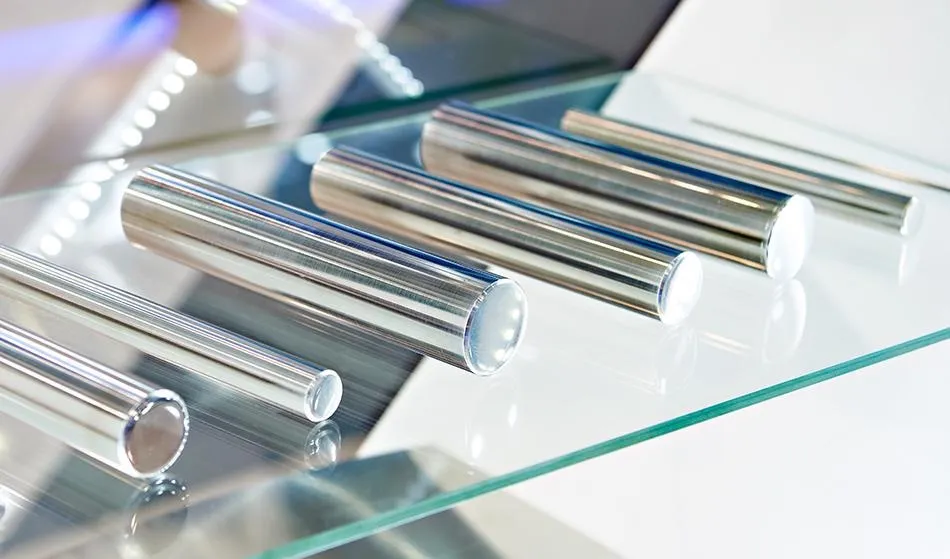
Nickel-chromium alloy rods
Nickel-Chromium Alloys
Nickel-chromium alloys are resistant to oxidation and corrosion. These materials are highly resistant to high temperatures. These alloys can be used in applications that demand high performance.
Nickel-Copper Alloys
Copper and nickel alloys offer excellent resistance to corrosion in seawater. Monel is the most well-known of the nickel and copper family. These materials are ideal for chemical processing as well as marine applications.
Nickel-Iron Alloys
Kovar Alloy is composed of nickel and ferrous metals that are designed to exhibit specific thermal expansion properties. These alloys were designed to match the expansion properties of glass and ceramics. These alloys are used for electronic packaging and hermetic seals.
Nickel-Molybdenum Alloys
Molybdenum is a key component of Hastelloy, which provides improved chemical resistance. These materials are resistant to harsh chloride and acidic environments. These materials are used for equipment that is designed to control pollution and process chemicals.
|
Family |
Examples |
Best at |
Typical industries |
Notes |
|
Nickel Chromium Alloys |
Inconel 625, Inconel 718, Nimonic |
High temperature strength, oxidation resistance, and creep resistance |
Aerospace, gas turbines, power generation |
Good weldability with the right filler. Machining difficult. High cost tier |
|
Nickel Copper Alloys |
Monel 400, Monel K-500 |
Seawater corrosion resistance, salt environments |
Marine, offshore oil and gas, chemical processing |
Weldable. Machining harder than steel. Medium to high cost tier |
|
Nickel Molybdenum Alloys |
Hastelloy C-276 |
Acid resistance, chloride resistance, chemical corrosion |
Chemical processing, pollution control, pharma |
Welding needs expertise. Poor machinability. High cost tier |
|
Nickel Iron Alloys |
Kovar |
Thermal expansion match with glass and ceramics |
Electronics, aerospace electronics, hermetic seals |
Easy to machine. Heat treatment sensitive. Medium cost tier |
|
Nickel Chromium Cobalt Alloys |
Nimonic |
Extreme high temperature strength, fatigue resistance |
Jet engines, aerospace hot sections |
Precision welding needed. Hard to machine. High cost tier |
Common Nickel Alloy Grades
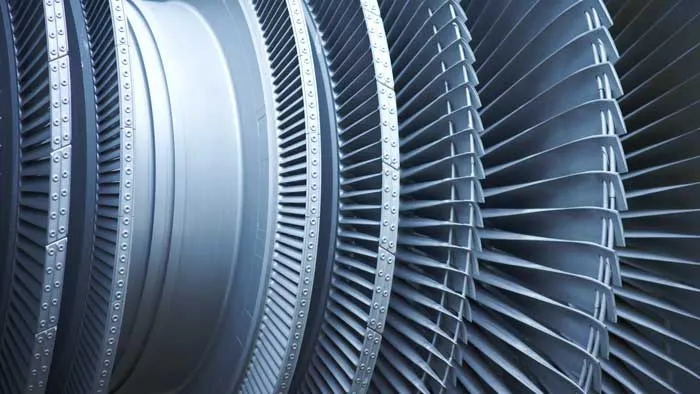
Inconel alloy application
Inconel Family
Nickel-chromium alloys such as Inconel are among the most widely used. The high-temperature alloys Inconel 718, 625, and 600 are used in a variety of applications. These grades have different strengths, corrosion resistance, and weldability.
Monel Alloys
Monel 400 & K-500 offer excellent resistance to corrosion in seawater. These nickel-copper metals are used in chemical and marine processing. The combination of strength, corrosion resistance, and low cost makes these alloys a valuable choice.
Hastelloy Series
Hastelloy C-276 & X are resistant to aggressive chemical environments. These nickel-molybdenum-chromium alloys handle acids and chlorides effectively. These materials are used in chemical processing plants.
Nimonic Alloys
These alloys are designed to be strong at high temperatures. Nickel-chromium alloys contain titanium and aluminum for age hardening. These materials are essential for the hottest sections of gas turbines.
Try Prolean Now!
Applications of Nickel Alloys
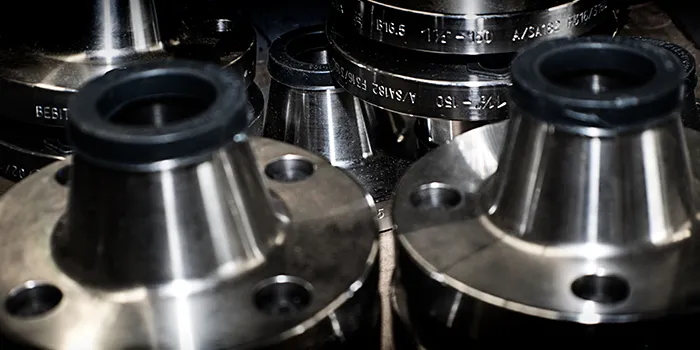
Nickel-based alloy aerospace parts
Aerospace Industry
Nickel-based alloys can be found in many aerospace components. These materials can withstand extreme temperatures and stresses. Nickel alloys can be found in turbine blades and combustion systems.
Gas turbines that use nickel alloys can increase their operating temperature, which will improve efficiency. These materials allow engines to run hotter without compromising their reliability. The result is improved fuel efficiency and lower emissions.
Nickel-based alloys are primarily used in hot-section engine components (turbines, combustion chambers). Even under conditions of cyclic loading, they retain their strength. Nickel alloys are being developed by the aerospace industry for next-generation aircraft.
Power Generation
Nickel alloys are commonly used in gas turbines. These materials are able to produce energy efficiently even at high temperatures. Nickel alloys can be found in turbine blades, vanes, and other components.
In nuclear power plants, nickel alloys are used for the internals of reactors and steam generator tubes. Materials that resist corrosion can withstand high-temperature steam or water. It is essential for the long-term and safe operation of critical systems.
Chemical Processing
In chemical plants, nickel alloys are used for heat exchangers as well as piping systems. These materials are safe to use with acids, bases, and organic compounds. Nickel alloy valves regulate the flow of aggressive chemical processes.
In the pharmaceutical industry, nickel alloys are used to make equipment. These materials are easy-to-clean and don’t contaminate products. Corrosion-resistant metal ensures the purity and longevity of equipment.
Oil and Gas Industry
Nickel alloys have been widely used for offshore platforms and subsea equipment. These materials can withstand environments that contain sour gas and are resistant to corrosion caused by saltwater. These alloys are found in components for wellheads, valves, and piping.
Equipment used in the downhole industry is exposed to extreme pressures, temperatures, and corrosion. These applications require alloys based on nickel. As the industry drills deeper and deeper into hotter formations, nickel alloys are being used more and more.
Working with Nickel Alloys
Nickel alloy parts
It’s not very easy to work with nickel alloys. We need to consider various aspects like machining challenges and welding considerations before starting work.
Machining Challenges
Nickel alloys prove to be very difficult in machining processes. The alloys harden quickly and generate much heat during cutting. To be able to effectively remove the material, you require special tools and methods.
Inconel machining involves skills regarding cutting parameters, choice, and the cooling method of tools. Otherwise, the hardness of the material may lead to quick wear of the tools. Prolean Tech is skilled in machining these challenging materials accurately and cheaply.
It prevents work hardening by proper chip formation and evacuation. It is paramount to keep cutting edges in shape and proper feeds and speeds. These aspects have a profound effect on the performance of production and the performance of components.
Welding Considerations
The nickel alloys demand close attention to the heat input and interpass temperature. These materials may crack if they are welded in the wrong way. The filler metal should be similar to the main material.
Some alloys can be pre-welded and post-welded. The space should be clean because contamination of the area may lead to problems with the welding. Only experienced welders who adhere to the appropriate procedures will make the joints strong and reliable.
Heat Treatment
Optimization of nickel alloy properties can be done through heat treatment. Solution annealing dissolves precipitates, and stressis reduceds. Strength is enhanced through controlled precipitation in age-hardening.
Temperature and time parameters during heat treatment must be maintained with great accuracy. Poor processing may have a substantial impact on worsening the properties of the materials. Knowledge of metallurgy will help you get the desired results.
Selection of the Appropriate Nickel Alloy
Somehow, the right alloy to use in your project can be determined:
- Test the specifications of your application.
- Know the material standards.
- Make sure that the supplier is reliable.
Application Requirements
The conditions of service are important in the choice of the appropriate nickel alloys. The choice of material depends on temperature, corrosion, mechanical load, and exposure time. Engineers have to take all factors into account.
Cost factors balance material performance and budget constraints. In some cases, it is even cheaper to buy a less expensive alloy, which has a reduced life. The material selection could be optimized using the life-cycle analysis.
Material Standards
The choice of material is informed by the industry standards, including ASTM, ASME, and AMS standards. These standards define the composition, the properties, and the testing requirements. Compliance gives reliability to materials in such need, as far as the application is concerned.
Traceability is documented to confirm the material pedigree together with its properties. It is particularly significant for use in aerospace and nuclear technology. Materials certification shields them against fake and inferior materials.
Supplier Expertise
Prolean Tech, being a very experienced supplier in the industry, can grant you access to quality and expertise. The suppliers who have extensive experience can facilitate you in selecting the material and the issues of manufacturing. You may have custom metal machining.
The success of the project directly depends on the capability of the supplier to handle difficult materials. Expenses incurred due to making the wrong decisions and wastage of time can be avoided by experience in the fabrication of nickel alloy. The appropriate supplier is capable of providing value to a project at all the lifecycle levels.
Try Prolean Now!
Quality Assurance for Nickel Alloy Components
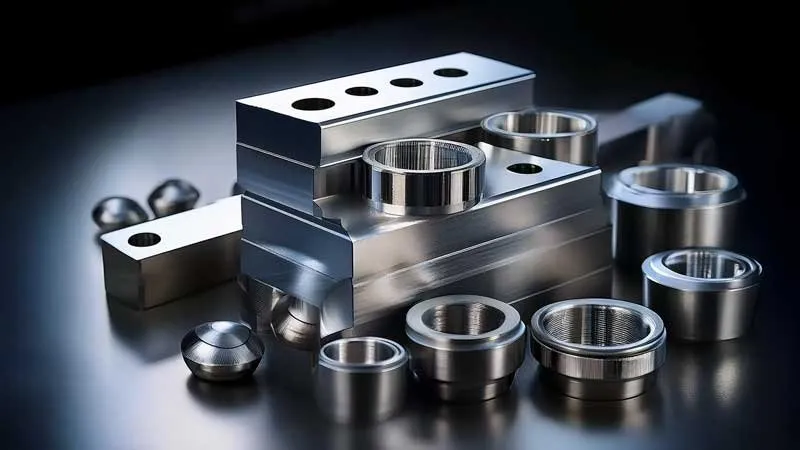
QA for Nickel alloy components
The following are some checks to ensure the quality of nickel alloy components.
Material Verification
Material verification confirms whether components have been produced according to the relevant specifications. Positive Material Identification (PMI) testing confirms the alloy composition. To mitigate the risks of destructive testing, mix-ups that can cause catastrophic failures are addressed by nondestructive testing.
Mechanical testing is used to prove strength, ductility, and toughness. The hardness test is a quick verification of the effectiveness of the heat treatments. Comprehensive testing is required to ensure materials perform as expected.
Dimensional Inspection
Precision measurement of components confirms that they are within the required dimensions. Coordinate measuring machines (CMMs) confirm the accuracy of complex geometries. Inspection of surface finish confirms that components meet functional requirements.
Nondestructive testing (NDT) examines the integrity of parts without causing damage to the components. Flaws are revealed through ultrasonic testing and the dye penetrant examination. These techniques examine the inner structures of critical components to ensure integrity.
Certificates and Traceability
Material Test Reports (MTR) provide the composition and properties of materials, along with results and descriptions of tests performed on the materials. These reports provide raw materials traceability to the final components. For applications in the aerospace and nuclear industries, maintaining documentation is crucial.
The documentation of the chain of custody captures tracking materials throughout the production process. This practice prevents contamination and ensures that correct processing is performed. Quality systems are developed to defend against the occurrence of nonconformance and defects.
The Potential of Nickel Alloys for Development
Nickel alloys of the future are easy to predict. Changes in manufacturing methods are leading the way. Additive manufacturing is changing the way engineers create components from nickel alloys.
3D printing provides the ability to create complicated designs that other manufacturing methods would not be able to achieve. In addition to this, 3D printing can reduce the time to develop a design and lessen material waste. Also, powder metallurgy produces components with consistent material characteristics that are near-net to the desired final shape.
Alloy development is a continuing focus of nickel alloy research. Nickel alloys are being designed that can perform at even higher temperatures. This progress will continue to improve the efficiency of turbines and engines. Additionally, greater corrosion resistance will extend the life of equipment when used in aggressive environments. Alloy design is sped up with the use of computer-aided materials science.
There are many major influences in the nickel alloy industry. One of the largest is the need to be more sustainable. Nickel alloys and their production methods can be used in recycling processes to limit the environmental impact, reduce production costs, and preserve the mechanical and chemical characteristics of the materials being recycled. Also, the use of more energy-efficient methods of production will lower the overall carbon footprint of the manufacturing. All of these influences will shape the future of nickel-based alloys into a more sustainable future, while still providing for their long-term growth and many applications.
Conclusion
Nickel alloys are some of the best materials engineers can create. They are exceptional for their combination of being corrosion resistant, strong at high temperatures, and being versatile. They are used in many different applications, from parts for jet engines to equipment used for chemical processing.
Engineers and manufacturers need to have knowledge and understanding of nickel-based alloys, and what attributes or characteristics and what applications these alloys serve. The success of a component, or part, is defined by the appropriate material selection and processing.
Prolean Tech’s custom metal machining and specialized processes will make sure that your nickel alloy components will exceed your expectations. Partnering with seasoned professionals will assist you in fully optimizing these materials in your most challenging applications. Contact us now to get a quote!


0 Comments