

Examples for ductility
Understanding material properties is essential to successful engineering and manufacturing design. The ability of a metal to deform without breaking under tensile stresses is crucial in determining the behavior of metals during fabrication, machining, and real-world applications. When we are searching for examples for ductility, knowing which materials are more ductile can make the difference between a product that is reliable and one that fails catastrophically.
Prolean Tech works with engineers and manufacturers to choose the best materials for custom CNC machining. This ensures optimal performance, cost-effectiveness, and machinability. We can provide expert advice on material selection and production strategies.
In this guide, we will discuss what ductility is, what ductile metals are, and see examples of ductility.
What is Ductility?
The ability to take a long distance before a substance breaks down can be considered as ductility which is usually measured when the substance is strained. Complex-shaped or wire metals can be manipulated without breaking with this property. Engineers measure the ductility using the percent elongation using the formula:
Percent elongation =(elongation after fracture)/original gauge length)x 100 percent.
The Importance of Ductility in Manufacturing
Material ductility is a factor that affects manufacturing, safety and performance over the long term. High-ductility can absorb energy by deformation, making them ideal for areas requiring structural integrity or impact resistance. Brittle materials are prone to failures that can be unforeseen and pose a danger when in use.
Example of Ductility
Ductile metals are characterized by the ability to deform under tension without breaking. These metals have common structural characteristics, such as metallic bonding and face-centered cubic crystal structures (FCC), such as Au, Cu, Al, and Ni. They also share the presence of slip systems, which facilitate atomic plane movements during deformation.
Understanding these characteristics allows engineers to predict material behavior, select appropriate metals, and choose the right manufacturing processes and operating environments.
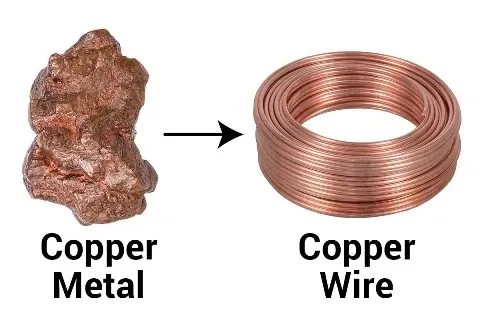
Ductility of Copper
The Most Common Ductile Metals
Metals such as the following are commonly used in industrial applications.
Gold: Gold is the most ductile metal. One ounce of gold can be drawn into a 50-mile-long wire. Gold’s excellent ductility and resistance to corrosion make it a valuable metal for electronics, aerospace, and medical devices.
Silver: Silver is the only pure metal that can match gold in terms of ductility. The combination of superior thermal and electrical conductivity with ductile properties makes it a popular choice for electrical contacts, conductors, and other specialized applications that require both properties.
Platinum: Platinum is a metal with high ductility, excellent corrosion resistance, and catalytic qualities. Platinum is used in high-temperature equipment, catalytic converters, and laboratory equipment because of its ductility.
Copper: Copper in copper nickel alloy enhances corrosion resistance in marine applications, while maintaining adequate ductility.
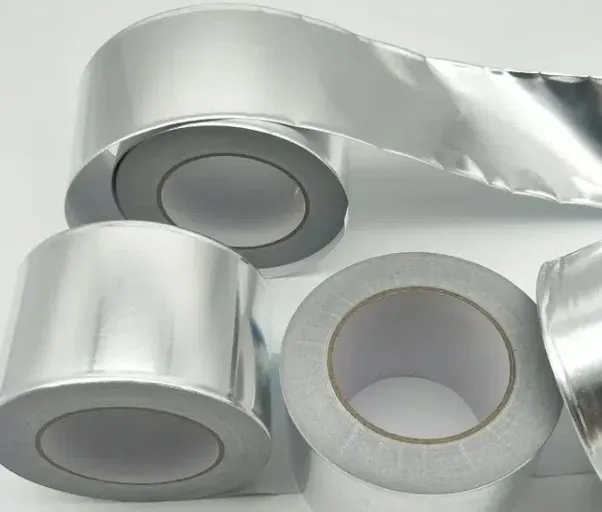
Aluminium: Aluminum has good ductility with a density about one-third that of steel. This allows for lightweight structural designs to be used in consumer, automotive, and aerospace products. Alloys of aluminum can be customized to optimize strength-ductility for specific applications.
Iron and Steel: Pure steel is a ductile metal, while alloys of carbon steel can be designed to have desired levels of ductility by adjusting the carbon content, alloying components, and heat-treatment processes.
In the real world, we are exposed to a wide range of applications that can be categorized as ductile.
Wire and Cable Manufacturing
Copper is the preferred material for wiring in residential, industrial, and commercial buildings because of its exceptional ductility. Copper rods can be drawn into ever smaller dies without breaking.
Aluminum is also used as an alternative to steel in transmission lines of power, where the lower density reduces load on supporting structures. Aluminum is a good choice for long-distance distribution networks because of its ductility, which is matched by its lighter weight.
Automobile Body Panels
The steel and aluminum alloys that are used to make automotive body panels need to be sufficiently ductile in order for them resist the deep drawing or stamping operations required to create complex structural curves. These ductile materials absorb the impact energy of a collision through controlled deformation.
Jewelry and Decorative Art
The remarkable ductility of gold has made it the preferred material in jewelry and decorative applications for all of human history. The ductility of gold allows for intricate designs, filigree, and ultra-thin sheets of gold leaf to be used in gilding.
Silver is also a metal with high ductility. This allows craftsmen to create complex shapes, intricate engravings, and functional items that combine aesthetic appeal and practical utility.
Try Prolean Now!
Factors that Affect Metal Ductility
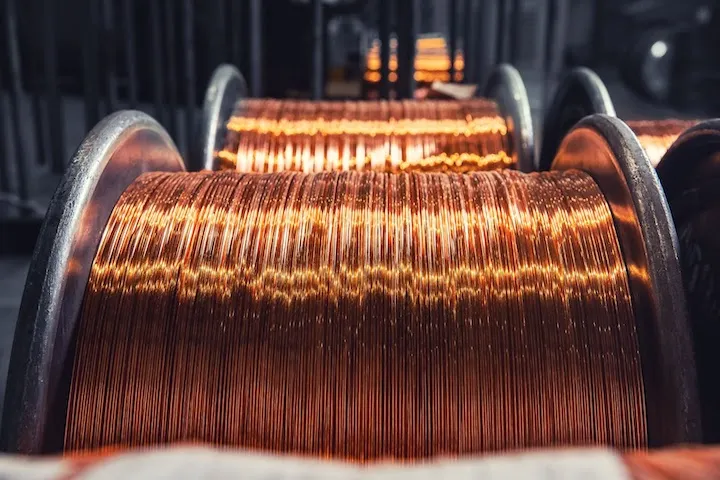
Ductile Metal
Multiple variables influence a metal’s ductile behavior:
- High temperatures enhance atomic mobility and ductility.
- Finer-grain structures usually improve ductility.
- Certain additions of other elements increase ductility.
- Rapid deformation reduces the apparent ductility of metals.
- Precipitate size, phase distribution, and defect density are all factors that affect the response of materials to tensile stresses
Ductility vs Malleability, Hardness, and Strength
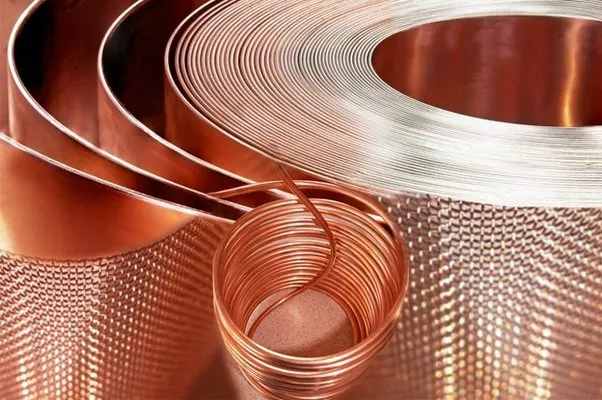
Ductile properties of metals
Understanding the relationship between ductility and other mechanical properties and how they differ is essential for selecting materials and designing engineering.
Ductility Vs. Malleability
Ductility and malleability are both terms that describe the ability of a material to deform in a plastic manner, but they refer to two different modes of deformation. The tensile strength of a material is measured by ductility. This refers to the ability to stretch or draw a material into a wire. Malleability is the term used to describe compressive deformation. It describes the ability to be hammered or rolled into thin sheets, without breaking.
Key Distinctions
- Malleability is the spreading of the material under tension, while ductility is the elongation of the material under tension
- Lead is malleable but not as ductile as gold.
- Wire drawing processes require ductility, while sheet metal forming is primarily dependent on malleability
- Crystal structure and bonding properties can influence the way certain materials behave.
The properties of metals are similar because of the metallic bonding and the ability for atoms and molecules to slide by each other. However, the directionality of the applied forces and the deformation mechanisms that result differ between tensile loading and compressive loading.
Ductility & Hardness
In general, hardness and ductility have an inverse relationship. As hardness increases, the ductility decreases and vice versa. The trade-off is a major challenge for materials engineers, as many applications require both properties at the same time.
This relationship is revealed by the chart of metal hardness. Heat-treated steels have a higher hardness, but a lower ductility than annealed steels. In contrast, annealed steels have a high hardness but a low ductility, which makes them unsuitable for applications that require wear resistance.
Understanding the Trade-off
- Quenching and cold working increase the dislocation density. This reduces ductility and inhibits slip.
- The annealing process restores ductility through a reduction in dislocation density by recrystallization
- By creating fine, evenly dispersed obstructions to dislocation movements, precipitation hardening increases strength and maintains some ductility.
- Designers must consider whether the application prioritizes energy absorption or deformation resistance.
Ductility, Strength, and Durability
It is important that you balance strength and ductility when selecting materials. High-strength materials usually sacrifice some ductility in order to reach their strength. However, materials that are extremely ductile can have lower yield strength and ultimate tensile strength.
Advanced metallurgical technology aims to eliminate the traditional trade-off.
Transformation-Induced Plasticity (TRIP) Steels: Undergo phase transformations during deformation that simultaneously enhance strength and maintain ductility through a unique strain-hardening mechanism.
Steels with TWI ity (TWIP): These steels produce mechanical twins upon deformation, offering high strength and exceptional ductility. Some compositions exhibit an elongation greater than 5 0.0%.
Grain boundary engineering: Optimizes grain structures through controlling grain size distributions and boundary characteristics.
The microstructural design and processing techniques used in these innovative approaches can partially overcome the fundamental trade-off between strength and ductility.
Ductile Metals and Machinability
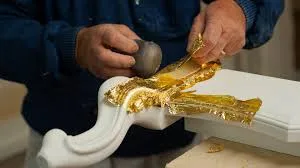
Example for ductility and malleability of gold
The relationship between ductility, machinability, and manufacturing efficiency has a significant impact on the tool life and quality of parts in custom CNC-machining operations.
Material Machinability Ratings
Material Machinability is a measure that compares how different materials can be machined in standardized conditions. The machinability indicator uses brass free-machining (designated 100%) as a reference standard. Other materials are rated in relation to this benchmark.
Machinability Considerations for Ductile Metals
| Material | Machinability Index | Ductility Level |
| Free-Machining Bras | 100% | Moderate |
| Aluminum 6061 | 90-100% | High-quality |
| Mild Steel | 70% | High-quality |
| Stainless Steel 304 | 45-50% | Very High |
| Pure Copper | 20-30% | Very High |
| Titanium Alloys | 15-25% | Moderate-High |
The lower machinability rating for highly ductile material does not necessarily prevent its use, but indicates the need for specialized tool selections and cutting strategies to achieve acceptable productivity.
Optimization of the Machining Process of Ductile Material
Machining of ductile materials requires the appropriate tools and cutting arrangement. Cutting forces should be reduced, and chips should be controlled by using sharp tools with positive rake angles. Apply non-wearing metal mixtures and choose tools of carbide or ceramics to use in continuous cutting.
Monitor process using proper parameters and handling of chips. Operate at faster cutting speeds, equal feed rates, and sufficient depth of cut to prevent hardened layers. Apply cutting fluids, chip evacuation, frequent tool wear inspection, and use EDM or waterjet on hard materials.
Try Prolean Now!
Selecting Ductile Material for Your Application
Ductility of Aluminium
The choice of materials is one of the key engineering choices. It meets a lot of conflicting demands, such as mechanical properties and resistance to the environment.
How to Choose Ductile Materials for Engineering Applications?
Ductility and the associated properties are emphasized differently in various applications:
The material needs to be ductile enough to give out visible warnings of deformation before breaking. This will allow correction and detection before disastrous events. Wire drawing operations need high ductility and also great conductivity to electricity. It should be capable of withstanding severe deformations in the process of hydroforming or deep drawing and not tear, crack, or break.
Parts requiring moderate ductility and enhanced machinability may be made out of precision-machined materials. Free-machining alloys contain additives to enhance tool wear and chip breaking without reducing the appropriate ductility needed to meet the service requirements.
Conclusion
Ductility is a fundamental material property that has a huge impact on engineering design, manufacturing, and product performance. Modern technology, infrastructure, and architecture use ductile metals.
The gold contacts and aircraft alloys are all around us, as well as the copper wires that supply electricity to buildings. Engineers can make material selection decisions based on their knowledge of ductility, the relationship between ductility, hardness, strength, and machinability, and other properties.
ProLean Tech has vast experience with the selection of materials and manufacturing accuracy for every project. We can help you to realise your ideas. Whether it is the creation of a new product with a particular material or the improvement of an existing design for better manufacturing, we are here to assist. Contact ProLean Tech to discuss your material requirements and how we can help you realize your vision through custom machining.
0 Comments