
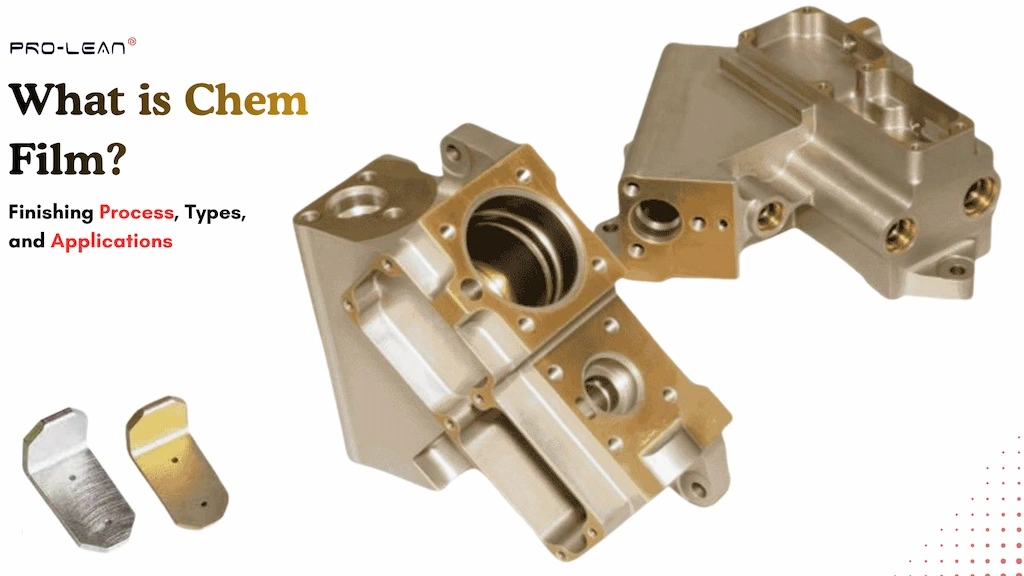
Chem film finish
Chem film or chromate conversion is known by its brand names Alodine®, Iridite®, etc. Often, manufacturers refer to this as alodine coating in general. It is primarily used to finish aluminum parts.
A thin barrier of chem film protects the underlying parts from corrosion & degradation, making them more durable. Although it is mainly popular in the aerospace and defense sector, many other industries also prefer chemical film coating.
This article will discuss what chem film is, its types, process, applications, and advantages.
What is Chem Film?
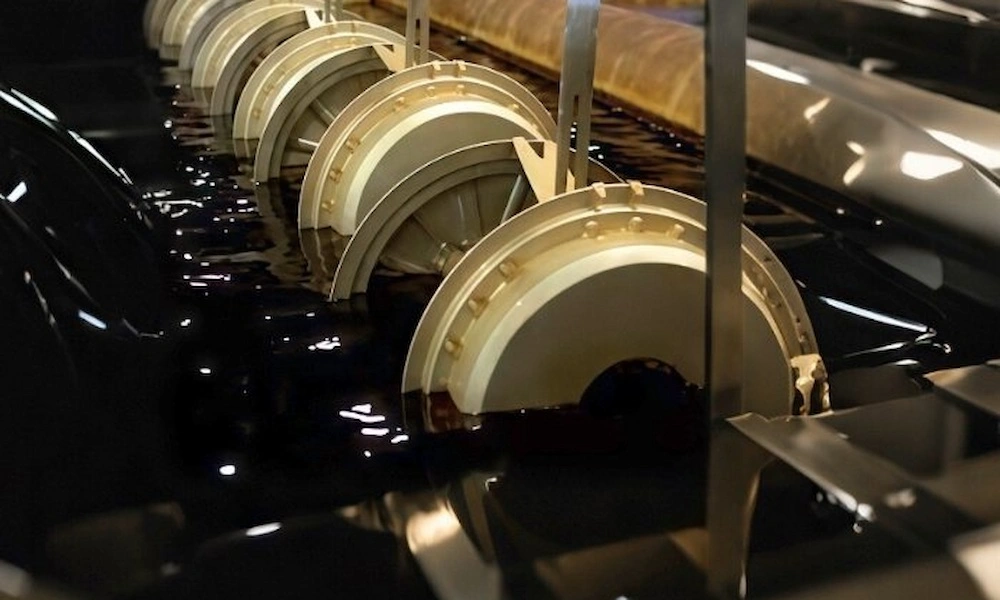
Chem film coating
Chem film, iridite, chemical conversion, or alodine coating all refer to specialized surface-finishing or treatment for aluminum parts. It is also a surface-preparatory step for further adhesives, paint, or any specific aesthetic.
Essentially, “chem film” is a thin protective barrier developed by chemical treatment that prevents surface oxidation and corrosion. The hexavalent compounds on a thin layer (0.25- 1 µm) are self-healing and form barriers to the underlying substrate, safeguarding against corrosion in humid environments. On the other hand, trivalent coatings have little or no self-healing capability.
Although this surface finishing is primarily used for aluminum alloys, it can be applied to zinc, titanium, magnesium, and a few other materials.
Chem film coating is widely used for aircraft parts, electronics housings, auto engine & body components, satellites, and marine hardware.
Types of Chemical Film Coating
There are four types of chemical film coating, as defined by the MIL-DTL standard. They include MIL-DTL-5541 Type I, Type II, Class 1A, and Class 3.
Let’s discuss the types of chem film coatings in more detail.
Type I or Hex-chrome Coating
Type I chem film is classified based on the presence of hexavalent chromium compounds in the coating layer. The aesthetic appearance of Type I film ranges from glossy-goldish to yellow.
Type I chemical conversion coating is the most corrosion-resistant and is preferred in the defense and aerospace industry. However, it is hazardous to the environment as it can release toxic chemicals.
Type II or Hex-free
Type II chem film replaces the hexavalent chromium with trivalent chromium (Cr3+) or zirconium & titanium. Being chromium hex-free, it is more environmentally friendly.
This type of chemical coating provides a clear, light iridescent, or blue appearance. It is thinner and less corrosion-resistant, but still suitable for harsh environments.
Class 1A Coating
This type of coating provides a dark gold to brown appearance with maximum corrosion protection at minimal environmental cost. It is used in aircraft exterior parts, industrial machinery, and marine hardware.
Class 3 Coating
It is a thin chemical film coating with a thickness of ~0.1–0.3 µm, which helps maintain the electrical conductivity of the underlying material. It provides good corrosion resistance for electrical connectors, circuit houses, ground panels, etc.
Try Prolean Now!
Common Specifications for Chem Films
There are several specifications for Chem film or chromate conversion coating for aluminum; MIL-DTL-5541 and AMS-2473 are the most common. These specifications are critical for ensuring the desired quality and performance of finished parts.
Common specifications include:
- MIL-DTL-5541
- MIL-C-81706
- ASTM B449
- AMS 2473
- AMS 2474
- AMS-C-5541
- BS EN 12487
- ISO 8081
How Does the Chem Film Process Work?
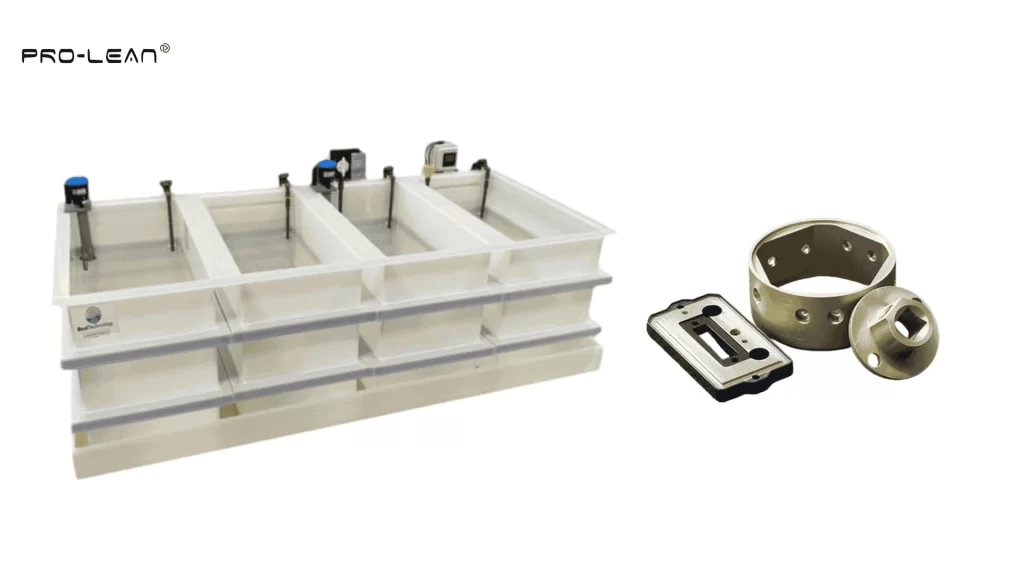
Chem film process
Chemical conversion coating or chem film process involves cleaning, surface preparation, conversion coating, and final rinsing.
Let’s break down the steps of applying chem film.
1. Parts Cleaning
First, thoroughly clean the parts to remove debris, dirt, oils, grease, etc. The goal is to make the surface free of any manufacturing residues.
2. Surface Preparation
Surface preparation is the most critical step in the chem film coating process, as it directly affects film adhesion, bonding quality, finish, and durability.
- Alkaline Cleaning: Clean the parts using an alkaline detergent.
- Etching: Use an acid or alkaline solution to remove any alloying metal or alloy that can interfere with the chemical conversion.
- Rinsing: After etching, clean the parts with a suitable washing solution.
3. Applying Conversion Coating
Next, the parts can be immersed in the coating solution in two ways: barrel processing or rack processing.
-
- Rack Processing: It involves hanging or attaching substrates to a metal rack and immersing them in the coating solution. You can use rack processing for complex parts and large-volume production.
- Barrel Processing: Substrates are dipped into a solution barrel, which is then rotated at a slow speed for a predetermined time.
4. Final Rinsing and Drying
Once the chromate conversion coating process is complete, remove the part from the solution barrel or rack. Then, rinse with warm water to remove chemical residues and dry them before packaging.
Applications of Chem Film Across Industries
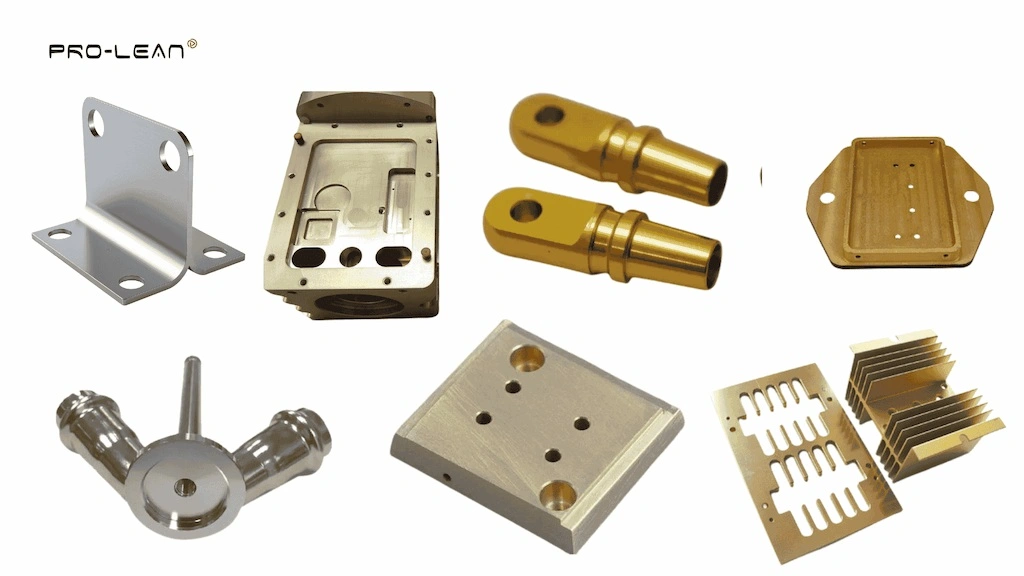
Chem film applications
Chem film is used to finish aluminum (and a few other metals) components across multiple industries, including aerospace, defense, automotive, electrical, and marine hardware. Moreover, it is indispensable in defense and aircraft manufacturing.
In the aerospace industry, chromate conversion coating for aluminum parts provides corrosion protection in humid, high-temperature, wind-stress, and other harsh environments. For instance, finishing wind control surfaces, structural brackets, and avionics housing.
For defense applications, chem film aluminum provides a barrier against external environments, improves paint adhesion, and makes components more reliable. E.g., radar housing, military vehicle parts, and munitions.
Furthermore, the table below outlines applications of chem film in the automotive, marine, electrical, industrial machinery, and consumer goods sectors.
|
Industry |
Why Chem Film/Alodine? |
Applications |
|
Automotive |
High corrosion-resistance and electrical grounding |
Transmission casings, brackets, suspension parts, aluminum wheels, etc. |
|
Marine |
Withstand saltwater and harsh marine environments |
Deck hardware, fasteners, hull fittings, and aluminum structural railings |
|
Electrical / Electronics |
Thin films conduct while resisting oxidation |
EMI/RFI shields, heat sinks, grounding panels, enclosures |
|
Industrial Machinery |
Improves adhesion for painting and the durability of industrial machinery parts |
Lightweight machine frames, mounting brackets, conveyor parts, and tool enclosures |
|
Consumer Goods |
Corrosion protection and a foundation for aesthetic painting/coating |
Aluminum furniture, camera bodies, laptop/PC enclosures, lighting fixtures, appliance casings |
Try Prolean Now!
Advantages of Chem Film/ Alodine Chromate Conversion Coating
Using chromate conversion coating for aluminum has several advantages, including corrosion resistance, improved adhesion, faster processing, dimensional stability, conductivity, and preventing fingerprints.
Next, let’s break down these advantages.
- Color Variation: Alodine coating, or chem film, provides a wide color spectrum, allowing the desired aesthetic to be achieved.
- Adhesion: The thin layer improves the adhesion for further coatings or paints.
- Quick Process: Compared to electroplating and other methods, chemical conversion is faster & cheaper.
- Dimensional Stability: Since film thickness ranges in microns, it does not affect the dimensional accuracy of manufactured parts.
- Corrosion Resistance: The chemical film coatings are highly corrosion-resistant, even in marine & harsh application environments.
- Conductivity: Thin films maintain the original electrical & thermal conductivity of the substrate.
- Prevents Fingerprints: It resists fingerprints on soft aluminum alloys while touching.
What are the Chem Film Color Variations?
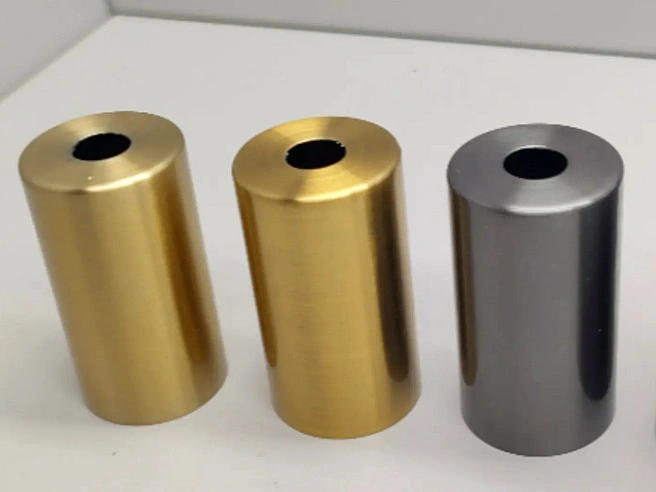
Alodine colors
We have discussed the performance, process, reliability, and advantages of chem film; now, let’s look at its color variations.
A range of colors are available with a chemical film finish, including clear, iridescent yellow, gray, yellow-brown, and golden. Subsequently, the appearance remains uniform across the part’s surface regardless of color type.
- Clear: It is transparent or slightly bluish. It is favorable when conductivity and precision matter, and a fair corrosion resistance is enough.
- Iridescent Yellow: It gives a yellow color with rainbow-like hues, used for general-purpose applications.
- Gray: This chem film color is characterized by a dull gray appearance or a silvery matte finish.
- Yellow-Brown: It gives a darker yellow with a brown tint. Due to higher thickness, the yellow-brown film enhances the corrosion resistance
- Golden: It provides a uniform gold-rich color and can be used for both protection and aesthetics.
If you are using chem film coating on decorative items, it might not deliver a vibrant aesthetic like anodizing or other finishes. However, it can serve as a good primer for subsequent painting and secondary coatings used in many sheet metal surface finishes.
Which Materials Are Compatible With Chemical Film Coating?
Chem film, or alodine chromate conversion coating, is predominantly used on aluminum and its alloys. However, it is also compatible with other metals, such as magnesium, zinc, beryllium, and cadmium.
It is not compatible with ferrous metals and alloys because the process requires a specific chemical reaction at the surface, which is only possible with passive metals.
Let’s look at the list of metals that can work with the chem film process:
- Aluminum (Al): Highly compatible and can be processed according to MIL-DTL-5541
- Magnesium (Mg): Compatible, but requires special pre-treatments and bath formulation
- Zinc (Zn): Compatible and reduces the oxidation
- Cadmium (Cd): Compatible with Cd-plated surface and improves corrosion protection
- Beryllium: Limited use of chromate conversion, it requires strict process control & safety considerations
Chemical Conversion Coating Techniques
Chromate coating techniques
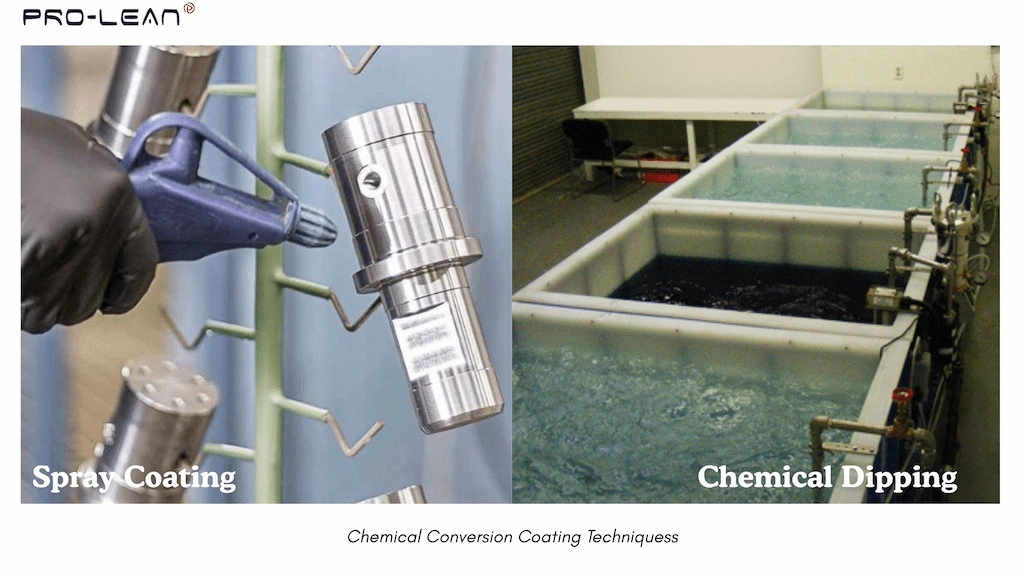
Spray coating and Chemical dipping are two main chemical conversion coating techniques that can be used to apply chem films on manufactured items.
These techniquess does not work like adhesive paint spraying or dipping, instead, they develop the chem film as an integral to substrate through controlled chemical reactions.
Spray Coating
An atomized treatment solution is sprayed onto the targeted surface through a specialized nozzle. It is suitable for large-sized components. At ProleanTech, we use automated equipment for spray coating chem film, which allows better control over spraying pressure and ensures uniform coating.
Chemical Dipping
Chemical dipping, or immersion coating, involves fully submerging substrates into a treatment bath for a fixed time. This results in uniform coating and is suitable for parts with complex geometries.
Factors Affecting Chemical Film Coating
Bonding of the film to the surface, coat thickness, durability, and overall quality depend mainly on surface preparation and process control.
The common influencing factors are substrate material, material purity, surface etching & rinsing, and chem film type.
Let’s further break down these factors;
- Substrate Material: It works best with aluminum alloys; quality might not be as high with other metals.
- Metal Purity: The presence of ferrous alloys and other impurities reduces the film quality.
- Etching: If the surface is not properly etched, it may leave oxide residues, affecting the coating process.
- Film Type: Type MIL-DTL-5541 Type I produce thicker coats, whereas Class 1A and Class 3 are much thinner.
Can I Anodize Parts Over Chem Film Coat?
You can apply anodizing over chem film-coated aluminum parts. The layer dissolves in the electrolyte. It is not a common practice in manufacturing, but still applicable in a few cases.
You can choose between anodizing and chemical conversion films based on your performance requirements and desired aesthetic.
When to Use Anodizing Instead of Chem Film:
- If you need thicker barriers on the part’s surface, up to 100 µm.
- For the parts used in high-friction applications
- If surface hardness matters for performance
- If you need a more appealing aesthetic for decorative items
Try Prolean Now!
High-Quality & Durable Chem Film Coating from ProleanTech
At ProleanTech, we have extensive surface-finishing facilities, including an automated alodine coating equipment that uniformly coats the chem film on aluminum parts, with a thickness range of 0.25-1µm.
Our alodine coating services are AS9100 certified and comply with MIL-DTL-5541 standard. Additionally, our quality control procedures ensure finish quality through roughness measurements and other tests.
For further inquiries, contact us, or upload your design for quotation.
Summing Up
Overall, a chem film or alodine coating is an excellent surface treatment choice when you need a cost-effective, durable, corrosion-resistant, and aesthetically pleasing finish. It also allows adhesive paints or secondary coatings. In contrast, it is not suitable for friction surfaces, chemical exposure, and thick protection requirements.
Since chromate treatment for chem film coating needs accurate process planning, setup, execution, and quality control procedures, consider choosing an experienced manufacturer with advanced equipment while outsourcing the service.
FAQs
Is chem film and anodize the same thing?
No, chem film and anodizing are different things. Anodizing involves an electrolysis process to form a thick oxide layer, whereas chem film is a chemical conversion process.
Is chem film considered plating?
Chem film is not considered a traditional plating or electro-deposition coating. It is a conversion coating formed through chemical reactions.
What is the difference between chromate and chem film?
They are the same things; both refer to chemical conversion treatment. “Chromate” is a broader term for coatings containing chromic compounds, while “chem film” is a general industry term.
0 Comments