
Metalloids
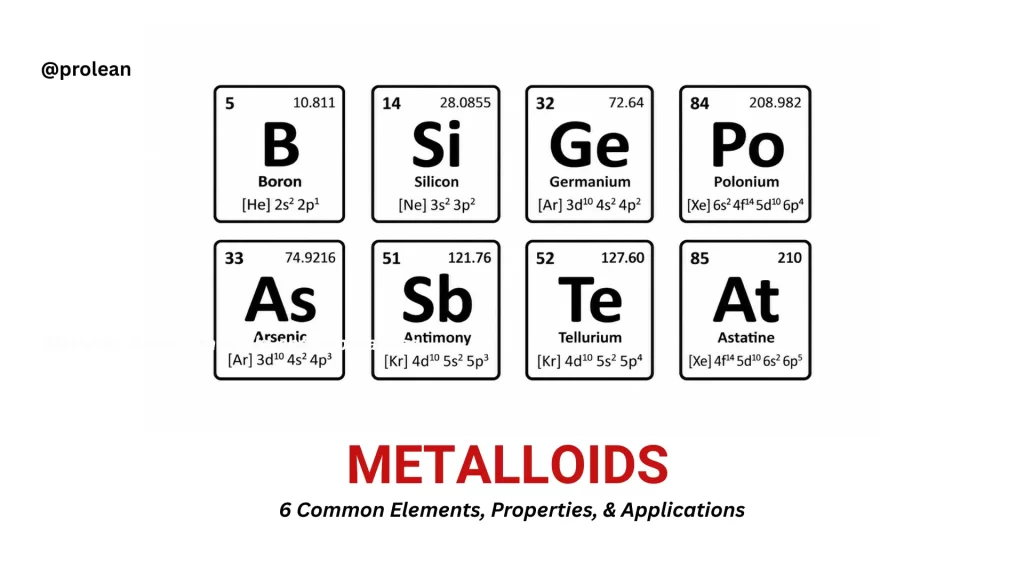
Metalloids sit between metals and nonmetals in terms of their material behavior. They do not behave fully like either group. Silicon, boron, germanium, arsenic, antimony, and tellurium are commonly placed in this group, although the exact list can vary.
A useful way to understand metalloids is to look at what they do in a material rather than only where they sit on the periodic table. Many are brittle and hard, which may prevent them from being used in parts that require bending, stretching, and load-bearing.
They have more engineering utility in their electrical properties. For instance, silicon, in certain situations, can direct the flow of an electrical current, and this is important for semiconductor parts. A combination of metals with other elements also makes metalloids useful. Small additions can change the alloy behavior, and some metalloid materials can be used to give the required electrical properties for electronic devices.
One of the early discoveries is antimony. Antimony compounds were used as pigments and medicine in ancient Egypt. These are just a few initial uses that have since expanded and are now used in modern applications such as semiconductor technology, specialty materials, production of alloys, and electronic components.
The sections below focus on the properties that make metalloids useful, how they differ from metals and nonmetals, and the uses of metalloids in engineering and manufacturing.
What Are Metalloids?
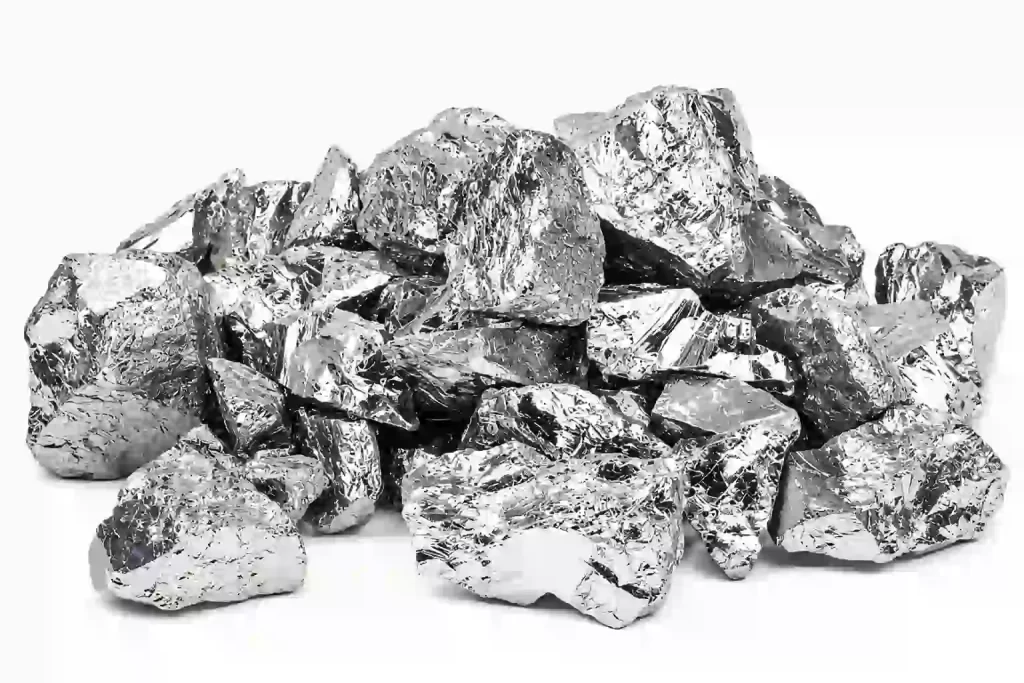
Metalloid In Raw form
Metalloids are elements that are commonly found along the boundary between metals and nonmetals on the periodic table. They are not neatly categorized into either of the groups. They can behave very differently in the presence of any element and for any application.
Boron, silicon, germanium, arsenic, antimony, and tellurium are the most common metalloids. Hard and brittle, they are not used like common structural metals like steel, aluminium, or copper. They are useful because of other properties, especially electrical and chemical.
One of the most obvious examples is silicon. Not a traditional load-bearing material, but its electrical conductivity control properties are essential in semiconductor manufacturing. Boron has a different role. In some steels, small amounts of additions can be used to enhance the hardenability, aiding heat-treating.
This classification is not permanent. Note that some references of the periodic table include some elements and others do not. The answer is easy: there is no single property distinguishing the metalloids from the two groups of adjacent elements.
Which Elements Are Metalloids?
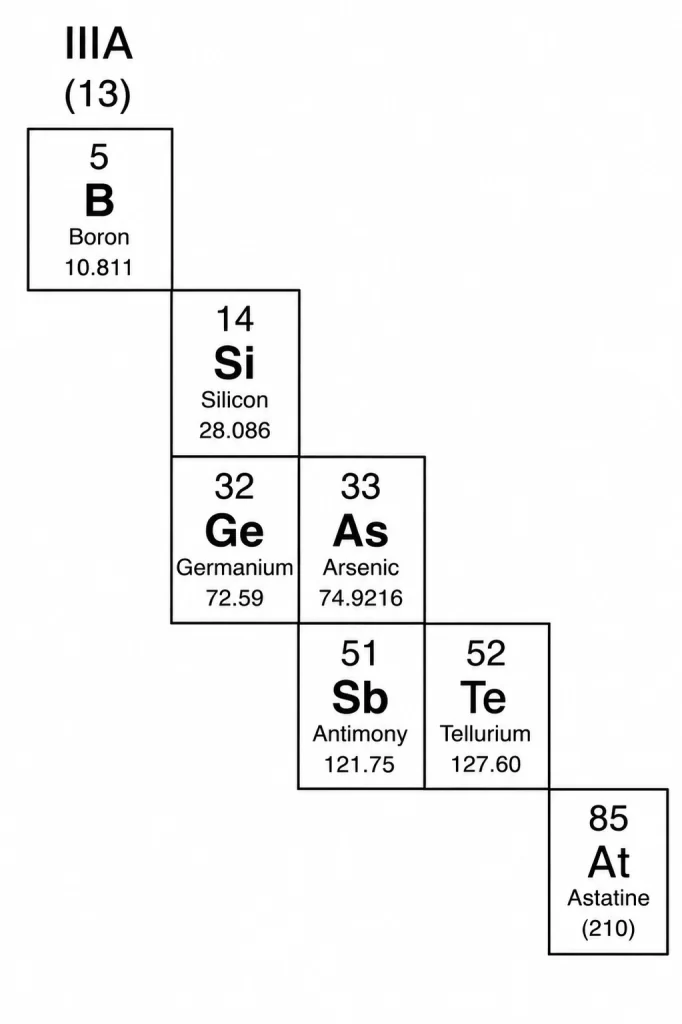
Elements of metalloids
The following 6 elements are most often grouped with the metalloids:
- Boron (B)
- Silicon (Si)
- Germanium (Ge)
- Arsenic (As)
- Antimony (Sb)
- Tellurium (Te)
Other classifications also include polonium, astatine, and bismuth. They are placed according to their characteristics and classification by the source.
Boron
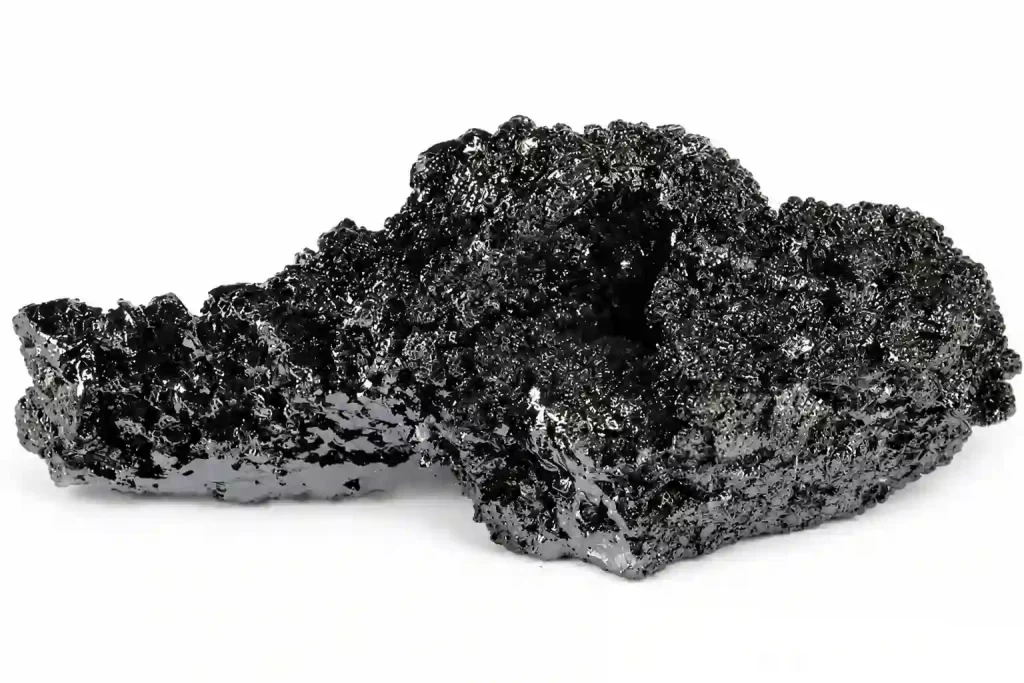
Boron
Boron is not used by itself in engineering components. More useful is its use as a minor alloying element. In certain steels, boron can also enhance hardenability, which means that it can help the steel to achieve a higher hardness deeper into the steel cross-section when it is heat-treated.
Silicon
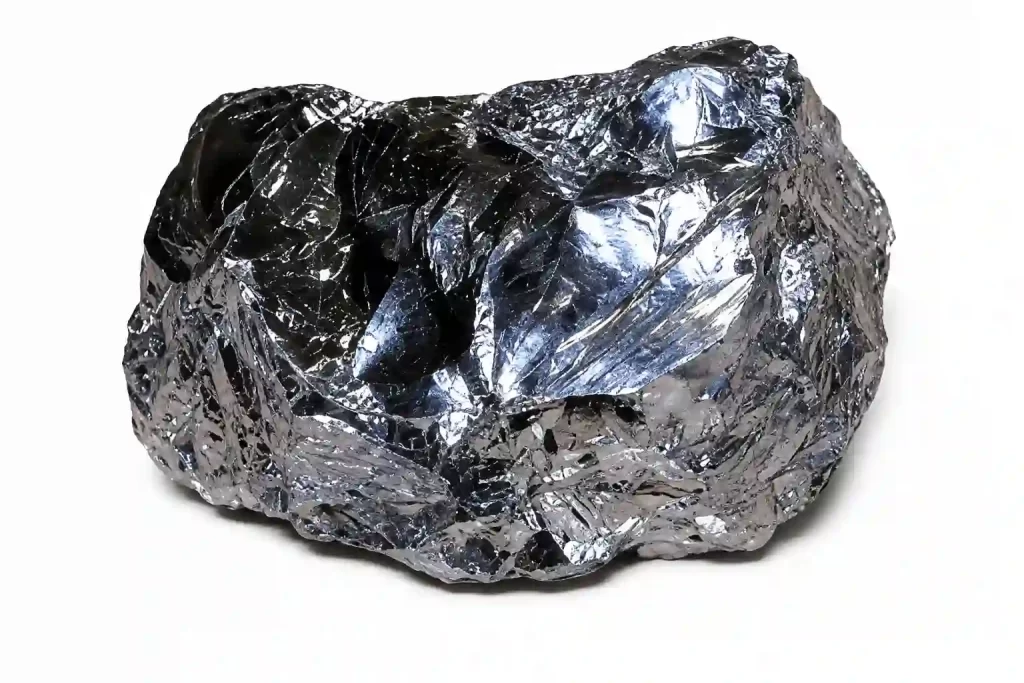
Silicon
There is a much broader industrial application of silicon. It is the primary semiconductor material used in integrated circuits, sensors, and numerous electronics. It can also be introduced in metals like steel or aluminium alloys to modify their specific properties.
Germanium
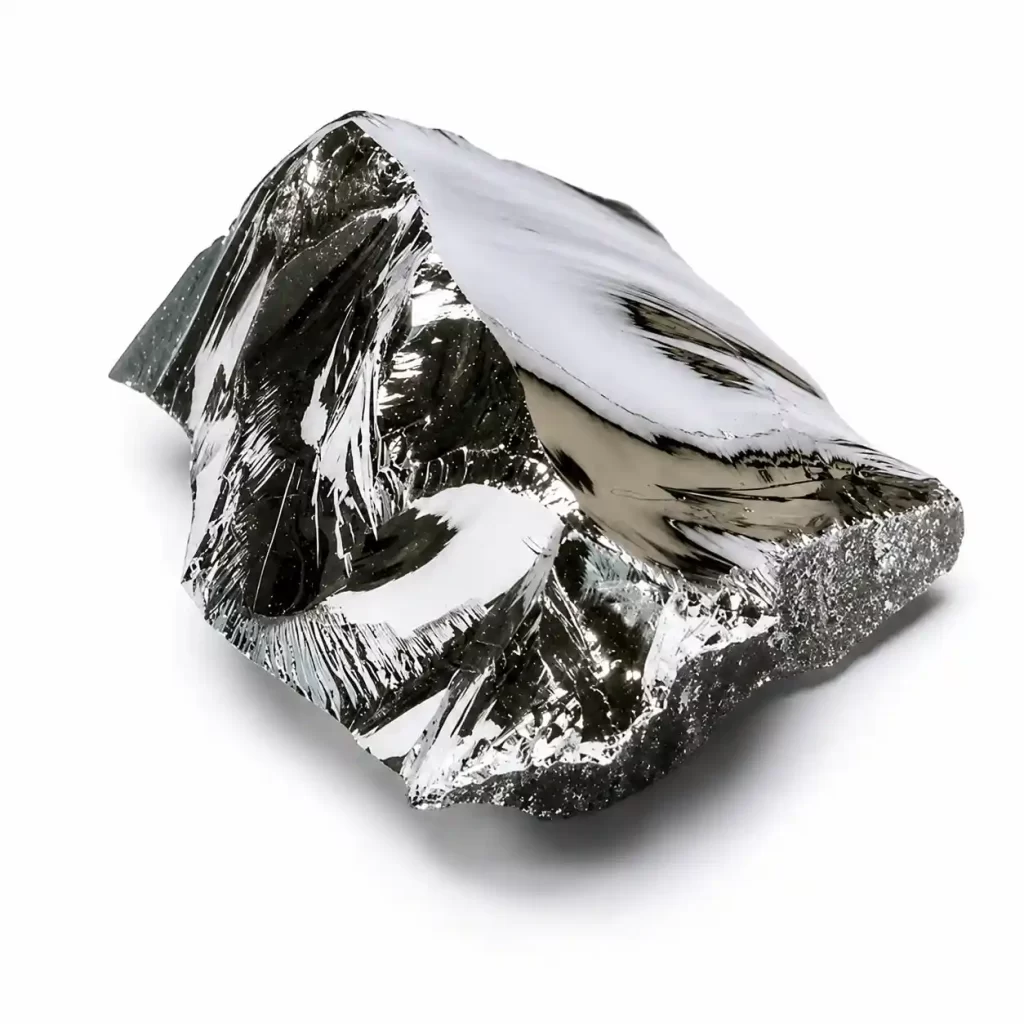
Germanium
Germanium is used in semiconductor devices and in special optics. It also has useful properties of infrared transmission and, therefore, can be used in other electronic components as well.
Arsenic
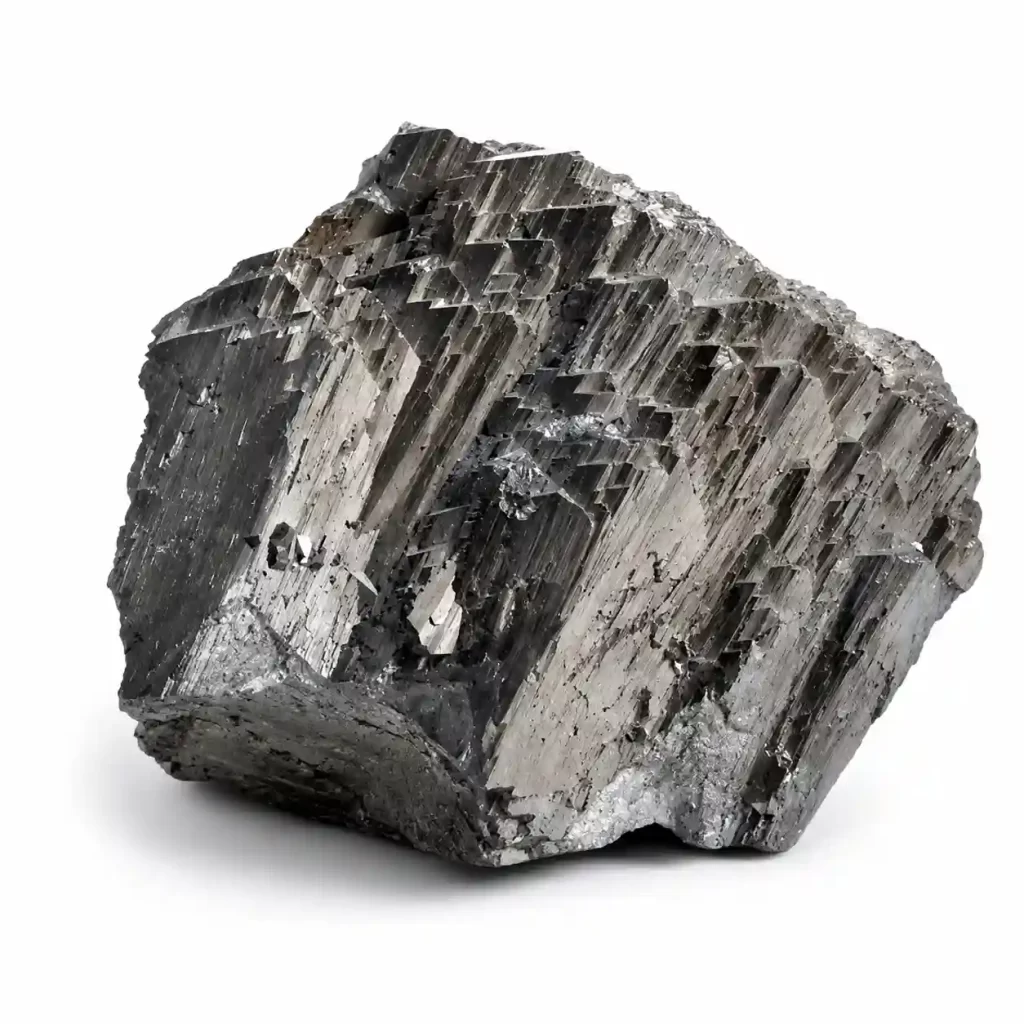
Arsenic
The primary exposure to arsenic is in compounds and special products. Gallium arsenide is one such example. The electrical properties offer it advantages over conventional silicon devices, and it is used in electronic and optoelectronic devices.
Antimony
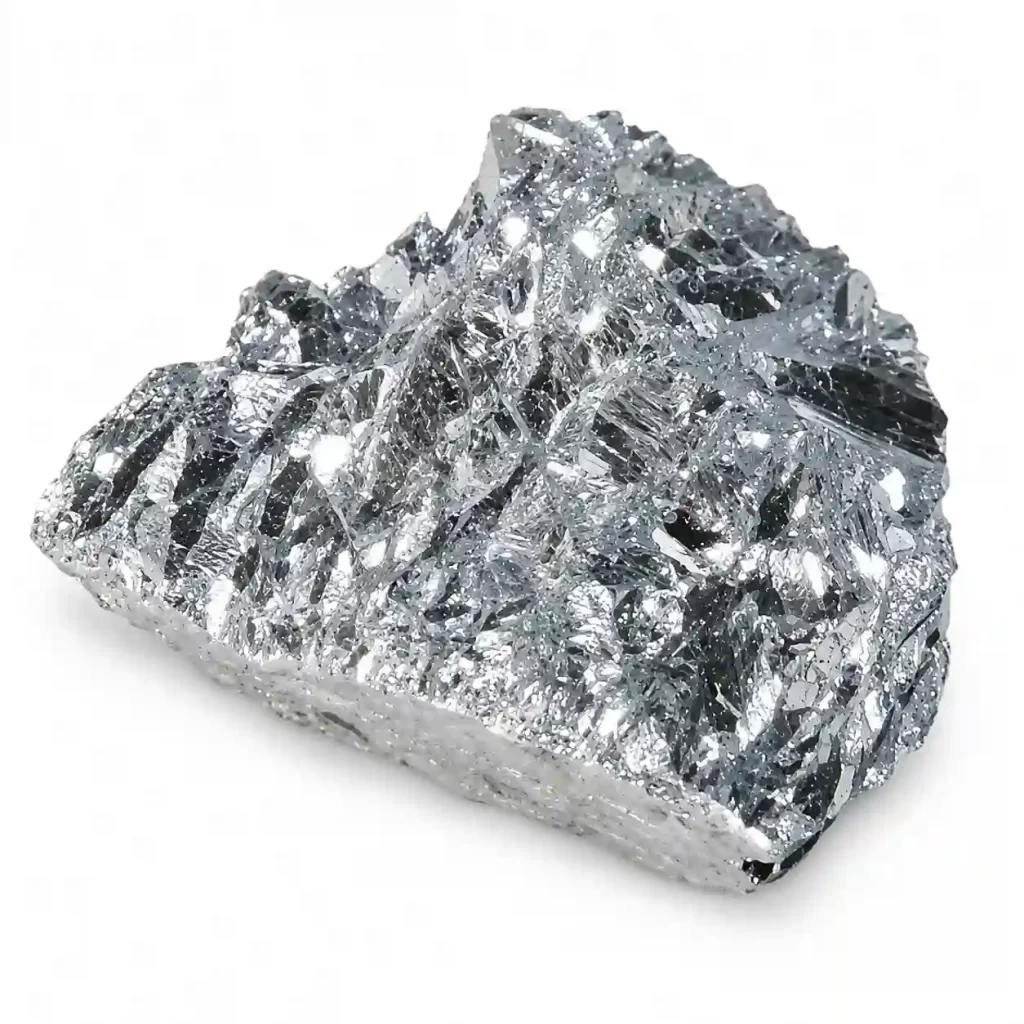
Antimony
Antimony is commonly used as an alloying element. Antimony alloys are used in batteries for battery grids, and antimony compounds are also used in flame-retarding systems and other industrial applications.
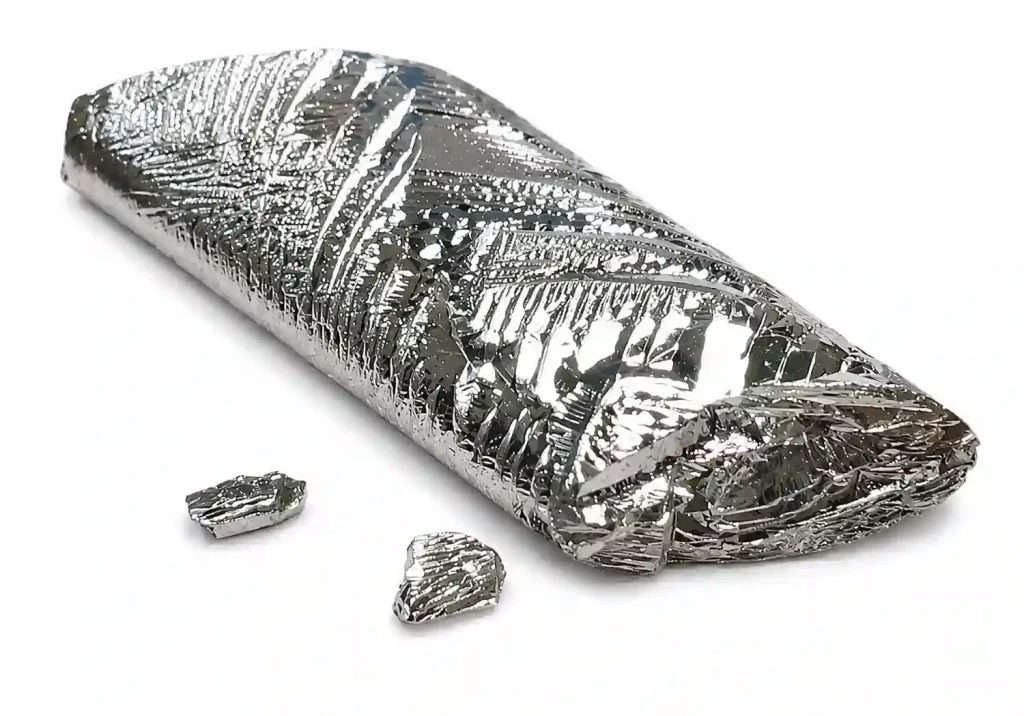
Tellurium
Tellurium
Tellurium has some special applications. In certain steels, small amounts are added, affecting the nature of the chips formed during cutting, which in turn enhances the steel’s machinability. It is further used in semiconducting and thermoelectric materials.
Other Elements Sometimes Included
There are a few lists that include Polonium, Astatine, and Bismuth as metalloids. They are not as consistent in their classification as the 6 elements above. Polonium and astatine are highly radioactive and cannot be used practically. Although bismuth is sometimes classified as a metalloid, it is more frequently used as a metal. The six well-known elements are the most appropriate means for discussing metalloids in most engineering discussions.
Try Prolean Now!
When Were Metalloids First Used?
A few of the metalloid elements have been used for thousands of years. One of the earliest of these is antimony. Antimony compounds were found in cosmetics and pigments used by ancient Egyptians, before they had a modern classification for the element.
Arsenic is also widely used and has a long history of use. As in the Middle Ages, arsenic compounds became popular in pigments and various other products. Many of these uses were curtailed by its toxicity later on.
The development of silicon was much later. Elemental silicon was discovered in 1823 by Jöns Jacob Berzelius. With the advancement of semiconductor technology, its significance has developed rapidly. In the 1950s, silicon-based materials had entered regular commercial electronic manufacture and were becoming an important component of modern electronics.
The history is useful because it traces the evolution of the role of these elements. Their chemical and visual properties were used to make early applications. Their electrical, thermal, and alloying behaviour is far more utilised in modern applications.
What Are the Physical & Chemical Properties of Metalloids?
Metalloids are not typical metals. They often have a metallic appearance, but they’re hard and brittle, not ductile. This restricts their applications for parts with bending, forming, or impact loading requirements.
Their electrical properties are more useful in many applications. For instance, silicon and germanium can be used as semiconductors. The conductivity of these can be manipulated by temperature, impurities, and manipulation of the material.
Some elements are more chemically reactive than others. Metalloids tend to be covalent, and a few of them can react with metals and become useful alloying agents. Thus, it is necessary to consider the element and the material system around it, and not use one rule for all the metalloids.
Physical Properties of Metalloids
Physical properties of metalloids are quite different within the group. They’re worth a few points of observation from the materials point of view.
Many semiconductors are metalloids. The most familiar is silicon. It has the ability to be controlled with impurities, which is an important step in semiconductor manufacturing. At room temperature, metalloids are solids.
- Thermal conductivity: The ability of a material to conduct heat is different for different elements. They have intermediate electrical and thermal conductivities between those of good conductors and poor thermal conductors.
- Density: A wide range of densities. The relative density of silicon is 2.33, and the relative density of antimony is 6.69. Therefore, the word “metalloid” does not suggest what the range of densities is.
- Hardness: Hardness also varies across these elements. Boron has the highest hardness, while arsenic, antimony, and tellurium have comparatively lower Mohs hardness values. This difference will impact the processing of each material and its use.
- Mechanical Properties: Most of the metalloids are brittle and are not very ductile. They do not plastically deform when loaded, but fragment. This makes them not appropriate for some traditional structural members when they are used as the basic material.
- Surface Appearance: Some of the metalloids are bright or metallic in appearance. Look at this, however, and appearance is not sufficient to make a classification as a metal.
Metalloids differ in hardness, density, melting point, and electrical behavior. The main values for the commonly recognized elements are shown below.
| Element | Density (g/cm³) | Melting Point (°C) | Hardness (Mohs) | Electrical Behavior |
| Boron | 2.46 | 2076 | 9.3 | Semiconductor |
| Silicon | 2.33 | 1414 | 7.0 | Semiconductor |
| Germanium | 5.32 | 938 | 6.0 | Semiconductor |
| Arsenic | 5.73 | 817* | 3.5 | Semimetal |
| Antimony | 6.68 | 631 | 3.0 | Semimetal |
| Tellurium | 6.24 | 722 | 2.0–2.5 | Semiconductor |
Arsenic sublimes at normal atmospheric pressure.
These values show the wide range within the metalloid group. Boron and silicon are relatively hard, while antimony and tellurium are much softer. Silicon and germanium are mainly used for their semiconductor properties, while boron, antimony, and tellurium are also used in selected alloy systems.
Chemical Properties of Metalloids
In many instances, they exhibit properties more similar to nonmetals, but again, it depends on the element and the reaction.
- Electronegativities: The electronegativities of metalloids are intermediate. This changes their behavior in interactions with other atoms and the kind of chemical bonds they can make.
- Bonding: Covalent bonding occurs. Silicon is a good example because it is the basis of many strong covalent structures that are important in its material properties.
- Metalloids and metals: Some metalloids can be mixed with metals to alter the metal properties. One practical application is the use of boron in selected steels. In the case of tellurium, an element, only small amounts can be added, changing the cutting properties of some steels.
- Chemical reactivity: Metalloids may react differently in the presence of different elements and conditions. Some compounds behave like non-metals, and some react with metals to give very different products.
If you are considering an engineering application, it is better to consider the individual metalloid and its material system rather than assume that all of the elements in this group will behave in the same way.
| Property | General Behavior |
| Electronegativity | Generally about 1.9–2.2 on the Pauling scale |
| Bonding | Covalent bonding is common |
| Oxidation states | Vary between elements |
| Reaction with metals | Some form useful alloy systems |
| Chemical behavior | Can show both metallic and nonmetallic characteristics |
The chemical behavior also differs from one metalloid to another. Silicon commonly forms covalent compounds, while boron can be added to selected steels. Tellurium and antimony are also used in specific alloy systems. For manufacturing applications, the individual element and its intended use should be considered rather than treating all metalloids as one material group.
Try Prolean Now!
Applications of Metalloids
Metalloids are used in electronics, alloys, glass, polymers, and several chemical applications. The useful property depends on the element and how it is used.
Semiconductor Materials
Metalloids are employed in the manufacture of semiconductors. Usually, silicon is used in chips, transistors, sensors, and other electronic parts. Germanium is also used in semiconductor devices. Compounds of arsenic are used in some electronic and optoelectronic applications, including gallium arsenide. Antimony has been employed in a few special semiconductor materials. (Read our guide about: plastic parts machining)
Alloy Additions
Boron, silicon, antimony, and tellurium may be incorporated into metals to alter specific properties. In certain steels, boron is added to enhance the hardenability after heat treating. Silicon content varies among different alloy grades, with some aluminum alloys containing relatively high levels of silicon, while most steels contain only small amounts. Antimony is added to some special alloys and materials, such as lead-based alloys.
Glass Production
To increase the resistance of a glass to sudden temperature changes, boron oxide is introduced into the silica-based glass. Laboratory apparatus, cookware, and parts subject to temperature fluctuations are hence made from borosilicate glass.
Silicone Products
Silicon is also used to make silicone products. These materials can be made as sealants, flexible rubber, insulation, lubricants, and molded products.
Chemical Applications
A few metalloid compounds are used in chemical and medical products. Boron compounds are used in glass, chemical processing, and some medicinal products. Arsenic and antimony compounds have also been used in pesticides and medicines. A number of these applications are now considered limited due to their toxicity.
Conclusion
Metalloids are a mixed group, and that is what makes them difficult to describe with one simple rule. Silicon behaves very differently from boron, while tellurium and antimony have their own uses in alloys and other materials.
Their applications come from specific properties rather than from the metalloid label itself. Silicon is used for semiconductor devices, boron is used in steels and glass, and tellurium can be added to certain steels to improve machinability. Other members of the group are used in specialized electronic and chemical applications. The classification can also vary. Six elements are commonly accepted as metalloids, while some references include additional elements. So, the exact list depends on the classification being used.
Custom Manufacturing With Prolean Tech
For projects involving specialized materials, Prolean Tech provides metal and plastic machining services and custom manufacturing solutions based on engineering drawings and material specifications. We follow ISO 9001 standards and offer a range of material options from metals, engineering plastics, composites, and ceramics.
You can send your drawing, CAD file, material specification, dimensions, surface finish, and quantity to get the manufacturing requirements reviewed by the Prolean Tech team.
Metalloids – FAQs
What are metalloids?
Metalloids are elements with a mix of metallic and nonmetallic properties. They are generally found around the boundary between metals and nonmetals on the periodic table. Silicon and boron are common examples.
How many metalloids are there?
The six elements of the periodic table that are generally recognized as metalloids are: Boron, Silicon, Germanium, Arsenic, Antimony, and Tellurium. Polonium is also mentioned in some references, which explains the discrepancies in the total.
What are the 6 main metalloids?
Boron (B), silicon (Si), germanium (Ge), arsenic (As), antimony (Sb), and tellurium (Te) are the six generally accepted metalloids. They lie on the border between the metals and the non-metals in the periodic table.
Why are metalloids used as semiconductors?
Certain metalloids have electrical properties between those of metals and the insulating nonmetals, particularly silicon and germanium. They can also be made more or less conductive by changing their temperature and/or adding small amounts of other elements. This will make them beneficial for electronic devices.
What are metalloids used for?
Metalloids have various uses, depending on the element. Solar cells and semiconductor devices are made using silicon. Boron is alloyed to make borosilicate glass, and germanium is employed in electronics and infrared applications. A few alloys and electronic materials also use antimony and tellurium.



0 Comments