
Types of coating
Common types of coating include powder coating, polyurethane coating, zinc-rich coating, metalized coating, and acrylic coating. The list also comprises anodizing, physical vapor deposition (PVD), electroplating, and ceramic coating.
Each of these coating options has specific application strategies and ideal application environments.
Consequently, this article outlines coating material types in industrial applications.
What are Protective Coatings?
Protective coatings are specially formulated material layers applied to a surface. Their coating properties, such as corrosion resistance, wear resistance, and chemical resistance, help shield the surface from wear, chemical attack, UV degradation, and corrosion.
These coatings can also add a decorative finish to the surface. These coatings form a barrier coating between the environment and the substrate.
Protective Coating vs. Paint: What’s the Difference?
A common misconception is that paint and protective coating are the same thing. While the two are applied as liquids or semi-liquids and dry after application, that’s about all we can say about their similarities.
Decorative paints are, as the name suggests, engineered for aesthetics. Their dry film thickness (DFT) ranges from 25 to 75 microns.
Most industrial protective coatings act as barrier coatings, although some systems, such as zinc-rich coatings, also provide sacrificial corrosion protection. Their DFTs range from 125 to 2,500+ microns.
Before they can be deemed industry-ready, these coatings undergo several tests, including tests for abrasion resistance, accelerated weathering, and chemical resistance.
Try Prolean Now!
14 Common Types of Industrial Coatings
The most relevant coating material types for industrial applications include epoxy coatings, polyurethane coatings, polysiloxane coatings, zinc-rich Coatings, alkyd coatings, e-coating, metalized coatings, and acrylic coatings.
Other options are ceramic coatings, intumescent coatings, conversion coatings, physical vapor deposition (PVD), electroplating, and powder coating. Each coating differs in its coating properties.
1. Epoxy Coatings
Epoxy is one of the most widely used barrier coating systems for protecting steel against moisture and chemical attack. It is formed when epoxide resins are cured with a hardener.
For their high capability to bond to blasted steel, epoxy coatings are commonly used in storage tanks, pipelines, and floorings. For excellent performance outdoors, a polyurethane topcoat is recommended.
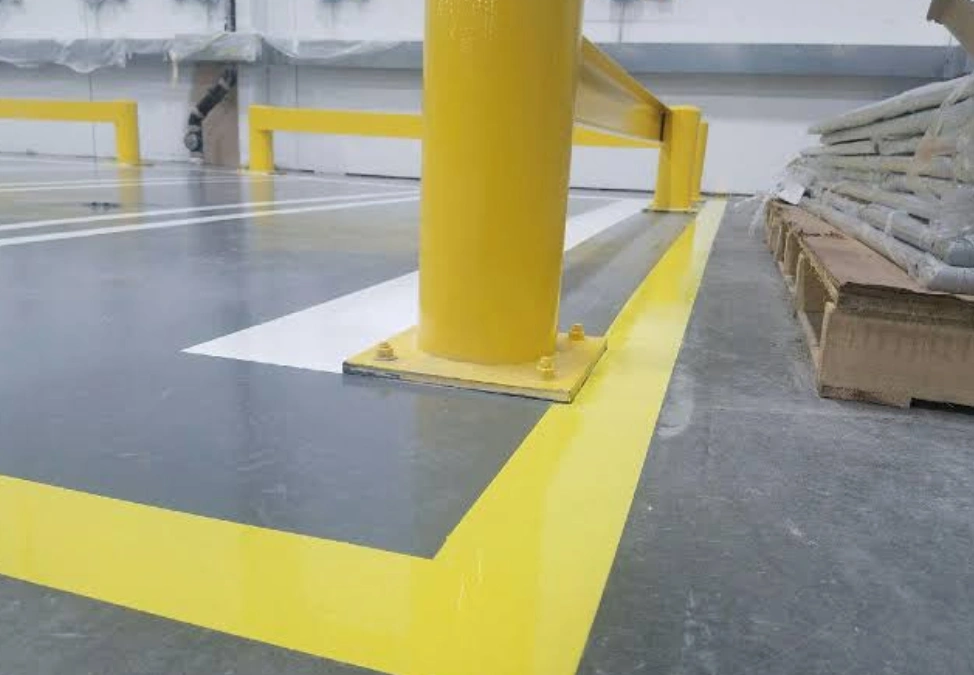
Industrial epoxy coating
2. Polyurethane Coatings
Talking of polyurethane coating, the main properties are UV resistance and color retention. The coating is widely used for structures that are meant to retain their look for years, for example, bridges.
Users should comply with stringent COSHH and PPE requirements when using isocyanate hardeners.
3. Polysiloxane Coatings
These high-performance coatings derive their corrosion resistance and wear resistance from their powerful silicon-oxygen bonds. This coating can attain a service life of more than two decades on exposed steel structures. That’s why you will find polysiloxane coatings in chemical plants and big bridges.
4. Zinc-Rich Coatings
The principle of zinc coating is the electrochemical sacrifice of zinc to protect the steel underneath. This type of coating can be either organic or inorganic. The epoxy-based coating is organic, while the ethyl silicate one is inorganic.
5. Alkyd Coatings
These are oil-modified polyesters that absorb oxygen during curing. The coatings are perfect for general maintenance, including in light structures and general fabrication shops. Since they cure slowly in cold weather and have poor water resistance, alkyd coatings are rarely used in corrosion protection projects.
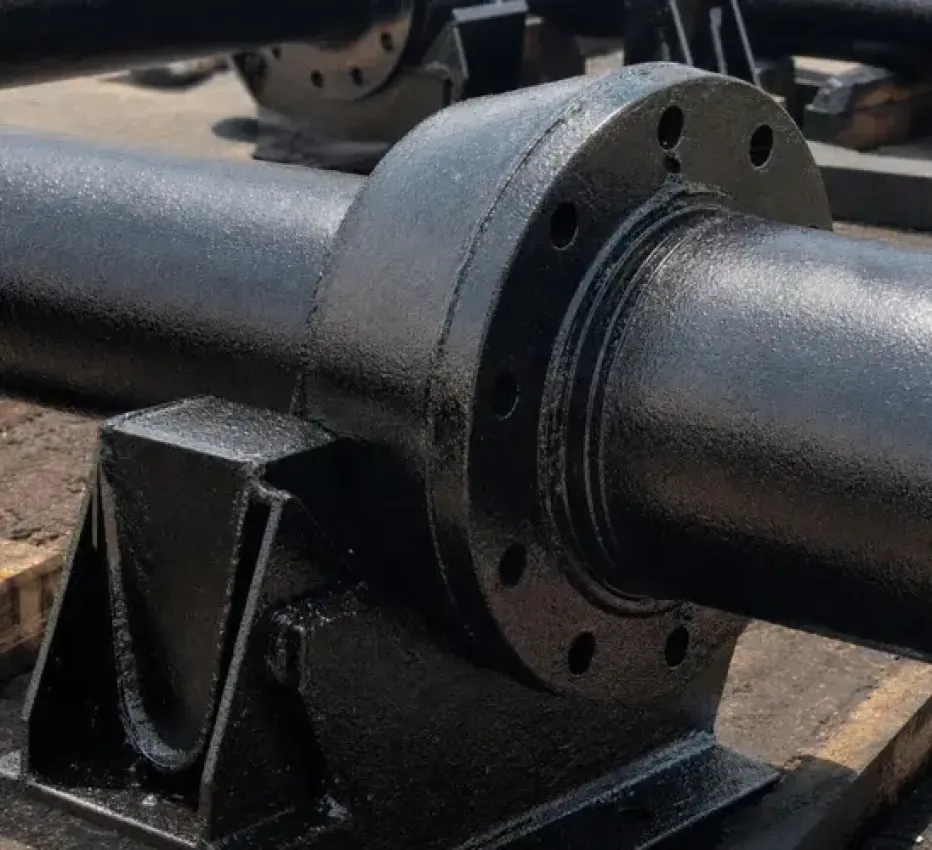
Alkyd coating
6. Metalized Coating
This is a durable coating made of aluminum or zinc, which is thermally sprayed on the metal. It forms a dense, porous layer that can last for decades due to the mechanical bond.
It is often relatively pricey to apply this coating, considering requirements such as specialized personnel/equipment, slower application, and difficulty in applying to complex components.
7. Acrylic Coatings
Acrylic coatings are organic coatings common in industrial and architectural applications. These water-based coatings are made of an acrylic polymer emulsion mixed with pigment particles.
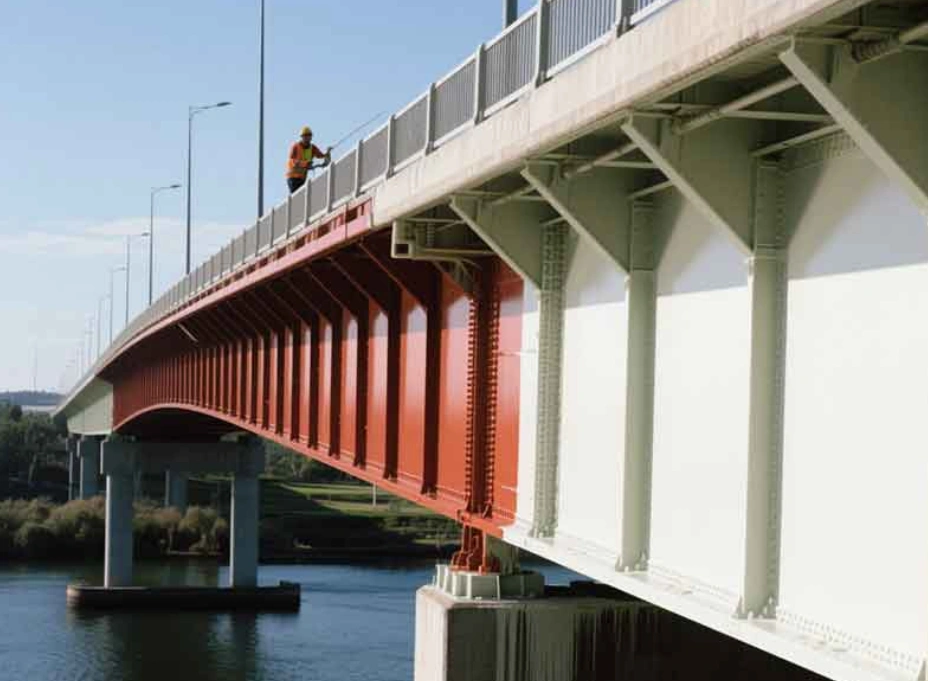
Acrylic coating for bridge
8. Powder Coatings
Customers value the various Types of Powder Coating for their aesthetic appeal and durability. Since they don’t contain VOC-laden solvents, these coatings are also environmentally friendly.
9. E-Coatings
The e-coating process uses electrophoretic attraction to deposit paint particles onto a conductive material. This technique is popular in automotive and agricultural equipment, where complex geometries and recessed areas are common.
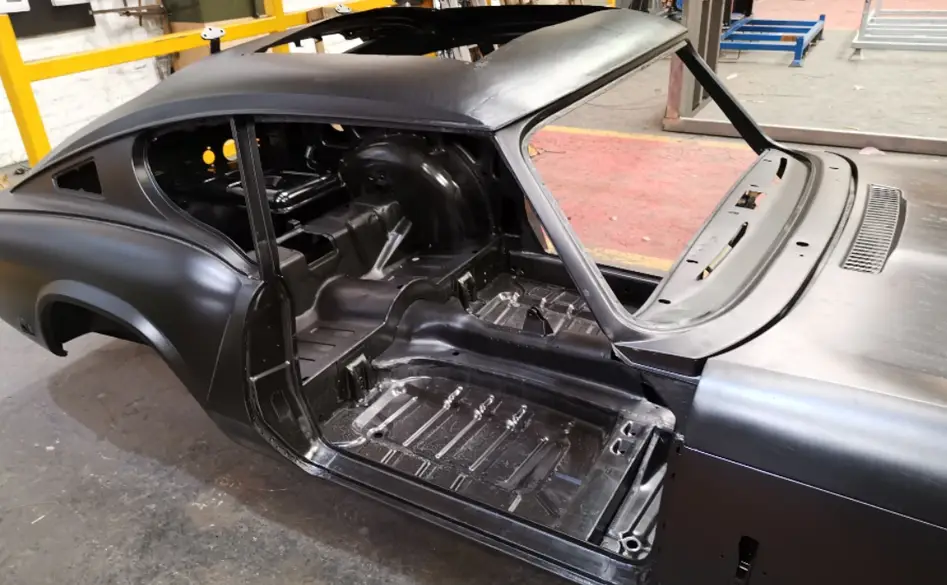
E-coated vehicle body
E-coatings are cost-efficient in high-volume manufacturing and provide excellent corrosion resistance.
10. Ceramic Coatings
When the coating temperatures exceed the limit, ceramic coatings are used as alternatives for traditional organic coatings. The thermally sprayed coatings are perfect for systems in heat exchangers, refineries, and turbines. Ceramic coatings are wear-resistant and help minimize coating wear in high-temperature, abrasive environments.
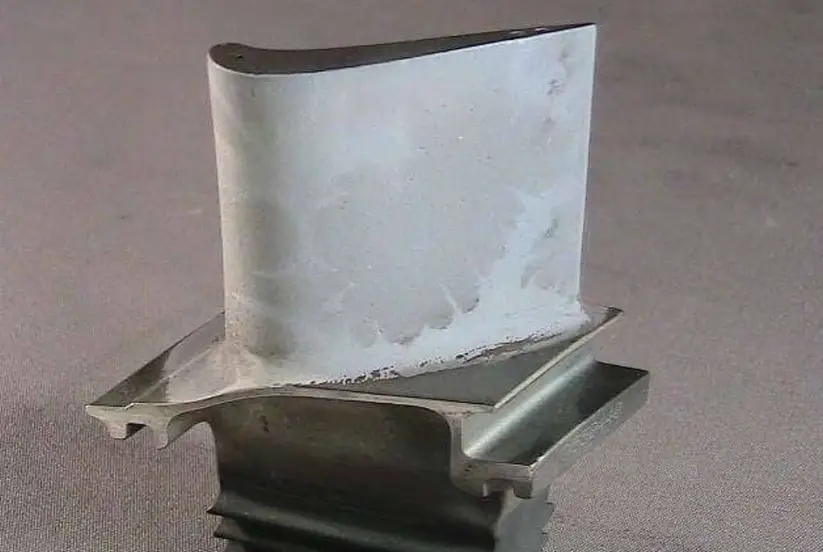
Ceramic coating on a turbine blade
11. Intumescent Coatings
Intumescent coatings are used as passive fire protection (PFP) tools for concrete, steel, and timber. They are thin, but they expand when exposed to heat. The resulting carbonaceous foam minimizes heat transfer to the substrate.
Fire-prone structures have this type of coating as a design requirement. It can delay structural failure by up to 120 minutes.
12. Conversion Coatings
Conversion coatings form a protective layer on metal after reacting with the metal. The conversion coating layer can enhance paint adhesion, add aesthetic appeal, and help protect against rust.
Examples of conversion coatings are;
- Anodizing
- Oxide coating
- Chromate coating
- Phosphate coating
13. Physical Vapor Deposition (PVD)
PVD coating is wear-resistant and decorative. The coating is also versatile, as demonstrated by its compatibility with ceramics, plastics, and metals like aluminum, copper, and titanium.
14. Electroplating
Electroplating is the controlled electrochemical deposition of a metal layer on a conductive substrate.
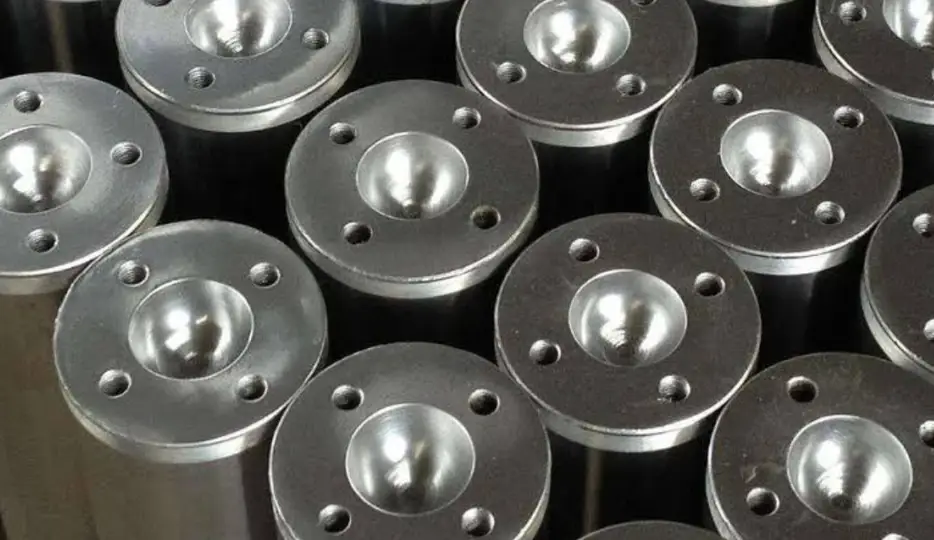
Electroplated CNC machined parts
It makes sense in manufacturing by;
- Helping manufacturers use cost-effective base metals
- Increases wear resistance
- Improves corrosion resistance
- Potentially minimizing maintenance cost
Try Prolean Now!
Comparison Table for Types of Coating
The following table of coating material types alongside their characteristics and common coating applications can help you select the most suitable coating for your application.
| Coating Type | Key Characteristics | Common Coating Applications |
| Epoxy Coatings | Excellent chemical resistance, average UV resistance, high adhesion | Manufacturing floors, warehouses |
| Polyurethane Coatings | Good abrasion resistance, high gloss retention, superior weathering resistance | Architectural steelwork, industrial structures |
| Polysiloxane Coatings | Excellent UV stability, extended service life, heat resistance, color retention | Major bridges, LNG facilities, chemical plants |
| Zinc-Rich Coatings | Excellent steel adhesion, cathodic protection | Heavy industrial fabrication, marine steelwork, oil & gas metalwork |
| Acrylic Coatings | Moderate chemical resistance, good UV resistance | General fabrication, architectural steel |
| E-Coatings | Thin film, uniform on complex parts, high corrosion resistance | Fasteners, automotive parts, agricultural equipment |
| Ceramic Coatings | High temperature resistance, extreme hardness, excellent abrasion and wear resistance | Turbine parts, heat exchangers, exhaust systems |
| Intumescent Coatings | Fire-rated (30–120 min), thin film | Public infrastructure, petrochemical plants, structural steelwork |
| Conversion Coatings | Very thin, base corrosion resistance, enhanced paint adhesion | Precision engineering, automotive & aerospace fabrication |
| Physical Vapor Deposition (PVD) | Extremely hard, micro-thin film, accurate process control | Precision aerospace parts, valve components, cutting tools |
| Electroplating | Enhanced corrosion/wear resistance, precise thickness, electrochemical process | Precision parts, connectors, hydraulic parts, fasteners, valves |
| Alkyd Coatings | Cost-effective, easy to apply, oil-modified polyester | General fabrication, structural steel in mild environments |
| Metalized Coatings | Heat-resistant, very long service life, thermally sprayed on aluminum or zinc | Bridges, coastal infrastructure |
| Powder Coatings | Thin film, excellent chip/impact resistance, applied electrostatically as a dry powder | Automotive parts, valves, pipelines, general industrial equipment |
What Are Hard Coatings?
Hard coatings are specialized coatings designed for wear resistance. These coating materials have hardness levels much higher than the base material. Good examples of these coatings are type III hard anodize, electroless nickel, and PVD coatings, which can reach hardness levels of 70, 72, and 80 HRC, respectively.
These coatings are relevant in metal-on-metal contact applications where coating wear is the order of the day.
What is the Best Type of Coating for CNC-Machined Parts?
There is no single best type of coating for CNC-machined parts – the best choice always depends on the tolerance requirements, working environment, and cost, among other considerations.
Of course, some coatings always feature in certain applications. For instance, aluminum CNC parts exposed to wear are usually coated with hard anodize (Type III).
Electroless nickel is the top choice for machined aluminum or steel parts with complex geometries.
There is a reason the premium-priced PVD coatings are usually used on tooling and other precision mechanisms: they have low friction and high hardness.
What is the Best Protective Coating?
Again, it all depends on what your project entails. There is no single answer to this question because factors such as performance requirements, substrate type, and the operating environment must be considered.
Consider the case of a structural steel facility in the coastal environment. Its coating recommendation would be different from what is required in a precision aluminum CNC part.
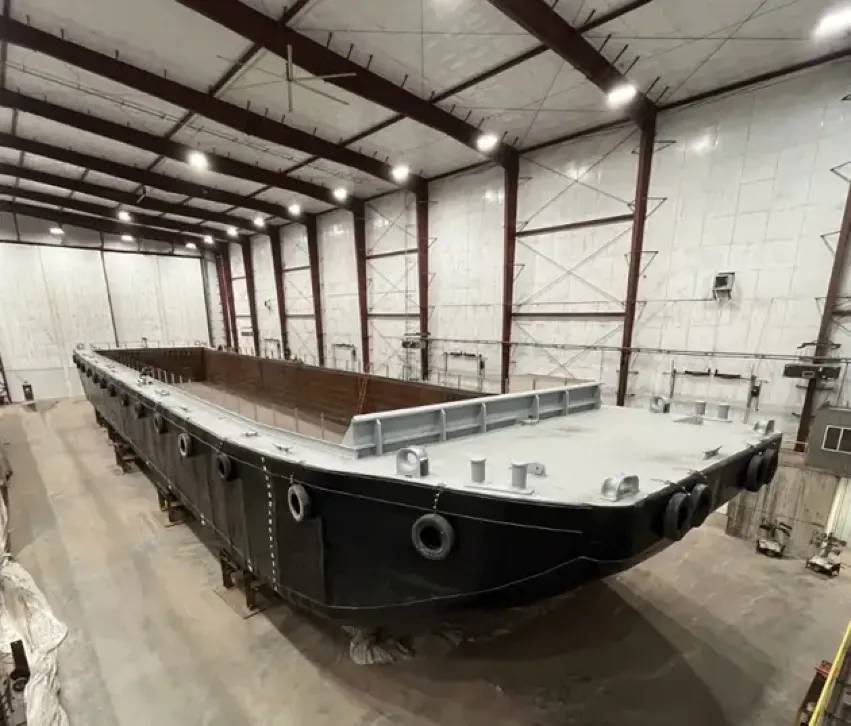
Marine steel structure
The coastal project requires something like a zinc-rich epoxy primer combined with polysiloxane topcoat. If you go for the more affordable standard polyurethane topcoat, you can expect to recoat the item more frequently.
As for the precision aluminum part, a cost-effective solution such as type III hard anodize is enough.
How Long Do Protective Coatings Last?
The factors of coating service life are environmental conditions, operating conditions, surface preparation, film thickness, and coating type. However, there are practical benchmarks, with most coatings lasting for between 5 and 25 years.
- Alkyd Systems: Up to 10 years
- Polysiloxane Topcoats: Up to 25 years
- Hard Anodize (Type III): Up to 25 years
- Electroless Nickel: Up to 15 years
- Intumescent Coatings: Up to 25 years
- Zinc-Rich Epoxy Systems: Up to 25 years
Try Prolean Now!
How Much Do Industrial Protective Coatings Cost?
The cost for industrial protective coating can vary significantly. Aspects of your project that can affect the cost include the complexity of the component, production volume, and type of process.
Here are some benchmarks of estimated costs that you could use as a guide:
| Type of Coating | Estimated Cost |
| Alkyd paint system | $1.50–$4.00/m² |
| Acrylic coating systems | $3.00–$8.00/m² |
| Epoxy coating systems | $5.00–$15.00/m² |
| Type II anodize | $1.50–$5.00 per part |
| Type III hard anodize | $4.00–$15.00 per part |
| PVD / ceramic coatings | $10.00–$150.00+ per part |
| Polyurethane topcoat systems | $8.00–$20.00/m² |
| Black oxide/conversion coating | $0.50–$2.00 per part |
| Zinc plating | $1.00–$4.00 per part |
*Note: These are indicative estimates based on general market conditions and common application parameters.
Factors to Consider When Choosing the Types of Industrial Coatings
The factors you should consider when choosing among different coating material types are the substrate material, functional requirements, regulatory requirements, operating environment, dimensional tolerance, and whole-life cost.
- Substrate Material: The chemical and mechanical compatibility between the coating and the substrate matters. Different materials expand and bond to coatings in different ways.
- Functional Requirements: Does the coating serve multiple functions? Critical functional qualities revolve around chemical resistance, fire performance, temperature range, and abrasion resistance.
- Regulatory Requirements: You may prefer a certain coat, but wait, regulations are another serious restriction. Standards to consider include;
- ISO 12944, NACE/AMPP
- REACH
- RoHS
- ATEX
- Specific inspection requirements
- Operating Environment: Consider the following;
- Immersion zones
- Buried or enclosed environments
- Atmospheric exposure
- Dimensional Tolerance: This decision element is critical for tight-fit assemblies and precision components. Thermal spray may work for a bridge girder, but it can be catastrophic for a threaded fastener.
- Whole-life Cost: The highest unit cost is rarely the most expensive if you look at the whole-life cost. A standard PU coating may cost only a third of a polysiloxane topcoat’s cost. However, the PU may last about 8 years compared to 25 years for polysiloxane.
Benefits of Using the Right Type of Protective Coating
The reasons to consider protective coating for your parts are regulatory compliance, minimal total cost of ownership, consistent performance, and extended component life.
- Regulatory Compliance: Meeting NACE, REACH, and other requirements prevents costs associated with halted operations and inspection failures.
- Minimal Total Cost of Ownership: Fewer reworks and recoat cycles translate to significant cost savings.
- Consistent Performance: A correctly specified and applied surface coating performs consistently, supporting planned maintenance and budget forecasting.
- Extended Component Life:
The Limitations of Industrial Protective Coatings
Industrial protective coatings can fall short in terms of vulnerability to mechanical damage, surface preparation dependency, application conditions, compatibility limitations, and health & regulatory risks.
- Mechanical Damage – Coatings such as ceramics and intumescents are prone to abrasion and impact damage.
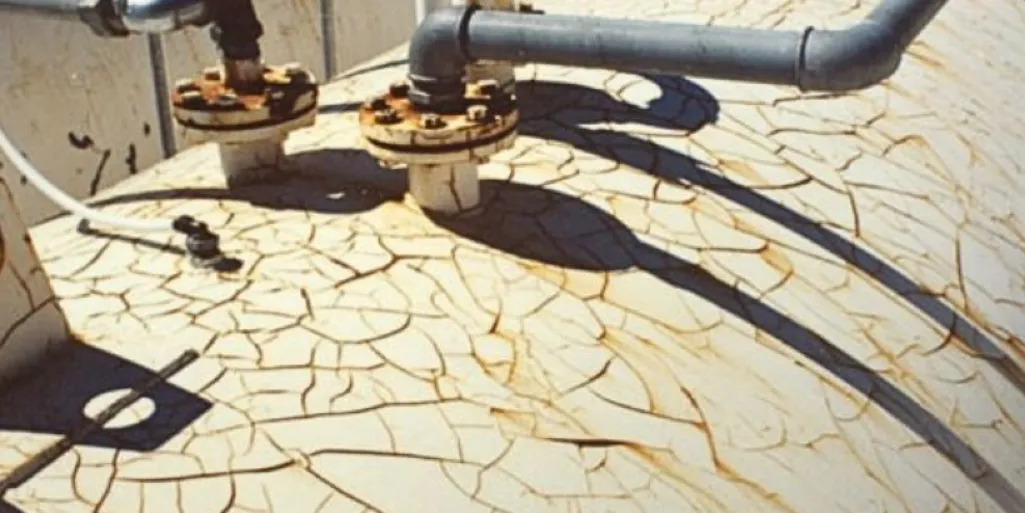
Industrial coating defect
- Surface Preparation Dependency – A poor surface preparation can render even the best coating ineffective.
- Application Conditions – The effective curing of a coating depends on temperature, dew point, and humidity.
- Compatibility Limitations – Some coatings have problems adhering to each other. For instance, intercoat delamination will occur if the wrong intermediate is used with the zinc primer.
- Health & Regulatory Risks – Restrictions against hexavalent chromates, high-VOC solvents, and isocyanates keep tightening. There are also handling and disposal conditions to contend with.
How Different Types of Protective Coatings Are Applied
Application methods include anodizing, airless spray, brush & roller, electroplating, and thermal spray.
Anodizing Method
Instead of a film being applied to the metal (aluminum), an electrochemical bath setup helps grow a dense oxide layer from the metal. Limited to aluminum, the coating is hard and dimensionally consistent.
Airless Spray Method
Paint is atomized in the absence of air for fast, high film builds in large areas. This application method is preferred for vessels and structural steel.
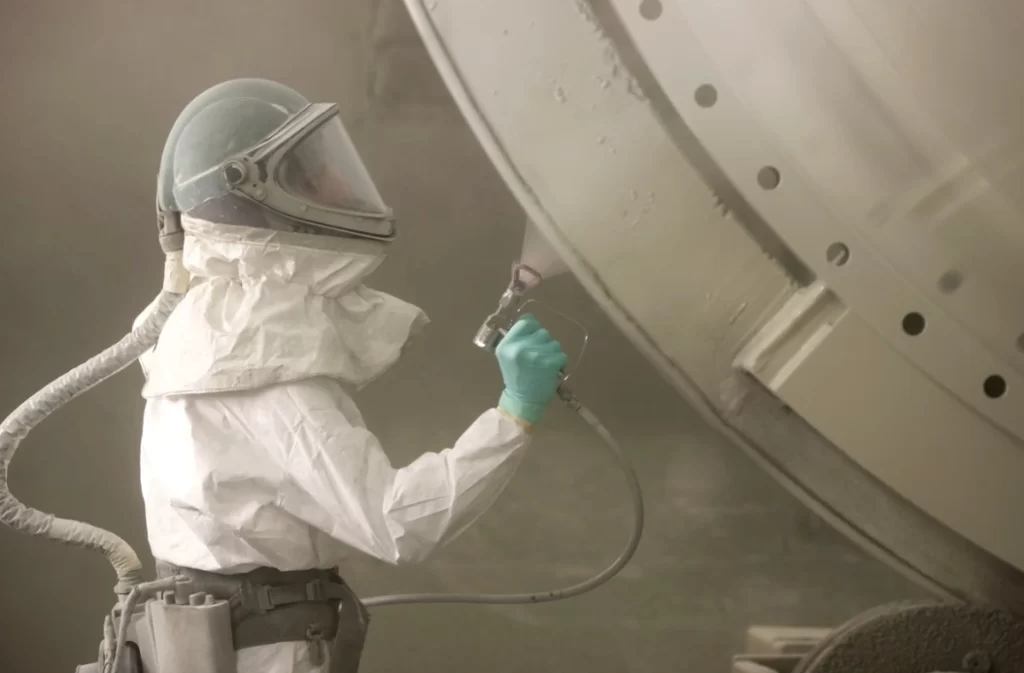
Airless spraying
Brush & Roller Method
The brush and roller method is ideal for hard-to-reach areas, bolt heads, and welds. It is not the best for a large-scale application.
Electroplating Method
An electrolyte bath supplies metal ions to a component in a highly controlled environment. This current-driven process is preferable for precision parts, fasteners, and valves.
Thermal Spray Method
An arc or flame gun propels molten metal onto the surface, producing a dense aluminum or zinc layer.
Try Prolean Now!
Future Trends In Industrial Protective Coating Types
Industrial protective coating types are set to advance in areas such as sustainability compliance, trivalent chromium processes, nanocomposite coatings, Plasma electrolytic oxidation (PEO), and digital process monitoring.
- Sustainability Compliance
- Trivalent Chromium Processes
- Nanocomposite Coatings
- Plasma Electrolytic Oxidation (PEO)
- Digital Process Monitoring
Conclusion
Industrial coating techniques help manufacturers enhance the appearance and performance of components without having to produce complete ones from specialist or expensive coating materials.
We have seen how the capabilities and suitabilities of these coatings vary, from the UV-resistant polyurethane coatings to the temperature-resistant ceramic coatings.
Whether standard coating or specialized coating: At ProleanTech, we help customers match performance and aesthetic demands to different types of coating. Our powder coating services are designed for reliable performance.
Call us today!
0 Comments