
303 Stainless Steel Machining
303 Stainless steel machining is considered an industry benchmark in balancing machinability, cost, and corrosion resistance for manufacturers. It is an industry-best free-machining stainless steel alloy for large-scale production, with exceptional chip breaking and machining ease. There are many, often overlooked, subtle and fundamental details which, when understood, will greatly enhance both production efficiency and product quality.
ProLean Tech is best in class for precision engineering of 303 stainless and other challenging materials. Our team leverages decades of experience with advanced technology for custom metal machining and expert material selection advice. Before starting your next project, we encourage you to utilize our no-obligation consultation to understand your needs better and enhance your manufacturing process.
What is 303 Stainless Steel?
303 stainless is an alloy of chromium and nickel austenitic steel, which has been modified with a machinability-improving element, selenium or sulfur. It is the most easily machinable stainless material and is therefore designated free-machining 303 stainless steel. The modified machinability improves chip removal during machining and provides better control over chip breaking.
Chemical Compositions
The chemical composition is different from standard austenitic grades. The alloy is made up of Chromium, Nickel, and sulfur. 303 improves machinability by increasing S or Se based on 304. Standard 303 stainless steel is machine-friendly because of its sulfur content.
303 vs 304 stainless steel
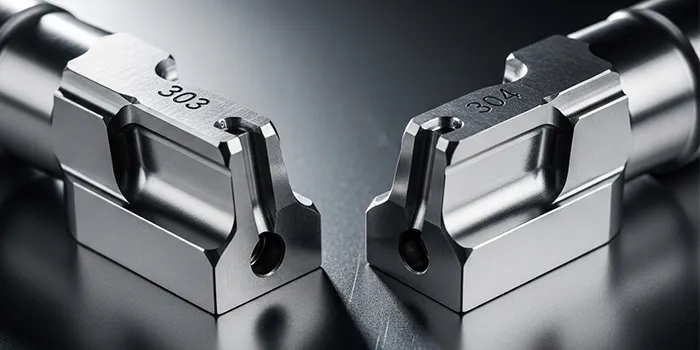
303 Stainless Steel vs 304 Stainless Steel
The choice between 303 and 304 stainless steel is one of the most critical decisions made in precision manufacturing. Both stainless steels are austenitic, but their performance is different in certain applications. Understanding the differences between these two types of stainless steels will help you avoid costly mismatches in materials and ensure optimal component performance.
| Property | Stainless Steel 303 | 304 Stainless Steel |
| Machinability Rating | 78% | 45% |
| Corrosion resistance | Good | Excellent |
| Weldibility | Poor | Excellent |
| Formability | Fair | Excellent |
| Cost | Moderate | Medium to High |
| Finish / Passivation Sensitivity | High – requires careful passivation to restore corrosion resistance after machining | Low – naturally forms a protective oxide layer, making it easier to passivate |
| Typical Use-Case | Precision machined parts (screws, bolts, nuts, shafts, fittings) where welding is not required | Welded structures, food processing equipment, chemical tanks, and architectural applications requiring superior corrosion resistance |
Types of corrosion-resistant steel
The corrosion resistance of both alloys is has a noticeable difference; however, 304 stainless steel has a slight advantage in many environments. The sulfur add-ons in material 303 stainless steel make it easier to machine, but they also create microscopic inclusions, which can cause corrosion when exposed to aggressive environments. In environments with chlorides, such as marine environments, 304 is the preferred material. 303 performs well in controlled environments indoors and within standard conditions.
Specific Selection Criteria
The final use of the material and manufacturing priorities should determine the selection. The primary cost drivers are complex machining operations, such as shafts or bushings that require tight tolerances, high-volume screw machines, or shafts featuring intricate features. You may need to weld or perform extensive forming, especially if you are working in harsh environments like those found on food processing equipment.
Advantages of Free Machining Stainless Steel
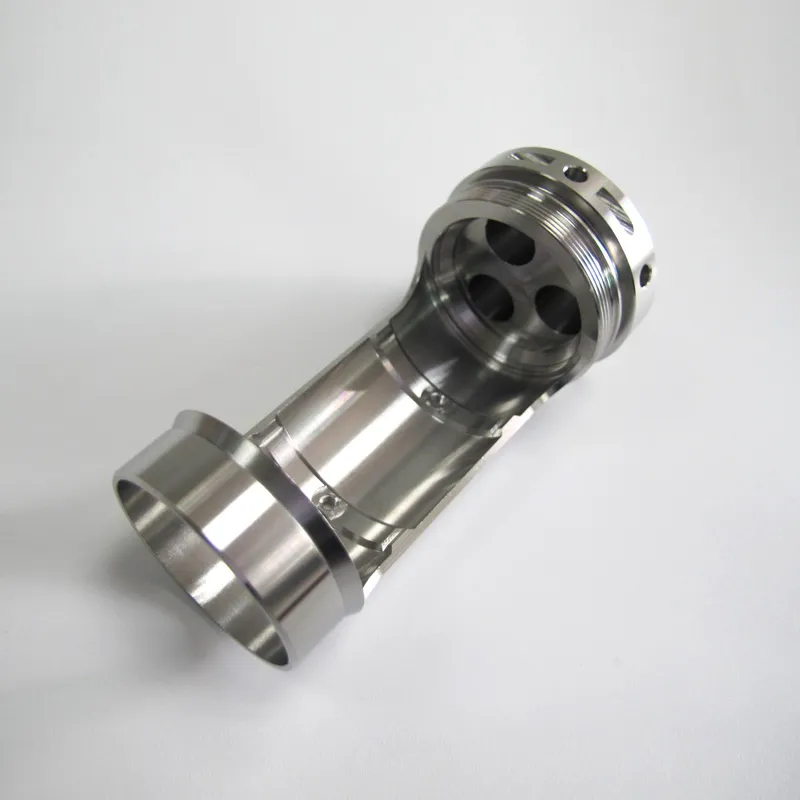
CNC machining of free-machining stainless steel
Free-machining stainless steel grades like 303 deliver tangible benefits that go far beyond cost savings. The benefits of free-machining stainless steel are cumulative and continue to increase throughout the production cycle, from initial setup through to final quality control. These benefits enable manufacturers to strategically place material 303 stainless steel in areas where it is most valued.
Cost-Effective Scaling of Production
The economic benefits of 303 stainless-steel machining increase as production volumes rise. Combining faster cutting speeds with reduced tool costs and minimal post-machining creates an attractive cost structure. 303 is often the best balance between performance and economy for screw machine products, high-volume turned components, and fasteners.
303 Stainless Steel – Optimal Machining Techniques
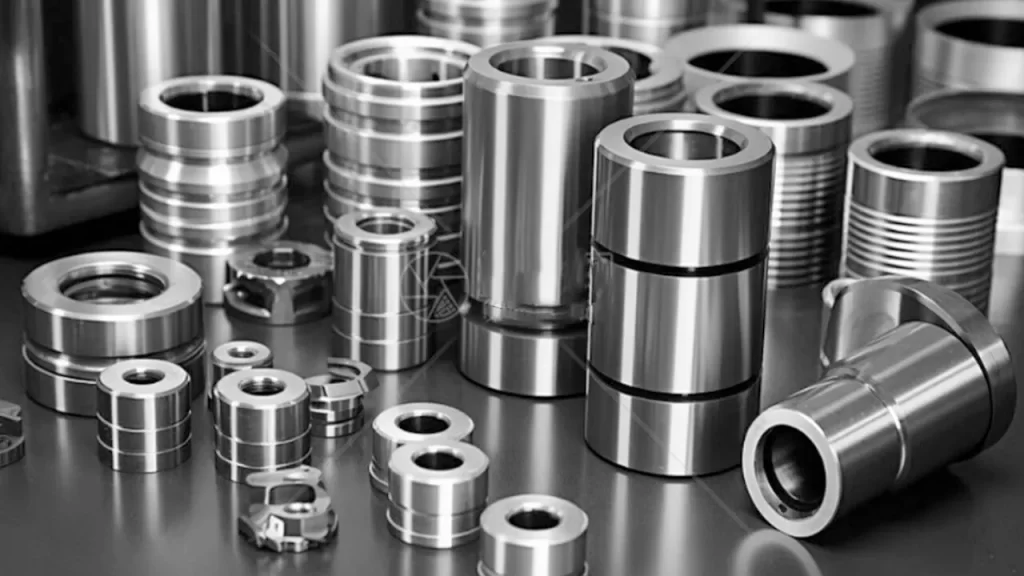
303 stainless steel bars
Good practices in 303 stainless steel machining include understanding how the alloy responds to cutting techniques and the modifications that need to be made. Stainless steel 303 is more machinable than its stainless steel counterparts. However, ample refinement of processes may yield more productive and better-quality pieces. Such refinements, which can be traced back to the machining industry for decades, are considered good practices.
Optimizing the Machining Speed and Feed Rate
Finding the appropriate 303 stainless steel machining settings is crucial to process efficiency. When turning with carbide tools, set your starting cutting surface speed to anywhere from 250 to 400 ft/min (75 to 120 m/min).
After that, set the reverse feed rate of the tool to 0.005” to 0.020” give or take some, based on the cutting conditions. Further refinements can be made with the tool design, cutting depth, and feed rate. If a shallower cut is asked, it means that you can turn your speed higher.
Choosing the right Tool Material
The cutting tool material used for 303 stainless steel dramatically impacts the performance of the machining. The best cutting tool material for performing machining of stainless steel 303 is aluminum oxide coated with titanium carbonitride. These coatings create less adhesion, less friction, and increase the tool’s life. For tough geometries or interrupted cuts, consider using a CBN (cubic boron nitride), ceramic inserts, or tools that cut at higher speeds.
Use of Coolants and Lubricants
Using cutting coolants while machining cuts work hardening and controls heat. Delivering the cutting coolant through high-pressure systems is best at the cutting edge. Cutting water-soluble coolants with good wetting works great. For threading and tapping, using cutting oil with sulfur is best. Most machining operations with stainless steel benefit more with the flood coolants instead of mist systems.
Industries Using 303 Stainless Steel
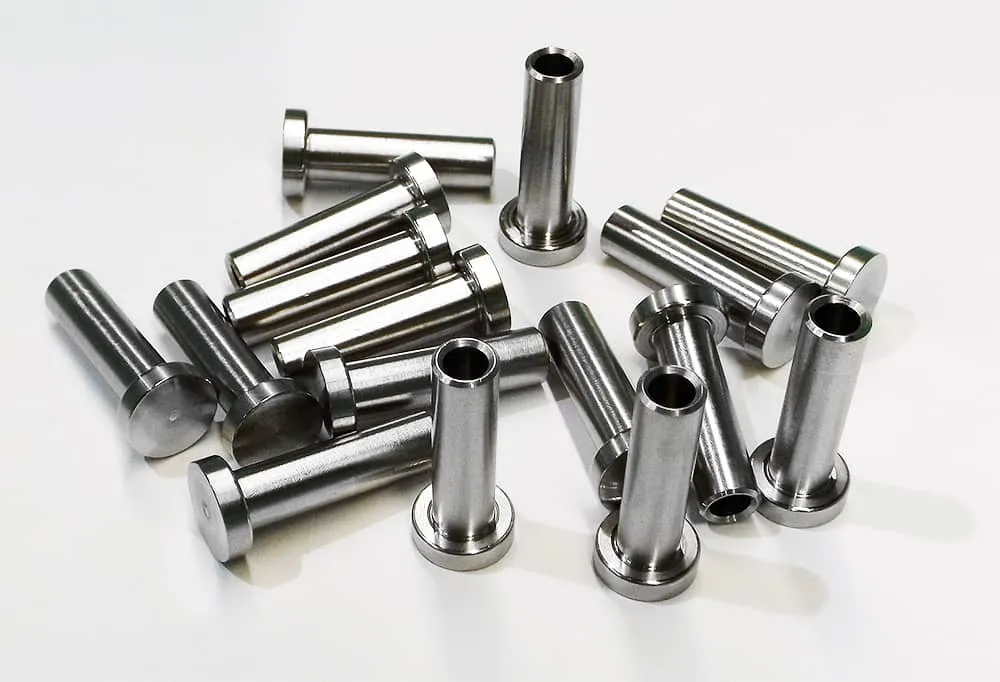
303 Stainless steel machined parts
The 303 stainless steel is desirable in sectors that require easy machining and some level of resistance to corrosion. Understanding common uses assists engineers in the choice of materials and the expected performance.
Medical and Dental Equipment
The material has not been favored in the production of surgical equipment, dental equipment, and diagnostic equipment housings. 303 may be used for non-implant, non-critical housings/components where machinability matters and the environment is controlled.
Because of sulfide inclusions, 303 has weaker resistance to pitting and crevice corrosion than 304/316, and it also has poor weldability. As a result, medical devices more commonly use 304/316/316L, especially in environments involving chlorides or cleaning and sterilization media.
Aerospace and Aviation Components
Aerospace manufacturers require 303 stainless steel when producing many non-structural parts, including bushings. Its corrosion resistance, machining, and stability in the various temperature ranges are useful in situations where the aviation application requires satisfying particular tolerances. The characteristics are also useful in lowering of cost of the cost of the components.
Car and Automobile Parts
Decorative trims (brake components, insertion 12096-12100, and decorative rims) are predominantly made out of stainless steel 303. It is also involved in manufacturing decorative trims and rims. 303 is cost-effective in manufacturing large volumes of trims due to its efficiency in production and resistance to automotive fluids. Most of the stainless steel machined components produced within the automotive sector are based on the basis of 303 in consideration of the price-to-performance ratio.
Try Prolean Now!
When 303 Stainless Steel Is a Bad Choice
303 stainless steel is not a good choice in many situations. The sulfur content in chloride or exposure to the marine environment causes rapid pitting corrosion. Welding causes structural failure due to weak joints and hot cracking. The surface of stainless steel is more susceptible to aggressive cleaning chemicals, such as strong acids and chlorides. Food contact and hygiene-critical uses are at risk of contamination because sulfur inclusions trap bacteria.
Surface Treatment Options for 303 Stainless Steel
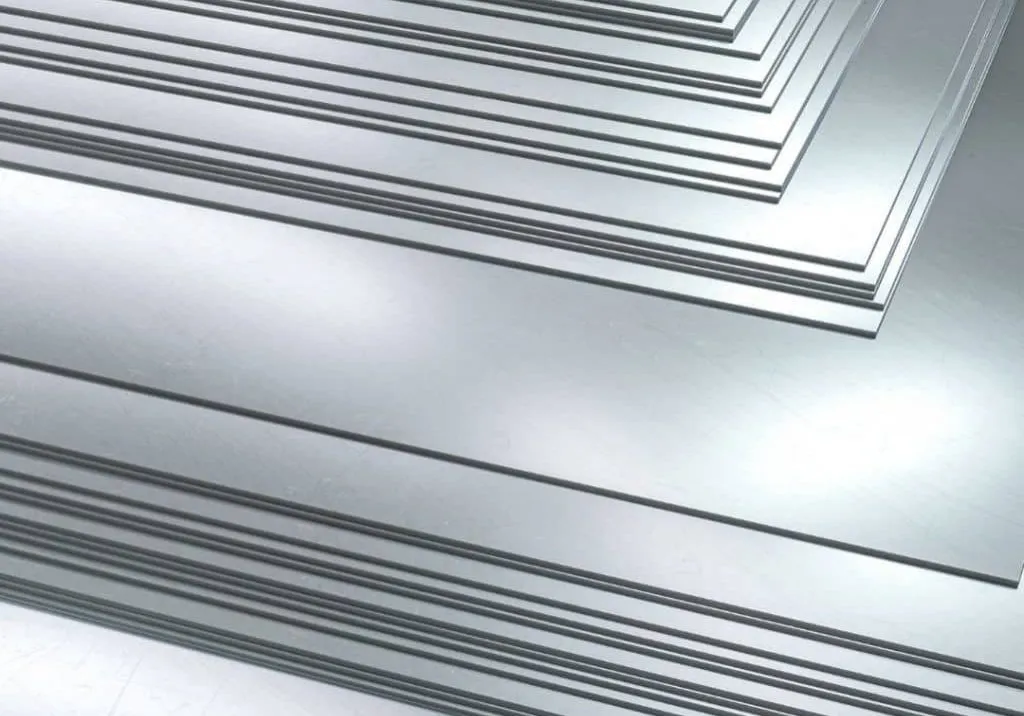
303 stainless steel machining
Surface treatments like oxidation, polishing, and surface treatment can enhance the appearance of stainless steel 303. The choice of finishing process is based on the functional requirements, environmental exposure, and aesthetic preferences.
Passivation for enhanced corrosion protection
This process is used to remove iron particles and form a protective layer. This treatment is especially beneficial for 303 stainless steel parts that were fabricated using cutting operations, which could have left iron particles or disturbed the passive layer. The ASTM A967 or AMS 2700 passivation specifications use nitric acid or citric acid.
Electropolishing
The electropolishing process removes materials by electrochemical dissolution. It creates surfaces that are extremely smooth and increases corrosion resistance. This process can reduce surface roughness by up to 50% and eliminate surface imperfections.
This process also produces a highly reflective finish. Medical device manufacturers and semiconductor equipment fabricators often specify electropolishing for 303 components, which require cleanliness and smoothness.
Coating Applications
For enhanced properties, 303 stainless steel can be coated with a variety of coating systems. Coatings of titanium nitride reduce friction and improve wear resistance on moving parts. Food processing uses PTFE coatings to provide non-stick properties. Although the traditional anodized stainless steel process is different from aluminum anodizing processes, specialized treatments are able to create colored surfaces through controlled oxidation.
Standards for Quality Control and Inspection
To ensure consistent quality, 303 stainless steel machining must adhere strictly to inspection protocols. Effective quality control programs balance thoroughness with production efficiency. Early detection of defects allows for a reduction in unnecessary delays.
Dimensional Verification Methods
Dimensional inspection is the backbone of quality assurance in machining. Implement a multistage method of inspection for 303 stainless components: first-article inspection checks initial setup, in-process inspection monitors product production stability, and final inspection confirms conformance with specifications. CMMs are used for complex geometries, and laser scanning is used to check surface profiles. Routine checks are done using traditional gauging.
Material certification and traceability
Verify material composition and properties using mill certifications and independent laboratory tests, if needed. Material traceability is essential to verify that components were manufactured in accordance with specifications.
It can also be used to conduct quality control investigations. For critical applications, such as the aerospace or medical industries, full material traceability is required.
Surface Finish Assessment
Surface finish has a significant impact on component performance. This is especially true in applications that involve friction or fatigue loads. Surface roughness can be measured using optical or contact profilometry methods in accordance with ASME B46.1. Establish acceptance criteria based on functional requirements rather than arbitrary limits; over-specifying surface finish increases costs without corresponding benefits.
Try Prolean Now!
Cost Optimization Strategies
In precision manufacturing, managing costs and maintaining quality standards is a constant challenge. The inherent advantages of free-machining stainless steel can be further improved by additional optimization strategies.
Design for Manufacturability
Early in the design process, collaborate with your manufacturing partners to optimize part geometries for efficient production. Simple design changes can reduce machining times dramatically. For example, by replacing sharp internal corners with rounded transitions, you eliminate time-consuming EDM operations. Standardizing hole sizes also reduces the number of tool changes.
Batch Size Optimization
Due to the amortization of setup time and economies in material purchases, production volume has a significant impact on per-part cost. To determine the optimal batch size, analyze the break-even point of setup costs versus inventory carrying costs. Larger batches can reduce costs per part for complex parts that require significant setup.
Strategic Material Utilization
Reduce material waste by nesting parts carefully, selecting the right bar stock, and using skeletal production techniques where parts are made from the same material. Consider near-net-shape material for custom metal machining. This will reduce the machining volume. Create scrap reclamation programs. 303 stainless steel scrap has a significant amount of value and can offset material costs if properly recycled.
Work with Corrosion-Resistant Metals
Engineers can make better decisions when selecting materials by understanding where 303 stainless steel fits in the wider landscape of corrosion resistant metals. While 303 stainless offers moderate corrosion resistance, it may not be appropriate for more aggressive environments.
The corrosion resistance of stainless steels is usually correlated with the molybdenum or chromium content. Type 304 is more corrosion-resistant because of its lower sulfur content. Type 316 has a higher molybdenum content, which makes it more resistant to harsh chemicals, chlorides, and marine environments. The Duplex stainless steels combine austenitic and ferritic phases with chromium to provide increased corrosion resistance.
Conclusion
Machinability and corrosion resistance are complex factors to consider when machining 303 stainless steel. The high manufacturing efficiency of 303 stainless steel makes it a versatile material for a variety of industries and applications. Understanding material properties, the best machining techniques, and the most appropriate applications will allow manufacturers to maximize benefits and avoid potential pitfalls. This stainless steel can be used for many applications, including medical instruments that need precision tolerances and large-volume auto parts that demand efficiency in manufacturing.
ProLean Tech is experienced in precision machining stainless steel 303 and other hard materials. Our advanced manufacturing capabilities, quality control systems, and collaborative engineering approach ensure your components are produced to exacting specs while minimizing production costs. Our team can help you make your product idea a reality. Whether you’re developing a new product that requires complex machining or improving your current manufacturing processes, our team is equipped to do so. To learn more, contact our experts and find out how we can assist with your next project.
0 Comments