
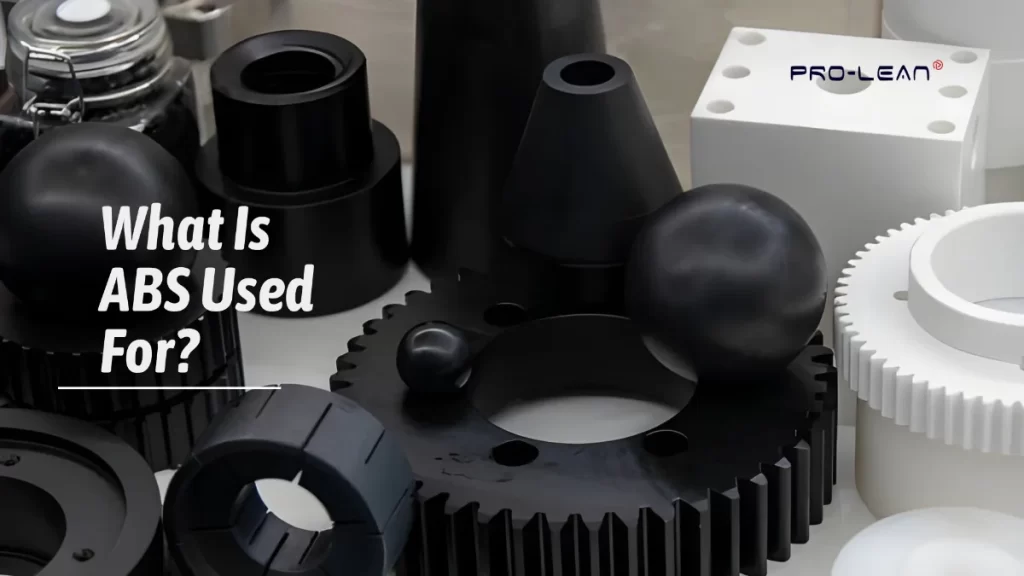
ABS Machined Plastic Parts
ABS is ideally suited for use in electronic housings, automotive components, consumer products, and pipe fittings. It is a durable thermoplastic used in many manufacturing industries. It is made from acrylonitrile, butadiene, and styrene. These components impart high rigidity, impact resistance, and toughness.
Moreover, it has excellent chemical and heat resistance due to the presence of the synthetic monomer acrylonitrile. Styrene is added to create a high degree of rigidity and hardness. Butadiene provides ABS with high toughness and impact strength, and it also improves its resistance to wear and tear. Due to this unique blend, ABS performs well under stress, resisting wear and maintaining its shape in harsh operating conditions.
At Prolean Tech, we use ABS CNC machining to produce precision, long-lasting components for both industrial and consumer goods. Our team meticulously processes and cares for each piece, ensuring that our designs meet the required standards of strength and performance.
This article explains what is abs used for, its properties, and the benefits that make it an ideal choice for manufacturing and machining applications. It also briefly addresses the safety of ABS for everyday and industrial use.
What is ABS Used For? (+Composition & Basics)
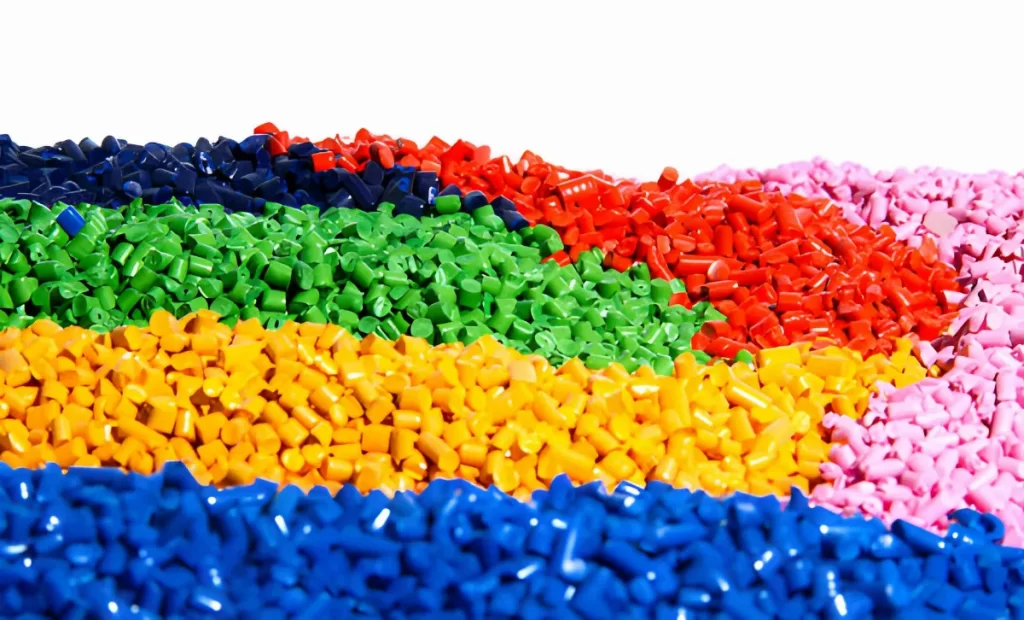
ABS Plastic Pellets
ABS is commonly used to make products like car interior parts, electronic housings, keyboard keys, toys, and household appliance components. It stands for Acrylonitrile Butadiene Styrene. It’s an engineered grade thermoplastic with excellent impact resistance, strength, and durability. It is primarily composed of three major monomers: styrene, butadiene, and acrylonitrile.
- Acrylonitrile: This is an artificial monomer developed from propylene and ammonia. Its addition improves the chemical and heat resistance of ABS.
- Butadiene: It is developed as a byproduct of ethylene and contributes to the toughness and impact resistance of the polymer.
- Styrene: Styrene is made by the dehydrogenation of ethylbenzene. It contributes to the addition of a high degree of rigidity and hardness to ABS, while also facilitating easier processing of the material.
ABS Plastic Properties That Make it Unique and Useful for Machining Applications
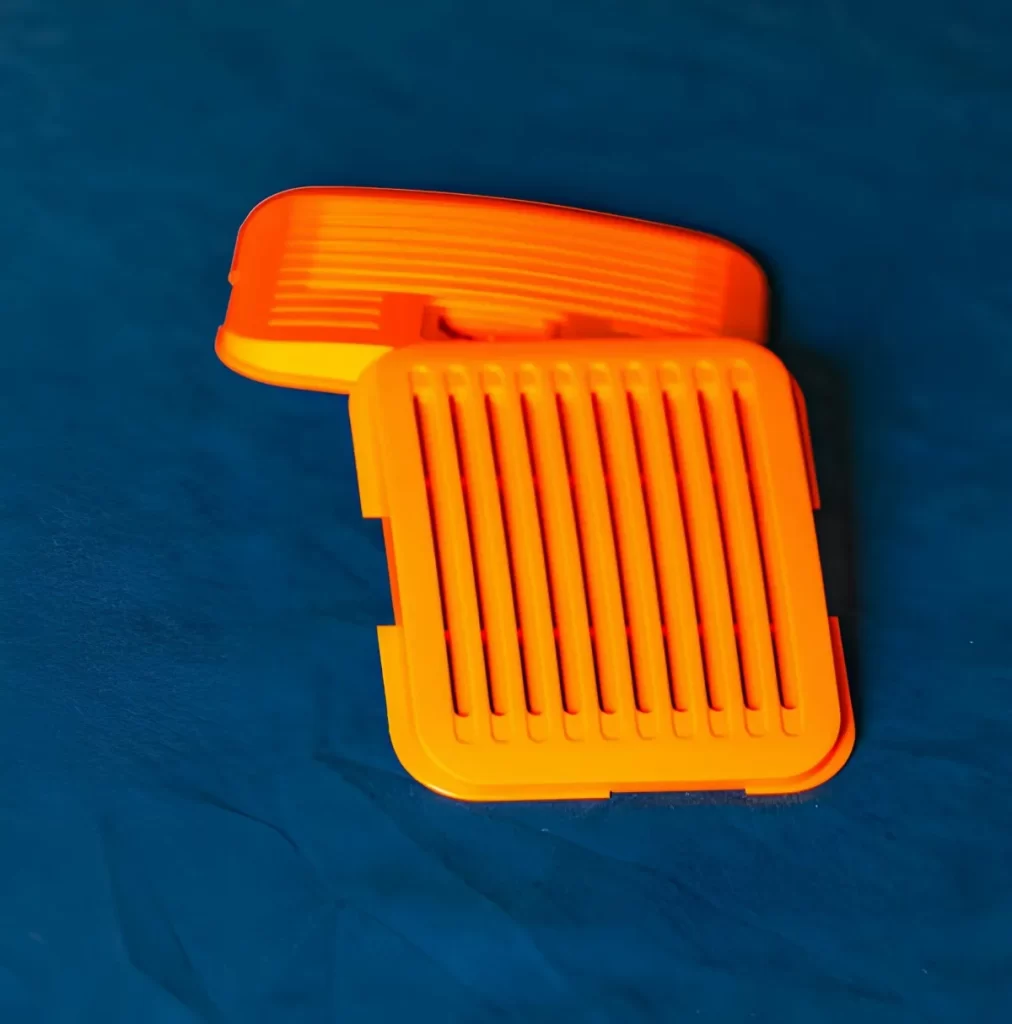
ABS Injection Molded Product
ABS is a bold, solid plastic that can resist scratches, strain, and impacts daily. It offers high resistance to impacts and scratches. Chemically, it provides resistance to most chemicals, except for a few polar solvents that could potentially harm it. ABS plastic yield strength generally ranges between 29.6 to 63.8 MPa. It is stronger than HIPS and has slightly better heat resistance.
Easy to Process
ABS Injection molding and machining are relatively easy to process and can be processed using standard machining procedures. The common manufacturing techniques include: Injection Moulding, Blow Moulding, Extrusion, and 3D Printing on FDM Printers. ABS has a lower melting point than many plastics, as well as a wide processing window.
ABS Material Properties at a Glance:
| Property | Typical Value / Behavior |
| Tensile Strength | 28–41 MPa (stronger than HIPS; suitable for load-bearing plastic parts) |
| Yield Strength | 29.6–63.8 MPa |
| Impact Resistance | High; resists cracking under daily mechanical shock |
| Hardness | Shore D ≈ 100 |
| Flexural Modulus | 1.6–2.4 GPa (good stiffness with slight flexibility) |
| Dimensional Stability | Holds shape well after machining and over time |
| Chemical Resistance | Resistant to acids and alkalis; weak against polar solvents |
| Process Temperature Range | 210–270 °C (wide window for machining, molding, and 3D printing) |
Try Prolean Now!
What are the Benefits of Using ABS Plastic Products
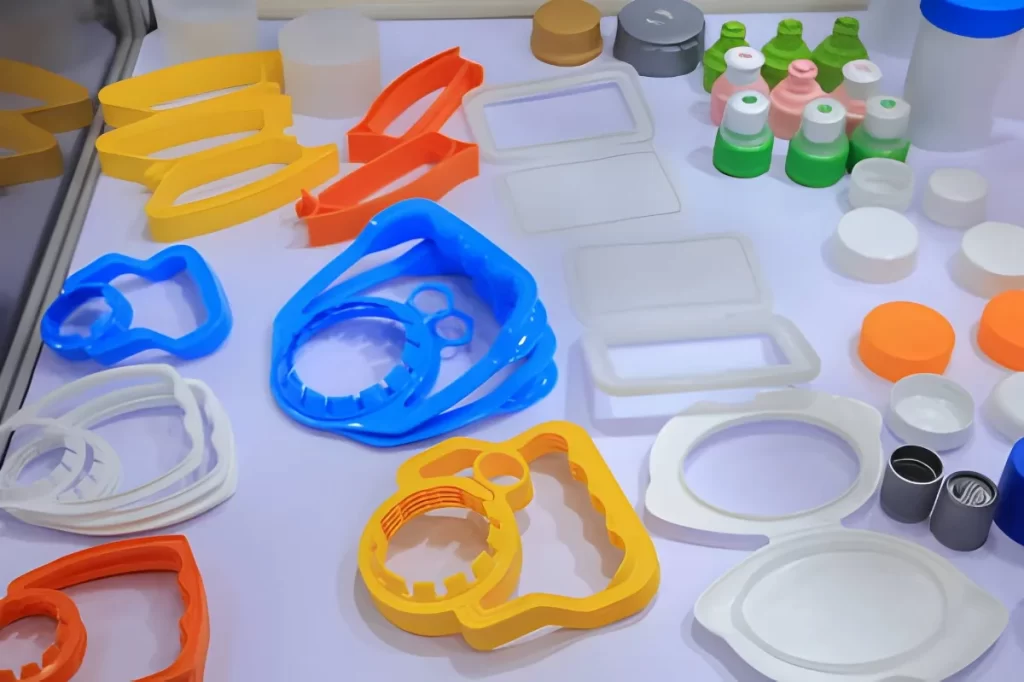
ABS Bottle Caps
ABS is a multi-purpose thermoplastic and protects and assures dependability in enclosure development. Due to its reliability, affordability, and performance, it is widely used in various industries. Let’s discuss its unique benefits.
Affordability
ABS is a cost-effective engineering plastic. It costs less than Polycarbonate but higher than Polypropylene, and provides a strong and economical solution. Additionally, ABS is relatively inexpensive to machine and mould, which lowers production time and the overall cost.
Impact Resistant and Strong
ABS is highly resilient, and enclosures made of ABS can usually handle intense shocks. When properly processed, the material retains its strength, resilience, and dimensional stability throughout its service life.
Temperature Performance
ABS performs well over a wide temperature range, generally from – 40°F to 140°F. It helps prevent excessive heat build-up and prevents warping or overheating of the enclosure during operation. These features make it suitable for use indoors and outdoors in limited capacities.
Approved for Medical and Food Use
ABS is an FDA-approved material and compatible with hygienic food items. It is used in food processing equipment, food packaging, and specific components of medical devices. These compliances guarantee safety in sensitive applications.
Wireless Signal Compatibility
ABS does not disrupt or obstruct wireless signals such as Wi-Fi, Bluetooth, or RFID. So, it’s ideal for use in Internet of Things (IoT) devices, intelligent systems, logistics, and other applications where wireless signal compatibility is crucial.
Limitations of ABS Plastic
- ABS has a lower UV resistance
- It has higher heat resistance than Polycarbonate (PC)
- ABS emits fumes during processing
- Limited resistance to strong solvents
- Poor outdoor weathering performance
What are the Common Products/Applications of ABS Material
As already mentioned, ABS is a resilient and impact-resistant plastic. It is used in various industries requiring a combination of durability and lightweight properties, and easy processing. Its stiffness, toughness, and thermal resistance make it suitable for both functional and structural purposes. Here are the common ABS plastic applications.
Gardening Tools and Toys
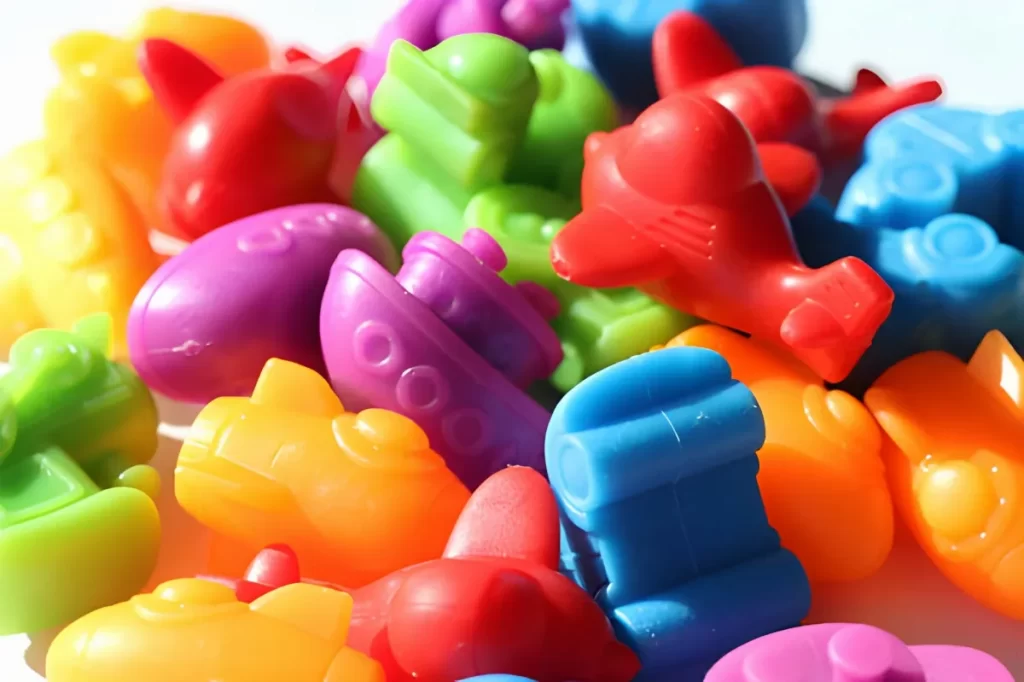
ABS Toys
ABS machining is suitable for small hand gardening tools such as trowels, rakes, mini shovels, and mini garden cultivators. ABS tools will not crack or break easily, and their lightweight nature allows users to carry them with ease. Its durability makes it an excellent material for rugged toys.
Medical Device Components
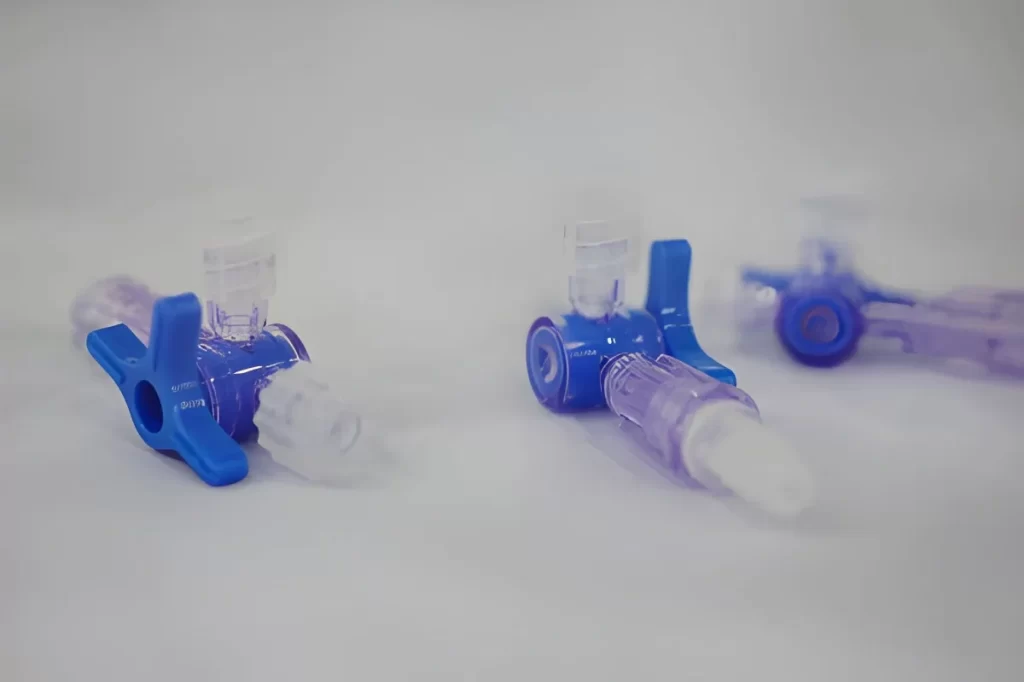
ABS interior drip components
In medicine, ABS is used in casing, nebulisers, and drug delivery equipment. The chemical stability, high purity, and consistent performance of ABS make it suitable for reliable medical components that will require repeated cleaning and handling.
Automobile Interiors
ABS is mostly used in the interior of vehicles. Some of the common examples include dashboard panels, door trim components, seatbelt components, handles, and instrument panel components, all of which are made of ABS.
The primary reason why ABS is used in these applications is that it enables the use of lighter-weight components without compromising strength. Moreover, its toughness allows the components to withstand everyday use and minor to severe impacts.
Plumbing and Pipe Systems
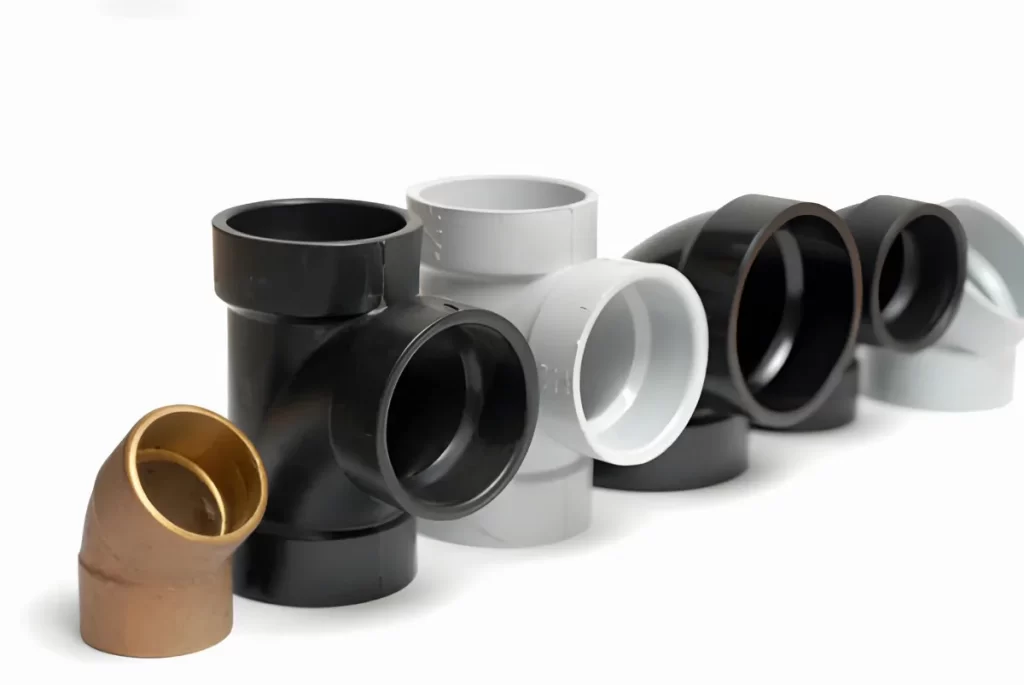
ABS Plumbing Pipe Connectors
ABS piping and fittings are widely used in residential and commercial plumbing systems. ABS piping is highly resistant to cracking, moisture, and chemical corrosion. So, it is suitable for underground drainage, waste, and vent systems, even in extreme cold temperatures.
Consumer Electronics
ABS plastic is used in consumer electronics, including keyboard casings, printer casings, and electronic enclosures. It offers a combination of insulating properties, rigidity, and durability that protects electronic components while maintaining a low overall product weight.
3D Printing and Prototyping
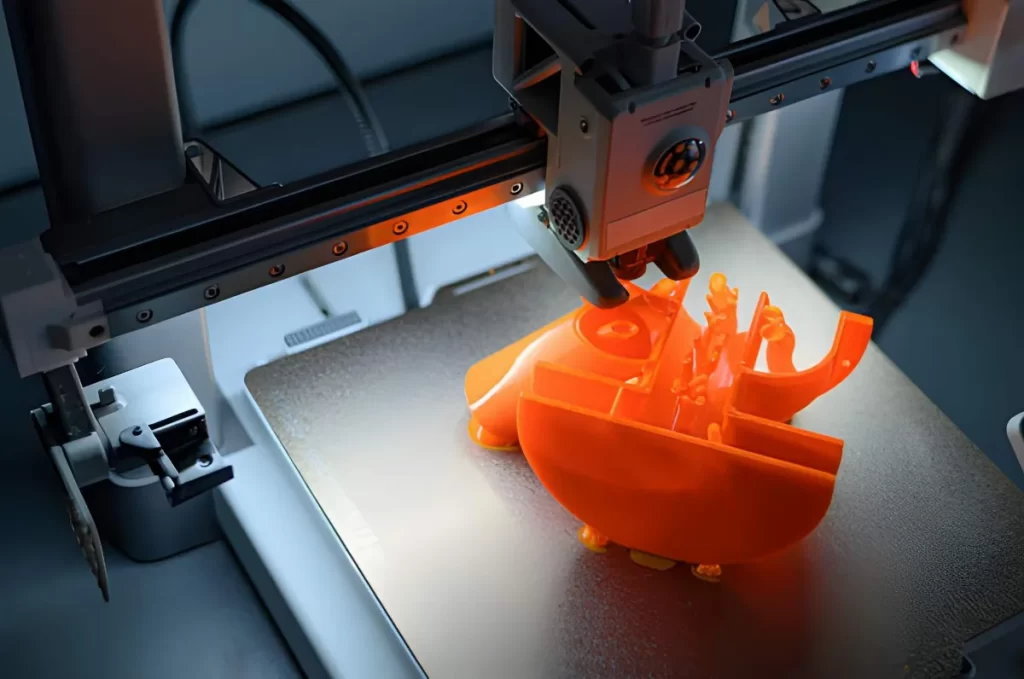
ABS 3D Printing
ABS is used in 3D printing and prototyping because of its heat resistance and ability to create complex shapes. Manufacturers use it to develop functional prototypes that evaluate how well the prototype will perform in terms of strength, flexibility, and fit before building it for final production. The versatility of ABS, particularly when it comes to its toughness and processability, makes it a popular material among engineers utilising additive manufacturing.
Household Appliances and Equipment
ABS is used in various components of household appliances and equipment. For example, vacuum cleaners, kitchen appliances, and other household items use ABS to produce durable housings and handles. The material also maintains the product’s lightweight design.
Try Prolean Now!
Comparison between ABS & Polycarbonate (PC)
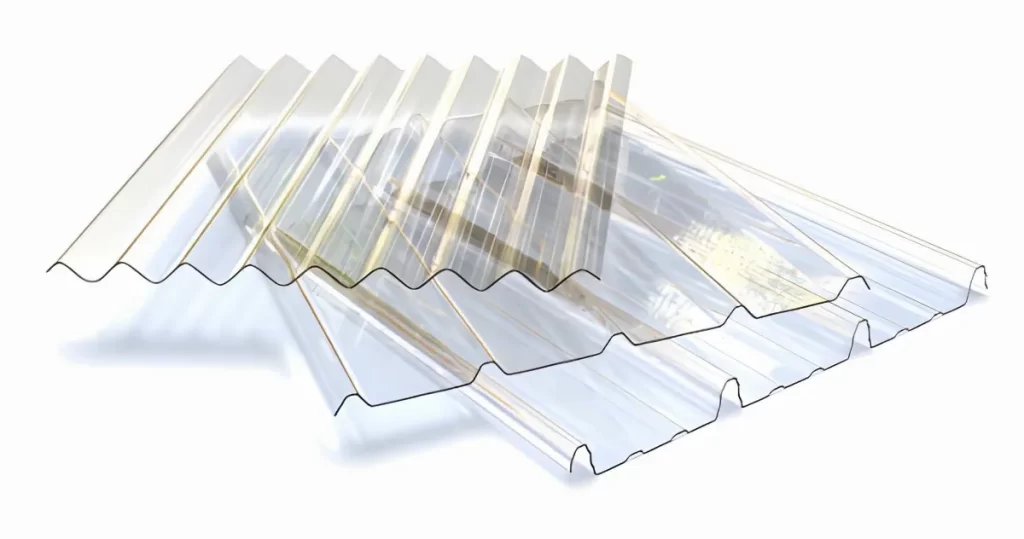
Transparent Polycarbonate Sheets
ABS can absorb impact and is less likely to crack. It is best suited for enclosures, gadgets, and components that experience daily bumps and bruises. On the other hand, PC is stronger than ABS. However, it often bends less under stress. If your application requires components to stay rigid and keep their shape under extreme stress, then use Polycarbonate plastic.
Thermal Resistance
Long-term exposure to heat will cause ABS to soften. However, PC stays stable at much warmer temperatures. This makes it a better choice for outdoor devices, machinery components, and any product that is near a heat source.
Best of Both Worlds
A blend of ABS and PC creates a product that combines the toughness of ABS and the heat resistance of PC. ABS/PC combinations are used in various applications, including electronics, industrial enclosures, and junction boxes. Both materials, when integrated, offer a product that stays strong and rigid, while being easy to mould or machine.
Resistance to Chemicals and Safety
ABS is resistant to moisture, oil, and many other common chemicals; however, it can be negatively impacted by powerful solvents. ABS/PC blends give enhanced chemical resistance and serve as a safe electrical insulator. Their combination makes them ideal for applications involving electrical enclosures or products exposed to chemicals.
Ease of Manufacturing and Appearance
Both ABS and ABS/PC combination are simple to injection mould, 3D print, or machine. These materials are easy to colour and coat, creating a polished and professional-looking finish. So, they are commonly used in electronic products, automotive panels, and control boxes, providing a practical and reliable option for rapid production.
Get Your Precision ABS Parts from Prolean Tech
Prolean Tech helps customers protect their electronics with our durable, lightweight ABS enclosures. We allow you to choose multiple sizes, styles, and NEMA ratings. By partnering with us, you can customise your enclosure with machining, 3D printing, or painting to fit your needs. Other than ABS, our team also gives you the option to choose from the following plastics:
- Acrylic (PMMA)
- Delrin (Acetal)
- Garolite G-10
- FR4
- Polyethylene (PE)
- Nylon
- PEEK
- Polycarbonate (PC)
- Polypropylene (PP)
- PPSU (Polyphenylene Sulfone)
- PPS (Polyphenylene Sulfide)
- PTFE (Teflon)
- Polyetherimide (PEI)
- UV Resistant Plastics
Contact Prolean Tech today to upload your design or request a fast, secure quote. Our engineers will help you get the proper enclosure quickly and efficiently.
FAQ’s
Is ABS plastic safe for everyday use?
Yes, ABS is safe for most everyday products and has stable, non-toxic properties. It does not release harmful fumes in everyday use. This is why you see ABS in toys, home devices, and many consumer items.
Is ABS recyclable?
Yes, ABS plastic can be recycled, but it’s not as straightforward as tossing it into a regular curbside bin. Since ABS is a thermoplastic, it’s better to be melted and reused. It is commonly recycled in industrial settings for items such as electronics housings, car parts, and toys.
0 Comments