
INJECTION MOLD ENGINEERING
Production Tooling
Services
Plan production injection molds for repeat demand, with a defined tool specification, acceptance route and supply agreement.
DESIGN INPUTReleased geometry & specified resin
PROCUREMENTMold asset & part supply defined separately
PRODUCTIONTrials, approval & controlled repeat orders
Buy the mold program.
Define what arrives with it.
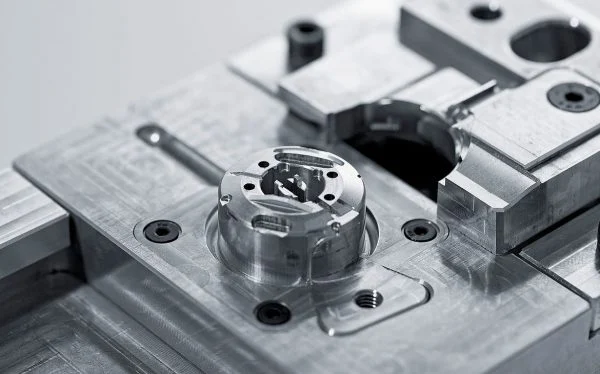
Production tooling is the mold system used to make injection-molded parts for an agreed production program. The right starting point is a stable design, specified resin and repeat-demand plan. ProleanTech reviews these inputs with the tooling and molded-part requirements for your quotation.
01 / TOOLING WITH PART SUPPLY
A mold that supports repeat orders
Define tool design and construction, trial samples, approved changes and the initial molded batch. Set the part revision, resin, release quantities, inspection and packaging separately from the tooling charge. Forecast demand and order commitments are different inputs.
02 / TOOL-ONLY OR TRANSFER REQUEST
A tool for a specified receiving site
Flag this requirement at inquiry. Supply of the physical mold, design files, spare components, export packing, press compatibility and commissioning requires explicit agreement. Paying a tooling charge does not by itself define ownership, delivery rights or transfer terms.
Still validating the design or resin?Prototype and bridge molds serve a different decision: proving the part before committing to a repeat-production tool.
Engineer around the demand.
Specify beyond the cavity.
Annual demand matters alongside release sizes, part geometry, resin and the production location. Compare the tooling investment with molding capacity, material use, handling and maintenance over the planned program.
| Decision | Engineering considerations | Agree in the tool plan |
|---|---|---|
| Cavity strategy | Single-cavity and multi-cavity layouts trade initial investment against output and balancing demands. Family molds add differences in fill and part demand. | Part mix, cavity count, cavity identification, balancing approach and capacity assumptions. |
| Runner & gate | Cold runners create a separate runner to handle. Hot runners add heated-system complexity and resin-specific operating requirements. | Proposed system, gate locations, vestige limits, color-change needs and permitted runner reuse. |
| Core, cavity & wear areas | Fillers, temperature, corrosion risk and repair access inform tool-material selection. Material name alone does not establish shot life. | Steel grade, treatment, critical inserts, wear components and any documented service-life conditions. |
| Cooling & ejection | Cooling layout affects temperature uniformity and dimensional consistency. Ejection and side actions must release the part without unacceptable marks or distortion. | Cooling interfaces, moving features, ejector locations and accessible maintenance points. |
| Receiving machine | A mold must match the intended press and auxiliaries. A transferable tool requires more than fitting between the platens. | Mold envelope, mounting, locating and nozzle interfaces, ejection, utilities, handling and control connections. |
Request any required export-mold specification or component standard by name and edition. Availability, conformance, hot-runner brand and tool-steel documentation require project confirmation.
Resolve the part risks
before cutting the production tool.
Use the released CAD and controlled drawing together. Identify the critical interfaces, cosmetic surfaces and permitted design changes so the mold plan supports the product requirements.
Flow & geometry
Review wall transitions, ribs, bosses, undercuts, weld-line risks and venting. Set the draw direction, draft, parting line and gate restrictions. Request flow analysis when the risk calls for it and agree what the trial must verify.
Exact resin grade
Specify manufacturer, grade, filler, color and material documentation. ABS, PC, PC/ABS, PP, PE, PA, POM, PET, PMMA and TPU are discussion starting points; grade-specific process conditions and feasibility need review.
Dimensions & condition
Shrinkage depends on material, geometry and processing. Define datums, critical dimensions, measurement timing and any conditioning requirements. Separate mold dimensions from finished-part acceptance; avoid applying a machining tolerance table to every molded feature.
Appearance & texture
Identify visible faces and an agreed texture or polish reference. Specify limits for gate vestiges, ejector marks, flash, sink and weld lines. Review draft and release before texture; agree lighting and reference samples for cosmetic decisions.
FROM TOOL BUILD TO RELEASE
A trial is a decision point.
Acceptance needs a record.
Agree the trial and approval plan before manufacture. A mold opening and closing, or a sample looking acceptable, does not establish that all product requirements are met.
- 01
Approve the tool plan
Freeze the drawing revision, resin, mold layout, gate and parting-line positions, acceptance criteria and responsibilities. Record assumptions and authorized DFM changes before the build.
- 02
Run the agreed trial
Specify trial resin, sample quantity and cavities to be represented. Record relevant molding conditions and identify samples by cavity and revision. Define material handling and permitted regrind rather than leaving them implicit.
- 03
Review samples & evidence
Compare dimensional results, appearance and required functional tests with the agreed criteria. Define the inspection report and material records required. Log deviations, corrections, new samples and approval responsibility.
- 04
Authorize repeat production
Approve the sample set and controlled process reference. If a production qualification run, capability study, PPAP or application test is required, request its scope in advance. These are separate deliverables, not automatic consequences of sample approval.
Keep tool acceptance and part acceptance explicit.Define when each milestone is met, how remaining issues are closed and which approval authorizes the next production release.
Plan for the next order.
And the changes after it.
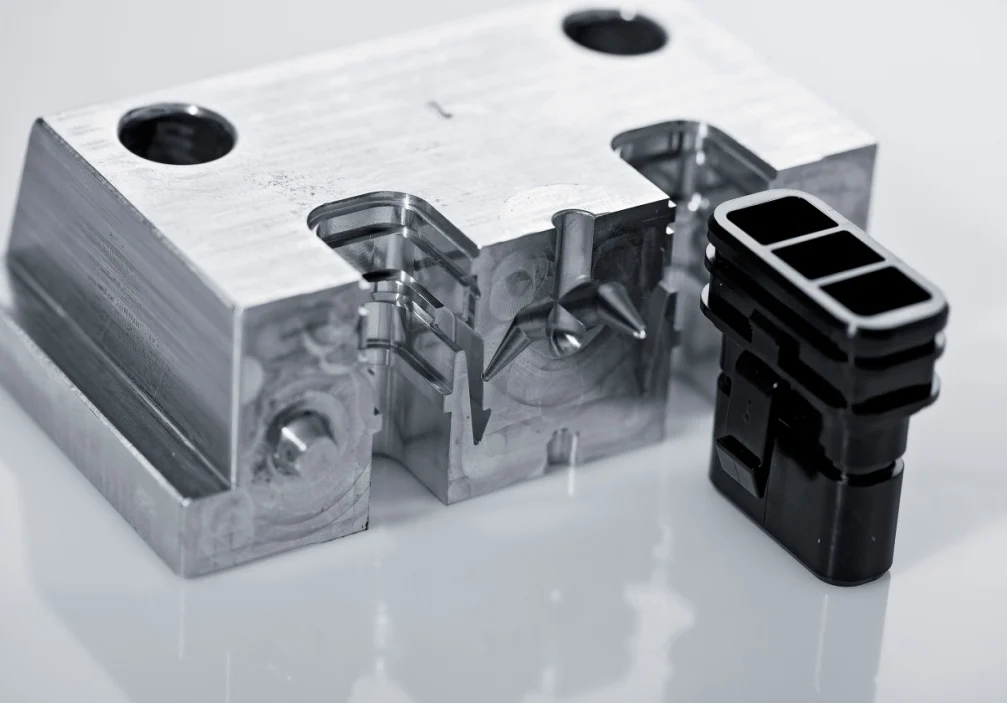
The procurement agreement should cover how the mold is identified, maintained, stored and released. Resolve these terms before the tool becomes critical to your supply chain.
- Maintenance & service life
- Agree routine checks, cleaning, wear monitoring, maintenance intervals and records. Define who pays for consumables, repair and damage. Any shot-life target needs operating conditions, exclusions and an agreed counter.
- Storage & restart
- Set the storage location, preservation, inactivity period, fees and access rights. Define inspection and restart checks after storage and how a proposed disposal or relocation is authorized.
- Ownership & release
- Record the owner, tool identifier, payment milestones, possession and rights to design data. State release conditions and any outstanding commercial obligations. Part pricing and tooling payment are separate order terms.
- Changes & repairs
- Control the request, impact assessment, price and approval for any modification. Track drawing and tool revisions, affected cavities and new samples. Define when a repair requires requalification before parts ship.
- Transfer & continuity
- Specify the receiving press, documentation, spare list, packing, transport and commissioning responsibilities. Plan requalification at the new site and any buffer stock needed during the transition.
Compare the program cost,
not just the tooling charge.
A higher cavity count or more complex tool can change output and part cost, but it also changes the initial investment and upkeep. Ask for the assumptions behind a comparison, especially when forecast demand is uncertain.
Tool investmentDesign, construction, specified components, trials, changes and agreed documentation.
Recurring supplyResin, molding, runner handling, inspection, secondary operations, packaging and scheduled releases.
Lifecycle exposureMaintenance, spares, repairs, storage, engineering changes and any eventual tool transfer.
Production tooling does not inherently guarantee a better finish than every prototype mold. Geometry, tool surface, material, process control and acceptance criteria determine the result.
Production tooling,
clearly specified.
Questions to resolve before committing to a long-term mold program.
What is production tooling for injection molding?
Production tooling is the mold system engineered for an agreed repeat-production program. It includes the cavities, cores, feed, cooling and ejection features used to form parts. The mold is distinct from the molded parts; the quotation must define both scopes.
When should I choose production tooling instead of rapid tooling?
Consider production tooling when the design and resin are released and repeat demand justifies the mold investment. If fit, material or geometry still needs validation, discuss rapid tooling or bridge batches first. Volume alone does not settle the choice.
Can I buy a mold without ordering production parts?
State tool-only delivery in your RFQ. Mold supply, trial samples, documentation, receiving-machine compatibility, shipping and commissioning need a separate agreed scope. A tooling charge for a molded-parts order does not automatically include export or transfer.
Which mold steel, cavity count and runner system will be used?
These are project decisions. Specify resin grade, fillers, part geometry, demand, appearance and the receiving press if applicable. Confirm the proposed steel grade and treatment, cavity layout and hot or cold runner specification in the approved tool plan. No single construction fits every program.
How is a production mold accepted?
Agree trial conditions, sample quantities, cavity identification, dimensional and cosmetic criteria, functional tests and required reports before the trial. Record open issues and approved corrections. Sample approval and authorization for repeat production should be explicit decisions.
How long will the mold last?
There is no universal shot-life promise. Resin abrasiveness, tool construction, operating conditions, maintenance and damage affect service life. Any shot target or warranty needs written conditions, a counting method, exclusions and repair responsibilities in the order.
Who owns the mold and can it be transferred?
Ownership, payment milestones, possession, design-data rights and release conditions must be agreed in writing. If transfer is required, define documentation, machine interfaces, packing, transport and requalification responsibilities before ordering.
How are engineering changes and repeat orders controlled?
Use an approved drawing revision, identified tool and agreed resin specification for each release. Changes to geometry, resin, texture, cavities or process require a documented impact review. Confirm costs, timing, updated samples and approval before the revised production run.
YOUR NEXT PRODUCTION PROGRAM
Bring the part.
Define the production plan.
Share the released design, resin and repeat-demand requirements. We’ll review tooling, trial, part-supply and delivery scope for your quotation.
Your files stay confidential. Optional NDA available ↗