Dec 3, 2025 | Design Guide
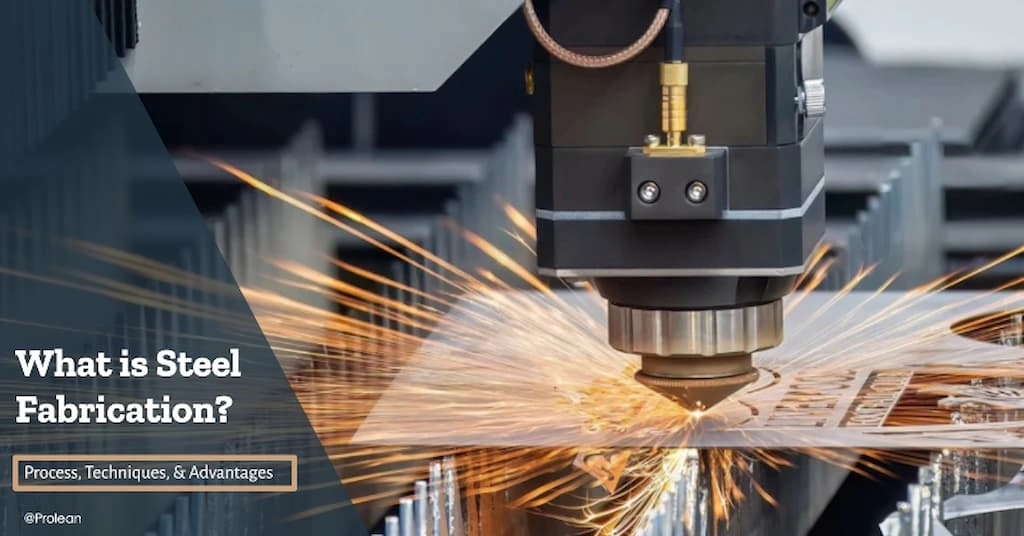
Steel fabrication Among the several methods of producing finished steel parts, sheet metal fabrication is recognized for its versatility, customization, and precision. You can use steel fabrication to shape the desired parts from blank steel sheets. Individual parts...
Dec 2, 2025 | CNC Machining
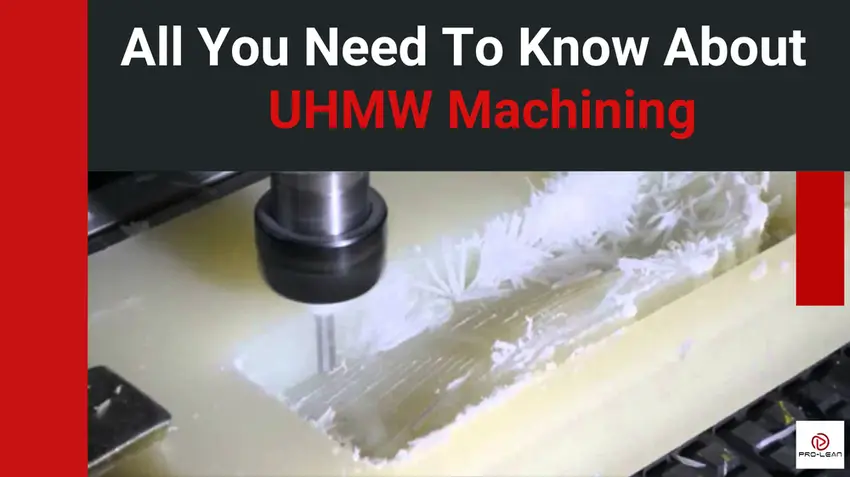
UHMW Machining Ultra-High-Molecular-Weight Polyethylene (or UHMW) is a thermoplastic polymer with a molecular weight of 5-9 million AMU, which is extremely high. The engineering plastic is chemical-resistant, wear-resistant, and durable. Its long, aligned polymer...

Dec 1, 2025 | CNC Machining
Molybdenum is a refractory metal that requires specialized molybdenum machining techniques because of its material properties. TZM alloy, one of the key materials for CNC machining, requires a thorough understanding during various cutting operations, as it supports...
Nov 24, 2025 | CNC Machining
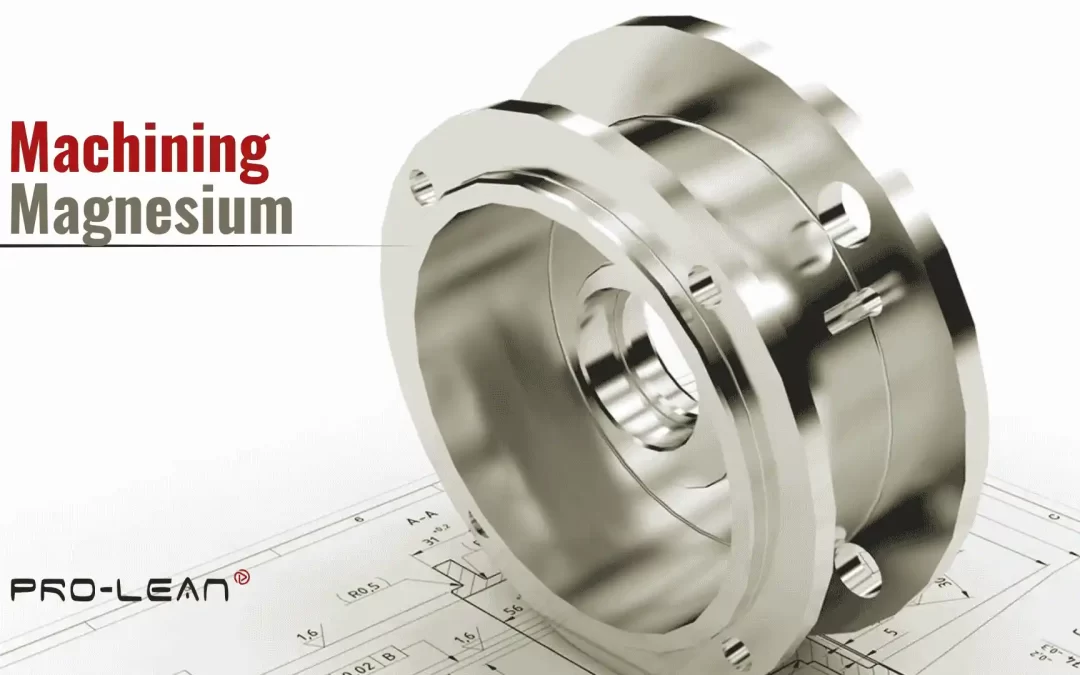
What is Magnesium Alloy? Magnesium alloy is the lightest material among other metals. It has a high strength-to-weight ratio, which makes it suitable for use in aerospace, automotive, and electronics applications. The common magnesium alloy products include housing,...
Nov 10, 2025 | Material Machining
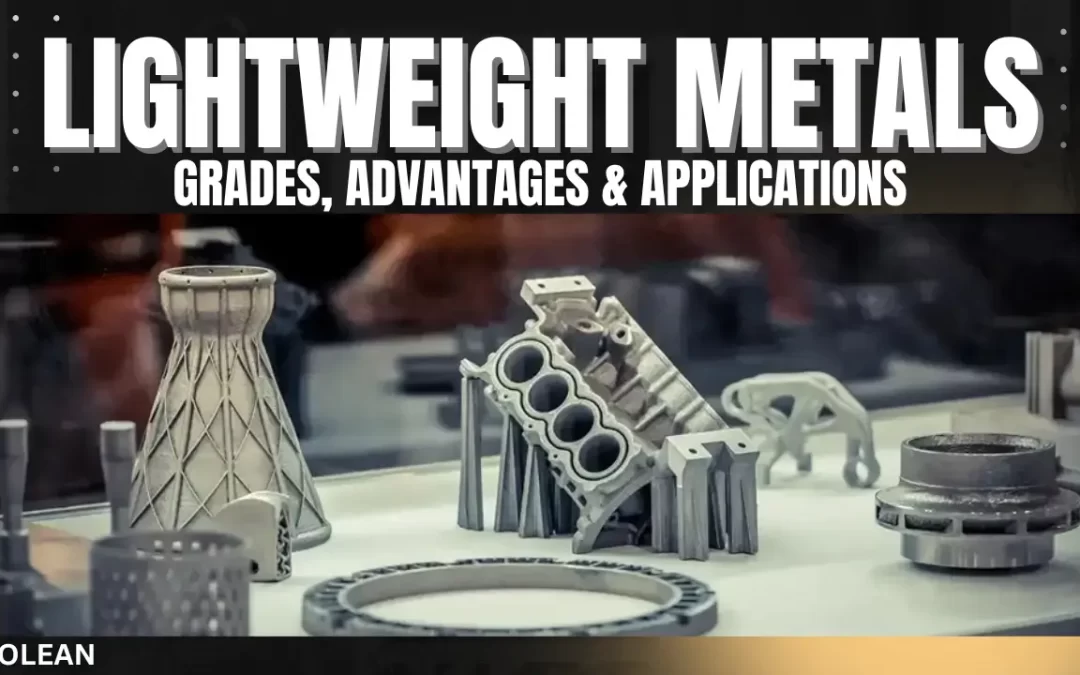
Lightweight Metal Grades: Grades, Advantages & Applications Lightweight metals are transforming industry and engineering today. They provide excellent strength, low weight, and exceptional corrosion resistance for a variety of uses. At ProleanTech, we specialize...
