
Laser Cladding Services
Laser Cladding Services
Review the repair before adding metal.
Plan local wear-surface restoration or a deposited functional layer around the original component. Share the base alloy, damaged-area measurements and final drawing to review deposition, machining allowance and inspection as one route.
Confidential files. Optional NDA available.
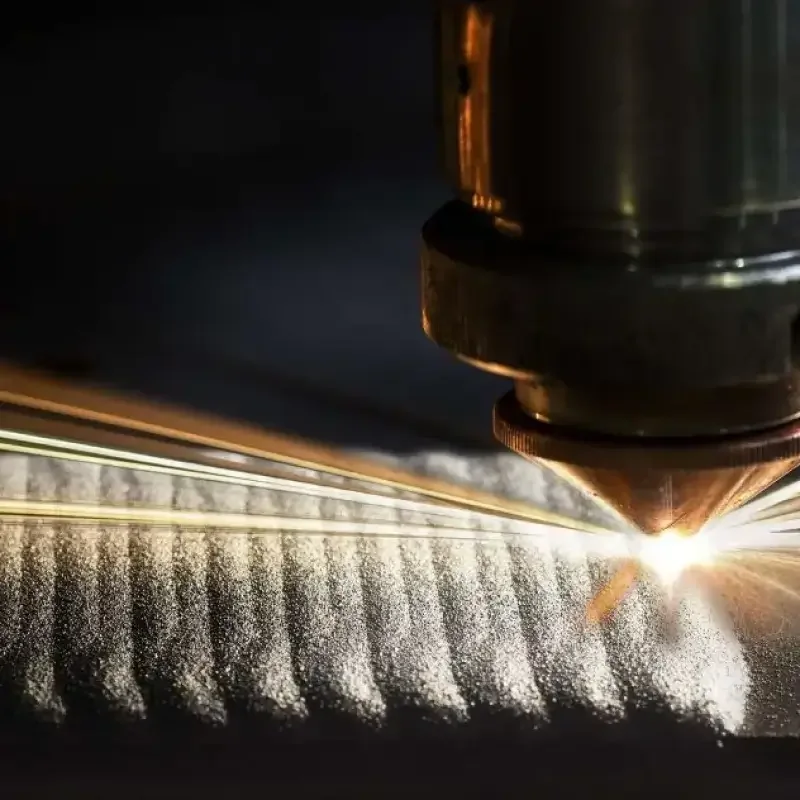
Wear faces, accessible shaft features and repair candidates with a known material and service history.
A repair is not automatically suitable for a safety-critical or fatigue-loaded part. Acceptance requires an application-specific engineering review.
What this process does
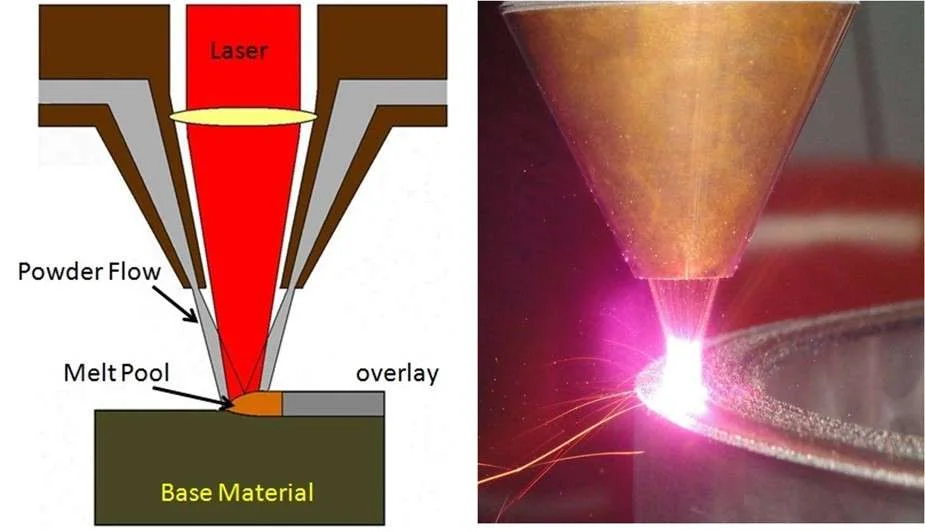
Laser cladding uses laser energy to fuse added metal onto a substrate. It creates a deposited layer with a metallurgical interface and introduces thermal effects that must be considered with the material and geometry.
Choose the route from your requirements.
Use these points to prepare an enquiry. The selected process, material compatibility and acceptance criteria should be confirmed for your drawing.
On smaller screens, scroll the table horizontally.
| Your requirement | What to specify | What to review |
|---|---|---|
| Wear restoration | Define the missing material and final dimensions. | Review deposit compatibility and machining stock. |
| Functional overlay | Identify wear, temperature or corrosion conditions. | Choose the deposit for the application rather than surface colour. |
| Cracks or unknown damage | Provide inspection findings and failure context. | Establish whether repair is appropriate before processing. |
| Critical components | Identify approval authority and required procedure. | Qualification and acceptance must be agreed for the actual application. |
Still comparing routes? Explore the surface finish guide or send your drawing for review.
Protect the features that make the part work.
Mark the surfaces that carry function, fit and appearance. A clear drawing helps separate essential requirements from unnecessary processing.
Thermal effects
Review distortion, dilution and the heat-affected region with the substrate and deposition route. Plan any necessary post-treatment.
Access and finishing
A deposition head and later cutting tools need access. Include datums, clamping surfaces and the final machining or grinding requirement.
Inspection sequence
Some checks are needed before deposition, others after machining. Agree the sequence and how unacceptable indications will be handled.
Agree the evidence before production.
Inspection should answer the requirements on your order. Define the method and acceptance criteria when a characteristic is important to the application.
- Incoming damage and material identity documented
- Deposit and final dimensions checked
- Agreed NDT and hardness checks recorded
- Repair release criteria approved for the application
Testing and documentation are confirmed in the quotation. A finish name or reference image does not establish certification, performance or compliance.
From drawing to an agreed finish.
Send the part context
Share the drawing, material, quantity and operating environment. Identify cosmetic and functional surfaces.
Review the process
Resolve preparation, access, masking and the sequence with machining or other finishing operations.
Confirm acceptance
Agree samples, measurements and documentation. Record the approved drawing revision and open requirements.
Release the order
Confirm the quoted route, schedule and packing requirements before work starts.
Can laser cladding restore any worn part?
No. Base material, damage, access and service conditions may rule out repair. Start with a feasibility review; replacement may remain the appropriate route.
What should I send for a quotation?
Send the drawing revision, material grade, quantity and original alloy, heat treatment and service history, damage photographs and measured wear map. Mark the required surfaces and any acceptance tests. Include your target date and shipping destination.
Can I send parts that are already manufactured?
State that the parts are customer-supplied and include their current condition, existing coatings and dimensions. Acceptance, incoming inspection and the finishing route need confirmation before shipment.
Can you provide a specific inspection report?
List the required characteristics, test methods, sample quantity and report format with the enquiry. The quotation should confirm the agreed inspection scope; additional tests are not implied by the service name.
What affects price and lead time?
Part size, quantity, incoming condition, preparation, masking, finish requirements and inspection scope all affect the route. Share the complete specification so cost and schedule can be confirmed for the order.
Ready to finish your parts?
Send your drawing, material and quantity for a finishing quote.
Confidential files. Optional NDA.
Compare related services.
Technical background: these sources explain process principles. Supplier examples do not establish ProleanTech equipment, certification or project capability.