
Fine Machining Surface Finishes
Fine Machining Surface Finishes
Finish the critical surfaces to the drawing.
Focus fine machining on the faces and features that govern fit or function. Send the surface texture callouts, datums and material condition so finish passes and inspection can be reviewed with the dimensional requirements.
Confidential files. Optional NDA available.
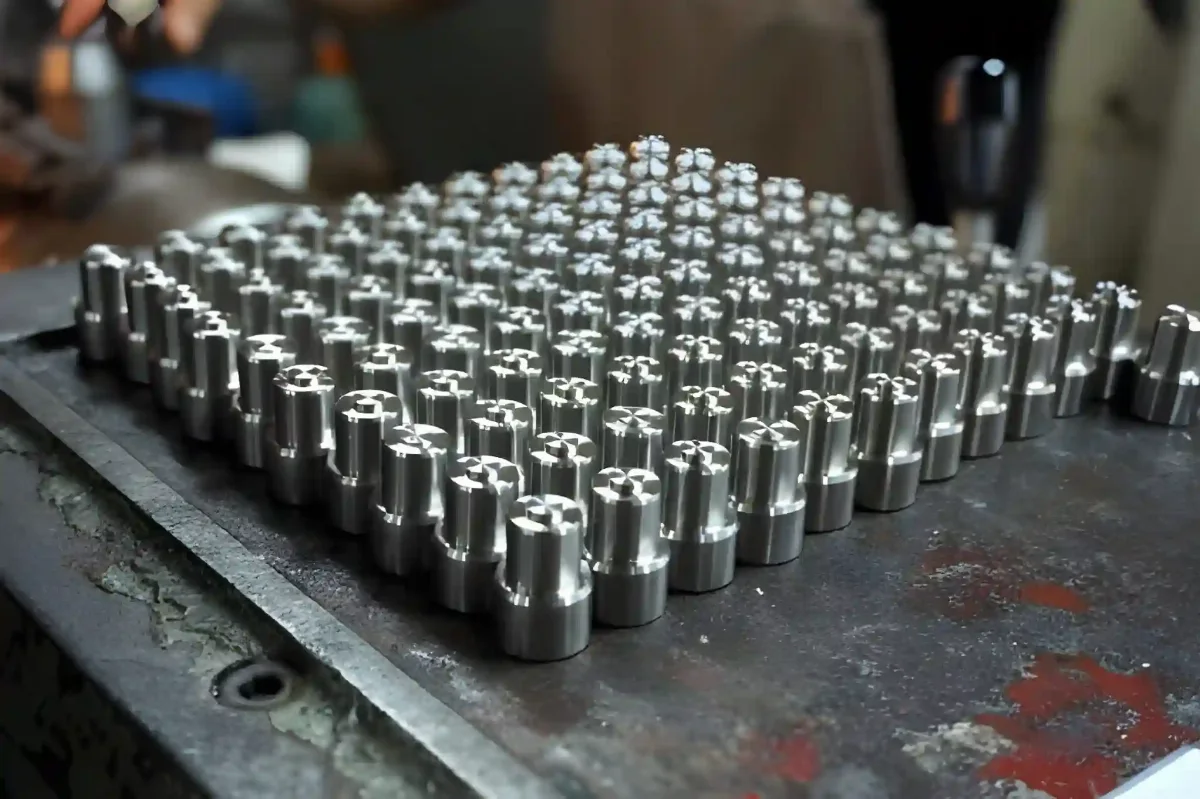
Mating, locating or functional machined surfaces requiring explicit texture and dimensional acceptance.
A fine-machining label does not establish a single Ra value, grinding capability or a mirror appearance.
What this process does
Fine machining here means a drawing-led finishing operation on selected machined surfaces. It is not a universal tolerance or roughness grade; the drawing must define the required result and measurement conditions.
Choose the route from your requirements.
Use these points to prepare an enquiry. The selected process, material compatibility and acceptance criteria should be confirmed for your drawing.
On smaller screens, scroll the table horizontally.
| Your requirement | What to specify | What to review |
|---|---|---|
| Functional surfaces | State the contact, sealing or locating function. | Translate the requirement into texture and geometry callouts. |
| Surface measurement | Define parameter, locations and applicable method. | Agree filtering, sampling and evaluation conditions as needed. |
| Heat-treated components | Identify final material condition. | Review the sequence of treatment and finish machining. |
| Difficult features | Identify deep bores, thin walls or interrupted cuts. | Review achievable results and alternate finishing routes. |
Still comparing routes? Explore the surface finish guide or send your drawing for review.
Protect the features that make the part work.
Mark the surfaces that carry function, fit and appearance. A clear drawing helps separate essential requirements from unnecessary processing.
Texture and form
Roughness does not replace flatness, roundness or dimensional tolerance. Specify each characteristic that controls the assembly.
Avoid blanket callouts
Applying the tightest finish to every surface can add unnecessary work. Mark only the faces that require the extra finish.
Measurement agreement
Inaccessible areas or small features may require a different measurement strategy. Agree the approach before the quote is finalized.
Agree the evidence before production.
Inspection should answer the requirements on your order. Define the method and acceptance criteria when a characteristic is important to the application.
- Drawing revision and critical surfaces identified
- Final dimensions and form measured as specified
- Texture checked using the agreed method
- Inspection report scope established at quotation
Testing and documentation are confirmed in the quotation. A finish name or reference image does not establish certification, performance or compliance.
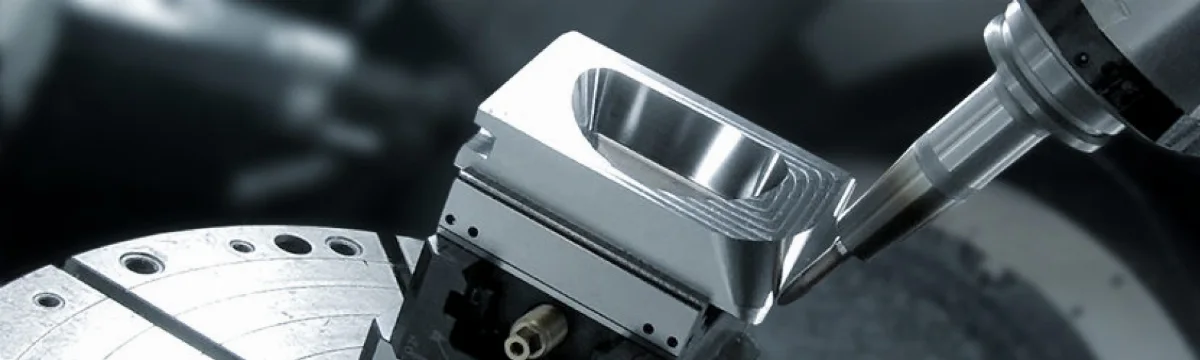
From drawing to an agreed finish.
Send the part context
Share the drawing, material, quantity and operating environment. Identify cosmetic and functional surfaces.
Review the process
Resolve preparation, access, masking and the sequence with machining or other finishing operations.
Confirm acceptance
Agree samples, measurements and documentation. Record the approved drawing revision and open requirements.
Release the order
Confirm the quoted route, schedule and packing requirements before work starts.
What is the difference between fine and smooth machining?
These service labels are not standardized acceptance grades. Use smooth machining to discuss a general improved finish, and fine machining for explicitly defined critical-surface requirements.
What should I send for a quotation?
Send the drawing revision, material grade, quantity and marked critical faces and datums, texture parameter, units and acceptance rule. Mark the required surfaces and any acceptance tests. Include your target date and shipping destination.
Can I send parts that are already manufactured?
State that the parts are customer-supplied and include their current condition, existing coatings and dimensions. Acceptance, incoming inspection and the finishing route need confirmation before shipment.
Can you provide a specific inspection report?
List the required characteristics, test methods, sample quantity and report format with the enquiry. The quotation should confirm the agreed inspection scope; additional tests are not implied by the service name.
What affects price and lead time?
Part size, quantity, incoming condition, preparation, masking, finish requirements and inspection scope all affect the route. Share the complete specification so cost and schedule can be confirmed for the order.
Ready to finish your parts?
Send your drawing, material and quantity for a finishing quote.
Confidential files. Optional NDA.
Compare related services.
Technical background: these sources explain process principles. Supplier examples do not establish ProleanTech equipment, certification or project capability.