
STAINLESS STEEL SURFACE TREATMENT
Stainless Steel Passivation
Services for Machined Parts
Remove free iron and processing contamination from stainless steel parts, then specify the chemistry and verification method required for your application.
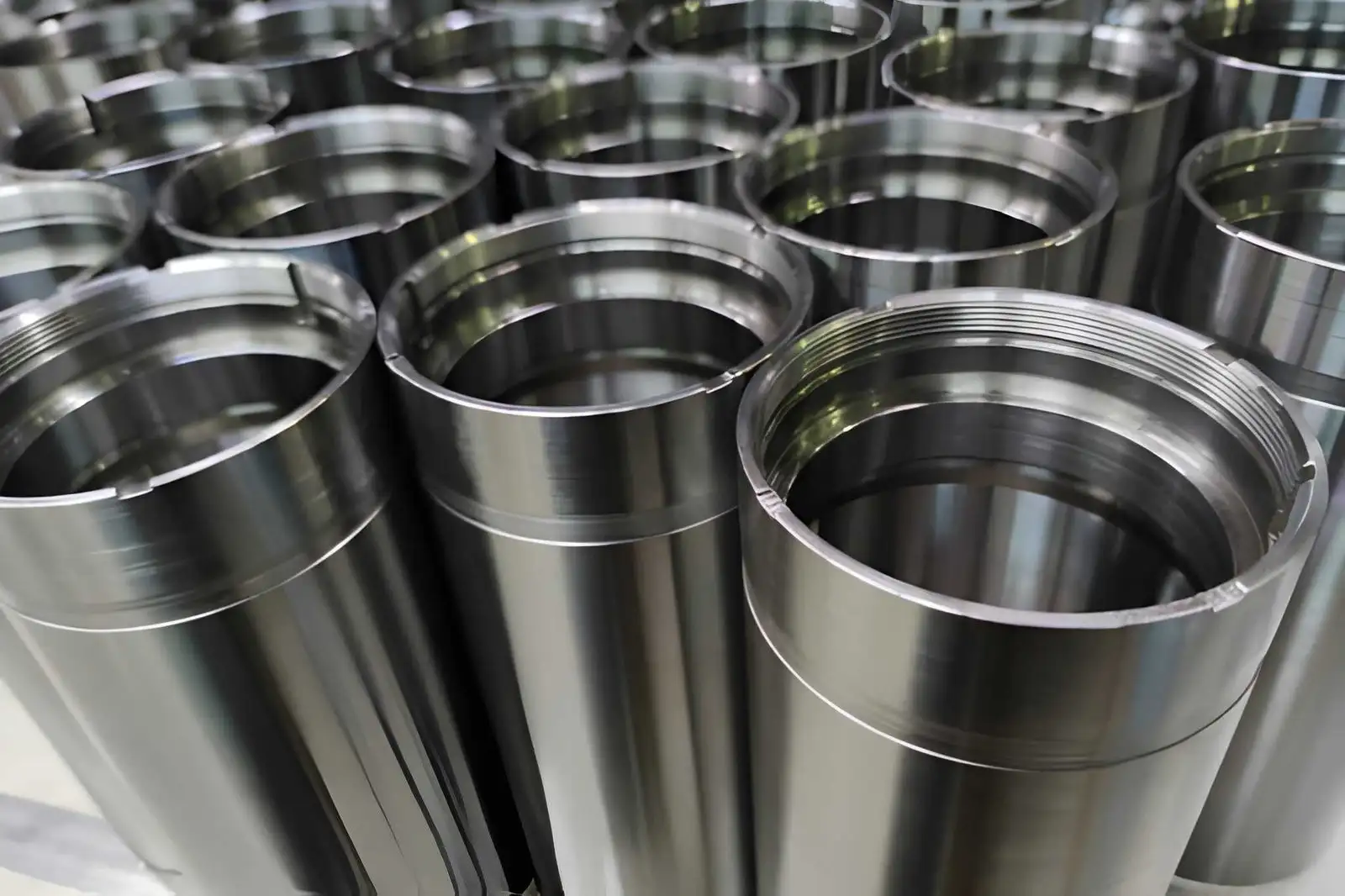
Passivation is a surface-cleanliness process,
not a decorative coating.
Passivation accelerates formation of the protective passive film on a chemically clean stainless-steel surface. It does not add plating thickness or create a hard wear layer.
| Material | Stainless-steel grade, product form, heat condition and prior operations. Do not specify only “stainless”. |
|---|---|
| Chemistry route | State nitric, citric or electrochemical treatment when required by the drawing or customer specification. |
| Pre-treatment | Confirm cleaning, descaling, pickling, weld heat-tint removal and neutralization separately. |
| Acceptance | Reference ASTM A967/A967M or another required standard revision and name the lot test and acceptance criterion. |
| Dimensions | Passivation is not a plating process, but cleaning, pickling and electropolishing can affect the surface. Identify critical dimensions and threads. |
PROCESS CONTROL
How stainless steel passivation works
The process starts with surface cleaning and ends with inspection. The treatment and tests depend on the stainless-steel grade and the requirements on your drawing.
Clean off oil and residue
Remove machining oil, grease and other residues so they do not interfere with the passivation treatment.
Remove scale or weld discoloration, if needed
Scale and weld discoloration (heat tint) may need separate removal before passivation. Specify any required pickling or descaling as part of the pre-treatment.
Apply the specified passivation treatment
Use the treatment selected for the stainless-steel grade. It removes surface iron contamination and helps the stainless steel form its protective surface film.
Rinse away treatment chemicals and dry
Rinse promptly after treatment to remove residual chemicals. Include neutralization if specified, then complete final rinsing and drying.
Inspect and test against the order requirements
Check the surface for damage and verify cleanliness using the acceptance test and sampling plan agreed for the order.
Before processing: confirm the material grade, required standard, treatment route and acceptance test. Review inspection requirements ↓
Engineering details that change the result.
Welds and heat tint
State whether weld scale or heat tint must be removed before passivation. Passivation alone is not a substitute for required pickling or mechanical preparation.
Internal features
Identify blind holes, channels, threads and trapped-solution risks. Drainage, rinsing and drying access must be reviewed before processing.
Contamination control
Tell us about carbon-steel contact, blasting media, marking ink and prior processing. These can affect the cleanliness verification.
Post-treatment handling
Define packaging, gloves, clean assembly, lubricant and any subsequent welding or heat exposure.
Drawing note template for controlled work
Replace every bracketed field with approved project values before release.
PASSIVATE STAINLESS STEEL PER ASTM A967/A967M [REVISION], CHEMISTRY [NITRIC / CITRIC / ELECTROCHEMICAL].GRADE / CONDITION: [ ]. PRE-TREATMENT / PICKLING: [ ].SIGNIFICANT SURFACES, THREADS AND INTERNAL FEATURES: [ ].ACCEPTANCE TEST / LOT RECORDS: [ ]. PACKAGING AFTER TREATMENT: [ ].
Edit all bracketed fields before adding this note to a drawing.
Verification must match the order.
ASTM methods define possible tests; they do not automatically define your acceptance criterion or prove a processing facility is approved.
| Characteristic | Reference | RFQ decision |
|---|---|---|
| Free iron / cleanliness | ASTM A967/A967M alternative tests include water immersion, high humidity, salt spray, copper sulfate and ferricyanide-nitric acid tests. | Name the selected test, lot sampling and pass/fail criterion. |
| Cleaning and scale | ASTM A380/A380M practice for cleaning, descaling, pickling and passivation. | State whether pickling or weld heat-tint removal is included. |
| Surface finish | Passivation does not establish a roughness value or decorative appearance. | Put Ra, visual sample and significant surfaces on the drawing when they matter. |
| Electropolishing | ASTM B912 is a separate electropolishing passivation specification. | Do not use “passivation” as a substitute for an electropolishing requirement. |
ASTM A967/A967M-25 · ASTM A380/A380M-25 · ASTM B912-26. Verify the revision required by your contract.
YOUR NEXT STEP
Request a stainless-steel passivation quote.
Send the drawing, grade, prior operations, chemistry preference and inspection requirements.
Get a Quote ↗Include with your inquiry
- Grade, condition and quantity
- Drawing and 3D model
- Weld, heat-treatment and pickling history
- Required chemistry and standard revision
- Critical dimensions, threads and internal passages
- Lot testing, records and packaging