
Rapid prototype casting
Rapid prototype casting is a combination of multiple processes that focuses on creating functional metal parts with high strength and accuracy, using 3D printing and traditional casting methods in a short time period. Engineers create and test real metal parts by combining metal casting and rapid prototyping in just a few days. This process is ideal for creating 3D printed patterns and forming ceramic molds. It is widely used in industries like automotive, aerospace, medical devices, and robotics. Moreover, it also eliminates expensive tooling. It also comes with limitations, including higher per-part costs, size constraints, surface-finishing requirements, and material constraints. This article covers how rapid prototype casting works, including key casting methods, suitable materials, limitations, cost factors, efficiency, and how to choose the right casting supplier.
Understanding Prototyping in Rapid Prototype Casting
A prototype is a digital model used to create a physical design through 3D printing in rapid prototype casting. Then a mold is formed using this printed pattern for casting a functional metal part. The prototype represents the final geometry of the part, which is then used to validate the accuracy of the design before casting. Therefore, it is easy for the engineers to quickly move from design to metal testing without delay.
Breaking Down Rapid Prototype Casting
Think about how long it usually takes to turn a digital 3D design into a strong, real metal part. That’s where rapid prototype casting steps in.
It is a process in which 3D-printed patterns are used to create real metal parts instead of expensive metal molds. It makes it possible to test a functional metal design in days without paying for expensive factory tooling.
Rapid prototyping is a combination of CAD-based rapid prototyping methods and traditional investment casting processes. These patterns are used to form molds for metal pouring.
Rapid prototype casting is a combination of rapid prototyping and the casting process.
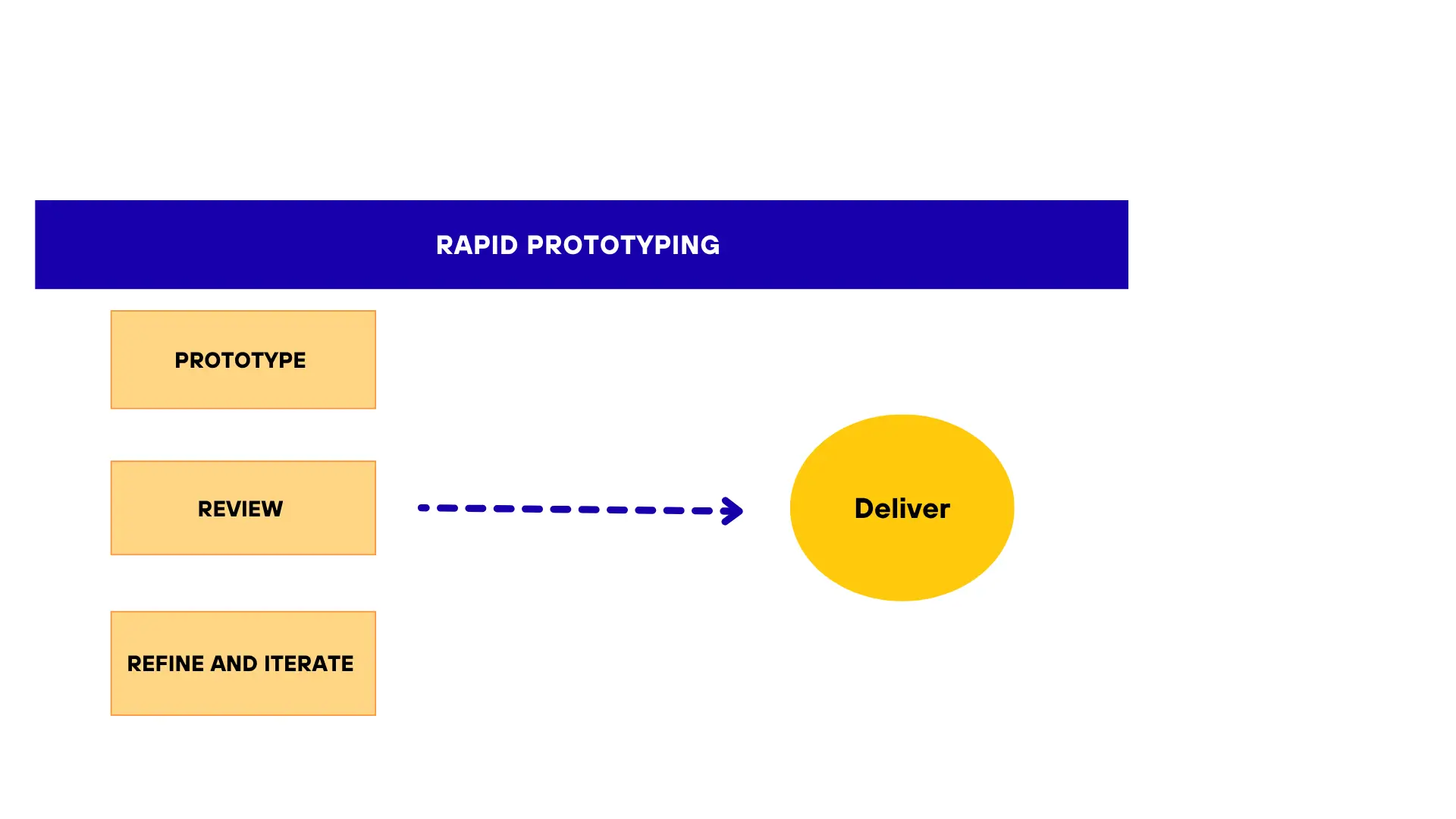
Cost breakdown for rapid prototyping
Digital modeling acts as a blueprint. Software such as CAD is used to design the part’s appearance and structure, and then that pattern is physically printed layer by layer using 3D printers.
Furthermore, the prototype is replaced with a real metal alloy using molds, turning into a functional cast part.
Try Prolean Now!
Step-by-Step Core Casting Process
Rapid prototyping consists of the following steps: 3D printing patterns, creating the shell, heating stage, and then the final stage.
3D Printing the Pattern
Instead of creating a metal mold, a 3D printer creates an exact wax or plastic pattern of the digital design using 3D printing software.
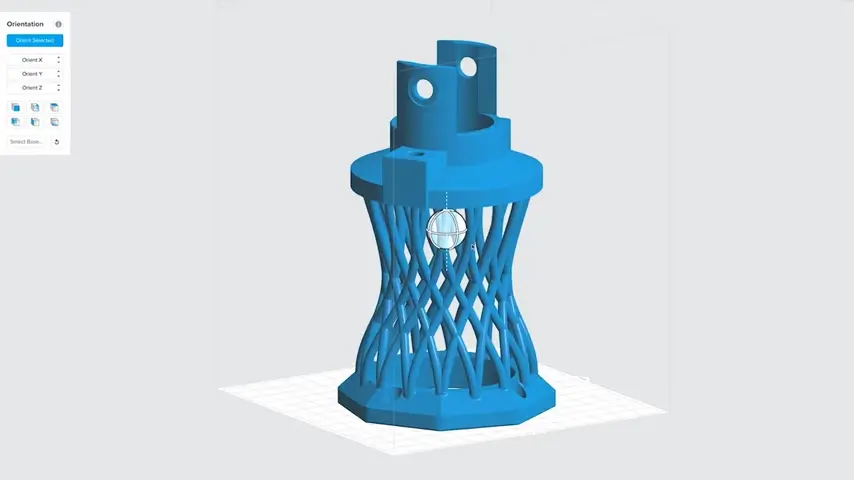
Prototype example with a complex lattice structure.
Creating the Shell
The printed pattern is dipped into a slurry coat and sand, building a hard ceramic shell around it.
The Heating Stage
The shell is heated to melt away the internal plastic pattern. Molten metal is immediately poured into the hollow mold afterward.
The Final Stage
Once cooled, the ceramic shell is broken away while the metal prototype is enhanced, cleaned, and prepped for testing.
What is Investment Casting?
People have been using investment casting for thousands of years. Rapid prototyping investment casting is a process used to create complex metal parts. It involves sacrificing the mold for each metal part you create.
The Traditional Investment Casting Process Steps
Basically, it starts by creating a replica of the part using wax, coating it in ceramic to form a mold, and then melting the wax out.
Finally, the hot molten metal is poured into the mold, forming the part once it cools and hardens.
3D Printing vs. Wax Patterns for Prototypes
In the process of traditional investment casting, an expensive and time-consuming metal injection mold is required just to shape the wax patterns.
In contrast, modern rapid casting skips that tooling step completely. This saves time by 3D printing the pattern directly.
|
Factor |
Traditional Investment Casting |
Rapid Prototyping Investment Casting |
|
Pattern Creation Method |
Wax pattern created using metal injection molds |
3D-printed wax, resin, or plastic patterns |
|
Tooling Requirement |
Requires expensive and time-consuming tooling |
No tooling required for pattern creation |
|
Process Type |
Conventional lost-wax casting process |
Digital and additive manufacturing + casting hybrid |
|
Setup Time |
High (weeks for tooling setup) |
Low (hours to days for 3D printing patterns) |
|
Cost Efficiency (Low Volume) |
Expensive due to tooling cost |
More cost-effective for prototypes and small batches |
|
Design Flexibility |
Limited once the mold is made |
High flexibility for design changes |
|
Lead Time |
Longer production cycle |
Faster turnaround (days instead of weeks) |
|
Common Use Case |
Mass production of stable designs |
Prototyping, complex geometries, small batches |
Next-Level Innovation: Advanced Materials and Methods in Prototype Casting
Advanced prototype casting uses advanced materials like 3D-printed sand molds and special plastics called resins. These materials can handle extreme temperatures, removing the need for expensive factory molds.
What Makes Rapid Prototype Casting Different?
Rapid prototype casting also uses digitally produced patterns. This process combines different mold materials in layers based on the selected casting route and application needs.
These combinations influence how the molten metal solidifies inside the mold. However, factors like mold material, alloy type, and process design control the cooling rate. This reduces the defects of casting, such as shrinkage, porosity, cracking, or brittleness during solidification.
Common Metals Used in Rapid Prototype Casting
Rapid prototype casting supports a range of metal alloys. Each alloy offers different mechanical properties, weight characteristics, and casting performance. The table below highlights some of the most commonly used materials.
|
Material |
Density (g/cm³) |
Key Advantage |
Typical Applications |
|
Aluminum |
~2.7 |
Lightweight and corrosion-resistant |
Automotive, aerospace, robotics |
|
Magnesium |
~1.7–1.9 |
Very high strength-to-weight ratio |
Aerospace, performance components |
|
Zinc |
~7.1 |
Excellent castability and surface finish |
Small precision components |
|
Steel |
~7.8 |
High strength and durability |
Industrial and structural parts |
Rapid Prototype Aluminum Casting
Rapid prototype aluminum casting lets you create strong, complex aluminum parts in just days.
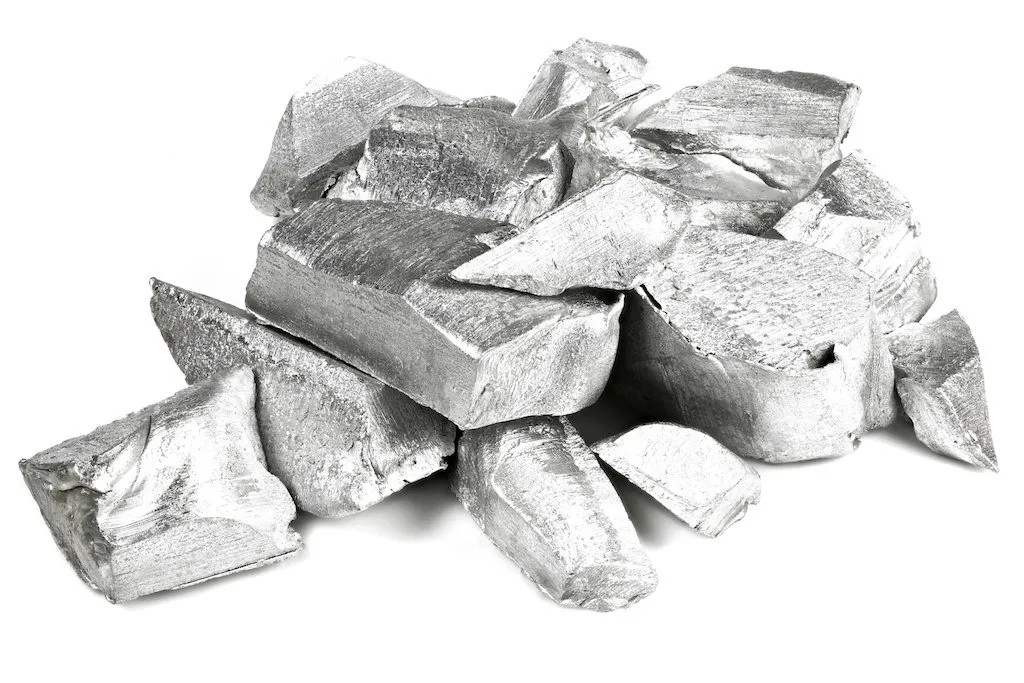
Raw aluminum alloy chunks
Why Is Aluminum Used?
Aluminum allows engineers to design ultra-light parts that are strong enough to bear high-stress conditions. It has high thermal conductivity and a low melting point compared to other heavy metals.
Furthermore, its natural ability to resist corrosion makes it the ultimate choice for rapid testing. Aluminum’s excellent fluidity is also a major reason for flawlessly filling detailed molds.
Try Prolean Now!
Applications of Aluminum in Rapid Prototype Casting
Automotive & Aerospace
This method is used by engineers to create and test complex parts such as brackets, engine blocks, and housings.
Here, aluminum is used because it is lightweight, allowing engineers to test these parts in real conditions.
Medical Devices & Robotics
Here, rapid prototype casting is used to make custom, lightweight aluminum frames for medical tools and robots.
They are then tested to see if they fulfill the expectations, before we spend a fortune on factory manufacturing.
Advantages of Rapid Prototype Casting
The advantages of rapid prototype casting are faster turnaround time, inexpensive tooling, high design flexibility, easy formation of complex geometries, and cost-effectiveness for small batches.
- Faster Turnaround Time: Rapid prototype casting delivers functional metal parts in less time than traditional casting. This fast turnaround time allows quick production from design to testing without long delays.
- No Expensive Tooling Required: Rapid prototype casting doesn’t require investment for costly factory tooling upfront due to the use of 3D printed patterns instead of injection molds. This makes it an exceptional choice for startups.
- High Design Flexibility: High design flexibility is one of the key benefits of rapid prototype casting among other processes. It allows multiple testing of design variations in a short time.
- Complex Geometries Made Easy: Rapid prototype casting handles intricate shapes, thin walls, and internal channels that traditional casting methods struggle to produce accurately.
- Functional Metal Parts from Day One: This process forms functional, real metal components with mechanical properties that are superior to plastic prototypes. These parts are suitable for real-world stress and performance testing.
- Cost-Effective for Small Batches: Rapid prototype casting is a more economical setup for low-volume production or prototype validation.
Limitations of Rapid Prototyping
- It requires a higher cost per part compared to regular mass manufacturing.
- There are strict size limits based on the 3D printer’s build plate.
- It is too slow for large batches.
- The metal part might inherit a slightly rough texture, which requires extra polishing.
- Super exotic or ultra-hard alloys are much harder to work with.
- There may be hidden defects, such as trapped air bubbles, once the metal cools and hardens in the mold, which require extra fixing.
Premium Prototype Services: Key Factors for Choosing a Partner
Selecting the right partner ensures your project transitions smoothly from digital concept to physical reality with balanced speed and high accuracy.
Verify these factors before selecting a partner or choosing a service:
- Material Selection: Make sure the exact required metal alloys for your final tests are available.
- Turnaround Times: Make sure that they can skip hard factory molds so you get your parts in just a few days instead of weeks or months.
- Dimensional Accuracy: Look for strict quality checks to guarantee your parts are made to the exact size you designed.
Accelerate Your Development with Prolean
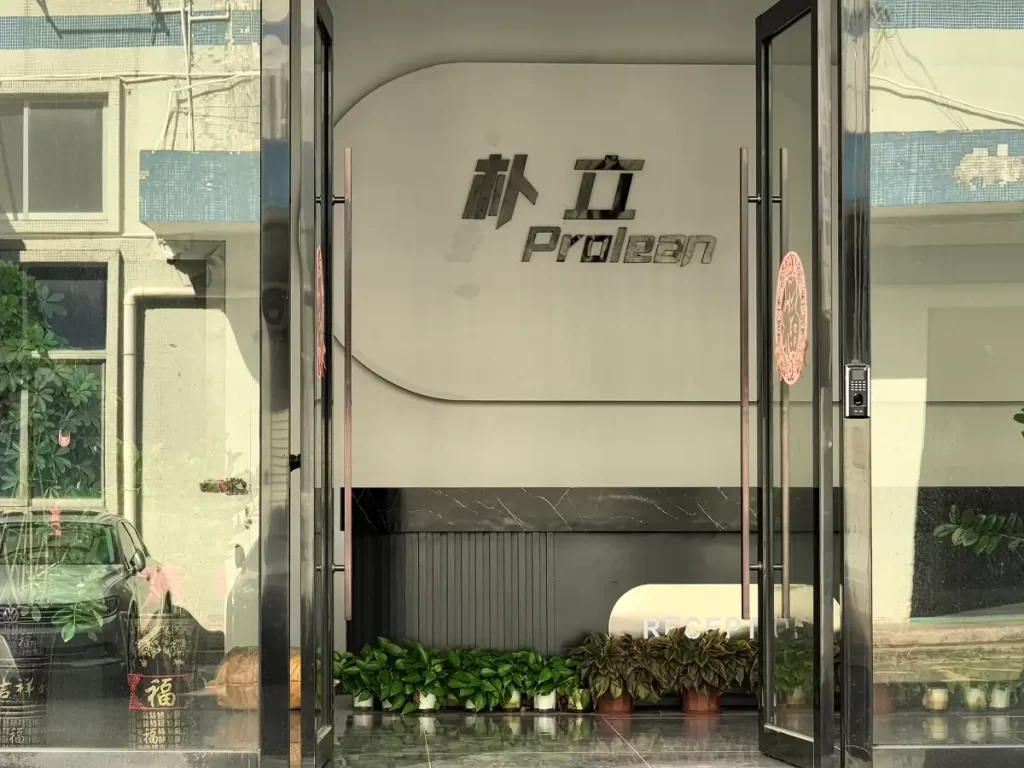
Prolean’s factory
Ready to scale your manufacturing line without the usual factory delays? At Prolean, we combine modern digital software with expert metal casting to deliver perfect metal parts in record time.
Partner with our Rapid Prototyping Service today to get a free design review and quote from our expert engineering team!
Try Prolean Now!
Conclusion
Ultimately, rapid prototype casting bridges the gap between digital 3D design and functional metal testing. It enables engineers to test real metal components in just days.
It is most suitable for fast design validation, complex geometries, and small batches without expensive tooling. It is also ideal for early-stage product development, where speed, flexibility, and iteration are more important than mass-production efficiency.
It allows faster decision-making and reduces development risk in engineering projects by eliminating long lead times associated with traditional mold creation. It allows engineers to test real metal components in just days by eliminating the costly, time-consuming process of creating factory molds.
Frequently Asked Questions (FAQs)
Q1. What is rapid prototype casting?
It is a fast manufacturing process that combines 3D-printed patterns with traditional metal casting methods to quickly create functional metal parts.
Q2. How long does rapid prototype casting take?
While traditional metal casting can take several weeks or months, the rapid method delivers functional metal prototypes within a few business days.
Q3. Which materials can be used in rapid prototype casting?
Metals such as aluminum, zinc, steel, or magnesium are commonly used in rapid prototype casting. The material is selected on the basis of strength, thermal properties, and testing needs of the prototype part. Lightweight metals such as aluminum, zinc, steel, or magnesium can be used in rapid casting to ensure easy testing and greater strength.
0 Comments