
? Where is your part right now?
SURFACE FINISHING
Polishing Service
Polishing refines and enhances a surface by removing or minimising imperfections such as scratches, marks or unevenness, so the part reads as smooth, reflective and visually even. Our published texture for this process is glossy, and the published material list is ABS, aluminium, brass, stainless steel and steel. It is a physical process - the part is rubbed, by hand or by wheel - and it is normally the last operation a part sees.
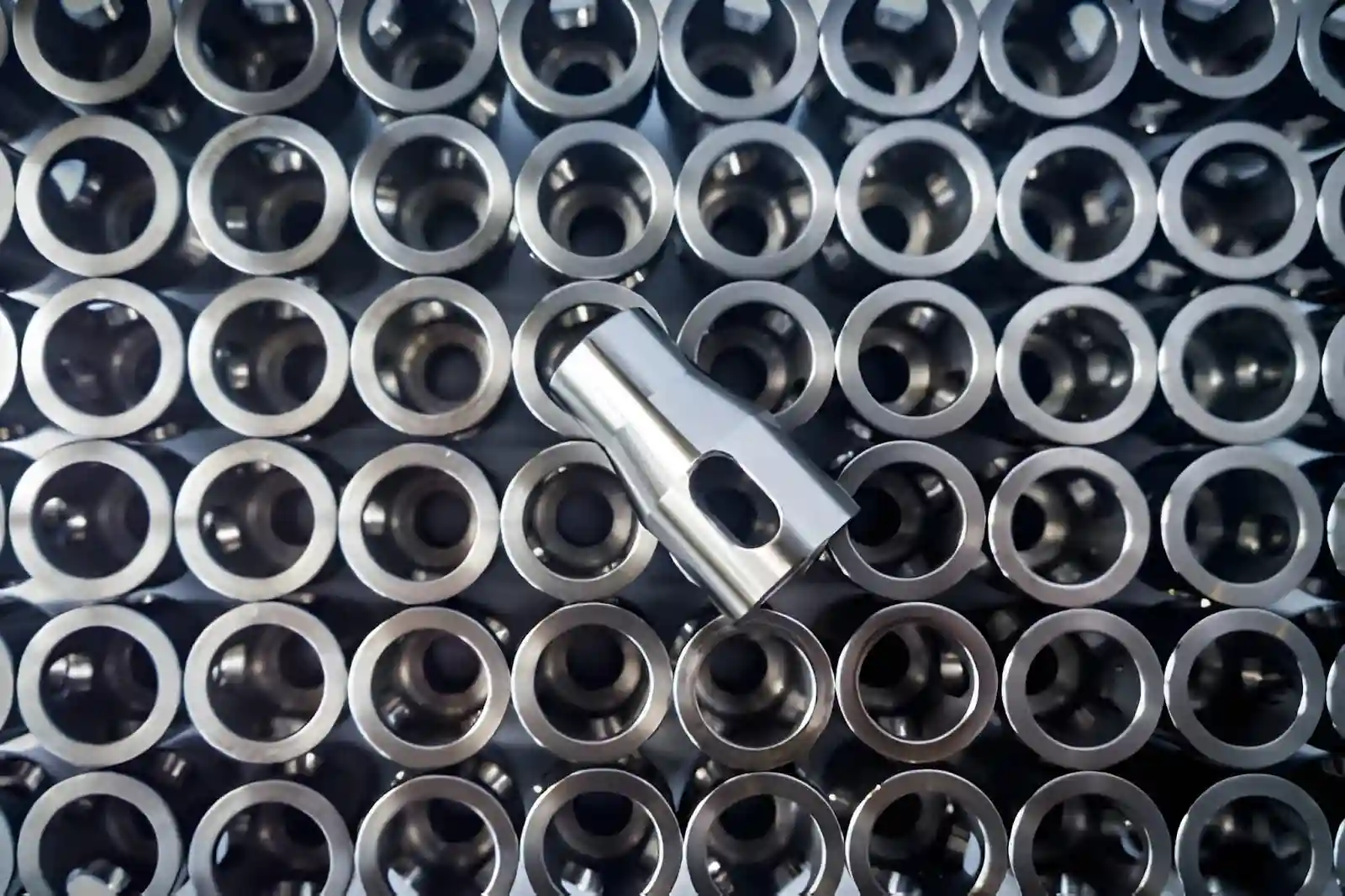
Where it fits
Polishing is the last step - and it follows the finish the machine left
Polishing removes material rather than adding it. It refines what is already there, so a face that arrives scratched and torn takes far longer to bring up than one that was sanded or fine machined first.
The order matters because polishing is the finest step on our surface ladder, not a repair. It can remove a scratch a coarser step produced, but it cannot flatten a deep gouge, and it removes a little material while it works. See how the steps compare.
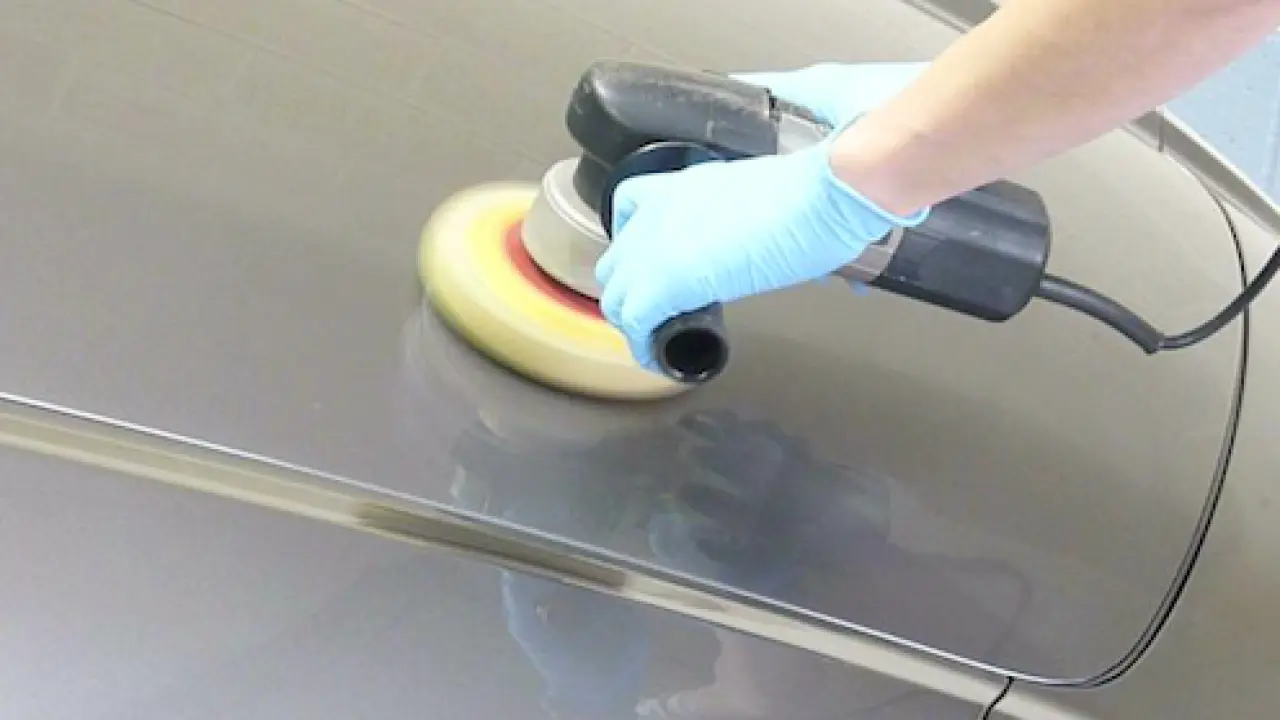
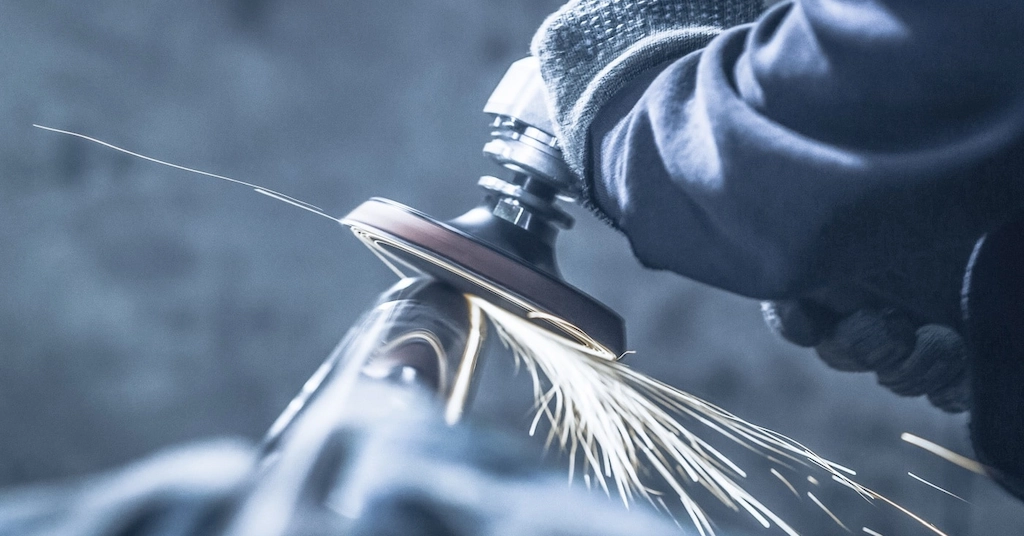
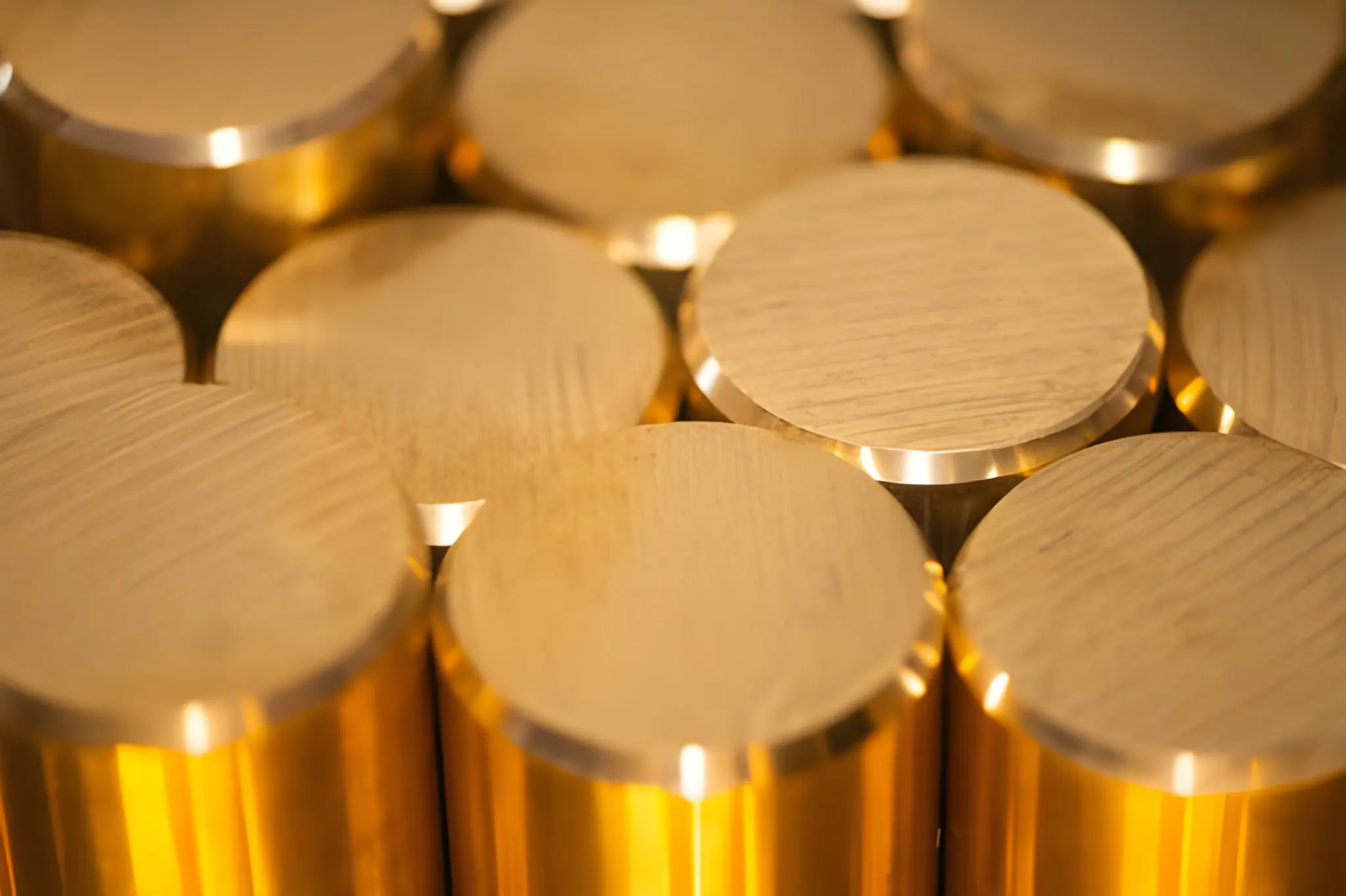
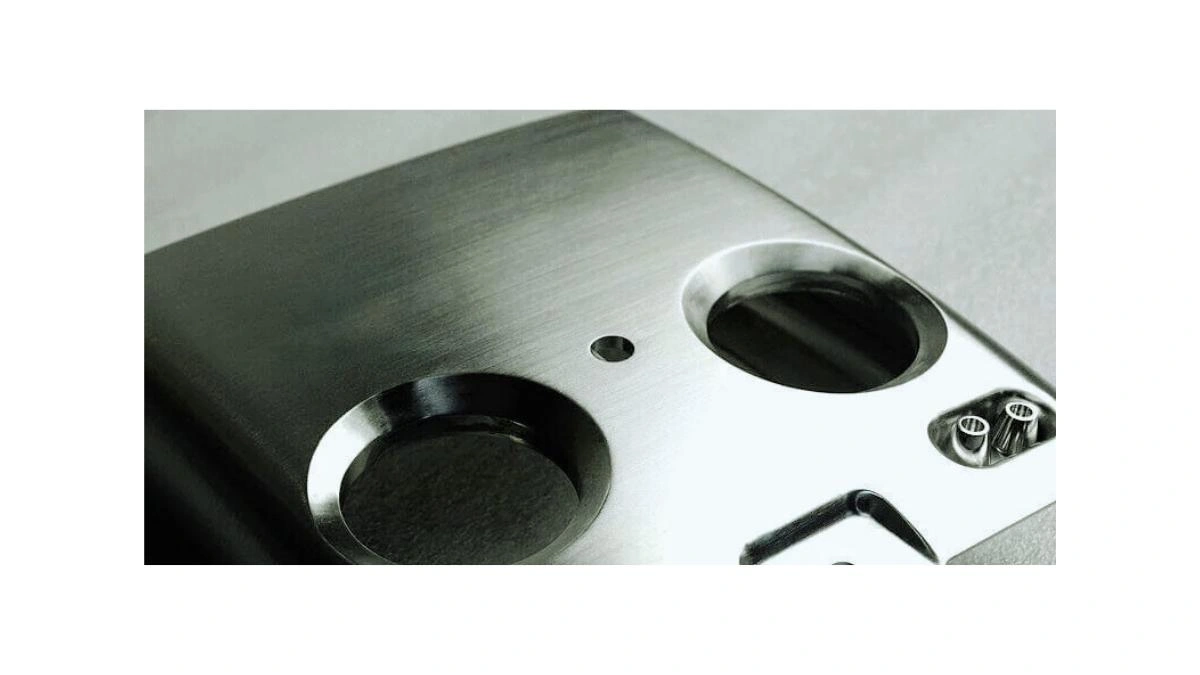
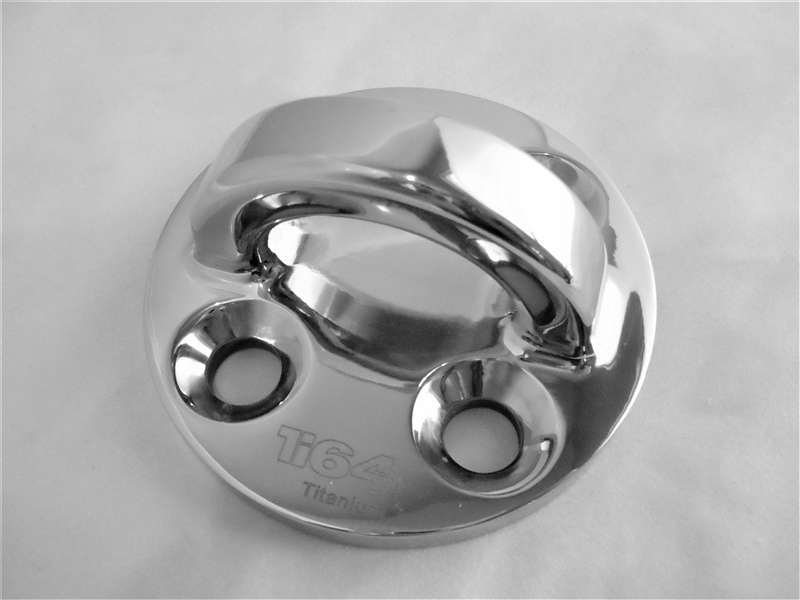
Fit check
Can we polish your part? Three things decide it
The material, the geometry the wheel has to reach, and the finish the face arrives with. The last one is where most polishing jobs are won or lost.
Material
- Published list - ABS, aluminium, brass, stainless steel and steel are the five materials in our table for this process
- The published text also says polishing is rarely used for plastics because hardness is required
- The table and the text disagree about plastics, so both are shown as published and the plastics case is being confirmed
- Soft metals scratch and load the wheel differently from hard ones, so the material changes how the finish is approached
The table lists ABS and the published text says plastics are rarely polished. Both are shown as published; the plastics case is To confirm.
Geometry
- Polishing works on faces a wheel or a cloth can reach - open, flat and gently curved surfaces are the easiest
- Sharp corners and pockets are harder: the published description notes the process may be unable to create them
- Deep recesses and narrow slots polish less evenly than an open face
- Fine detail and sharp edges can round over if polishing is aimed at them
Tell us about sharp corners, pockets and fine detail so the polishing is kept off them.
Previous finish and handling
- A face that arrives smooth needs far less polishing than one that arrives scratched
- A coarser step sets how much work the polish has to do before it can bring the face up
- Polishing removes a little material, so a critical dimension has to be allowed for
- A glossy face shows handling: a fingerprint or a contact mark reads far more clearly on gloss than on a matte surface
Say which face has to be polished and which stays as machined - polishing cannot be undone.
Specifications
Polishing: a glossy, reflective finish on five published metals
Every value below is what we publish for this process. Where the shop has not confirmed a figure, the line says To confirm rather than a guess.
What it removes
Polishing takes material off - plan the allowance before the part is machined
Polishing is not a coating and adds no thickness. It is the opposite: a small amount of metal comes off as the high points are rubbed down, which is why it behaves very differently from a plated or a painted finish.
| Where it acts | What changes | Why it matters | What to do |
|---|---|---|---|
| Flat and open faces | Surface refined, a little material removed | The finish is the point; the loss is small and even. | Allow a polishing allowance on any face that carries a critical dimension. |
| Critical dimensions | Size can move as material is removed | A dimension set exactly on nominal has no room for the polishing step. | Name the critical dimensions so they can be measured after polishing. |
| Sharp corners and edges | Edges can round over | A wheel or a cloth does not stop at a corner - the edge can lose its sharpness. | List the edges that must stay sharp and keep polishing off them. |
| Unpolished faces | No change where the process is not applied | Polishing is aimed: a face left alone keeps its machined texture. | Say which faces stay as machined - it is a per-face decision. |
| Colour and material | No colour is added | This is the metal showing through, not a pigment or a coating. | Choose the material for its colour - polishing does not change it. |
| Corrosion behaviour | A cleaner, more even surface | The published text states polishing aids in preventing corrosion damage. | No allowance needed - this is part of the duty the finish is specified for. |
The direction of the change is published - material is removed, not added - but the exact amount is not, which is why the dimensional row above says To confirm. A polishing allowance has to be agreed with the shop, not assumed.
Tell us which dimensions are critical and which faces are cosmetic, and we will confirm the allowance before the parts are made.
Get a quoteWhich route
Three ways a glossy face is reached - and the case where polishing is the wrong route
A polished result can be reached by hand or by wheel depending on the part, and there is a group of parts where the answer is not polishing at all. The last card below is that group.
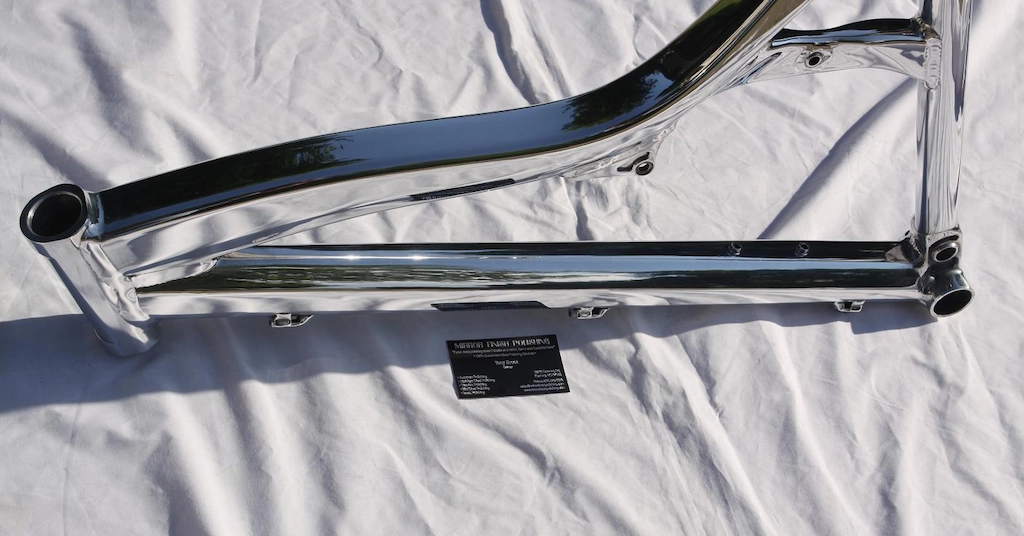
Hand polishing
A cloth or a pad and a polishing compound are worked over the surface by hand. It is slower than a wheel, but it reaches detail, narrow areas and faces where a wheel would round an edge or miss a recess.
Best for: small parts, detail work, low-volume and one-off jobs, faces that must not be over-polished
Not for: a large flat area that needs a uniform gloss quickly - hand work shows variation across a big face.
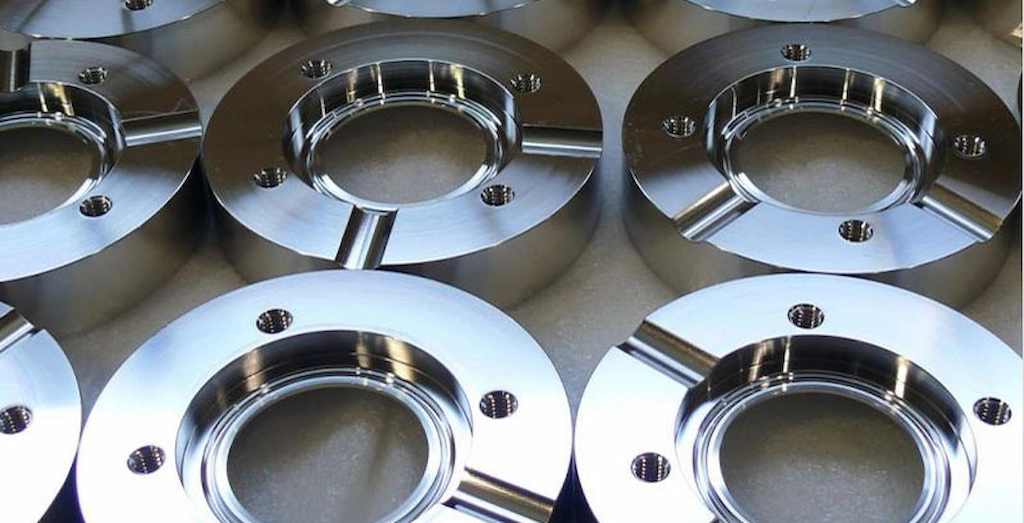
Wheel polishing (buffing)
A rotating wheel charged with compound is brought against the part. It is the fastest route to an even gloss over an open face, and it is what most production polishing uses on flat and gently curved surfaces.
Best for: flat and open faces, batches, a uniform gloss across a large area
Not for: sharp inside corners, deep recesses or fine detail a wheel cannot reach without rounding it.
When polishing is the wrong route
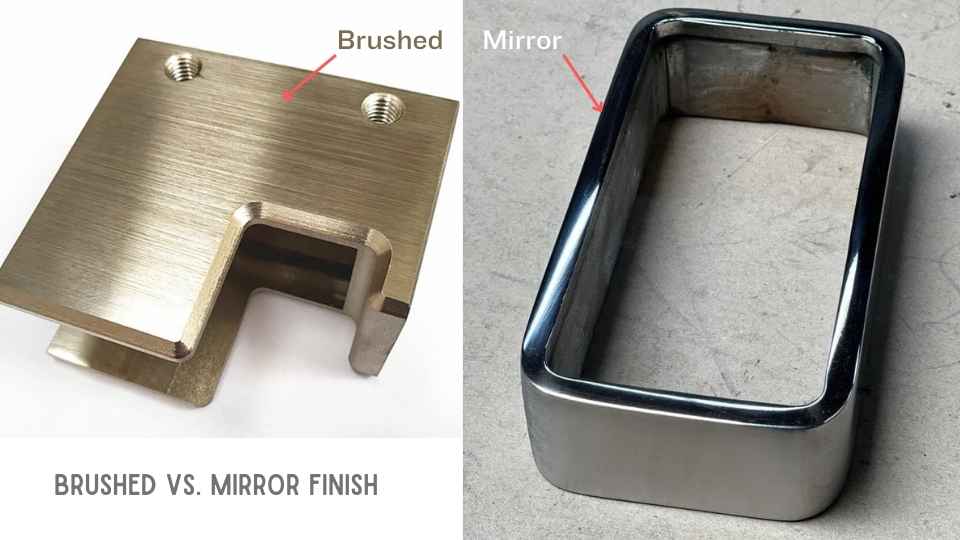
Polishing removes scratches and marks and produces the published glossy texture. That is the opposite of what some parts need, and asking a polished face to do a brushed, matte or coated job will not work.
Consider instead: a directional brushed face, a uniform matte blast, or a coating that adds a layer
Not for: a part that must keep a directional or matte texture (use brushing or bead blasting), a part that needs a protective layer added rather than the metal refined (use powder coating or painting), or a deep cavity whose inside faces a wheel cannot reach to an even gloss.
Tell us whether the part needs a reflective face, a directional texture or an added layer, and we will confirm the route before you commit.
Get a quotePick or avoid
When polishing is the right call - and when it is not
Pick polishing when
- The part has to read as smooth, reflective and visually even - scratches and marks removed rather than covered.
- The face is open or gently curved, so a wheel or a cloth reaches it evenly.
- The material is one of the five published - ABS, aluminium, brass, stainless steel or steel - with the plastics case confirmed first.
- The finish is cosmetic and final: the part is seen, handled or sold on how it looks.
- A little material may come off, and no critical dimension sits on a polished face without an allowance.
Avoid polishing when
- The part must keep a directional or matte texture - a brushed or a blasted face is the intended look. See brushing or bead blasting.
- The job is to add a protective or coloured layer rather than refine the metal. See powder coating or painting.
- The face is a deep cavity or a sharp-cornered pocket a wheel cannot reach to an even gloss.
- A critical dimension sits exactly on nominal with no polishing allowance.
- The part is plastic or soft and the shop has not confirmed it is in scope - the published table lists ABS while the published text says plastics are rarely polished.
Not sure whether the face needs a polish, a brush or a coating? Send the drawing and say how the surface has to look and what it has to survive.
Get a quoteDesign constraints
What decides whether the polished part comes back even
Four variables: the finish the face arrives with, the geometry the wheel has to reach, the material, and the dimension the polish is allowed to move.
The finish the face arrives with
Polishing refines a surface; it does not repair one. A face straight off a roughing cut carries scratches a polish would take a long time to remove, while a face that was sanded or fine machined comes up quickly and evenly.
Reachability and geometry
A wheel needs to reach the face. Open and gently curved surfaces polish evenly; sharp inside corners, deep recesses and pockets are reached less easily, and the published description notes the process may be unable to create sharp corners and pockets.
Material and hardness
Harder metals take a higher gloss; softer ones load the wheel and can scratch more easily. The published text says hardness is required, which is also why it says plastics are rarely polished - even though ABS is in the published table.
Allowance for the material removed
Polishing removes a little material. On a cosmetic face that is nothing; on a face carrying a critical dimension it is the whole tolerance, so the allowance has to be agreed before machining.
Handling after polishing
A glossy face shows every touch. A fingerprint, a wipe or a contact mark that would be invisible on a matte surface reads clearly on a polished one, so handling and packing are part of the finish.
Consistency across a batch
Matching a gloss across many parts, or matching the colour of brass batch to batch, is harder than finishing one. Say if the batch has to match, so the process is set for consistency rather than for a single part.
Drawing notes
What to write on the drawing so the polish lands where you meant
Two lines carry the requirement: which faces are polished, and which dimensions may not move while they are.
1. POLISH THE FOLLOWING SURFACES: ____________________________________________ (SEE VIEW A)2. TEXTURE: GLOSSY (AS PUBLISHED FOR THIS PROCESS) TARGET ROUGHNESS (Ra): ______ um (TO BE CONFIRMED)3. LEAVE THE FOLLOWING FACES AS MACHINED: - ____________ (ANY FACE THAT MUST KEEP ITS CUT FINISH)4. DIMENSIONS ON POLISHED SURFACES ARE BEFORE POLISHING / AFTER POLISHING (DELETE ONE)5. EDGES TO STAY SHARP: ____________ DO NOT ROUND THESE EDGES OVER.6. INSPECT: NO REMAINING SCRATCHES OR HAZE, EVEN GLOSS ACROSS THE FACE, CLEAN OF POLISHING COMPOUND.
Examples only - replace every blank with your own requirement. The dimension line matters most: polishing removes material, so a face that is already to size has to be marked as before or after, not left to chance.
Which metals
What we polish - five published materials, and the metals that belong elsewhere
Our table for this process lists five materials. The published text says plastics are rarely polished because hardness is required, so the ABS line is shown with that contradiction rather than hidden.
| Material | Polishing | Notes | Use instead |
|---|---|---|---|
| Aluminium | Yes | In our published specification table for this process. It is soft, so it can pick up handling marks after polishing. | — |
| Brass | Yes | In our published specification table. Brass takes a high polish readily. | — |
| Stainless steel | Yes | In our published specification table. For a corrosion duty alone, passivation cleans the surface without changing how it looks. | — |
| Steel | Yes | In our published specification table. A polished carbon steel face is not protected from rust by the polish alone. | — |
| ABS / plastics | To confirm | Listed in the published table, but the published text says polishing is rarely used for plastics because hardness is required - being confirmed. | — |
| Parts needing a matte face | Different process | Polishing leaves the published glossy texture, not a matte or a directional one. | Bead blasting |
| Parts needing a directional satin finish | Different process | A uniform gloss is the opposite of the linear grain a brushed face shows. | Brushing |
| Parts needing a protective layer | Different process | Polishing refines the metal; it adds no film and no colour. | Anodizing |
Send the drawing with the material on it - if polishing is not the right step for the material or the surface, we will say which one is.
Get a quoteApplications
Where a polished face is doing the work
The published application areas for this process are automotive, tools, kitchenware and architectural parts. These are the three cases behind those words.
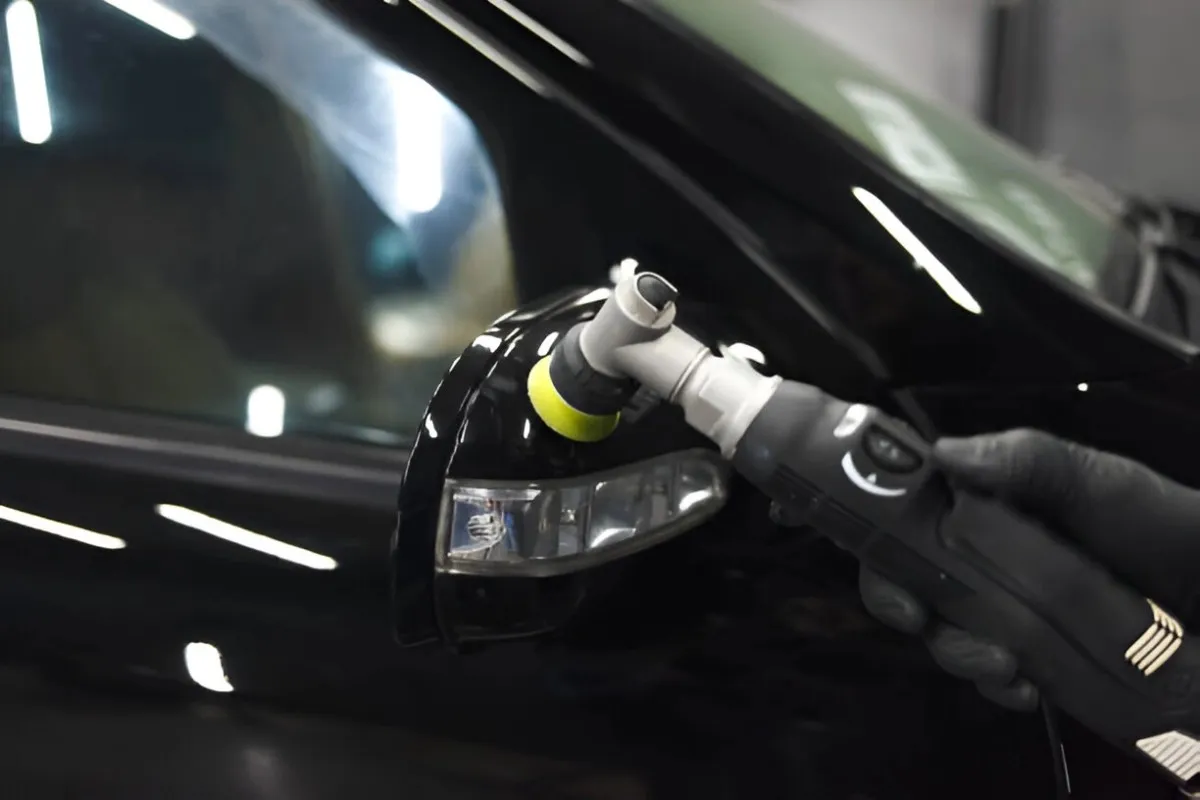
Automotive and transport
Trims, light housings and visible metal parts are polished because the part is judged by its reflection as much as by its shape. The published application list names automotive first.
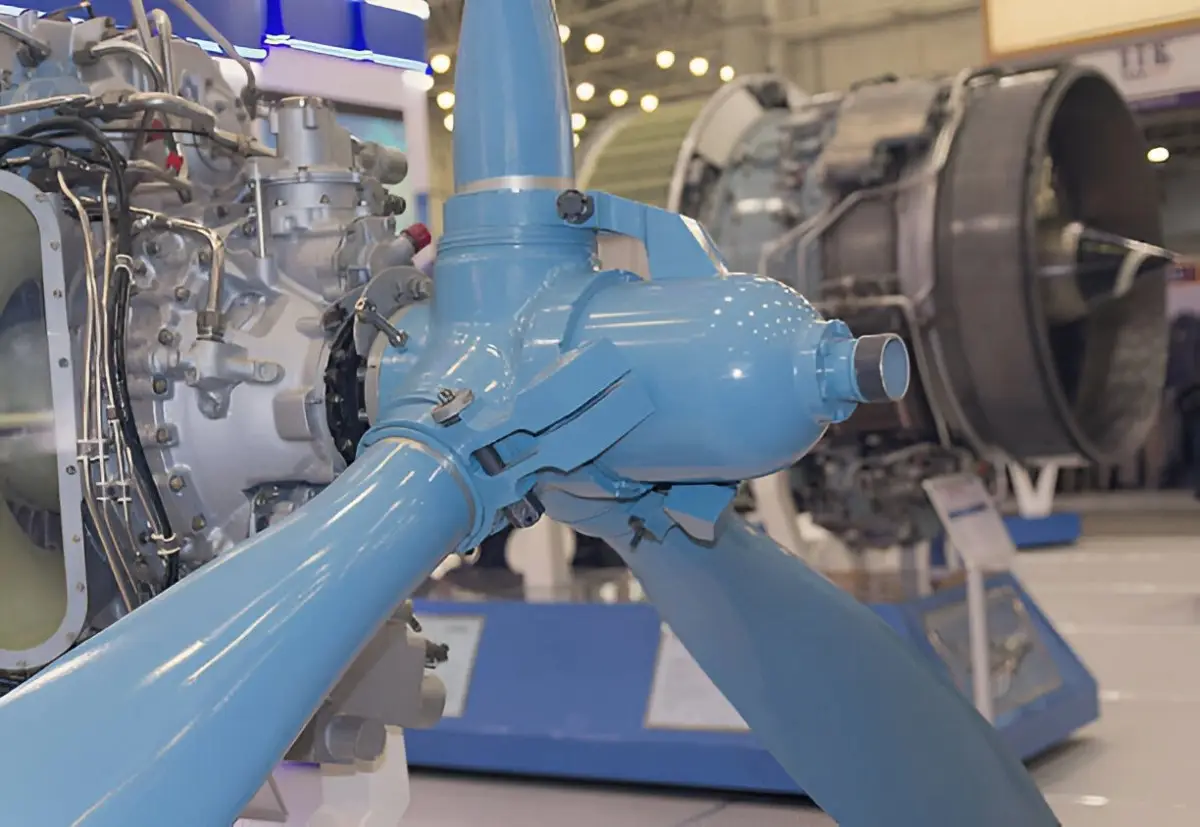
Tools and precision hardware
Hardware, instruments and tooling get a polished face where the finish is both cosmetic and functional - a smoother surface is easier to clean and shows wear clearly.
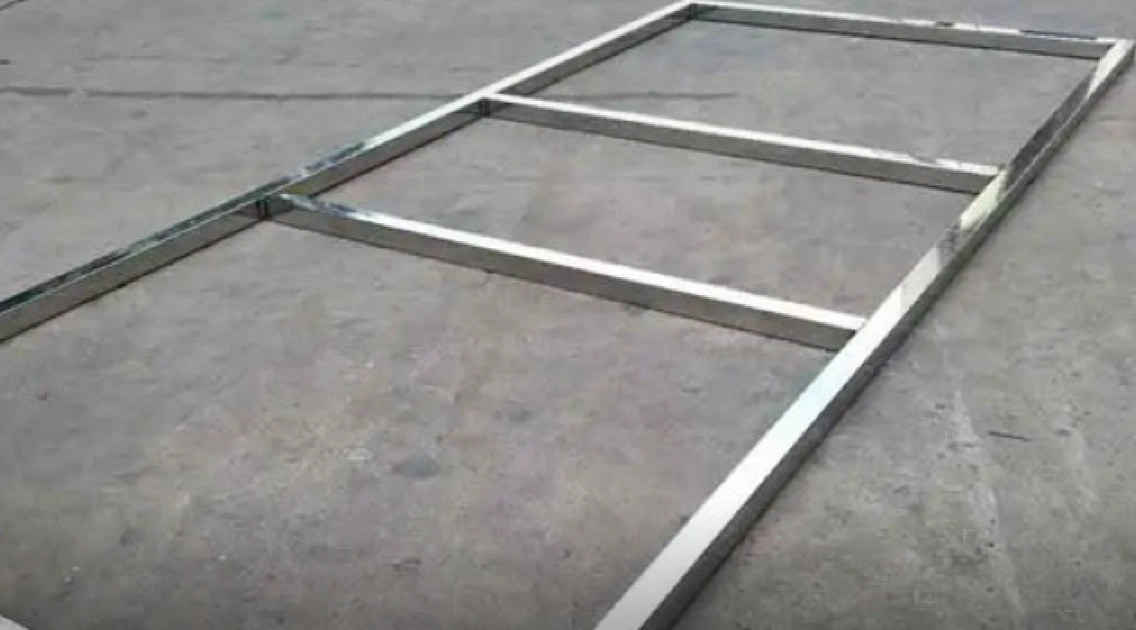
Architectural and consumer parts
Architectural fittings and kitchenware are polished for the look of the metal itself. Where the part will be handled, remember that a glossy face shows every touch.
QA and documentation
What you get back with the parts
Purchasing usually needs paper as well as parts. Here is what we can state today and what is still being confirmed.
Visual inspection
Polished faces are inspected for remaining scratches, haze and uneven gloss under light, which is how this finish is judged.
Clean of compound
Polishing compound and the debris it lifts are removed before the part is packed, because a residue reads as a defect on a glossy face.
Surface roughness record
No Ra figure is published for this process; whether a measured roughness record can be supplied against an agreed target is being confirmed.
Standard and specification
The published table has an empty Standards cell; the standard this process is run to is being confirmed before it is quoted.
Further reading
Where polishing sits on the surface ladder - and the steps below it
Polishing is the finest step in our surface-finish ladder. Each step below it is coarser, and the rule is simple: stop at the coarsest step that meets the job.
The step directly below polishing. It creates the surface with minimum roughness by controlling feed rate and cutting speed with sharp tools, published at Ra 0.8 um (32 uin). Choose it when a fine but still machined face is enough and a full gloss is not needed.
One step coarser again. It smooths the surface and lowers the corrosion risk while tool marks may stay visible, published at Ra 1.6 um, and it is a good surface to paint or polish afterwards.
The coarsest texturing step. Abrasive on paper or a belt leaves a random, non-linear texture, with the grit number setting how fine it is. Choose it when you want a prepared or a textured face rather than an even, reflective one.
Polishing is the most work on the ladder, so it is worth asking whether you need it. If the part only has to look smooth and even, fine machining at Ra 0.8 um gets much of the visual benefit; if it only has to be flat and uniform, smooth machining at Ra 1.6 um or a sanded face is enough.
If the surface should show a controlled grain rather than a uniform gloss, the answer is a brushed face, not a polished one - it is the opposite of a mirror.
Where the requirement is an even matte with no directional marks at all, bead blasting rather than polishing is the step that produces it.
The hub page listing every process we run, so the polished step can be seen against the coating, plating and conversion families.
FAQ
Polishing FAQ: the questions engineers ask us
What is polishing?
Does polishing add a layer?
What surface roughness does it reach?
Which materials can be polished?
Can it remove a scratch or a mark?
Will polishing change my dimensions?
Does polishing stop corrosion?
Can polishing fix the whole part?
How do I get a quote?
Get your polishing quote
Upload a STEP, IGES or PDF drawing. Tell us the material, which faces have to be glossy and which must stay as machined, and any dimension that may not move - we will come back with the finish and the sequence.
What to send us
- Drawing - 2D and 3D files (STEP, IGES or PDF).
- Material - aluminium, brass, stainless steel, steel or ABS.
- Which faces - polished, and which stay as machined.
- Critical dimensions - any face that must not move during polishing.
- Edges - corners that must stay sharp.
- What happens next - assembly or storage, so the hand-over state fits.
All uploads are secure and confidential. Engineers review and reply with a quotation and lead time.