
? Where is your part right now?
SURFACE FINISHING
Galvanizing Service
A sacrificial zinc layer that corrodes before the steel does. Four routes sit under one name, and they differ by more than an order of magnitude in coating thickness — which is the number that decides whether your threads still fit afterwards.
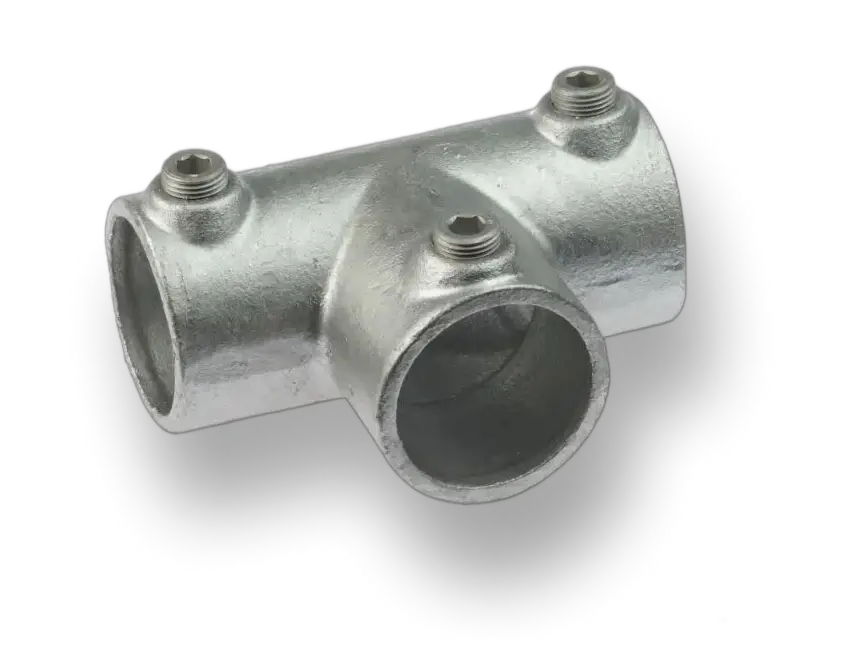
Sequence
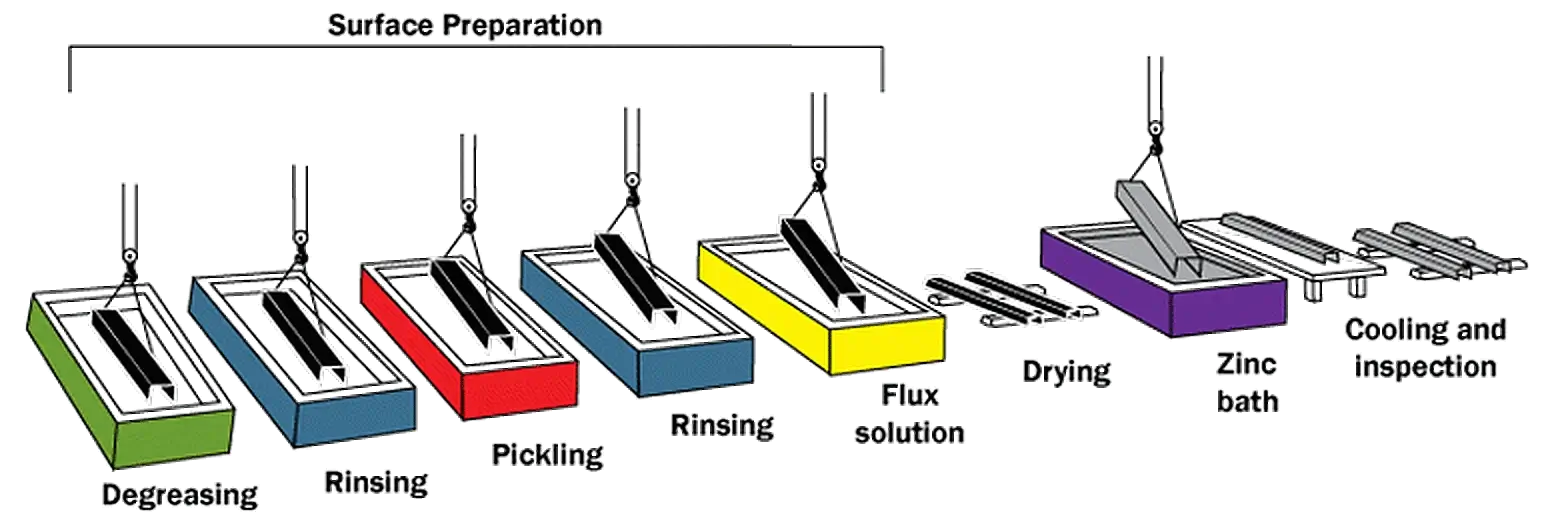
Galvanizing is the last step — everything before it changes the result
A coating cannot fix what happened upstream. Weld, braze and stress-relieve first; coat last. Here is where this operation sits and what it depends on.
Two things follow from this order. First: if the part is already welded, we need to know, because the weld zone is where a coating is thinnest. Second: if a machined feature has to stay uncoated, that has to be marked before the part reaches the bath — see drawing notes.
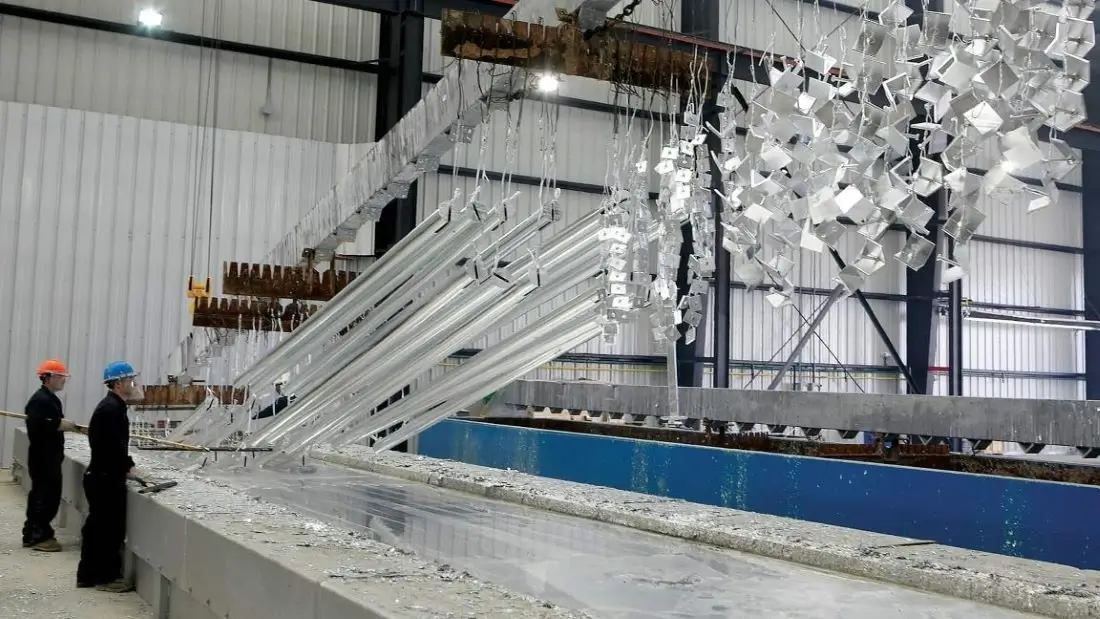
Fit check
Can we galvanize your part? Three things decide it
Base material, part size and geometry. Run through these three before you send a drawing — it takes a minute and saves a round trip.
Base material
- Yes — steel, alloy steel, cast iron
- No — aluminium, copper, brass, titanium
- No — plastics, composites
Galvanizing bonds zinc to iron. For non-ferrous parts, see alternative processes.
Part size & weight
- Hot-dip requires the part to be fully immersed in a zinc bath
- Thermal spray has no bath limit — it is the route for oversized parts
- Max envelope and weight per route: To confirm
Tell us the largest dimension and the weight and we will confirm the route.
Geometry
- Sealed cavities trap air in the bath — vent and drain holes are required
- Very fine threads and blind holes fill with zinc
- Distortion risk on thin, long or asymmetric sections needs review
Tubular and box assemblies: drill a vent hole before coating, not after.
Specifications
Hot-dip galvanizing: 85 – 200 µm zinc coating, measured to ASTM D6386
The numbers a buyer asks for before sending a drawing.
Dimensional change
What each route adds to your part — and when that breaks the fit
A coating is material that was not there when you machined the part. It goes on every wetted surface, inside holes and on threads as well as outside.
| Route | Coating per surface | Effect on a mating dimension | What to do |
|---|---|---|---|
| Zinc electroplating | 5 – 25 µm | Tightest route. On a 20 mm shaft this is up to 0.05 mm on diameter. | Normally usable on precision parts without masking. |
| Thermal diffusion (sherardizing) | 10 – 30 µm | Thin and uniform — the most even coverage of the four. | Suits parts with fine features. |
| Hot-dip galvanizing | 85 – 200 µm | On a 20 mm shaft this is up to 0.40 mm on diameter across both sides. | Mask or re-tap any thread or bore that has to assemble. |
| Zinc thermal spray | 100 – 300 µm | Thickest route — build-up is the point of it. | For oversized structures; keep it away from fits. |
Coating thickness per surface, as published for each route. Both sides of a dimension grow: a shaft measured across grows by twice the figure shown.
Have a critical fit on the drawing? Mark the surface and we will mask it before coating — or quote a thinner route that clears the tolerance.
Get a quoteFour routes
Which galvanizing route fits your part
All four deposit zinc. They differ by thickness, by how evenly they coat a thread, and by whether your part has to fit in a bath.
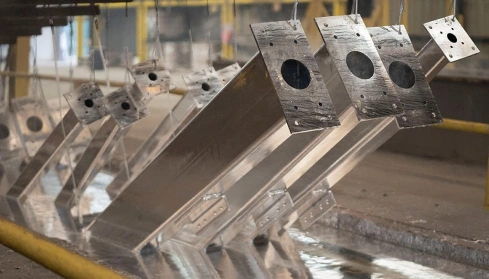
Hot-dip galvanizing
Immersion in molten zinc for comprehensive coating. Excellent durability and decades of longevity; ideal for large, complex structures.
Finish options: passivation, chromate conversion
Not for: tight-tolerance threads or bores, thin sections prone to distortion, or parts that cannot be fully immersed.
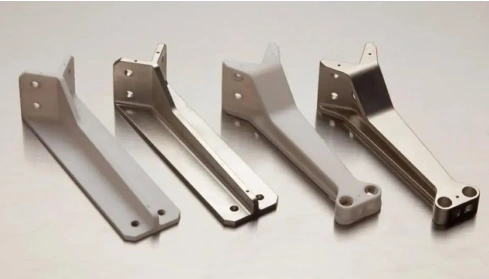
Zinc electroplating
Precision zinc coating applied through electrical deposition. High precision and uniformity; ideal for small, intricate components.
Finish options: bright finish, chromate conversion, passivation
Not for: large structures, or parts needing thick sacrificial build-up.
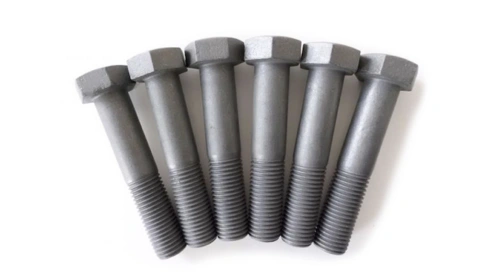
Thermal diffusion galvanizing (Sherardizing)
Zinc alloy coating applied through a diffusion process. A very thin, uniform coating with high adhesion and corrosion resistance.
Finish options: bright finish, passivation
Not for: parts needing maximum coating thickness in one pass.
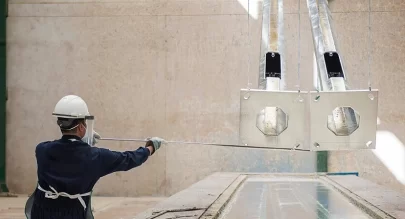
Zinc thermal spray
Zinc coating applied through a thermal spray process. High build-up capability; suitable for large or irregularly shaped components.
Finish options: passivation, topcoats
Not for: small precise parts, deep bores, or surfaces out of line of sight.
| Capability | Description | Specifications | Finishing options | Unique features |
|---|---|---|---|---|
| Hot dip galvanizing | Immersion in molten zinc for comprehensive coating. | 85-200 μm,(ASTM D6386, D7803) | Passivation, chromate conversion | Excellent durability and decades of longevity; ideal for large, complex structures. |
| Electroplating | Precision zinc coating is applied through electrical deposition. | 5-25 μm | Bright finish, chromate conversion, passivation | High precision and uniformity; ideal for small, intricate components. |
| Thermal diffusion galvanizing (Sherardizing) | Zinc alloy coating is applied through a diffusion process. | 10-30 μm | Bright finish, passivation | Offers a very thin, uniform coating with high adhesion and corrosion resistance. |
| Zinc thermal spray | Zinc coating is applied through a thermal spray process. | 100-300 μm | Passivation, topcoats | High build-up capability; suitable for large or irregularly shaped components. |
Coating thickness and finishing options as published for each route.
Pick or avoid
When galvanizing is the right call — and when it is not
Pick galvanizing when
- The part lives outdoors and corrosion is the failure mode you are designing against.
- The base material is steel, alloy steel or cast iron.
- You want sacrificial protection — the zinc corrodes first, even at a scratch or cut edge.
- Coating thickness variation is acceptable on non-mating surfaces.
Avoid galvanizing when
- You hold a tight tolerance on a mating face — see dimensional change.
- You need a specified RAL colour; use powder coating.
- The part is aluminium, copper or plastic — see materials.
- The part will be welded after coating.
- You need a mirror finish; see polishing.
Still between galvanizing and powder coating? Both quote the same day — send one drawing and ask for both.
Get a quoteDrawing notes
What to write on the drawing so we coat it the way you meant
Most coating problems start with an unclear note, not an unclear process. Copy these into your drawing and edit the numbers to match your own spec.
1. HOT-DIP GALVANIZE ALL SURFACES. COATING THICKNESS 85-200 um, MEASURED TO ASTM D6386 / D7803.2. MASK ALL TAPPED HOLES AND MATING FACES BEFORE COATING. SEE VIEW A FOR MASKED AREAS.3. PROVIDE VENT AND DRAIN HOLES - MIN 6 mm - FOR THE MOLTEN ZINC BATH. DO NOT SEAL CAVITIES BEFORE COATING.4. UNLESS NOTED OTHERWISE, APPEARANCE PER SUPPLIER STANDARD. SPANGLE PATTERN AND SLIGHT COLOUR VARIATION ACCEPTABLE.5. DO NOT RE-MACHINE COATED SURFACES.
Examples only — replace the standard callout and thickness with your own requirement. Tell us which surfaces are masked and we will confirm them before the coating runs.
Materials
Which base materials we can and cannot galvanize
Galvanizing is a ferrous process — the zinc has to bond to iron. If your material is not on the left column, the right column tells you what to use instead.
| Base material | Galvanizing | Notes | Use instead |
|---|---|---|---|
| Steel and iron | Yes | Most predictable coating thickness and appearance. | — |
| Alloy steels | Yes | Silicon and phosphorus content drives coating thickness — tell us the grade. | — |
| Cast iron | Yes | Abrasive cleaning required to remove the casting skin; coating runs thicker. | — |
| Stainless steel | Not normally | Zinc on stainless adds a dissimilar-metal couple without adding useful protection. | Passivation · Plating |
| Aluminium | No | Zinc does not bond usefully to aluminium. | Anodizing · Powder coating |
| Copper and brass | No | Galvanizing a copper alloy creates a couple that attacks the zinc. | Polishing · Plating |
| Plastics | No | No metallic surface for zinc to bond to. | Painting |
Parts in more than one material? Send the assembly and we will route each component to the process that fits it.
Get a quoteApplications
Where galvanized parts end up
Every application below is one where the part is expected to survive weather for years without maintenance.
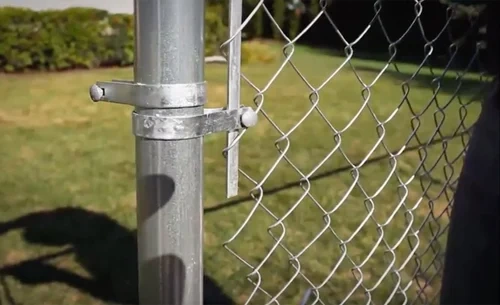
Agriculture and farming
Fencing, gates, troughs and equipment frames exposed to weather and livestock.
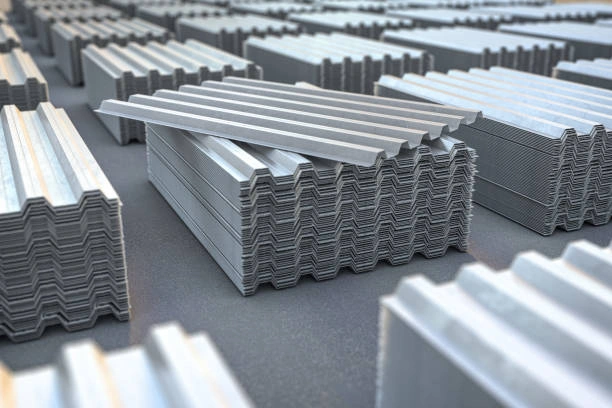
Construction and infrastructure
Structural steel, fixings, walkways, guardrails and bridge hardware.
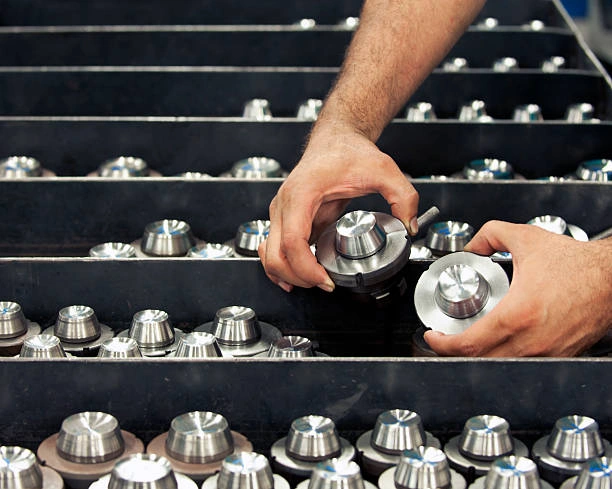
Automotive
Chassis brackets, fasteners and underbody hardware exposed to road salt.
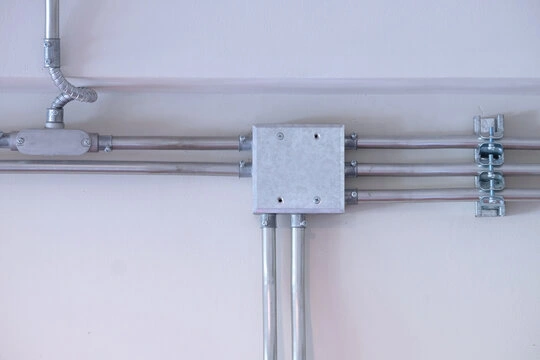
Energy and transport
Pipework, supports and transmission hardware in outdoor service.
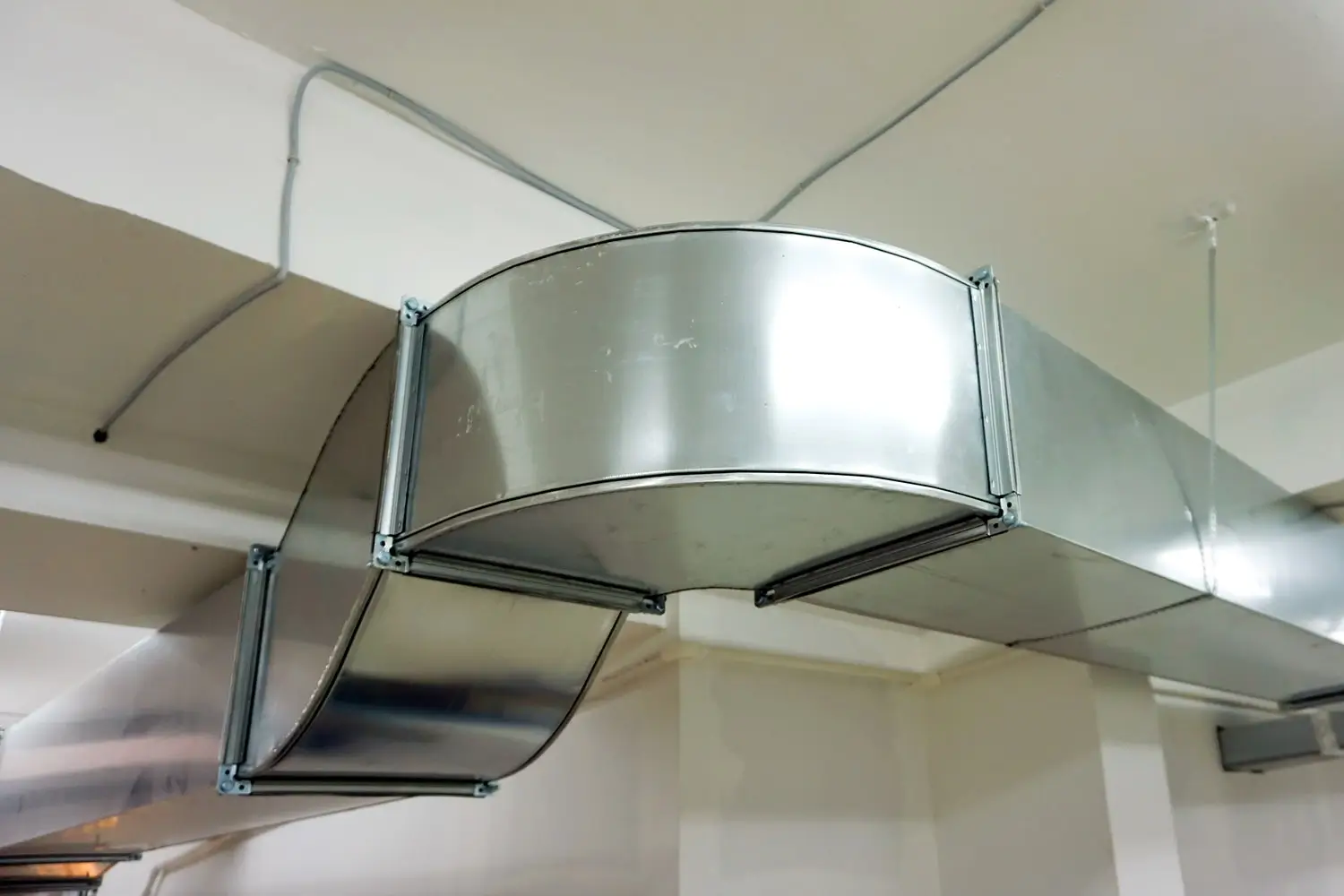
Ventilation systems
Ducting, housings and fixings in humid or corrosive air streams.
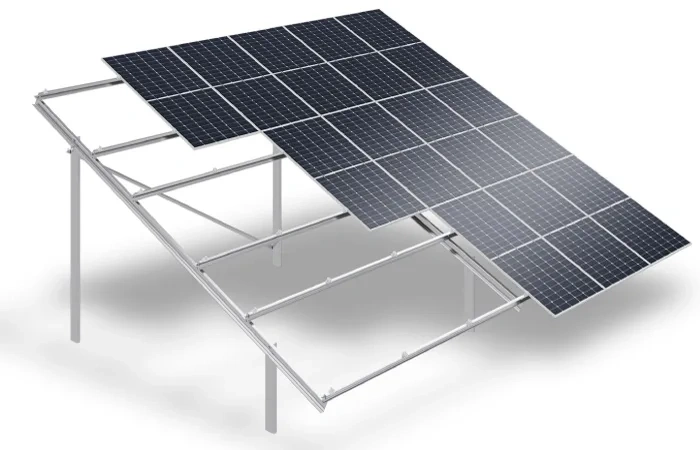
Solar mounting
Frames, clamps and ground mounts with a 20-plus year outdoor design life.
QA and documentation
What you get back with the parts
Purchasing usually needs paper as well as parts. Here is what we can issue today and what is still being confirmed.
Coating thickness
Measured to ASTM D6386 and D7803 on hot-dip coatings.
Material certificate
Mill certificate for the base material — subject to the material arriving with one.
Salt-spray report
Hours to first red rust, per route. Being confirmed with the shop.
RoHS / REACH
Compliance statement for the coating chemistry.
Further reading
Galvanizing guides and comparisons
Longer answers on the questions this page only has room to state.
How the coating forms, what spangle means, and how galvanized steel compares with uncoated steel.
The difference between the two coated sheet products, and when each is worth specifying.
What clear, blue, yellow and black chromate actually change — appearance and corrosion resistance.
The electroplated route in detail, for small parts that need a controlled thin coating.
When a coloured organic layer beats a sacrificial zinc layer — and when it does not.
Compare all 20 finishes by roughness, thickness, corrosion and cost.
FAQ
Galvanizing FAQ: the questions engineers ask us
Can you galvanize stainless steel or aluminium?
How thick is a hot-dip galvanized coating?
Will galvanizing change my part dimensions?
Which route suits small precision parts?
Can galvanized parts be welded?
Do I need vent and drain holes?
Do you coat customer-supplied parts?
What colours are available?
Get your galvanizing quote
Upload a STEP, IGES or PDF drawing. Tell us the base material, the quantity, and which surfaces must stay uncoated — we will come back with the route, the coating thickness and the lead time.
What to send us
- Drawing — 2D and 3D files (STEP, IGES or PDF).
- Quantity — number of units, including any spares.
- Base material — the grade, or describe the application.
- Required finish — which route, and the coating thickness if you have a spec.
- Masking — which surfaces must stay uncoated, and any thread or bore that has to assemble.
- Anything else — welding, prior heat treatment, or a surface that is already damaged.
All uploads are secure and confidential. Engineers review and reply with a quotation and lead time.