
? Where is your part right now?
SURFACE FINISHING
Heat Treatment Service
Heat treating of the surface is a range of processes used mainly with steel parts that use heating in various ways for different periods to achieve required surface properties. One of the commonly used processes is hardening: the surface of the steel part is first heated to the transformation temperature of 800 degrees C or higher and a certain amount of carbon is dissolved into the surface, then the part is cooled down using oil or water. Prolean offers surface heat treatment for steel parts.

Where it fits
Heat treatment runs after machining, and the quench follows the cut
The published route has five steps, and the order matters because the step that produces the hard surface is also the step that can move the part. It is easier to plan around that than to correct it afterwards.
The quench decides the result, and it is also the step that can move the part. Because the change happens inside the metal rather than on top of it, the allowance and the inspection point have to be agreed before the part is cut - see what a quench can move.
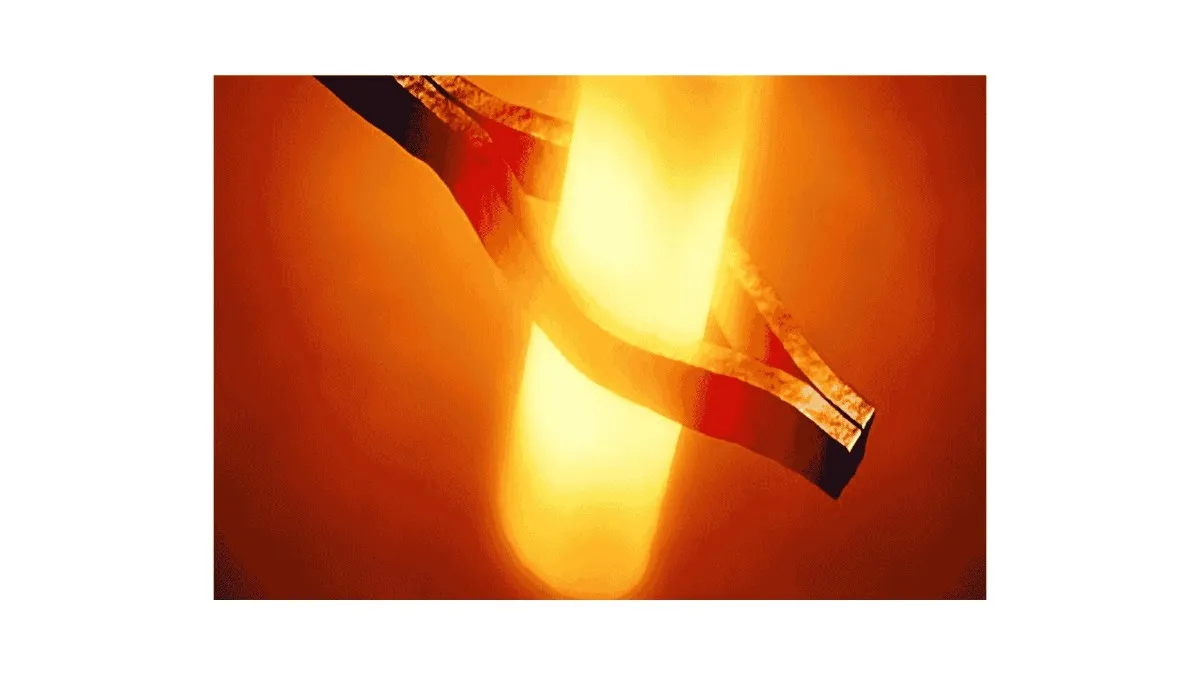
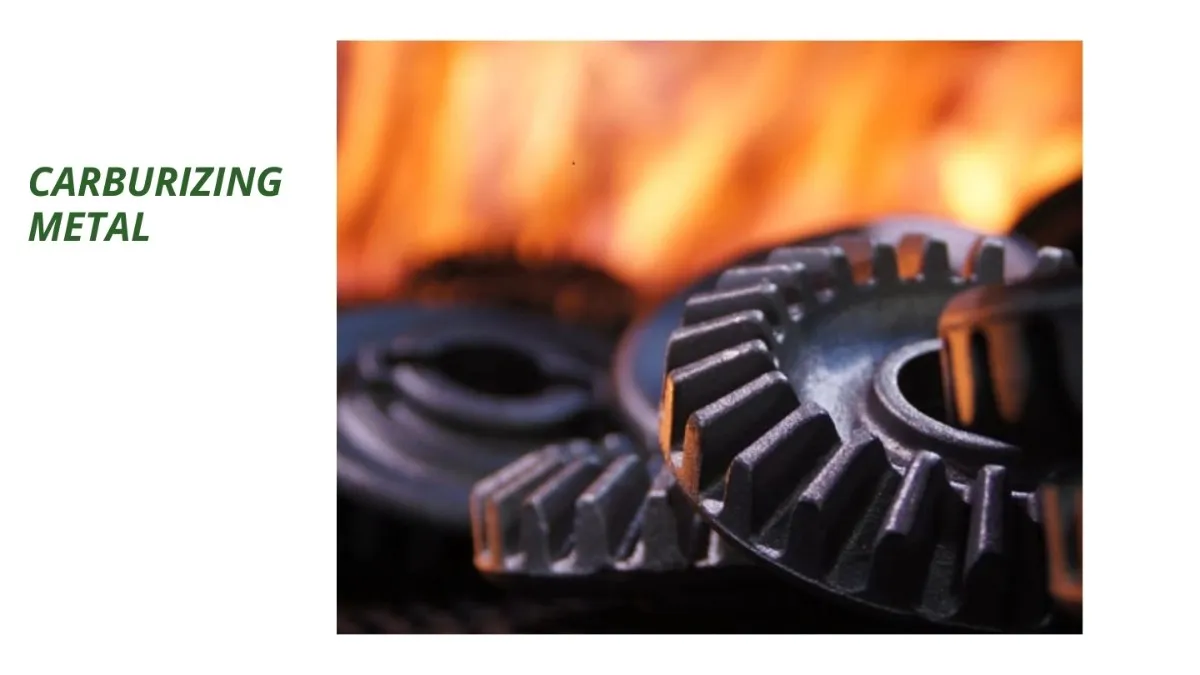
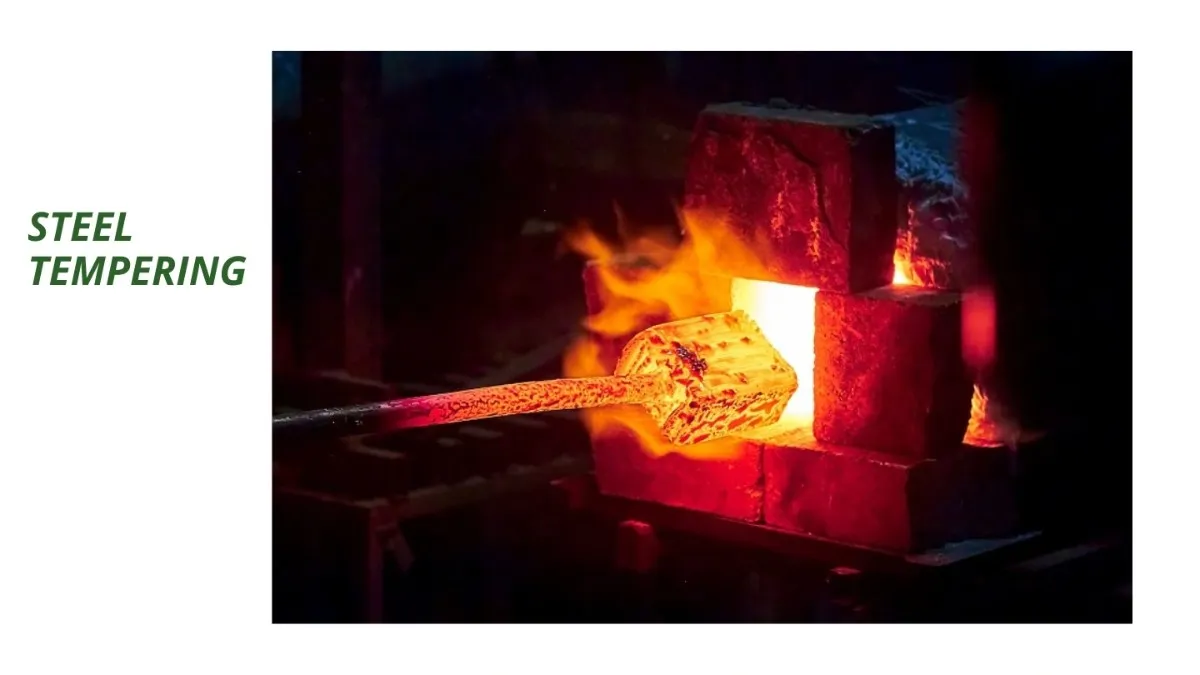
Fit check
Material, section and duty decide whether we heat treat the part
Three things settle it: what the metal is, how its section is shaped, and what the part has to do. The last one is where the route is chosen, and where the wrong route is most often picked.
Material
- Published family - the published text says heat treating is used mainly with steel parts, and that is what our surface heat treatment is offered for
- Hardenability is set by the grade: the same quench hardens a plain carbon steel and an alloy steel to different depths
- Other metals harden by different mechanisms - aluminium alloys gain strength by ageing, not by the carbon-and-quench route
- Which steel grades we run, and whether stainless steel is in scope, is being confirmed
The published material is steel. The grades we run, and the other metals, are To confirm.
Section and geometry
- A thick section and a thin wall cool at different rates, so the hardened result is not uniform across a part that mixes them
- Sharp internal corners and abrupt changes of section concentrate the quench, and that is where distortion and cracking start
- Long slender parts and thin plates are the most likely to move during the quench
- Tell us the thinnest wall and the heaviest section so the quench is set for the part, not for the average
How far a given part moves is confirmed per job - no distortion figure is published for this process.
What the part has to do
- A hard surface over a tough core points to a surface route such as carburizing
- A part that must be hard right through its section points to a through-hardening route
- A part that must be soft, stable or easier to machine points to annealing or normalizing instead
- A part that needs corrosion protection or a colour is not a heat treatment job at all
Specifications
Heat treatment: steel parts, 800 C or higher, oil or water quench
The live page publishes no specification table for this process, so the table below is built from the figures the published text does give. Every line the shop has not confirmed says To confirm rather than a guess.
What it moves
Heat treatment adds no layer, but the quench can move the part
This is where heat treatment differs most from the coating processes. Plating and painting grow the part by the thickness of the layer; heat treatment does the opposite, changing the metal inside the part and adding nothing to the surface. What it can still do is move a dimension, because heating and quenching leave residual stress behind.
| Where it acts | What changes | Why it matters | What to do |
|---|---|---|---|
| The surface itself | No layer is added | Unlike plating or painting, no thickness is laid on top; the published change is a hardened surface and its dull grey tone. | Do not add a coating allowance - there is nothing to build up. |
| Overall size and shape | The part can move or distort | Heating and quenching leave residual stress, and thin sections and sharp changes of section move most. | Agree a distortion limit per part - the figure is To confirm. |
| Faces that must be hard and to size | A grinding allowance is needed | If a face has to be hard and to size, it is normally ground after hardening, so the cut has to leave material for the grind. | Leave a grinding allowance on any face that carries a tolerance. |
| Sharp corners and thin walls | Distortion and cracking start here | A corner or a thin wall cools faster than the body around it, which is where a quench does its damage. | Name the critical faces and thicken or round corners where the design allows. |
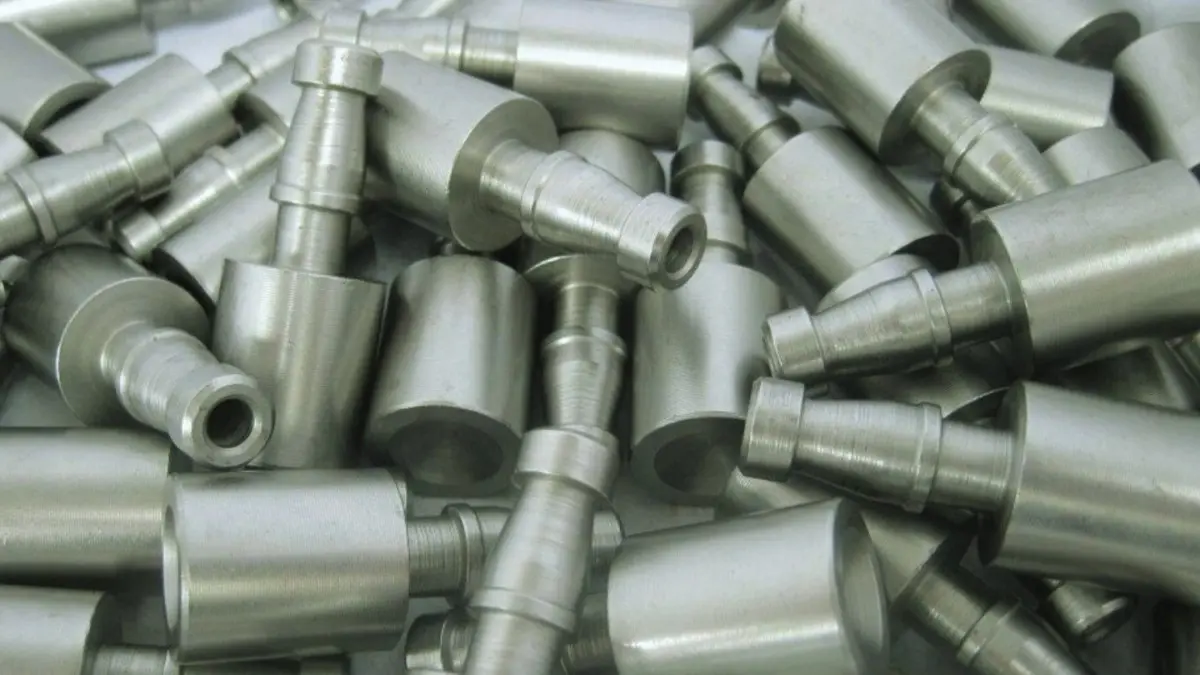
| Surface colour | The surface reads dull grey | That is the published colour of a hardened part; it is a result of the process, not a coating or a pigment. | Choose a different process if a colour other than dull grey is wanted. |
| Corrosion | No corrosion protection is added | A hardened steel surface rusts like any other bare steel surface; heat treatment is not a corrosion barrier. | Specify a coating or passivation if the duty is corrosion. |
The direction is clear - heat treatment adds nothing and can move the part - but no distortion figure is published, which is why the dimensional rows above say To confirm. A grinding allowance has to be agreed with the shop, not assumed.
Tell us which faces are ground after hardening and which dimensions are critical, and we will confirm the allowance before the parts are made.
Get a quoteWhich route
Carburizing, through hardening, induction or annealing - and the case where the answer is none
The published route is surface hardening, but it is one of a family. Which one applies depends on whether the hardness has to sit at the surface or run through the part, and whether the job is to harden or to soften. The last card is the group where heat treatment is the wrong answer.
Case hardening (carburizing)
The surface of the steel part is first heated to the transformation temperature of 800 degrees C or higher and a certain amount of carbon is dissolved into the surface. The part is then cooled down using oil or water while the carbon is supersaturated in the surface, which produces a hardened surface.
It gives a hard outer case over a softer, tougher core, which is why it suits a part that needs wear resistance on the outside without becoming brittle all the way through.
Best for: a hard wearing surface over a tough core on a low-carbon or alloy steel part
Not for: a part that has to be hard through its whole section - that is a through-hardening route.
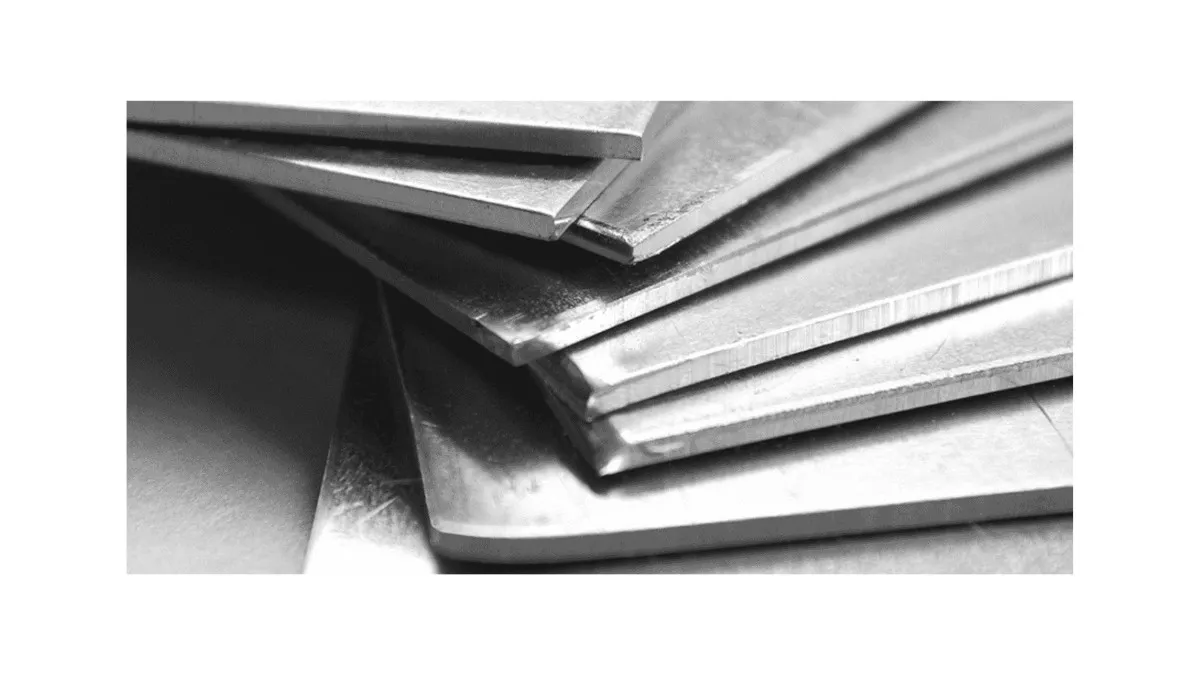
Through hardening (quench and temper)
Here the part is heated right through and quenched, so the hardness runs across the whole section rather than sitting in a case. A tempering step usually follows to trade some of the hardness back for toughness.
Best for: a part that must be hard and strong across its full section
Not for: a part that only needs a hard surface - hardening the whole section is more distortion for no benefit. The parameters we hold for it are To confirm.
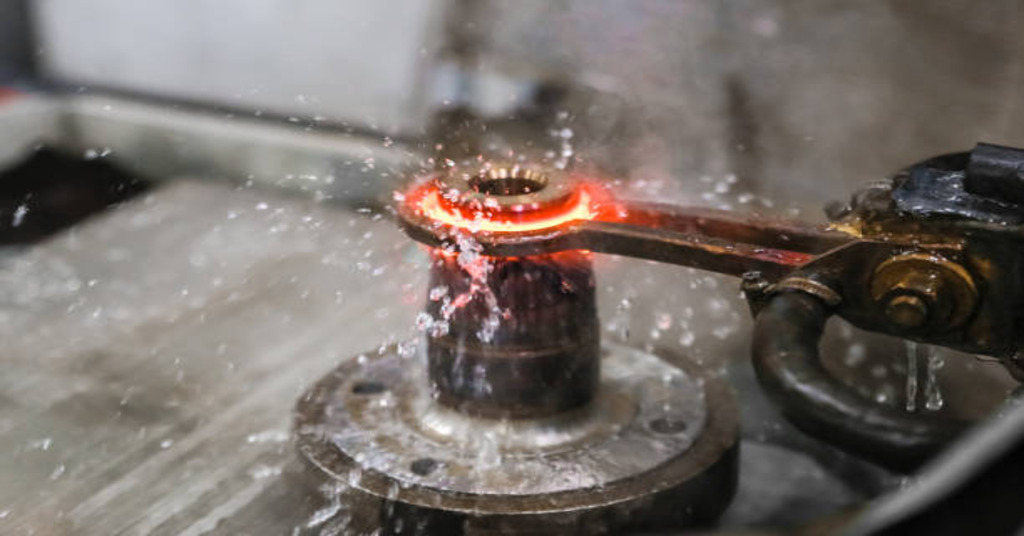
Induction and flame hardening
A chosen area - a journal, a gear tooth, a wear face - is heated quickly and quenched, so only that region hardens while the rest of the part is left as it was. It is used where the wear sits in one place and the part cannot be heated all over.
Best for: a defined wear face on a large or otherwise finished part
Not for: a deep case, or a part where the hard zone has to follow a complex shape. See the induction hardening guide.
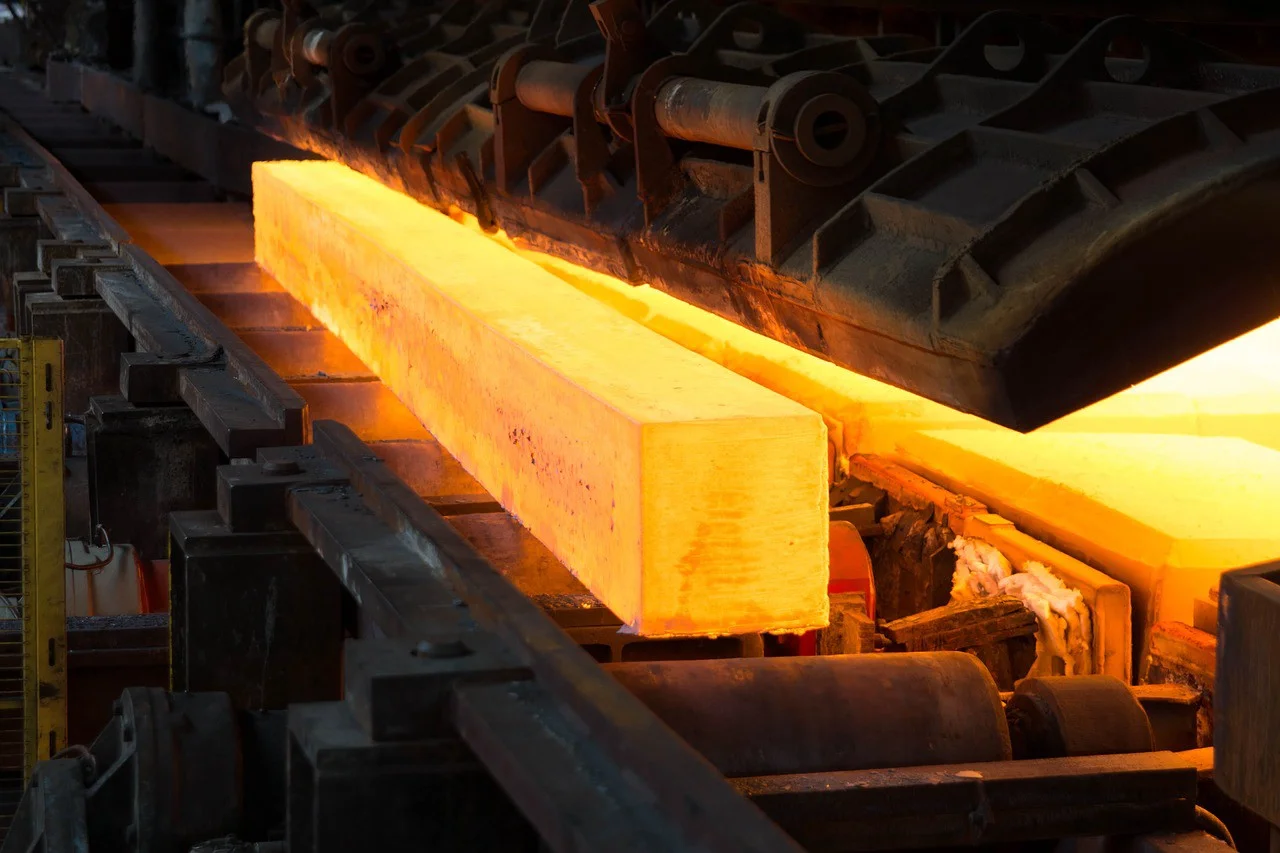
Annealing and normalizing
Annealing and normalizing are heat treatments too, but the goal is the reverse of hardening: they soften the steel, relieve the stress a cut leaves behind and make the part easier to machine. Annealing cools slowly to soften; normalizing cools in air to refine the grain.
Best for: a part that has to be soft, stable or easier to machine before or after a hardening step
Not for: a part whose duty is wear resistance. See the annealing steel guide.
When heat treatment is the wrong route
Heat treatment changes the metal inside a steel part. It adds no layer, no colour and no corrosion barrier, so a job whose real requirement is one of those is not a heat treatment job - and a part whose strength is already sufficient should not be hardened for its own sake.
Consider instead: a plated or coated finish for corrosion and appearance, or anodizing for aluminium
Not for: a part that needs corrosion protection or a colour rather than a harder surface (use passivation, zinc plating or painting), a plastic or non-ferrous part that hardens by another mechanism, or a part that must stay soft and machinable.
Tell us whether the hardness has to sit at the surface or run through the part, and whether the job is to harden or to soften, and we will confirm the route before you commit.
Get a quotePick or avoid
When heat treatment is the right call - and when it is not
Pick heat treatment when
- The requirement is a harder, more wear resistant steel surface, or a steel part that must be hard and strong across its section.
- The material is steel - the published family for this process - with the grade and the other metals confirmed first.
- The drawing allows for the small size change a quench can cause, or leaves a grinding allowance on faces that must end up hard and to size.
- The part is a steel wear part - a shaft, a gear, a pin, a die - where the surface does the work rather than the looks.
- The sequence is planned: rough machine, heat treat, then finish grind, so hardening does not fight the final dimension.
- The duty is on the drawing as a hardness or a case depth, so the result can be checked rather than assumed.
Avoid heat treatment when
- The job is corrosion protection, a colour or a decorative layer - heat treatment adds none of those. See passivation or zinc plating.
- The part must stay soft, ductile or easy to machine - hardening works against that.
- The material is plastic, or a non-ferrous metal that hardens by a different mechanism, and the process has not been confirmed for it.
- The part is already finished to size with no allowance left, and a quench could move it.
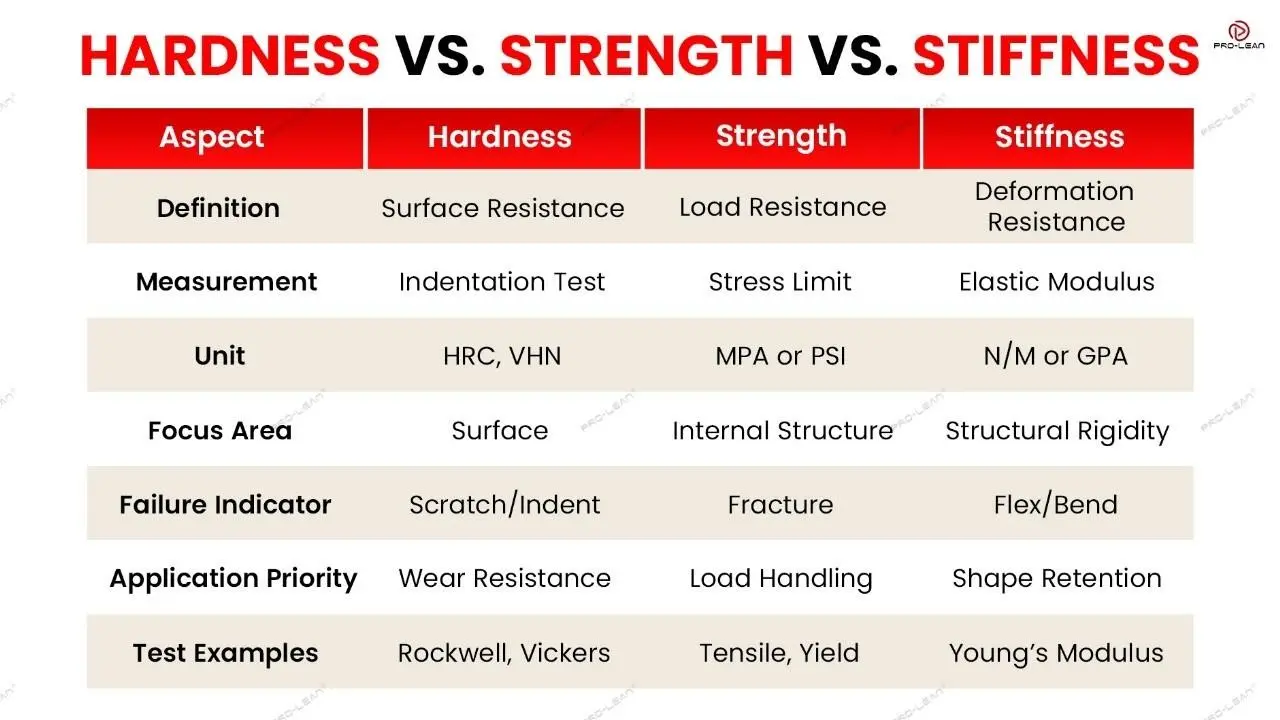
- The requirement is stiffness - heat treatment changes hardness and strength, not how much a part deflects under load.
- Someone is asking for hardening for its own sake, with no duty on the drawing that needs it.
Not sure whether the part needs a harder surface or a protective one? Send the drawing with the duty on it and we will say which way it should go.
Get a quoteDesign constraints
What decides whether the hardened part comes back straight
Six variables: the grade, the shape of the section, the allowance left for the grind, the quench medium, where the step sits in the shop, and what is checked afterwards.
Material and hardenability
The grade decides how deep the quench hardens and how far the part moves. A plain carbon steel and an alloy steel can be given the same treatment and come back with different results, so the grade is the first thing the process is set from.
Section and geometry
A part that mixes thick and thin sections cools unevenly. The thin section can be hardened through and brittle while the thick section is still soft, and the boundary between them is where cracking starts.
Grinding allowance
If a face has to be both hard and to size, it is normally ground after hardening. That means the cut before hardening has to leave a grinding allowance, and the drawing has to say which faces carry it.
The quench medium
The published media are oil and water. Water cools faster and is the harsher quench: it hardens more deeply but distorts and cracks more. Oil is gentler. Which one is right for a given part is set by the material and the section.
Where the step sits in the shop
Heat treatment usually runs between rough and finish machining. Run it on a part that is already to size and there is no allowance left to grind; run it before the geometry is settled and a later cut removes the hardened case.
Inspection after the quench
The part is checked for hardness, for distortion and for the published dull grey surface colour. What can be recorded and supplied with the parts is covered in the QA section below.
Drawing notes
What to write on the drawing so the heat treatment lands where you meant
Two lines carry most of the requirement: whether the part is ground after hardening, and which faces have to be hard and to size.
1. MATERIAL: ____________ (STEEL GRADE)2. HEAT TREAT: SURFACE / THROUGH (DELETE ONE)3. CASE DEPTH: ______ MM (TO BE CONFIRMED)4. HARDNESS: ______ HRC (TO BE CONFIRMED)5. QUENCH MEDIUM: OIL / WATER (AS PUBLISHED FOR SURFACE HARDENING; DELETE ONE)6. GRINDING ALLOWANCE ON HARDENED FACES: ______ MM (TO BE CONFIRMED)7. DISTORTION LIMIT: ______ MM (TO BE CONFIRMED)8. INSPECT: HARDNESS, DISTORTION AND SURFACE COLOUR (DULL GREY IS THE PUBLISHED COLOUR OF A HARDENED SURFACE).
Examples only - replace every blank with your own requirement. The two lines that matter most are the sequence and the allowance: state whether the part is ground after hardening, and leave material on any face that has to be hard and to size.
Which metals
Which metals we heat treat - and the duties that belong to another process
The published text is specific: heat treating is used mainly with steel parts, and our surface heat treatment is offered for steel. The table below shows that, and points the duties that are not heat treatments at the process that handles them.
| Material | Heat treatment | Notes | Use instead |
|---|---|---|---|
| Carbon steel | Yes | The published family for this process. A low-carbon grade is the usual choice where a hard case over a tough core is wanted. | — |
| Alloy steel | Yes | In the published family. The alloying elements change how deep the quench hardens, so the grade is confirmed for each part. | — |
| Tool steel | To confirm | Commonly hardened and tempered, but no tool steel figure is published for this process - being confirmed. | — |
| Stainless steel | To confirm | Some stainless grades harden by a precipitation route rather than by carbon and quench. Whether stainless is in scope here is being confirmed. | Precipitation hardening |
| Aluminium | Different process | Aluminium alloys gain strength by ageing, not by the carbon-and-quench route, so it is a different heat treatment family. | Anodizing for a surface |
| Plastics | Different process | Heat treatment is a metal process; a polymer part has no microstructure to harden this way. | Confirm the part as a plastic part |
| Parts needing corrosion protection | Different process | A hardened steel surface rusts like any other bare steel; heat treatment adds no corrosion barrier. | Passivation or zinc plating |
| Parts needing a colour or a layer | Different process | Heat treatment adds no colour and no layer; the published surface colour is only the dull grey a hardened part takes. | Painting or an anodized finish |
Send the drawing with the material and the duty on it - if heat treatment is not the right step for the metal or the requirement, we will say which one is.
Get a quoteApplications
Where a hardened steel surface is doing the work
The parts below are the ones the process is normally bought for: steel parts whose wear is the problem, rather than their appearance.
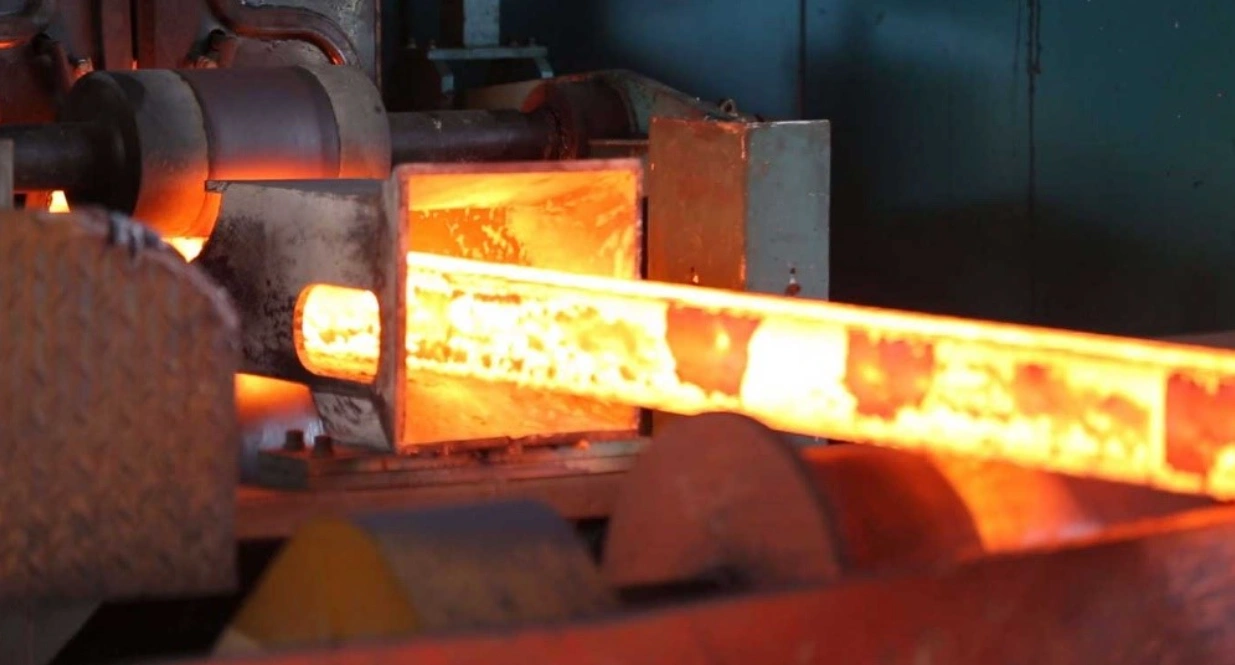
Shafts and gears
A shaft or a gear wears on its bearing surface or its teeth while the rest of the part only has to carry the load. A hard case over a tough core gives the wear surface what it needs without making the whole part brittle.
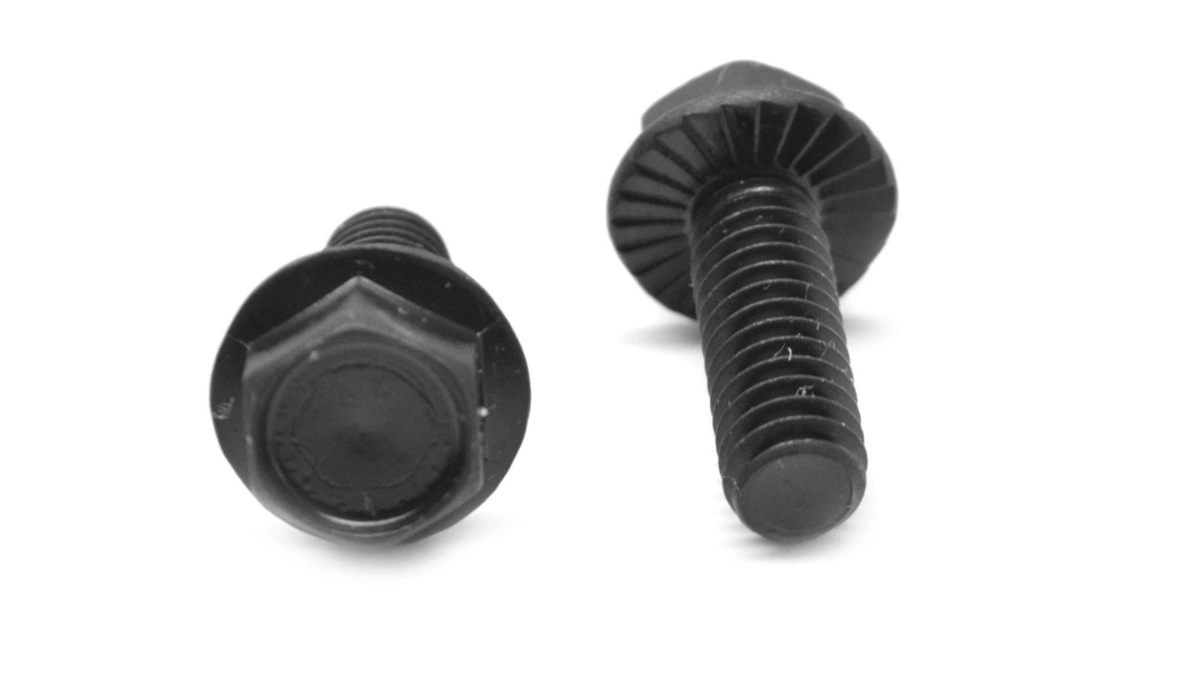
Fasteners and hardware
Bolts, pins and studs are case hardened where the threads and the heads have to resist wear and galling, and where the published dull grey surface is acceptable.
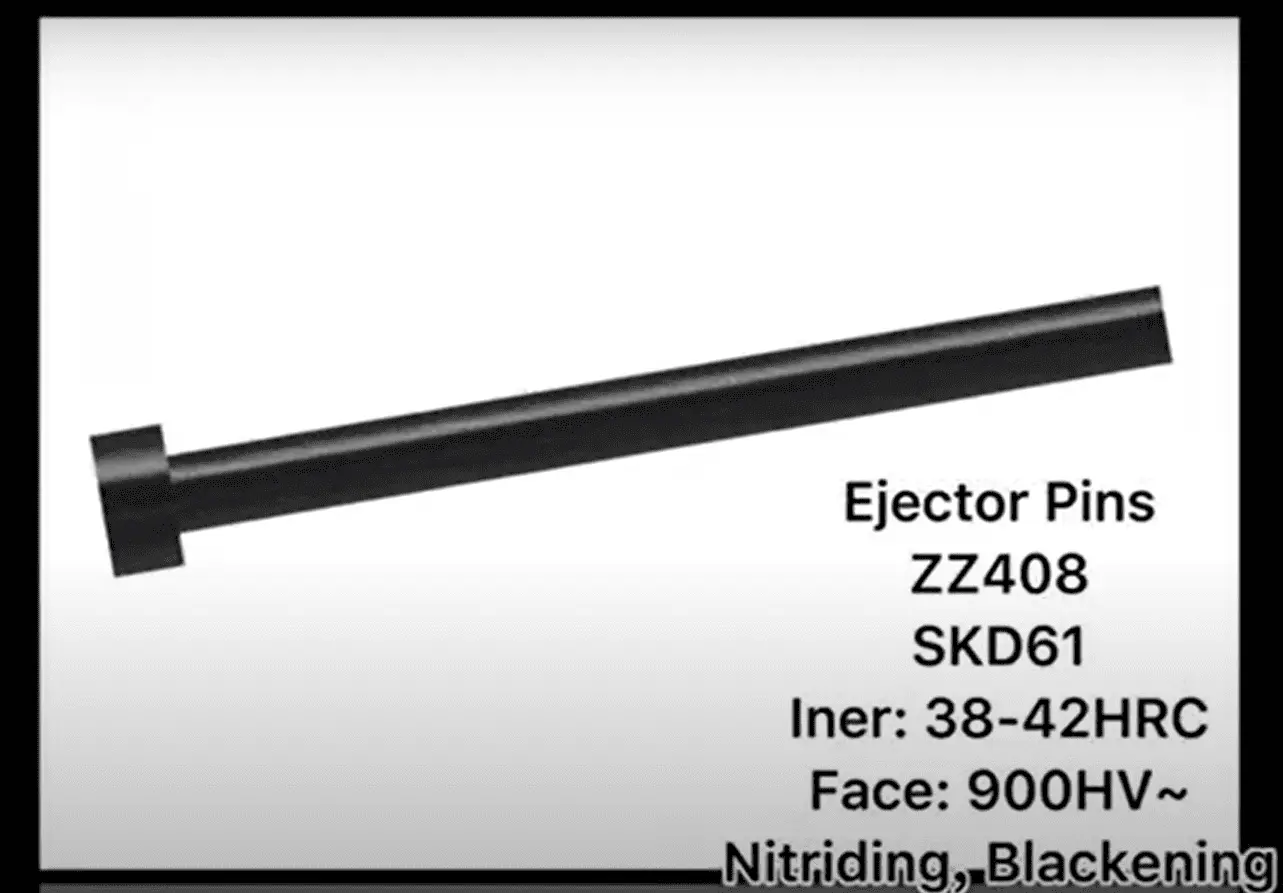
Pins, dies and tooling
Ejector pins, punches and die details are heat treated for wear resistance and kept straight because the running clearance is small. A slender part like this is also the kind that moves most, so the allowance matters.
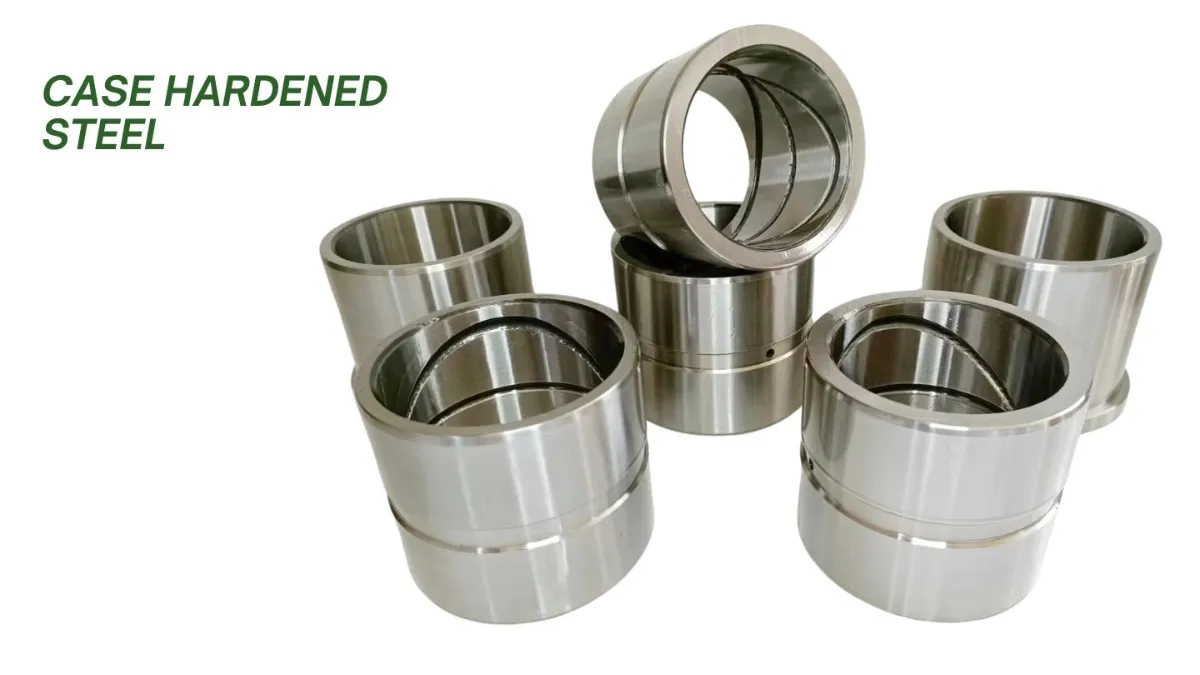
Wear parts and machine components
Cams, wear plates, links and similar components are hardened where the duty is abrasion or repeated contact, and left with the published dull grey surface rather than a decorative finish.
QA and documentation
What you get back with the heat treated parts
The published promise is that parts are inspected and then packed before delivery. Beyond that, here is what we can state today and what is still being confirmed.
Inspection before packing
The published text states that after all parts pass QC inspection they are packed and delivered, so inspection is part of the sequence the parts go through.
Hardness record
No hardness figure is published for this process, so whether a measured hardness record can be supplied against an agreed target is being confirmed.
Case depth measurement
No case depth is published for this process; whether a measured case depth can be reported on a carburized part is being confirmed.
Distortion and dimensional report
Heat treatment can move a part, but no distortion figure is published. Whether a dimensional record can be supplied against an agreed limit is being confirmed.
Further reading
Where heat treatment sits - and the guides for each process
The published route on this page is hardening. Each process below is part of the same heat treatment family, and each has its own guide.
The process behind the published figures - heating to 800 degrees C or higher, dissolving carbon into the surface and quenching - explained in full.
How a local area of a part is hardened in place, which suits a defined wear face on a large or otherwise finished component.
The other hardening mechanism, used for some stainless and non-ferrous alloys, where strength comes from ageing rather than from carbon and quench.
The opposite duty: softening steel, relieving the stress a cut leaves behind and improving machinability.
The wider heat treating service, for a part whose requirement is not limited to a hardened surface.
The hub page listing every finish we run, so heat treatment can be seen against the coating, plating and conversion families - which change the surface rather than the metal beneath it.
FAQ
Heat treatment FAQ: the questions engineers ask us
What is heat treatment?
Does heat treatment add a layer like plating?
What temperature is the part heated to?
How is the part cooled?
Will heat treatment change my dimensions?
Which materials can be heat treated?
What does a hardened surface look like?
Is heat treatment the same as a surface finish?
How do I get a quote?
Get your heat treatment quote
Upload a STEP, IGES or PDF drawing. Tell us the material, the duty - wear, toughness or a hardness target - and whether the hardness has to sit at the surface or run through the part, and we will confirm the route, the allowance and the sequence.
What to send us
- Drawing - 2D and 3D files (STEP, IGES or PDF).
- Material - the steel grade, so hardenability and quench can be set from it.
- Duty - what the part has to resist, and any hardness or case depth on the drawing.
- Faces to grind - which surfaces are ground after hardening, so the allowance is left.
- Critical dimensions - any size that may not move during the quench.
- What happens next - the assembly or the next operation, so the hand-over state fits.
The published sequence is: get a quote as fast as one hour, start production once the order is confirmed, then receive the part after it passes inspection and is packed. All uploads are secure and confidential.