
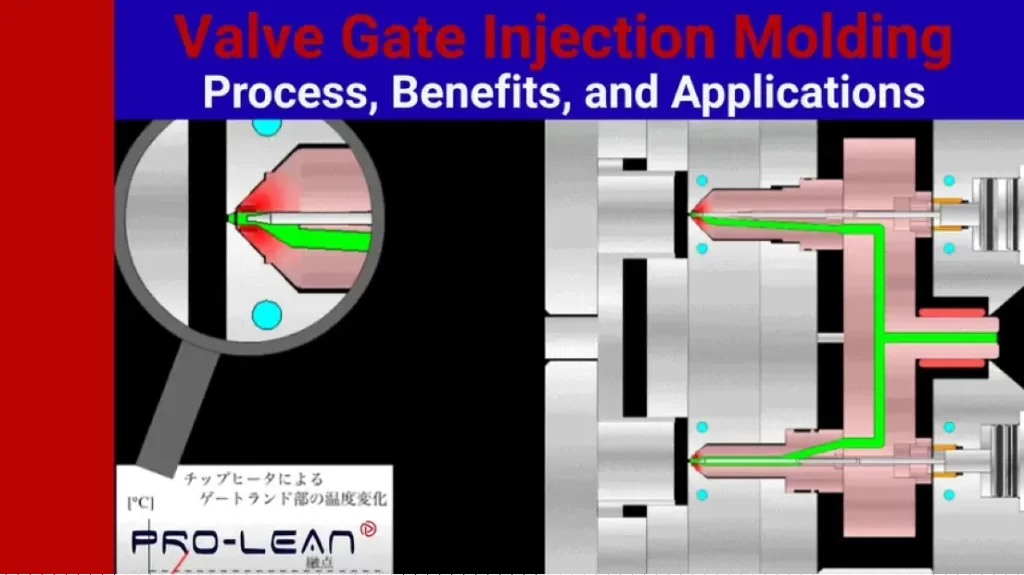
Valve gate injection molding
Without the valve gate injection molding technique, runoff from the barrel of the conventional injection molding would still affect parts. The aesthetics and strength of plastic parts would be seriously hampered. However, thanks to expert injection molding, businesses can significantly reduce these defects.
Valve gates, a type of hot runner gate, are designed to prevent the drooling effect and other defects. These components are designed for precise control of molten plastic flow through active mechanical control. Industries that use this solution include automotive, consumer electronics, and medical. A case in point is in the manufacture of plastic bumpers for cars.
While tooling and maintenance costs may appear as obstacles to using this category of gates, benefits such as higher dimensional accuracy, increased precision, minimized waste, and reduced molding defects are usually convincing enough.
This article provides an in-depth coverage of the valve gate injection molding concept. The principle of the process, its advantages, and its applications are among the main areas covered.
Injection Molding Gates
As an entry point for molten plastic as it moves from the runner system to the mold cavity, an injection molding gate is a crucial control point. Below is an overview of these features.
What Is a Gate in Injection Molding?
The gate in injection molding language is the channel that allows the molten plastic to move from the runner system into the mold cavity. You could call it the final link between the part and the runner. It is a critical component in injection molding because it affects the formation and final quality of the part. Therefore, the manufacturer should optimize the gate’s design, size, and placement. Often, engineers rely on an injection moulding gate size calculator to get the correct dimensions.
What Is the Purpose of the Gate in Injection Molding?
The fundamental purpose of the gate in injection molding is to regulate the flow of molten plastic. Specifically, this feature controls the flow’s volume and direction. There are various injection molding gate types, including direct sprue gates, edge gates, and sub gates. Whatever the design, the gate’s control ensures efficient filling of the mold cavity. It minimizes pressure loss and other flow anomalies that may affect the part’s quality.
Common Injection Molding Gates Types
The most common injection molding gate types include direct/sprue gate, submarine gate, diaphragm gate, hot runner thermal gate, and pin gate. Others are edge gate, cashew gate, hot runner valve gate, and fan gate.
Direct/sprue Gate – For this type, molten plastic moves directly from the sprue to the part. Direct gate nozzles are often used to implement this in hot runner systems.
The main benefits of a sprue gate are strong packing pressure and low flow resistance.
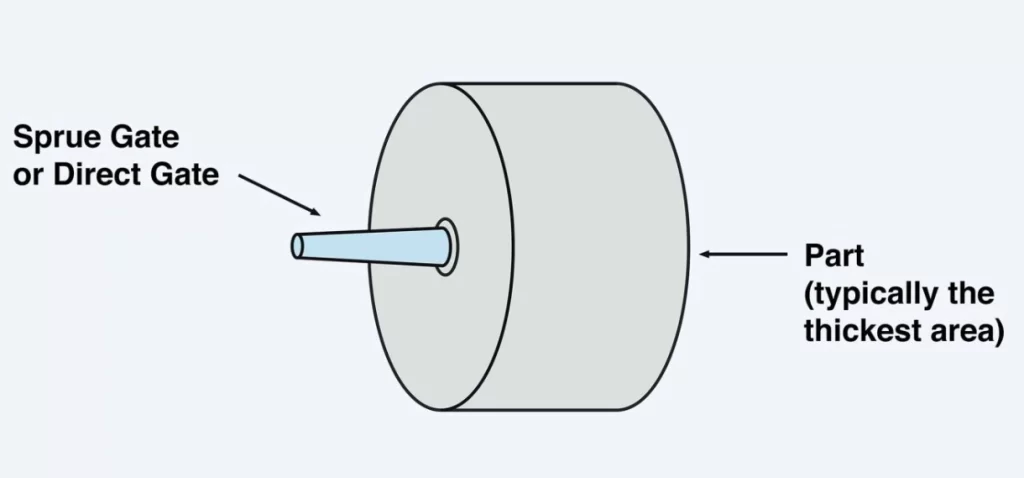
Sprue gate
Submarine gate – It is also called the tunnel gate. It is located below the parting line. You will mostly find it in high-volume production.
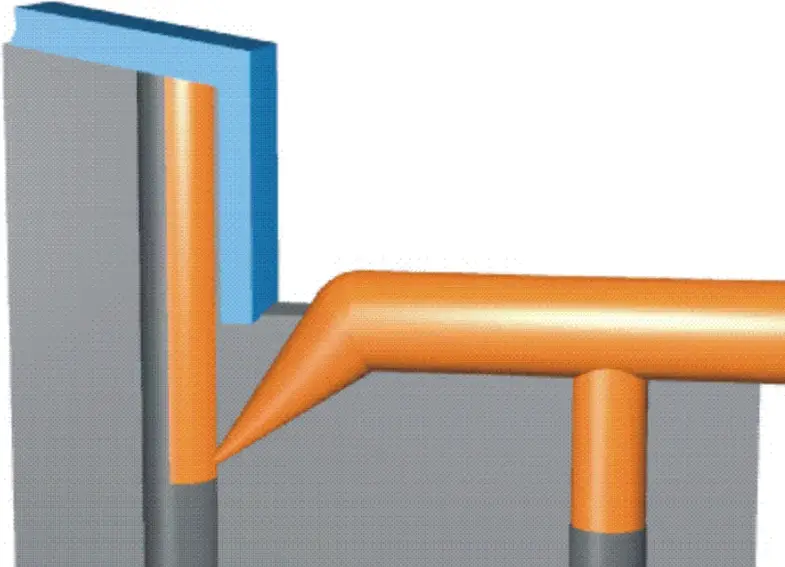
Submarine gate
Diaphragm gate – This type is used with cylindrical or circular parts. It is renowned for uniform filling of the mold cavity.
Hot Runner Thermal Gate – It uses temperature regulation to control melt flow. The gate freezes when the plastic is packing. Otherwise, it is in a molten state.
Pin Gate – This is a small-diameter gate used in hot-runner systems. One of its characteristics is a clean separation from the part.
Edge gate – The gate is so called because it is located at the edge of the part. It is preferred for flat or slightly thick parts.
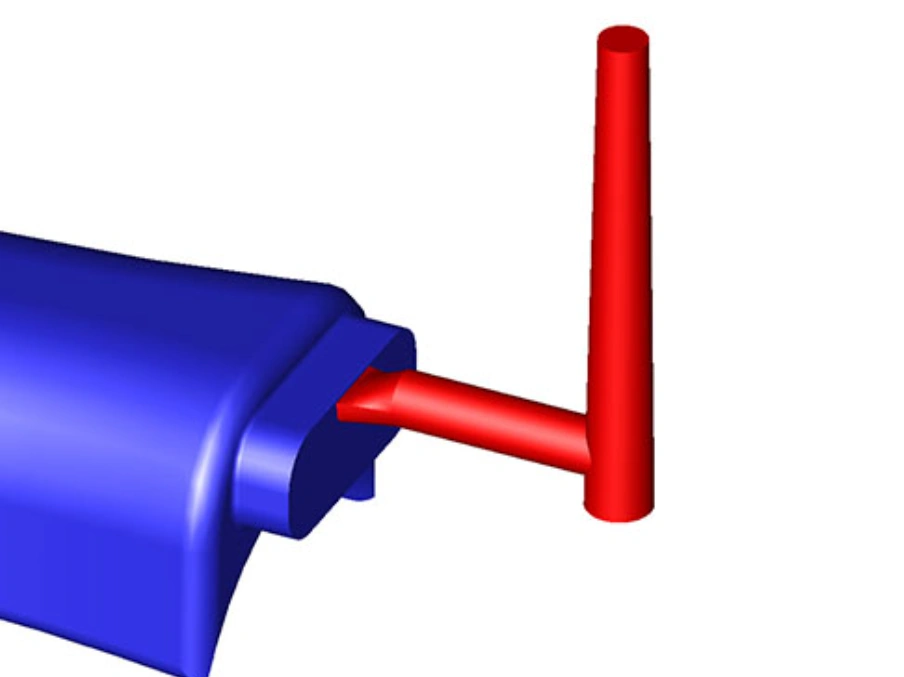
Edge gate
Cashew gate – This type of gate comprises a curved tunnel to allow access to a hidden section of the part. We would use it for aesthetic parts.
Hot runner valve gate – This gate relies on a mechanically actuated pin. It is precise, thus recommended for high-quality parts.
Fan gate – This gate gradually spreads towards the mold cavity. The design is recommended for large flat or thin-walled parts that require effective management of shear stress.
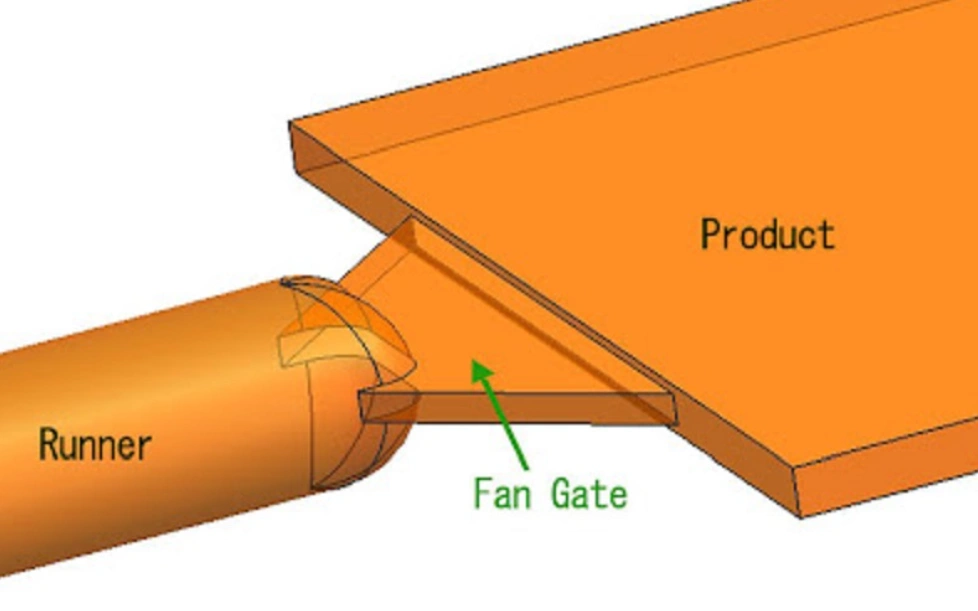
Fan gate
Valve Gate Systems
Valve gates are advanced injection molding gates. Their precise control is crucial in modern molding applications. More about the working mechanism, types, functions, and applications is next.
What Is a Valve Gate?
A valve gate is a gating system with a valve pin for opening and closing the gate. Commonly found in hot-runner injection molds, the valve gate controls the entry of molten plastic into the mold.
When the valve pin retracts, it allows the molten plastic to enter the mold cavity. It remains in that position until the cavity is full. It then closes the gate to prevent additional molten plastic from passing.
What Is Valve Gate Injection Molding?
Valve gate injection molding is a popular molding technology, which is based on the hot runner setup. The injection cycle relies on mechanically controlled valve pins. These pins open and close the gate during the process.
This setup is different from the conventional one, which comprises an open gate and continuously flowing molten plastic. Precise control using a pin sets valve gate injection molding apart from the older types.
What Is the Main Function of a Valve Gate Valve?
As mentioned, the main function of the valve gate is to precisely control the flow of molten plastic. With the system, manufacturers can;
- Balance the filling process in multi-cavity molds
- Minimize sink marks, weld lines, and other molding defects
- Prevent drooling of the molten material
In short, valve gating is an effective way to enhance repeatability and overall quality of the molded part.
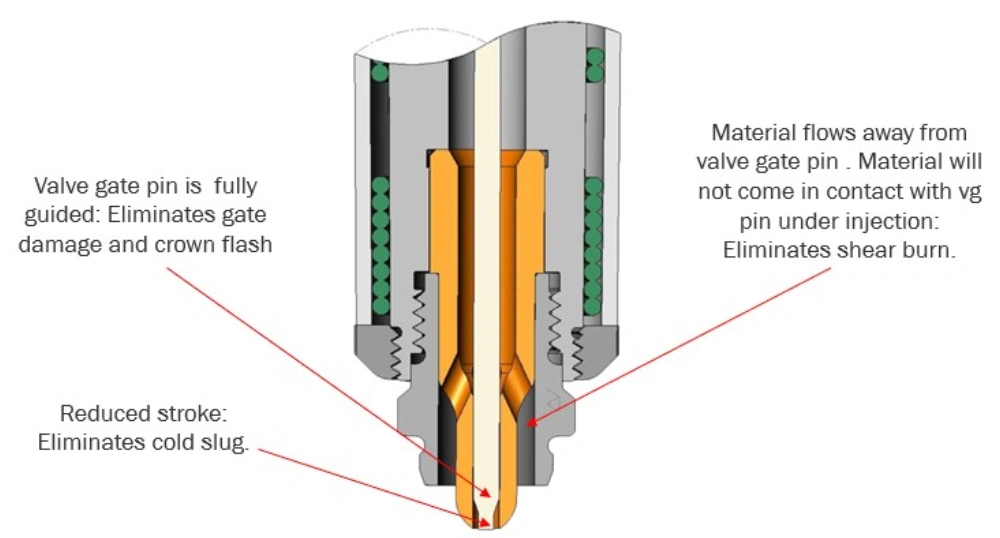
Valve gate function
Try Prolean Now!
Advantages of Valve Gate Injection Molding
Compared to traditional gating systems, valve gate injection molding offers the following advantages;
Precise Melt Control
The valve pin accurately controls the entry of melt into the mold cavity. This characteristic is particularly valuable in multi-cavity setups. This advanced control provides consistent filling.
Fewer Molding Defects
The valve gate’s precise control helps minimize molding defects such as weld lines and sink marks. The feature can also help avoid gate vestige problems associated with the standard open gates.
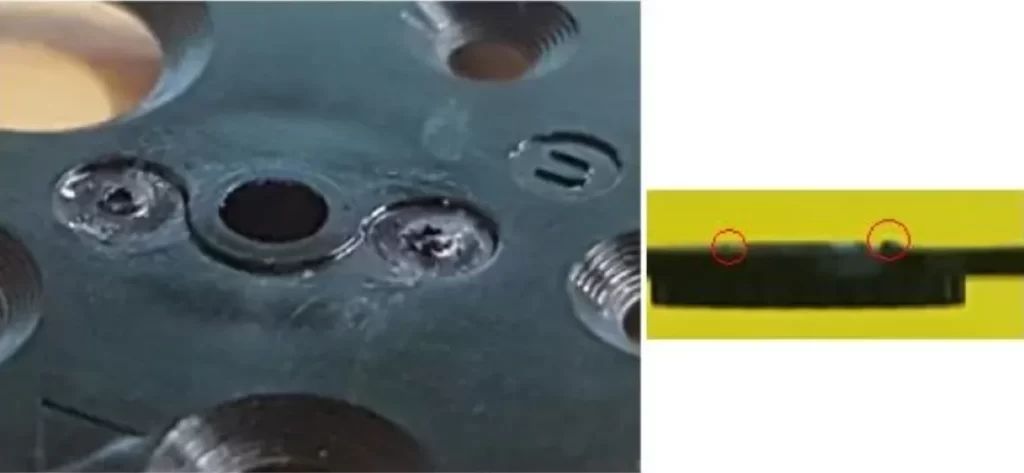
High gate vestige problem
Better Dimensional Accuracy
Since the packing and filling are uniform in valve gate systems, the resulting parts have high dimensional accuracy. That’s why we recommend this system for precision-molded parts in our overmolding services.
Less Material Waste
Runner scrap is avoided, which means a lot economically, especially in high-volume manufacturing.
Limitations of Valve Gate Injection Molding
Despite the above benefits, the use of valve gates has some limitations, including tooling cost, maintenance, and skilled operations.
High Tooling Cost
The initial investment for tooling is relatively higher due to the complex molds. Unlike ordinary gate systems, valve gate systems require advanced components such as actuators and valve pins.
High Maintenance Requirements
To add to the tooling cost, high maintenance requirements can also be a hindrance. Actuators, valve pins, and the other components should be protected against contamination, wear, and so on.
Requires Skilled Operation
As expected, the system also requires skilled personnel to run and maintain. The system requirements for expert control of pressure, temperature, and other parameters add to the cost.
Applications of Valve Gate Injection Molding
The injection molding gate technology is popular in automotive, consumer electronics, medical devices, and other industrial applications that require plastic parts of excellent quality.
Automotive Industry – Different injection molding gate types are used in the manufacture of important plastic components such as bumpers and dashboards.
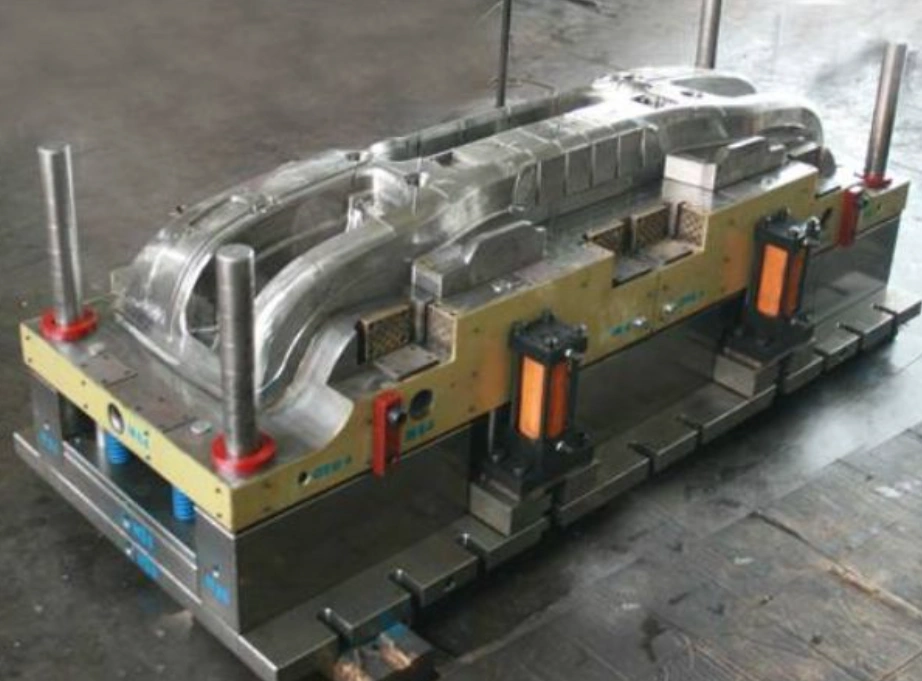
Car plastic bumper mold
Consumer Electronics – The industry relies on the technology for enclosures and housings. It gives these components tight tolerances and flawless surfaces.
Medical Devices – Many precision-molded components in the industry are produced by the valve gate mechanism. It ensures the products meet the requisite performance and aesthetic levels.
Hot Runner vs. Cold Runner Systems
Cold-runner and hot-runner systems are types of mold systems defined by the temperature of the mold and runner. Here are more details on each system.
Cold-Runner System
A cold runner system delivers molten plastic through unheated channels. The runner and the molded part solidify after every molding cycle. The solidified piece is removed and recycled, as the molding process continues.
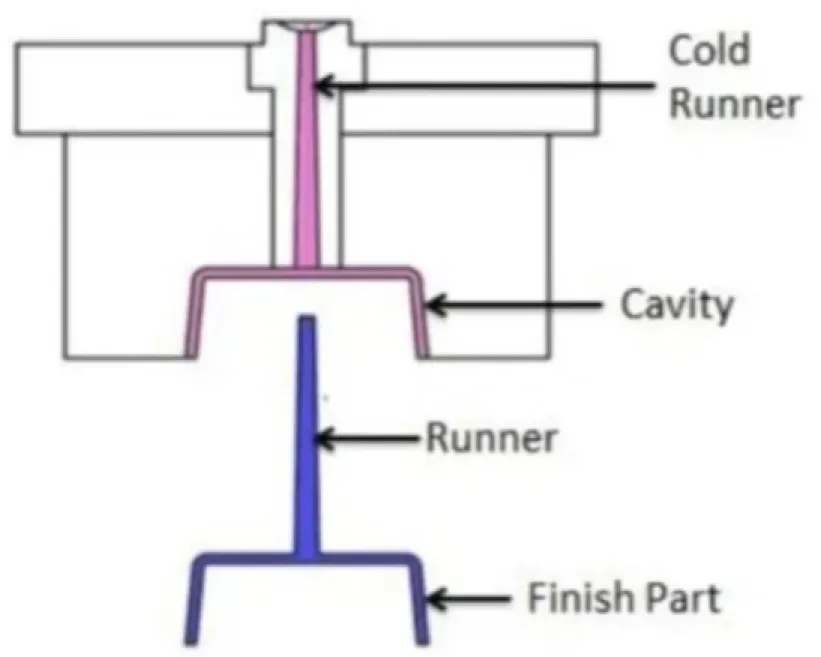
Cold runner system
This definition shows that the cold-runner system is relatively simple. Its biggest shortcoming, though, is the large amount of waste generated.
Hot-Runner System
The hot-runner system is characterized by the use of heated nozzles and manifolds. These ensure that the plastic remains molten in the runner system throughout the process. In such systems, direct gate nozzles are common components used to inject molten plastic directly into the mold. This hot runner injection molding design brings several benefits: higher production efficiency, less material waste, and shorter cycle times.
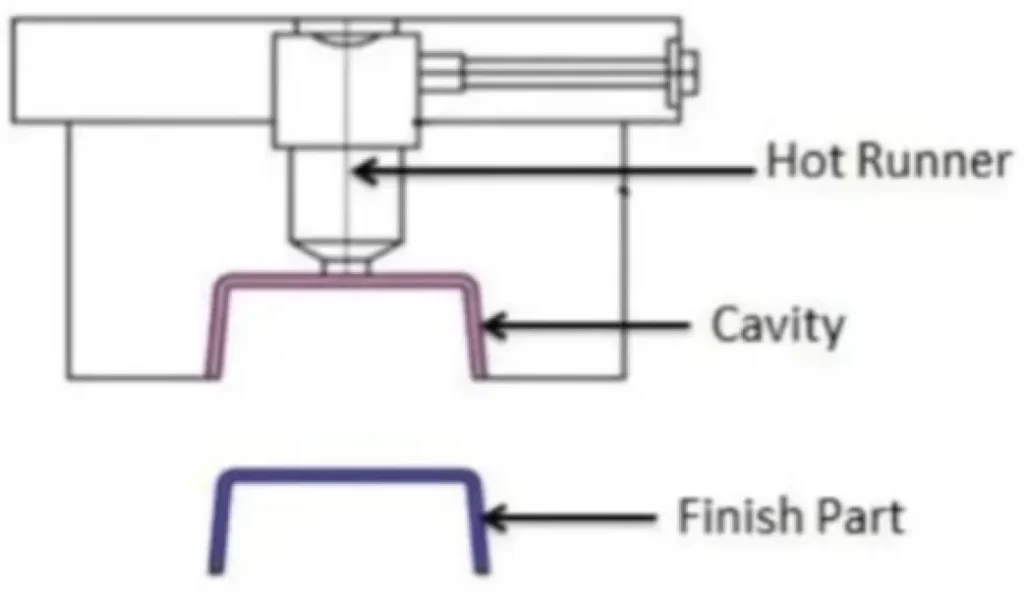
Hot runner system
It is important to understand hot runner vs. cold runner systems because the choice between the designs directly influences cycle time, tooling complexity, material utilization, and the suitability of valve gate control.
Try Prolean Now!
Sequential Valve Gate (SVG) Controllers
Sequential valve gate controllers are essential for multiple valve gates in a mold. These controllers determine the opening and closing mechanism of each gate. Specifically, the SVG controllers regulate the timing of the valve pins. With these components, the gates don’t open simultaneously. Instead, they are programmed to activate in a particular sequence.
By having this control, engineers can manage the flow front better. Benefits that come with the use of these controllers include reduced internal stresses and fewer weld lines.
Best Practices and Techniques in Valve Gate Injection Molding
An effective valve gate injection molding strategy involves several best practices, including proper mold design and gate placement, sequential valve timing optimization, material selection and processing control, and quality control and process monitoring.
Gate Placement and Mold Design
One of our emphases in the process is gate placement that promotes optimal material flow and smooth filling of the mold cavity. We base the gate placement and mold design on several factors, including part thickness and geometry. The injection moulding gate size calculator is a reliable tool for refining dimensions and optimizing injection molding.
Sequential Valve Timing Optimization
When sequential valve timing technology is involved, it is important to ensure that each valve has a well-timed sequence. This promotes smooth flow devoid of defects.
Material Selection and Processing Control
Not to be forgotten is the fact that different thermoplastic materials exhibit different flow properties. The cooling rates and shrinkage are also unique to a material. Engineers consider these issues when incorporating the valve gate solution.
Quality Control and Process Monitoring
The stability of molding conditions depends on consistent control and monitoring. The cavity pressure and melt temperature are some process parameters that require close control and monitoring.
In Conclusion
In injection molding processes, valve gates provide the much-needed accuracy, flexibility, and faster cycle times. These valve gates are unique, providing active, mechanical control of plastic melt flow.
As discussed here, the capability to precisely control gate performance in injection molding helps reduce part defects and improve part consistency. Cleaner surface finishes and higher dimensional stability result in quality molded parts for precision applications.
With the right installation and maintenance, valve gates can help manufacturers realize cost savings. That’s exactly what businesses are looking for – a blend of quality and reduced costs. Our injection molding services are based on advanced gate systems. We can use these systems together with expert designs to deliver flawless plastic parts. Talk to us today and get an instant quote.


0 Comments