
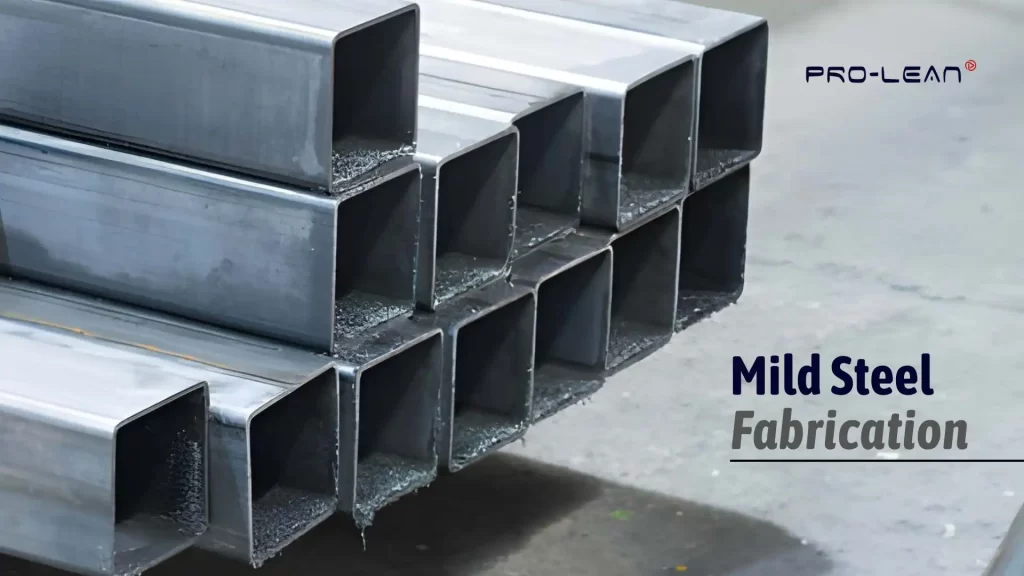
Mild Steel Fabrication
Mild steel is a low-carbon steel (usually 0.05% to 0.25%). It can be cut, formed, and joined to create a wide range of valuable products. Many industries choose mild steel because it remains strong and is easy to work with.
Mild steel sheet metal is an affordable material and supports custom designs. You can bend, shape, and assemble it without trouble. These steps help you create frames, brackets, and other daily-use parts. Moreover, you can protect the surface with simple finishes. For example, Hot-dip galvanizing, powder coating, and painting are common choices. Each finish helps the part resist weather, rust, and wear.
This guide will discuss how to select the appropriate mild steel fabrication grades (1010, 1018, 1020, EN1A, EN3B, GMS) and their performance in sheet metal fabrication. It also helps you understand the basic fabrication steps and common finishes, providing a clear view of what works best for your project.
Common Mild Steel Fabrication Grades in Custom Part Manufacturing
Manufacturers use different types of sheet metal and mild steel grades to meet specific requirements for cost, formability, and strength. Some grades are easier to machine, while others offer better weldability, formability, or corrosion resistance. Below are the most commonly used mild steel grades in manufacturing.
1010 Mild Steel
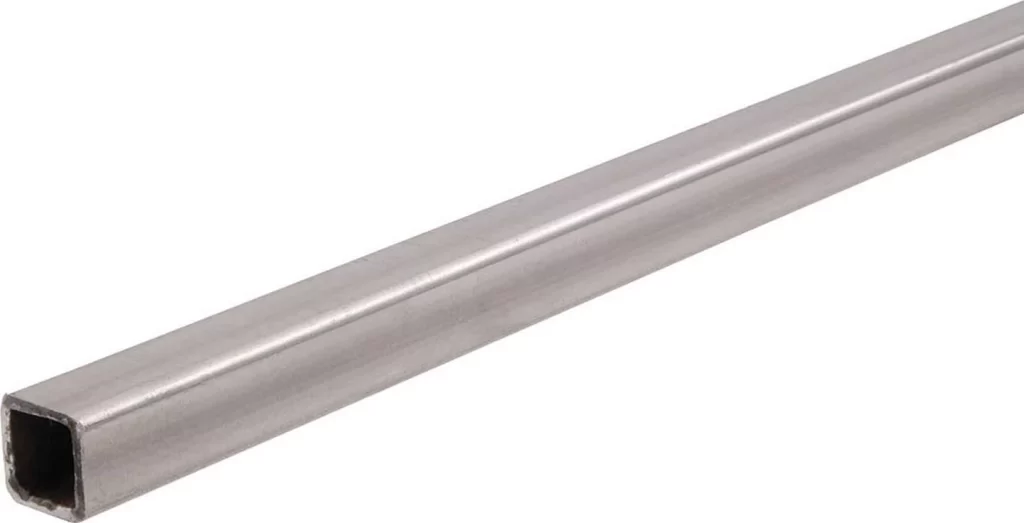
1010 Mild Steel Tube
This mild steel contains approximately 0.10 % carbon. Due to its relatively low carbon level, it remains soft and flexible. Moreover, it can be formed readily and welded with ease. The majority of users of 1010 mild steel find it beneficial for use in thin panel parts and lightweight vehicle covers.
1018 Mild Steel
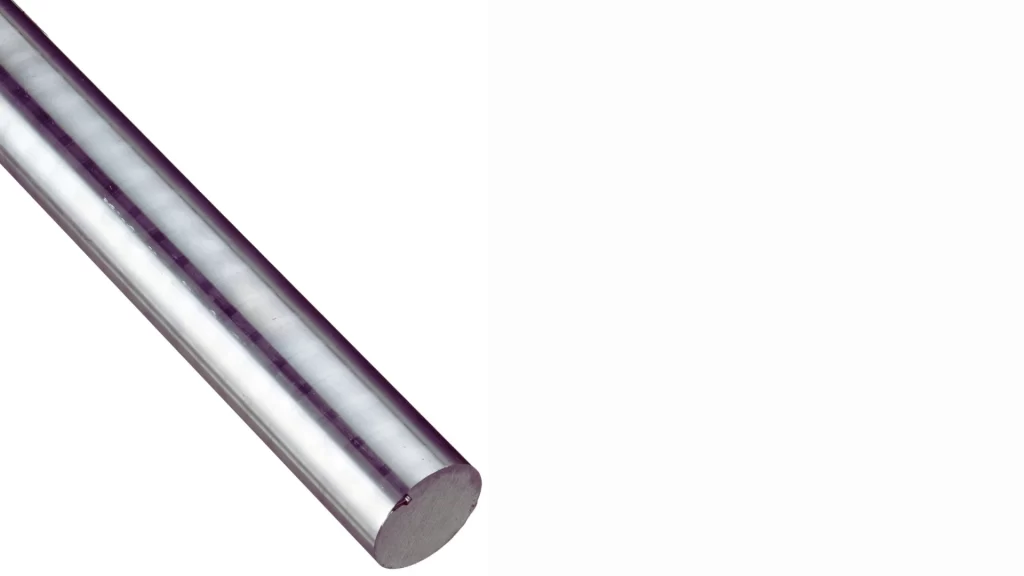
Cold Finish 1018 Carbon Steel Round Bar
1018 mild steel is cold-drawn with a 0.18 % carbon content. It is capable of being bent and welded cleanly. The rods will retain their straightness and smoothness during the machining of gear components, pins, and other small parts.
1020 Mild Steel
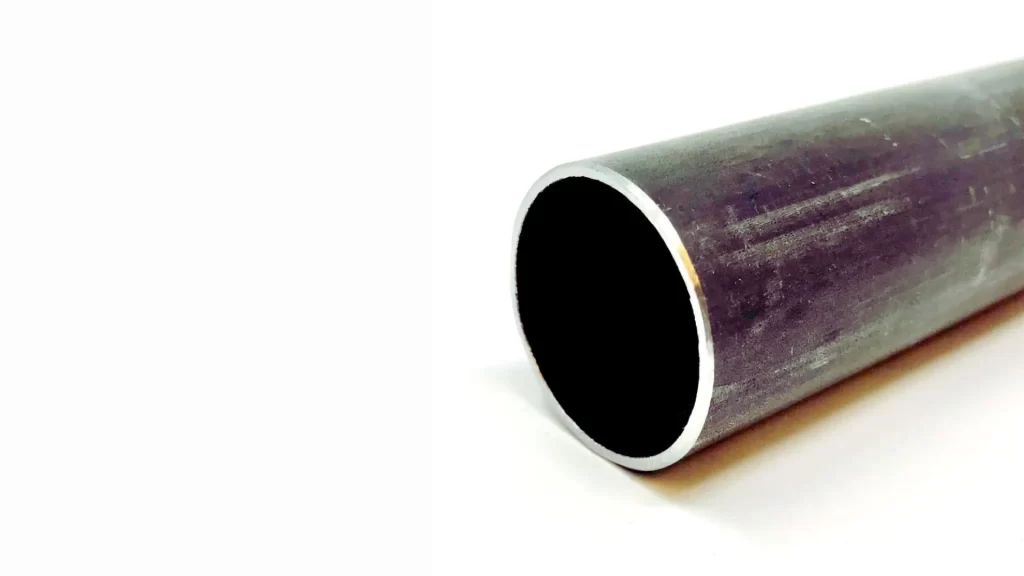
1020 Mild Steel Pipe
1020 mild steel contains 0.20% carbon. It provides excellent ductility and consistent weldability. In addition, it can be machined and polished as needed. It finds its use in the production of tubes for axles, shafts, pins, and spindles. Additionally, 1020 mild steel is commonly used in the manufacture of gears, spacers, and bushings.
Key Features:
- Suitable for flame/induction hardening.
- Lower tensile strength; however, they provide exceptional forming ease.
Grade A (Weathering Steel)
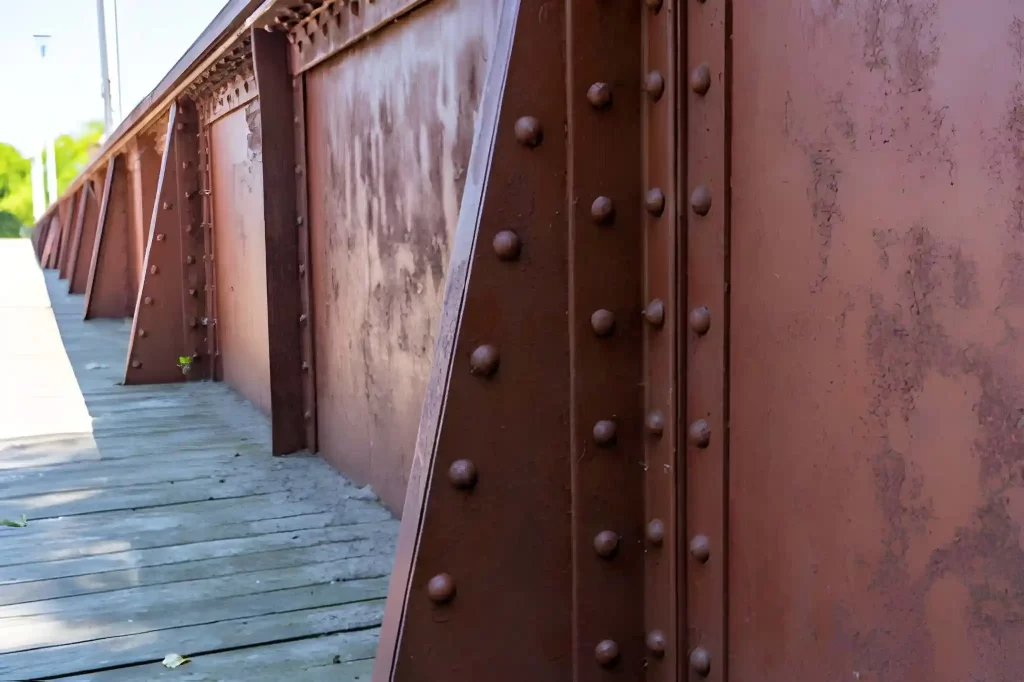
Weathering Steel
Grade A (weathering) steel develops an oxidized layer when exposed to air. This layer serves as a protective barrier to prevent rust. Therefore, it can be utilized in exterior structures where it is expected to endure for extended periods.
Key Features:
- Easily drilled and machined.
- Capable of being cut using shear or flame cutting.
- Permits both manual and mechanical welding.
- Has high stiffness and low maintenance.
- Typically utilized in bridge construction and structural frameworks.
Galvanized Mild Steel (GMS)
Galvanized mild steel is made by applying a zinc coating to mild steel. This coating provides a protective barrier between the steel and moisture and/or rain. GMS is particularly useful in areas subject to daily weather changes and outdoor environments.
Key Notes:
- Suitable for all welding methods (TIG, MIG, etc.)
- Shear, snip, flame, or disc cutting produces clean edges.
- The zinc coating allows for excellent forming.
- Fabrication of GMS produces zinc dust, which is irritating to the skin and eyes.
- Typical applications for GMS include vehicle frames, outdoor panels, sheds, and trailer bodies.
EN1A Free-Cutting Mild Steel
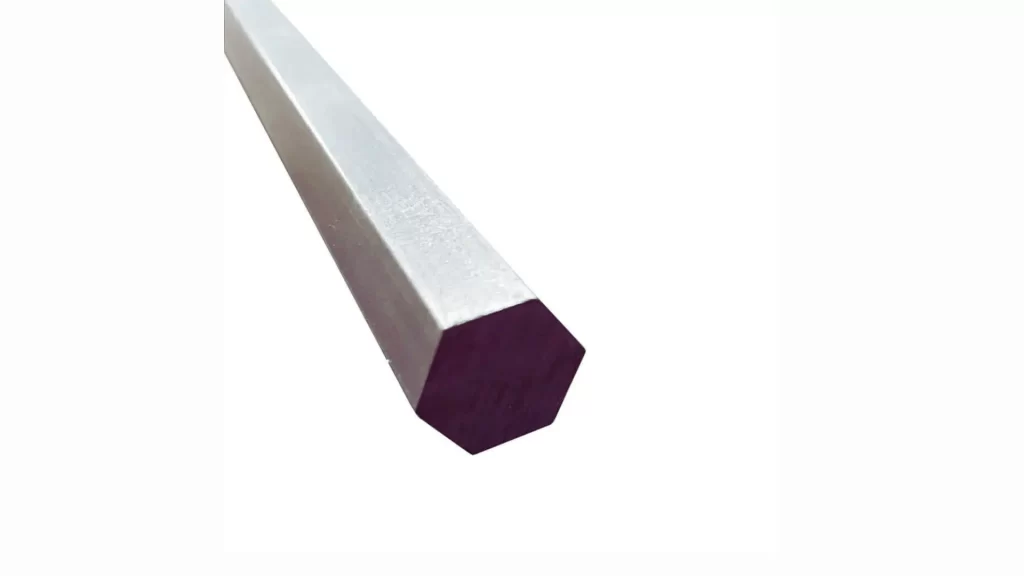
EN1A mild steel Bar
EN1A is a cold-drawn steel type. It contains lead, which improves its machinability. It is suitable for machining at high speeds, thread-cutting, and detailed cuts.
Key Features:
- Excellent for the manufacture of bolts, nuts, and small precision parts.
- Shears or grinders will cut easily through EN1A.
- It can be case-hardened.
- Not recommended for welding, particularly if the lead content is high.
- Due to its poor transverse strength, it does not produce hollow parts.
- Some cutting fluids will stain the metal.
EN3B Mild Steel
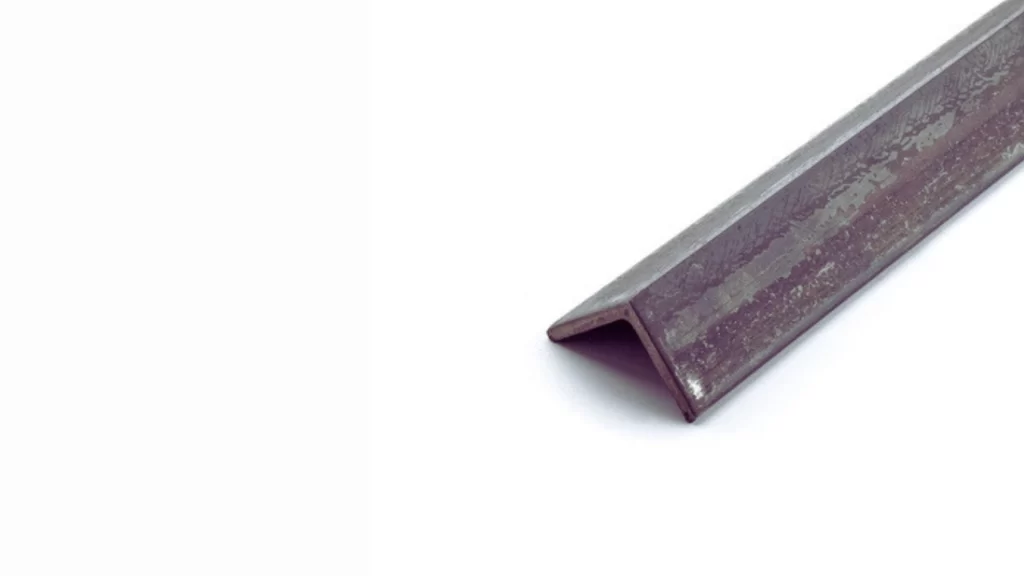
Angle Bright EN3B
EN3B is cold-finished to produce smooth surfaces and close tolerances. It exhibits improved strength and dimensional stability and is suitable for the manufacture of precision parts requiring accurate dimensions.
EN3B Mild Steel Properties:
- Machining is possible, including cutting and drilling.
- Disc cutters will produce clean cuts in EN3B.
- Welding is possible with or without preheating.
- EN3B has high ductility.
- It can be annealed, case-hardened, and carburized.
- Above 900°C, hot forging of EN3B is possible.
- It has improved rust-resistance compared to many base grades. (Also read: types of sheet metal material)
Table: Summarizing Mild Steel Fabrication Grades to choose the best one
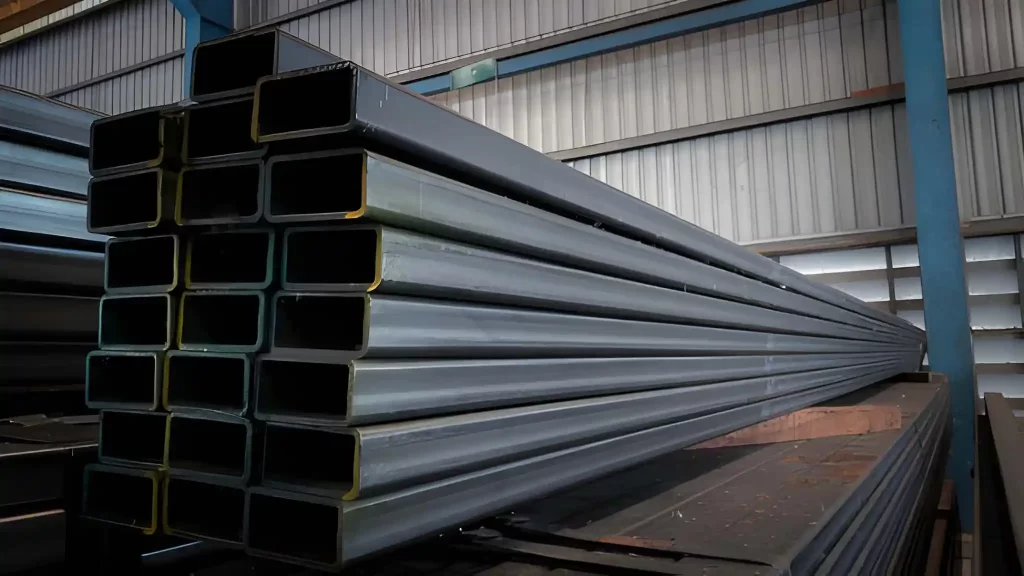
Mild Steel Square Bars
Table 1: Mild Steel Fabrication Grades
| Grade/Type | What It Is | Advantages | Limits | Common Uses |
| 1010 | Low-carbon mild steel | Very easy to bend, form, and weld | Lower strength | Thin panels, light covers |
| 1018 | Cold-drawn mild steel | Machines smoothly and holds a flat shape | Less formable | Pins, gears, and small machined parts |
| 1020 | Mild steel, 0.20% carbon | Welds cleanly, forms easily, and machines well | Lower strength but highly formable | Shafts, tubes, bushings, gears |
| Grade A Weathering Steel | Rust-protective structural steel | Easy to drill, cut, and weld; low maintenance | Needs outdoor exposure to self-protect | Bridges, outdoor frames |
| GMS (Galvanized Mild Steel) | Zinc-coated mild steel | Cuts cleanly; forms well; weldable with all methods | Produces zinc dust/fumes when cutting or welding | Outdoor panels, sheds, frames, trailers |
| EN1A Free-Cutting Steel | Leaded steel for fast machining | Very easy to machine and thread; clean cutting | Poor weldability; not for hollow parts | Nuts, bolts, precision parts |
| EN3B | Cold-finished mild steel | Good machining, clean cutting, weldable | – | Precision parts, general fabrication |
Try Prolean Now!
Advantages of Mild Steel Fabrication
Here are the common benefits of mild steel material.
Lower Material Cost
Mild steel is characterized by low carbon content, which contributes to its lower cost compared to other types of sheet metal material. While the cost of materials is significantly lower for mild steel, it does not sacrifice strength.
Easy to Form Under Load
Mild steel has good ductility, so it can be stretched and deformed under load without cracking. This property makes it useful for parts with tight radii and deep curvature without loss of stability. It also reduced rework and increased productivity.
Fully Recyclable
As a recyclable material, mild steel can be recycled repeatedly without compromising its strength or quality. This aspect contributes to reducing waste and promoting cost-effective, sustainable manufacturing.
Simple to Weld
Almost all of the standard welding methods can be applied to mild steel. There is generally no requirement for preheating. So, it often gives clean welds and rapid assembly of complex parts.
Mild Steel can be carburized for Higher Strength
While mild steel has low tensile strength, its surface can be carburized to improve hardness and wear resistance. This property makes it suitable for fabricating durable gears, pins, and load-bearing parts.
Drawbacks of Mild Steel Fabrication
Besides benefits, there are also some disadvantages of using mild steel in fabrication.
Limited Strength for High-Load Parts
Since mild steel has a low carbon content, it exhibits low tensile strength. So, it is not desirable for parts subjected to high stresses and heavy structural loads. Generally, projects requiring strong frames or parts that experience high-impact forces are best served by a higher-grade mild steel.
Weak Corrosion Resistance
Mild steel rapidly corrodes when exposed to water, chemicals, or hostile conditions. Protection from corrosion is essential, and is typically provided by painting, powder coating, or galvanizing. If corrosion is allowed to occur, the part’s strength will decrease, and failure will occur prematurely.
Not Ideal for High-Wear Applications
In general, the base hardness of mild steel is low. As a result, it is prone to scratching and wearing out, especially in comparison to medium-carbon or alloy steels. However, mild steel can be carburized to improve the surface hardness of the steel. Unfortunately, the core of the steel remains soft, which limits the part’s long-term durability.
Secondary Mild Steel Fabrication Techniques
Following primary fabrication of mild steel, additional processes may be performed to strengthen, improve durability, and enhance corrosion resistance. These processes are used to optimize the performance of the mild steel for a wide range of applications.
Heat Treatment for Mild Steel Finishing
Heat treatments are intended to improve the internal microstructure of mild steel to modify properties, such as hardness, ductility, and toughness. Here are common heat treatment processes.
- Annealing: Annealing involves heating the steel above its critical temperature. Then, it allows it to cool slowly, producing a soft, malleable product. It is helpful for parts that require shaping after the primary cutting operation.
- Normalizing: Normalizing uses heating the steel to a temperature above the critical temperature and then cooling it to room temperature. This process refines the grain size of the steel and increases the uniformity of strength throughout the material.
- Quenching: Quenching involves rapidly cooling the steel to produce a hardened product. For mild steel, quenching primarily produces a slight increase in surface hardness due to its low carbon content.
Heat treatment of mild steel ensures that fabricated parts are stronger and more durable, and makes them useful for mechanical or structural applications.
Surface Treatment
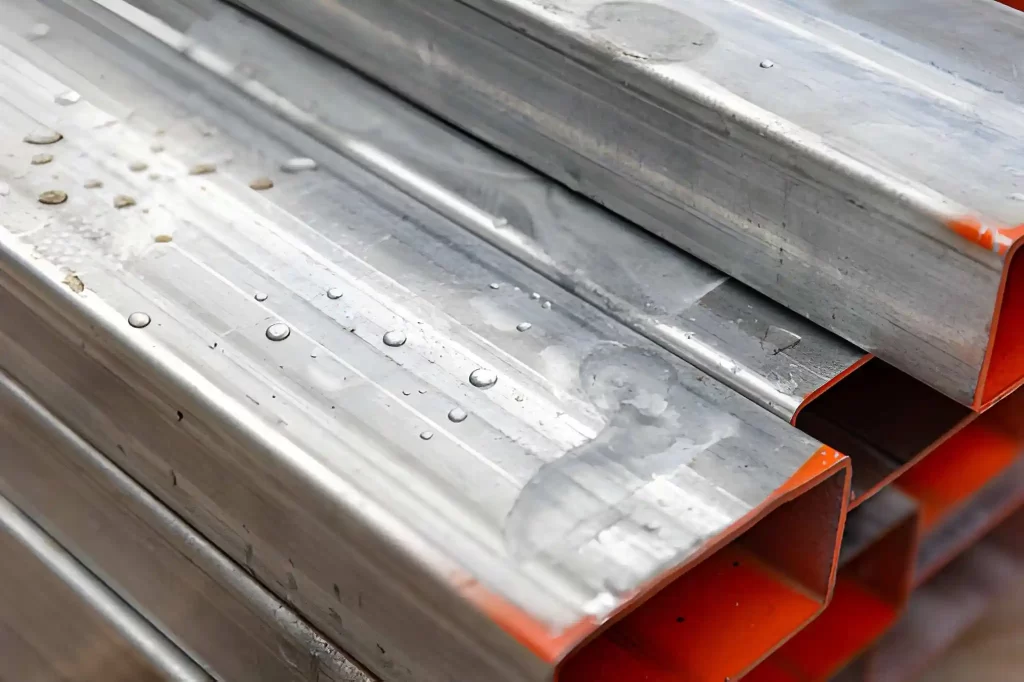
Galvanized Rectangular Steel Bars
Surface treatment is used to protect the surface of mild steel from corrosion and improve the functionality of mild steel parts in real-time conditions. Examples of surface treatment processes include:
- Galvanizing: Galvanizing is the application of a zinc coating. It protects mild steel from corrosion, particularly for outdoor structures and vehicle frames.
- Powder Coating: Powder coating is a uniform, durable finish that protects mild steel parts from scratches and weather damage.
- Painting: Painting provides a basic layer of corrosion protection, and the finish can be easily restored and repainted as required.
- Other Coatings: Other coatings, such as oil coatings or primer coatings, are applied to improve the weldability or compatibility of mild steel parts with other metals.
These surface treatments improve the lifespan of mild steel parts and minimize maintenance requirements in harsh environments.
Try Prolean Now!
Applications of Mild Steel Fabrication
Mild steel fabricated parts are mostly used in the following industries:
Construction
Mild steel is used to fabricate beams, trusses, and structural framework elements. When used in conjunction with a protective surface treatment or carburization, it offers sufficient strength and longevity in bridges, buildings, and industrial structures.
Kitchenware
Mild steel is commonly used in kitchenware products, like cookware, utensils, and sinks. These items are usually coated or plated to improve their cleanliness and wear resistance.
Machine Components
Parts like gears, axles, shafts, and bearings are made from mild steel due to its excellent ductility. Heat treatment can be employed to increase the wear resistance of parts with moving surfaces.
Automotive & Transport
Mild steel is used in structural frames, chassis, and parts of vehicle frames and other transportation equipment. Its strength, flexibility, and ease of repair make it a viable alternative to different steel types. Protective surface coatings are applied to the mild steel to reduce degradation caused by environmental exposure. (Also Read: material for automotive parts)
Mild Steel vs Stainless Steel: Which One is Best for Your Project
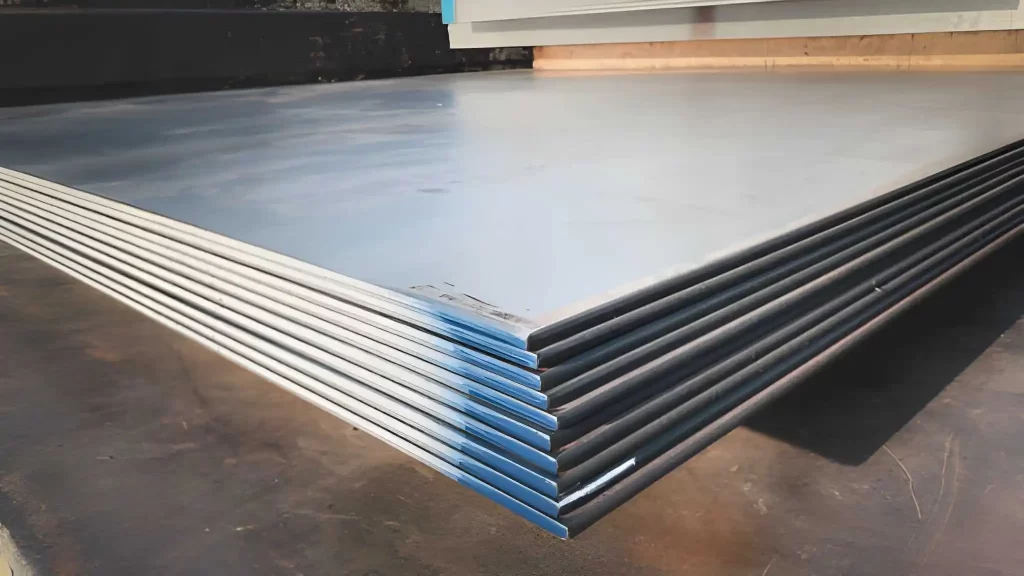
Stainless Steel Stock
Table 2: Mild Steel vs Stainless Steel
|
Characteristics |
Mild Steel |
Stainless Steel |
|
Composition |
Iron + carbon |
Iron + chromium (10.5%+) + nickel/others |
|
Corrosion Resistance |
It rusts easily without coating |
Naturally rust-resistant |
|
Cost |
Low; very economical |
High; more expensive |
|
Workability |
Very easy to machine, weld, and form |
Moderately difficult; less malleable and welding can be harder |
|
Strength |
Good tensile and impact strength |
Higher strength and hardness |
|
Magnetism |
Always magnetic |
May be magnetic or non-magnetic (depends on type) |
|
Appearance |
Standard steel finish |
Shiny finish |
Get Custom Sheet Metal Fabrication Services From Prolean Tech
To wrap up, for efficient mild steel sheet metal fabrication, always choose the grade that suits the part’s design, strength, and welding requirements. At Prolean Tech, we provide advanced custom sheet metal services for a diverse range of industries, including aerospace and automotive sectors. We utilize cutting, bending, punching, welding, and finishing processes to produce precise, durable parts from a range of metals, including mild steel, aluminum, stainless steel, and galvanized iron.
Our Capabilities from a Technical Standpoint
- ISO 9001:2015 certified
- Blank sizes up to 5′ x 10′ (custom sizes available)
- Sheet thickness: 0.024″ to 0.250″ (custom gauges available)
- Cut tolerance: ±0.2 mm
- Bend angle tolerance: ±1°
- Bend-to-edge tolerance: ±0.254 mm
Why Choose Us
- Fast, accurate, cost-effective production.
- Engineers review every precision design.
- Online quoting system for instant estimates.
- Real-time production tracking.
- From prototype to mass production, all under one roof.
Upload your design or contact our engineers to get a free quote in as fast as one hour. Our team ensures the secure and confidential handling of all files and designs.
FAQs
How can I keep mild steel from rusting over time?
You can slow rust by adding a finish that blocks moisture. For example, you can paint, powder coat, or zinc coat the part if it will be used outdoors.
Which mild steel grade should I pick for everyday fabrication work?
If you need easy bending, clean welding, and stable machining, 1020 mild steel is a reliable pick. For outdoor applications, galvanized mild steel is a better choice because it withstands moisture.
Is Mild Steel Good for Sheet Metal Bending?
Yes, mild steel is optimal for bending. Its low to medium carbon content makes it flexible, easy to shape, and less likely to crack.
How Thick Can Mild Steel Be Fabricated?
Mild steel can be fabricated from very thin sheets (less than 1 mm) up to very thick plates (over 150 mm or 6 inches). Common sheet metal fabrication usually handles up to 20–25 mm thickness.
0 Comments