
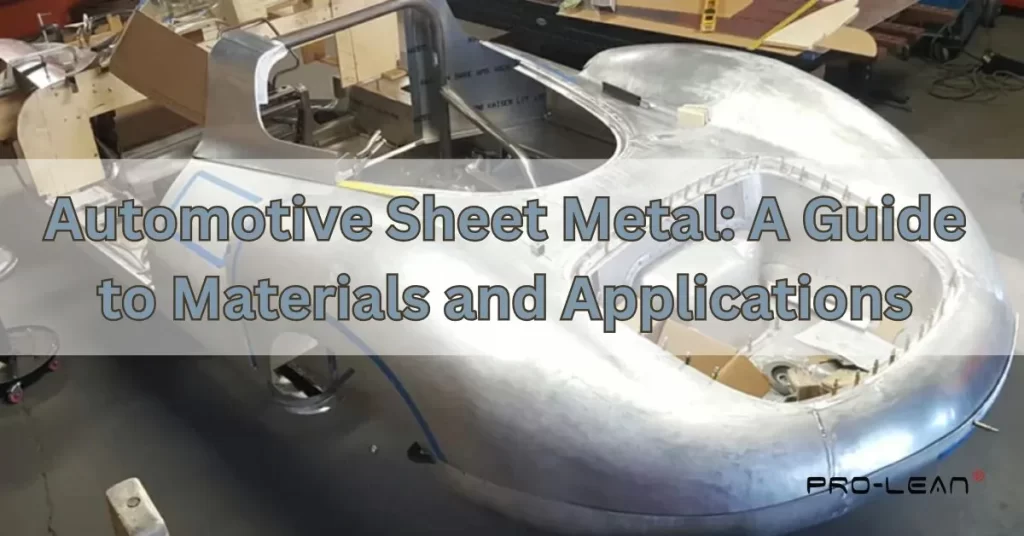
 Automotive sheet metal
Automotive sheet metal is a critical component of every vehicle. The backbone of the modern automobile is made up of this material. This material gives cars the strength, safety, and shape they need. ProLean Tech is a leading provider of automotive sheet metal fabrication solutions. We know the complexity of automotive metalworking. Our experience ranges from cutting-edge fabrication to precision metal stamping. Sheet metal punching is another area of expertise for us.
This comprehensive guide covers everything you need to know about automotive sheetmetal. Learn about the materials, fabrication methods, and practical applications. We will also cover the industry standards and requirements for quality. This guide is for everyone, whether you’re a manufacturer, engineer, or enthusiast. Let’s explore the world of automotive metal sheet manufacturing.
What is Automotive Sheet Metal?
The term automotive sheet metal is used to describe thin, flat pieces of metal that are used in the construction of vehicles. These sheets are formed and shaped into different car components. For most applications, the thickness ranges between 0.5mm and 3mm.
Sheet metal is preferred for many reasons. The material is lightweight and strong, making it ideal for vehicle structure. It is very formable, and it can be shaped into complex shapes. The material is also very cost-effective when mass-produced.
The average modern automobile uses 900 kilograms per car. Steel accounts for about 60% of the weight of a car. Aluminum, plastics and composite materials make up the remaining weight. This shows how important automotive metals are to the construction of vehicles.
Sheet metal is ideal for use in automobiles because of three key properties. It can be bent without breaking or cracking. High strength is also important for passenger safety in collisions. Third, durability ensures long-term performance in harsh conditions.
What are automobiles made of? Answer: Various metals and alloys. The automotive industry is dominated by steel due to its versatility. Aluminum’s lightweight properties are gaining in popularity. These primary metals are complemented by other materials in certain applications.
Types of Automotive Sheet Metal
Steel Variants
For decades, mild steel was the material of choice for automobile applications. Low carbon content makes it easy to form. It is widely available and affordable for manufacturers. It is heavier than the modern alternatives.
HSS is more durable than mild steel. It offers better crash resistance while still maintaining its formability. HSS allows for thinner gauges to be used without sacrificing strength. The vehicle’s weight is reduced, and fuel efficiency is improved.
The latest innovation in automotive steel is advanced high-strength (AHSS). It offers exceptional strength while weighing less than traditional steel. AHSS is crucial for modern safety regulations and standards. It is commonly used for critical structural areas such as door beams.
Aluminum Alloys
Aluminum is becoming more popular as an alternative to steel. Aluminum weighs about one-third of the weight of steel with an equal volume. The weight reduction improves vehicle performance and fuel economy.
This material is naturally resistant to corrosion and does not require any additional coatings. Aluminum does not rust, unlike steel. This extends the life of your vehicle. It is more expensive than steel, and it requires special equipment.
Aluminum alloys in grades 5052, 6111, and 6061 are commonly used. Different materials for automobile parts are used for different purposes. Aluminum is often used to construct hood panels and trunk lids. Aluminum is used extensively in the body of some luxury cars.
Specialty Metals
The galvanized steel is coated with zinc to prevent rust. This zinc coating extends the life of metals in harsh environments. Galvanized steel is used as standard in most modern car bodies. The zinc layer sacrifices its own protection to shield the steel beneath.
It is used in decorative trim and exhaust systems. It is resistant to corrosion in high-heat environments. It is more expensive than other steels. It is also more difficult to weld and form stainless steel.
Processes for Automotive Sheet Metal Fabrication
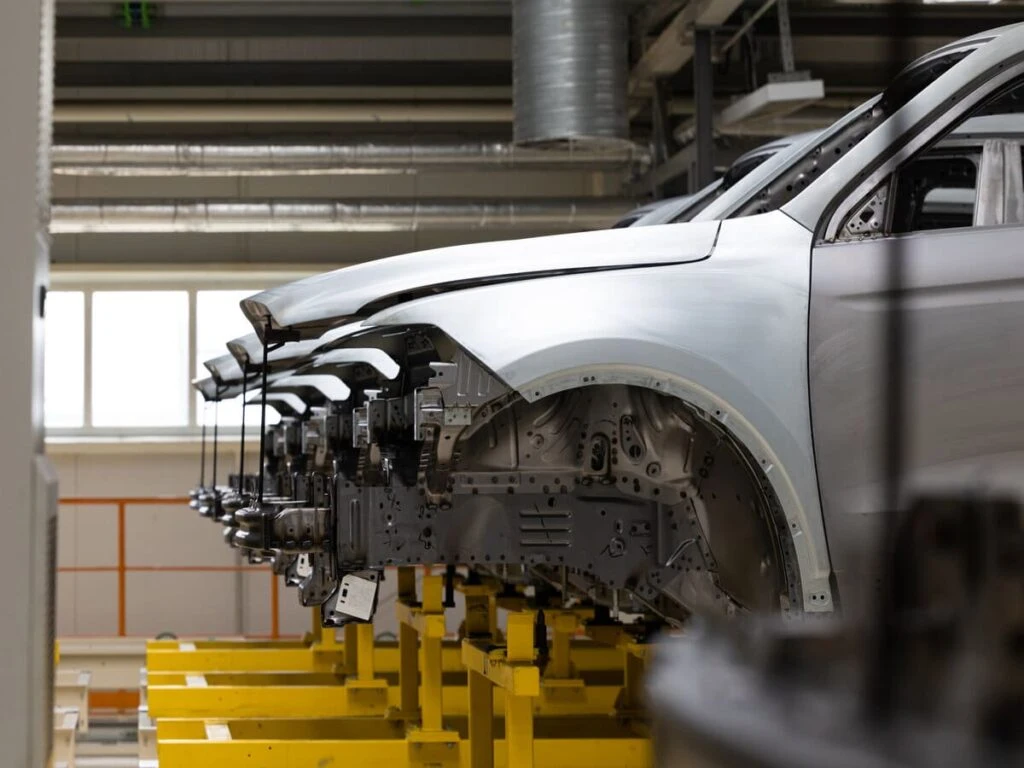
Automotive sheet metal fabrication
Cutting Methods
The following are some cutting methods for automotive sheet metal:
Laser Cutting
Laser cutting is the most precise method of automotive sheet metal fabrication. The laser beams are focused to melt the metal and cut it. This process produces clean edges and minimal waste. Laser cutting is ideal for complex shapes with tight tolerances.
Plasma Cutting
Plasma cutting is a method of cutting through metals using ionized gases. For thicker materials, it’s faster than a laser. It is cost-effective to produce large quantities. It produces slightly rougher surfaces than laser cutting.
Waterjet Cutting
Waterjet cutting is a high-pressure process that uses water with abrasive powder. The cutting process does not generate heat and prevents material distortion. It can be used on a variety of metals without altering their properties. Waterjet cutting is perfect for heat-sensitive applications and materials.
Forming Techniques
Press Brake
The press brake is used to bend sheet metal at precise angles. Punches are used to force metal into dies in order to bend them. This is a fundamental process for the creation of structural automotive components. The press brakes are capable of handling different metal types and thicknesses.
Roll Forming
Roll forming shapes metal by rolling it through multiple roller stations. Roll forming is ideal for producing long profiles and shapes. Roll forming is a highly efficient process for mass production. Roll forming is often used for door frames and window channels.
Deep Drawing
Deep drawing is a technique that stretches metal to create hollow three-dimensional shapes. This process produces parts such as oil pans and housings for transmissions. This process reduces waste material compared to machining solid blocks. Deep drawing is a delicate process that requires precision control to avoid metal tearing.
Stamping and Punching
The most popular fabrication method is automotive metal stamping. The flat metal sheets are shaped using punches and dies. In a single step, the process can produce complex parts. The process is fast and ideal for large-scale production.
Progressive die stamping performs multiple operations in one press stroke. The metal strip is moved through the different stations in a sequential manner. Each station is responsible for a particular cutting, bending, or forming operation. This method is able to produce complete parts with remarkable speed.
Sheet metal punching in automotive manufacturing creates holes and cutouts. The punches are designed to pierce the sheet metal in a specific pattern and at a certain location. This process is repeatable and accurate, ensuring consistent quality. A modern CNC punching machine can automatically create complex hole patterns.
Finishing Processes
By applying heat and force, spot welding joins metal plates. This is the main method of assembling automobile body structures.
The typical car body has thousands of spot-welds. This process is automated and produces strong joints. MIG and TIG provide stronger, permanent connections. They are used to create critical structural components. The continuous seam is used instead of individual spot welding.
These applications require skilled welders to ensure strength and quality. Surface treatments protect sheet metal for cars from corrosion and wear. E-coating (electrocoating) provides uniform paint coverage over entire surfaces.
Powder coating is a durable and attractive finish for various components. These treatments extend the life span of automotive components.
Sheet Metal for Auto Body Applications
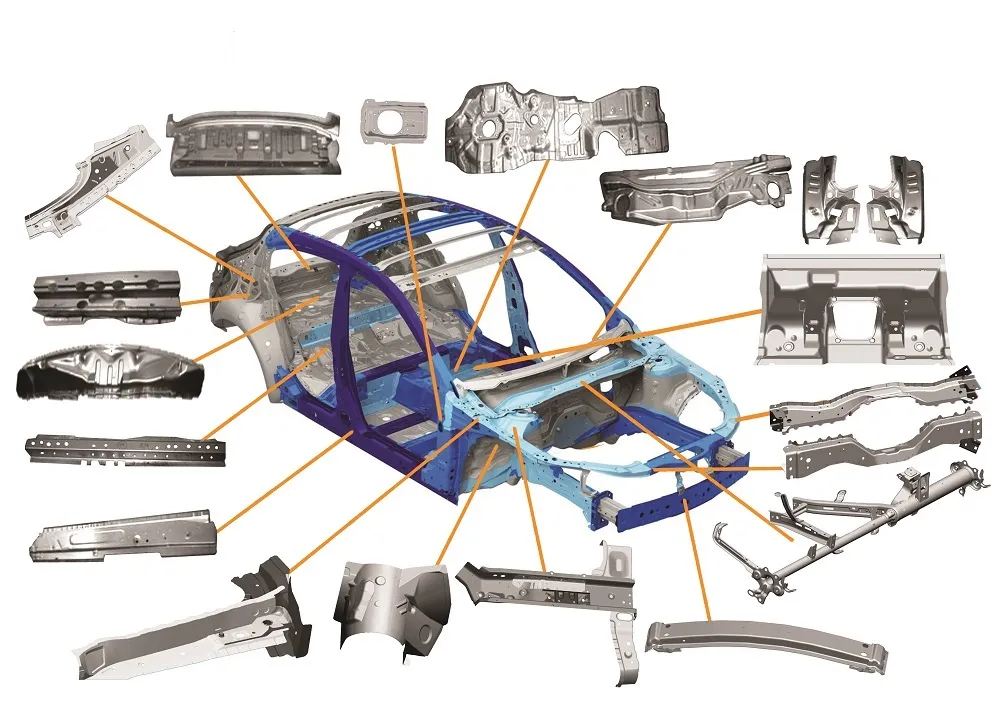
Applications of automotive sheet metal
Exterior Body Panels
Sheet metal auto body panels form the visible exterior of vehicles. Single metal sheets are used to stamp doors, hoods, and fenders. For a proper fit, these panels must be formed precisely. These panels are also the first defense line when a collision occurs.
Similar fabrication techniques are used for trunk lids and roof panels. The components are carefully designed to balance weight and strength. Modern designs include crumple zones to improve crash safety.
Computer simulations are used by manufacturers to optimize panel design. Typically, outer body panels use thinner gauge metals than structural components. The thickness of the outer body panels is usually between 0.6mm and 0.9mm.
The thinner material is lighter while still maintaining strength. These panels are protected by special coatings against stone chips and corrosion.
Structural Components
The vehicle’s safety cage is made up of A-pillars and B-pillars. These auto sheet metal parts are made of thicker and stronger materials. These components protect the occupants in rollover and side impact crashes.
Modern pillars are often made of AHSS, or ultra-high-strength steel. The vehicle’s foundation is built on the chassis reinforcements and framerails. They must be able to withstand huge forces in normal operation.
These components absorb and distribute energy during a crash to protect passengers. These parts are designed by engineers using advanced computer modelling techniques. The floor pans are the foundation of the passenger compartment.
For optimal performance, they must be lightweight and rigid. They often include sound-deadening elements to reduce noise. The floor pans also have mounting points for mechanical and seat components.
Interior Framework
The interior metal supports are used to hold dashboard components and safety equipment. These structures are subject to strict safety and strength requirements. Typically, they are hidden under trim and upholstery.
Precision manufacturing is essential to ensure proper fit and functionality. Steel is used for the seat frames to ensure maximum safety in crashes. The seat frames must be able to withstand forces that are many times greater than the weight of the occupant.
Modern seats have integrated sensors and airbags. The frames are designed for minimal injury in collisions.
Underbody Components
The underbody panels shield mechanical components against road debris, weather and other elements. These panels also reduce wind noise and improve aerodynamics. These panels are made of corrosion-resistant material for long-term durability.
Underbody protection is essential to prolong the life of vehicles in harsh climates. Included in the engine bay components are firewalls, inner panels of fenders, and radiator supports. These parts are subjected to constant vibration and high temperatures. These parts also serve as mounting points for a variety of mechanical components. Special metal heat shields are used to protect sensitive areas.
Try Prolean Now!
Automotive Quality Standards
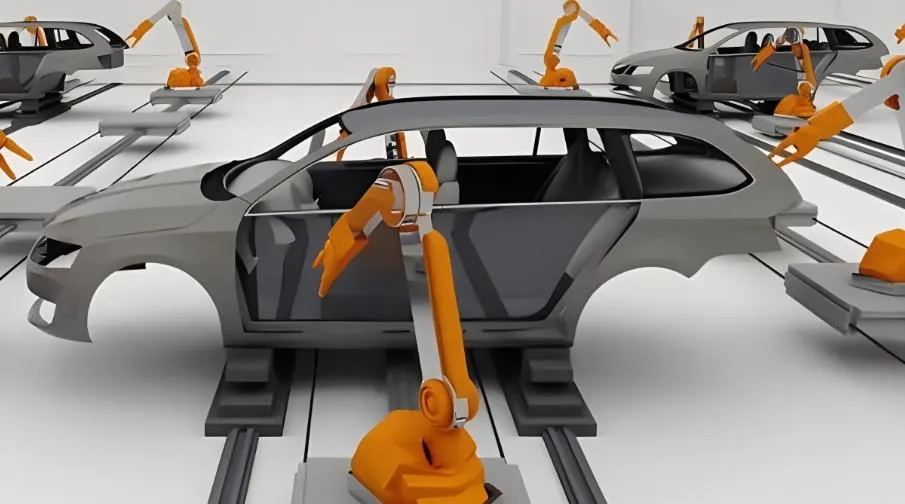
Automotive quality standards
Industry Specifications
ISO 9001 is the standard for quality management in the automotive industry. IATF 16949 addresses the automotive quality management system requirements. These standards guarantee consistent quality in global manufacturing operations. Most automotive suppliers in the world are required to comply with these standards.
Dimensional tolerances in automobile fabrication are extremely tight and precise. In general, body panels are required to fit within tolerances of 1-2mm. Safety-critical structural components need even more stringent specifications. Modern measuring equipment continuously checks tolerances throughout production.
Safety and Performance Standards
The minimum strength requirements for structural components are determined by crash test requirements. Federal Motor Vehicle Safety Standards govern automobile safety in America.
European Regulations (ECE), which govern international markets, set similar standards. Manufacturers must demonstrate compliance by extensive physical testing. Tests for corrosion resistance ensure that metal auto parts can withstand harsh environments.
The salt spray test simulates exposure to harsh environmental conditions over a period of time. Specific corrosion resistance standards must be met by automotive components. These tests protect the manufacturer from customer complaints and warranty claims.
The fatigue test verifies that components can withstand millions of stress cycles. The doors, hoods, and hatches of the vehicle must be able to open and close with ease.
The structural parts of the vehicle must withstand vibrations and loads throughout its lifetime. Computer simulations predict performance, but actual testing confirms the results.
ProLean Tech Quality Assurance
ProLean Tech ensures quality assurance at each stage of production. For dimensional checks, we use advanced coordinate measurement machines (CMM). Our quality systems comply with all international standards for automotive manufacturing.
Each part is thoroughly inspected before being shipped to the customer. To maintain consistency in quality, our team uses statistical process control. We monitor key measurements and make adjustments to processes when necessary.
It is better to prevent defects than just detect them later. Our approach ensures maximum satisfaction for our customers and minimal waste.
Sheet Metal Parts and Components for Autos
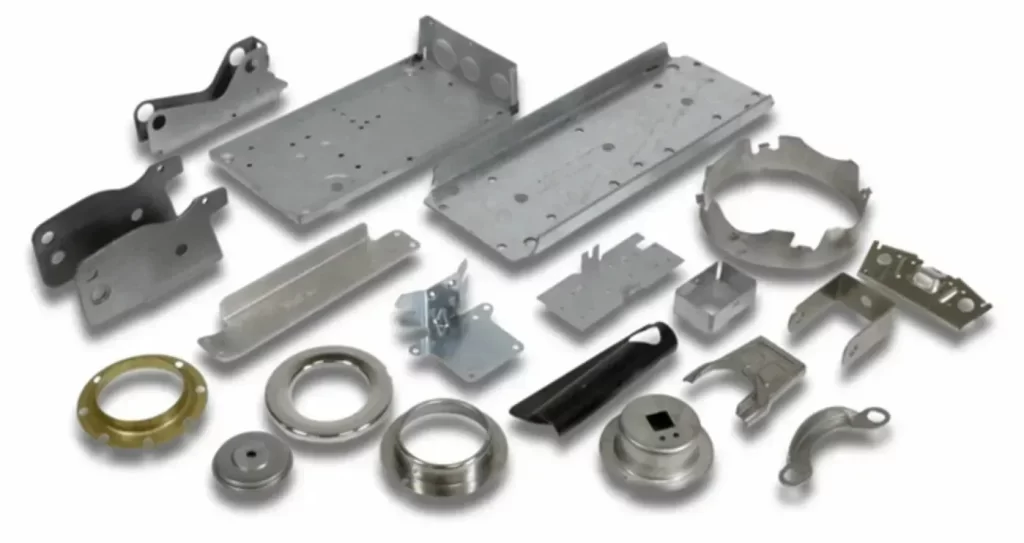
Sheet metal automotive components
Replace Panels
Fenders are one of the most common body panels to be replaced. Parking lot damage and minor accidents can cause them to. Both OEM and aftermarket fenders are available. The quality of products varies greatly between manufacturers and price points.
Precision manufacturing is required for doors to fit correctly and work properly. For weather sealing, they must be aligned perfectly with the body openings. The door panels include window mechanisms, locks, and safety beams.
For best results, replacement doors should be made to match the original specifications. The rear quarter panels of a vehicle’s body are made up of quarter panels. They are often damaged by rear-end collisions and side-impact collisions.
Quarter panels require a high level of skill and special equipment to replace. For strength, many quarter panels are welded instead of bolted.
OEM vs. Aftermarket Parts
Original equipment manufacturer (OEM) parts are manufactured to exact specifications. They ensure proper fit, finish and performance of specific vehicles. OEM parts are typically more expensive than alternatives.
These parts are often the best option for insurance repairs and restorations. Although they are cheaper, the quality of aftermarket parts can vary significantly.
Premium manufacturers produce parts that meet OEM specifications. Budget alternatives may be inferior in quality or have issues with fitment. Reviews and research can help you identify reliable aftermarket suppliers.
Custom Fabrication
Custom automotive sheet metal work creates unique or replacement parts. Custom fabrication is often required for classic car restorations. Craftsmen with the right skills can reproduce original panels using flat sheets.
This job requires extensive metalworking experience. Custom-built race cars and other vehicles require one-off components regularly. These parts need to meet performance specifications while maintaining structural integrity. Custom fabrication is a combination of traditional craftsmanship and modern technology. Custom fabrication produces unique components that are tailored to specific applications.
Try Prolean Now!
How to Work with an Automotive Sheet Metal Fabricator
Modern vehicle manufacturing relies on automotive sheet metal. Metal shapes our vehicles, from structural components to decorative paneling. Understanding materials, processes, and applications can help you appreciate the complexity of automotive engineering.
New materials and manufacturing technologies continue to evolve the industry. The use of lightweight metals can reduce fuel consumption and the environmental impact. Modern fabrication techniques improve the quality of products while reducing costs. The safety requirements are driving innovation in the development of high-strength materials.
ProLean Tech can help you with your automotive sheet-metal project. Discover how our expertise can benefit you. Get a quote now! We want to be your partner for automotive metal fabrication. Call us or visit our website to start.
FAQs About Automotive Sheet Metal
What type of sheet metal is most commonly used in cars?
Steel is the most common sheet metal in cars. It makes up about 60 percent of a vehicle’s weight. Mild steel, HSS, and AHSS are the main variants. Aluminum is also used but in smaller amounts.
Why is AHSS used in modern vehicle bodies?
AHSS provides high strength with less weight than traditional steel. It improves crash safety in areas like door beams and pillars. It meets modern safety standards without adding extra mass.
What thickness of sheet metal is used for car body panels?
Most car body panels use 0.6 to 0.9 millimeter sheets. Structural parts use thicker material between 0.5 and 3 millimeters, depending on the load requirements.
What is the difference between OEM and aftermarket body panels?
OEM panels follow exact factory specifications and give accurate fit and finish. They cost more and are preferred for insurance repairs. Aftermarket panels are cheaper, but quality varies. Premium ones match OEM standards, while budget options may have alignment or durability issues.
Can aluminum replace steel in automotive structures?
Aluminum reduces weight and improves fuel efficiency. It does not replace steel fully because it costs more and needs special equipment for production. Steel remains essential for high-strength safety components.

0 Comments