
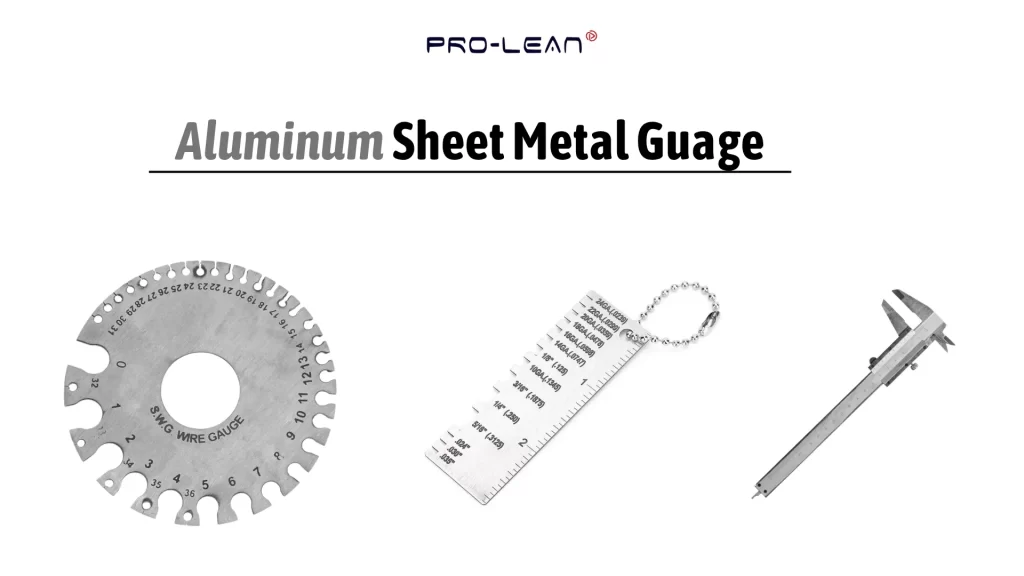
Aluminum Sheet Metal Gauge
Have you ever thought about why some aluminum parts feel just right while others seem too flimsy/stiff? It’s often due to the aluminum sheet gauge. The gauge selection has a dominant impact on your design. It affects the strength and performance of the part in actual conditions.
At Prolean Tech, we help engineers and manufacturers choose the correct aluminum sheet metal gauge for their projects. From prototypes to full-scale production, we ensure every part remains fit, strong, and ready for any application. As a result, you can save your time and avoid costly mistakes.
In this guide, our manufacturing experts will walk you through everything you need to know about sheet metal fabrication gauges. We will explain what it is, how to measure it, and why it is essential for your projects.
What Is a Sheet Metal Gauge in Precision Sheet Metal Fabrication?
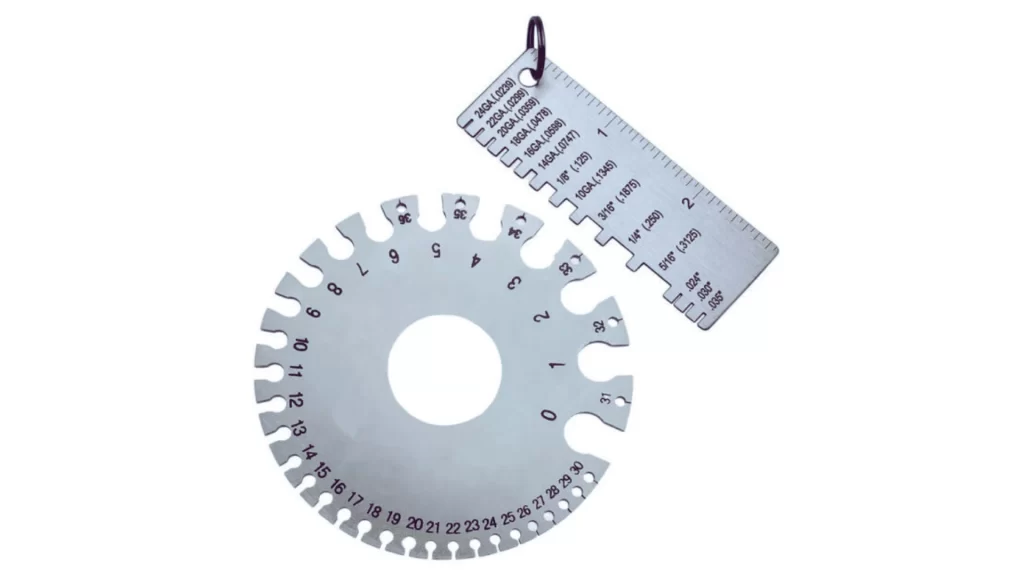
Round & linear scale gauges
The sheet metal gauge is a widely used means for specifying sheet metal thickness. The gauge system operates inversely; the higher the gauge number, the thinner the metal. For example, 10-gauge aluminium is approximately 0.102 inches thick, whereas 18-gauge aluminium is approximately 0.040 inches thick.
However, it’s essential to note that the same gauge number can represent a different thickness depending on the type of metal being specified. For example, 10-gauge stainless steel, 10-gauge aluminium, and 10-gauge copper are each slightly thicker than one another.
Aluminum Sheet Metal Gauge Chart
Aluminium is light, strong, and easy to shape. Its gauge numbers do not match steel gauges. A higher gauge means a thinner sheet. This chart helps engineers quickly select the optimal thickness for their parts.
| Gauge | Thickness (inches) | Thickness (mm) |
| 10 | 0.102 | 2.59 |
| 12 | 0.081 | 2.05 |
| 14 | 0.064 | 1.63 |
| 16 | 0.051 | 1.29 |
| 18 | 0.040 | 1.02 |
| 20 | 0.032 | 0.81 |
| 22 | 0.025 | 0.64 |
| 24 | 0.020 | 0.51 |
| 26 | 0.016 | 0.41 |
Values are indicative for aluminum per standard B&S tables; always confirm with your supplier’s specifications and tolerances. Actual delivered thickness varies by mill tolerance (see ASTM B209). For tight fits, specify nominal thickness in mm/in and include tolerance, rather than gauge only.
What Is the Difference between Gauge Thickness and Measured Thickness
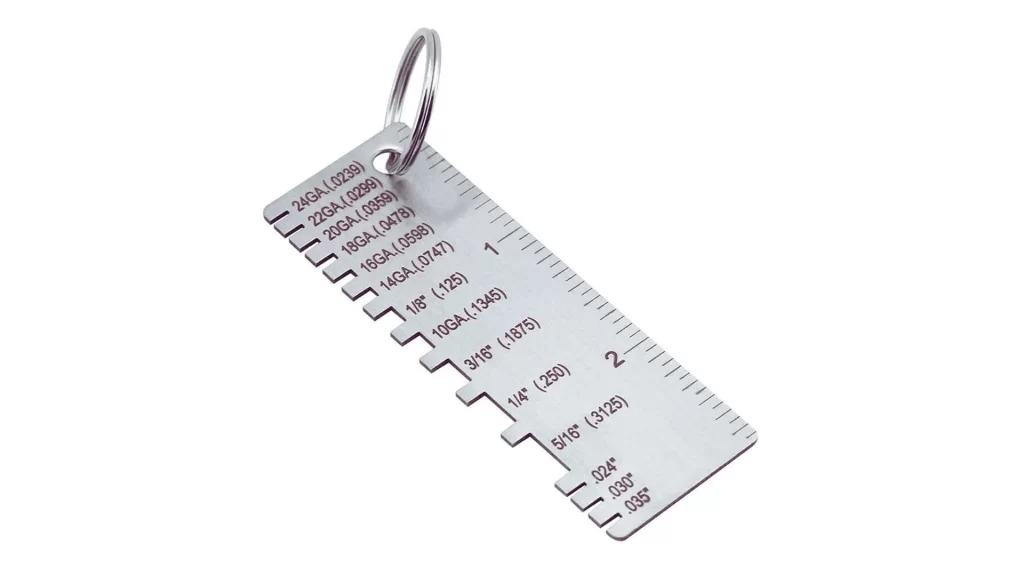
Metal Sheet Thickness Gauge Stainless
Gauge thickness is a convenient method of describing metal sheets; however, it does not provide an accurate measurement of the sheet metal thickness. Gauge does not equal the number of rolling passes. The thickness designation comes from an older process where metal was rolled a set number of times during aluminum sheet metal fabrication.
For example, a 16-gauge steel is thicker than a 16-gauge aluminum sheet metal (16-gauge steel ≈ 0.0598 in; 16-gauge aluminum ≈ 0.0508 in). On the other hand, measured thickness refers to the actual thickness of the sheet metal as measured. It is typically expressed in inches (i.e., 0.063″) or millimetres (i.e., 1.60 mm), and it represents a precise measure of sheet metal thickness regardless of the type of metal being utilised.
Methods to Quickly Measure Sheet Metal Thickness
There are various methods to measure the thickness of sheet metal quickly; however, some ways are more accurate than others.
Method 1: Calipers
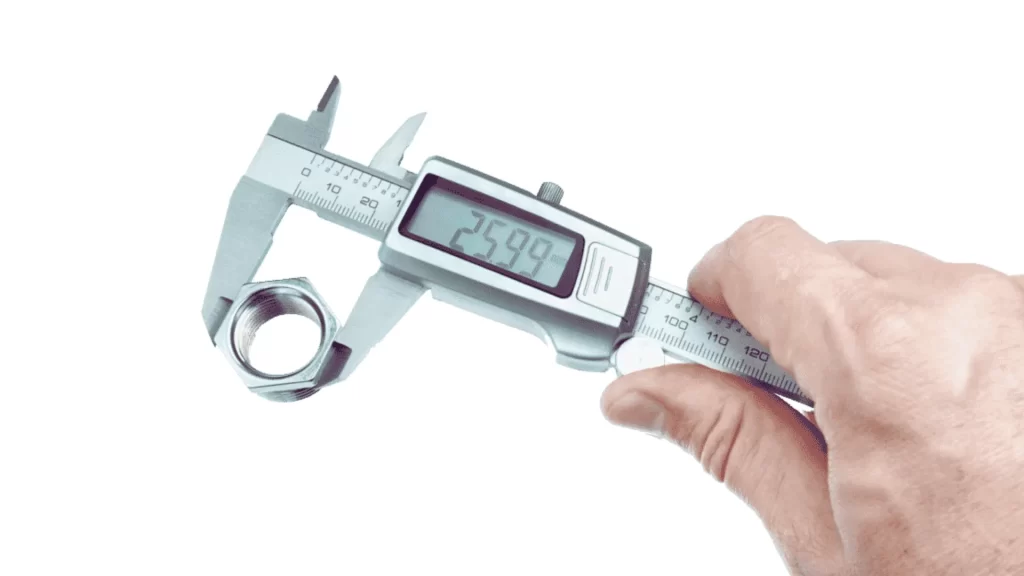
Vernier Caliper Measuring Nut
Calipers are highly accurate and helpful in determining the thickness of sheet metal. They can measure down to the thousandths of an inch. To use calipers, first open the jaws of the caliper. Then, insert the sheet metal into the opened jaws. Next, close the jaws together, and finally read the value displayed on the caliper’s scale or digital display.
Method 2: Tape Measure (Not Recommended)
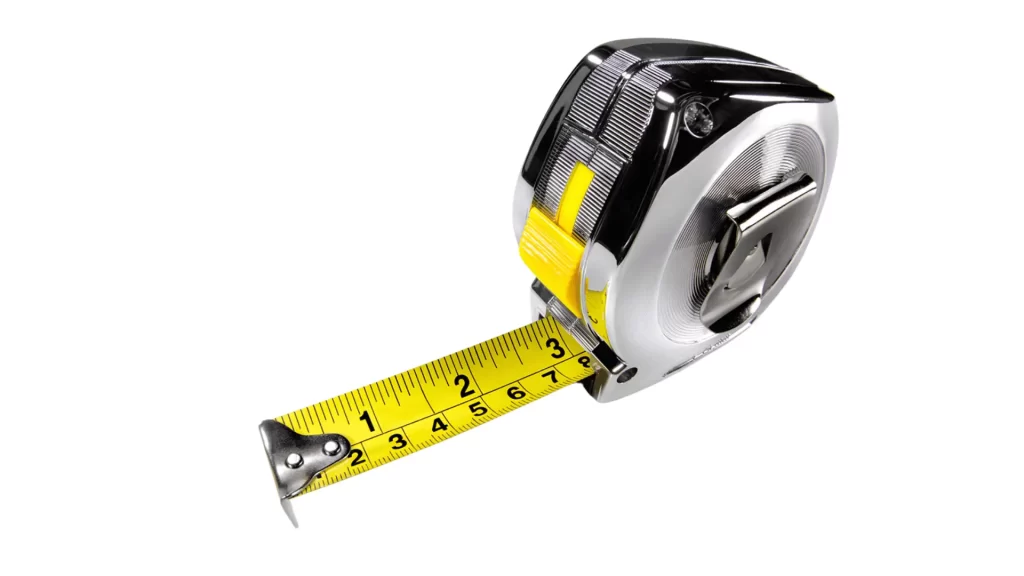
Tape Measure
While a tape measure can provide a rough estimate of sheet metal thickness, it is not a reliable method for measuring sheet metal thickness. Many sheet metal gauges vary by only 0.01 inches; therefore, using a tape measure for measuring sheet metal thickness is not recommended for most professional applications.
Method 3: Gauge Wheel
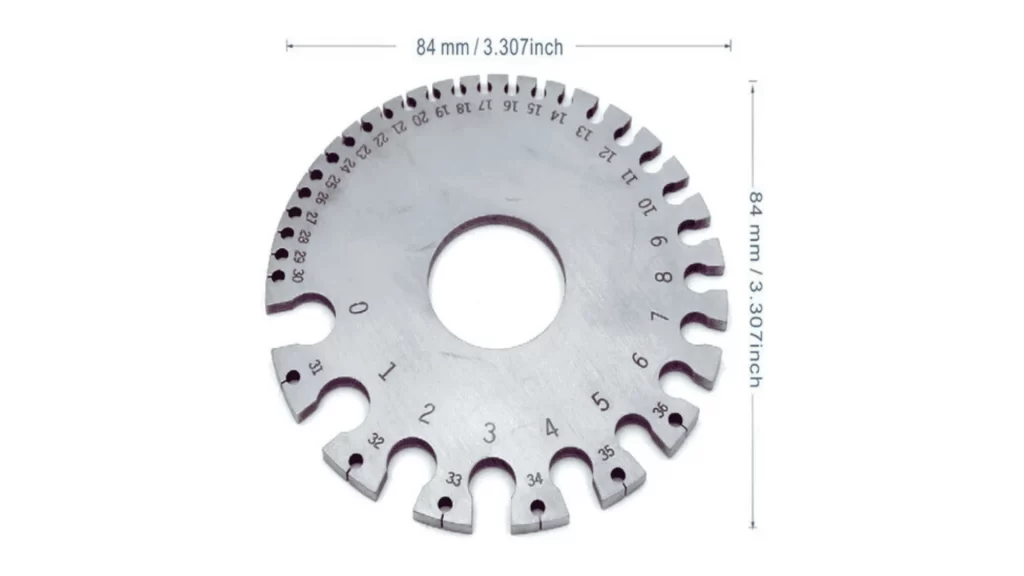
Guage Wheel
A gauge wheel is designed for measuring sheet metal gauges and is relatively inexpensive. Once the correct wheel is chosen for the type of metal sheet being measured, simply slide the metal sheet into the designated slot on the wheel and read the gauge directly off the wheel.
Try Prolean Now!
Benefits of Choosing the Right Sheet Metal Gauge
Below are the advantages of selecting the appropriate sheet metal gauge for your project.
Strength Increment
The sheet metal thickness affects how much stress or pressure it can withstand. Choosing the right gauge will ensure that your parts remain both strong and reliable.
Save Costs
Using thinner sheet metal saves money, whereas thicker sheet metal increases cost. With an optimal gauge for your application, you can reduce costs while maintaining high-quality products.
Longer Life Expectancy
Thicker sheet metal resists denting, warping, and damage more effectively. The proper gauge ensures that your parts will last longer and function as intended.
Control Over Part Weight and Dimensions
Selecting the proper gauge allows for greater control over the weight and dimensions of your part. Thinner sheet metal is ideal for lightweight designs, while thicker sheet metal is ideal for heavier-duty designs. An appropriate gauge for your application allows you to create functional and efficient parts.
Quick Tips for Using an Aluminum Sheet Metal Gauge Chart
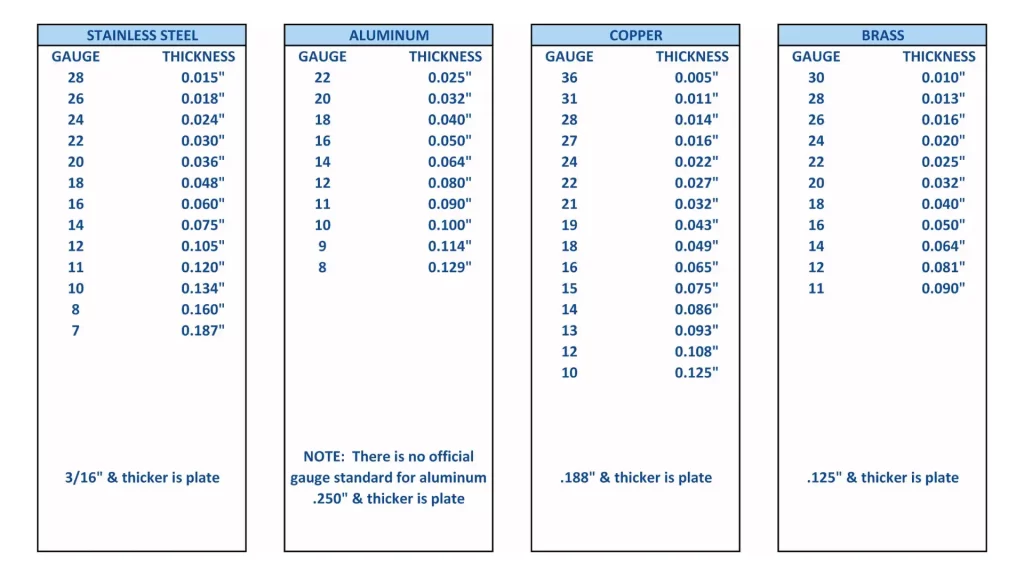
Stainless Steel, Aluminum, Copper, & Brass Sheet Metal Gauge Charts
Below, we have listed some helpful tips for using the sheet gauge for aluminum effectively.
Determine Your Project’s Requirements
Before utilising the aluminum sheet metal gauge chart, determine the requirements of your project. Determine the level of strength, weight, and durability. Once these parameters are identified, they will help you select the proper gauge to meet the performance requirements of your design without wasting material.
Select the Proper Gauge
Utilise the chart to identify the aluminum sheet metal gauge that corresponds to the desired thickness. As previously stated, the higher the gauge number, the thinner the aluminium sheet metal. Therefore, select the indicator accordingly based on the structural requirements of your design.
Compare with Other Materials
Aluminum Sheet Stock
Many aluminum sheet metal gauge charts also compare to steel or galvanised steel. Comparing the gauges of aluminium to those of other metals will assist you in understanding the differences in strength and flexibility of aluminium compared to different types of metal.
Verify Measurements Carefully
Double-check your measurements against the chart before proceeding with your application. Minor variations in thickness can significantly impact the ability to bend, weld, or finish your application; therefore, accuracy is critical for achieving professional results.
Try Prolean Now!
Consider the Application
Determine how the sheet metal will be utilised within your design. Different enclosures, brackets, or panels may require different thicknesses of aluminium sheet metal. It’s recommended to match the gauge of your sheet metal to the intended application of your design.
Confirm with Your Supplier
After determining the proper gauge, contact your supplier to verify that the material you have ordered meets the specifications you provided. This will ensure that there are no surprises and that your project progresses smoothly from design to completion.
Quick Selection Checklist for Aluminum Sheet Metal
- Decide how strong your piece needs to be for the job.
- Consider how you will bend, weld, or fasten it.
- Choose a finish that works for your design or use.
- Check the weight you want the sheet to achieve.
- Make sure your supplier can provide the thickness you need.
- Compare costs and choose a gauge that fits your budget.
Final Verdict
Aluminum sheet metal gauges are far more than just numbers. Selecting the appropriate gauge can have a significant impact on the performance of your parts. Choosing the proper thickness of your sheet metal ensures that your design is both strong and durable, yet cost-effective. At Prolean, we guide you through this process to help you avoid overcomplicating it and obtain the correct amount of material and thickness for your project.
All projects are unique and have their own specific requirements, whether it is a light-weight frame or a heavy-duty component. Prolean prides itself on providing you with practical solutions that match your design, material, and budget. We strive to ensure your parts are precise, dependable, and ready for use. Contact us now to begin working on your sheet metal project and receive custom sheet metal fabrication services from our professionals.
FAQs
How do I determine the correct gauge for my application?
If you’re looking for a part that needs to support weight or withstand stress, you should use a heavier/thicker gauge. The opposite is also true; using a lighter/thinner gauge when making lighter parts will help you save material and money.
Why do the gauges of steel, galvanised steel, and aluminium vary in terms of thickness?
Steel is stronger/heavier, aluminium is lighter/more flexible, and galvanised steel is coated to protect against corrosion. Because of how these metals behave, the same gauge designation can represent vastly different gauges/ thicknesses for each type of metal.
Aluminum usually follows Brown & Sharpe or American Standard tables. While steel follows the USCS Manufacturers’ Standard Gauge. So, must confirm with the supplier specifications or the relevant ASTM standard, like ASTM B209 for aluminum sheet.
Are the listed thickness values on the chart exact values?
The chart is meant to serve as a general guideline (standard), but there is some variation in the actual sheet metal. Actual measurements may vary due to mill tolerances. For precision work, always verify the thickness using a micrometre, calipers, and the supplier’s certificate of compliance.
Can I use this chart for metals other than aluminium or steel?
No, each type of material has its own unique thickness/gauge ratio. Copper, Brass, Titanium, and other kinds of metal all require their own specific charts based on gauge size. Check with your supplier for gauge/thickness information or locate a chart specifically for the material(s) you’re working with.
What if the exact thickness I need isn’t on the chart?
Find the next smallest/thickest gauge, or you can specify nominal mm/in in your drawing, that would fit your application. Then contact your supplier for potential options for custom thicknesses. So, your supplier is able to produce the desired thickness.


0 Comments