
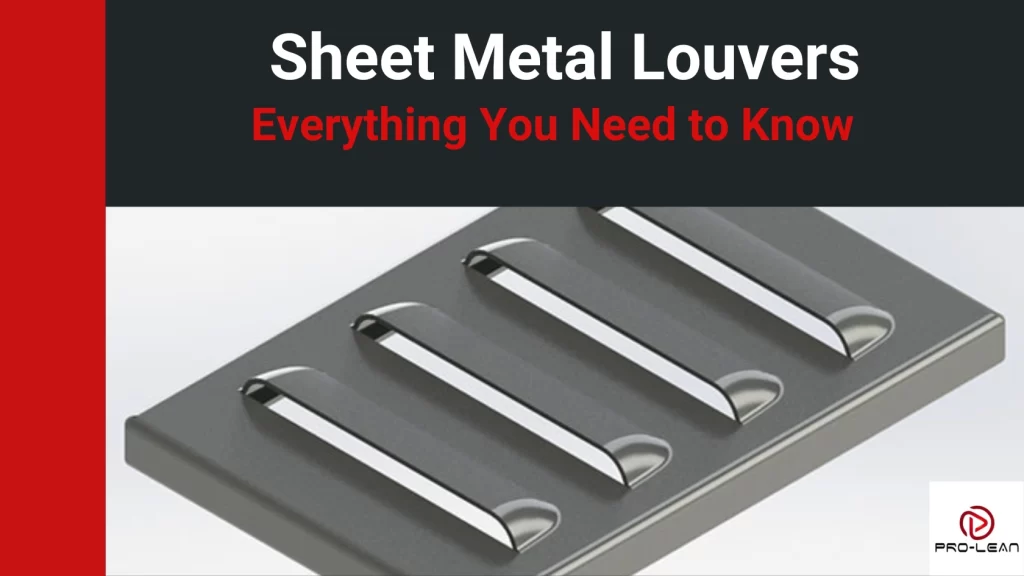
Sheet metal louvers
Sheet metal louvers are formed openings in metal sheets that allow air to pass while protecting internal parts from dust, water, and debris. They are commonly used in HVAC systems, electronic enclosures, automotive panels, and building structures.
Read on to learn why they are used, different louver types, suitable materials, basic design considerations, and common manufacturing methods used in sheet metal fabrication.
What is a Louver in Sheet Metal?
A louver is a press-formed feature on sheet metal designed to allow the passage of sound or light while blocking dust and debris, among other functions. Custom-cut metal louvers are commonly used in window blinds, closets, and microwaves. Built through precision sheet metal forming, louvers are characterized by blades protruding at an angle that are part of the base metal.
What is the Purpose of Louvers?
The main functions of louvers are ventilation, component protection, and aesthetics. In most cases, louver designs serve multiple functions.
Ventilation
Custom-cut metal louvers play a crucial role in facilitating passive air movement in various contexts. At home, these features enhance air circulation through attics and basements.
Sheet metal louvers are also used in hospitals, office buildings, and other commercial settings. They are also used in industrial settings such as power plants and factories.
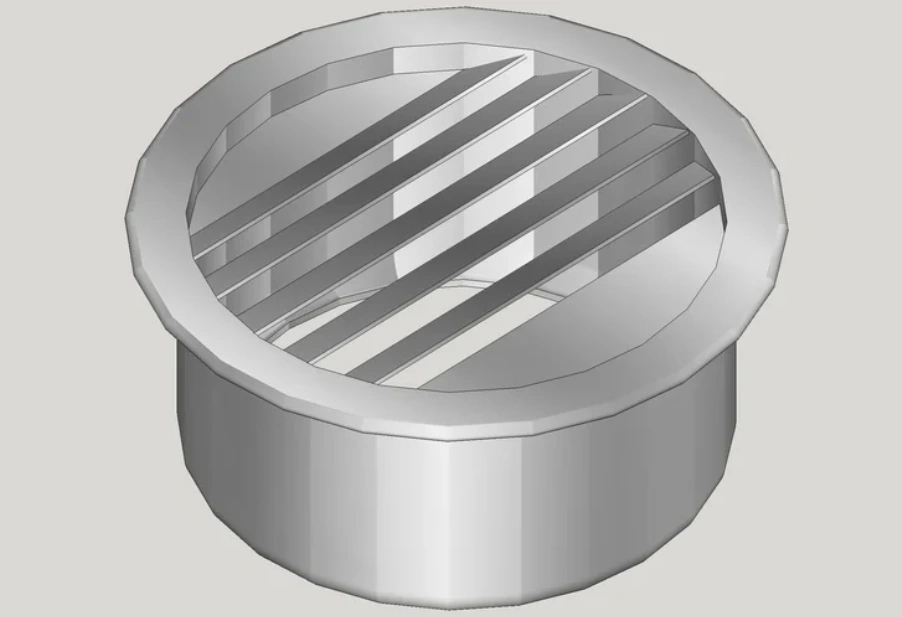
Air vent louver
Aesthetics
The sleek, smooth design of metal louvers is perfect for both architectural and indoor spaces. They can be designed to provide elegance and rhythm in a structure or component. Their repetitive patterns are beneficial for the overall aesthetic of interior environments, be it a kitchen, office, or bedroom.
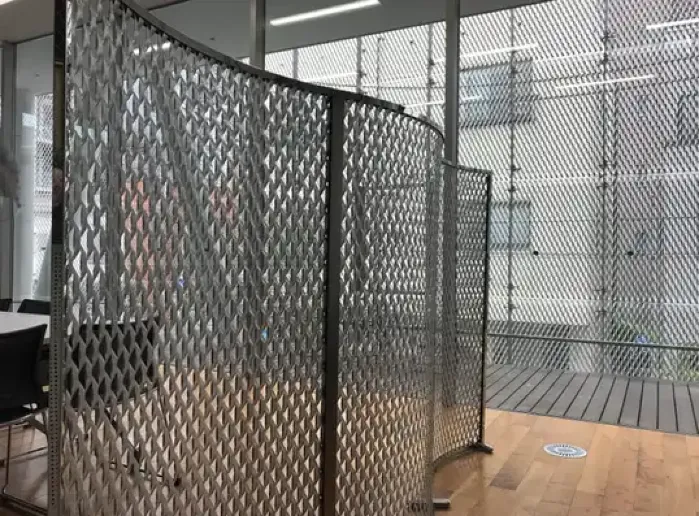
Decorative louvers
Component Protection
The formed sheet metal provides an integral barrier that is needed to protect internal components. As it protects against debris, dirt, and rain, it also allows free airflow. Louvers can also be designed at certain angles that provide visual protection for the internal components.
Assembly
Louvers can also be used to assemble parts when built with interlocking tabs. Such assembly is fast, cost-effective, and weight-saving. It is commonly used in HVAC ductwork, car body panels, and electronic enclosures.
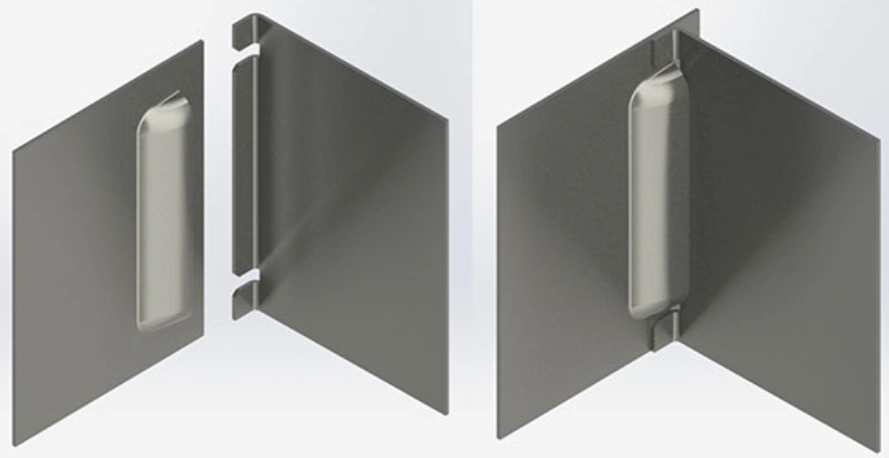
Assembly louver design
Advantages and Limitations of Sheet Metal Louvers
Here are the advantages of metal louvers:
- Tool-free ventilation
- Maintain sheet metal strength
- Cost-effective for scale manufacturing
The limitations of metal louvers are:
- The perforated point has reduced rigidity
- Open grills provide better airflow
- Must be perfectly done to prevent water infiltration
What Are Louvers Made From? The Different Material Options
Metal louver materials, chosen based on elements such as strength, corrosion resistance, and formability, include aluminum, copper, brass, steel, and composite materials. The selection of any of these materials for Sheet metal fabrication depends on project-specific requirements – there are pros and cons to consider.
Aluminum
With a density of 2.7 g/cm³ and naturally forming oxide layer, aluminum is a strong favorite in most sheet metal louver production processes. Alloys such as 5052 and 3003 are excellent in the forming process because they don’t crack easily.
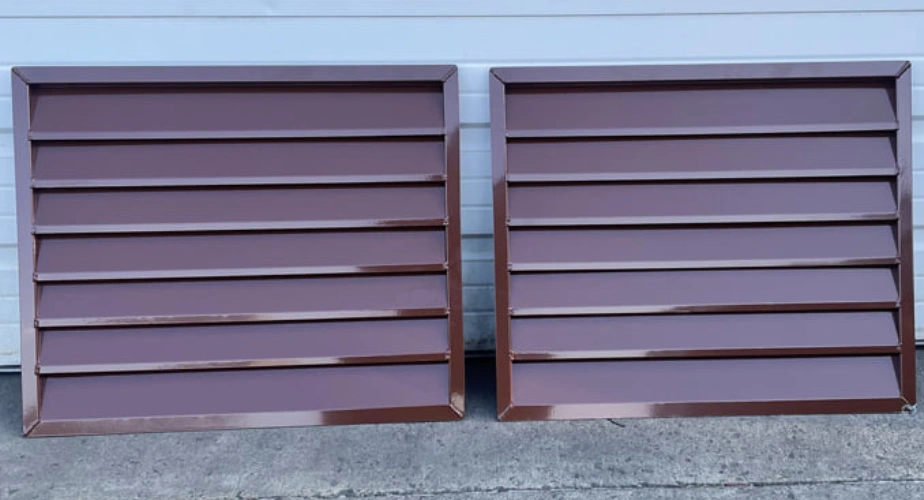
Aluminum louvers
Copper
Copper custom-cut metal louvers are popular in medical and electronic applications because of their capability to provide electromagnetic interference shielding. Copper is also easy to recycle, yet very long-lasting.
The metal has an appealing look, thus its louvers can complement any property. With its timeless, authentic appeal, this material is a favorite for architects.
Brass
The corrosion resistance of brass louvers is valuable for marine applications. This material also has a plush look, so these louvers can perfectly fit high-end applications.
The corrosion resistance and non-magnetism of brass louvers also appeal to specific applications, for instance, advanced instrumentation and navigation devices, which require proper shielding from magnetic interference.
Steel
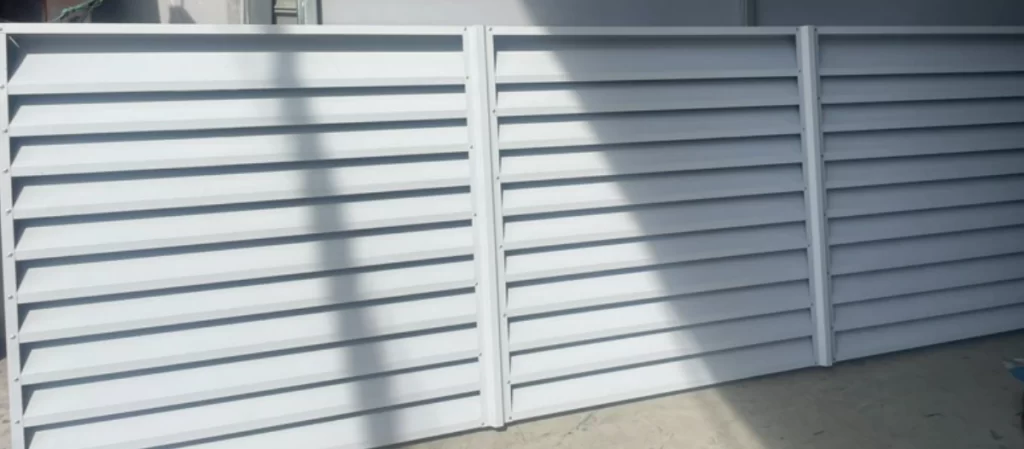
Steel louvers
Steel louvers are widely used for their strength, affordability, and cost-effectiveness. Stainless steel grades are ideal for sheet metal parts for outdoor items, food processing equipment, and many other applications where maintenance-free operation is required. Popular applications of these products include high-load projects such as industrial facilities and factories.
Composites
Composites have resistance to solvents and acids, which are found in chemical processing. The metal fabrication techniques for composites may be unique, but these materials have other important properties, such as a high strength-to-weight ratio and galvanic corrosion resistance. Architectural projects often utilize composite louver options to create appealing building facades and protect against weather elements.
Try Prolean Now!
Which Type of Louvers is Best?
When choosing the most suitable louver, the options are angled, closed-end, mini, straight, and custom types. Consider professional metal cutting methods for the following types of louvers.
Adjustable Louvers
Adjustable louvers are designed with slats that can be adjusted to change angles. These designs enable control of the amount of airflow or protection provided. The control can be motorized or manual, delivering the versatility that some applications require.
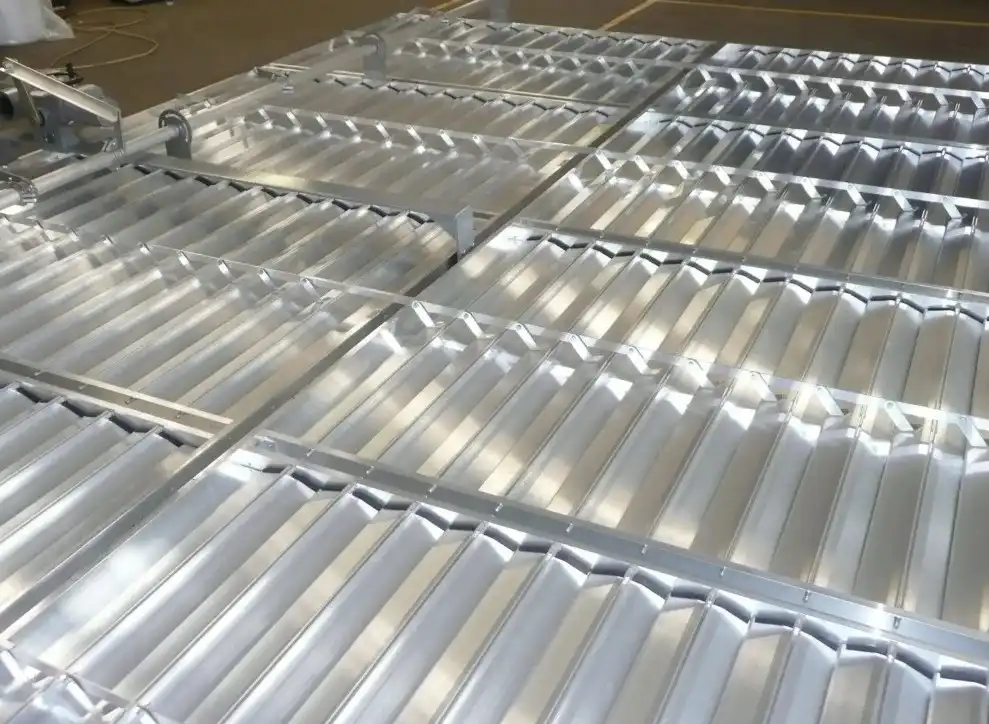
Adjustable louvers
You can use this category of louvers in HVAC systems to meet seasonal airflow requirements or facades for buildings with variable thermal loads throughout the day.
Closed-End Louvers
Closed-end louvers are defined by closed blade edges, which prevent the entry of insects and other contaminants. Airflow is still allowed, although the passage is relatively curvy. This design is also ideal for noise reduction.
Common applications of closed-end louvers are:
- Buses and trains
- Compressor and generator housings
- Construction equipment
- Agricultural equipment
Mini Louvers
Mini louvers are designed for smaller spaces and use thinner sheets, say about 1.0mm. The thin material demands tighter tolerances and keener focus on grain direction. No matter how thin your sheet metal forming designs are, don’t hesitate to request a quote from the experts.
Straight Louvers
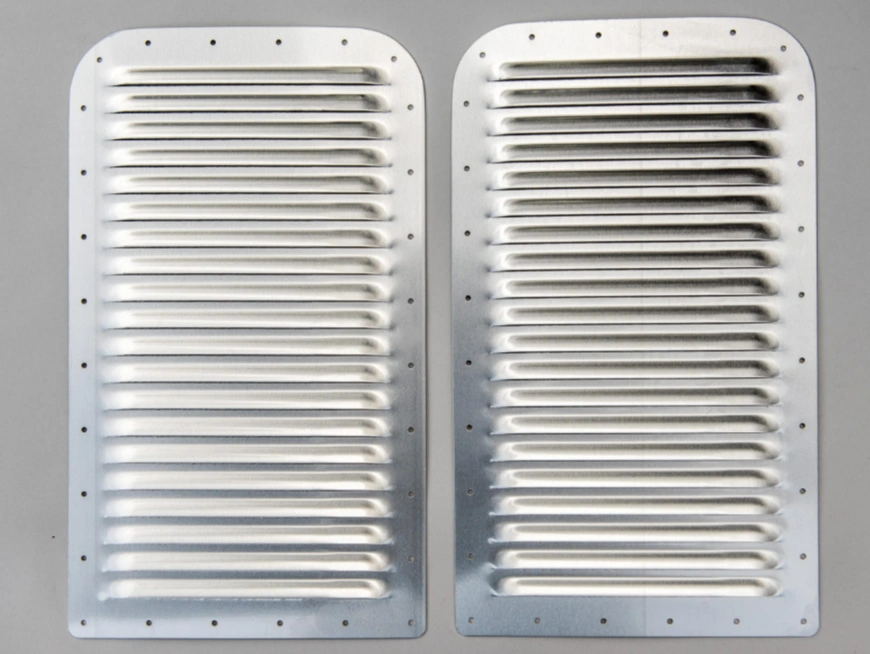
Straight louvers
This type of louver design features parallel, simple blade orientation that doesn’t place too much emphasis on weather protection. The louvers are built for optimum airflow, hence very common in servers, laboratories, and pharmaceutical factories. The amount of airflow in these types of louvers is incredible – about 70%!
Custom Louvers
You can go for custom designs if standard designs don’t fully solve your requirements. Custom louver designs incorporate features such as;
- Unique patterns for a specific brand
- Mounting features for faster assembly
- Asymmetric blade angles
- Perforated surfaces

Custom-cut louvers
Design and Manufacturing of Louvers in Sheet Metal
Sheet metal fabrication services in louver manufacturing encompass forming, blanking, and other operations. However, the entire process starts with computer-aided design, where geometry and other forming parameters are incorporated. As the outline below shows, material selection, sheet metal fabrication, finishing, and quality control are key steps in the louver production.
Step 1: Material Selection and Preparation – This step entails specifications for sheet metal types and thickness according to requirements for structural support, corrosion resistance, and other factors. The fabricators also verify certifications and check sheets for dimensional tolerance and surface quality.
Step 2: Computer-Aided Design (CAD) – Modern production runs require CAD for the determination of important elements such as angle, pitch, and number of blades. The size of louvers is critical at this stage because it affects the protection level, structural integrity, and airflow. Designers consider pitch, depth, and length of the louver blade.
Step 3: Sheet Metal Fabrication – Once the design is ready, presses are engaged to generate the sheet metal louvers. It is a progressive process starting with sheet metal blanking, followed by forming and piercing.
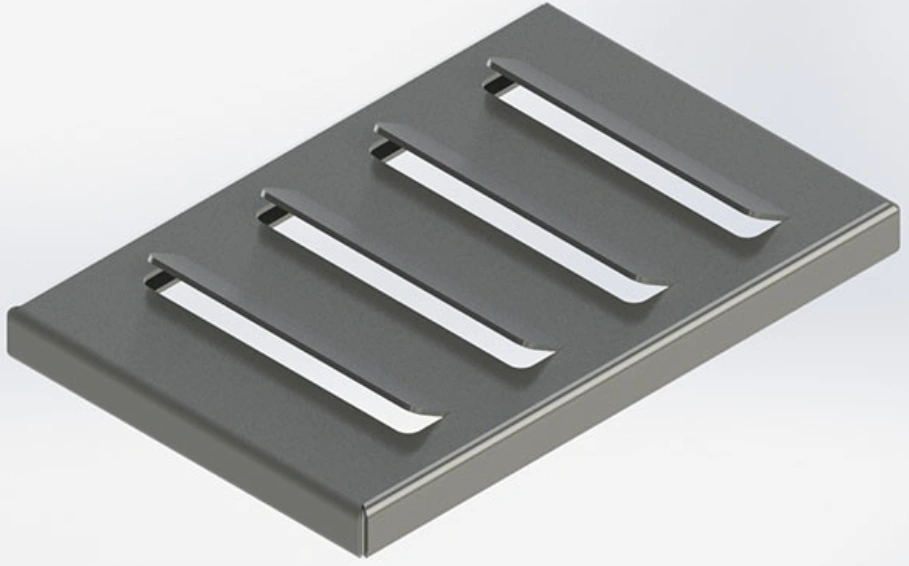
Simple metal louver from a press operation
For high-volume manufacturing, the louvers can be produced at more than 100 strokes per minute. If the operation is purely press-based, pressed louvers are manufactured directly from the metal blank. No material removal is involved.
Step 4: Finishing – Punched sharp edges require deburring. Environmental conditions may also require treatments such as anodizing and powder coating.
Step 5: Quality Control – An order is considered complete and approved after it has passed quality control tests for structural integrity, intrusion resistance, and airflow performance.
Try Prolean Now!
The Emerging Trends in Sheet Metal Louvers
Several technologies and trends are increasingly defining the path for different types of louvers. The leading ones are;
Additive Manufacturing (3D Printing)
3D printing is proving to be a valuable design stage enabler, helping produce prototypes in hours. Engineers no longer have to invest in expensive dies to test angles, geometries, and other louver elements. With these prototypes, they can easily perform tests to ensure real performance matches with CFD analysis.
Laser Cutting
The conventional mechanical punching limits blade pitches to several millimeters, but that is changing with laser cutting technology. A laser cutter can process pitches 2mm and smaller, without microcracking, even in thin sheets.
This is one of the technologies opening doors for tiny louvers, which are required in some electronic devices and other small components. Laser cutting is also worthwhile in sheet metal prototyping applications.
Antimicrobial Surface Coatings
Food processing, medical, and public transport facilities require infection control mechanisms, and metal louvers with antimicrobial coatings are remedies. These treatments don’t wear off because they have molecular bonds.
These coatings are increasingly popular, so don’t be surprised when you come across an order for a hospital HVAC system upgrade specifying louvers with copper-infused treatment.
In Conclusion
From the basic cut-and-bend louver designs to the more intricate ones built using advanced tooling, the wide variety of choices reflects the extent of manufacturing growth.
Whether you are looking for functional, aesthetic, or a blend of capabilities, the range of louvers is endless. ProleanTech is a trusted brand in sheet metal services, and we would be excited to address your metal louvers needs.
Contact our expert team today.
0 Comments