
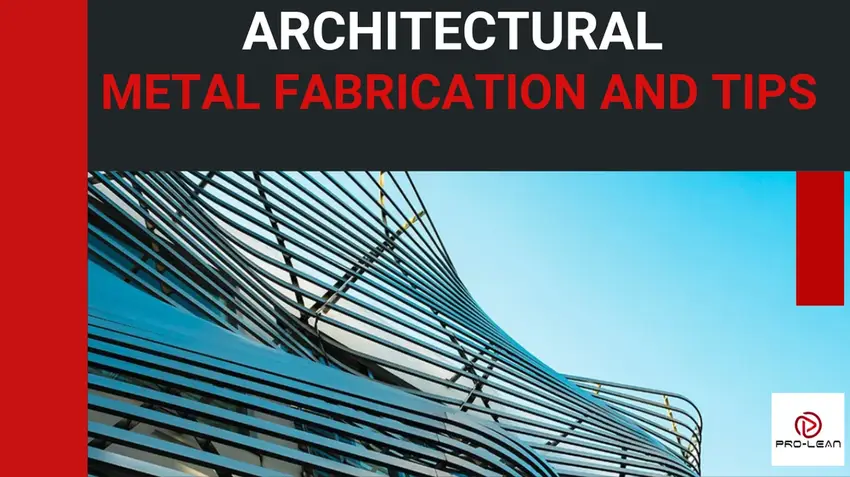
Architectural metal fabrication
Architectural work uses many materials, but metal is a prominent one. Experts apply architectural metal fabrication, the process of making parts from flat sheet metal.
It typically begins with simple, flexible architectural metal sheets, which are subjected to various processes, including blanking, piercing, bolting, riveting, and electroplating, as required. The long list of processes can be broadly categorized as cutting, joining, forming, and finishing.
Manufacturers have a range of technologies for this work, some conventional and others modern and advanced. Computer-aided design, automation, and robotic systems are dominant in architectural metalwork.
In the next sections, this article provides an overview of metal fabrication in this evolving industry.
What is Architectural Metal Fabrication?
Architectural metal fabrication is the application of trimming operations in sheet metal and other types of cutting, forming, joining, and assembling raw metal parts to form decorative structural components for building different types of architectural metal work.
It is a fascinating manufacturing discipline that merges aesthetic design with engineering precision. Architectural metalwork is attributed to the development of some of the most captivating projects globally, including the Burj Khalifa in Dubai and Australia’s Sydney Opera House.
Types of Metals Used in Architectural Metal Fabrication
The architectural metal fabrication industry mostly utilizes aluminum, bronze, copper, steel, and stainless steel. Each of these metals is selected for key properties, ranging from corrosion resistance to high strength-to-weight ratio.
Material selection is a critical part of architectural metal design and fabrication, setting the stage for the project’s aesthetic and functional performance.
Here are the specific properties that each of the major metals offers to architectural projects.
Aluminum Architectural Metalwork
Aluminum sheet metal is central to the success of architectural and structural industries because of its aesthetics, durability, and versatility. The material’s corrosion resistance is valuable for exterior surfaces of window frames, doors, curtain walls, and other architectural components.
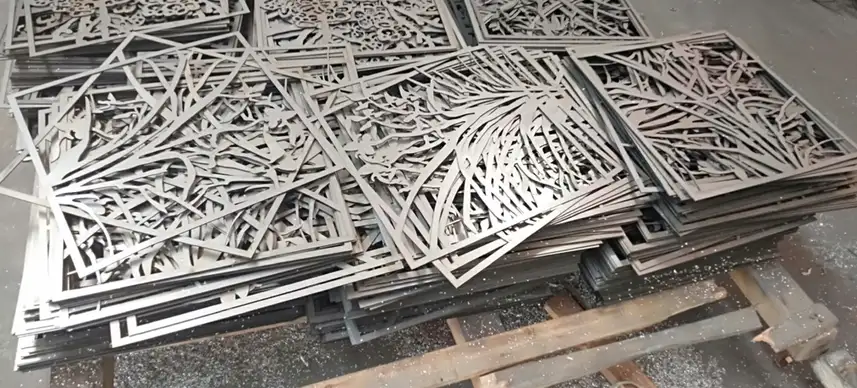
Aluminum metalwork
The decorative aspect is also highly rated for interior components: for instance, its reflective properties support natural lighting requirements in buildings.
Unlike some alternatives, aluminum performs excellently against elements, warding off the effects of harsh environments.
Also, it has a high strength-to-weight ratio (density of only 2.70 grams per cubic centimeter), which is critical in large structures where weight optimization is required.
At ProleanTech, we can provide custom architectural metal fabrication for 5052, 6061, and 6063 aluminum, among other grades.
Bronze Fabrication
Bronze has a rich and long history in architecture, mainly because of its outstanding properties and aesthetic appeal. Investing in bronze fabricated products also guarantees years of performance.
Architectural bronze, primarily composed of copper and zinc, and a smaller proportion of aluminum, iron, and manganese, is particularly aesthetically appealing, with the warm coating it develops over time.
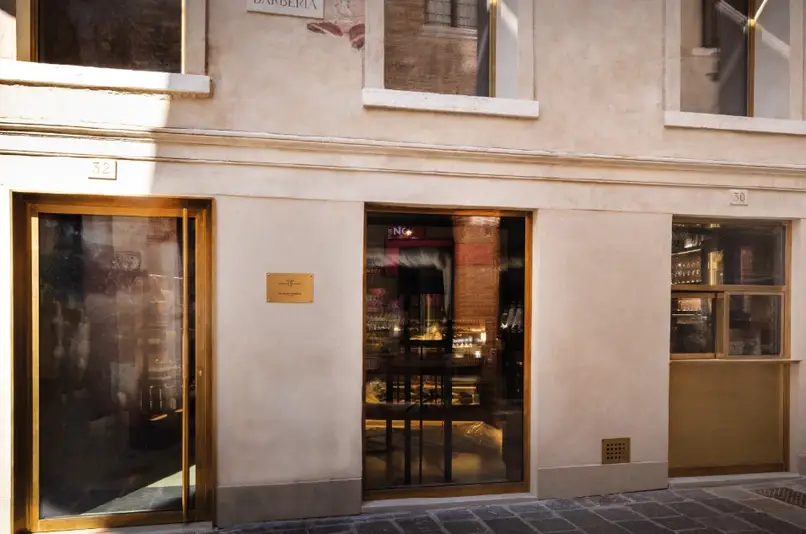
Architectural bronze
Its anti-corrosive properties are valuable for items exposed to UV light, extreme temperatures, and high moisture levels.
This alloy also has rich mechanical properties, which are equally necessary for architectural applications.
Copper for Architectural Metalwork
Architects value copper fabricated parts and components for their aesthetic appeal, corrosion resistance, versatility, and capability to form intricate shapes. The metal is suitable for custom architectural metal fabrication, where the manufacturer can easily blend artistry with functionality.
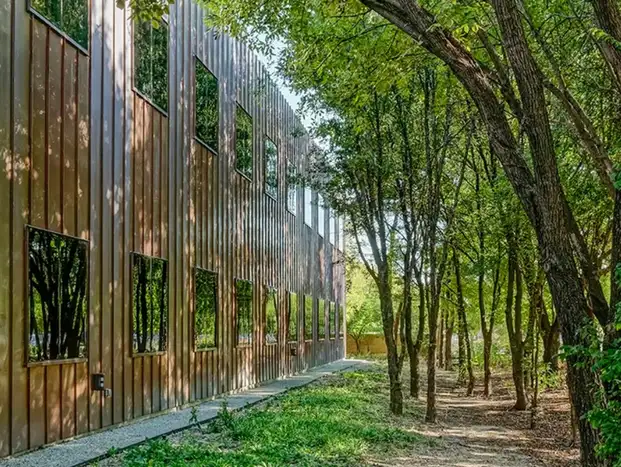
Copper cladding
Sometimes, copper is used to coat other metals, usually steel and stainless steel, with a nickel plating in between. This way, it adds its decorative characteristics to the other metal.
Steel Architectural Fabrication
Steel is strong and highly customizable, inherent properties that form the backbone of many architectural metalworks. Architectural steel fabrication works are common in plumbing installations, decorative panels, staircases, facade cladding systems, and many other structural areas.
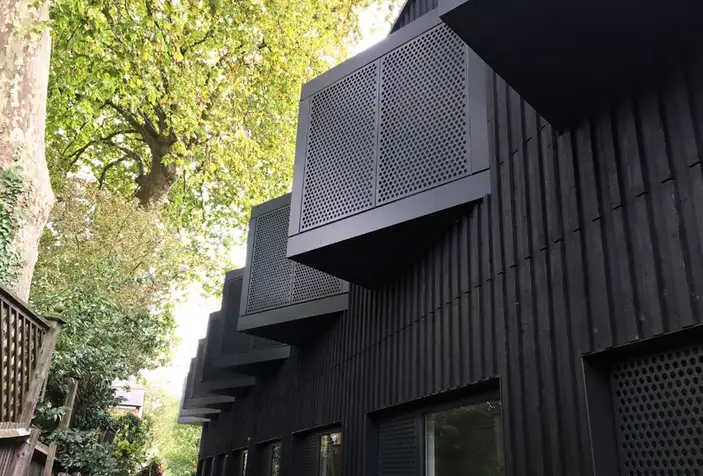
Architectural steel
Stainless Steel Metalwork
This is another decorative and durable material for sheet metal fabrication in architectural projects. Fabrication support for this material is for numerous components and parts, from perforated parts to elevator surrounds, and wall systems to railings.
Architectural-grade stainless steel options include 316, 304, and 430 stainless steel, each with unique properties.
Other boxes that the material ticks in relation to architectural works are a high compatibility with other materials and many options for surface finishes.
Try Prolean Now!
Types of Architectural Metal Fabrication Processes
Custom architectural metal fabrication experts use several processes, which can be categorized as cutting, joining, forming, and finishing methods. A project typically combines several processes, but the goal is the same – to meet architectural metal design requirements and deliver the best sheet metal services.
Cutting Processes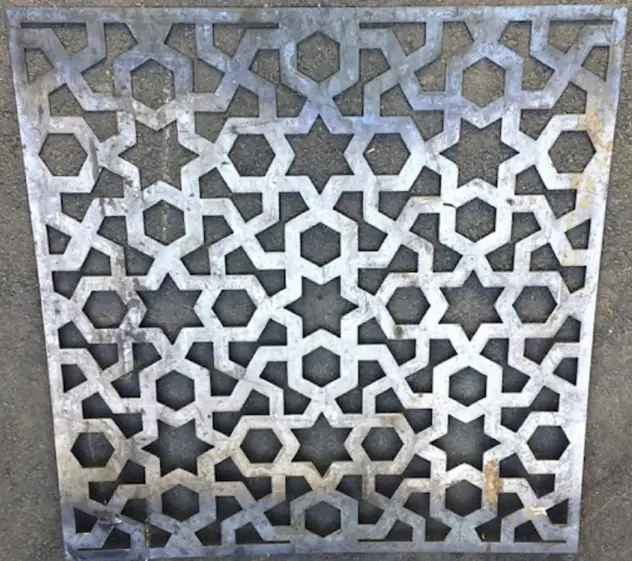
A plasma-cut metal sheet
Cutting processes for architectural projects revolve around plasma cutting, waterjet cutting, and laser cutting. Each of these cutting techniques has advantages and limitations, so the methods are used depending on project requirements.
For instance, sheet metal blanking produces identical parts in high volumes, while laser cutting is for intricate, custom sheet metal parts.
Joining Processes
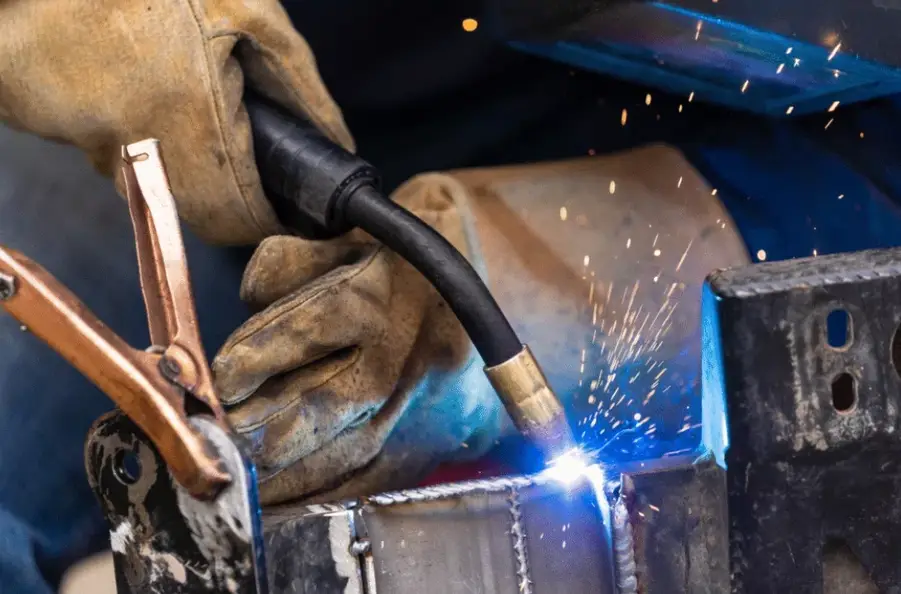
Welding
The joining processes in architectural sheet metal services are usually bolting, welding, and riveting. The temporary ones include screws, bolts, and nuts, while permanent joining comprises rivets, welding, adhesives, and soldering.
Forming Processes
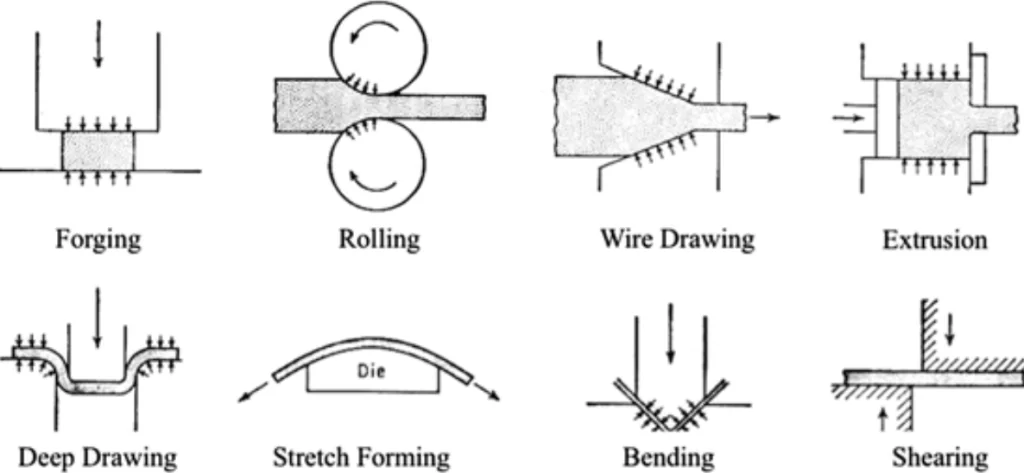
Metal forming methods
Forming methods in architectural metalwork include bending, extrusion, stamping, and rolling. These methods reshape metal without material removal, providing high-dimensional accuracy and precision
The advanced options can execute complex, architectural metal designs, for instance, those involving curvatures and other custom profiles.
Finishing Processes
When it comes to finishing processes for architectural components, options include anodizing, polishing, and coating.
These processes enhance the durability and visual appeal of architectural components. They provide a protective coating that prevents the effects of elements and extends the life of metal parts.
Try Prolean Now!
Main Technologies in Architectural Metal Fabrication
Although architectural metal fabrication has existed for centuries, it has undergone significant advancements over the years along three major technological directions – Computer-Aided Design (CAD) software, robotic fabrication systems, and automated CNC machinery.
Computer-Aided Design (CAD)
Computer-aided design software is paramount in the architectural metal design phase. These platforms help engineers produce designs that can guide fabricators.
The 3D models are versatile, allowing them to be optimized for the best architectural metalwork.
Automated Fabrication Systems
Automation is central to modern metal fabrication, offering benefits such as minimized waste, enhanced precision & repeatability, higher operational efficiency, and safety.
Modern CNC automation systems for fabrication are AI-driven and feature real-time feedback mechanisms. So, whether you are looking for simple aluminum stampings or intricate architectural steel fabrication, there is always a solution.
Robotic Fabrication Systems
When it comes to utilizing cutting-edge technology in architectural metal fabrication, manufacturers turn to robotic systems, which are superior in handling non-standard and irregularly shaped parts. These systems are popular in facade works and large sculptural metalwork.
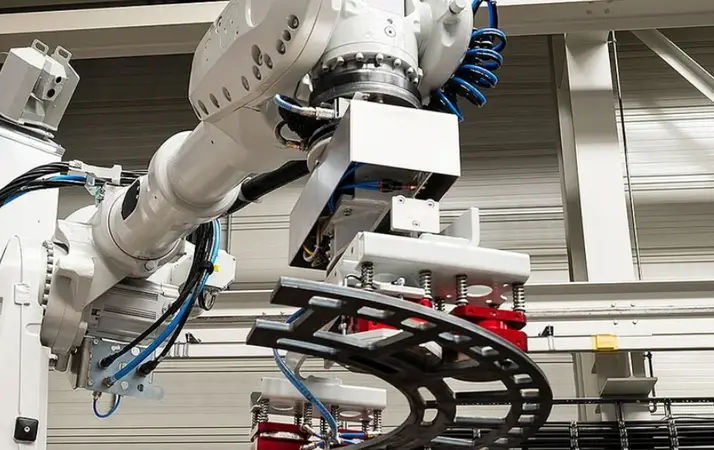
Robotic fabrication solution
Components Used in Architectural Metal Fabrication
Architectural metalwork covers a broad array of components that contribute to the complete structure in one way or another. The main ones are facades, railings, cladding, platforms, bridges, and roofing.
Since each of these has its aesthetic and functional requirements, understanding the differences can help determine the direction of the fabrication project.
With reputable sheet metal fabrication solutions, you can actualize any architectural fabrication design within a budget and timeline.
Advantages of Architectural Metal Fabrication
Architectural metal fabrication offers numerous benefits to users, including the aesthetic value of the parts, affordable sheet metal products, durability, and strength. These benefits give this solution a wide global appeal.
Universal Appeal
There are diverse materials, each accommodating different styles and custom solutions. Users have so much to choose from in pursuit of the ideal visual appeal.
Unmatched Durability
Architectural metalwork outlasts other options due to its resistance to temperature variations, corrosion, and moisture. This ensures the components last longer and require minimal maintenance, whether for outdoor or indoor applications.
Superior Strength
Architectural ventures require adequate strength, which metals provide. Strong materials are incorporated into the architectural metal designs for durability and consistent performance.
Aluminum, stainless steel, and other metals used in these projects possess inherently superior characteristics that enable the production of high-quality and affordable sheet metal products.
Limitations of Architectural Metal Fabrication
Aside from the capabilities of custom architectural metal fabrication, there are also some limitations to consider. The high initial metal fabrication cost is usually a challenge for anyone who wants to tackle all tasks on their own.
Additionally, the process requires various technical considerations, including thermal expansion, corrosion, and more.
Applications of Architectural Metal Fabrication
Architectural metalwork is all around us – in transportation systems, high-rise buildings, residential buildings, commercial developments, and so on.
Specifically, the architectural metal designs are present in signage, canopies, railings, stairs, risers, and other forms of hardware.
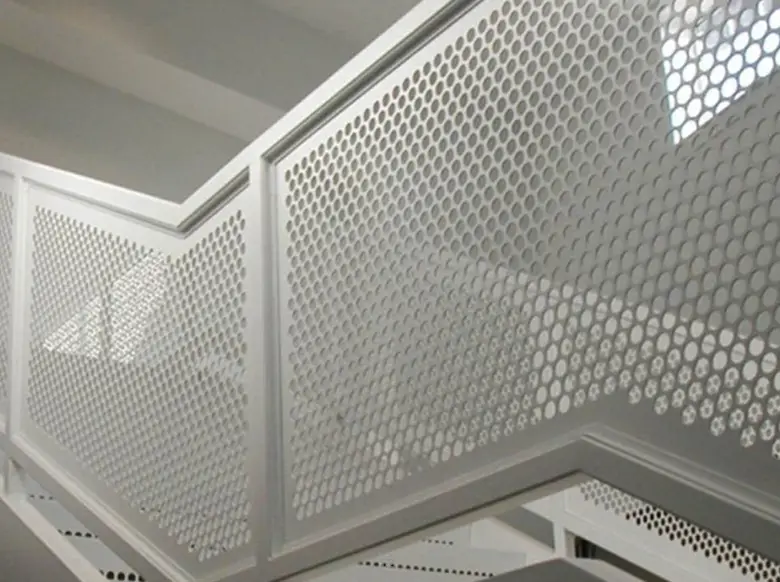
Metal stair risers
With the requirement for specific fabrication approaches, only the business can deliver what the client expects. Contact our expert team if you are in these industries and related ones.
Suggesting Reading:
Tips for Quality Architectural Metal Fabrication Services
Anyone who has worked with a reputable provider of sheet metal services for architectural projects will confirm that some characteristics stand out – high experience, use of quality materials, clear communication, and a record that speaks for itself.
And that there are no shortcuts to the process; only genuineness and quality work. Therefore, there are major things you should expect from a service provider.
- Deep Knowledge of architectural metal fabrication
- Access to the best metals for the job
- Prioritized client communication
- Clear and understandable pricing
- ISO standards certifications for safety and other work elements
Conclusion
The convergence of aesthetics, strength, and general functionality is the mainstay of architectural metal projects. As outlined in this article, fabrication helps bring to life ingenious architectural designs using a variety of materials and processing methods.
The choice of technology and material matters in these types of projects. That’s why you need a partner like ProleanTech, as a top provider of sheet metal services, that leaves a mark of craftsmanship and high-quality materials.
We are ready to spearhead your next architectural metal fabrication project. Request a quote today for real transformation.
0 Comments