
Metal warping
Sheet metal fabrication, the process of transforming sheet metal into components, is central to operations in automotive, construction, transport, and many other industries. However, fabrication is not without challenges, a major one being metal warping.
Warping is defined as the bending or distortion of a material that deviates from the design specifications. Its causes are material properties, mechanical forces, and heat. Fabricators have a reason to avoid warping at all costs because it affects the functionality and integrity of the part.
Fortunately, there are handy ways to prevent warping, such as preheating the metal, slow cooling, and proper use of jigs and clamps. Since warping is a significant phenomenon in fabrication, this article explores the topic, outlining the definition, causes, materials affected, and prevention measures.
What is Metal Warping?
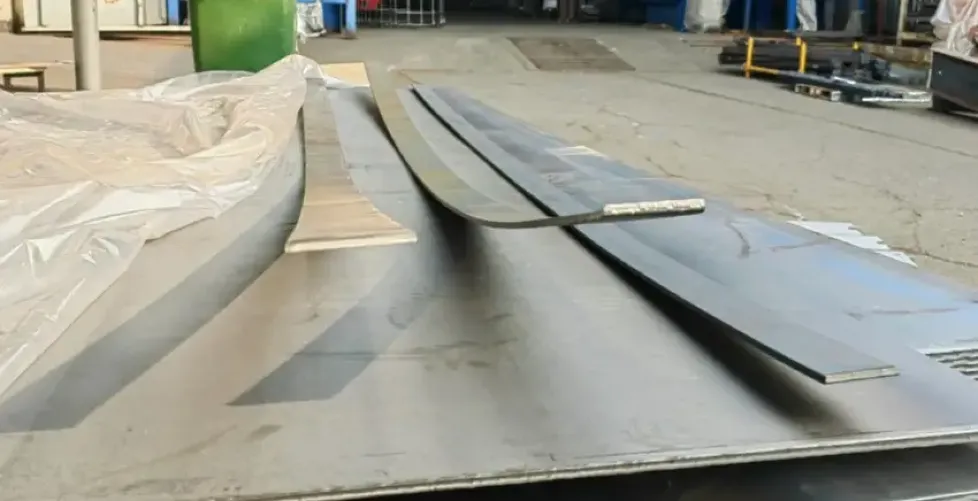
Warped steel plates
Metal warping is a phenomenon that occurs during precision metal fabrication, resulting in bending, bowing, and twisting of parts. These adjustments contribute to varying deviations from the design specifications. Heating, cooling, and accompanying mechanical processes in fabrication cause metal warping, a type of irreversible deformation.
What is Distortion?
Metal distortion is the general reference to any dimensional change that a metal undergoes compared to the design geometry. These changes include warping, shrinking, and bending. Warping only refers to planar deformation, while distortion covers a wider range of deformations.
What Causes Metal Warping?
There are three major causes of metal warping in sheet metal processing: Heat, material properties, and mechanical forces.
Heat
It is not surprising that heat is one of the most common causes of warping in metal. That’s because when heat is administered quickly, or the cooling process is also quick, thermal stresses are generated – these prompt warping in the metal. Poor heat management can cause serious warping in metal parts, which can cause weaknesses and damage.
The key to appreciating the role of heat in warping and distortion is to ensure that design tolerances are maintained. For instance, in car manufacturing, extreme warping can impact project deadlines and increase costs. Experts in metal fabrication techniques apply heat input management techniques, for example, backstepping.
Material Properties
The proneness to warping varies from one metal type or grade to another. A material’s response to heat can depend on properties such as thermal conductivity, yield strength, and thermal expansion.
Mechanical Forces
Bending, forming, and stretching operations exert forces on the metal. This introduces stress concentrations that cause warping and distortion. Alongside the inevitable mechanical forces, there are also triggers from poor clamping mechanisms and tooling.
What Materials are Prone to Warping?
Internal stress properties and thermal conductivity levels make some materials more prone to warping than others are. At the top of this list are aluminum alloys and high-carbon steels.
Let’s outline why these and other specific materials are prone to warping.
Aluminum Alloys
The high coefficient of thermal expansion and thermal conductivity of aluminum alloys can easily cause warping during fabrication. Under most of these conditions, aluminum warps twice as much as steel.
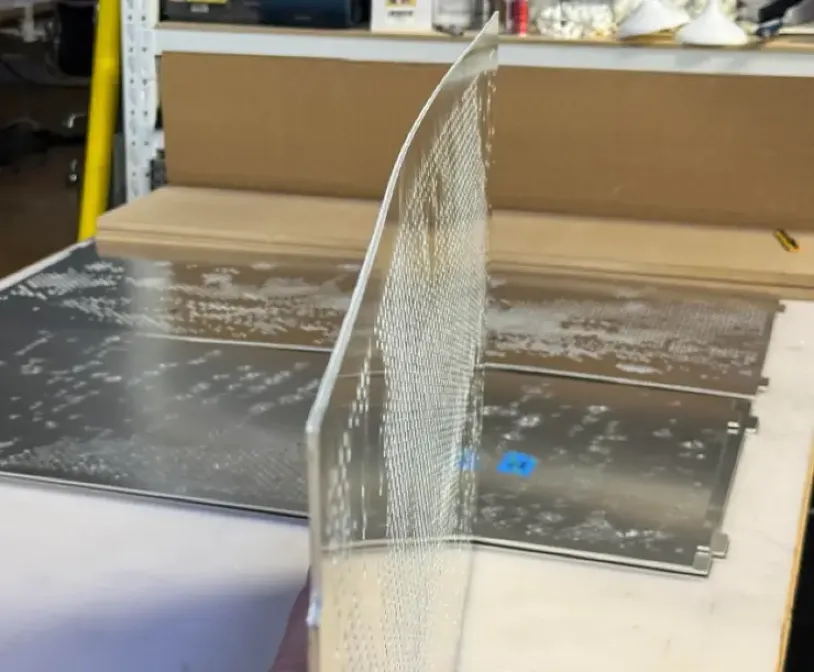
Warped aluminum panels
The properties of aluminum alloys promote rapid heat spread and dissipation, which can cause high temperature gradients. The resulting internal stresses enhance warping and distortion.
High-Carbon Steels
High-carbon steels are highly prone to warping due to their high carbon content. Poor welding, forming, and cutting techniques can also exacerbate the problem. Quenching HCSs is accompanied by martensitic transformation and volume expansion, which generates internal stresses. O1 and D2 tool steels often exhibit this phenomenon.
Stainless Steels
Understanding stainless steel warping is critical for manufacturers and users of cookware and other products.
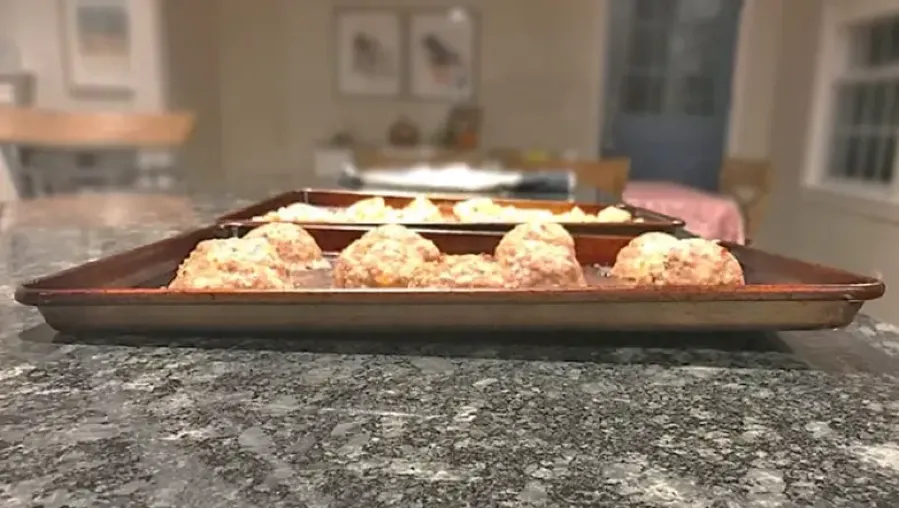
Warped stainless steel pan
Non-uniform heating and cooling cause warping in stainless steel. Most of the warping is seen in 304 stainless steel, 316 stainless steel, and other austenitic grades of the metal. 430 stainless steel and other ferritic stainless steels do not warp as much as the austenitic grades do.
Titanium Alloys
Titanium has low thermal conductivity, so uneven heating and cooling cause unhealthy temperature gradients. The alloys’ high strength-to-weight ratio and springback properties further perfect the warping environment. This is why it is so challenging to fabricate Ti-6Al-4V, a popular alloy used in aerospace applications.
Copper Alloys
Copper alloys have a thermal conductivity of 300 W/mK or higher, which is significantly higher than that of pure copper (approximately 401 W/mK) and many times that of stainless steel. This means that during fabrication, heat spreads across the metal extremely fast.
Still, for this property, a lot of heat is required for the proper processing of these alloys. The working temperatures that fabricators have to attain for brass, bronze, and other alloys are high. These conditions make warping a prominent challenge during fabrication.
Processes Prone to Metal Warping
The most warping-prone processes are flame cutting, laser cutting, plasma cutting, and welding. Forming processes involving heat are also in the mix, meaning that roll forming and brake pressing also cause warping and distortion.
The specific stress deformation and thermal gradients for each of these processes differ. For instance, while cutting processes cause edge stresses, welding is mostly associated with localized heat zones.
Sheet metal fabrication experts undertake these processes carefully and according to industry guidelines to minimize warping.
Flame Cutting (Oxy-fuel Cutting)
Flame cutting involves heating the sheet metal to its ignition temperature and then using a powerful oxygen jet to cut it.
Laser Cutting
Laser-cut materials become warped due to changes in internal stress balance. The change could be in terms of an uneven increase or decrease of stress. This stress is both mechanical and thermal.
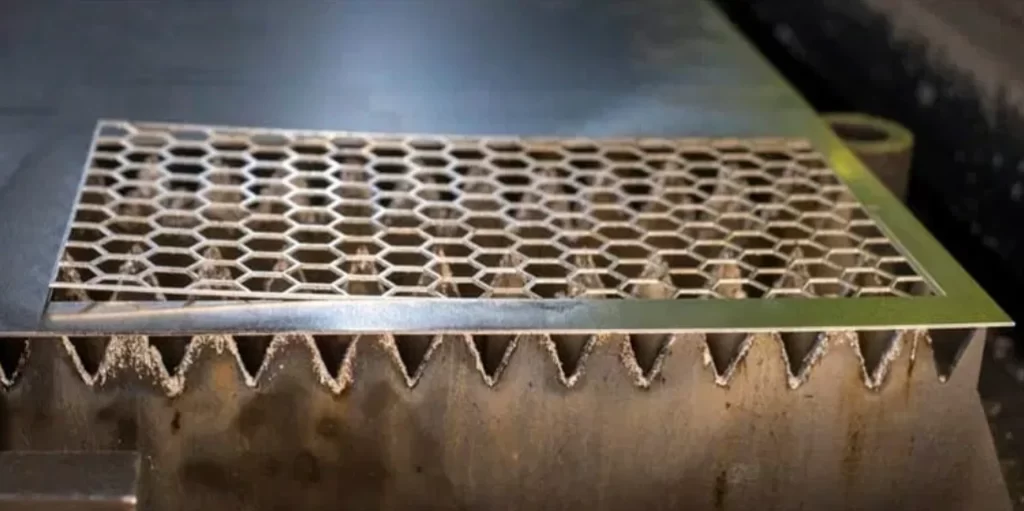
Warped laser cut sheet
Plasma Cutting
The temperature of about 20,000°C produced in plasma cutting is more than enough to cause warping in most metals. The plasma jet also generates mechanical stress as it blasts through the material.
Most warping potential is in thinner sheets, as the heat is more concentrated at the top than at the bottom of the sheet metal – a large temperature differential forms.
Welding
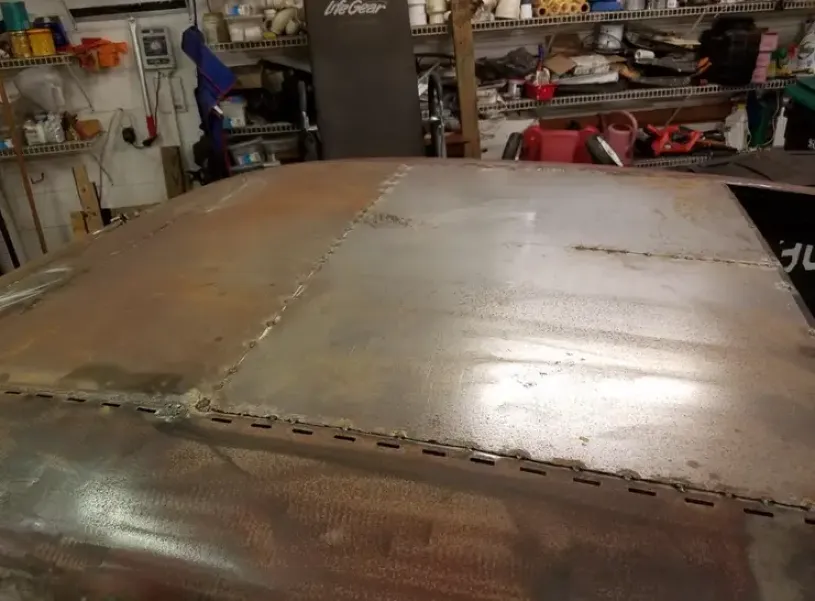
Warping in welding
Welding causes localized heating and cooling. Heat expands the welding area while cooling tries to contract the same location. Deformation or warping occurs when these expansion and contraction forces exceed the level of restraint from the material. Metals like aluminum, with their high thermal conductivity, are extremely prone to this kind of warping.
Roll Forming
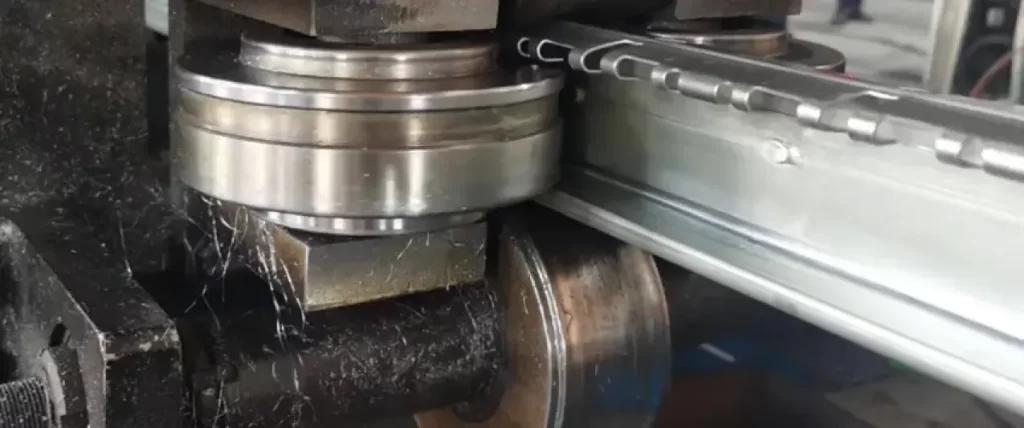
Roll forming
The progressive plastic deformation in roll forming is a common source of warping. Residual stresses are introduced into the material as it goes through sets of rollers. If the material thickness is uneven or the bend radii are not optimized, warping is likely to happen. High-speed forming can also elevate temperatures, which introduces thermal stress in the sheet metal.
Brake Pressing
As the die and punch force a piece of sheet metal to bend, the inner surface experiences compression, and the outer surface stretches. The created stress gradient should be at equilibrium; otherwise, the sheet metal will warp.
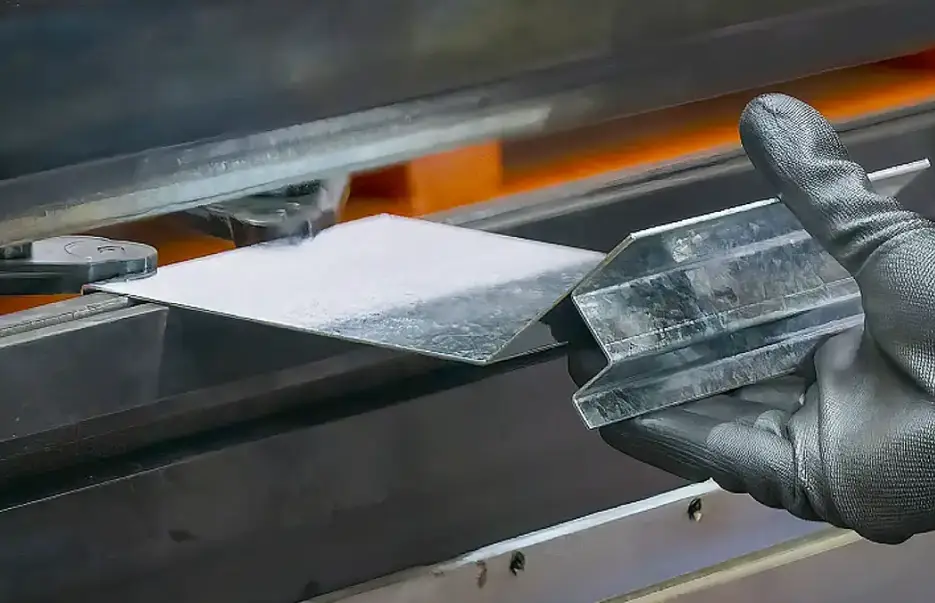
Press brake bending
What is Warping in Steel?
Warping happens in steel in distinct patterns across different grades. Angular warping is evident in mild steel parts, and high-carbon steels exhibit extreme twisting. In hardened steel, the warping problem is even more pronounced.
Tips to Prevent Metal Warping
Metal fabricators use various strategies to minimize warping, including;
Proper Material and Design Considerations
Material type, sheet thickness, and the design should be keenly considered to minimize the chances of warping. For instance, in design, the engineers should consider elements such as bend radii and feature placement.
Heat Management Strategies
Cutting, forming, and welding processes should be well managed to minimize warping in the fabricated part. Sheet metal processing experts use strategies such as advanced welding methods, gradual bending, and applying the right cutting parameters.
Mechanical Stress Management
For mechanical stress problems, the options include secure clamping, careful tooling selection, and additional support during sheet metal fabrication.
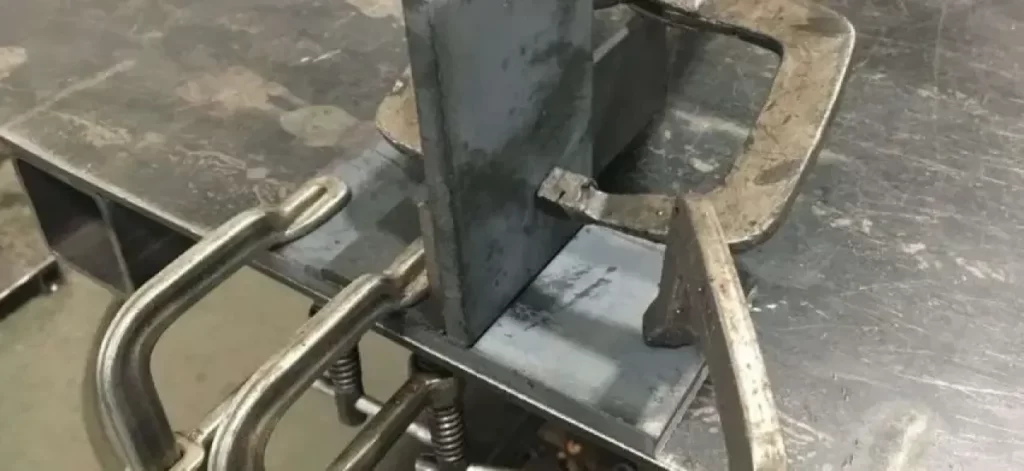
Clamping in welding
Effective Cooling
Controlled cooling is an effective strategy for minimizing stresses related to thermal gradients in a material.
In Conclusion
Metal warping can render a finished sheet metal part worthless. However, this can be avoided with sheet metal fabrication services that apply the best practices. Expert cutting, welding, and forming, coupled with pre-fabrication and post-fabrication, offer the best solution. Engage a professional in your sheet metal fabrication projects to avoid the dangers and losses of metal warping.
0 Comments