
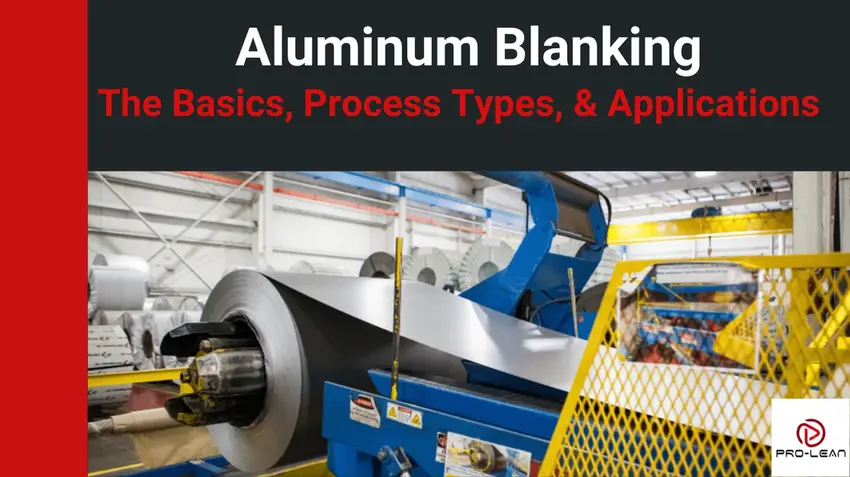
Aluminum blanking
Aluminum blanking is widely used in various industries due to the metal’s lightweight, versatility, strength, and workability. This process involves cutting thin sheets of aluminum into pre-designed shapes, which can then be further processed to create complete parts.
Major drivers of aluminum sheet metal blanking technology are the automotive, aerospace, and electronic industries. With the right aluminum blanking company, characterized by top-of-the-range machines and expertise, parts clients can maximize the benefits of configured blanking, laser blanking, and other blanking techniques.
This article discusses blanking for aluminum, highlighting the basic steps, benefits, types, and applications of the technique.
What is Aluminum Blanking?
Aluminum blanking refers to the utilization of a punch-and-die combination to remove a designated piece from a larger sheet of aluminum. Some industries call the process aluminum shearing.
As the image below shows, blanking aluminum or any other metal also involves the application of force from above.
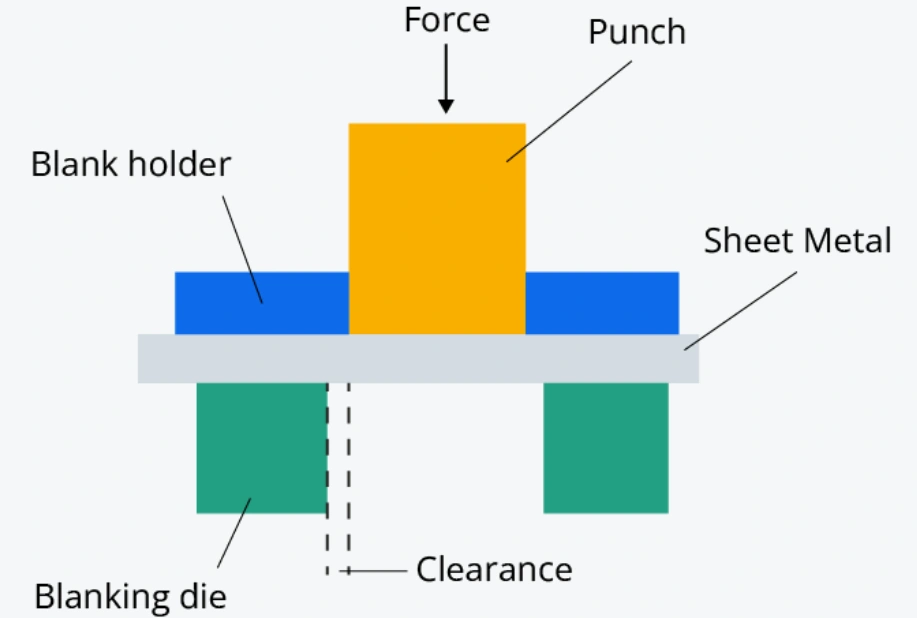
Blanking
Sheet metal fabrication service providers utilize this technique to manufacture metal strips of specific sizes and shapes. They can produce a wide variety of blanked aluminum parts because the process, although visually simple, has variants.
How Wide and Thick is the Common Aluminum Blank?
Regarding the widths and thicknesses of common aluminum blanks, manufacturers primarily adhere to customer part requirements. Some parts are several feet wide, while others are only a few inches wide.
For blank thickness, the variation is given in gauges. Although the options are countless, the most common categories of aluminum sheets are thick, medium, and thin. The specific measurement ranges are;
- Thick aluminum sheet – 6mm and above
- Medium aluminum sheet – 2 mm – 6 mm
- Thin aluminum sheet – 0.1 mm – 2 mm
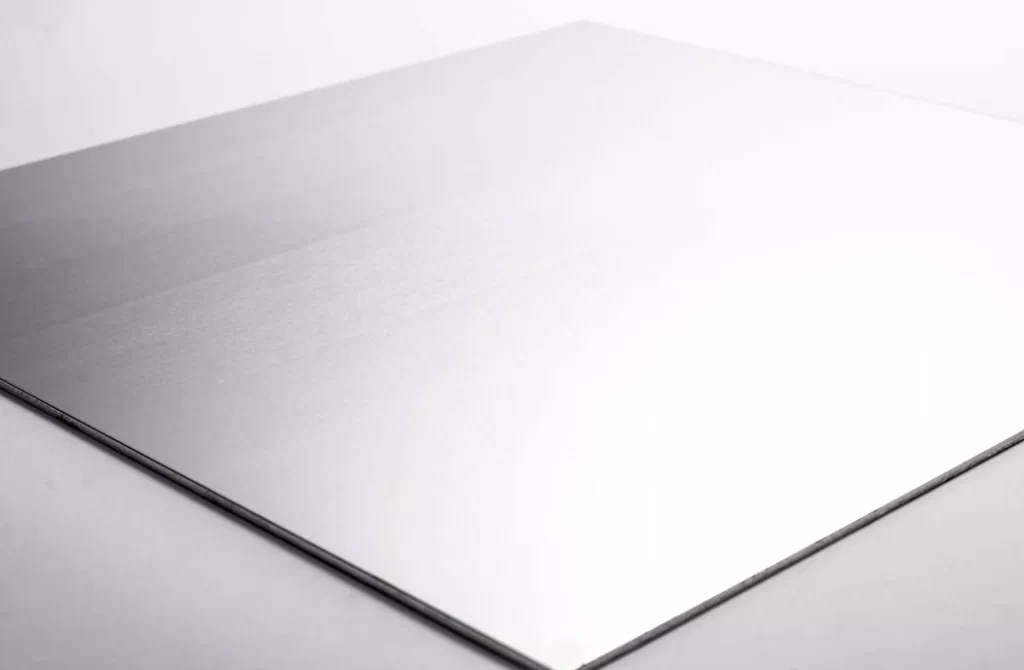
6mm aluminum sheet
Key Aluminum Grades for Blanking Operations
The versatility of blanking aluminum is further demonstrated by the different grades available. According to the Aluminum Association, different aluminum alloy grades present distinct properties that appeal to various industries and specific applications.
The most popular ones include 1100, 2024, 6061, and 3003. The levels of relevant properties each offers differ, so the aluminum blanking company has to analyze the options thoroughly before processing.
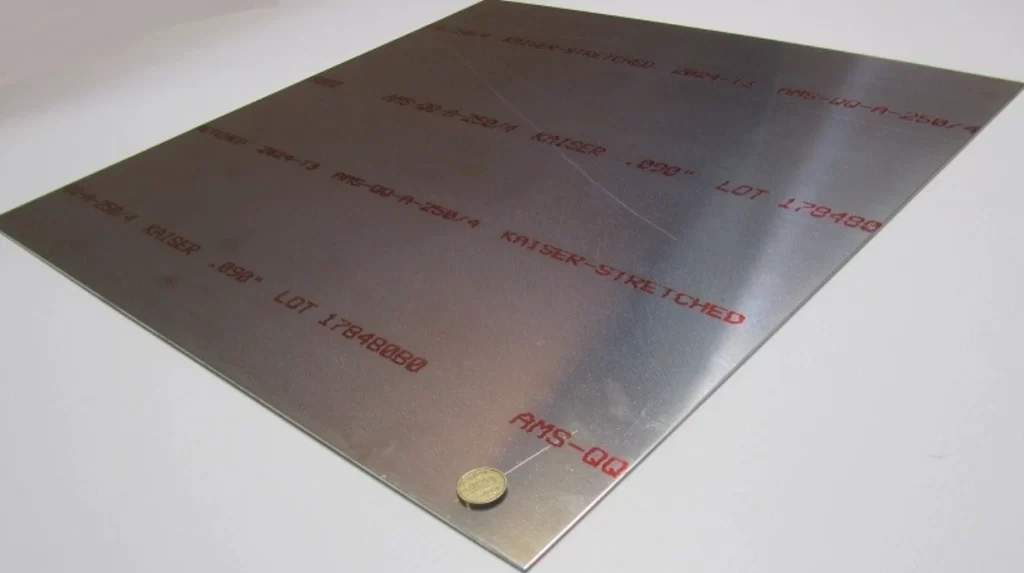
2024 series aluminum sheet
The Benefits of Aluminum Blanking
Aluminum sheet metal blanking presents several benefits to the user, ranging from quick turnaround times to unrivaled cost-efficiency.
Here is an overview of these and other benefits.
- Speedy Process: Advanced blanking presses can produce up to thousands of pieces per hour. Therefore, the method is ideal for large volumes, even when fast scaling is required.
- Cost-efficient Parts: The fact that metal blanking minimizes the need for secondary operations and can use nesting layout is good for cost efficiency.
- Versatile: Sheet metal blanking versatility for aluminum is seen in product geometries, types of materials, and part thicknesses. Its seamless blending with bending and related secondary operations is also noteworthy.
- Precise: Aluminum alloy blanking, relying on modern blanking presses, can achieve tolerances as tight as ±0.005 inches. The manufacturer can avoid the cost of secondary processes.
Basic Steps for Aluminum Sheet Metal Blanking
Every aluminum blanking company follows a standard series of steps comprising tooling preparation, aluminum sheet specifications & preparation, feeding the aluminum sheet into the blanking press, the blanking process, and post-processing.
Step 1: Tooling Setup
The punch and blanking die are designed to match the characteristics of the desired aluminum part. The two tools are manufactured to exact specifications to ensure the part emerges according to standards and order requirements.
Step 2: Aluminum Sheet Preparation
The appropriate aluminum grade and thickness are selected, typically based on design specifications.
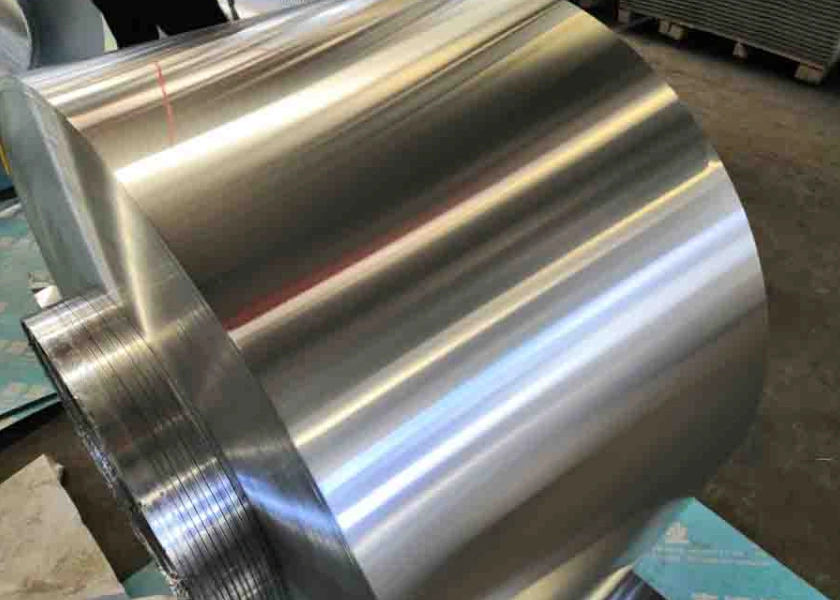
Aluminum sheet
Step 3: Setting Up Material on Blanking Press
This step entails feeding the sheet into the blanking press and positioning using coil feeders, stops, or pilots.
Step 4: The Blanking Process
During the blanking step, a powerful mechanism lowers the blanking punch on the aluminum, shearing it to produce the desired part. Multiple sheets may be blanked simultaneously for mass production.
Secondary processes can also follow the main blanking process. This includes deburring to remove irregular edges.
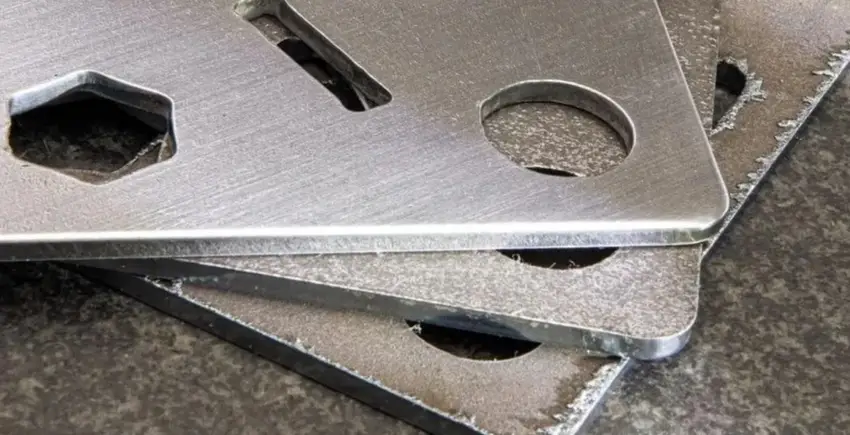
Sheet metal burrs
Step 5: Quality Control and Post-processing
Finally, the aluminum blanks are taken through the quality control department for inspection of quality and dimensional accuracy. They could also be subjected to post-processing to enhance functionality and aesthetics.
The Main Aluminum Blanking Techniques
Based on precision levels, aluminum blanking can be categorized into three types: Ordinary blanking, precision/fine blanking, and micro-blanking.
Ordinary Blanking
This is the basic aluminum blanking method, which utilizes a standard punch and die combination, resulting in relatively precise parts. Such parts mostly have basic shapes, for instance, washers and simple brackets. Different sectors use this cost-effective method, especially for the mass manufacture of simple aluminum parts.
Precision/Fine Blanking
Precision or fine blanking is a popular type of sheet metal blanking used to manufacture aluminum parts with tight tolerances. It creates excellent cuts because of combining precision tooling with counterpressure.
The precision of the method is evident from the clean cuts, with accurate dimensions and very minimal, if any, distortion. The blanking is also repeatable. The aluminum blanking company can produce both large and small parts using this approach, enabling the manufacture of brackets, gears, and a wide range of other components.
Micro-Blanking
When the required aluminum sheet parts are of the micro level, this advanced precision method is used. This technology, which is ideal for thin aluminum sheets, utilizes super-precise tooling and micro-blank presses.
Medical, electronics, and other industries requiring tiny, precise aluminum sheet parts use micro-blanked parts. Specific parts include micro-connectors and microelectromechanical systems (MEMS).
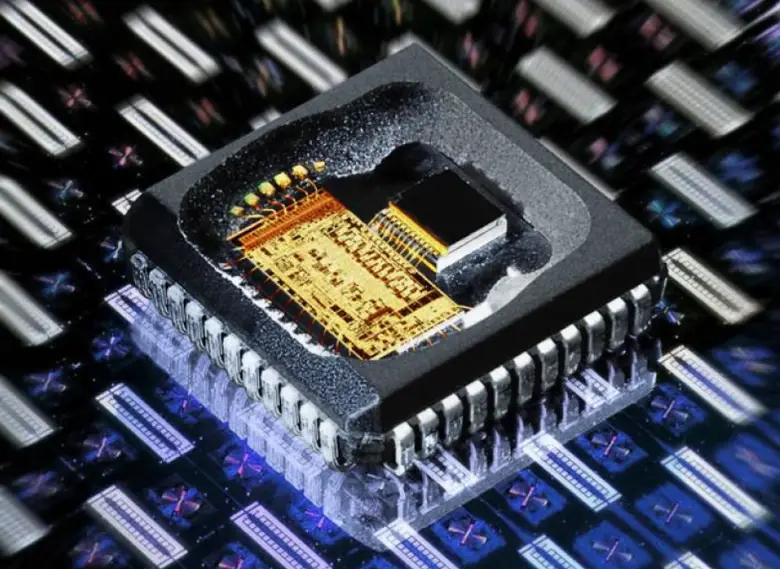
Microelectromechanical systems (MEMS)
If you are considering the blank shape, the cut-to-length vs. configured blanking classification comes into play.
Cut-To-Length Blanking
Cut-to-length blanking is a blanking process performed on an automated blanking machine that first uncoils the sheet. The machine then cuts the now-flat sheet into blanks of specific lengths. Cut-to-length lines are commonly used for aluminum alloy sheets used in automotive, aerospace, and manufacturing industries.
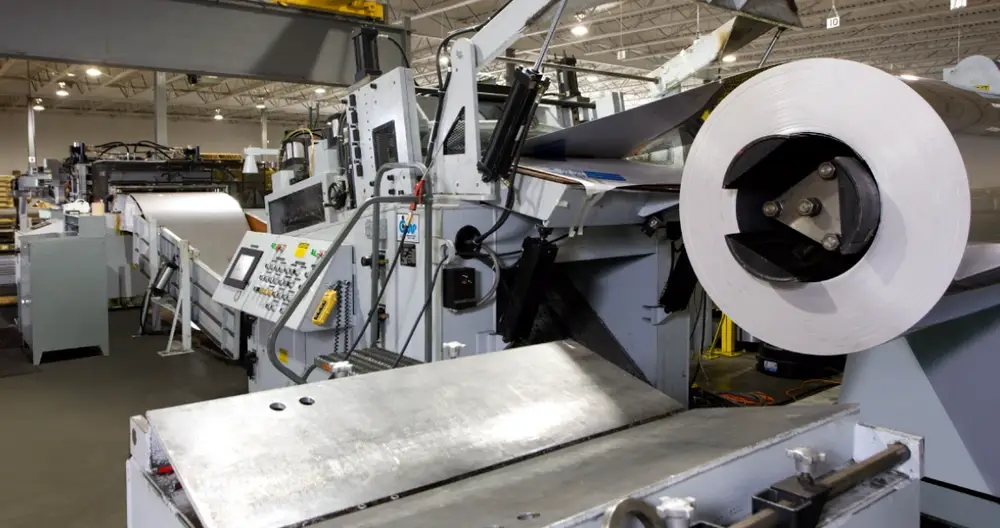
Blanking line
Configured Blanking
Configured blanking differs from cut-to-length blanking in that geometric, custom shapes are cut from the aluminum coil. The manufacturer uses a precision blank to cut any shape from the material, according to the customer’s requirements. The blanking lines are continuously fed with aluminum coils as the blanking die and punch cut the custom shape from the larger sheet metal. The process is fast and cost-effective.
Try Prolean Now!
Applications of Aluminum Blanking
Aluminum blanks, highly regarded for their versatility and high strength-to-weight ratio, are widely used in aerospace, automotive, and other industries.
Aerospace Industry Applications
Aluminum blanks can be utilized in a wide range of applications within the aerospace industry. The specific applications include;
Landing Gear and Fuel System Parts: High-strength and fatigue-resistant housings, support structures, fuel tank, and brackets.

Aircraft fuel tank
Engine Parts: Mounting brackets and turbine housings built for high vibration and temperature resistance.
Fasteners: Blanking helps produce specialized fasteners, including clips and rivets
Housings: Communication, navigation, and other control systems require housings, whose mounting devices and covers are manufactured through precision metal fabrication processes using aluminum.
Role in the Automotive Industry
The automotive industry is a major center for aluminum sheet metal blanking parts, mainly due to the material’s high strength-to-weight ratio. Aluminum parts drive the key industry priorities: lower emissions, better handling, and enhanced fuel efficiency.
Common sheet metal blanking applications in this industry are car roofs, car doors, engine components, and car body panels.
Car Roofs: Aluminum sheets may be lightweight, but they make quality car roofs. Seasoned designers and fabricators can custom-manufacture components to suit any car’s size, shape, and features.
Car Doors: Laser blanking lines for aluminum are widely used in the automotive industry when making car doors, particularly because they provide accurate, strong, and lightweight parts. Apart from enhancing fuel efficiency, aluminum doors are safer in the event of an accident.
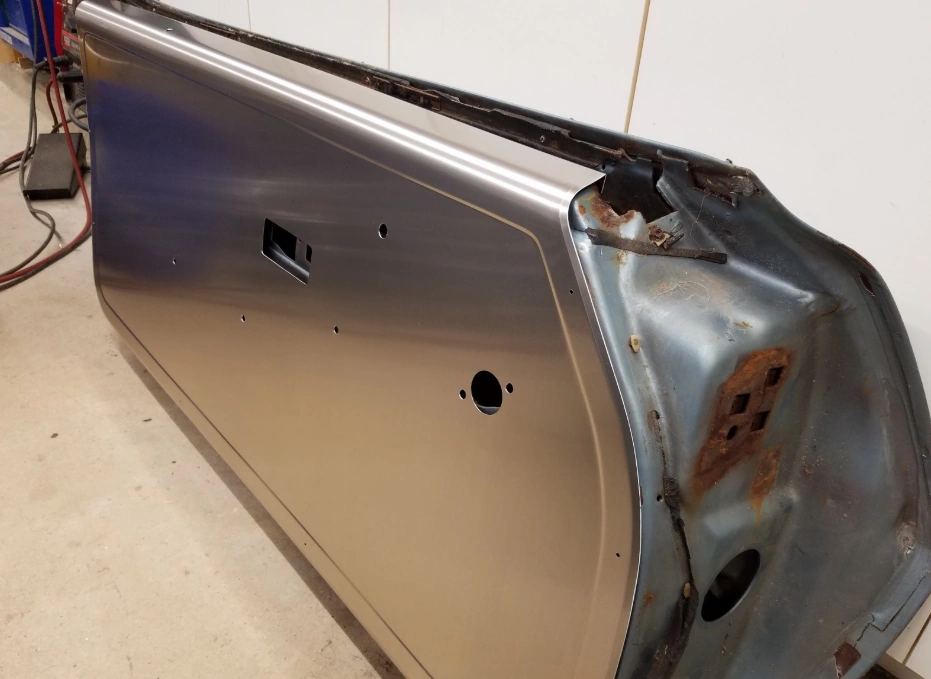
Aluminum car door panel
Engine Components: The high thermal conductivity of aluminum blanks is beneficial in the performance of engine components such as mounting plates and brackets.
Car Body Panels: For the same reasons, configured blanking for aluminum is highly regarded in the automotive manufacturing industry. Manufacturers employ advanced blanking techniques to meet stringent requirements, including those related to aerodynamic performance.
Aluminum Blanking vs Other Methods
When selecting the most cost-effective and efficient sheet metal fabrication service, the key is understanding the fine distinctions. Aluminum blanking differs from processes such as laser cutting, punching, and stamping, yet most people tend to confuse them.
Let’s look at the differences briefly.
Aluminum Blanking vs Laser Cutting
While blanking and laser cutting converge in producing flat aluminum pieces, their operating mechanisms differ. In blanking, a blanking die and punch combine to use the shearing force in cutting the sheet metal. It is a single-stroke mechanism that perfectly suits high-volume production requirements.
Laser cutting relies on beam concentration to melt the sheet aluminum along a set (programmed) path. While intricate and more versatile, laser cutting is much slower than blanking.
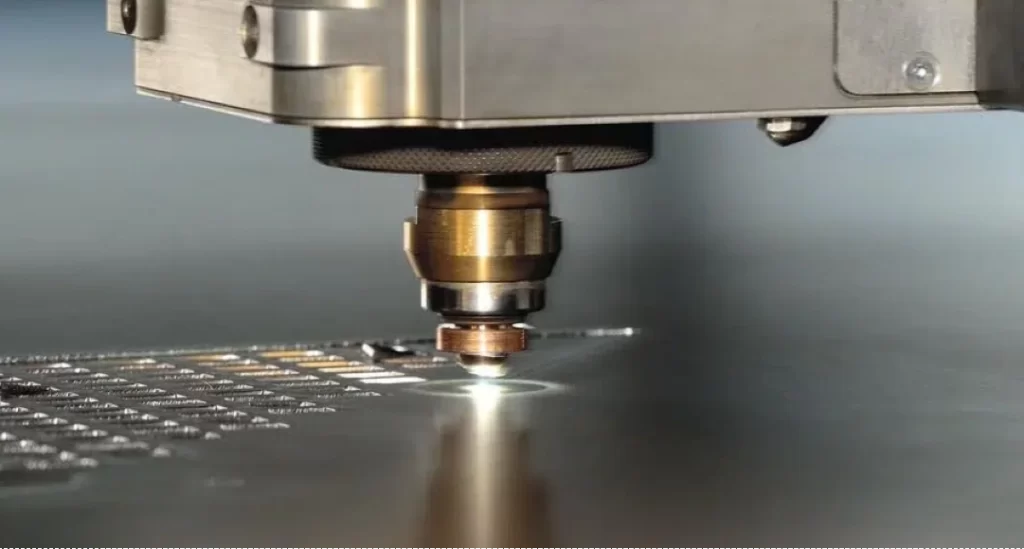
Laser cutting aluminum
Aluminum Blanking vs Punching
Aluminum blanking and punching can be easily confused because they both involve the removal of material from the parent sheet metal, and a punch and die are used in both cases. The difference is that in blanking, the dropped piece from the original sheet is the desired part, while in punching, the punched portion goes to waste.
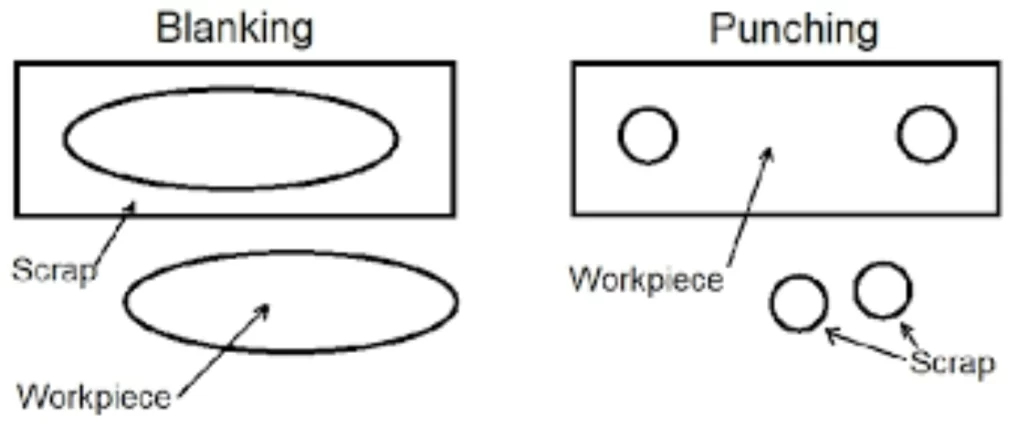
Blanking vs punching
Aluminum Blanking vs Stamping
Aluminum stamping and blanking can also be confused because blanking is generally a subset of stamping. In aluminum blanking, a die and punch work together to shear material from a sheet of metal, producing a final shape in a single operation.
Stamping, a more general term, encompasses various operations, including blanking, bending, and coining. So, aluminum blanking is limited to creating the outer outline of a piece of aluminum sheet, whereas stamping encompasses a series of operations.
Try Prolean Now!
Developments in Aluminum Blanking Technology
The pursuit of versatility, precision, and cost efficiency in sheet metal blanking has led to major technological developments, including enhanced automation, advanced die surface coatings, and servo-driven blanking press designs.
The Role of Automated Blanking
Robotic material handling systems are examples of how automation has recently transformed the blanking industry. These systems enable easier operations through automated sheet transfer, feeding mechanisms, and ejection of blanked parts.
Die Surface Coatings-Enhanced Performance and Longevity
Wear and galling are no longer tooling concerns in blanking, thanks to revolutionary carbon coating technology for dies. Sheet metal fabrication companies can now enjoy reduced maintenance costs, translating to more affordable blanking services.
Request a quote today for the most affordable, high-quality aluminum parts produced using hi-tech processes.
Servo-Driven Blanking Press Designs
When force, speed, and other aspects of blanking are controlled, the process’s success is more assured. That’s what the advanced servo presses offer. Manufacturers are using this technology to optimize fabrication for automotive, aerospace, and other industries.
In Conclusion
Aluminum blanking is a common service that delivers strong, lightweight, and corrosion-resistant parts for different manufacturing processes. Your industry would most probably find aluminum blanks useful through cost-efficient, high-performance, and durable parts.
At ProleanTech, sheet aluminum fabrication is a perfect art, meeting the diverse needs of clients in China and beyond. To learn more about our capabilities, talk to our experts today!
0 Comments