

Steel blanking
The steel blanking process is crucial in producing parts for automotive, electronic, construction, and other industries. This process converts flat steel sheets into predefined shapes and sizes that can be processed into usable parts.
As highlighted in this article, steel blanking is beneficial because it is efficient, precise, and results in high-quality parts. For these reasons, steel and metal blanking in general has revolutionized industrial production.
Fundamentally, the blanking process is simple, involving a punch and die arrangement. These tools work together to cut sheet metal into the desired shape, assisted by a blanking force.
A variety of blanking systems or styles are available for steel, including fine blanking and mechanical blanking. For more details and other aspects of steel sheet blanking, read on.
What is Blanking?
Steel blanking is a sheet metal manufacturing method entailing punching out a blank from a large sheet of steel using a press and die. The process is as depicted in the diagram below.
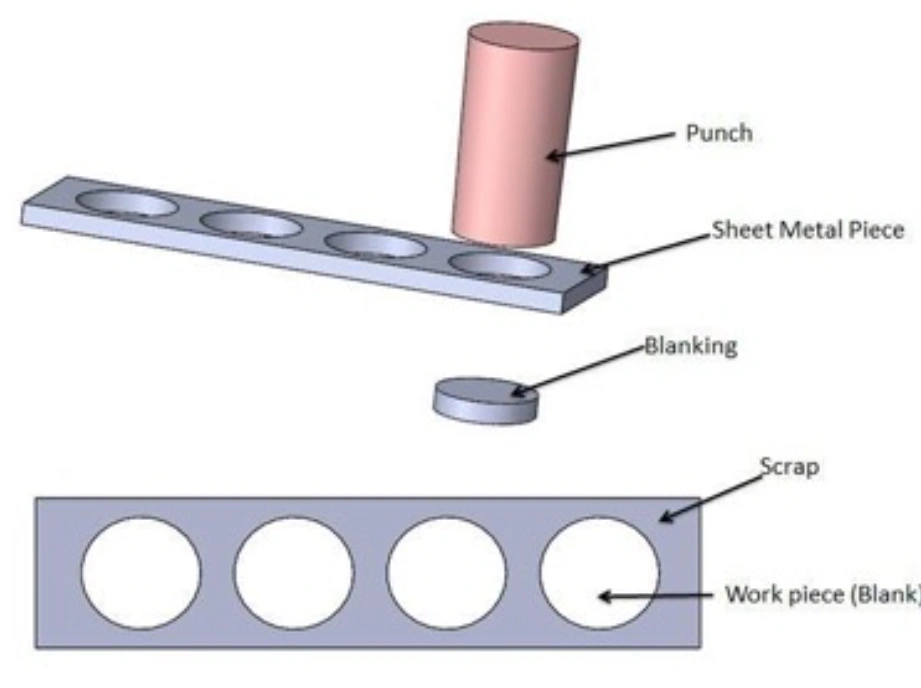
Blanking
The blank has a specified geometric shape and size, and multiple sheets can be blanked simultaneously to produce identical blanks at a time. The steel blanks normally require secondary operations to remove burrs and fine-tune the dimensions and shapes.
This is important because steel blanking means initiating the sheet metal fabrication process.
What is the Purpose of Blanking Steel?
The main benefits of the steel blanking process are:
Precise Parts
The metal blanking process is highly regarded for its ability to produce precise parts, whether custom or standard. Since the steel sheet fabrication process ensures that the blanking press and blanking die are of the highest quality, the resulting parts are accurate.
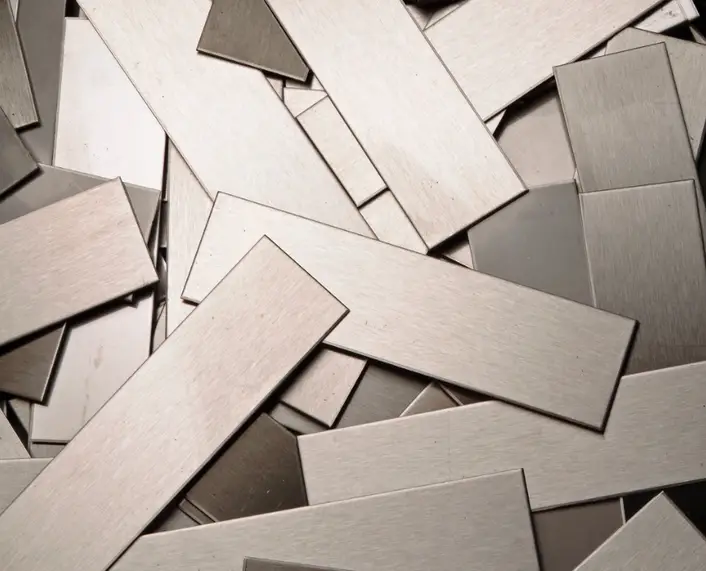
Precise steel blanks
Additionally, quality control is emphasized to ensure that every aspect of the manufacturing process meets standards and client specifications.
High Production Efficiency
Blanking is one of the efficient sheet metal fabrication techniques, particularly for mass production. When automation is incorporated, this process can provide high levels of manufacturing efficiency. The process is also cost-efficient because most of the sheet metal can be used (minimal waste) due to the precise cuts.
High Versatility
Blanking systems are designed for a wide range of metals. The blanking die and press can be adjusted to suit different steel grades and sheet thicknesses.
What is the Process of Steel Blanking?
The steel blanking process comprises material preparation, press & die setup, cutting (blanking), quality inspection, and finishing. Each of these steps of sheet metal blanking is professionally handled to ensure consistent, quality results.
Here are some details about these steps:
Material Selection
The quality of sheet steel parts depends on the relevance of the steel grade used. Manufacturers consider factors such as environmental conditions and planned application of the fabricated steel part.
Material Preparation
The next step is to prepare the material for sheet metal blanking, which entails cleaning the surface and removing surface imperfections.
Die Setup
The steel blanking die is then set in place with the sheet metal in between the punch and die cavity.
Cutting (Blanking)
During cutting, the press is powered on, allowing the punch to exert force and push the steel sheet into the die cavity. The metal is sheared according to the design, resulting in accurate, smooth edges.
Quality Inspection
Once the parts have been cut, they undergo a rigorous quality control and inspection process to ensure compliance with standards and requirements.
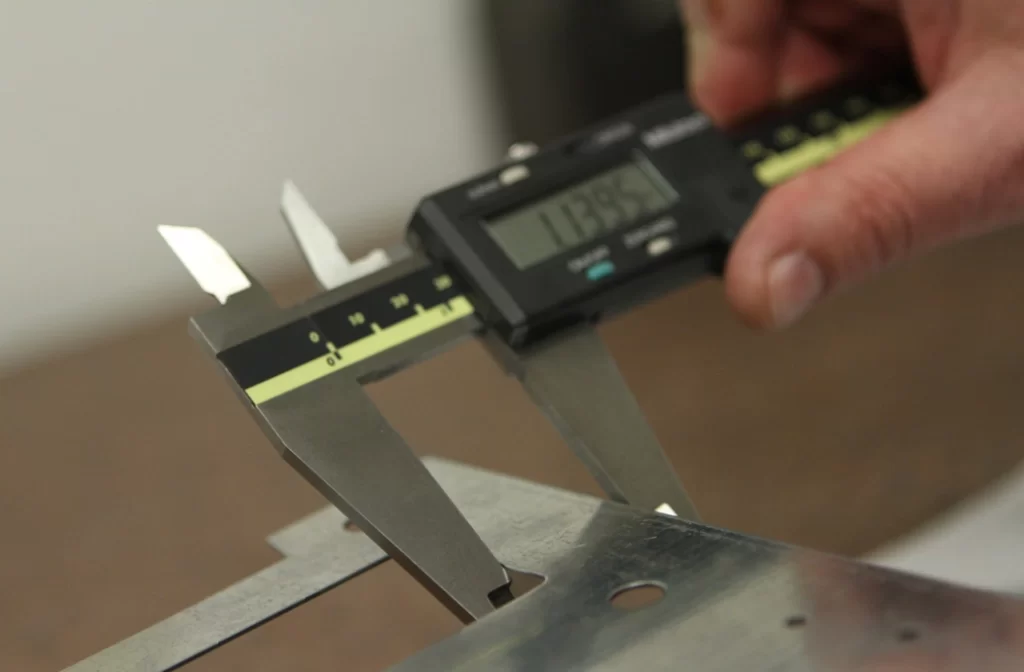
Quality inspection
Secondary Operations
Some blanked steel parts may require secondary operations such as coating and polishing.
Types of Blanking Techniques for Steel
The blanking process for steel can be either through fine blanking, laser blanking, or mechanical blanking. Each of these techniques is suited for particular situations, but has its limitations.
Fine Blanking
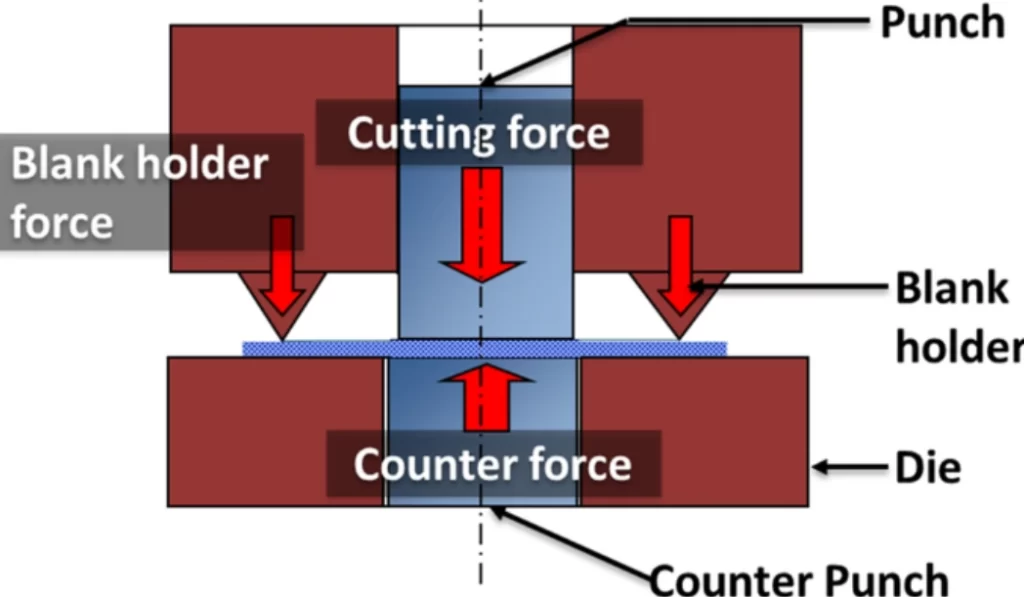
Fine blanking
A steel sheet can be fine-blanked, a process in which a specialized die and punch produce high-precision parts. ProleanTech uses this method when interested in blanks with smooth edges and tight tolerances.
Laser Blanking
Laser blanking is also preferable for intricate, accurate steel blanks. The core of the cutting mechanism is a laser.
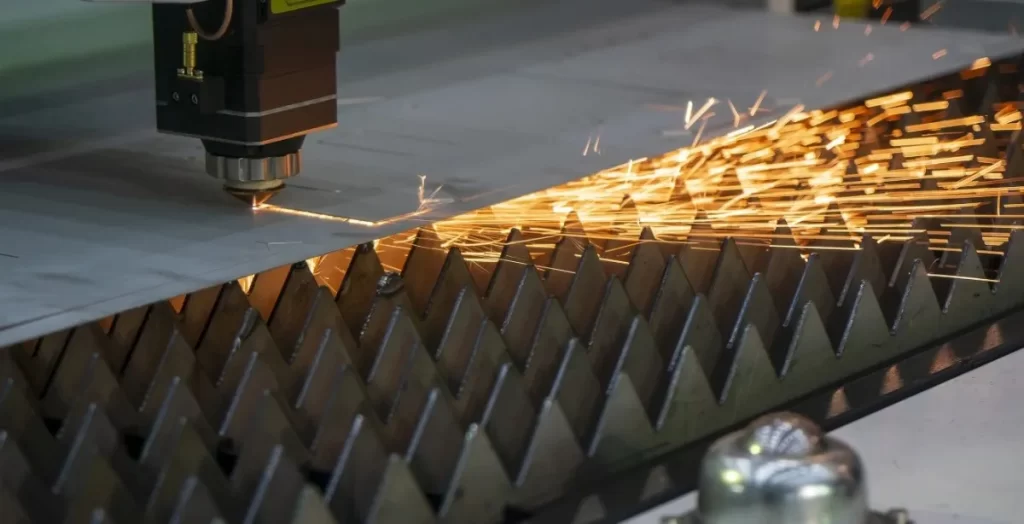
Laser blanking
Mechanical Blanking
Mechanical blanking involves the traditional combination of a die, punch, and press brake.
Try Prolean Now!
Common Applications of Steel Blanking
Blanking press and other tooling are popular in steel part production for industries such as automotive, construction, and appliance. These industries rely on blanking expertise and machinery to reliably and cost-effectively produce a wide range of parts, some of which are covered in the next section.
What are Steel Blanks Used For Exactly?
Steel blanks are starting parts in several industries, including automotive, appliance, and construction. Get an instant quote to discover how steel blanks for these and other sectors are manufactured.
Automotive Parts
The automotive manufacturing process requires steel blanks for various components, including fuel tanks, exhaust systems, body panels, suspension systems, and chassis.
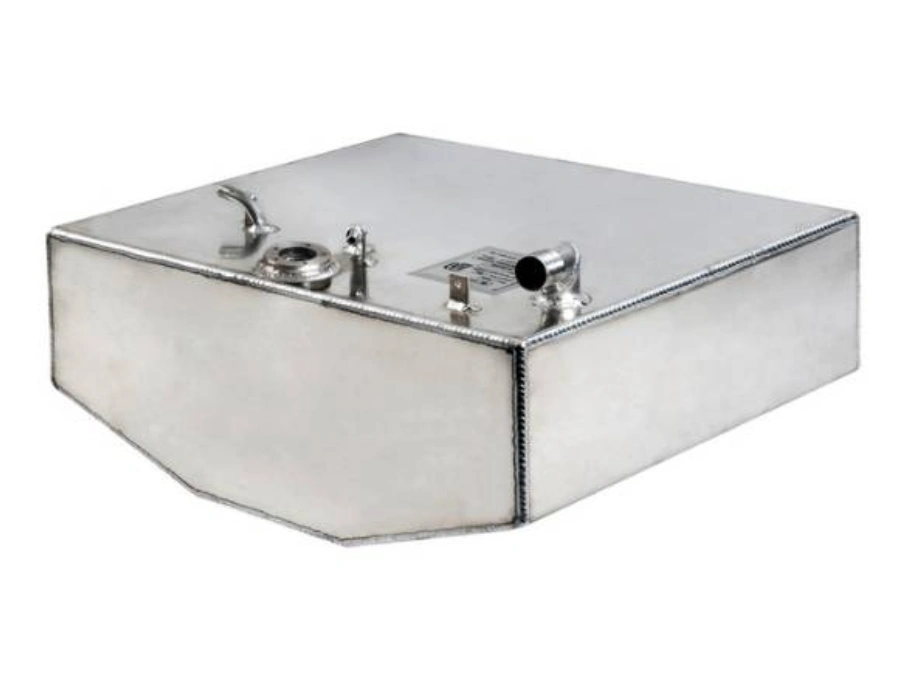
Steel fuel tank
Steel suits these parts because it is corrosion-resistant, strong, rigid, and durable. Steel blanks for these systems deliver the necessary resilience and strength for different performance conditions.
Appliances
Appliances are another demanding application that benefits from sheet metal fabrication techniques for steel. The metal pieces are reliably used in the manufacture of dryers, refrigerators, and washers, among other home appliances.
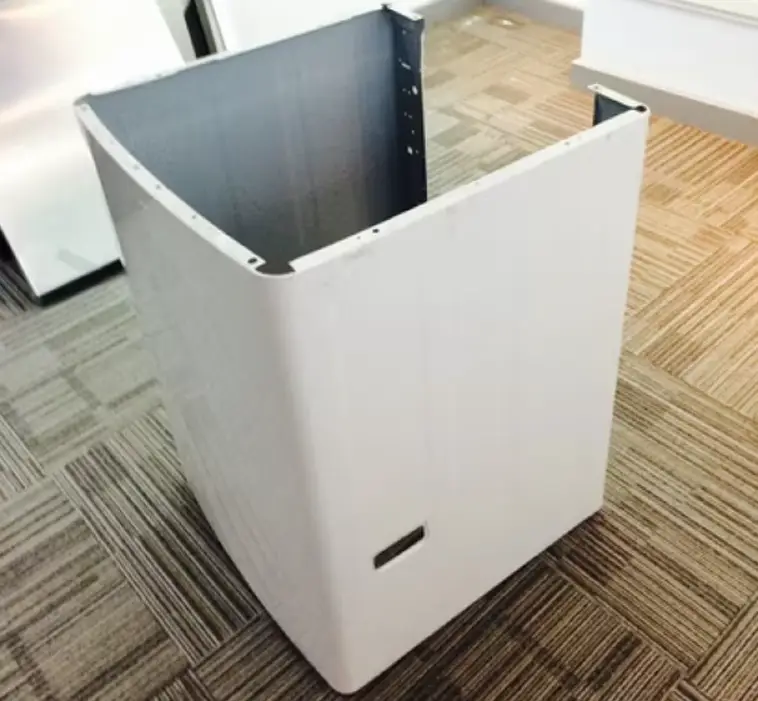
Steel sheet refrigerator panel
To enhance the durability and aesthetics of appliance parts, the steel blanks are usually powder-coated or zinc-coated. Manufacturers use progressive blanking presses for high-volume manufacturing.
Construction Industry
Additionally, the construction industry is a key application of steel blanking. Get an instant quote for custom blanking services for roofing, framing, and many other applications within the construction industry.
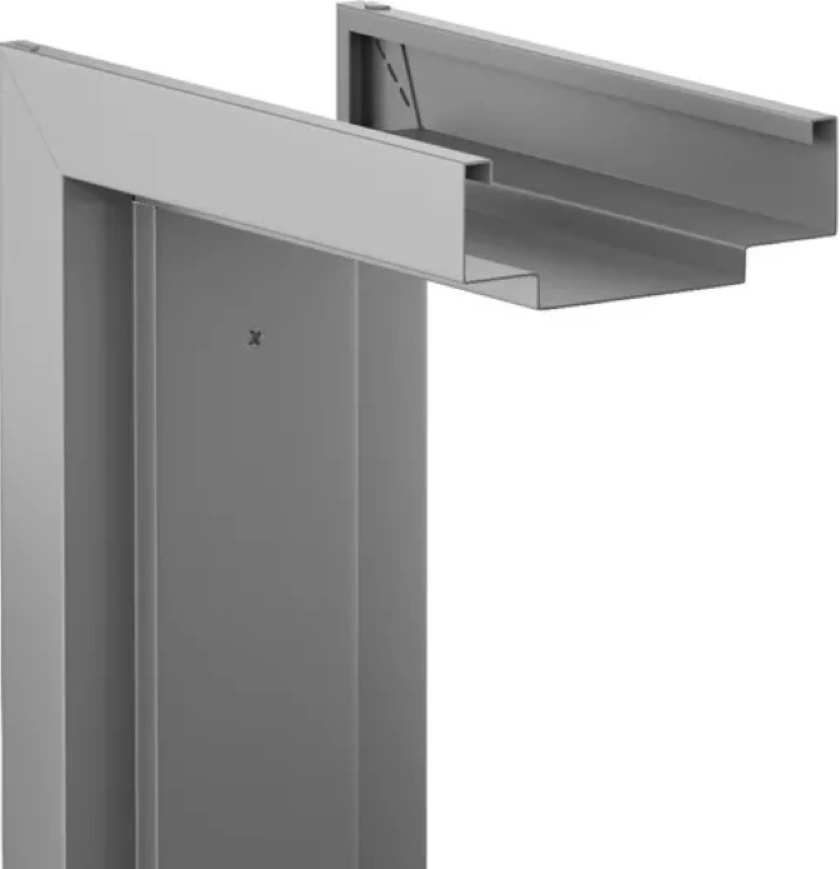
Steel door frame
A yield strength of up to 550 MPa makes galvanized steel blanks an ideal choice for construction projects that require strength and corrosion resistance. Advanced cutting technologies, such as plasma and laser cutting, are particularly beneficial for parts with complex geometries.
Electrical Industry
Steel blanks are also widely used in electrical parts for their cost-effectiveness, formability, and electromagnetic shielding characteristics. Motor laminations and transformer cores feature these types of blanks to minimize energy losses.
Try Prolean Now!
Countering Common Challenges in Steel Blanking
Metals present unique challenges in forming and cutting. Steel blanking can also present some issues, including tool wear, variability in material properties, and alignment issues.
However, with quality sheet metal fabrication services, there are always means to work around these challenges.
Let’s discuss the common blanking issues for steel a little more.
Tool Wear
The blanking tools for steel can undergo substantial wear due to the stress exerted by the process. Although tool wear may not be immediate, it occurs over time. If not checked, tool wear can cause downtimes and even affect blanking accuracy.
Reliability in steel fine blanking means not only regularly maintaining the tools but also ensuring that only high-quality tool materials are used. Advanced tooling technology utilizes alloy materials and coatings that can enhance tool performance.
Variability in Material Properties
Another challenge for any fabricator is the fact that many steel grades are involved. Properties unique to each grade, along with the differences in material thickness and surface properties, make wholesome or standard blanking approaches almost ineffective.
That’s why careful steel grade selection and testing are paramount in blanking projects. Modern sheet metal processing technologies have also proven helpful in navigating this challenge.
Misalignments
Misalignments can occur during the metal blanking process, resulting in inaccurate parts and material wastage. The solution is to optimize the setup process, often through the use of modern leveling systems.
In Conclusion
Steel is one of the most common materials in metal blanking processes due to its strength, availability, and durability. Combined with the dependability of modern blanking systems, the metal delivers high-quality, efficient, and precise parts for many industries.
0 Comments