
“Although prototyping enhances functionality, aesthetics, and durability, it often presents notable challenges and typically incurs higher costs compared to mass-produced parts.’’
However, estimating the exact cost of prototyping for machine parts can be challenging. However, estimating the exact cost of prototyping for machine parts can be challenging within rapid prototyping development. Understanding these variables is crucial for making informed decisions throughout the prototyping process and optimising expenses. Understanding these variables is crucial for making informed decisions throughout the prototyping process and optimising expenses. This is especially important in a structured prototype planning process.
In this article, we’ll explore the key factors influencing the cost of prototype parts. Moreover, we will examine the machining techniques and essential considerations in optimising the cost intended for your prototyping needs.
Factors Affecting the Cost of Prototyping
Several key factors impact the overall cost of prototypes. Let’s break down these considerations that influence the prototyping costs;
1. Material Choices
Material selection significantly impacts the costs associated with CNC prototyping. The raw material cost plays a crucial role, especially when dealing with exotic materials like titanium, which can exceed $100 per kilogram, compared to standard options like aluminum, which typically range from $20 to $50 per kilogram.
When selecting materials, it is essential to strike the right balance between cost and performance. Plastics, for example, generally offer more affordable solutions than metals.
For instance, ABS Plastic, Nylon, PVC, PLA, PEEK, and Polyethylene are the most commonly employed plastics for functional and aesthetic prototypes. ABS, among other polymers, is famous for helping to reduce costs in large-volume productions. It costs between $5 and $10 per kilogram. Among metals, aluminum alloy 6061 stands out as the best and most economical option, with prices ranging from $20 to $50 per kilogram.
Additionally, the machinability of materials impacts costs significantly. Understanding metal material properties for prototyping helps optimize machining efficiency and cost. Complex materials require slower machining, which increases production expenses. For instance, easily machined aluminum may incur lower prototyping costs than high-strength plastics, which are more challenging to machine.
2. Design Complexity
Managing your prototyping budget effectively begins with understanding how design complexity impacts costs. Parts with intricate features such as curves, undercuts, or numerous small details require complex machining paths, leading to longer production times and potentially doubling costs compared to simpler designs with straight lines.
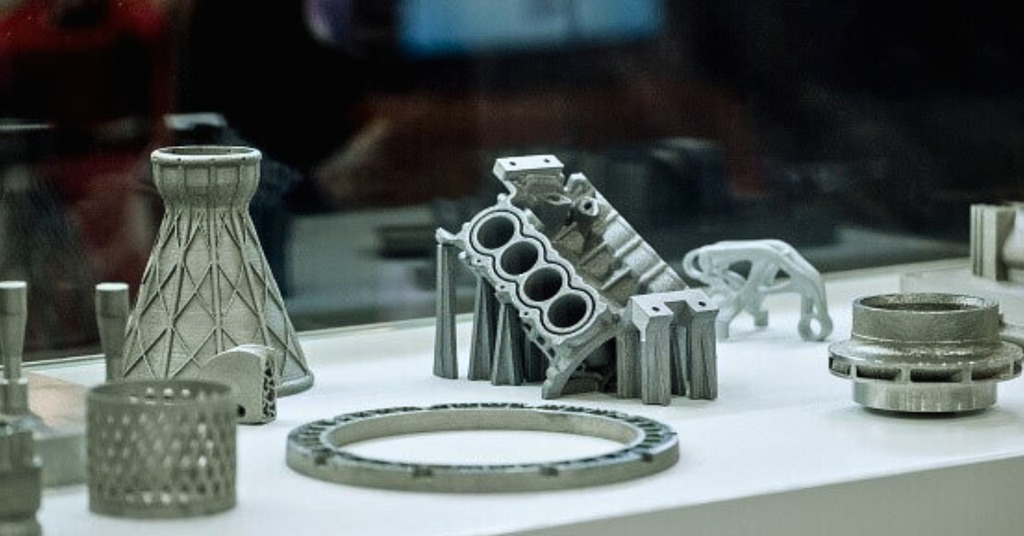
Complex Metal Prototypes
Conversely, simpler geometries can be machined more quickly, reducing costs by an estimated 20-30%. Tight tolerances present another challenge, as achieving high precision often requires slower machining speeds and multiple machining passes, which can triple the cost compared to loose tolerances that allow faster production.
Additionally, complex parts necessitate frequent tool changes and specialized tooling, adding setup time and extra expense. In contrast, simpler designs can often be machined with standard tools, eliminating these cost factors.
3. Required Tolerances
Tighter tolerances in CNC prototyping significantly impact costs, necessitating more precise machining techniques. Achieving higher precision requires slower machining speeds, multiple passes, and potentially specialized tooling, all of which increase production time and expenses.
Additionally, parts with tight tolerances require more thorough inspection processes to ensure they meet the specified dimensions, which further contributes to higher costs.
Studies have demonstrated that tightening tolerances from rough (e.g., ±0.030″) to tighter (e.g., ±0.005″) can double prototyping costs. For ultra-tight tolerances (e.g., ±0.001″), costs can quadruple. Therefore, when evaluating quotes for CNC prototyping, it’s crucial to prioritize functionality over extreme precision. Loose tolerances may be sufficient for prototyping purposes, allowing for functional prototypes while keeping costs manageable.
4. Labor Costs
Skilled labor significantly contributes to prototyping costs. Manufacturing industries employ machinists, designers, and support staff whose expertise directly influences labor expenses. Complex parts, tight tolerances, or designs requiring optimization for CNC manufacturing may demand more experienced personnel, leading to higher labor costs, typically ranging from $80 to $100 per hour.
Conversely, simpler parts can be machined by less experienced operators, resulting in lower labor costs, typically ranging from $40 to $60 per hour. The complexity of the design and machining time ultimately determine the overall labor cost. Collaborating with a CNC service provider to explore design optimization strategies can help reduce machining time and labor costs.
5. Production Volume
Ordering multiple CNC prototypes together can help you save money in several ways. Firstly, you can spread out setup costs like programming and tooling by ordering more of the same parts at once. Each piece becomes cheaper, typically by around 10-30%. So, it is important to adopt tooling cost reduction strategies to minimize the prototyping budget.
Additionally, once everything is set up, making more parts becomes faster, which saves on labor costs, usually about 5-15%. Furthermore, buying materials in bulk may qualify you for discounts, generally around 5-10% less.
However, it’s important to remember that ordering too many parts might not save you as much money, so it’s a good idea to consult with engineers to find a thoroughgoing solution within a specified budget.
6. Surface Finish
The desired level of surface finish also greatly impacts the overall cost. CNC machining inherently produces a certain level of surface finish, often described as “as-machined” or “as-milled.” While functional, this finish might only be suitable for some applications.
Post-processing techniques like polishing, anodizing, or sandblasting are employed to achieve a smoother, and functionally enhanced surface. These finishing methodologies add value to your prototype but come with additional financial implications.
Fortunately, an “as-machined” finish might suffice for prototyping purposes, especially if the focus is on functionality over aesthetics. If a surface treatment is necessary, consider selecting a single finishing process that meets your essential requirements rather than opting for multiple finishes, which can inflate the prototyping cost.
Try Prolean Now!
How Rapid Prototyping Methods Influence the Overall Cost?
The careful analysis of the prototyping method plays a central function in cost optimization. Mostly, design engineers employ 3D printing, CNC machining for prototypes, and injection molding for designing complex prototypes. Let’s discuss how these methods influence the overall costs of rapid prototyping:
1. Rapid Prototyping with 3D Printing
3D printing, also known as additive manufacturing, constructs objects (prototypes) layer by layer from digital designs, offering versatility and customization for various industries. It revolutionizes manufacturing processes by reducing material waste, enabling rapid prototyping, and facilitating the production of complex geometries with high precision and short turnarounds.
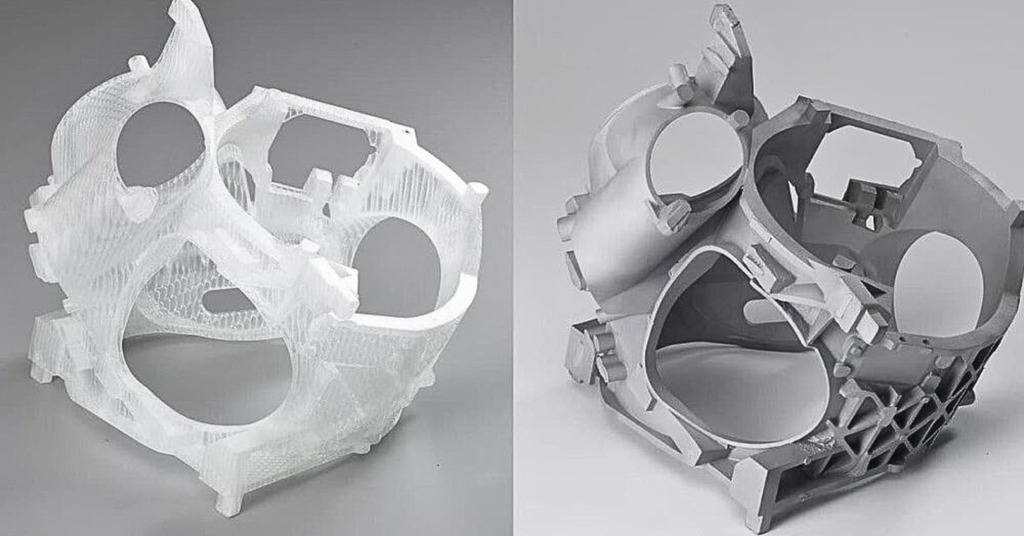
3D Printing Rapid Prototyping
There are three fascinating techniques mostly integrated for rapid prototyping needs; These are stereolithography, selective laser, and fused deposition. Let’s evaluate their pros and cons and how these technologies impact to prototyping costs.
SLA (Stereolithography):
Pros:
- It brings finesse and precision in rapid prototypes and is also suitable for complex geometries.
- A smooth surface finish reduces post-processing requirements.
- SLA allows designer engineers to verify their designs in a physical form before proceeding to full-scale production, mitigating potential risks of pre process pitfalls.
Cons:
- It facilitates limited material compared to other prototyping methods.
- Higher initial capital cost is needed to employ this method for rapid prototyping needs.
- Stereolithography usually takes longer printing times which ultimately contributes to higher overall costs in terms of labor and materials requirements.
SLS (Selective Laser Sintering):
Pros:
- SLS can utilize a wide range of plastic materials including engineering-grade thermoplastics, polymers, and metals.
- There is no need for support structures that significantly minimize material waste.
- It brings superior adhesion between the layers that directly strengthen the prototype.
Cons:
- Porous or rougher surface finish as compared to other additive methods.
- SLS takes longer processing times for larger and more sophisticated parts.
- SLS generally takes longer processing times to machine prototype which eventually contributes to higher overall expenses.
FDM (Fused Deposition Modeling):
Pros:
- Fused deposition modeling lowers the equipment and material costs compared to stereolithography and selective laser sintering.
- It enables product designers to quickly and economically iterate and refine prototypes in a short period of time.
- FDM facilitates the creation of highly customized and personalized products for specified needs.
- FDM helps product manufacturers to achieve It fast build up times for simpler design geometries.
Cons:
- There are confined material options, especially for high-temperature prototyping applications.
- Support structures may be required for overhangs.
- Material wastage and post-processing requirements increase the costs, and timeline and contribute to higher overall costs for machine prototypes.
- Normally, FDM gives limited resolution and surface finishes to prototypes.
2. CNC Machining
CNC machining significantly impacts the overall costs of rapid prototyping due to certain reasons.
Firstly, material costs play an insistent role in this context. As CNC machining utilizes materials such as metals or plastics for machining to shape critical prototypes. Mostly, these materials come with higher initial investments. Moreover, the time required for machining directly affects the cost of rapid prototyping. This means that longer machining times ultimately emendate to higher costs.
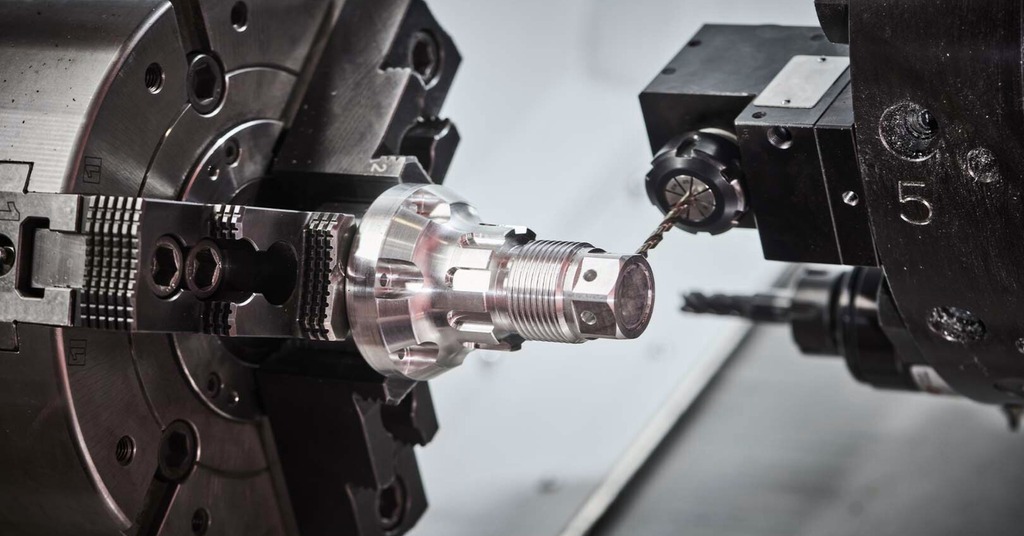
CNC Rapid Prototyping
Secondly, the complexity of the design also results in higher costs. The intricate designs may entail more machining time and require specialized tooling, which leads to increased financial implications.
Let’s evaluate merits and demerits while utilizing CNC Machining for rapid prototyping needs;
Pros:
- It’s highly adaptable and reliable to machine a wide range of materials.
- CNC machining gives excellent surface finish and perfect dimensional accuracy to prototypes.
Cons:
- CNC machining requires longer processing time for complex shape prototypes.
- It produces more material wastes that ultimately lead to increased costs, especially for large parts.
- It requires higher machining costs compared to additive prototyping methods which leads to higher costs of prototyping.
3. Prototype Injection Molding
Injection molding is widely adopted for the economical production of larger volumes of prototypes in minimal turnarounds.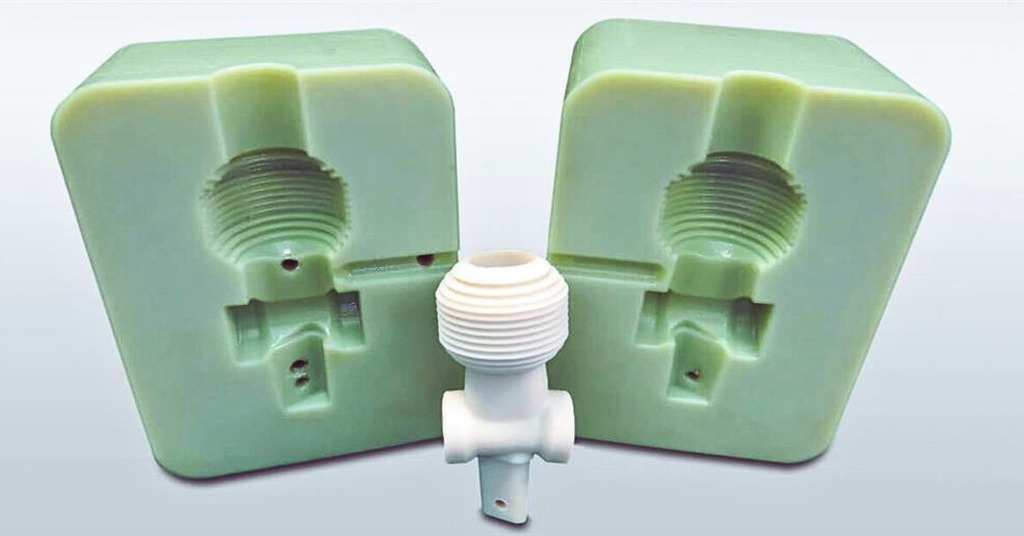
Rapid Injection Molding Prototype
However, there are certain considerations that a product designer must examine while designing these critical prototypes. These include; design states, production quantities, and lead times. Let’s figure out some of the merits and demerits of prototype injection molding;
Pros:
- Injection molding is a fascinating method to test and validate prototype designs before full-scale production of components.
- Injection molding is a viable option to prototype larger volumes with minimal cost per part.
- Injection molding paves the way to integrate a wide range of materials to shape prototypes.
Cons
- The higher initial capital costs of injection molding are a considerable drawback. These costs are associated with tooling and mold changeovers.
- Injection molding facilitates limited prototyping design options for manufacturers.
- The lead time is longer as compared to additive manufacturing processes.
Machining Techniques for Prototype Manufacturing
Several machining methods are used to transform complex designs into the desired shape. Let’s determine the suitable machining methods for designing prototypes.
1. CNC Machining
CNC machining automates the process for precise control and creation of complex parts. CNC machining offers two primary techniques to shape prototypes;
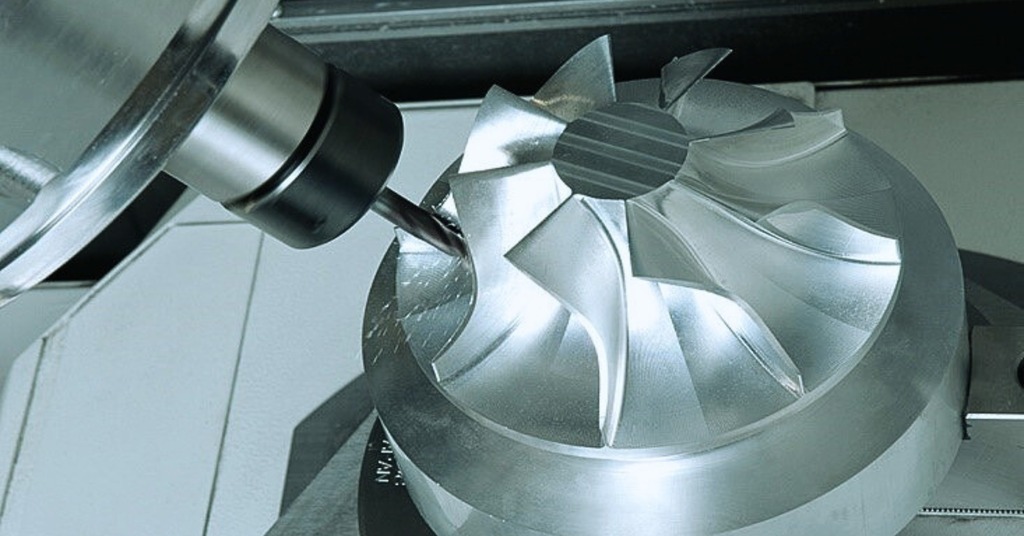
CNC Prototype
- CNC milling is a versatile method. It utilizes rotating cutting tools to remove excessive material from a solid workpiece, excelling at creating complex 2D and 3D geometries with high precision (estimated cost: $40-$200 per hour, depending on complexity).
- CNC turning is ideal for producing cylindrical shape prototype parts like shafts or pins. It employs a rotating workpiece and stationary cutting tool to achieve precise dimensions and smooth surface finishes (estimated cost: $30-$150 per hour, depending on complexity).
- Drilling cost estimation: CNC drilling typically involves using a rotating drill bit to create holes in a workpiece. Like other CNC processes, the cost can vary depending on the complexity of the parts, the material used, and the production volume. For CNC drilling, the cost typically ranges from $25 to $100 per hour. This price variation can be attributed to factors such as the type of material being drilled, the depth and diameter of the holes, the precision required, and the overall complexity of the setup and operation.
Related Resource: CNC machining costs
2. Electrical Discharge Machining (EDM)
Electrical Discharge Machining is a nontraditional technique that uses electrical sparks to erode the material, creating intricate features and tight tolerances on even the most sophisticated and hard materials. (The Estimated Cost is $75-$300 per hour, depending upon the part complexity.)
3. Multi-Axis Machining
3-axis, 4-axis, and 5-axis machining methods are commonly employed to design prototypes in this context. Simpler prototypes often utilize 3-axis machines moving along the X, Y, and Z axes. Multi-axis machines (4-axis or 5-axis) offer increased flexibility with additional rotational capabilities for more intricate geometries. (estimated cost Increase for multi-axis: 20-50% due to higher machining complexity and tooling requirements).
4. 3D Printing
3D printing offers a fast and flexible alternative for creating functional prototypes. This additive manufacturing process builds parts layer-by-layer from a digital 3D model. While generally less precise than CNC machining, 3D printing excels at creating complex geometries and internal features that might be difficult or expensive to machine (estimated cost ranges from $50-$500 per prototype, depending on size, material, and complexity).
Ways to Reduce the Cost of Prototyping
CNC machining is a valuable resource for producing functional prototypes of machine parts. Yet, it’s crucial to manage costs effectively. Let’s explore practical ways to optimize your prototyping budget, aiming for cost-effectiveness while maintaining functionality.
Here are the outline strategies to strike this balance;
1- Design For Manufacturability (DFM)
Engaging with your CNC provider during the initial design phase enables them to pinpoint opportunities for simplification. This collaboration can reduce complexity and machining time, ultimately driving down costs. Consider alternative geometries that maintain functionality with fewer intricate features. By optimizing the machining process, expenses related to complex toolpaths can be minimized.
2. Material Selection: Balancing Cost and Performance
It’s vital to balance material cost with performance when prototyping. Look for affordable options that still meet your needs. Instead of pricey materials like titanium or brass, consider standard aluminum alloys. Remember that machining more rigid materials takes more time and money so, whenever you can, go for materials that are easier to work with.
3. Prioritize Function Over Finish
At the outset, prioritize functionality over aesthetics. Initially, opt for an “as-machined” finish, which can suffice in the early prototyping stages. This approach eliminates the need for additional post-processing techniques such as polishing or anodizing, which can significantly increase costs.
4. Consider 3D Printing for Simple Parts
Consider using 3D printing as a budget-friendly option for basic parts that aren’t critical. While it may not be as precise as CNC machining, 3D printing is great for making complex shapes that are hard or expensive to machine. This lets you test out basic functions at a lower cost before moving on to CNC prototypes.
5. Optimize Order Quantity
Ordering multiple prototypes within reasonable limits can effectively decrease the cost per unit. The overall cost per piece is reduced by spreading fixed setup costs, such as programming and tooling, across a larger batch. It is advisable to discuss optimal order quantities with your CNC provider, tailored to the specific requirements of your project, to achieve the most cost-effective solution while maintaining quality standards. Implementing these strategies can significantly reduce your prototyping costs while ensuring functionality and quality.
Remember, successful and budget-friendly CNC prototyping requires balancing design optimization, material selection, and collaboration with a reliable CNC machining partner.
Read more:
- The Science and Technology Behind EDM
- CNC Machining Trend For 2024
Try Prolean Now!
Prototyping Services at Prolean
At Prolean, we recognize the importance of cost efficiency in prototyping. Our skilled engineers and machinists collaborate closely with you to find the most economical ways to produce your machine parts. With expertise in material selection, design for manufacturability (DFM), and efficient machining techniques, we aim to minimize turnaround times and keep your prototyping costs in check.
Our CNC prototyping services cover a range of needs, including:
- Multi-axis CNC machining for intricate parts
- Precision turning and milling for precise tolerances
- A variety of materials to match different applications
- Expert finishing services to meet both aesthetic and functional requirements
We’re committed to transparency in pricing and transparent communication throughout the prototyping process. Contact us today for free CNC machining quotes.
Summing Up
CNC machining is an exceptional method for designing machine parts prototypes, but keeping costs in check is vital. To make smart decisions during prototyping, consider factors like material choice, design complexity, finishes, labor, and production volume.
Moreover, this article contains the essential details for managing the prototyping budget effectively. Choose economical materials that suit your needs, and initially focus on function over appearance.
Furthermore, you can reduce the cost by ordering multiple prototypes per unit. Successful prototyping involves finding the right balance between design optimization, material selection, and collaboration with a trusted machining partner.
FAQs
Q1: How does tolerance impact CNC prototyping cost?
Tighter tolerances with high precision require slower machining and specialized tooling. This translates to longer machining times and ultimately leads to a rise in labor costs, which impacts the overall prototyping costs.
Q2: What is the difference in cost between 3-axis and 5-axis CNC machining for prototypes?
3-axis CNC machines are generally more straightforward and less expensive than multi-axis machines like 5-axis variants. For simple parts with basic geometries, a 3-axis machine might suffice, leading to a lower cost.
However, 5-axis machines offer greater flexibility for complex geometries, but this capability comes with a potentially higher cost for machine operation and the need for complex tooling.
Q3: How can I reduce the cost of CNC machining prototypes when material selection is crucial for functionality?
While material cost plays a crucial role, consider machinability as well. Less machinable materials require slower processing, increasing machining time and cost. Explore options with similar functional properties but better machinability to reduce prototyping costs without compromising performance.
Q4: How can I minimize the impact on CNC prototyping costs if my design requires high-quality surface finishes?
Achieving a desired surface finish through polishing or anodizing, although adds value along with an additional cost. An “as-machined” finish meets the prototyping purposes if functionality is the primary concern.
If a surface treatment is a key consideration in your project, select a single finishing process that meets your essential requirements rather than opting for multiple finishes, which can significantly inflate the prototyping cost.
Resource
Wei-Chen Lee, (Nov: 11, 2014), Development of a hybrid rapid prototyping system using low-cost fused deposition modeling and five-axis machining: Journal of Materials Processing Technology: Retrieved From: Science Direct.
continuously i used to read smaller posts which gives concise information’s, like this article cleared me the prototyping cost in 5 minutes.