
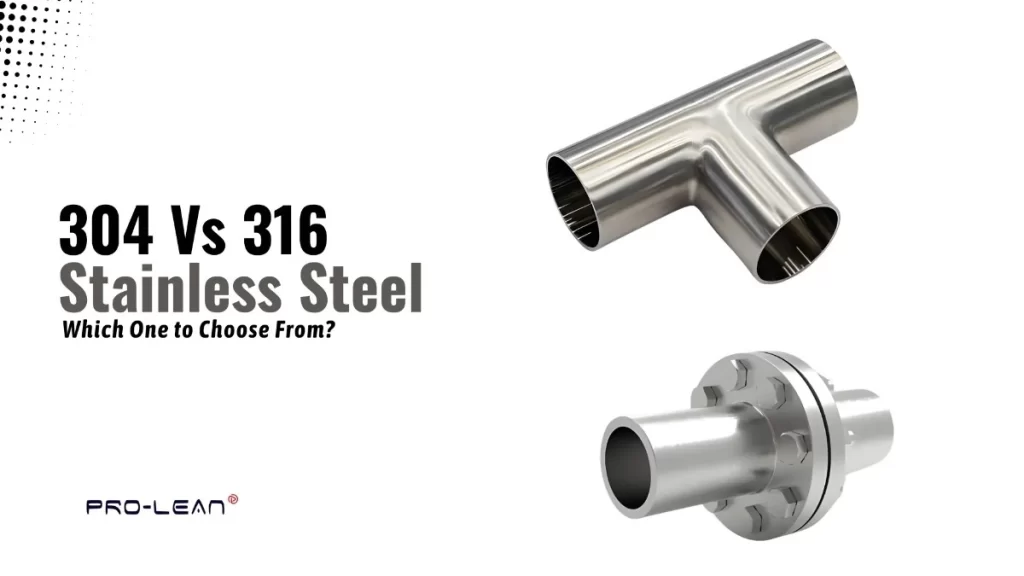
304 vs 316 Stainless Steel
At first glance, 304 vs 316 stainless steel look the same. In actuality, their chemical makeup dictates the apparent differences in corrosion resistance, durability, and overall cost. The right grade depends on where and how the material is used.
Stainless steels are all made from iron (Fe) and chromium (Cr). Grade 304 (or 18/8) stainless steel typically contains approximately 18% Cr and 8% Ni. Therefore, its low yield strength and high ductility make it suitable for forming and rolling. This elemental combination makes it useful as a steel material for general machining applications.
On the other hand, grade 316 stainless steel has reduced Cr to about 16%, increased Ni to approximately 10%, and included an additional 2-3% Mo (molybdenum). The inclusion of molybdenum improves corrosion resistance against chemicals and seawater. In addition, the presence of molybdenum makes it well-suited to marine, medical, and chemical environments compared to the 304 stainless steel grade.
This article will walk you through a detailed comparison between 304 vs 316 stainless steel by highlighting their properties (physical+chemical+thermal), and typical applications.
What Is 304 Stainless Steel
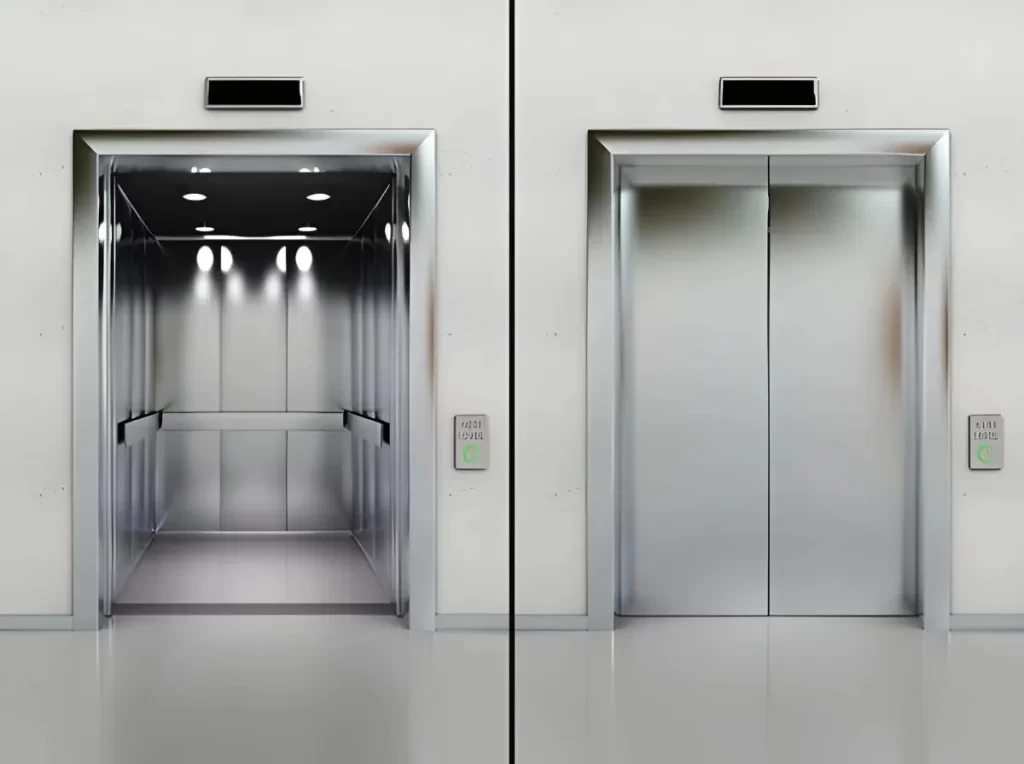
304 Stainless Steel Open and Closed Elevator
304 stainless steel is a flexible grade and is widely used across various industries due to its high corrosion resistance. It contains approximately 18% Cr and 8% Ni. Its good corrosion properties make it ideal for a variety of products, like sink basins, cookware, building panels, food processing equipment, and pharmaceutical equipment, etc.
There are many variants of 304 stainless steel. For example,
- 304L: It has less carbon content and is suitable for welding of thicker materials.
- 304H: It has a higher carbon content and is best for use at elevated temperatures.
- 304 SS: It cannot be strengthened by heating; however, it can be machined and welded relatively easily.
304 Stainless Steel Properties
304 stainless steel is a non-magnetic grade. It has excellent strength and is widely used in kitchenware, food processing, and industrial applications.
Table 1: Properties of 304 Stainless Steel
|
Property |
Value / Description |
|
Chemical Composition |
Fe (66–75%), Cr (17–20%), Ni (8–11%), C ≤0.08%, traces of Mn, Si, P, S, N |
|
Carbon Content |
≤ 0.08% |
|
Density |
0.286 lb/in³ |
|
Yield Strength |
31,200 psi |
|
70 HRB |
|
|
Magnetism |
Non-magnetic (may become slightly magnetic after cold work) |
|
Food Grade |
Yes |
|
48%, work hardens quickly (303 SS preferred for easier machining) |
|
|
Thermal Conductivity |
112 Btu-in/hr-ft²-°F |
|
Specific Heat Capacity |
0.12 Btu/lb-°F |
|
Linear Thermal Expansion |
9.61 µin/in-°F |
|
Melting Point |
2,550–2,650°F |
|
Common Applications |
Sinks, saucepans, cutlery, food processing equipment, and architectural panels |
What Is the Difference between 304 Vs 304L Stainless Steel?
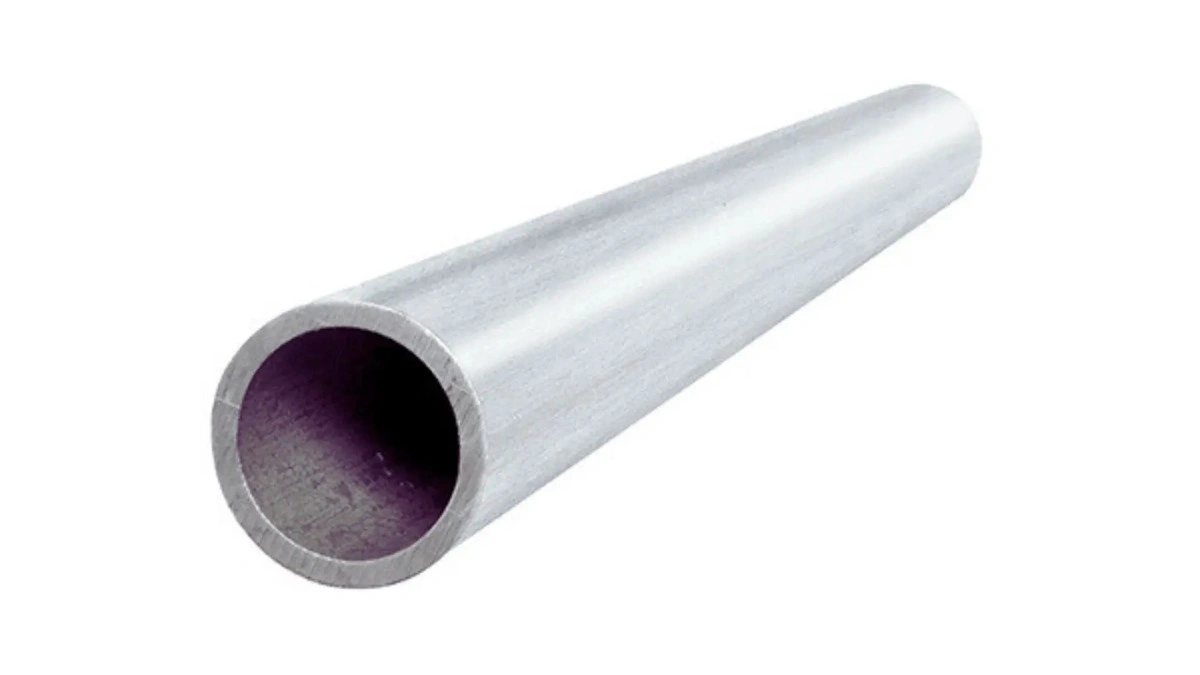
304L Stainless Steel Pipe
304L is a low-carbon version of 304 stainless steel. It is easier to weld and has high corrosion resistance. It is mainly used for general purposes and when welding is frequent.
Table 2: Differences Between 304 and 304L Stainless Steel
|
Feature |
304 Stainless Steel |
304L Stainless Steel |
|
Carbon Level |
Standard |
Reduced for welding |
|
Welding Performance |
Suitable |
Ideal for extensive welds |
|
Strength |
Slightly higher |
Slightly lower |
|
Resistance to Corrosion |
Good in most conditions |
Somewhat better in welded areas |
|
Typical Applications |
Sinks, kitchenware, panels |
Welded structures, piping |
Applications of 304 Stainless Steel
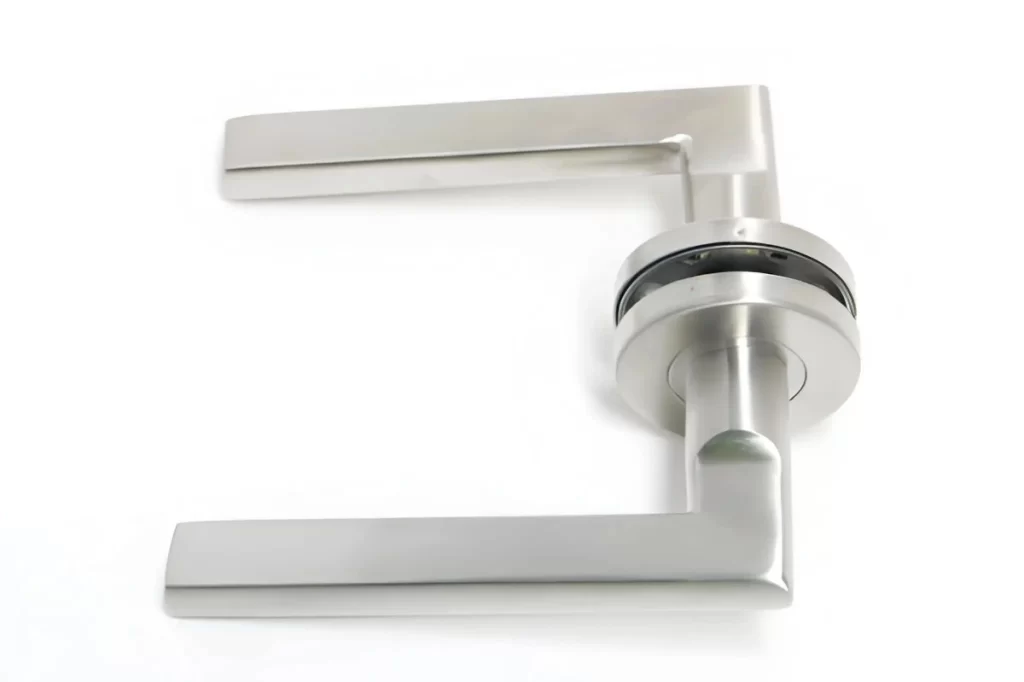
304 SS Door Handle
Here are the everyday products that use 304 stainless steel as a standard material.
- Kitchen appliances (refrigerators, dishwashers)
- Heat exchangers
- Commercial food processing equipment
- Sinks and splashbacks
- Cookware, cutlery, and flatware
- Architectural paneling
- Nuts, bolts, and fasteners
- Brewery, food, and pharmaceutical equipment
What Is 316 Stainless Steel
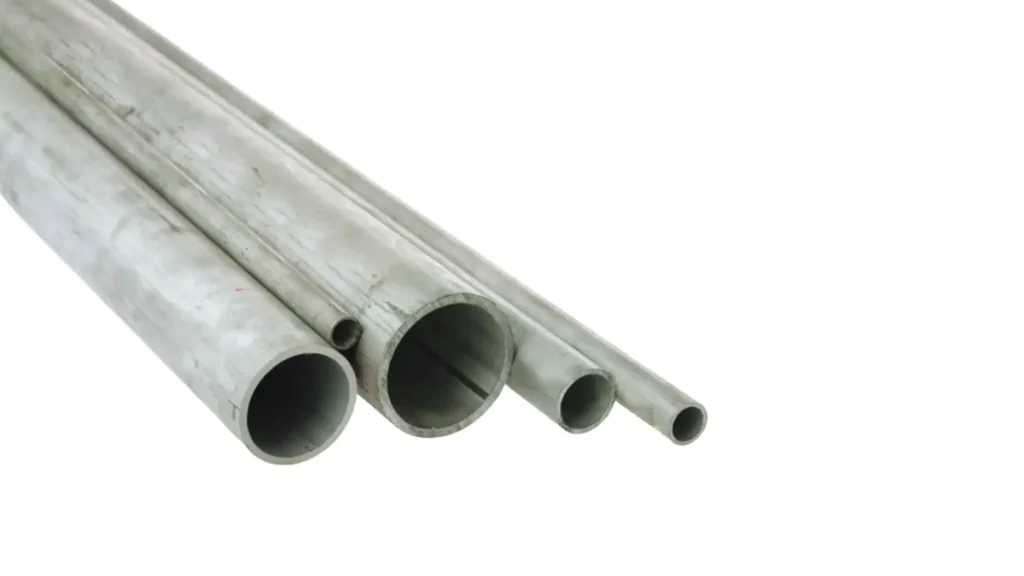
316 Stainless Steel Round Pipes
316 stainless steel is also termed T-316. It is highly strong and resistant to corrosion. It is mostly used in salty and harsh/corrosive environments because it contains chromium, nickel, and molybdenum. The molybdenum presence also prevents rust and pitting problems. Moreover, it is non-magnetic and highly durable and finds extensive use in marine equipment, medical tools, food processing machines, and chemical parts.
316 Stainless Steel Properties
316 stainless steel is strong, corrosion-resistant, and non-magnetic. It is widely used in marine, medical, and food processing applications.
Table 3: Properties of 316 Stainless Steel
|
Property |
Value / Description |
|
Chemical Composition |
Fe, 16% Cr, 10% Ni, 2–3% Mo, ≤0.08% C, traces of Mn, Si, P, S, N |
|
Carbon Content |
≤ 0.08% |
|
Yield Strength |
205 MPa |
|
Hardness |
95 HRB |
|
Magnetism |
Non-magnetic (can become weakly magnetic under cold work) |
|
Food Grade |
Yes |
|
Machinability |
≤ 45% on AISI scale, moderate tool wear |
|
Thermal Conductivity |
16.3 W/mK |
|
Thermal Expansion Coefficient |
16.5 x 10⁻⁶ /°C (20°C to 200°C) |
|
Melting Point |
1,370–1,400°C |
|
Creep Resistance |
Good |
|
Common Applications |
Marine equipment, medical instruments, food processing equipment, and chemical parts |
Applications of 316 Stainless Steel
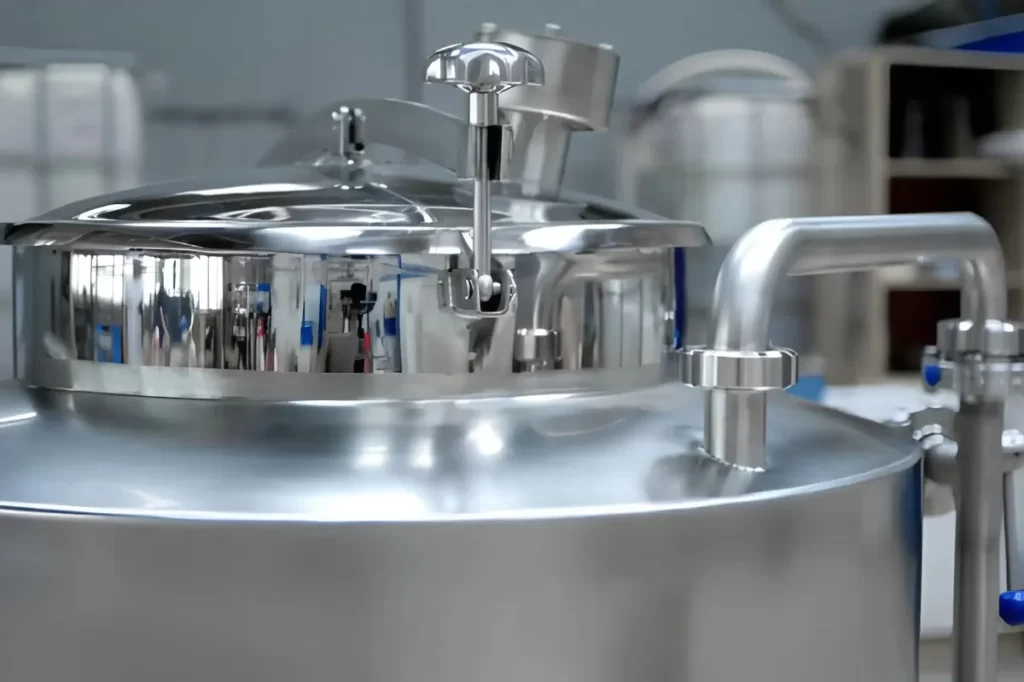
316 Stainless Steel Tank
Below are the common applications of 316 stainless steel
- Cookware & saucepans
- Storage tanks (chemical & food)
- Finishing on refrigerators, dishwashers, and freezers
- Benchtops & equipment in laboratories
- Paneling for coastal architecture
- Fittings and hardware for boats & marine
- Piping & tubing
- Equipment for mining and screening
- Kitchen sinks & sanitary ware
- Instruments & implants for surgery
Try Prolean Now!
What Is the Difference Between 316 and 316L
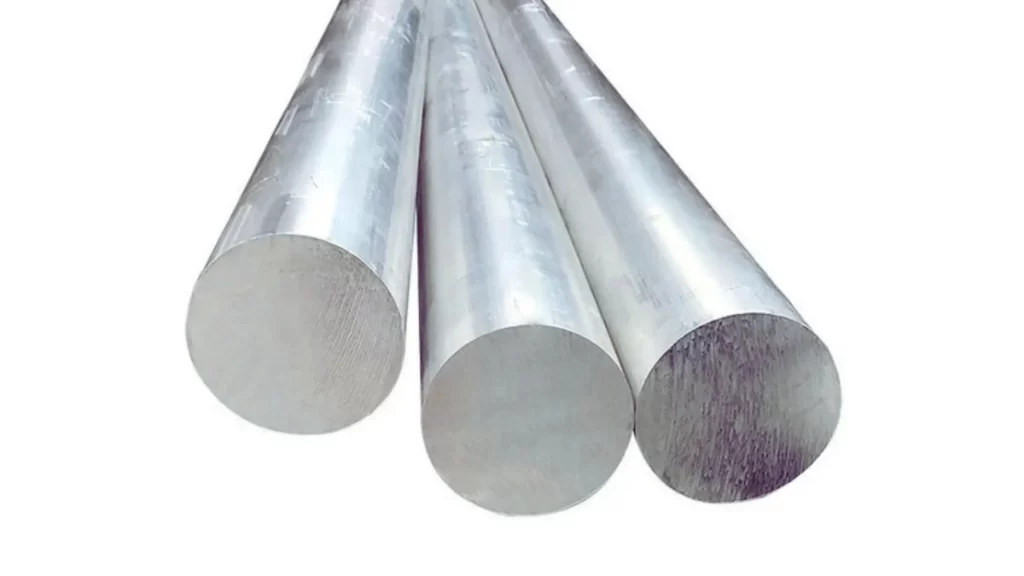
316 Stainless Steel Round Bars
316L is a low-carbon version of 316 stainless steel. It is easier to weld and more resistant to corrosion in harsh environments. 316 is slightly stronger, but 316L is preferred for marine, chemical, and welded applications.
Table 4: 316 vs 316L Stainless Steel Comparison (Also Read: alloy steel vs stainless steel)
|
Feature |
316 Stainless Steel |
316L Stainless Steel |
|
Carbon Level |
Standard |
Lower for better welding |
|
Corrosion Resistance |
Very high |
Higher in welded areas |
|
Strength |
Slightly stronger |
Slightly lower |
|
Weldability |
Good |
Excellent |
|
Common Applications |
Marine fittings, appliances, and industrial parts, stainless steel automotive parts |
Marine equipment, chemical tanks, and stainless steel medical instruments |
304 Vs 316 Stainless Steel: What’s the Difference
Let’s differentiate between 304 vs 316 stainless steel with respect to their composition, corrosion resistance, mechanical properties, and costs.
Composition
316 stainless steel contains molybdenum and a higher percentage of nickel (10-13%). On the other hand, 304 stainless steel includes no molybdenum and approximately 8 -10.5% nickel. So, grade 316 has greater corrosion resistance, particularly in areas that are subjected to salt water and extreme environments.
Corrosion Resistance
Both grades provide excellent rust-resistant properties. In general, 316 stainless steel offers superior corrosion resistance in the presence of chlorides and under hostile conditions. It is ideal for marine, chemical, and outdoor environments. In contrast, grade 304 is also extensively used in outdoor environments (food, construction, general chemicals), but it is not as good as 316 in chloride environments.
Mechanical Properties
Grade 316 stainless steel is preferred over grade 304 for corrosive environments, although both grades have comparable strength. However, stainless steel grade 304 is more ductile and, hence, easier to fabricate and form for general purposes.
Cost
The higher nickel content and addition of molybdenum in grade 316 result in an additional cost of between 30 and 40 percent when compared to grade 304. Although this represents a price increase, the benefits gained by using grade 316 include reduced maintenance costs, improved durability, and longer life in severe environments.
Try Prolean Now!
Types of Stainless Steel & Their Grades
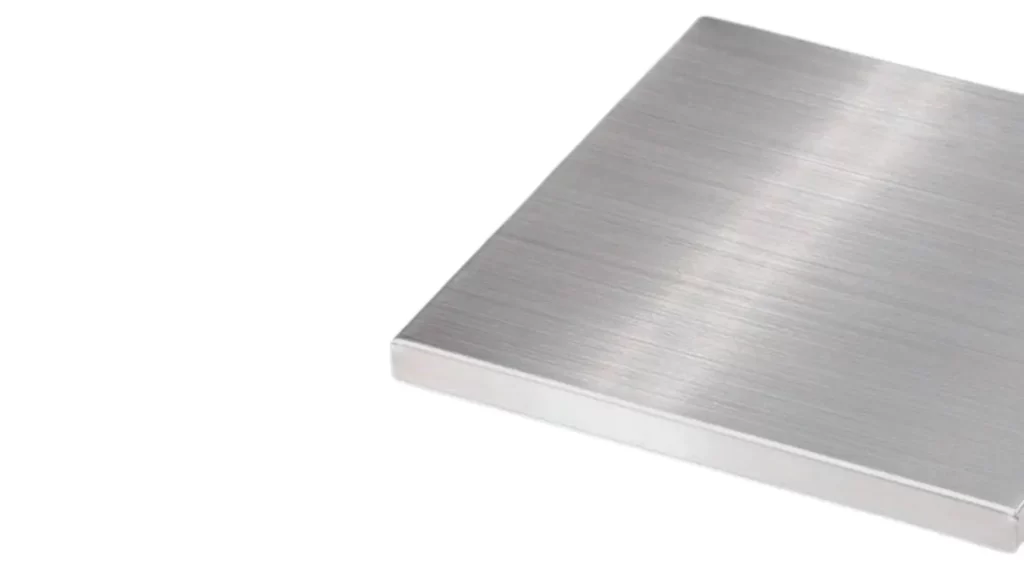
430 Stainless Steel
Stainless steel sheets, rods, and pipes come in different types. Each type is designed for specific applications. Below in the table, we have narrowed down the standard types, grades, and their chemical compositions to help you choose the right material for your fabrication needs.
Table 5: Overview of different types of stainless steel grades and their compositions.
|
Type of Stainless Steel |
Common Grades |
Properties |
Applications |
Typical Composition (Cr / Ni / Mo / C% %) |
|
Austenitic |
304, 304L, 316, 316L, 321 |
Non-magnetic, excellent corrosion resistance, good weldability, not hardenable by heat |
Kitchenware, food processing, medical instruments, architectural panels |
304: 18/8/0/0.08, 316: 16–18/10/2–3/0.08, 321: 17–19/9/0/0.08 |
|
Ferritic |
430, 446, 409 |
Magnetic, moderate corrosion resistance, good ductility, not hardenable by heat |
Automotive trim, exhausts, industrial equipment, and kitchen appliances |
430: 16–18/0/0/0.12, 446: 23–27/0/0/0.2 |
|
Martensitic |
410, 420, 440 |
Hardenable by heat, high strength, moderate corrosion resistance |
Cutlery, surgical instruments, valves, blades |
410: 11.5–13.5/0/0/0.15, 420: 12–14/0/0/0.15–0.4, 440C: 16–18/0/0/0.95 |
|
Duplex |
2205, 2507 |
Mixed austenitic-ferritic, high strength, excellent corrosion resistance, partially magnetic |
Chemical processing, oil & gas, marine equipment, pressure vessels |
2205: 22/5/3/0.03, 2507: 25/7/4/0.03 |
|
Precipitation-Hardening |
17-4 PH, 15-5 PH |
High strength, heat-treatable, and good corrosion resistance |
Aerospace components, defense parts, and high-performance engineering |
17-4 PH: 17/4/0/0.07, 15-5 PH: 15/5/0/0.07 |
Quick Grade Selection: 304 Vs 316 Stainless Steel
Table 6: Grade Recommendation Table
|
Condition |
Suggested Grade |
|
Indoor/general use |
304 |
|
Outdoor/coastal |
316 |
|
Chemical/marine |
316 |
|
Low budget |
304 |
|
Heavy welding |
304L / 316L |
|
Polished finish |
304 |
Partner with Us for Precision Metal Machining Services (50+ Material Options Available)
At Prolean Tech, we provide complete manufacturing solutions, whether you need rapid prototypes, low-volume runs, or full-scale production. Our team always ensures standard quality and keeps the production on time, and delivers your parts within the timeline. Our core services include custom CNC machining services, sheet metal fabrication, laser and waterjet cutting, and custom part production.
We also support you from design to final product, providing free Design for Manufacturability (DFM) advice to optimise your design. So, you can save costs and improve production efficiency. We handle projects of any size, from a single prototype to 1000s of parts.
Upload your design or contact our engineers directly and request a free online quote today!
0 Comments