
High Carbon Steel
High carbon steel is commonly used for high strength cutting tools, springs, punches, dies, and wear plates. Also, it works well for industrial blades, automotive gears, and high-load mechanical parts, because these applications demand hardness and long service life.
When it comes to machining, this material machines well with the right setup. This means proper tool selection and controlled speeds are fundamental to avoiding tool wear. Additionally, heat treatment is often applied after machining to obtain the desired final hardness and dimensional stability.
At Prolean, we use steel materials for general machining and industrial parts. Our CNC milling and turning services handle tight tolerances and complex geometries. Once you send us your design, our engineers review it to ensure it aligns with the intended requirements of parts/products. With fast turnaround and strict quality checks, we support reliable production from prototype to bulk volume.
In this article, you’ll learn what high carbon steel is and how it behaves. We’ll cover its composition, properties, and common industrial uses. You’ll also understand where it performs best and where its limitations apply.
What Is High Carbon Steel? (Composition + Overview)
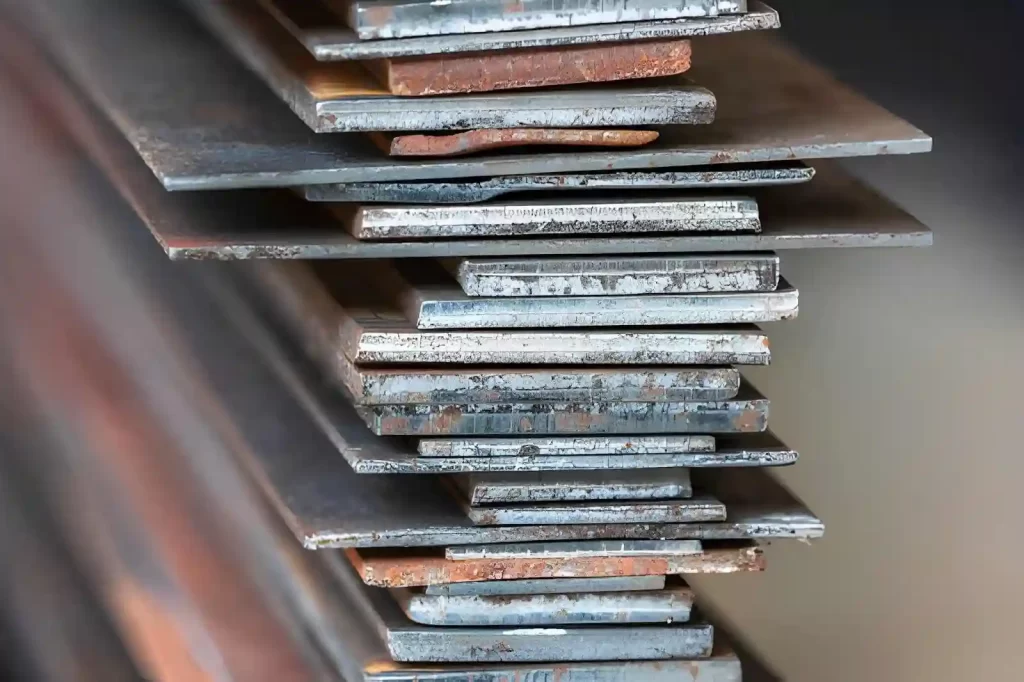
High Carbon Steel Sheets
High carbon steel is made of 0.6%-1% carbon content. Below this level, it will fall into low- or medium-carbon grades. Above 1.0% carbon, it is classed as ultra-high carbon steel. This higher carbon level gives the material its strength and hardness.
The composition of high-carbon steel is relatively simple. It mainly contains iron, along with 0.60–1.00% carbon and a small amount of manganese, typically ranging from 0.30–0.90%. Carbon plays the most significant role in performance. It increases hardness and wear resistance but reduces flexibility.
High carbon steel is made by melting pig iron or recycled steel. Impurities are removed during melting. Alloying elements are then added before casting or forming. At high temperatures, molten steel readily absorbs carbon.
To prevent this loss, the steel is quenched, or cooled very quickly. Rapid cooling locks carbon inside the metal structure. This creates internal stresses that increase hardness and strength. In this case, internal stress improves performance rather than causing damage.
How is High Carbon Steel Formed?
The production of high-carbon steel is an ongoing process. Each process can either add strength, hardness, or both to the final product. Here is a general outline of how high-carbon steel is produced:
Selection of Raw Materials
Steel begins as either pig iron or scrap steel. Pig iron and scrap steel have both iron and other base metals. The quality of your raw materials will help determine the quality of the finished steel.
Melting and Cleaning
Once the pig iron or scrap steel has been delivered to the plant, it is put in a large furnace called a blast furnace. The impurities in the metal, such as sulphur and gases, are burned out during the melting process. The melting and cleaning process helps create a reliable product that is clean.
Adding Carbon and Manganese
After the impurities have been removed, the metal is heated until it reaches the desired level of carbon (usually between 0.60 – 1.00%). A small amount of manganese is also added at this time. Both of these additives help determine the levels of hardness and wear resistance for the finished product.
Shaping/Forecasting
Depending upon the intended use of the finished product, the molten steel is then formed into various shapes, including billets, bars and sheets. Billets and bars are then rolled or extruded into their final shape, depending on the product’s intended use.
Quenching and Heat Treating
The last step in the process is heat treating. Once the steel has been heated to a specific temperature, it is then rapidly cooled, most often using oil or water. When the steel is cooled, the carbon molecules are locked into the metal’s structure. The locking of carbon molecules into the metal’s structure creates increased hardness and strength.
This is why high carbon steel is used so frequently in the construction of knife blades, spring parts, drill bits, screws, links, gears, cutting tools, and many other items that require a high degree of strength and/or wear resistance.
A Technical Look at High Carbon Steel
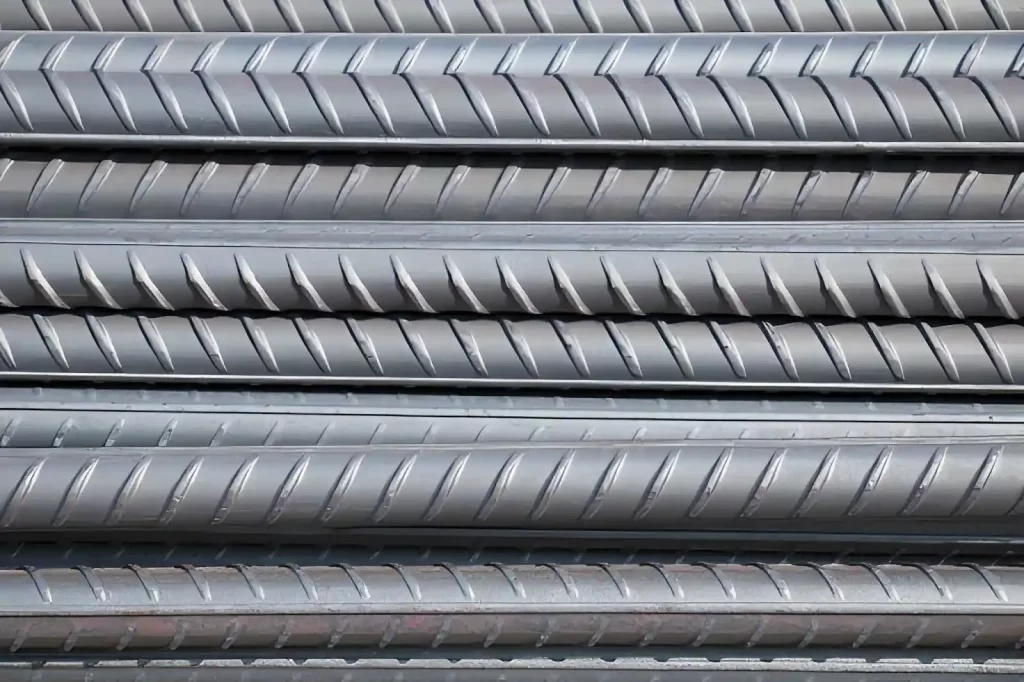
Ribbed Carbon Steel
Table 1: High carbon steel material properties
|
Property |
Details / Range |
|
Chemical Composition |
Carbon: 0.60–1.00%, Manganese: 0.30–0.90%, Iron: 98.10–99.10% |
|
Carbon Content Classification |
0.6–1.0% (High carbon Steel 1060); >1.0% ultra-high-carbon; <0.6% (AISI 1050 high carbon steel) |
|
Density |
7.81–7.85 g/cm³ |
|
Yield Strength |
485–2033 MPa (varies by grade, e.g., AISI 1060, 52100) |
|
Hardness (Rockwell B) |
64–89 |
|
Magnetism (Curie Point) |
770 ºC |
|
Machinability |
45–57% (1060: 57%, 1095: 45%) |
|
Key Characteristics |
High strength, hardness, wear resistance, brittleness |
|
Corrosion Resistance |
Low; comparable or even worse, and significantly inferior to stainless steel. |
|
Weldability |
Limited; pre- and post-heating recommended |
|
Thermal Properties |
Melting point: 1540–1590 ºC Thermal conductivity: 19–52 W/m·K Coefficient of Thermal Expansion: 9.9–14.8 µm/m·ºC Specific heat: 0.410–0.669 J/g·ºC |
|
Common Forms |
Hot-Rolled Steel: less hard, lower residual stress, affordable Cold-Rolled Steel: harder, better surface finish, more accurate dimensions Tempered Steel: stronger, hardened microstructure (martensite) |
|
Applications |
Tools, automotive crankshaft, construction components, household appliances |
|
Grade Equivalents (Example 1060) |
Europe: C60 Germany: C60 England: 070M60 Italy: 1C60 Japan: S58C China: 60 Russia: 60 |
How Does High Carbon Steel Differ From Stainless Steel?
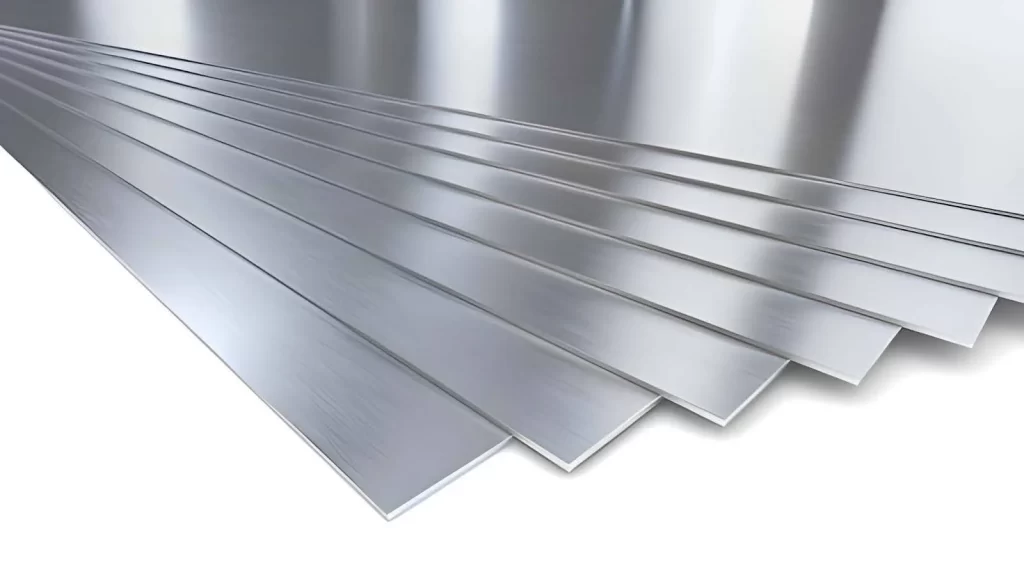
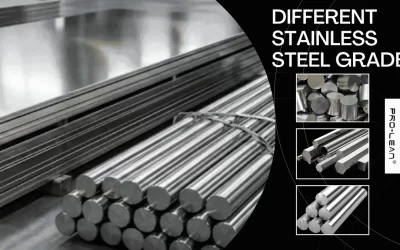
Stainless Steel Plate Stock
Both types of steel are different primarily in their content (composition) and how well they perform. High carbon steel does not contain much, if any, chromium; whereas stainless steel has to have at least 10.5% chromium to be classified as such. The chromium that is in stainless steel creates a protective coating when exposed to air. This protective coating significantly enhances the stainless steel’s ability to resist corrosion.
High carbon steel is stronger than stainless steel, and thus can withstand greater tension and endure more wear. While stainless steel outperforms high-carbon steel in wet or corrosive conditions, in its natural state, it is generally softer than high-carbon steel.
Table 2: High Carbon Steel Vs. Stainless Steel
|
Factor |
High-Carbon Steel |
Stainless Steel |
|
Carbon Content |
0.60–1.00% |
Varies by grade |
|
Chromium Content |
Low or none |
Minimum 10.5% |
|
Tensile Strength |
High |
Moderate |
|
Hardness |
Very high after heat treatment |
Lower without hardening |
|
Corrosion Resistance |
Low |
High |
|
Wear Resistance |
Excellent |
Moderate |
|
Machinability |
Difficult when hardened |
Easier in many grades |
|
Typical Uses |
Tools, springs, blades |
Medical, food, outdoor parts |
How Much Does High Carbon Steel Cost
High-carbon steel prices are generally positioned between those for mild steel (low-carbon) and stainless steel. Due to its higher carbon content and additional processing requirements during production, it will be more expensive than lower-carbon steel. However, these same attributes also enhance its strength and hardness over that of lower-carbon steel; however, they also contribute to increased manufacturing costs.
High-carbon steel is less expensive than stainless steel due to the cost of adding various alloys, such as chromium and/or molybdenum, to the steel composition. Generally speaking, the cost of high-carbon steel can range from approximately $800 to $1,000/ton(varies by region to region and time to time), depending on the specific steel type, product form, heat treatment, and market availability. In many instances where the properties of high-carbon steel provide a sufficient benefit over the cost, the purchase price may well be justified.
Is High Carbon Steel a Type of High-Alloy Steel?
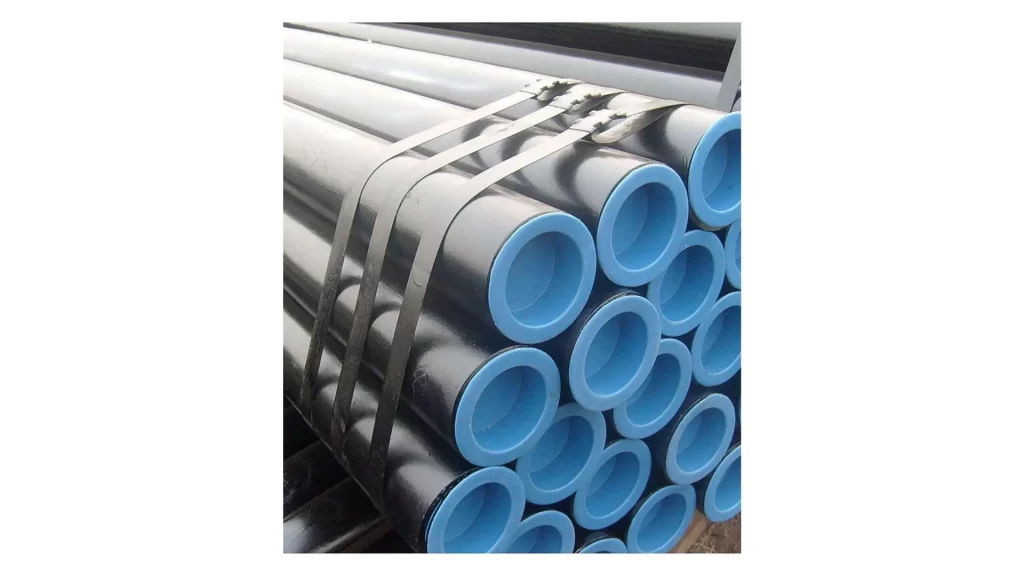
Alloy Steel Pipes
High-carbon steel is classified as a non-high-alloy steel. There are two distinctly separate classifications of steel: high-carbon steel and high-alloy steel. It is a classification of steel based on the amount of carbon present. High-alloy steel, on the other hand, is defined by the presence of substantial amounts of alloying elements, such as, but not limited to, molybdenum, chromium, and/or nickel.
While carbon is a type of alloying element, the fact that carbon is abundant in the steel composition does not classify the steel as a high-alloy grade. The addition of substantial amounts of other alloying elements alters the corrosion resistance, heat resistance, and toughness characteristics of the steel. An example of a high-alloy steel is stainless steel, which contains at least 10.5 per cent chromium, contributing to enhanced corrosion resistance. High-carbon steel typically has very little, if any, chromium, and the majority of its strength is contributed by the carbon itself, rather than through a combination of alloying elements.
High Carbon Steel vs Alloy Steel: Difference Table
Table 3: Comparing alloy steel vs carbon steel
|
Factor |
High-Carbon Steel |
Alloy Steel |
|
Main Alloying Element |
Carbon |
Chromium, molybdenum, nickel |
|
Carbon Content |
0.60–1.00% |
Varies |
|
Chromium Content |
Low or none |
Often above 10% |
|
Corrosion Resistance |
Low |
High |
|
Typical Example |
1060, 1095 steel |
Stainless steel (Also read: alloy steel grades list) |
|
Primary Benefit |
Hardness and wear resistance |
Corrosion and heat resistance |
Table 4: Machinability Example
|
Steel Grade |
Carbon Content |
Machinability Rating |
|
1095 Steel |
0.95% |
~45% |
|
1060 Steel |
0.60% |
~57% |
Try Prolean Now!
Common Types of High Carbon Steel
The variety of high-carbon steels offers several choices based on your needs for strength, durability, and ability to be bent (flexibility). Choosing the correct type will allow you to utilise your investment best.
Alloyed High Carbon Steels
These types are alloyed with additional elements such as chrome, molybdenum, vanadium, or nickel. As a result, these steels are significantly stronger, exhibiting increased toughness and resistance to heat and corrosion compared to plain carbon steels. They are generally more expensive; however, this increased cost allows them to perform in environments where high performance is required.
Spring Steel
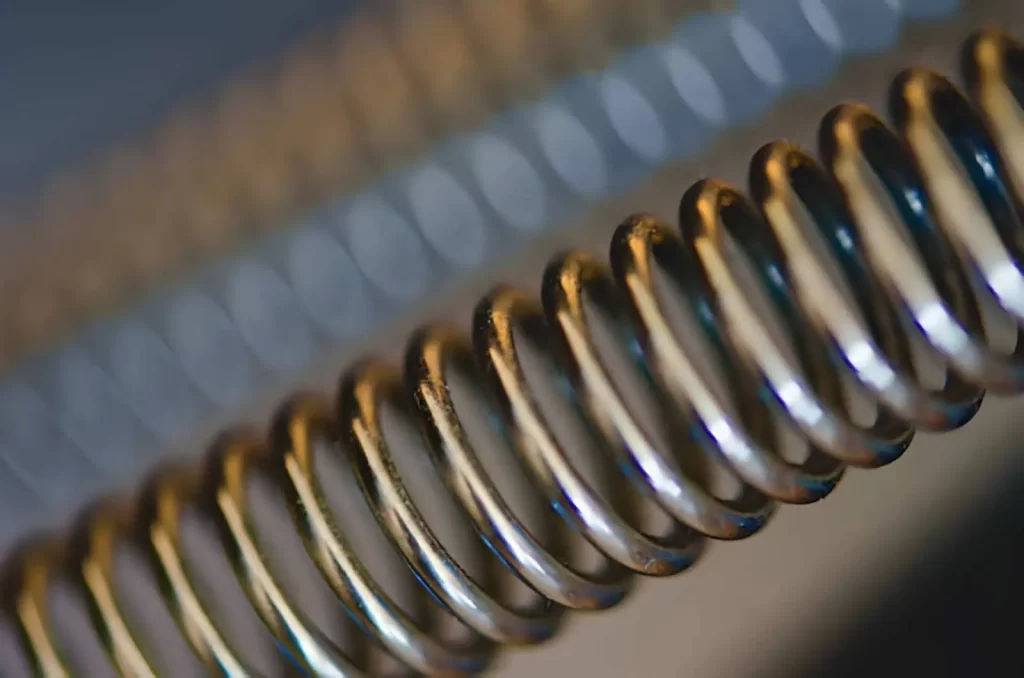
Steel Spring
Most spring steel contains between 0.6% and 1.0 % carbon and small amounts of silicon. The presence of silicon provides the necessary properties to allow spring steel to be used as a flexible material that may be subjected to bending forces and then snapped back into its original shape. The primary uses for spring steel include springs, clips, and components that require movement or flexibility.
Plain Carbon Steels
Plain carbon steel is the most basic type of high-carbon steel and does not contain any significant amounts of additives. These steels are strong and resistant to wear; however, they lack the flexibility of other types of high-carbon steels. If the application requires fundamental strength and does not necessitate the additional features offered by other high-carbon steel types, plain carbon steel is the most cost-effective choice.
Tool Steels
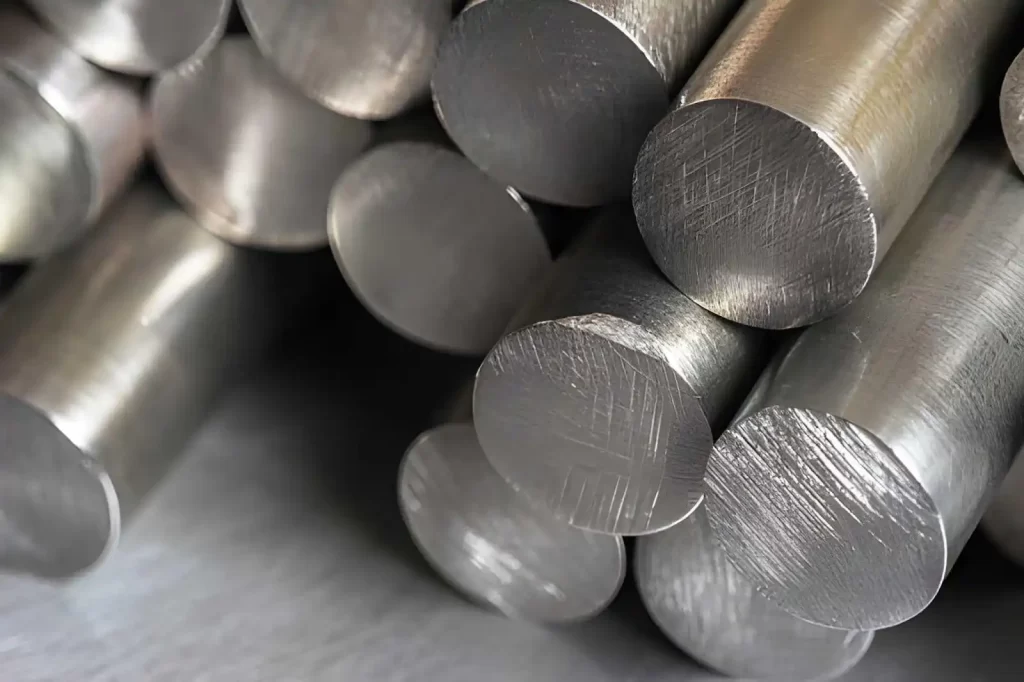
Tool Steel Rods
Tool steels contain tungsten, molybdenum, cobalt, or vanadium. Due to their composition, tool steels are tough and heat-resistant. Tool steels are well-suited for manufacturing tools, drills, and moulds that will be subject to severe service and will maintain their hardness at elevated temperatures.
Table 5: Comparing the types of high carbon steel
|
Type |
Carbon Content |
Key Properties |
Common Uses |
|
Alloyed High-Carbon Steel |
0.6–1.0% |
Strong, rugged, heat & corrosion-resistant |
Structural parts, machinery |
|
Spring Steel |
0.6–1.0% |
Flexible, high-yield strength |
Springs, clips |
|
Plain Carbon Steel |
0.6–1.0% |
Hard, less flexible |
Basic tools, nails |
|
Tool Steel |
0.6–1.0% |
Very hard, heat-resistant |
Cutting tools, moulds |
Try Prolean Now!
What are the Common Forms of High Carbon Steel?
High carbon steel can be found in various forms or types, based on how it was processed, which allows it to have distinct properties. Each type comprises different hardness levels, strength, and ability to be fabricated into usable shapes and sizes.
Hot Rolled Steel
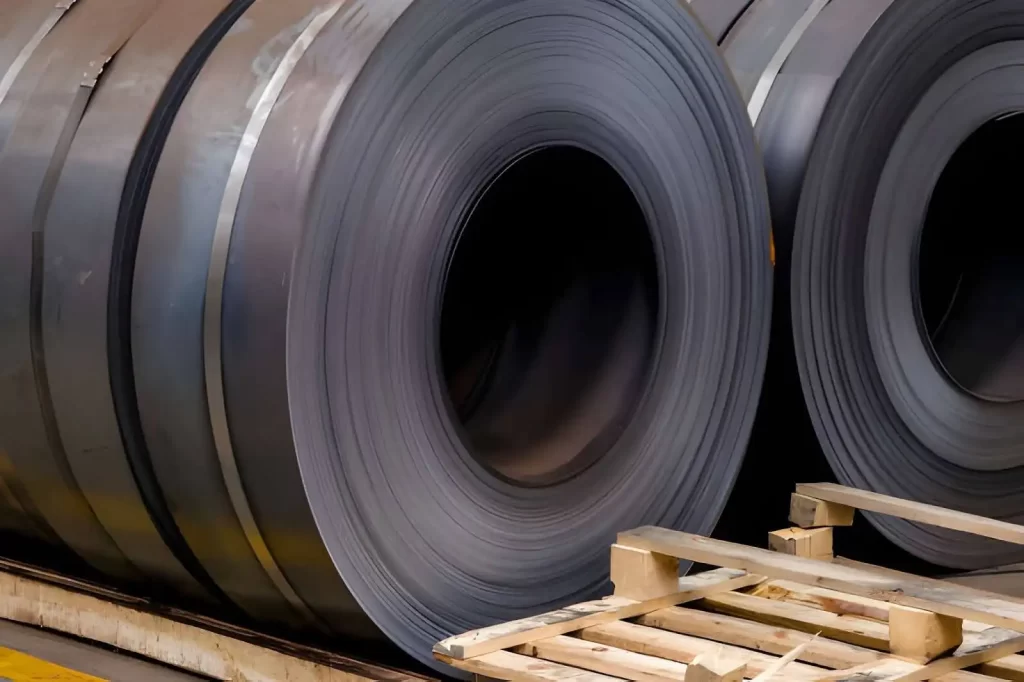
Hot Rolled Steel
Hot-rolled steel is formed when steel is heated at an elevated temperature over its recrystallisation point. At this time, the metal’s grain structure will become coarse (larger). Also, there will be a few internal stresses remaining within the metal.
The final product will be less rigid and may vary by as much as 1/16″ from the original dimensions due to rolling; however, the price of hot-rolled steel is generally lower than that of cold-rolled steel. Hot-rolled steel is commonly used for construction beams, rail tracks, and structural framing elements.
Cold Rolled Steel
Cold-rolled steel is produced when the steel is formed at ambient temperatures (room temperature, 25 °C). At room temperature, the grain structure becomes elongated, and the steel becomes more complicated than when formed at higher temperatures.
Cold-rolled steel is capable of producing tighter tolerances and a smoother surface than hot-rolled steel. However, care should be taken to relieve any residual stresses within the steel so that it does not warp. Cold-rolled steel is commonly used in the production of electric motors and appliances.
Tempered Steel
Tempered steel is produced by heating it to near the eutectoid point (the highest possible solid solution) and then rapidly cooling it. Rapid cooling produces a martensitic structure. This results in both increased strength and toughness. Tempering is a standard process for tool steels. It is used in constructing components of heavy machinery and equipment that require long performance and durability.
Benefits and Limitations of High Carbon Steel
High-carbon steel is widely used for creating components and tools that require both strength and durability. There are numerous advantages to using high-carbon steel, yet its physical properties limit its applications.
Benefits:
- High carbon steel is ideal for shafts, springs, and other components in heavy machinery due to its high strength.
- It is optimal for creating cutting tools, knives, and all sorts of wear-resistant components.
- High-carbon steel is relatively cheaper than stainless steel and provides comparable mechanical performance.
- It maintains its function longer in moving parts such as gears, rollers, etc.
- It performs well under constant stress and extreme pressure conditions.
- High carbon steel is simple to maintain and requires minimal routine upkeep.
Limitations:
- High-carbon steel is prone to rust, so regular maintenance or coatings are required to prevent damage.
- It is difficult to weld, and preheating and/or specialised welding techniques are necessary to assemble the parts.
- It lacks ductility and may fracture when subjected to excessive bending. It is therefore not suitable for components requiring flexibility.
- High carbon steel is challenging to machine. Hardened tools and carefully planned machining procedures are needed to cut, shape, and form high-carbon steel components.
Choose Prolean for Custom High Carbon Steel Machining
High-carbon steel is a top choice when you need strong, rugged, and durable parts. It works well in applications where parts are subjected to heavy wear, high pressure, or repeated use. With proper treatment, it can handle harsh conditions while maintaining strength and reliability.
At Prolean, we help bring out good performance from high-carbon steel through professional carbon steel machining, paired with our comprehensive alloy steel service. Covering precision fabrication and custom metal machining, our team works to make every finished component match your precise technical requirements.
We focus on quality, fast delivery, and complete support from the design phase to shipping to ensure your project’s success. Reach out today to see how we can support your next project with high carbon steel and request a free quote!
0 Comments