
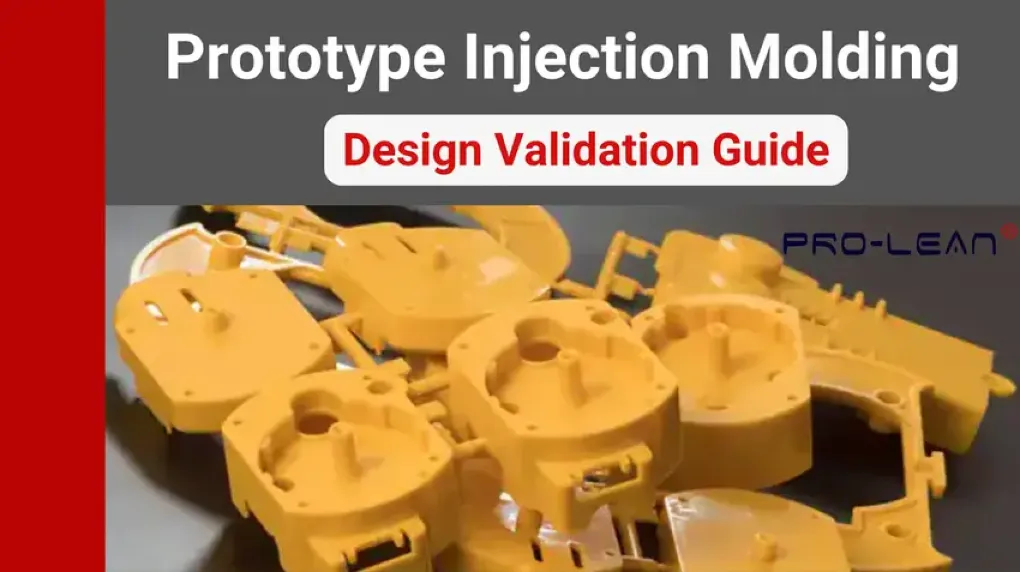
Prototype injection molding
Injection molding prototypes are the bridge between imagination and manufacturing. Manufacturers rely on functional, visual, and manufacturing-ready prototypes to verify designs and test effectiveness before full-scale production.
Plastic injection molding prototypes are relevant for your parts in automotive, medical, construction, packaging, aerospace, consumer electronics, and many other industries. Just identify the production stage, and you can get a matching prototype.
By using the right prototype molding services, companies can reduce costs, minimize risks, and shorten the time to market.
This guide covers the fundamentals of injection molding for prototypes, including types, process, and applications. Find out more next.
What Are Prototypes?
A prototype is an initial version of a product that a manufacturer produces to evaluate the design before committing to full-scale manufacturing. Engineers and other relevant decision-makers use prototypes to test the functionality, shape, size, and geometry of a part against real-world settings.
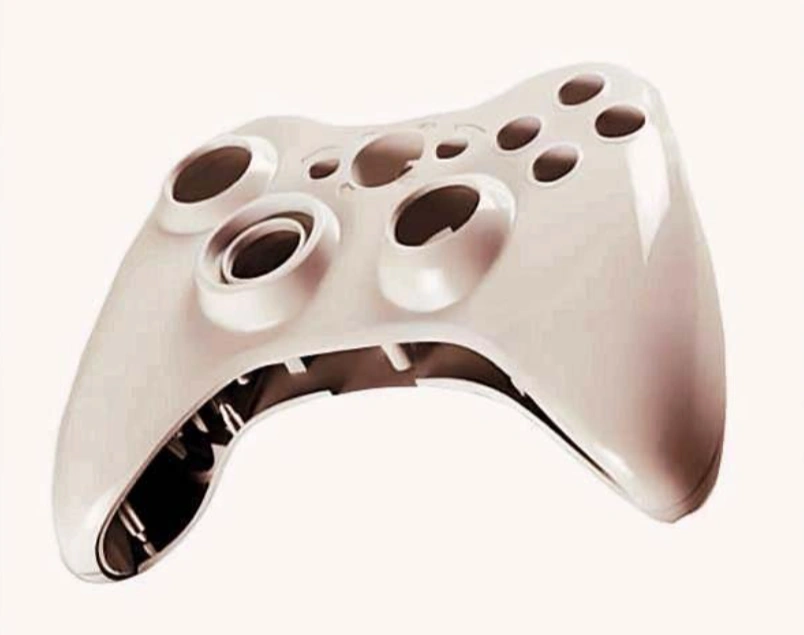
A Plastic prototype
Prototypes are complementary to drawings and simulations. Using prototypes helps teams identify design flaws and cost angles. The manufacturer then uses the insight to improve the design for manufacturing.
Try Prolean Now!
What is Prototype Injection Molding?
Prototype injection molding involves using injection molding to produce a few plastic parts. The parts are then used for design testing and validation.
Prototype molding services form a link between concepts and full-scale manufacturing. Because the plastic molding prototype closely resembles the real part, the aesthetics, fit, and performance can be evaluated early.
Benefits of Prototype Injection Molding
Companies use prototype injection-molded parts to shorten the product development process. Specifically, the rapid prototype molding approach is better than alternatives in terms of realism, validating the manufacturability of the design and verifying real-world performance.
Other benefits of the process are the enabling of early testing, early generation of revenue, and reduction of resource risk.
Uses the Exact Manufacturing Materials
The plastic molding prototype is made of the same materials used in full-scale production. Since there are no material substitutes, the chemical, mechanical, and thermal outcomes are accurate.
Replicates Rreal Iinjection Mmolding Cconditions
We value this rapid prototyping injection molding method for its capability to prove the manufacturability of a design. It replicates important molding process conditions, such as the cooling and shrinkage of the mold.
You don’t find these characteristics in alternative processes.
Helps in the Verification of Ppart Pperformance and Ffunction
The anisotropic characteristics and structural integrity of prototype injection molded parts are superior, especially when compared to 3D printed prototypes. It implies that the injection-molded prototypes behave like finalized parts.
Manufacturers can comfortably use these parts for reliable tests of functionality and fit.
Fulfills the initial part demand
The sustenance of demand from rapid prototyping injection molding methods is limited. However, manufacturers can still rely on prototype injection molding to meet initial demand. The technology can help companies still make some money as they await the availability of the real production tooling.
Reduces product development risk and resource wastage
Some manufacturers may opt to skip the prototyping stage in a bid to produce faster. However, therein lies the risk of costly revisions.
The plastic molding prototype approach is defined by controlled iteration. What this means is that investment in costly tooling is well-informed. Manufacturers save money and time, and this trickles down to the user in terms of lower cost of parts.
Limitations of Prototype Injection Molding
The points above correctly demonstrate a highly effective prototyping method. However, plastic injection molding for prototyping presents the following limitations;
- The setup costs and tooling lead times limit the speed of prototype overmolding.
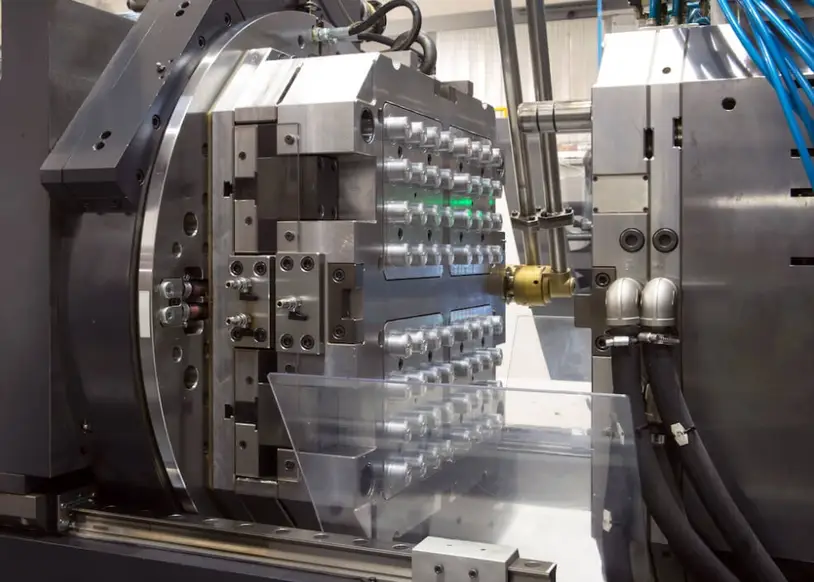
Plastic injection molding machinery
- The design flexibility is also limited in comparison to what’s offered byto options such as 3D printing.
- The prototype tooling may not match the cycle life of the full manufacturing equipment.
The Prototype Injection Molding Process
There are four major steps in the rapid prototype molding process: Part design, material selection, mold making, and injection molding.
Here are more details about these steps.
Step 1: Part Design
The first step is the creation of the CAD model of your part. This model’s dimensions and features can be refined. Prototype molding services can help with the design, so there is no need to struggle with materials, manufacturability, and other aspects.
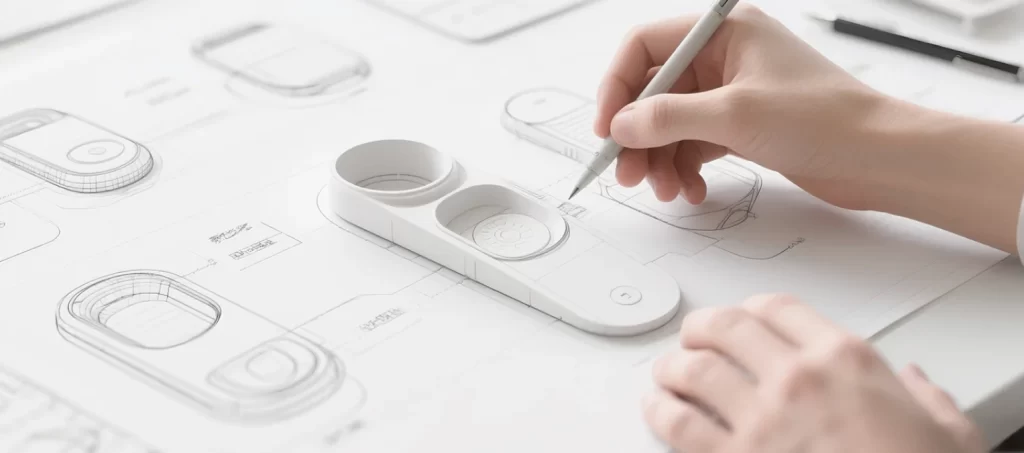
Prototype design, the first step
Step 2: Material Selection
Talking of materials, it is important to use a prototype material that aligns with the functional requirements. With so many materials eligible depending on the requirements, it is important to get the requirements right.
For instance, polypropylene is flexible while ABS is tough. Engineers and designers consider the part geometry, production material, and tooling capabilities when choosing the prototype material.
Step 3: Mold Manufacturing
Pilot tooling, better known as mold manufacturing, forms the next step. This is an important risk-minimization step. It also ascertains the feasibility of the design before full-scale manufacturing.
Aluminum is a preferred material for the mold at this stage. An aluminum injection mold is more affordable and faster to process than a steel one. Most importantly, it doesn’t compromise on precision.
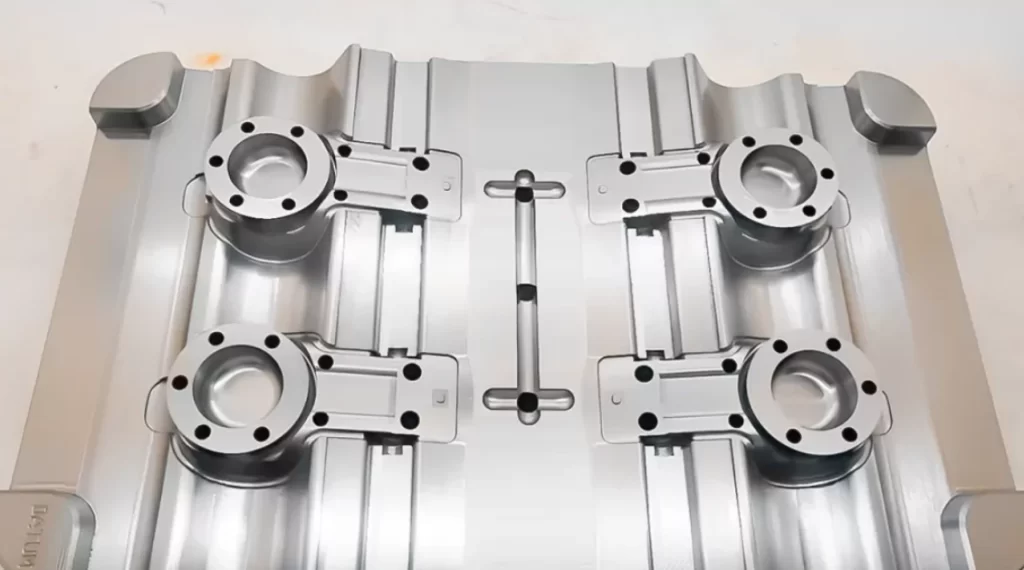
Aluminum injection mold
Step 4: Plastic Injection Molding
The prototype overmolding step entails melting the prototype material. The molten material is then pressurized into the mold. After this, the material is left to cool and solidify.
Afterwards, the molded prototype is ejected from the mold. The process can be repeated several times until the best plastic prototype is produced.
Different Prototype Injection Molding Types
When you are at the prototyping stage, the options available are visual prototypes, functional prototypes, and production-ready prototypes.
Visual Prototypes
This type of prototype is used to evaluate the appearance and ergonomics of the item. It is ideal for presentation to the stakeholders.
Functional Prototypes
Use these prototypes to analyze the technical specifications and mechanical performance. While not necessarily aesthetically similar to the final product, these prototypes should meet engineering requirements.
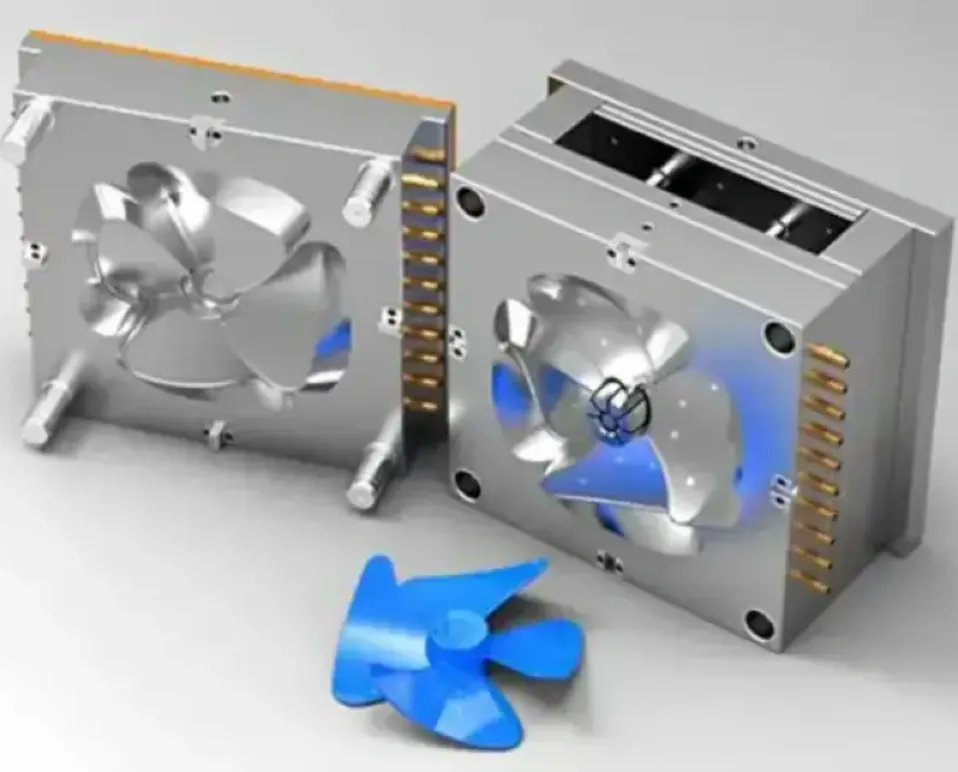
A functional prototype
Production-ready Prototypes
These are the final prototypes before full-scale manufacturing engagement. They are made using final processes and materials. You can also call them pre-production prototypes.
Try Prolean Now!
Applications of Prototype Injection Molding
You might need prototype molding services if you are in the automotive, consumer electronics, aerospace, toymaking, construction, packaging, or medical industries.
Automotive Plastic Molding Prototypes
Injection molding prototypes are common in the automotive product development process. Manufacturers evaluate thermal performance, strength, fit, and other characteristics for dashboards, connectors, brackets, and interior trim panels, among other components.
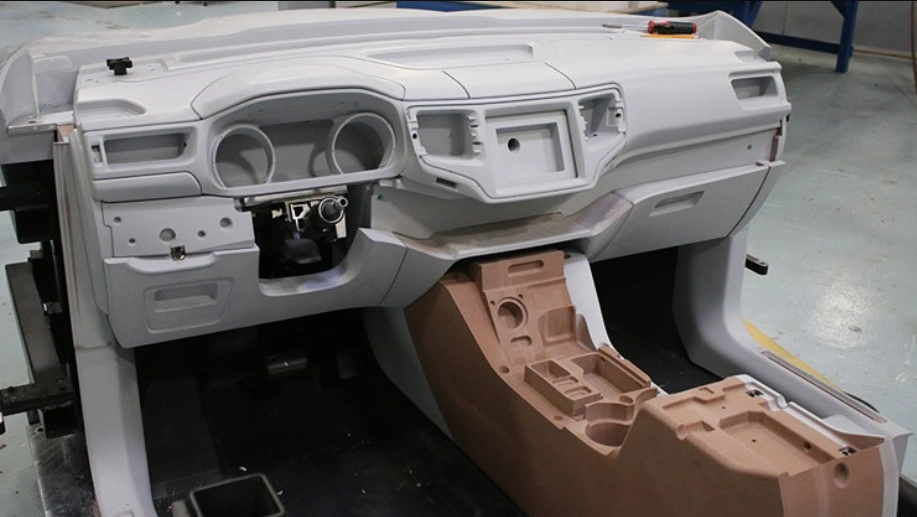
Car interior prototype
Consumer Electronics Injection Molding
Examples of parts in this industry subjected to injection molding prototyping are control panels, connectors, casings, and housings. The service ensures the resulting parts are not only ergonomic but also cost-effective and durable.
Aerospace Prototype Injection Molded Parts
The aerospace industry utilizes micro injection molding. It requires this service for precision and compliance with strict manufacturing requirements for small, high-precision components.
Relevant injection molded parts include clips, cable guides, and housings. These parts are largely lightweight, temperature-resistant, and wear-resistant.
Rapid Prototype Molding for Toymaking
Manufacturers test injection-molded plastic toys for safety and reliability using these prototypes. Parts eligible for this procedure include moving joints, shells, casings, and snap-fit features.
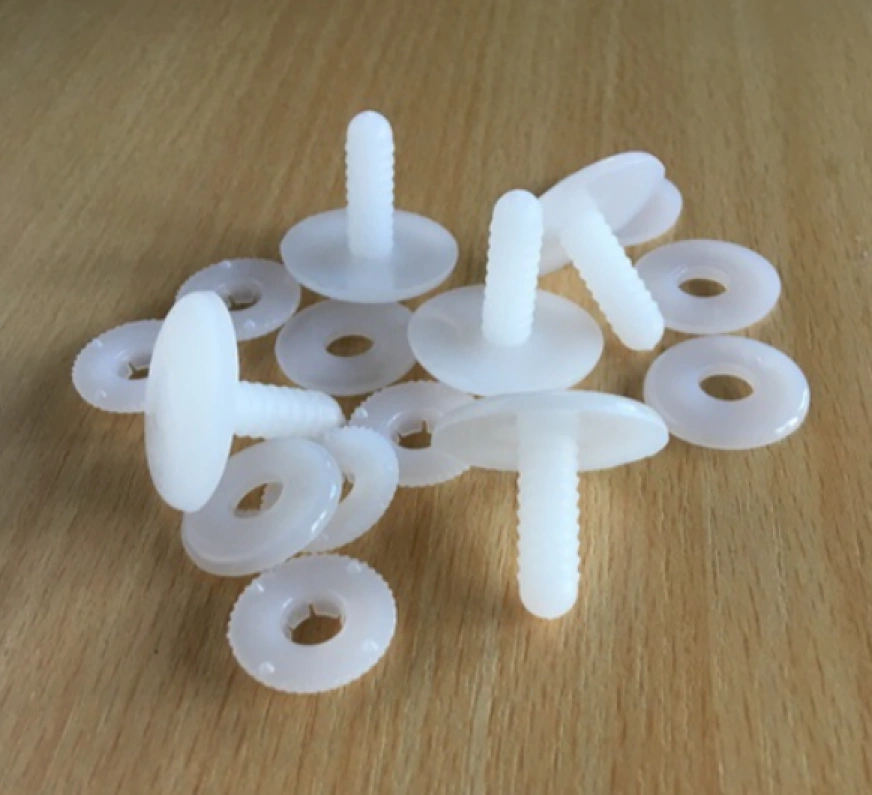
Toy safety joints
Construction Plastic Molding Prototypes
To ensure the safety, strength, and durability of construction systems and components, engineers rely on prototyping a lot. Here are examples of application areas;
- Fasteners
- Insulation parts
- Connectors
- Pipe fittings
Packaging Molded Prototypes
Consider requesting prototype molding services for your packaging parts requirements. This solution is necessary in the manufacture of bottle caps, nozzles, dispensers, and containers, among many other plastic products.
Medical Injection Molding for Prototypes
The medical field is extra serious about quality and safety standards. With our expert Rapid Injection Molding solutions, you are assured of adhering to the industry requirements.
Prototype Injection Molding Materials – Choosing the Best One
Plastics for injection molding prototypes range from ABS to PEEK, and PLA to polycarbonate. We know the choice we make here is consequential to the product development process.
Over time, we have established a pattern for prototyping materials depending on the project goals, as follows;
- Functional Prototypes – PEI, PEEK, glass-reinforced nylon, and other engineering-grade plastics are the best for these applications.
- Form-centered Prototypes – When dimensional accuracy is the focus, we opt for plastics such as nylon, ABS, and PLA
- Fit-analyzing Prototypes – These should ensure top precision, so we opt for suitable materials, such as acetal and polycarbonate.
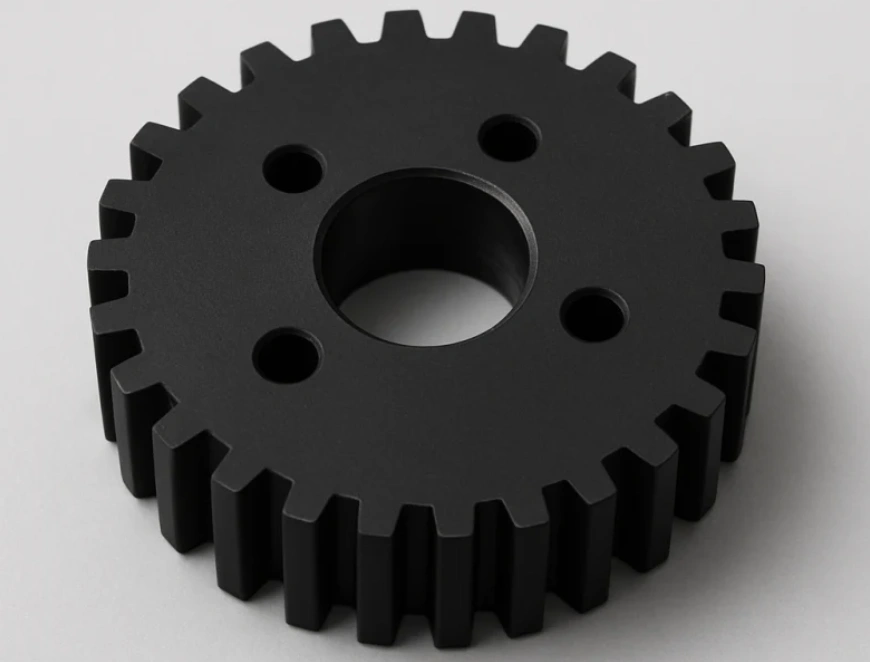
Acetal precision gear
Try Prolean Now!
Conclusion
Plastic injection molding is incomplete without prototype production, which also lays a solid foundation for low volume injection molding.Designers and engineers use this critical product development element to analyze the part’s fit, form, and function in readiness for full-scale production.
We have shared the prototype injection molding steps, requirements, materials, and other crucial aspects of the manufacturing strategy. There are sure ways to save costs and get your parts to the markets faster.
We are ready to discuss the solutions further. As a leading injection molding service provider, we are your go-to partner for custom injection molding services. Share your project specifics at the ‘Request a Quote‘ section of our website, and an engineer will respond promptly.
0 Comments