
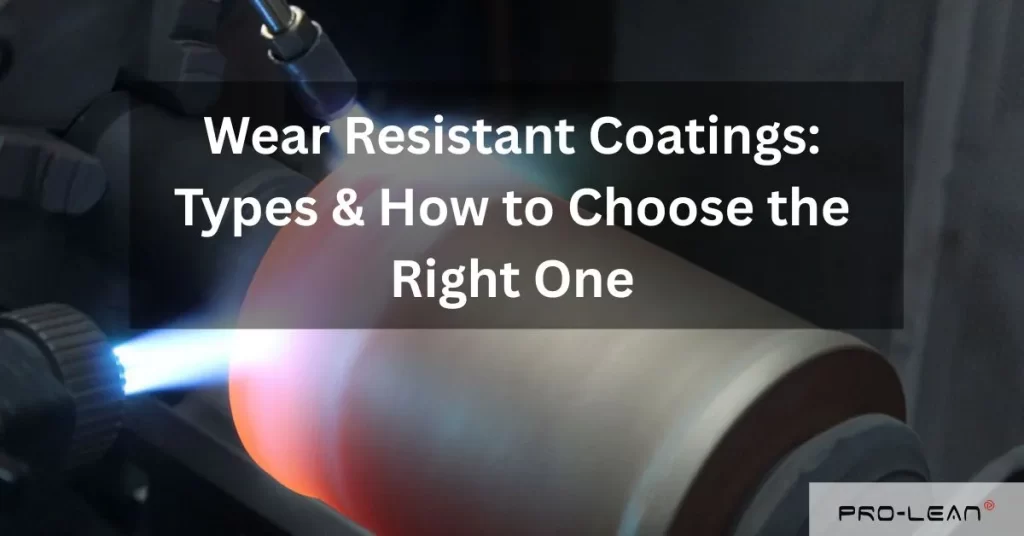
 Wear-resistant coating guide
Each machine has a breaking point. In industrial environments, this point is often reached by wear. Surface wear is caused by abrasions, galling, and erosion. The surface eventually becomes unusable and production stops. Costs also increase. Mechanical wear is the leading cause of failures in manufacturing, oil and gas, and aerospace industries. The damage usually begins slowly, but quickly worsens once it starts.
Surface protection is a solution. Wear-resistant coating create a barrier that protects the machine’s surface from any force trying to destroy it. The right coating will extend the life of any component that is constantly vibrated or exposed to harsh chemicals. Many coating options are available, from anodizing hard coats to carbide systems for heavy industrial equipment.
ProLean Tech helps engineers and procurement teams find surface protection solutions that suit their operating conditions by custom metal machining services. This guide will explain the differences between thermal spraying and electroless nickel plating, or help you choose the right one for your tooling that is subject to high wear.
What is Wear Resistant Coating?
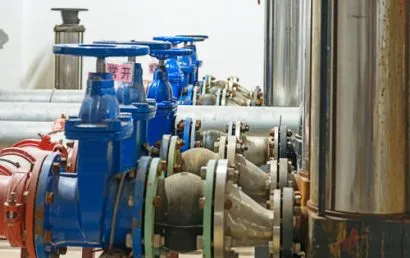 Industrial pipes and valves
Wear-resistant coating shields machine components against damage caused by friction, impact, and chemical attack. These coatings only alter the outer layer and not the base material. These coatings are able to add hardness, reduce friction, or improve chemical resistance without altering the shape or core mechanical properties of the part.
It does much more than just slow down the rate of failure. It changes the performance of the surface. It reduces friction and increases corrosion resistance. It allows parts to function reliably in environments that would otherwise wear them out quickly. The base material is still responsible for the structural load while the coating handles the surface abuse.
How do Wear Resistant Coatings work?
Depending on the composition of the coating, different coatings protect a variety of mechanisms. Hard coatings such as tungsten oxide or chromium carbide create a surface harder than the material that contacts it. This prevents material from being removed. Low-friction coatings such as PTFE and DLC reduce energy transfer during sliding contact. This reduces adhesive wear. Chemicals and moisture are blocked by barrier coatings such as epoxy or ceramic oxides.
It is also important to consider how the coating will be applied. Thermal spraying processes use molten particles to create a thick, well-bonded coating. PVD and CVD deposit coatings on an atomic scale for tight control and high adhesion. Electrochemical processes, such as anodizing or electroless plating, create surface layers by controlled chemical reactions.
What is the Difference Between Wear, Abrasion, and Corrosion Resistance?
They are used interchangeably, but they mean different things. Wear resistance is the general resistance against surface damage caused by mechanical contact. Abrasion-resistant coatings protect against the damage caused by hard particles or rough surfaces that rub across a component. This is common for mining, milling, and conveyor systems. The corrosion-resistant coatings are designed to protect against electrochemical and chemical damage, such as rusting, oxidation, and chemical attack by fluids and gases.
In real-life applications, coatings are required to be able to handle multiple fluids at once. In a chemical plant, a pump component might be exposed to both abrasive fluids and corrosive liquids. It needs a coating that can protect it from both.
Understanding the Types of Wear
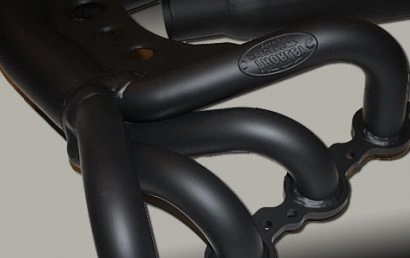
Ceramic Coating for wear resistance
You must correctly identify the wear type affecting the component before selecting a coating. You may choose a coating to harden the surface, but not address the micro-motion and vibration that are causing real damage. Each type of wear has its own symptoms and requires its own solution.
Fretting
Fretting is the removal of material slowly from two surfaces that are in contact and experience small back-and-forth motions, typically from vibration. It can leave behind oxidized debris and localized corrosion. Fretting is common on cylinder heads, ball bearing raceways, and bolted joint surfaces. Anti-fretting products work by increasing the surface hardness of surfaces and reducing the microslip between surfaces.
- Tungsten carbide coatings on bearing and raceway surfaces
- The coatings on cylinder heads are resistant to thermal and mechanical fretting
- Contact surfaces that require tight tolerances can be hard chrome or nickel electroless.
Galling
Galling occurs when two surfaces that slide together stick together and then tear apart under high pressure. This causes material to be pulled from one surface onto the other. Aluminum, stainless steel, and titanium are particularly hard-hit by this problem. This corrosion is common in hydraulic cylinders and bushings.
Anti-gall coatings can prevent this by creating an intermediate layer that is hard or slick.
- Tungsten-carbide coatings provide maximum surface hardness
- Alloys of brass and bronze for coating softer metal surfaces
- Polymer coatings based on PTFE for low-friction sliding contact
Erosive Wear
Solid particles or liquid drops repeatedly striking a surface can cause erosive wear. This is a common problem in the printing, mining, and oil and gas industries, where fluids contain abrasive materials. Erosion-resistant coatings increase the surface hardness to absorb impacts without losing material.
Ink roller repairs on printing presses are a good example. Thermal spray coatings with carbide restore the surface geometry of rollers subjected to constant fluid and particle impacts. They also increase service life.
Abrasive Wear
When hard particles or rough surfaces grind or cut into softer materials, they cause abrasive wear. This is the most prevalent type of wear in manufacturing and machining. Abrasion-resistant coatings place a hard material between the abrasive, the substrate, and the abrasive, protecting metals such as aluminum, copper, and nickel.
Examples include the chopper-folder rolls used in printing, the cutting tool edges used in machining, and surfaces that are spalled by repeated loading. It is important to keep the dimensions as accurate as possible and slow down material removal.
Types of Coatings
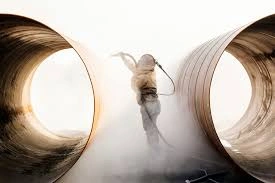
Spray for wear-resistant coating
The next step, once you have determined the type of wear, is to match the coating chemistry with the application method. The most common types of resistant coatings and their best applications are listed below.
Thermal Spray Coatings
Thermal spray is a term that covers several processes, including plasma spraying, HVOF spraying, arc-wire spraying, and flame spraying. They all project molten or semi-molten particles onto a surface in order to create a dense and bonded coating. These coatings provide excellent protection against wear, corrosion, and erosion in the aerospace, oil, and gas industries, and power generation.
The HVOF (High Velocity Oxygen Fuel) produces extremely dense and low-porosity coatings. This coating is used extensively on aeronautical landing gear, turbine parts, and pump impellers. Plasma spray can be used to coat ceramics and cermets. These materials are capable of performing both wear protection and thermal barrier functions.
Carbide Coatings
The hardest coatings to apply are carbide coatings. These include tungsten carbide and chromium-carbide. Thermal spraying (mostly HVOF) or plasma is used to apply them. They protect against abrasions, erosions, fretting, and galling. These coatings are widely used in industries such as oil & gas, mining, and aerospace, where components are constantly exposed to extreme wear and high-impact mechanical stress.
The following carbide compounds are commonly used:
- Tungsten carbide (WC-Co) has the highest hardness in extreme abrasion conditions
- Tungsten carbide with cobalt/chrome: corrosion resistance added to wear protection
- Nickel/chrome and chromium carbide: Best choice for high-temperature applications up to approximately 900 degrees Celsius
- Tungsten carbide, nickel, and cobalt: Good for corrosive environments where cobalt may not be suitable
Ceramic Coatings
Materials like zirconium, titanium, and aluminum oxide are used in ceramic coatings. These coatings protect against abrasions, chemical attacks, and sliding wear. They can be applied via plasma spray, detonation guns, or other methods. Common real-world applications include thermal barrier coatings on jet engine turbine blades, wear-resistant linings in industrial pumps, and protective layers on orthopedic implants where both biocompatibility and durability are critical.
These coatings can be used on automotive parts, medical implants, and cutting tools. The chemical inertness is resistant to corrosive liquids, and the hardness can handle abrasive wear. Sealers can be added to provide corrosion resistance in even the most aggressive environments.
Coatings DLC (Diamond-Like Carbon)
DLC coatings behave like natural diamonds. They are extremely hard, low-friction, and resistant to chemicals. They are an excellent choice for applications that require low friction and high wear resistance.
The largest users are automotive parts, such as valve train components, piston rings, and medical devices. Low friction and hardness reduce energy loss from moving parts, while preventing surface fatigue and adhesive wear.
Polymer-based Coatings
Polymer coatings are available in a variety of materials, including PTFE and FEP blends, PVDF, epoxy polyurethanes, and Xylan Fluoropolymer Blends. Polymer coatings, such as PTFE, provide excellent corrosion and wear resistance, but their wear resistance is often less than that of harder coatings like carbide or DLC. These products are ideal for conveyor belts and food processing equipment. They also work well on bearings and other surfaces that require chemical resistance.
PTFE has high temperature resistance and is the original coating. FEP has PTFE-like characteristics with improved abrasion resistance. Epoxy systems provide solid impact resistance and are an economical option for corrosion and abrasion prevention in less demanding environments.
Electroless Nickel Plating
No electrical current is required for electroless nickel plating to deposit a uniform layer of nickel-phosphorus across complex shapes. This uniformity is ideal for parts that have intricate shapes, internal features, or bores. Electroplating can be difficult to do evenly.
The coating provides good hardness, corrosion resistance, and natural lubricity. This coating is especially effective on titanium and aluminum. It is less harmful to the environment and does not cause hydrogen embrittlement, which can occur on high-strength parts.
Hard Chrome and Anodizing
Hard chrome plating provides corrosion and wear resistance while reducing friction. Hard chrome plating is used on hydraulic cylinders and piston rods as well as industrial rollers that need to maintain tight dimensional tolerances for long service life.
The most common surface treatment for aluminium is hard coat anodizing. Type III hard coating builds a dense, thick layer of aluminum oxide that increases the surface hardness and resistance to wear. You can choose the best level of protection by knowing the differences between anodizing type II vs. type III. Type II is best for aluminum parts that are subjected to real wear. Type III, on the other hand, provides general corrosion protection.
Alodine Conversion Coating
Alodine coating is a chromate conversion coating for aluminum. It protects against corrosion and is a good surface for adhering to paints or primers. It has less wear resistance than thermal spray or anodizing, but protects against chemicals well without changing the part dimensions. This makes it ideal for electronic enclosures and aerospace components where dimensional accuracy matters.
Try Prolean Now!
What is the Difference Between an Enhancive and a Wear Resistant Coating?
The term “enhanced coatings” is used to describe any type of coating that improves the surface performance of a component. It includes thermal, electrical, and decorative improvements, as well as wear resistance. This coating is a type of enhanced coating that protects against mechanical and tribological damage.
Comparison of Different Types
When choosing the best coating, you need to consider several factors. This table compares the most popular coating types.
| Coating Type | Best for | Key Strength | Limitations |
| Thermal Spray (HVOF). | Aerospace, oil & gas | Erosion resistance and wear resistance | Equipment-intensive processes |
| Hard Chrome / Electroless Nickel | Hydraulics, bearings | Corrosion plus hardness | Chrome and the environment |
| Ceramic (CVD/PVD). | Cutting Tools and Implants | Heat and chemical resistance | Brittle after heavy impact |
| DLC | Automotive and medical | Ultra-low friction | Costs are higher |
| Polymer (PTFE/Epoxy). | Food processing, conveyors | Non-stick and flexible | Lower maximum temperature |
| Carbide (Tungsten) | Mining, printing, and molds | Abrasion and galling Resistance | Thermal spray equipment is required |
Applications for Specific Industries
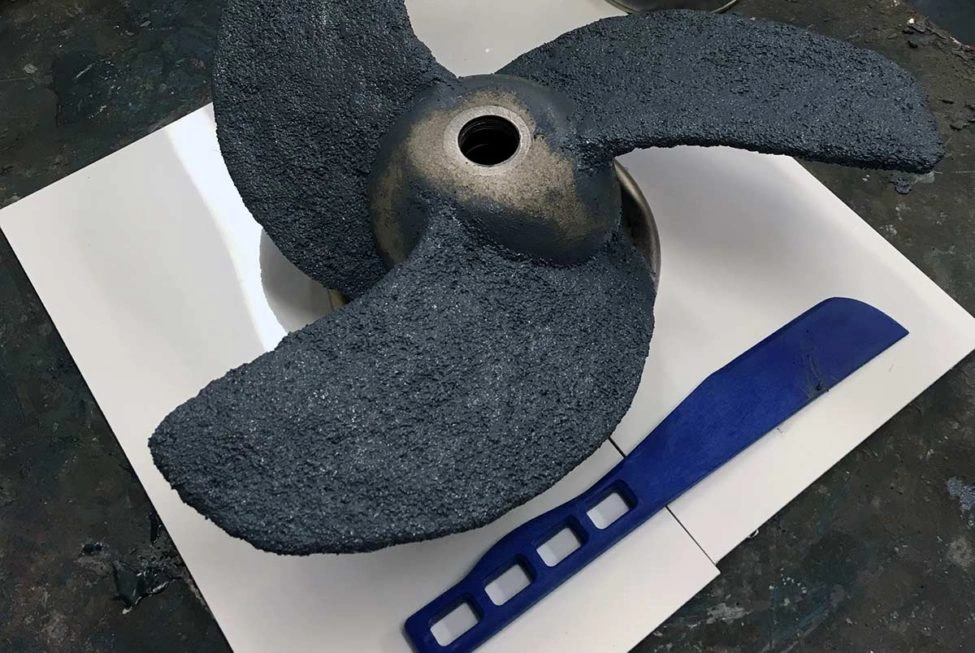
Wear-resistant coating
The coatings that are most resistant to wear and corrosion may not be the best for all applications.
Automotive Industry
Thermal and DLC coatings reduce friction in engine components, such as pistons and valve train parts. These coatings are also resistant to wear, even at high temperatures. Teflon coatings on stainless steel components are used in the fuel system, throttle bodies, and other areas where chemical resistance is required.
Aerospace Industry
The coatings on landing gear, blades, and structural components must provide corrosion and fatigue resistance. The landing gear is covered with HVOF thermally sprayed tungsten or chrome carbide. Hard anodizing and other coatings are used to protect aluminum airframe components. The use of ceramic thermal barrier coatings on turbine blades is a way to extend their life in high-temperature combustion environments.
Oil and Gas Industry
Pipes, pumps, and valves are exposed to aggressive, abrasive, and chemical conditions. Carbide thermal coats protect against the erosive effect of process fluids. Combining ceramic and sealers can provide abrasion resistance and corrosion resistance in areas exposed to both.
Manufacturing and Machining
Cuttingting Tools coated with DLC, DLC Ceramic, or Carbide hold their edges longer. This improves quality and reduces downtime. For mold surfaces, hard chrome or electroless nickel is the best choice.
Protecting conveyor system components, roll surfaces, and other surfaces from continuous exposure to abrasive materials is done with polymer and carbide. Wear coatings are increasingly treated as a part of custom metal-machining processes rather than being an add- on.
Medical and Dental
The two main options are DLC and Titanium Nitride. DLC and Titanium Nitride are the two main ions. These materials are chemically and physically inert. They can therefore withstand sterilisation cycles.
How to Select the Right Wear Resistant Coat
The selection of a coating should not be solely based on the price. There are many options. A cheaper coating, but one that fails in six months, will cost more than one that is superior and lasts five years.
The Key Selection Factors
Consider these factors before making a final decision.
- Wear type: identify the primary failure mode, such as abrasion or erosion.
- Ceramic and cermet coatings can withstand high temperatures; polymer coatings are less resistant.
- Chemical environment: corrosion fluids require strong chemical resistance, such as ceramics, nickel electroless, or fluoropolymers
- Aluminum, titanium, and steel all have different coating processes that are compatible or incompatible.
- Dimensional tolerance: Electroless nickel and PVD are thin and uniform, while thermal spray adds thickness.
- Surface finish: Some coatings require post-grinding, while others can be applied from net to finish
- Hard chrome is a concern because of hexavalent Chromium; anodizing and electroless Nickel are better alternatives.
Repairing and Restoring Components
Not only are new parts coated with coatings for wear resistance. Thermal spray can be used to rebuild worn or damaged components. They are then remachined back to their original dimensions. This is the standard method for expensive components such as turbine shafts and hydraulic cylinders. This method is used widely in MRO for aerospace, industrial machinery, and power generation.
Try Prolean Now!
Avoiding Common Mistakes When Selecting Wear Resistant Coating
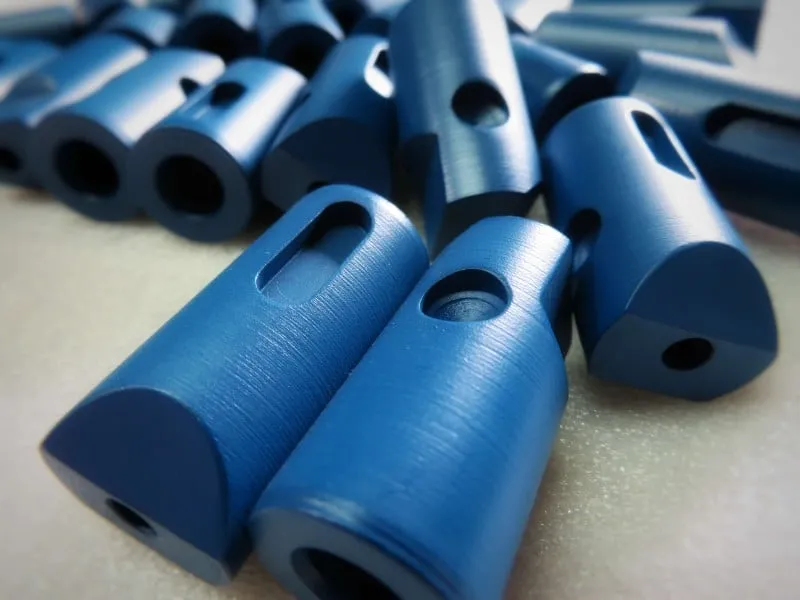
Anodized coating on aluminum parts
Even experienced engineers can make mistakes when specifying coatings. These errors can lead to premature failures, waste of money, or issues with compatibility that are only apparent under actual operating conditions. Hardness is important, but not the only factor to consider when choosing a coating. A coating that is very hard and brittle on a component subjected to impact loads can crack and peel.
Surface preparation is important: adhesion depends on the quality of the surface. Surfaces that are contaminated or not properly prepared will result in weak coating bonding, regardless of the coating quality. Ignoring the mismatch in thermal expansion: substrates and coatings expand at a different rate. When a ceramic is applied to aluminum, it can cause delamination when thermal cycling occurs.
Do not mix corrosion and wear resistance. A coating that is great for corrosion resistance may have very little wear resistance, and vice versa. Be sure to specify both requirements. Thermal spray coatings are a real addition to the material. When this is not taken into account in the design phase, it can cause fit and clearance issues in precision assemblies.
Conclusion
Wear-resistant coatings can be a great investment in the longevity of your equipment. There is a proven solution to any problem, whether it is fretting on bearing assemblies, abrasive wear on cutting tools, or erosion in process equipment. It is important to match the coating with the wear type, substrate, and operating environment, rather than choosing the most common or cheapest option.
ProLean Tech helps engineers with this process by providing expertise in surface treatment specifications and custom metal-machining services, which factor in coating requirements right from the beginning. The team can assist you in finding the best solution for your application, whether it’s choosing between anodizing types II and III for aluminum aerospace components or sourcing electroless Nickel plating for precision instruments. Contact ProLean Tech today to discuss your surface-protection needs.
FAQs
What is the hardest wear resistant coating available?
DLC and tungsten-carbide coatings are the hardest commercially available options. They reach hardness values of 70 HRC or more. HVOF-applied tungsten cobalt (WCCo) coatings are the most effective for high-wear abrasive conditions.
Can aluminum be coated with a wear resistant coating?
Yes. The most common method of aluminum wear protection is hard coat anodizing. This process converts the surface to a layer of aluminum oxide. Another option is electroless nickel plating, which covers aluminum geometries uniformly. PEO (Plasma-Electrolytic Oxidation), a more recent alternative, has superior hardness with good environmental compliance.
How long does a wear resistant coating last?
The service life of a coating depends on its type, the operating conditions, and maintenance. Thermal spray coatings of carbide on printing rollers extend the life of the rolls by weeks or months. DLC coatings are typically applied to automotive valve train components and last for the entire engine life. Electroless nickel coatings on precision parts can protect them for years in corrosive environments.
0 Comments