
 Guide for sheet metal costing
Cutting sheet metal costs matters for your project budget. The costs of design, materials selection, and fabrication are high. From the very beginning, you need to know how to control your spending. Prolean Tech offers cost-effective metal fabrication services that help companies reach their production goals while staying within budget. Our sheet metal fabrication is cost-effective and high-quality, thanks to the use of modern technology and proven methods.
This guide provides practical tips to reduce sheet metal costs. This guide will show you how sheet metal costs are calculated, how money is lost, and how to cut fabrication costs through better process and design planning.
Factors that Affect Sheet Metal Costs
Understanding cost drivers can help you identify areas where you could cut costs. We’ll look at the factors that influence your project cost to ensure you get the cheap metal fabrication.
Material Selection Impact
Material selection is a major factor in cost considerations. Components made of aluminum or mild steel cost about $8.50 each, while parts made from stainless steel are usually priced at $12. Aluminum is an excellent choice for applications requiring a balance between performance and price. Stainless steel may be more expensive initially, but it offers superior corrosion resistance. This durability will help you save money on maintenance and replacements over time. Consider your application before choosing materials.
Thickness Considerations
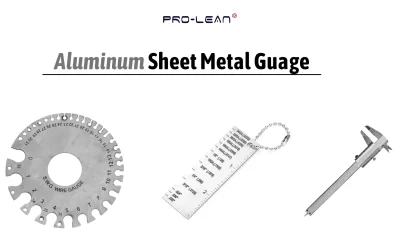
Thickness has a major impact on pricing. Thick sheets take more material and require longer processing times. Standard sheet metal thicknesses vary. You can save money by choosing the right thickness. Maintain structural integrity and meet project requirements. Maintaining balance is the key.
Labor and Processing Costs
Cost of labor is the largest component of total costs. Professional labor rates are between $50 and $150 an hour. The complexity and level required of skills directly affect these rates. Automated processes like laser cutting and CNC bending can reduce the labor time. Equipment costs are included in the final price. Modern technology often delivers better value despite higher hourly rates.
Design Complexity Factor
The complexity of the design has an impact on material consumption as well as production time. Simple designs with straight bending are easier to manufacture than parts with complex features. The time it takes to produce a part increases with each additional bend, tolerance, cutout or specification. It is more likely that complex designs will contain errors. This may lead to rework. You should keep your designs as simple as possible while still meeting all functional requirements.
Volume Economics
The size of the production volume allows for economies of scale. Larger orders usually have lower costs per unit because setup time and tooling expenses are spread out over a larger number of pieces. Even a small increase in order volume can lead to significant savings. One-off productions have the highest unit costs. Volume pricing is available when you order in bulk.
How to Calculate Fabrication Cost Per Kg
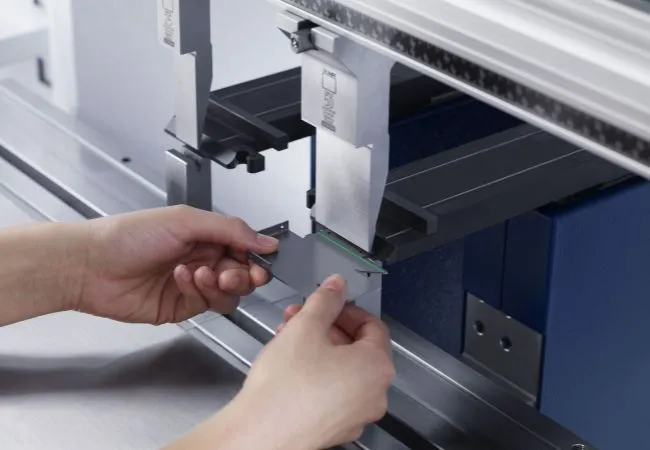 Precision sheet metal fabrication
A cost calculation that is accurate will help you to budget and compare prices from different suppliers. Understanding pricing math gives you more negotiating power. How professionals calculate the costs of sheet metal fabrication.
Basic Material Cost Formula
It is easy to calculate the cost of raw materials using a basic formula. Calculate it by multiplying the volume by material density and then multiplying that number times the material cost per kilogram. You can then calculate the cost of your raw materials.
Consider, for example, a plate of steel measuring 700mm by 500mm and 1mm thick. Calculate: If steel is $0.70 per kilogram and the density is 7.8 kg/cubic decimeter. Then multiply 7 x 5 by 0.01 x 7.8 by 0.7. This is approximately $1.91 for each piece.
Machining Cost Calculation
Materials are only part of the total cost. The machining cost is a combination of hourly equipment costs, cycle times per piece, and efficiency rates. The formula is (Hourly cost x Cycle time for one piece) / efficiency. If, for example, you have a cycle time of 12 seconds, an efficiency rate of 85%, and a cost per hour of $78, then your machining costs would be $0.27/part. This calculation will help you determine the actual production costs.
Additional Cost Components
Total expenses include design costs. The cost of professional sheet metal design is typically between $50 and 200 per hour. This may seem like an extra expense, but a good design can save you money in the long run. The cost of finishing processes such as powder coating, painting, or plating is added to the total. The final cost is affected by the hardware installation, assembly, and quality control. Do not overlook these additional costs.
The 3x Rule
According to a general rule, fabrication costs are approximately three times as expensive as raw materials. This multiplier includes all the steps necessary to convert raw sheet metal into finished components. Understanding this relationship will help you accurately estimate project costs. This rule can be used to quickly estimate budgets. This rule provides a good ballpark estimate for most standard fabrication jobs.
Try Prolean Now!
Proven Ways to Cut Sheet Metal Cost
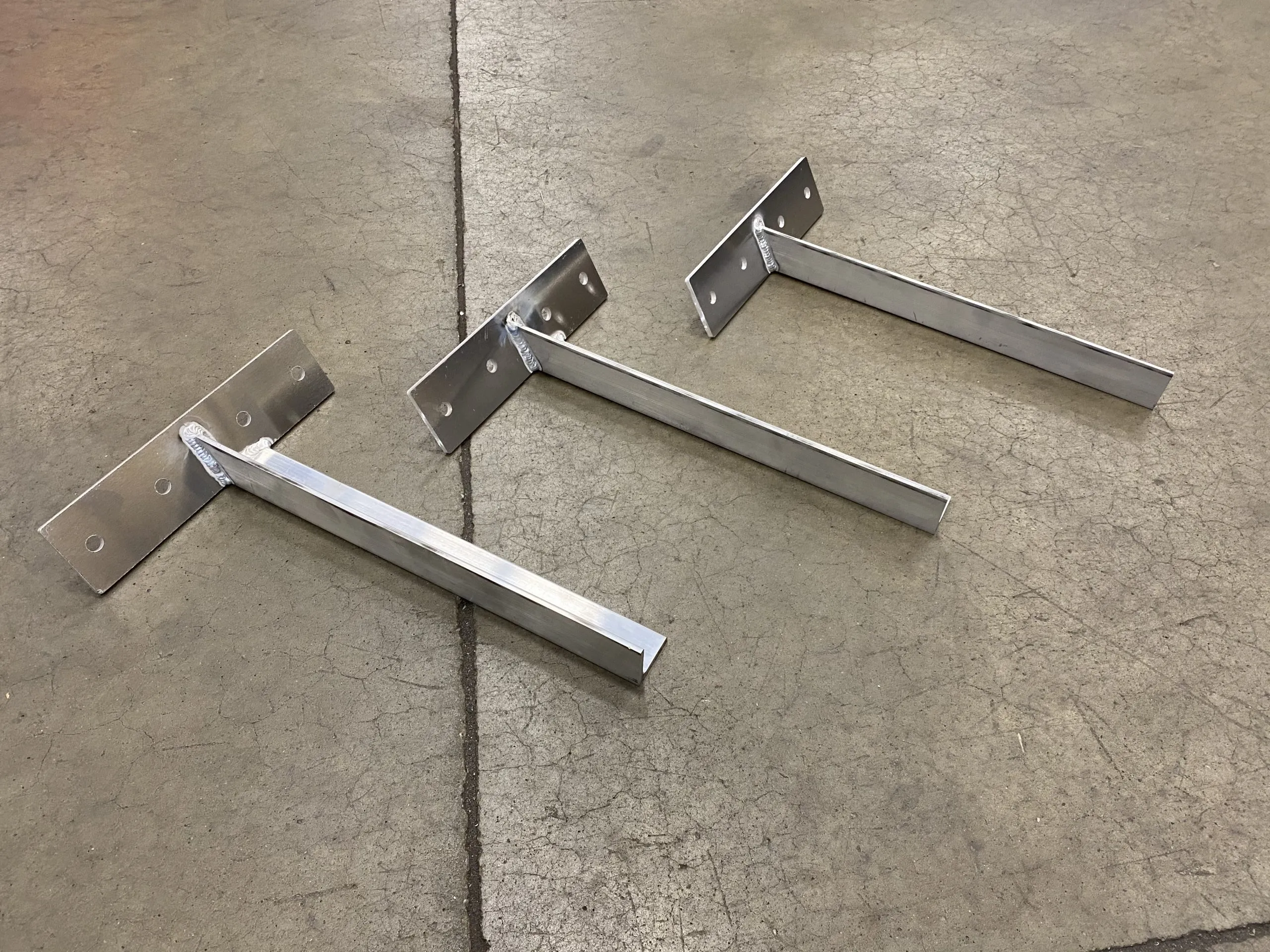 Sheet metal parts with minimal design
Smart cost reduction doesn’t mean sacrificing quality. You can lower costs while maintaining a high standard with the right strategies. These methods are proven to help companies of all sizes maximize their sheet metal budgets.
Smart Material Choices
Special orders are not charged extra if you choose readily available materials and standard sizes. Aluminum 5052 is a good choice for many applications, and it costs less than special alloys. You can use cheaper materials for prototypes to validate designs. Use more cost-effective materials instead of production-grade metals. This method allows you to save money in the early stages of product development without compromising on final quality.
Design Optimization Techniques
By reducing bend numbers and standardizing bend radius, manufacturing complexity is reduced. By combining multiple components into one component, assembly is eliminated. Simple geometric shapes are more reliable and process faster than complex forms. Design optimization can result in significant savings without the need for expensive equipment or process changes. Working with designers who are familiar with manufacturing constraints is a great way to save money.
Minimize Unnecessary Features
Assess whether each hole, cutout, and surface finish serves a true functional purpose. Avoid small bends in large, thick sheet parts. They can be difficult to fabricate precisely. Vent patterns that have many small cutouts are more difficult to cut than simple slots. By removing unnecessary features, you can save both money and time. Before sending your designs to production, review them critically.
Standardize Tooling Requirements
Manufacturers can use standard tools when the internal bend radius is between 0.030 and 0.300, depending on the material thickness. Standard punches and common hole sizes allow for faster production. Standard sizes can save you money by avoiding the need for custom tooling. Standardization can reduce setup costs and time for all of your projects. Create a library with standard features that you can use in different designs.
Choose the Right Fabrication Method
Laser cutting is more precise, but it costs more than punching simple patterns. Punching is often more cost-effective for high-volume production with repetitive features. Understanding the best time to use each method can help optimize costs. Different fabrication methods suit different applications. For best results, match your fabrication method to the project requirements.
Avoid Welding When Possible
Welding is a skilled job that takes time and can require additional finishing. Consider using rivets instead of welding if joining sheets is a necessity. If welding is necessary, pre-plated steel can eliminate the need for post-welding coating. Mechanical fastening is often stronger and cheaper. Consider alternatives to welding before you resort to it.
Manage Tolerances Wisely
Tight tolerances increase production costs and labor hours. Specify tight tolerances only for features that truly require them. Costs are kept down by leaving non-critical dimensions with standard tolerances. Check your tolerance specifications. Many features work perfectly well with tolerances that are looser than originally specified.
Sheet Metal Production Strategies for Cost Control
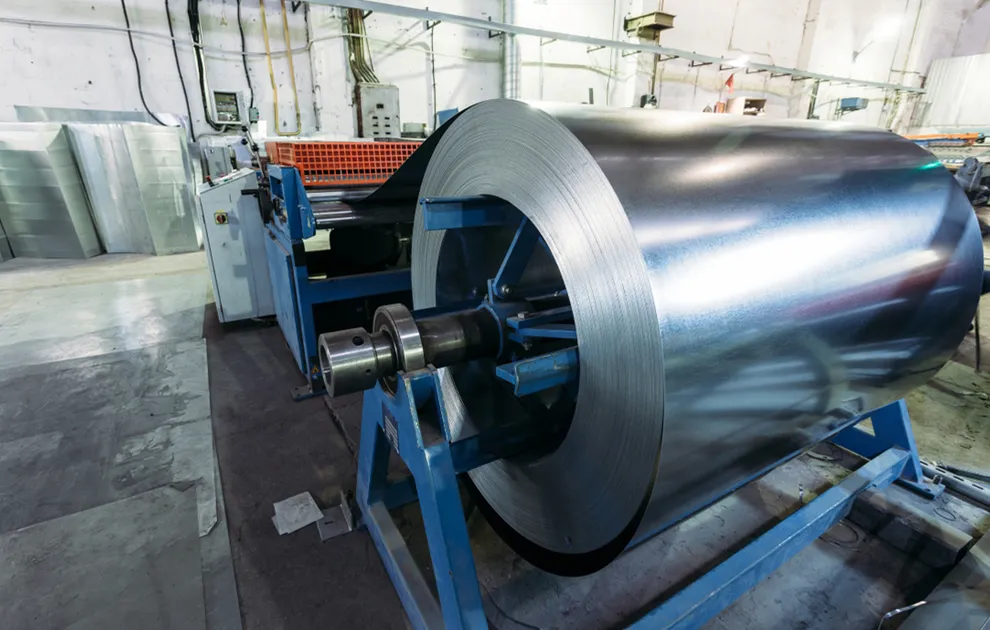
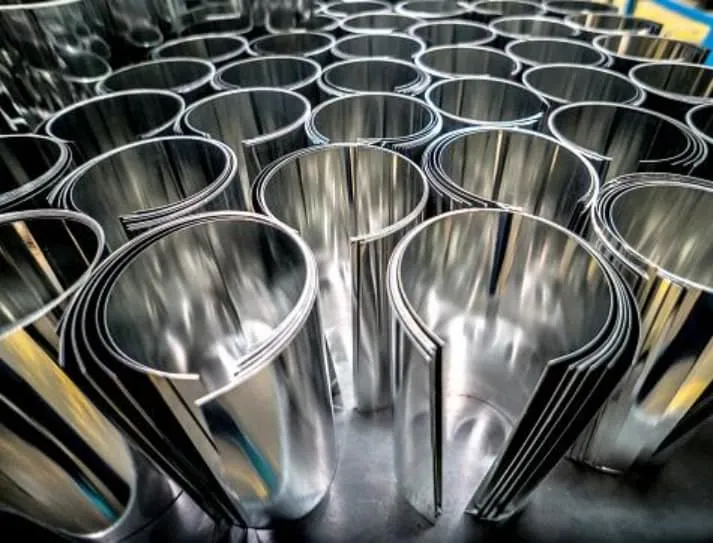 Bulk Sheet Metal Rolls
Planning production efficiently can separate profitable projects from those that are a loss. Your bottom line can be dramatically impacted by strategic manufacturing approaches. Explore key strategies to control costs in the manufacturing process.
Efficient Material Nesting
A nesting program can increase edge material usage by as much as 30%. This optimization directly translates to material cost savings through reduced waste. Nesting efficiently maximizes sheet usage and minimizes scrap. The value of good nesting increases with large production runs. Every sheet that you efficiently process multiplies your savings.
Bulk Purchasing Benefits
Volume discounts are often available when purchasing standard sheet sizes in large quantities. Companies with a constant need for sheet metal can save money by establishing relationships with suppliers that offer bulk pricing. Bulk purchases can lead to better pricing. Take advantage of volume discounts by planning your purchases. Stock up on materials that you use frequently to help with bulk purchases.
Production Volume Planning
Quantity increases reduce the cost per part. Due to the high cost of setup and layout, one-off parts tend to be more expensive. Even modest increases in the order quantity can significantly reduce per-unit costs. Order parts in bulk if you will need them soon. Combine multiple small orders instead of spacing them out.
In-House Finishing Capabilities
By handling operations such as deburring or painting in-house, you can avoid markups and shipping delays. Outsourcing finishing services can ensure professional results, but in-house capabilities reduce costs. Assess which finishing tasks you and your team are capable of handling. Compare the costs of equipment investments with ongoing outsourcing expenses. Some operations are better done in-house than others.
Build Strong Supplier Relationships
It is beneficial to work with fabricators who are experienced and understand the importance of cost optimization. Many shops provide free design reviews to identify areas for improvement in manufacturing. These services help refine designs before production starts. Strong supplier relationships create win-win situations. Suppliers become more than vendors. They are partners in your success.
Optimizing Sheet Metal Design for Cost Efficiency
 Cost-Efficient Sheet Metal Design
Precision Sheet Metal Fabrication does not have to be expensive. Modern technology has made precision work of the highest quality more affordable and accessible than ever. Understanding these technological advances will help you achieve precision results at a reasonable cost.
Modern CNC Technology
Modern CNC equipment delivers tight tolerances efficiently. Laser cutting can handle intricate shapes quickly and without a lot of setup time. These technologies allow for more precision work. CNC automation increases repeatability and reduces human errors. Initial setup costs are spread across multiple production parts.
Quality Control Integration
Inspections at each stage can catch problems earlier, when they are easier to fix. Six Sigma is used by advanced fabricators to reduce process variations and defects. This results in fewer parts being rejected and lower costs. Quality control in production reduces the need for costly rework. Incorporate inspection points into your manufacturing processes.
Design for Manufacturability
Simple features of sheet metal design that are aligned with standard manufacturing capabilities will process faster and more accurately. Consultation with fabricators in the early stages of design can identify potential problems before they turn into costly issues. The principles of design for manufacturability ensure that parts can be efficiently produced. Early involvement of your fabricator in the design phase can save time and money. Their input can save you time and money.
Material Selection Expertise
Different metals behave differently during cutting, bending, and forming. Choosing materials that machine well for your specific application reduces tool wear and cycle times. Stainless steel 304 offers good fabrication characteristics and corrosion resistance. Aluminum 6061 provides excellent machinability for precision parts. Match your material choice to your fabrication methods for the best results.
CAD Software Benefits
Software with features specific to sheet metal can optimize design. These tools accurately calculate flat patterns and take bend allowances into account. These tools flag any potential manufacturing issues prior to sending files into production. By using the right design software, you can reduce errors and make sure that parts are manufactured according to plan. Invest in sheet metal-capable tools.
Try Prolean Now!
Hidden Sheet Metal Costs Engineers Often Miss
Scrap
Scrap occurs when material is wasted during cutting, punching, or bending. Choosing the wrong thickness or a poor nesting layout increases scrap significantly. Even small percentages of scrap add up quickly in cost. Proper planning and material optimization can reduce scrap and save money.
Rework
Rework happens when parts do not meet design specifications. It increases labor, material use, and machine time. Miscommunication in drawings or unclear tolerances often triggers rework. Streamlined processes and clear documentation help minimize rework costs.
Over-tight tolerances
Over-tight tolerances force additional machining and inspection steps. They drive up costs without improving functionality in most cases. Many parts perform perfectly with slightly looser, achievable tolerances. Reviewing design tolerances with manufacturing in mind avoids unnecessary expenses.
Late design changes
Changes late in the design stage disrupt production planning. They may require new tooling, material, or rework of existing parts. Each late change increases labor and delays timelines. Early collaboration between design and manufacturing prevents costly late-stage modifications.
When Cheap Sheet Metal Fabrication Becomes Expensive
Quality failures
Poor quality leads to rejected parts or returns. It damages supplier reliability and adds hidden costs in time and material. Consistent quality control ensures repeatable, low-cost production. Choosing suppliers with proven quality reduces the risk of failure.
Inconsistent suppliers
Suppliers that cannot meet specs or schedules increase risk and cost. Inconsistent supply can halt production and create inventory issues. Reliable, consistent suppliers ensure smoother production and predictable costs. Long-term partnerships often save more than selecting the cheapest vendor.
Poor DFM (Design for Manufacturability)
Additional functions, such as bending or creating joints through welding, may be needed for details that lack manufacturability alignment. Part design must consider manufacturability. Otherwise, cycle times and material waste increase. Treating manufacturability design issues early streamlines the process, raises the effectiveness, and lowers the total cost of production. Effective working drawings are the result of fabricators and engineers working as a team.
Conclusion
An understanding of the pricing mechanism and wastage is required to gain visibility on your costs on cutting sheet metal. Different materials, varying design features, tolerances, tooling, and planning all play an important role in determining your costs. By choosing standard options and simplifying part features, quality is retained at a lower expense on fabrication.
To benefit your sheet metal project, Prolean Tech helps you in all the necessary approaches to reduce your costs in cutting sheet metal. Our experts evaluate your designsand provide suggestions on what other modifications you can make to your design in order to save costs and use other efficient fabrication strategies. You gain exact parts, your costs are efficiently distributed, and your timelines are generated. Teaming up with ProleanTech helps you stay within the estimated costs on your sheet metal projects while achieving the required functionality.
0 Comments