
Tool and die manufacturing plays an irreplaceable role in modern production facilities, whether it is for sturdy military equipment or intricate medical devices. Manufacturers turn to this solution for its capabilities in mass production, precision, cost-efficiency, innovation, and versatility.
This essential manufacturing solution involves multiple steps comprising design, material selection & preparation, machining, and finishing. Ultimately, you have a tool that can serve any industry for which it was designed – aerospace, electronics, car manufacturing, marine, and more.
As a business striving to not only maintain high quality in high-volume manufacturing while ensuring cost-effectiveness, understanding the tool and die process is worthwhile.
This article highlights the fundamentals of the tool and die manufacturing process. Read on.
What is Tool and Die Manufacturing?
Tool and die manufacturing entails the processes and strategies used to produce devices that support manufacturing processes.
It covers the following:
- Mechanical devices that cut, shape, form, and perform sheet metal shearing operations
- Specialized tools for stamping, forging
- Jigs for holding materials during processes
Tool and die makers are relevant in a wide range of industries, from car manufacturing to consumer goods.
The History of the Manufacturing of Tools and Dies
The history of tool and die manufacturing can be traced back to the 1760s, when blacksmiths and goldsmiths used chisels and hammers to make coins and other products. This era preceded the discovery of electricity and steam, which led to the entry of machine tools in the 1940s.
The period between the 1940s and 1990s was defined by automation, dominated by electronics and control technology. We are now in the digital-intelligent era, which is driven by data and computing power.
As human ingenuity and skill have expanded over the centuries, so has the tool and die-making capacity. Today’s solutions are marked by intelligent systems defined by computing and data.
What is a Tool in the Manufacturing Industry?
People often use the terms tool and die interchangeably, but they are distinct. A tool is defined as a mechanical device for producing other items. It can perform a wide range of things, including sheet metal slitting, cutting, forming, and supporting.
In the machining world, a quality tool is rigid, accurate, customizable, and versatile. Types include milling cutters, lathe tools, drill bits, reamers, and boring tools.
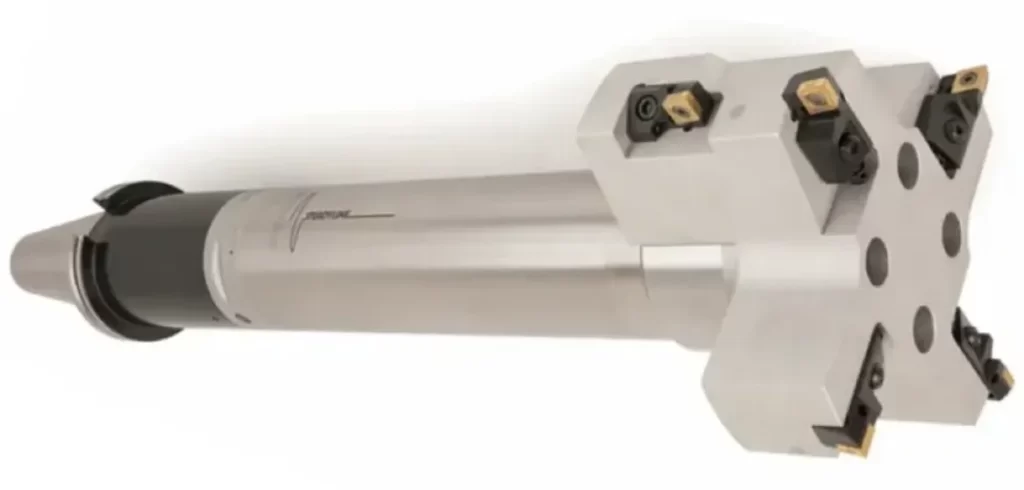
A boring tool
What is a Die in the Manufacturing Industry, and What Is a Die Used For?
A die is a member of the tool group or a subcategory of tools. It is a specialized tool for shaping, cutting, or forming metal into a defined size or shape. Different die types are used in cutting, casting, stamping, forging, and trimming operations in sheet metal.
A common way to categorize dies is by dividing them into cutting dies and forming dies. Cutting dies remove material through processes such as fine blanking and piercing.
If a die does not remove any material, it is considered a forming die. Note that some dies can fall into both categories, so this grouping is just for simplification.
For dies, types are also sometimes derived from how the device operates for each stroke. This classification has options such as simple dies, compound dies, progressive dies, transfer dies, and multiple dies.
Simple Dies – Each stroke performs either a forming or cutting operation. The simple designs are cost-effective, but can be unsuitable for multiple operations. An example is a sheet metal blanking die.
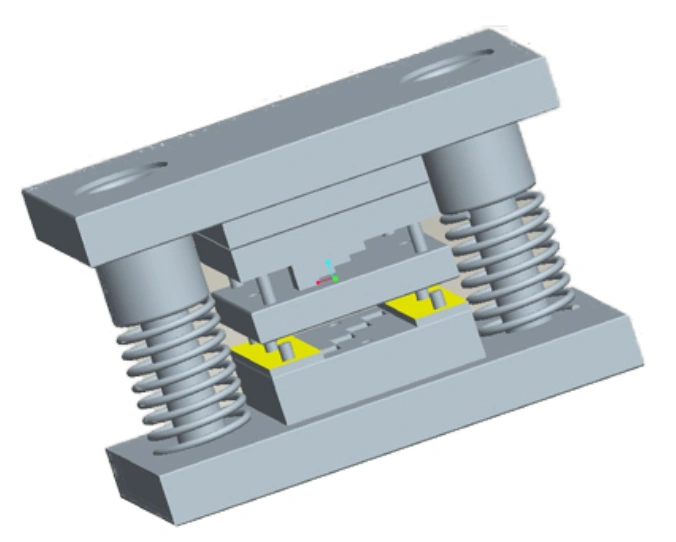
Blanking die
Compound Dies – A single stroke supports several forming and cutting operations. The stroke may be slow, but the overall efficiency of the die is relatively high.
Progressive Dies – Progressive dies are characterized by feeding mechanisms for separate stations for multiple operations. A single stroke prompts several forming and cutting operations.
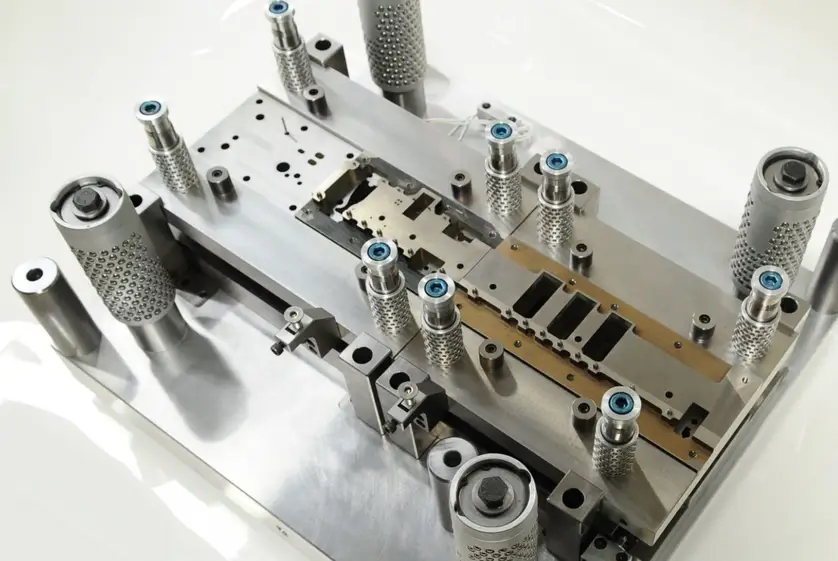
A progressive die
Transfer Dies – Instead of a single strip used in progressive dies, transfer dies feature singular metal blanks. These precut pieces go from station to station as the sheet metal forming process continues.
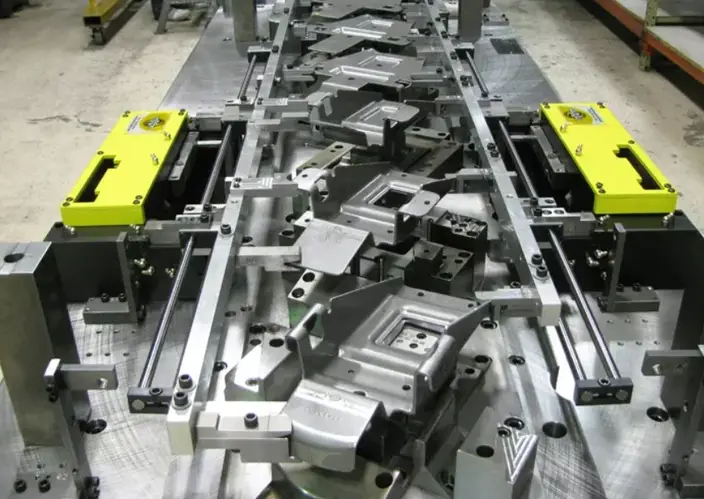
Transfer dies
Multiple Dies – Also known as a gang press, this arrangement produces multiple components on a stroke. A control mechanism is usually linked to identical dies.
Try Prolean Now!
Tool and Die Manufacturing vs Molding
Molding is a different process that some people confuse with tool and die manufacturing. With molding, molten material is poured into a cavity, which has the shape of the intended part. So, the material solidifies and acquires that shape.
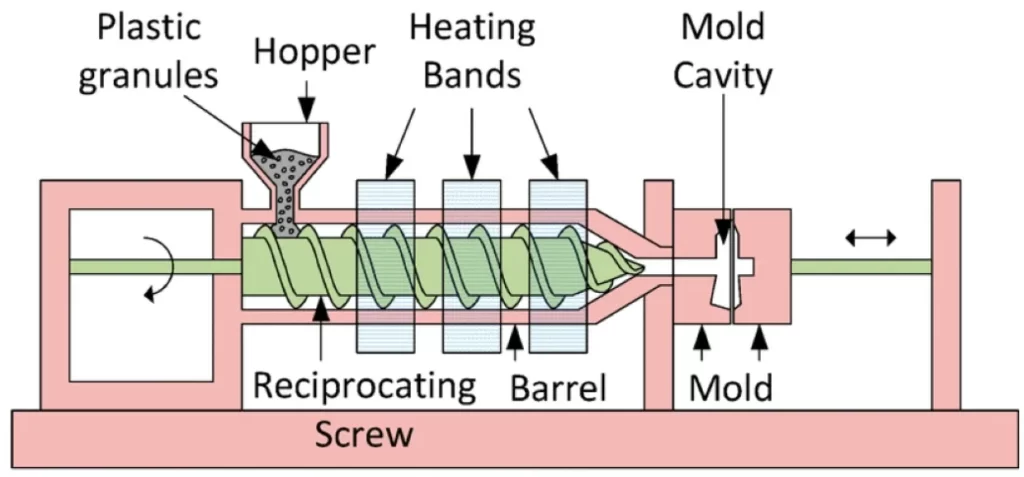
Molding
Although tools and dies are also designed to produce specific shapes and sizes, the molding vs. die manufacturing difference is that they do so by stamping out raw material, which is in solid form.
The Steps of Tool and Die Manufacturing
The process of making tools and dies is complex and long, comprising detailed planning, design, machining, and finishing. The resulting tools and dies are capable of supporting relevant sheet metal fabrication services.
Manufacturers undertake each of these processing steps with utmost keenness and professionalism to ensure durable, accurate, and high-performance tools.
Step 1: Design and Planning
Using the specific requirements of the product as a guide, designers and engineers develop tool and die blueprints. They use the latest CAD (Computer-Aided Design) software for this step.
These blueprints are digital models of the tool and die, which can be simulated and adjusted for design optimization.
Step 2: Material Selection and Preparation
Material selection and preparation are crucial stages of the manufacturing process because they ensure that the tool can consistently perform at its highest level. The selected material should meet the minimum requirements for hardness, durability, and wear-resistance.
Material preparation entails cutting, shaping, and treating. Treatment is often necessary to enhance the mechanical properties of the die and tool.
Step 3: Machining and Finishing
In this final stage, milling and other precision CNC machining techniques are applied. As the features on the tool and die should be as intricate as possible, stringent inspection and testing are also applied.
Contact our experts to learn more about the relevance of CNC machining in the manufacturing of tools and dies.
Types of Materials in Tool and Die Manufacturing
Tools and dies can be produced from a range of materials, including alloy steel, tool steel, and tungsten carbide. Each option has unique advantages, so the selection process should be considerate of that. Typically, the most important factors are durability, strength, and cost efficiency.
Alloy Steel
Alloy steel comprises steel, chromium, nickel, and other elements to enhance its properties. It is strong, wear-resistant, and versatile, and widely used in prominent industries such as aerospace and automotive.
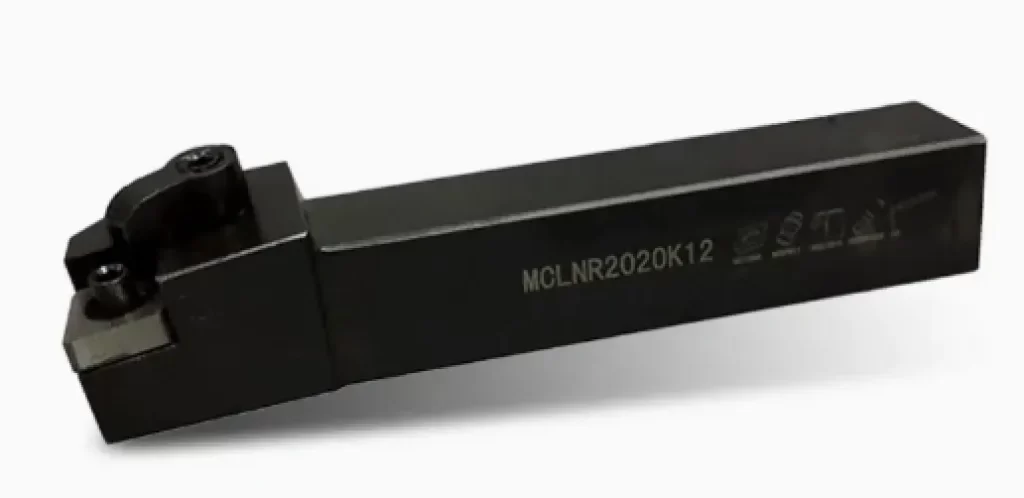
Alloy steel turning tool
Types of alloy steels commonly used in the tool and die manufacturing process are chrome steel, manganese steel, and nickel-chromium steel.
Tool Steel
With its remarkable strength and wear resistance, tool steel is a popular material for tool and die making. Whether for cutting or forming, the material works excellently.
Depending on the specific applications, the tool and die manufacturing company may choose any of the following varieties of tool steel;
- Hot work tool steel
- Cold work tool steel
- High-speed steel (HSS)
Tungsten Carbide
Tungsten carbide is another dependable tool and die material known for superior hardness and heat resistance. It could be brittle and relatively pricey, but the material typically withstands the varying requirements of cutting and forming operations.
Advantages of Tool and Die Manufacturing
Professional tool and die manufacturing presents the following advantages:
Precision – No matter the number of production runs, expert manufacturing of tools and dies delivers high levels of dimensional tolerances. Users are guaranteed the repeated production of identical parts in conformance with standards.
Complex geometries – Where manual fabrication approaches would struggle with part complexity, tool and die production provides seamless solutions. For instance, progressive dies are designed to perform multiple complex operations at a single stroke.
Cost-efficiency – The initial cost of manufacturing can be high, but the per-part costs reduce over time. Consider high-speed stamping operations, where a quality tool and die setup can produce thousands of parts per hour.
Try Prolean Now!
Limitations of Tool and Die Manufacturing
So, the limitations of this manufacturing for tools and dies include high initial investment, low design flexibility, and maintenance concerns.
High initial investment – Tool and die development is a strenuous process involving design, manufacturing, and testing phases. This may not work for small production runs or prototyping.
Limited design flexibility – Once the tool and die have been produced, any further adjustments are tasking. The manufacturing company may even be required to replace the entire tooling if the design must be adjusted.
Maintenance Concerns – Like any other item, tools and dies undergo wear and tear from use. Maintenance and repairs are necessary, and these will finally lead to replacement.
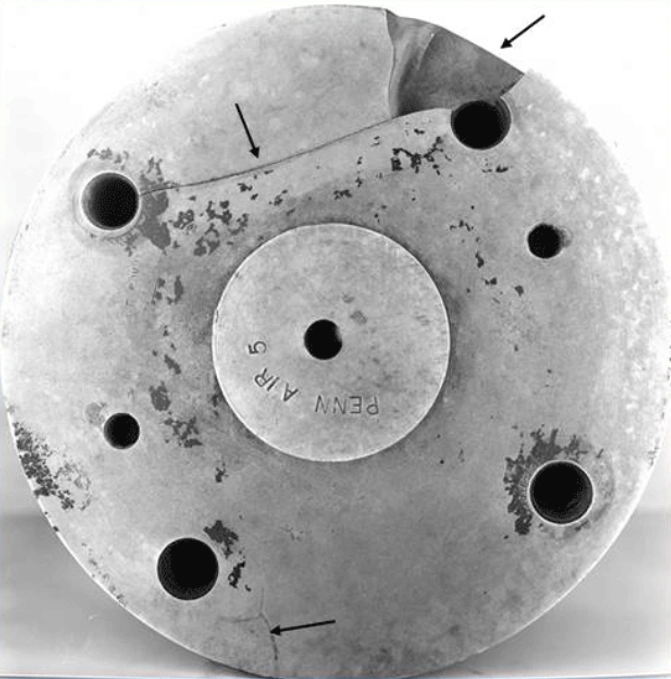
Broken die
The resulting downtimes can impact operations, while ignoring these requirements leads to poor-quality parts. Request a quote for guidance on tooling maintenance, repair, and replacement.
Tool and Die Manufacturing Capabilities
Modern tool and die manufacturing companies enable a range of manufacturing capabilities. These solutions can be broadly classified as deep drawing, stamping, and prototyping. These solutions are briefly discussed below.
Deep Drawing
This metal forming process entails transforming a flat metal sheet into a 3-D part by drawing on a specialized forming die. The part’s depth is larger than the diameter. The process can be single-stage or multi-stage, based on the part’s depth.
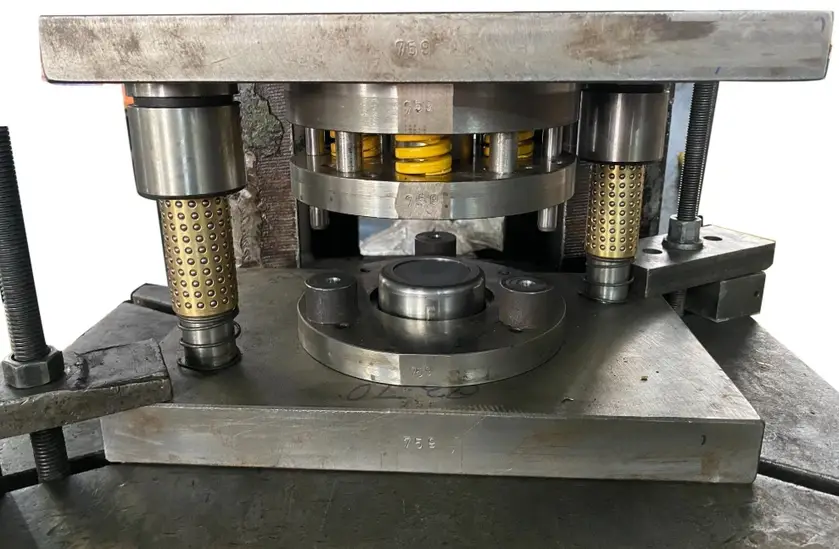
A deep draw press die
Stamping
Stamping operations use high-quality forming and cutting dies. Tool and die companies design and manufacture these dies for durability and accuracy.
Whether compound dies, transfer dies, or progressive dies, tool and die makers have the capacity to deliver the products.
Prototype
Prototype tools and dies are manufactured before full-scale production for testing and validation. Prototyping capability is beneficial in reducing manufacturing costs and lead time.
Advancements in Tool and Die Manufacturing
The conventional manual tool and die manufacturing has been slowly phased out and replaced with modern approaches that emphasize longer tool life, enhanced precision, and shorter lead times.
The following advancements are among the most notable today.
Integration of CAD/CAM
Computer-Aided Design (CAD) and Computer-Aided Manufacturing (CAM) software are central to the modeling and simulation capabilities of modern tool and die manufacturing.
Engineers apply software to improve the quality and speed of the process between design and manufacturing.
Extended Tool Life
The lifespan of modern tools and dies is high because surface treatments and material science have advanced over the years. Manufacturers have refined heat treatment processes and coatings. For instance, coatings such as diamond-like carbon (DLC) and titanium nitride (TiN) are now available.
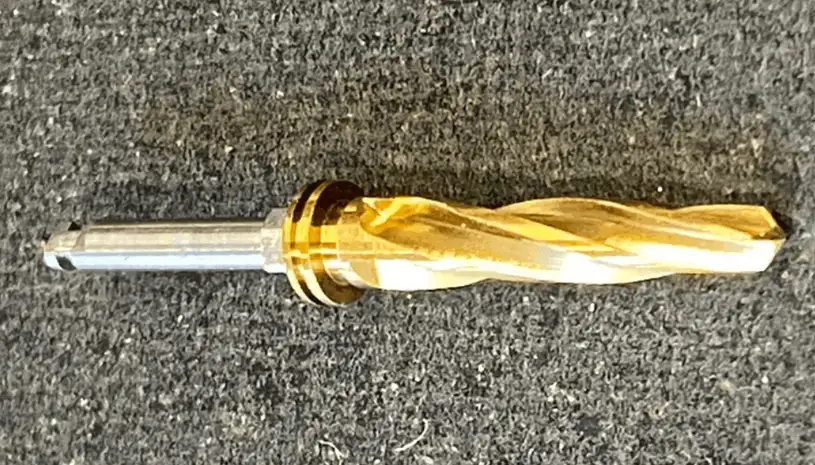
Titanium Nitride Coated Tool
CNC Machining Automation
Computer Numerical Control (CNC) machining is now common in virtually every tool and die manufacturing company, having replaced manual machining. Manufacturers can produce tools and dies of complex shapes easily, something that was extremely difficult with manual machining.
With automation, machining can happen unattended, ensuring shorter lead times and higher productivity.
What is the Purpose of a Die Tool in Different Industries?
Tool and die manufacturing is a prominent activity in many modern applications, including the following:
Automotive Industry
Many automotive components are made through sheet metal forming and other processes. Some of these components are door panels, body panels, and chassis frames. The industry relies on quality dies to produce both standard and custom parts.
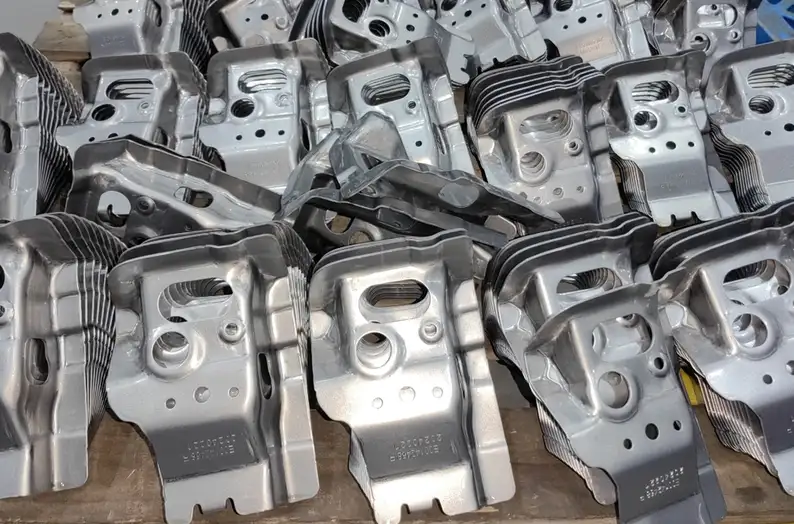
Deep-drawn auto parts
Consumer Products
Tooling has significant relevance in the manufacture of consumer products. Appliances, mobile phones, garden implements, and many other products require tool and die processing.
Packaging
Boxes, containers, and everything else central to the packaging industry would not be available without cutting and forming tools.
Electronics
Precise metal cutting methods are required for brackets, heat sinks, and enclosures necessary for the manufacture of electronics. With the right tooling, the manufacturer can achieve the tight dimensional tolerances required in the industry.
Punch press dies are commonly used in the electronics manufacturing industry for tight dimensional tolerances and overall quality of parts.
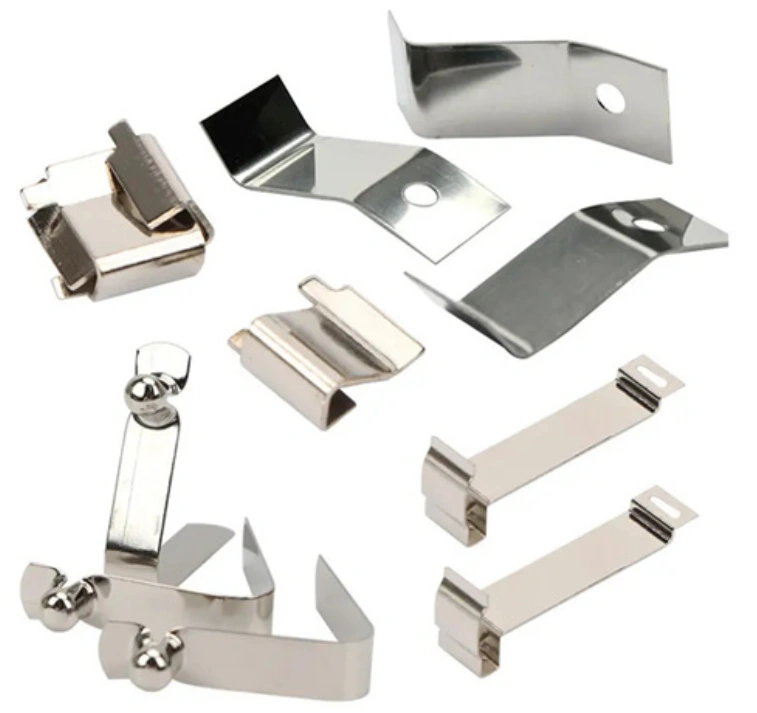
Stamped parts for electronics
In Conclusion
Modern manufacturers and tool and die makers are intertwined, with the quality of products dependent on the types of dies and tools available. For this reason, companies seek tooling partnerships that promise versatility, cost-efficiency, and precision.
Go hand-in-hand with technology by collaborating with experienced sheet metal fabrication services providers. You will get reliable long-term support for standard die and fabricating requirements, coupled with custom offerings that ensure business growth.
0 Comments