
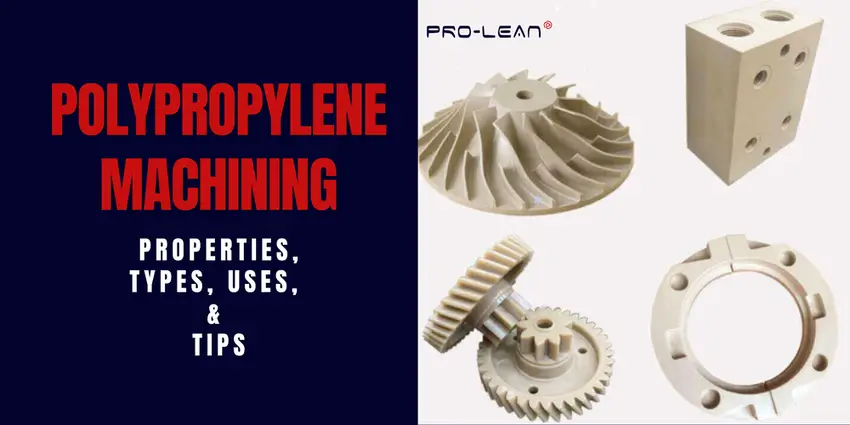
Polypropylene machining
Polypropylene (PP) can be processed using computer numerical control (CNC) technology to produce parts for a wide range of industries, including automotive, medical, chemical handling, consumer goods, and food processing.
PP has impressive machining properties and chemical resistance, so it makes excellent machined parts, from basic to complex ones. A machine shop with the latest technologies can maneuver the expected machining challenges, such as burrs, heat generation, and poor surface finish. CNC mills, lathes, turning centers, and routers help manufacture some of the quality PP parts you find in the market.
This article discusses the art of plastic CNC machining for polypropylene, outlining PP grades, the manufacturing process, the CNC machining steps, and polypropylene applications.
What is Polypropylene?
Polypropylene is a widely used, cost-effective, chemically resistant, and flexible thermoplastic. It is also strong, stable, and has high-impact resistance, characteristics that make it the second most popular plastic behind polyethylene (PE).
Types of Polypropylene
Polypropylene is primarily divided into homopolymers and copolymers. The number of PP versions increases to three because copolymers can be either block copolymers or random copolymers.
The distinctions of these Polypropylene types are further highlighted below;
Homopolymers: This is the general-purpose and most common type of polypropylene. Known for high strength and stiffness, this grade features a semi-crystalline structure.
Block Copolymer: The co-monomer units in this copolymer are arranged in blocks, hence the name block copolymer. This type is renowned for structural integrity and impact resistance. Due to its toughness, the block copolymer PP is common in industrial applications.
Random Copolymer: This is the category to pick if you are looking for more flexibility and clarity in PP. The material is flexible and transparent, hence ideal for packaging and related applications.
Generally, here is the distinction between homopolymers and copolymers.
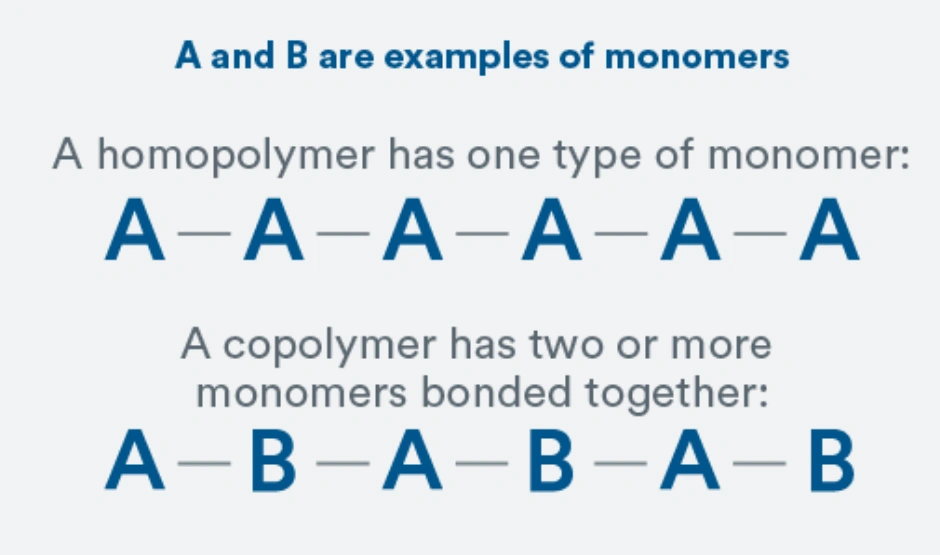
Homopolymer vs copolymer
Suggested Reading:
How is Polypropylene Made?
Polypropylene is made through a process called polymerization. As depicted in the image above, the essence of the process is to derive this product from propylene, a flammable hydrocarbon gas that is popular as a primary component for chemicals and plastics. So, the polypropylene manufacturing process comprises material preparation, polymerization, processing, and quality control.
Material Preparation
First, the manufacturer gathers the raw materials, which include propylene, co-catalysts, and a catalyst system. Hydrogen may also be used for molecular weight control. Propylene is then refined, and a polymer resin is produced.
Polymerization
From the refinery stage, the material is polymerized to produce a polypropylene resin. Polymerization is a bonding process that produces long chains from propylene molecules. Specialized reactors are used for a controlled process that ensures consistent polypropylene resins.
Processing
With the polypropylene resin ready, plastic products can now be produced through molding, extrusion, and other techniques. Each technique is selected depending on the form and shape of the product.
Molding shapes the resin using molds. Many automotive parts and consumer containers are manufactured this way. For extrusion, the resin is forced through a die to produce continuous sheets or tubes. CNC machining deals with solid blocks or sheets of the product, precisely cutting and shaping them using computer-controlled tooling.
CNC machining, for instance, ABS CNC machining, is also suitable for secondary operations on some polypropylene parts. The popular technique is ideal for the custom manufacturing of complex parts with tight tolerances.
Quality Control
Polypropylene processing is incomplete without quality control. Subjecting the product to exhaustive inspection and testing is essential for the sustenance of safety and quality standards.
Some main polypropylene properties that the manufacturer checks at this stage are durability, chemical resistance, and strength.
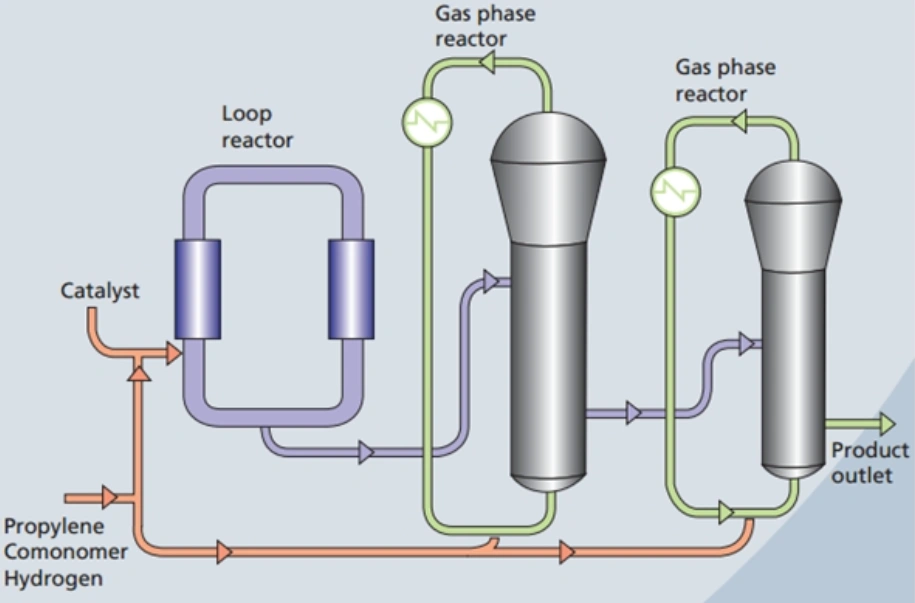
Polypropylene manufacturing schematic
Steps of Polypropylene Machining
Effective polypropylene machining follows several basic steps: Material preparation, machine setup, machining, and post-machining. It is largely similar to any other type of CNC machining, including PVC machining. The distinction is in how each of the machining stages is handled, considering the unique polypropylene properties.
Here are the machining steps in more detail.
Material Preparation
Inspecting the polypropylene stock is a priority in every CNC machining project. The machining team carefully checks the material specifications to ensure the surface finish and tolerances meet requirements.
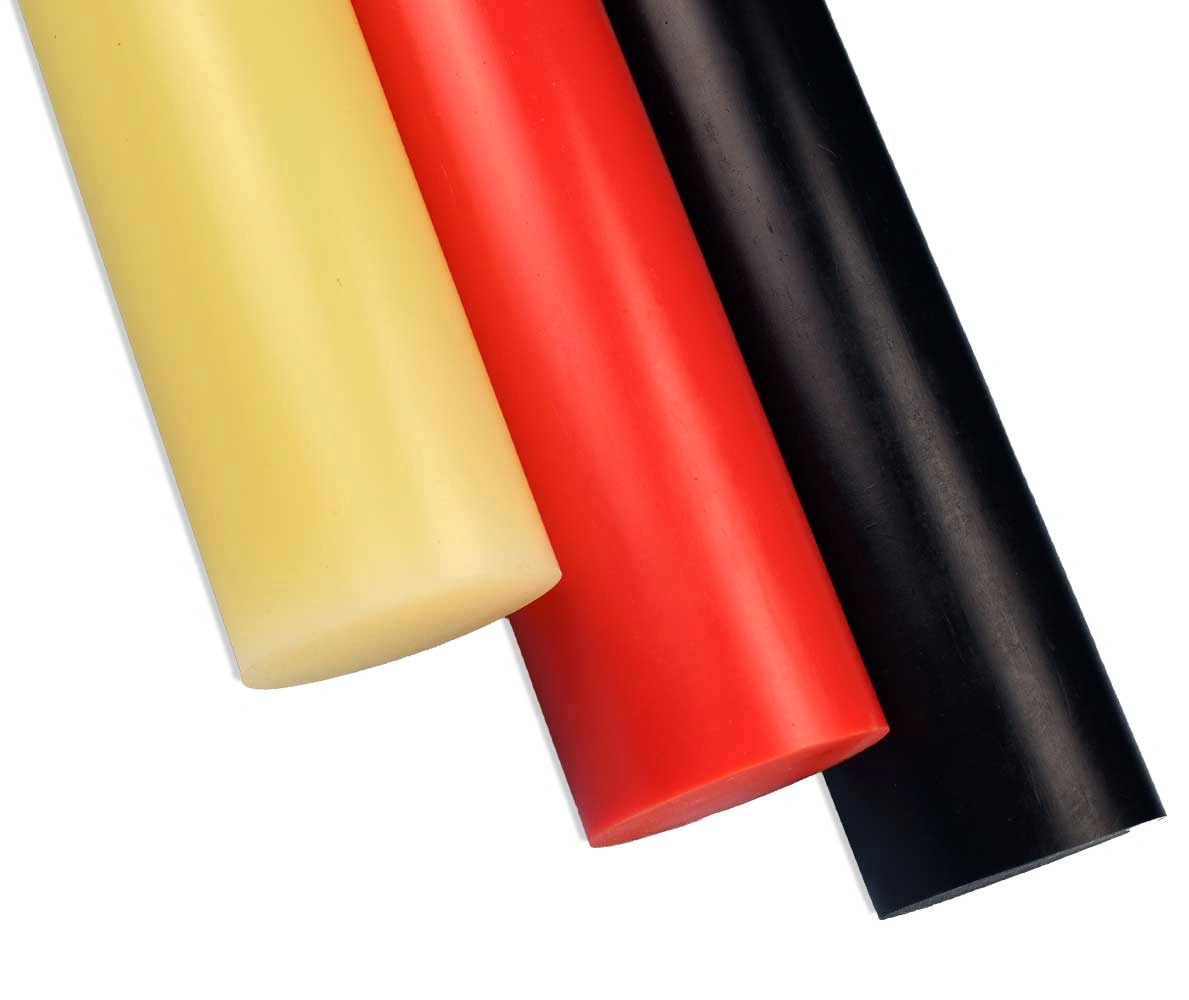
Polypropylene stock
Machine Setup
Polypropylene properties require specific setups on the CNC machine, so the machinists look at this as well. Critical considerations are toolpaths, feed rates, and spindle speed. Workholding equipment must also be sturdy, and the cooling strategies intact. After all the setup, the plastic can now be machined.
CNC Machining
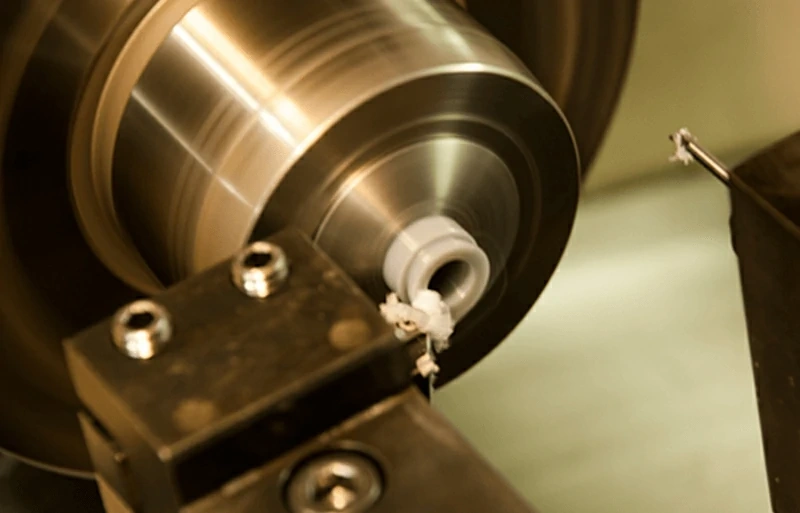
Polypropylene (PP) CNC machining
During polypropylene CNC machining, advanced equipment activates CNC programs to create the designed parts. Cutting speeds, feed rates, and cutting conditions are closely monitored for optimal results. Operators may make adjustments to maintain the part’s surface quality and dimensional accuracy.
Post-Machining
Like for nylon CNC machining, the process also involves post-machining steps to remove residues and ensure the surfaces and edges are smooth. Depending on the part’s use or subsequent role in fabrication, surface treatments and other processes may follow.
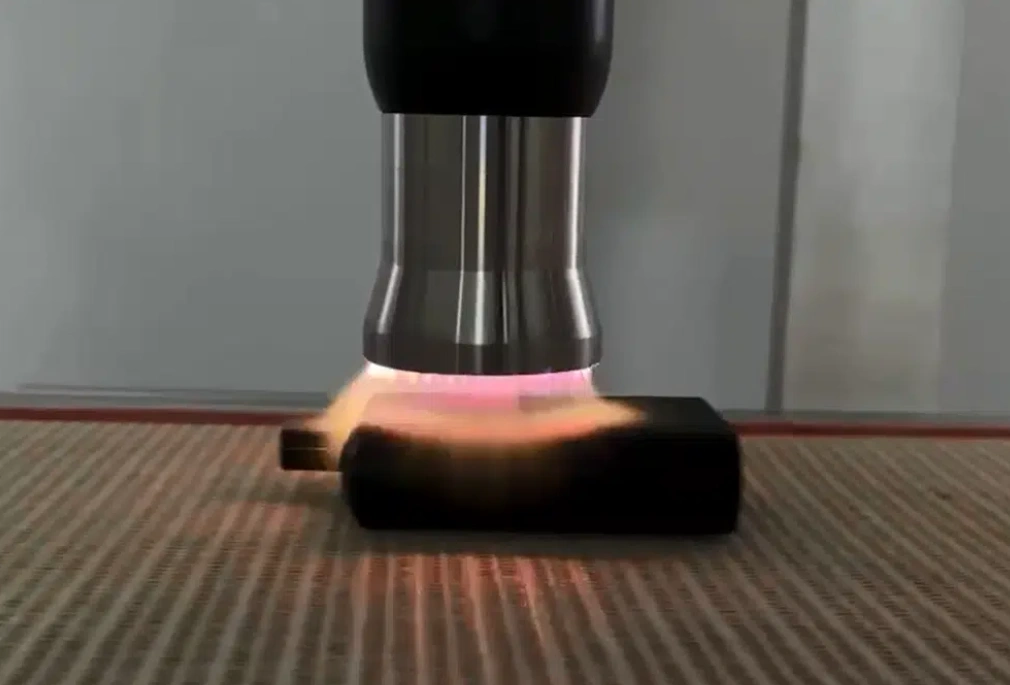
Plasma surface treatment
Annealing Polypropylene
CNC-machined polypropylene parts tend to generate internal stresses from the manufacturing process. To counter potential issues, manufacturers often subject the parts to annealing, a controlled heating process that relieves the stresses. Most importantly, the machinist must take into account that polypropylene has a relatively low melting point – temperature control may be necessary.
Try Prolean Now!
Different CNC Machining Processes for Polypropylene
Polypropylene can be CNC machined using various strategies, including CNC turning, CNC milling, CNC routing, and CNC drilling. The specific type of plastic CNC machining applied depends on production volume and machined part geometry. Most parts require the deployment of several of these processes, unless the geometry is too basic.
How Easy Is It To Machine Polypropylene?
Being soft and requiring minimal cutting forces, Polypropylene is easy to CNC machine. However, experience in thermoplastics machining shows that the material requires extra care to manage thermal deformation and the generation of chips.
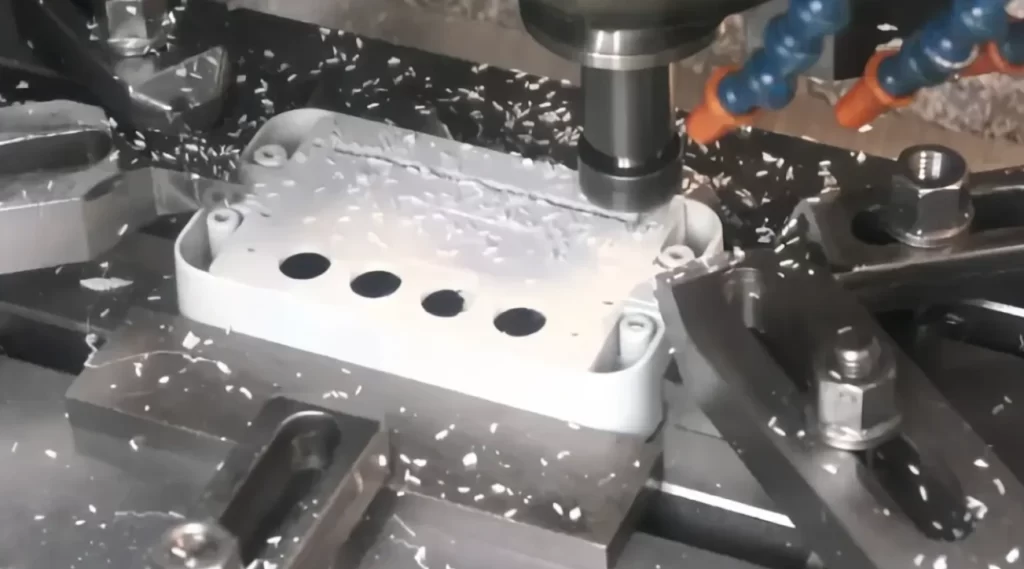
Chips formation
Machinists experience the following challenges when machining polypropylene.
- Heat buildup/melting
- Burrs
- Warping
- Deformation
- Dimensional accuracy
- Difficulty attaining a uniform surface finish
Tips for Effective Polypropylene Machining
Optimizing polypropylene machining requires the following strategies;
- A quality chip evacuation system
- High rake angles for sharp tooling
- Minimal heat generation during machining
- Robust workpiece support
- Effective use of compressed air or coolant
These approaches are meant to prevent machining inaccuracies, part melting, and a rough surface finish.
Choosing the Right Grade of Polypropylene for CNC Machining
Selecting the right polypropylene in CNC machining is the biggest determinant of the effectiveness of your parts. A wrong choice invites machining challenges, poor part performance, and overall, higher costs. For this thermoplastic, you are looking at polypropylene homopolymer vs copolymer, specialty grades, and filled vs reinforced.
Polypropylene Homopolymer vs Copolymer
Homopolymer PP is recognized for its higher temperature resistance and tensile strength. Copolymer PP offers better low-temperature performance and impact resistance.
Specialty Grades
Some clients are interested in specialty grades of PP, usually medical-grade and those with flame resistance. Consult ProleanTech experts for help producing parts that comply with such special industry standards.
Filled vs Reinforced
Polypropylene may be mineral-filled or glass-reinforced. Choose the mineral-filled type for higher dimensional stability, but be ready to contend with heavier parts. Glass-reinforced PP parts are stiffer, but the downside is that machining the material is more difficult.
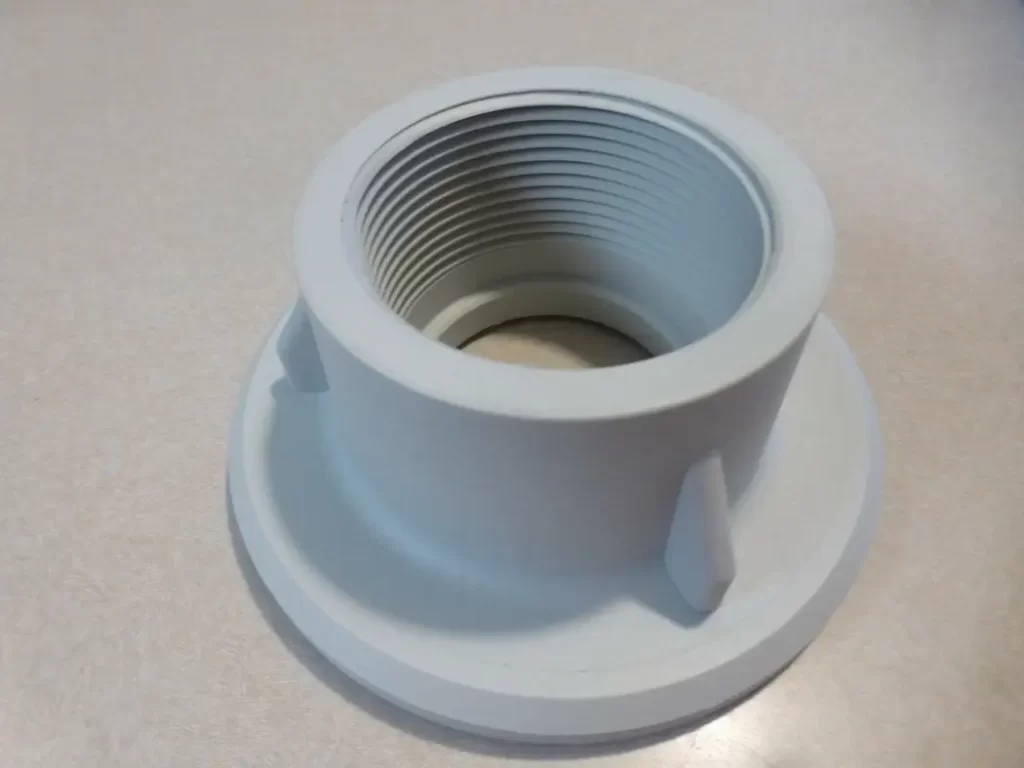
Glass-reinforced polypropylene part
Advantages of Polypropylene Machining
Machining polypropylene offers these advantages;
- Secondary treatment is typically not necessary – the material has chemical resistance
- High-dimensional stability
- Low power consumption
- Low tool wear
Limitations of Polypropylene Machining
Polypropylene properties can also trigger machining limitations, which include;
- Proneness to springback
- Stress cracking when loaded continuously
- Low temperature resistance
With these kinds of machining challenges, the machinist should apply proper thermoplastics machining strategies, such as the correct depth of cutting and fixturing systems.
Try Prolean Now!
Industrial Relevance of Polypropylene Machining
Polypropylene machined parts are commonly used in many industries, including automotive, medical, consumer goods, chemical handling, and food processing.
Automotive Industry
Due to their low weight and strength, polypropylene machined components are usable on both the outside and inside of cars. Common examples of polypropylene applications in the industry are sensor brackets, battery enclosures, under-hood shields, and air guide blocks.
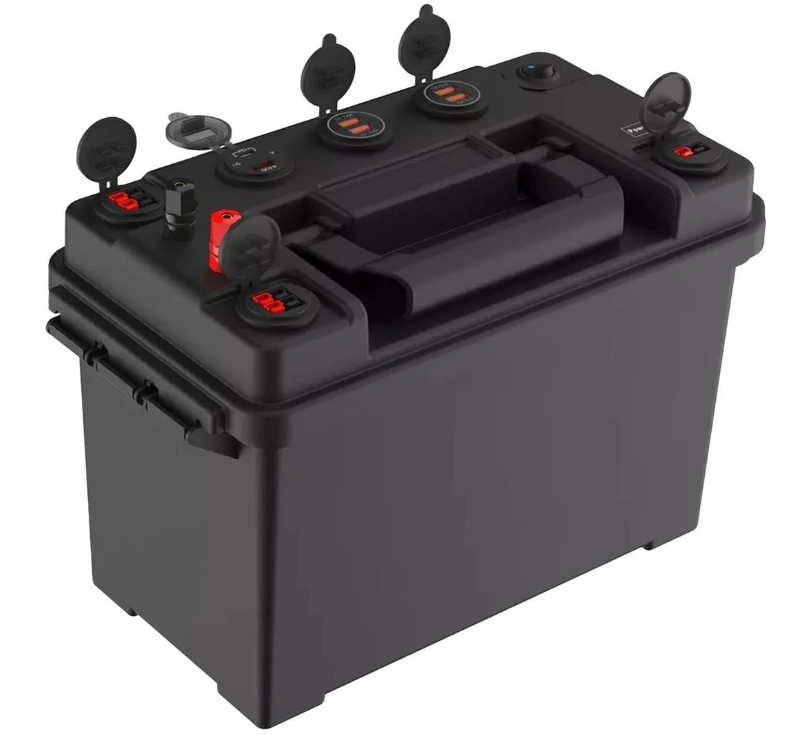
Battery case
Medical Devices
Machined polypropylene parts are preferred for medical components because of their chemical resistance. Lab equipment and surgical devices made from this plastic are also durable.
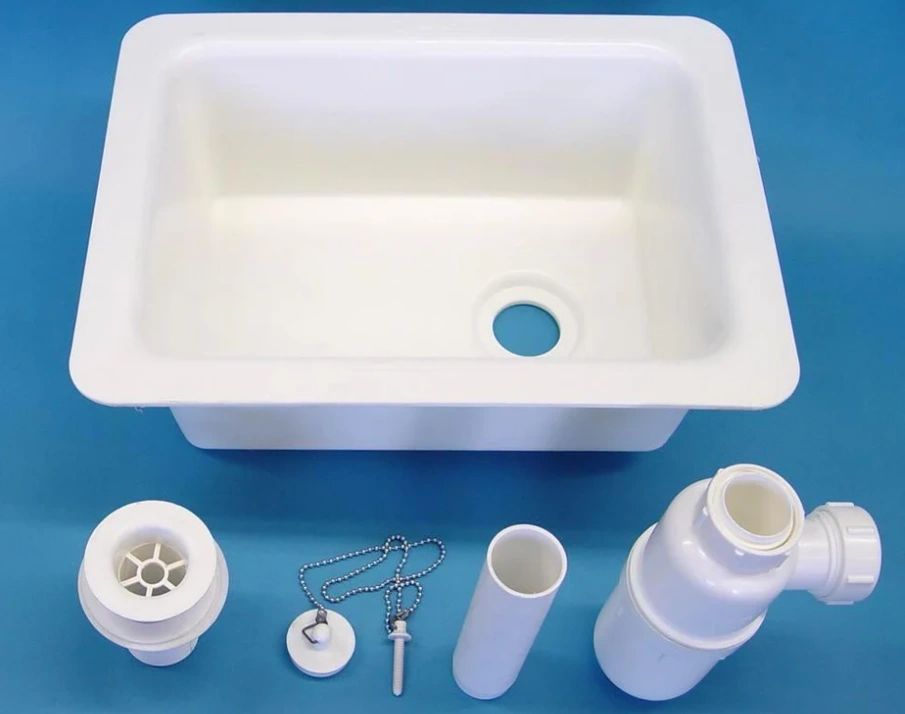
Lab sink and accessories
Consumer Goods
Consumer containers and packaging components are widely produced through polypropylene machining, mainly due to the material’s chemical inertness and compliance with the Food and Drug Administration (FDA) requirements.
Chemical Handling
Chemical resistance is one of the key polypropylene properties suitable for equipment used in chemical handling.
Food Processing
PP CNC-machined parts are also commonly used in this critical industry for their chemical resistance and inert nature. These include conveyor parts and plastic tanks.
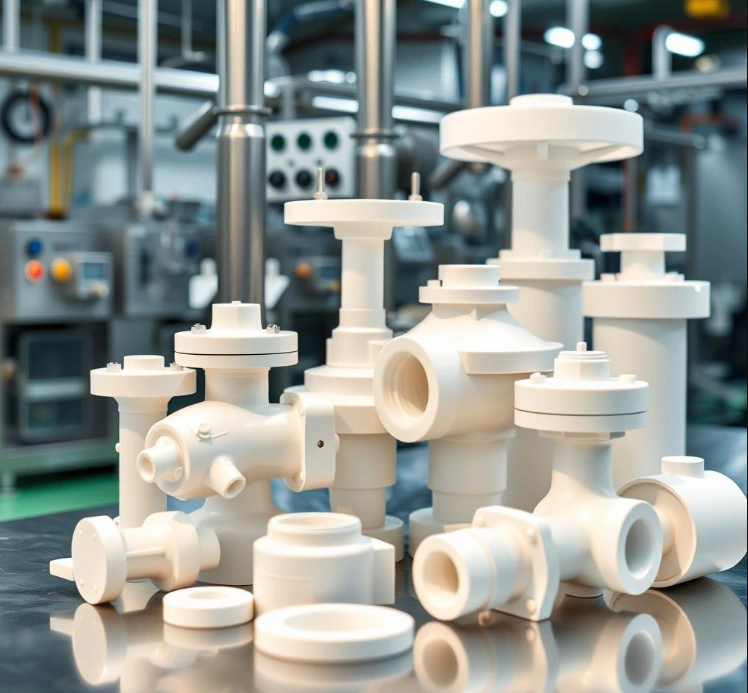
Food-grade conveyor system parts
Final Words
Polypropylene machined parts are common in industries such as automotive, plumbing, and medical. These parts are highly regarded for their low weight, chemical resistance, and unmatched durability. However, the quality of polypropylene machined parts depends on specialized machining knowledge that ensures proper tooling, thermal considerations, and parameter control.
The right PP machining partner understands these requirements and seeks optimized strategies in every step. For world-class handling of your polypropylene parts requirements, try ProleanTech’s CNC machining services. Contact the experts today!
0 Comments