
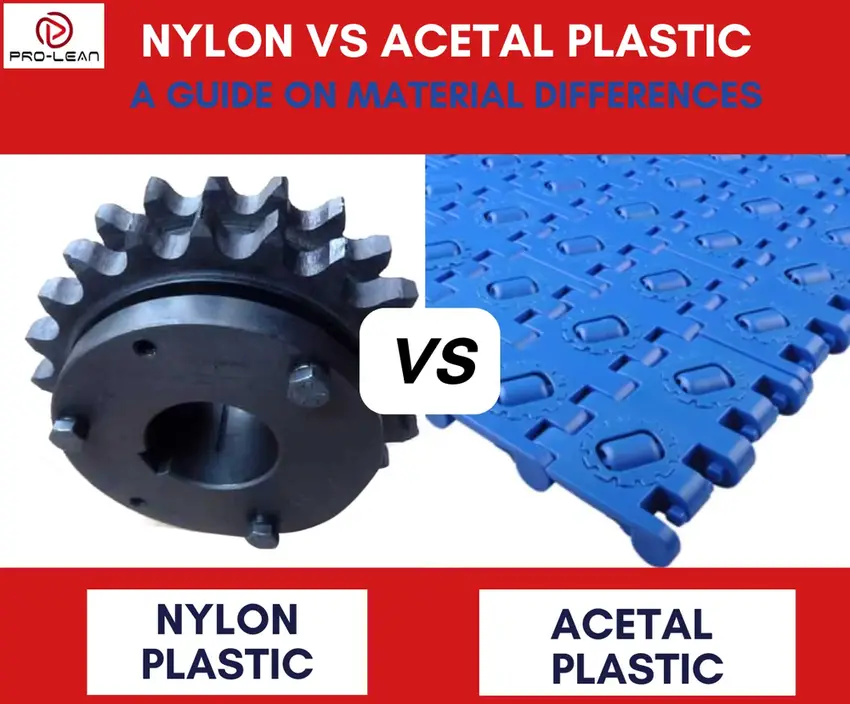
Nylon vs acetal plastic
Many industrial applications depend on acetal and nylon plastics, which are popular engineering plastics. Compared to metal, rubber, and other conventional materials, these plastics offer unmatched versatility, mechanical strength, and longevity.
But they are different, with nylon CNC machining products more preferable for impact resistance and acetal material for precision parts. There are more differences in appearance, durability, moisture absorption, and thermal properties, among other areas.
With top performance and durability at stake, it is worthwhile for dealers and users in areas such as medical, automotive, and liquid handling to understand the distinctions between plastic and nylon.
That’s the essence of this article. Read on to learn the structures, properties, and behaviors of these critical industrial plastics.
What is Nylon Plastic? Is Nylon a Thermoplastic?
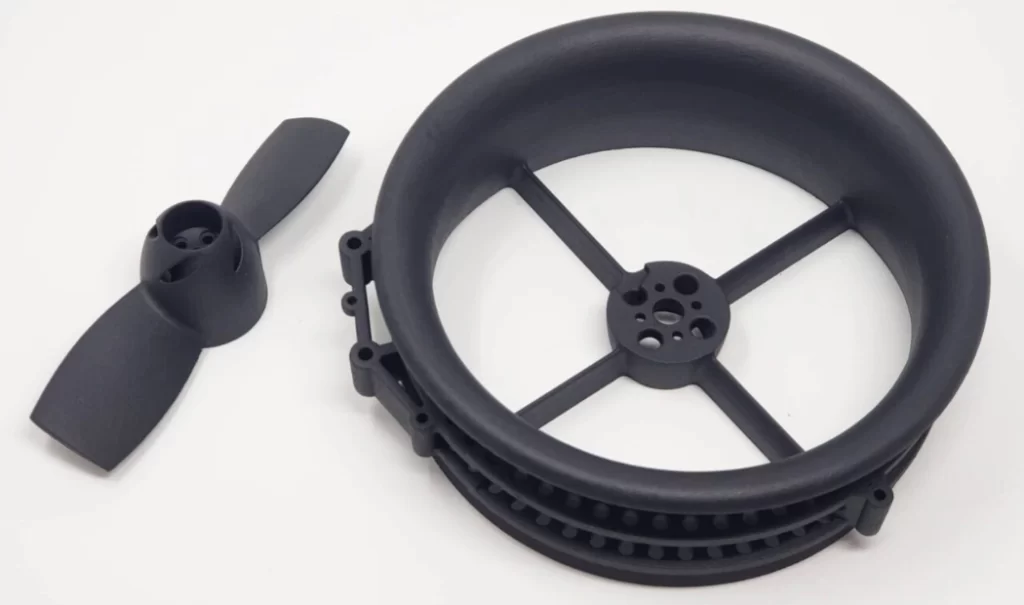
Nylon plastic parts
Nylon plastic is the umbrella name for a group of synthetic polyamide (PA) polymers that were first manufactured in 1935 by DuPont. These materials are available in different grades, including 6 and 6/6.
Each grade has its unique molecular structure, which determines mechanical properties, moisture absorption, and other properties, as seen in variants such as glass-filled nylon. It is a thermoplastic because heat makes it moldable. On cooling, the material solidifies.
Material Overview
Nylon plastic features amide linkages that are renowned for strong covalent bonds. These structures make the plastic characteristically tough and wear-resistant. It is also responsible for the material’s moisture absorption properties. Together, these characteristics affect the suitability of nylon plastics in CNC machining processes.
Is Nylon 100% Plastic? Is Nylon the Same as Plastic?
Yes, nylon is a 100% artificial plastic. It is typically manufactured from petroleum-based ingredients. A most notable fundamental aspect of nylon is that the composition is completely controllable. This is why different grades of the material can respond very differently to the same machining conditions.
Properties & Performance of Nylon Plastic
Nylon can withstand repeated moderate to high-stress and impact applications, sometimes rivaling metals. That’s because it has a good strength-to-weight ratio, high tensile strength, and admirable abrasion resistance.
As the analysis of pros and cons shows, the material has shortcomings in terms of dimensional accuracy. Its dimensional alterations can be as much as 2% due to moisture sensitivity. For this property alone, attaining accurate part geometry can be challenging.
Thermal and Chemical Behavior
Nylon plastics maintain reliable performance with good structural integrity, provided the operating temperature does not exceed 180°C. Some grades can have even lower temperature limits. While the plastics may not withstand the strongest oxidizing agents and acids, they exhibit good resistance to most organic solvents, oils, and greases.
What is Acetal Plastic?
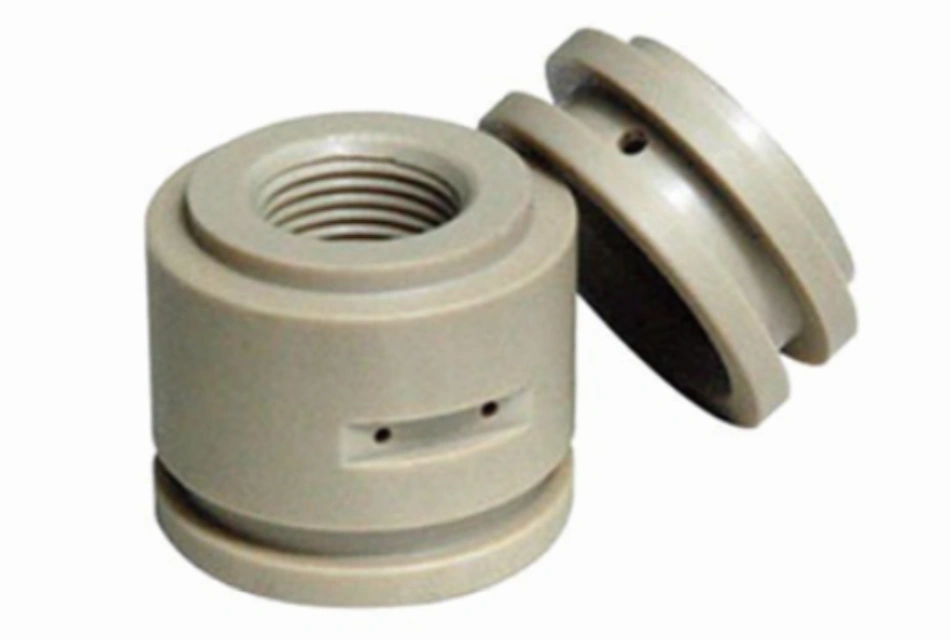
Acetal plastic component
Acetal plastic is an alternative name for polyoxymethylene (POM), which is an engineering thermoplastic invented in the 1950s. This material was specifically designed for parts that exhibit properties between those of metals and plastics. Acetal polymer is mostly available as the very stiff and wear-resistant Homopolymer (Delrin) or POM-H (Polyoxymethylene Homopolymer).
Other names for the thermoplastic include Polyoxymethylene glycol, Polymethylene glycol, Polyacetal, and Polyformaldehyde. Popular brand names for the plastic include Ultraform®, Delrin®, Tecaform®, and Celcon®.
However, it is important to point out that down to the details, these products have some differences in strength, stiffness, corrosion resistance, and other properties.
Read more:
Material Overview
Acetal has a uniform molecular structure based on polyoxymethylene chains. The resulting crystalline polymer has low moisture absorption and excellent dimensional stability. These properties ensure predictable machining results, allowing the plastic to maintain tight tolerances.
Properties & Performance
Acetal is stiff, strong, and creep-resistant. At a density of 1.42 g/cm³ and tensile strength of 63 MPa, Acetal is a load-bearing material with the capability to maintain dimensional accuracy for long. Other key properties are a low coefficient of friction, high heat resistance, excellent electrical characteristics, and recyclability.
Thermal Behavior of Acetal Polymer
Acetal maintains its mechanical properties and dimensional stability up to 100°C, which is close to the acetal melting point. The operational temperature may be relatively lower, but some engineers may prefer it for its predictability. This capability is specifically ideal for parts in temperature-changing environments.
Is Acetal Plastic Chemical-Resistant?
Yes, the thermoplastic is chemical-resistant to some extent, working excellently against neutral chemicals, solvents, and hydrocarbons. However, it degrades when exposed to stronger bases or acids. A pH of 9 or more is too much for acetal chemical compatibility.
Is Acetal Better than Nylon?
A typical CNC machining or other process will determine the best material for Delrin vs nylon based on several factors, including material composition, mechanical/physical properties, thermal properties, moisture absorption, applications, machinability, and chemical resistance. While these plastics have their distinctions, none is necessarily better than the other. It all depends on what your project expectations are.
Consider the following details of the differences.
-
Material Composition – Structural Differences
The nylon vs acetal plastic distinction is evident in the polymer chains. While nylon features amide (–CONH–) linkages, acetal contains repeating –CH₂–O– (polyoxymethylene) linkages. Nylon is available as nylon 6, nylon 6/6, and others. Each grade is distinct in terms of mechanical properties. The acetal structure is stable, with low-friction properties. For nylon, the polyamide structure results in higher strength and flexibility.
-
Physical Properties – Acetal Denser
Regarding the physical properties of nylon vs acetal, each of these plastics has a different density, appearance, color variability, and surface finish. Acetal is slightly heavier than nylon, and this is evident from its density of 1.43 g/cm³compared to nylon’s 1.15 g/cm³. This slight difference can make a lot of sense in weight-dependent components.
The feel and appearance can also differentiate between nylon and acetal. The glossy, waxy one is typically acetal. Nylon is mostly opaque with a matte finish. While most manufacturers would opt to keep the acetal surface natural for its low-friction properties, the two plastics can be produced in various colors.
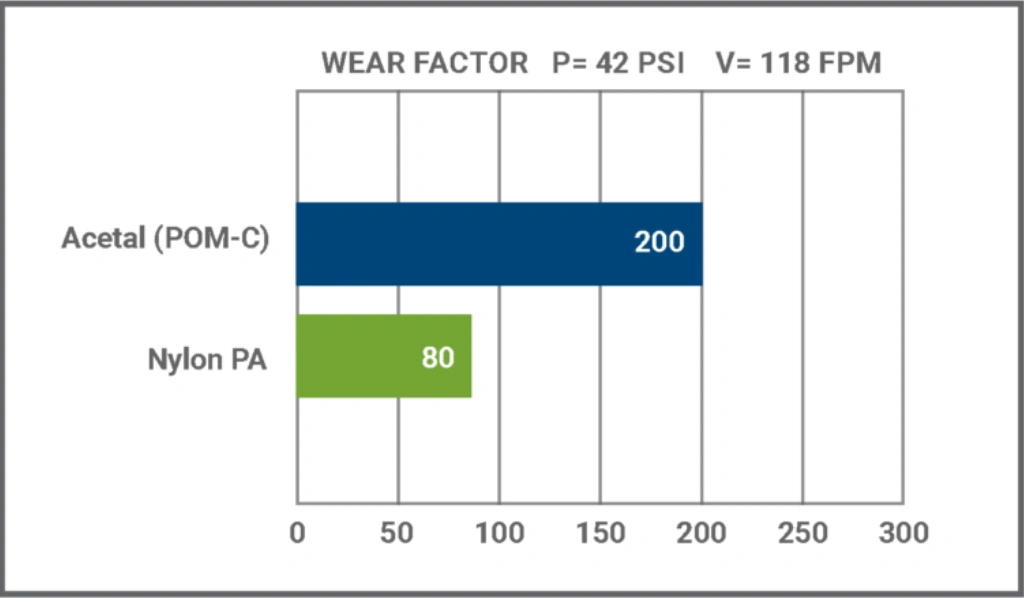
Difference in wear rate
-
Mechanical Properties – Nylon Tougher with Higher Impact Strength
A notable property of nylon vs acetal is impact resistance, whereby nylon outdoes the stiffer acetal. It all comes down to the difference in modulus or stiffness (2,900 MPa vs. 3,100 MPa).
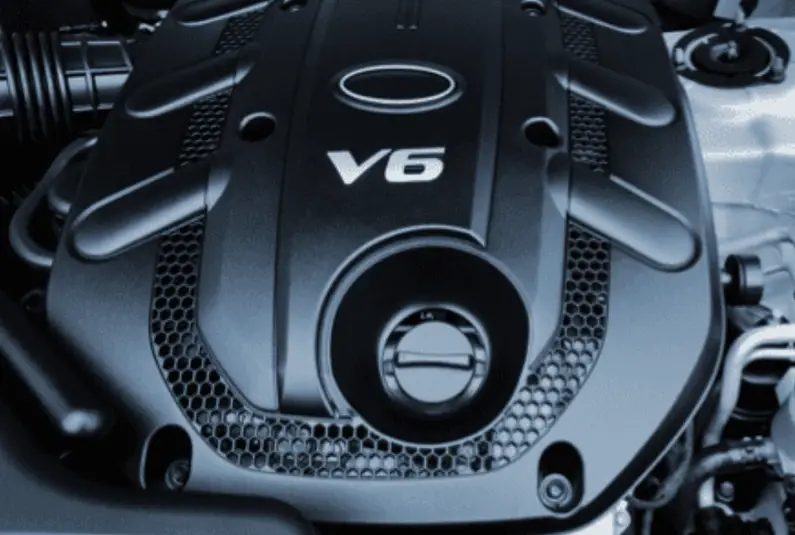
Impact-resistant nylon part
Their tensile strengths also differ, with Nylon 6/6 at about 80 MPa and acetal at around 70 MPa. This means that acetal is a better choice in high-load applications. Note that acetal has a higher compressive strength.
-
Thermal Properties – Lower Thermal Limit for Acetal
Regarding thermal properties of nylon vs acetal, nylon has a higher continuous service temperature but exhibits more unpredictable thermal expansion. Acetal’s dimensions are less affected by moisture and temperature dynamics.
Try Prolean Now!
-
Moisture Absorption – Higher Absorption in Nylon
Standard nylon machined parts are considered hygroscopic, meaning the material can absorb up to 8% water. That’s much higher than acetal material, whose absorption is around 0.2%. At room temperature, nylon’s moisture absorption is around 2% compared to acetal’s 0.2%. This property has a direct influence on the plastics’ dimensional stability.
In assemblies involving multiple plastics, the manufacturer must carefully consider this element to prevent tolerance challenges. This also applies to how wet an environment usually is.
For instance, acetal plastic is preferred for cutting boards.
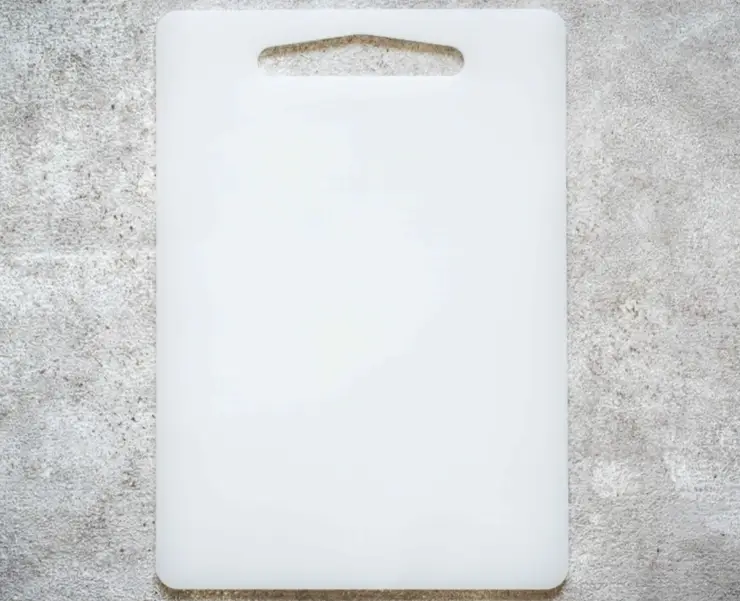
Acetal cutting board
-
Chemical Resistance – Differing Profiles
While nylon performs poorly in acidic environments, it holds up really well against solvents and alkaline solutions. It is a case of opposites because acetal is affected by bases, but resists weak acids. Acetal plastic is used to make valves for beverages and fermented products.
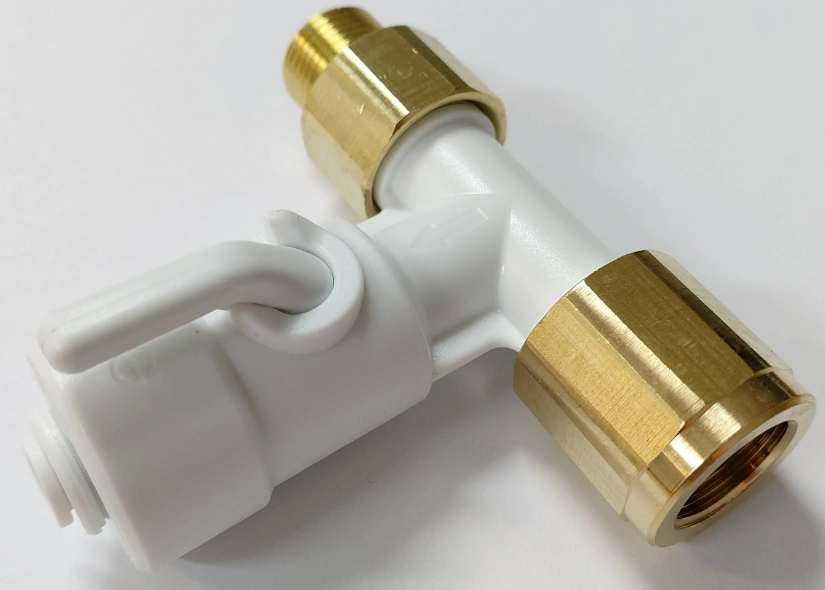
Acetal angle stop valve
So, when it comes to chemical environments, it is important to establish what these plastics can offer before ordering their parts.
-
Machinability – Post-Machining Necessary in Nylon
If you are looking for an option that holds tighter tolerances compared to nylon CNC machining, consider acetal material. Nylon’s higher moisture absorption is a hindrance, as post-machining is usually required.
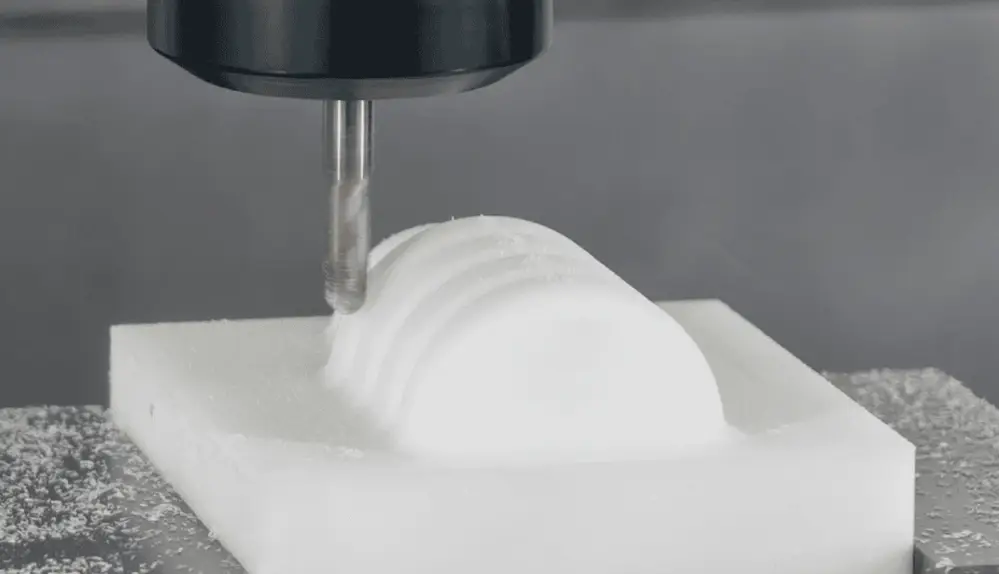
Nylon machining
With a lower friction coefficient, acetal also generates less heat during machining. For these reasons, machining acetal is faster and more cost-efficient.
-
Applications – Impact vs. Precision Applications
Both nylon and acetal plastics are versatile, with numerous industrial applications. However, each has specific areas in which it excels. Nylon is preferred for its flexibility and impact resistance. Its parts are common structural parts, gears, and fasteners. It also performs excellently in dry environments. Acetal plastic is valued for its compressive strength and suitability for wet environments.
The nylon vs Delrin choice depends on the importance of dimensional stability or impact resistance in a project. Order its CNC-machined parts if the use environment requires dimensional stability and low friction.
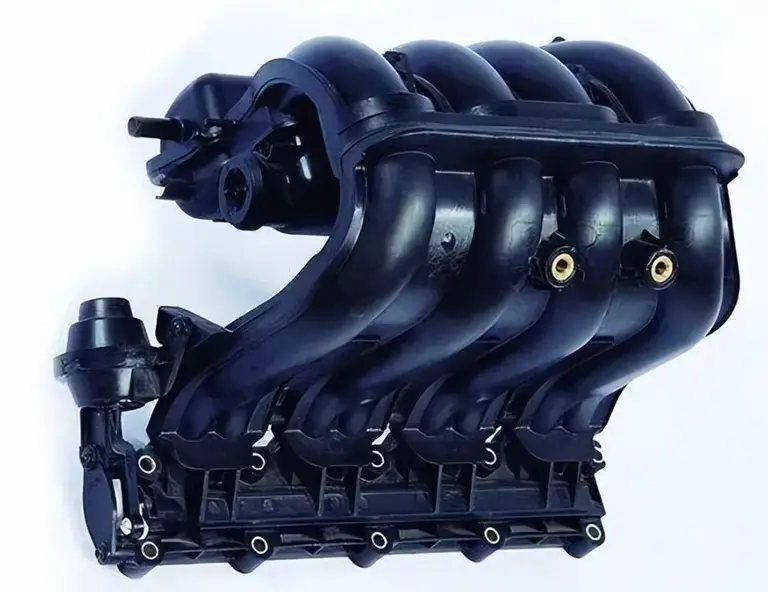
Nylon plastic car part
The plastic is ideal for precision parts in medical devices, automotive interiors, and other applications.
Try Prolean Now!
Comparison Table for Nylon vs Acetal Plastic
Below is a comparison table for nylon vs acetal plastic covering main properties, such as moisture absorption, dimensional stability, density, and others.
|
Property |
Nylon Plastic |
Acetal Plastic |
|
Moisture Absorption |
High (about 2% at room temperature) |
Low (about 0.2%) |
|
Dimensional Stability |
Poor to moderate |
Excellent |
|
Density |
Lower (1.15 g/cm³) |
Slightly higher (1.42–1.43 g/cm³) |
|
Coefficient of Friction |
Moderate |
Low |
|
Surface Hardness |
Softer surface |
Harder surface |
|
Thermal Expansion Coefficient |
Higher, less predictable |
Lower, more predictable |
|
Maximum Continuous Service Temperature |
Higher (about 180°C) |
Lower (typically around 100°C) |
|
Cost |
Lower |
Higher |
Alternatives for Acetal and Nylon Plastic
Acetal and nylon have alternatives in fibers and molding for nylon plastic, and Tufnol®, Celcon®, and Tecaform® for acetal plastic.
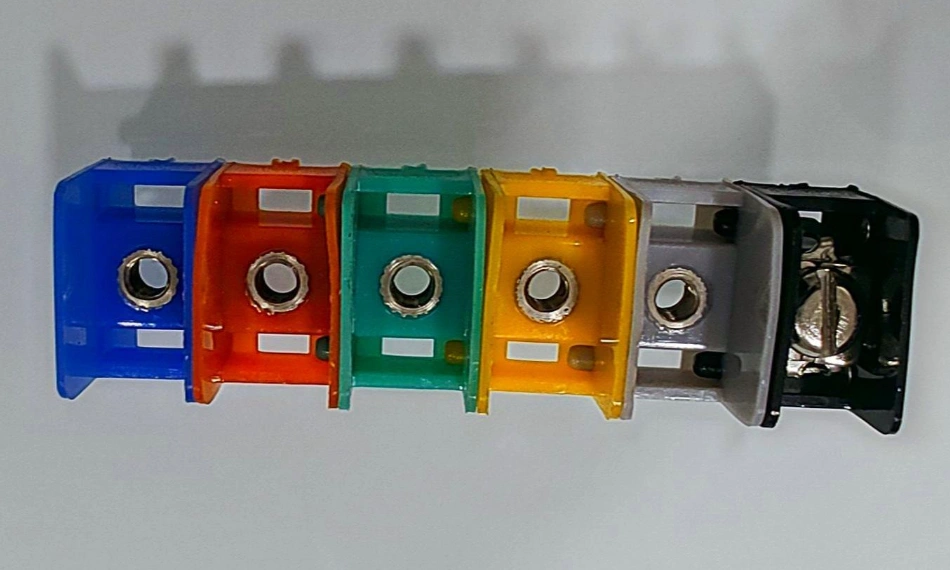
Celcon® parts
Fibers include bamboo, cotton, Lycra, wool, and silk. Molding examples are POM (acetal), ABS (acrylonitrile butadiene styrene), and HDPE (high-density polyethylene). Of course, these alternatives are used depending on the specific project requirements.
In Summary
This century has witnessed some amazing inventions, but thermoplastics such as nylon and acetal are undoubtedly on top. Almost every industry uses a range of plastics, including these options.
Given the excellent properties of plastics in general, the nylon vs acetal choice is a matter of the suitability of the specific properties in light of the application. Nylon is typically chosen for its impact strength, wear resistance, and toughness. Acetal parts thrive in applications where low friction, high precision, and high dimensional stability are non-negotiable.
If you are wondering how to get the best from nylon and acetal plastics, professional nylon machining services are the answer. You can refer to ProleanTech’s specific product machining pages or contact us for more details.

0 Comments