Jul 3, 2025 | Design Guide
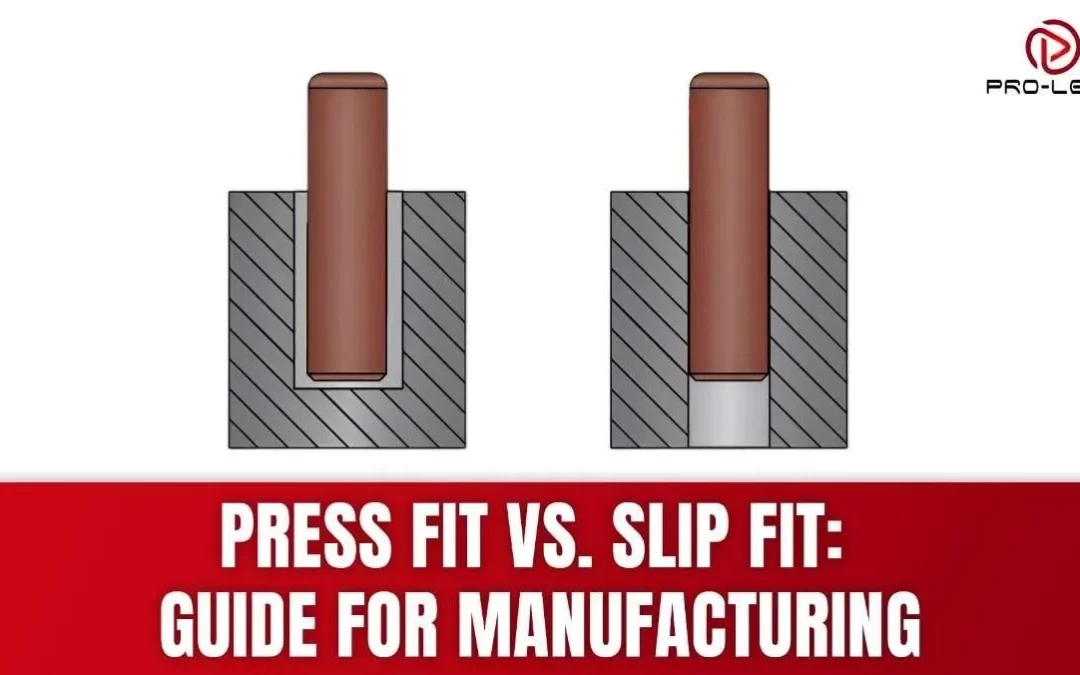
Press Fit vs. Slip Fit Illustration Confused about whether to choose press fit or slip fit for your project? This guide will help you decide. Press fit creates strong, lasting connections by making parts fit very tightly. They don’t move. Slip fit allows a little...
Jul 1, 2025 | Design Guide
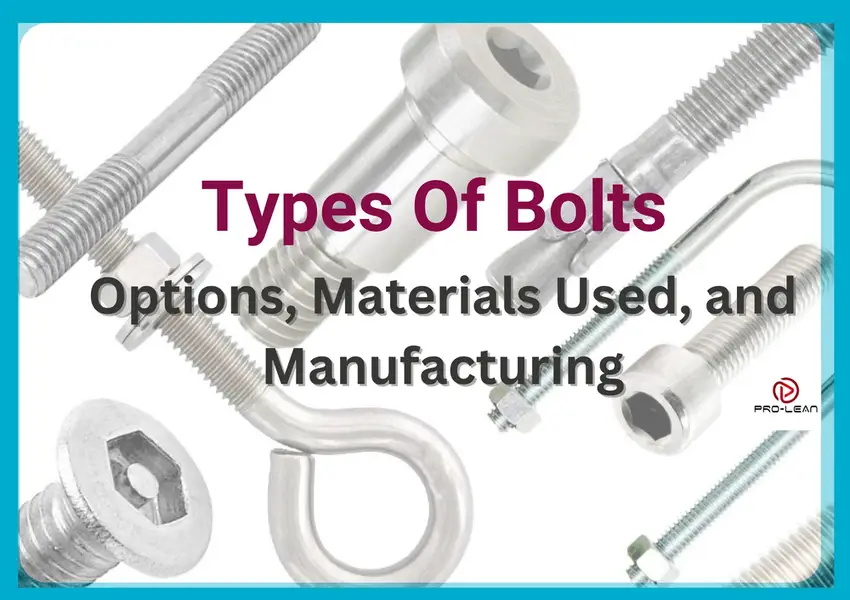
Types of bolts Many sectors rely on frameworks that carry substantial loads and stresses. Be it infrastructure, construction, marine, or land-based transport, the need for different types of bolts to fasten pieces is significant. A bolt may appear simple, but the...
Jul 1, 2025 | CNC Machining
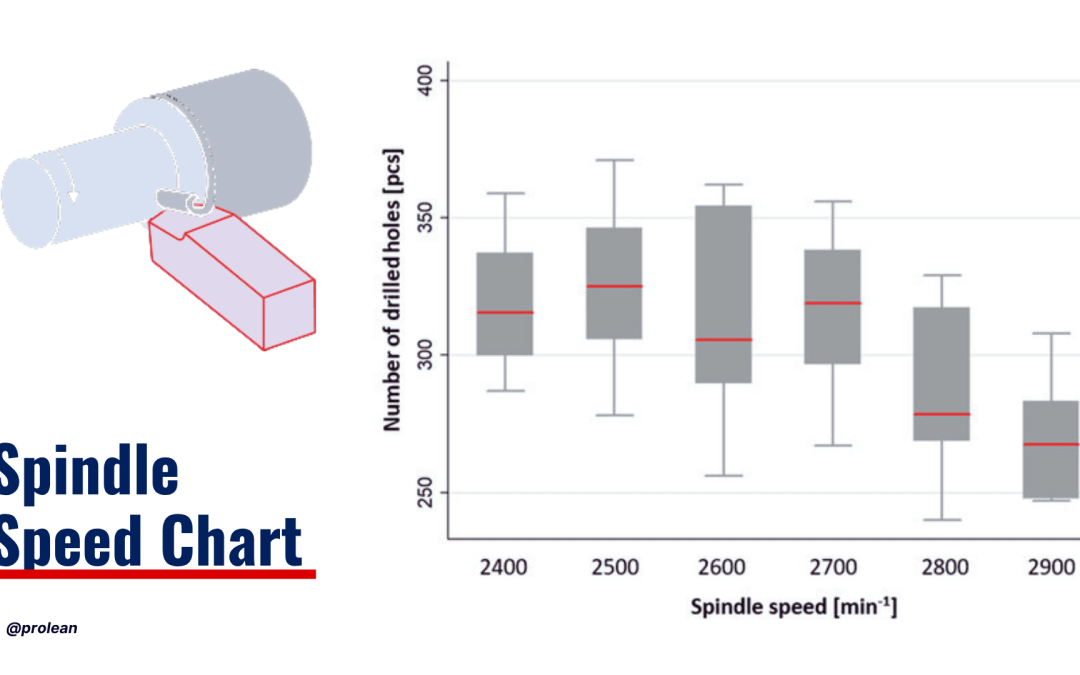
Spindle Speed Chart On the shop floor, every decision changes your outcome. You work daily with speed, feed, and depth of cut.But one setting leads all the rest. That setting is spindle speed. It controls your tool wear and surface finish. If you miscalculate, you...
Jun 27, 2025 | Design Guide
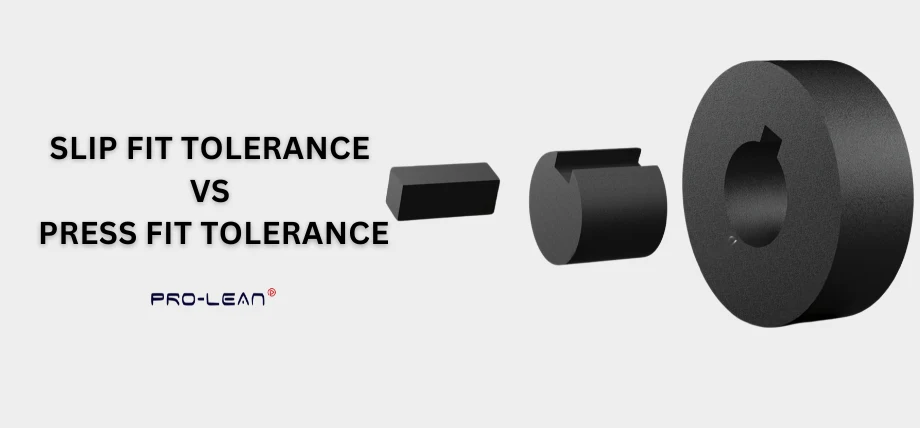
Slip fit keyway Precision in CNC machining begins with choosing the right fit and tolerance for your parts. In mechanical engineering and manufacturing, how the two parts fit together affects the parts’ performance, assembly quality, and long-term production...
Jun 27, 2025 | Design Guide
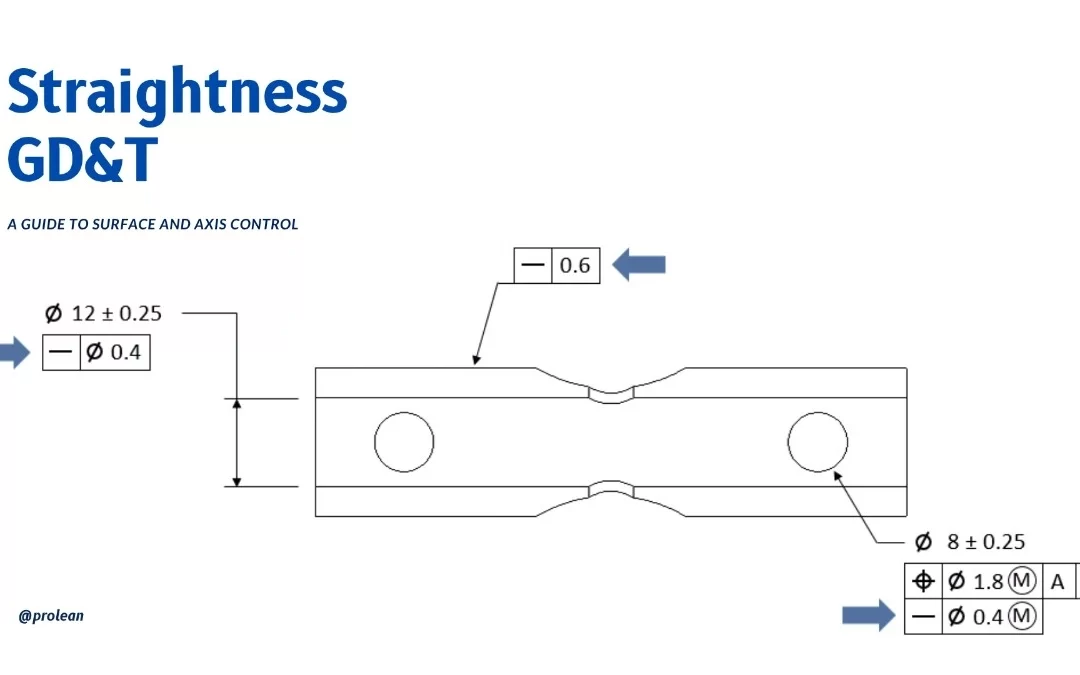
Straightness GD&T Geometric Dimensioning and Tolerancing helps you communicate technical drawing and design features. It sets standards for tolerances, quality, and intent in manufacturing. The straightness symbol plays a key role in this system. In this article,...
